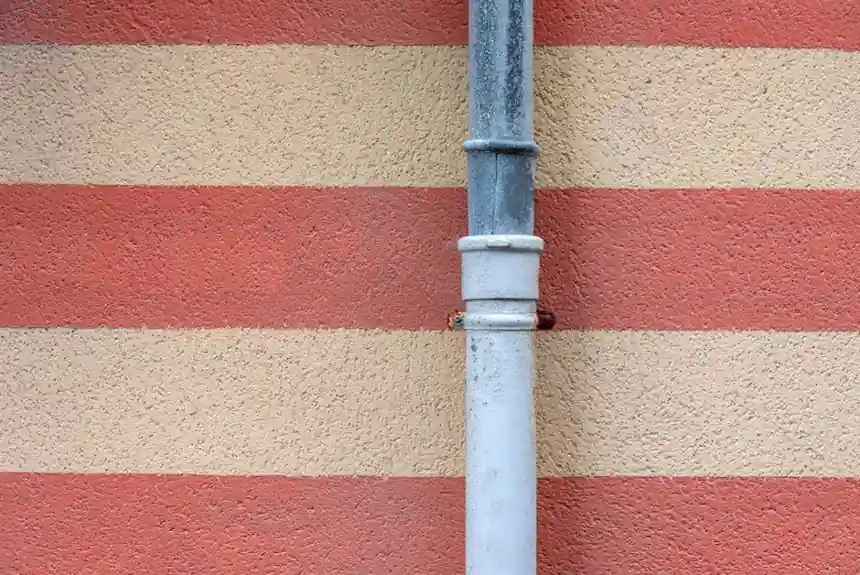
Antibacterial PPR pipe embeds silver ions (Ag⁺) into the inner surface of PPR pipe, with third-party testing from the Guangzhou Institute of Microbiology Group reporting 99.99% inhibition against E. coli and Staphylococcus aureus per the manufacturer's release [S5].
The technology combines a silver-ion-loaded inner layer with a smoother crystalline inner wall and an outer light-blocking shell, targeting bacteria, fungi, and algae rather than relying on residual chlorine at the tap [S1][S2][S5].
How the silver-ion inner layer actually kills microbes
Ag⁺ ions bind to bacterial cell membranes, disrupting permeability and nutrient uptake, then interfere with DNA replication and respiratory enzymes, halting reproduction [S1]. The mechanism is broad-spectrum, covering Gram-negative species like E. coli, Pseudomonas aeruginosa, and Legionella pneumophila, plus mold and algae that colonize warm, stagnant plumbing [S1].
Unlike a coating that can erode, a melt-blended silver masterbatch distributes the antimicrobial throughout the pipe wall so ions migrate slowly to the water interface over the pipe's service life; a coated inner layer localises the same chemistry to the wetted surface only [S1]. Patent CN103756155B describes a SiO₂-supported nano-silver formulation for PPR that lowers nano-silver consumption versus simple dispersion while preserving antibacterial effect [S3].
Two construction variants: single-layer vs double-layer antibacterial
A single-layer antibacterial PPR pipe is a homogeneous extrusion of PP-R resin plus silver-ion masterbatch; its advantage is uniform antimicrobial action and no risk of delamination at the inner-layer interface [S1][S4]. A double-layer antibacterial PPR pipe uses a virgin PP-R outer body and a thin silver-ion inner liner, which keeps the antimicrobial chemistry concentrated where water contacts the wall and reduces the volume of additive required [S4].
Both are typically installed with socket-fusion PPR fittings, so the silver action applies to the pipe body only, not to brass or composite fittings in the run; designers must treat fittings and valves as separate hygiene control points [S1][S2].
Performance numbers, testing, and regulatory limits
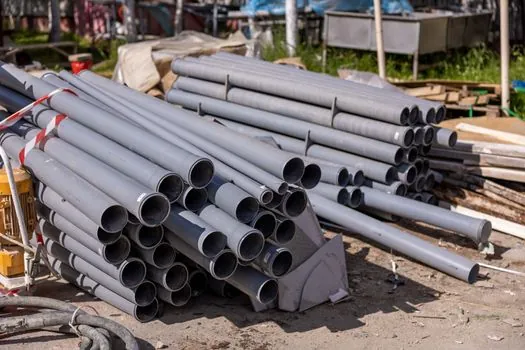
Antibacterial PPR pipe is validated under ISO 22196 (antibacterial activity on plastic surfaces) and ASTM E2149 (antimicrobial activity of immobilised agents), with reputable products achieving a 99%+ colony reduction after 24–48 hours of contact [S1]. Silver-ion release in drinking-water service is generally held below 0.1 mg/L, consistent with WHO drinking-water guidance, and products must also satisfy U.S. EPA registration and EU REACH requirements for the silver additive [S1].
On structural duty, Suban's three-layer antibacterial pipe is rated for 70°C continuous service with 95°C spike tolerance, a 1.2 MPa manufacturer test pressure versus 0.8 MPa under the national standard, and pressure drop under 0.01 MPa after a 30-minute hold, against a typical municipal supply ceiling near 0.45 MPa [S5]. The light-blocking outer layer denies algae the visible spectrum they need for photosynthesis on exposed runs such as balcony and bathroom risers [S5].
Where it fits, where it does not
Antibacterial PPR pipe is specified for hot- and cold-water risers in hospitals, schools, hospitality, and high-end residential builds, plus food and beverage lines where biofilm control at the pipe wall is required [S1][S2]. It is not a substitute for point-of-use filtration, water treatment, or disinfection, and it does not retrofit existing biofilm-encrusted piping, since silver acts on the wetted surface of a new pipe, not on a fouled legacy line [S1][S2].
Specifying engineers should also check that the silver additive is food-contact listed for the specific resin system, and confirm the maximum operating pressure and temperature against the project's PPR pipe duty class, since antimicrobial labelling does not override the pipe's PN rating.
Selection checklist for engineers and contractors
Verify three things before procurement: ISO 22196 or ASTM E2149 test reports dated within 24 months, a declared silver-release value in mg/L against the WHO 0.1 mg/L ceiling, and a manufacturer's PN class with a published creep curve at the design temperature [S1][S5]. Ask whether the antimicrobial is melt-blended or surface-coated, since melt-blended product retains action if the inner surface is lightly scored during installation, while coated product can lose efficacy at damaged spots [S1].
On site, protect pipe ends from UV and contamination, follow the fusion parameters in DIN 8077/8078 for PP-R systems, and flush the line before commissioning so installation debris does not mask the silver action during the first weeks of service.
For a deeper dive on pressure class selection that pairs with antibacterial PPR pipe, see PPR vs PP-H Pressure Rating: PN Class, SDR, and Standards Compared. Track two signals over the next quarter: revised national hygienic-piping standards in China adding nano-silver masterbatch to the approved additive list, and any EU REACH restriction update on silver-ion food-contact additives.