A cleanroom-rated concrete release agent for pharmaceutical, semiconductor, and biotech builds is a chemically active, water-based, silicone-free formulation applied at roughly 2,000-3,000 sq ft/gal on dense non-absorptive form surfaces such as steel, aluminum, fiberglass, and HDO plywood [S3].
Unlike general commercial pours, cleanroom slab and wall construction imposes three layered constraints simultaneously: very low VOC content for installer IAQ, zero silicone transfer that could poison downstream wafer or biological processes, and a form-face film thin enough to leave no oily residue on the structural concrete that will later be sealed, coated, or topped with raised access flooring. Reactive-type release agents — the category that produces a soap-like film by reacting with the free lime in fresh concrete — dominate because they can be sprayed in a very thin film and leave stain-free, void-free surfaces [S2][S3].
Release-Agent Chemistries: Barrier, Reactive, and Combination
The industry groups concrete form release agents into three families, and the chemistry choice drives both release behaviour and cleanroom suitability [S2]. Barrier-type agents — historically diesel fuel, greases, and used motor oil — provide a physical film between form and concrete, but they cause surface voids, staining, and heavy residual films that are unacceptable on a cleanroom slab. Reactive-type agents contain fatty-acid or similar compounds that react with the alkaline free lime in fresh concrete to produce a soap-like release film; this family is the most widely used in architectural and precast work and is the default starting point for cleanroom pours [S2]. Combination agents blend barrier and reactive behaviour and are sometimes used on highly textured form liners. For cleanroom slabs, the practical selection is a reactive water-based product that is also explicitly silicone-free, since silicone migrates into subsequent coatings and into the cleanroom envelope itself.
VOC, Formaldehyde, and Off-Gassing Constraints for Cleanroom Pours
Federal VOC limits on concrete form release agents took effect in September 1999 under the Clean Air Act of 1990 framework, with California enforcing stricter limits than the federal floor; reactive water-based products were the compliance path the industry adopted [S2]. Beyond the regulatory floor, cleanroom projects typically write a project-specific sub-450 g/L VOC target, no formaldehyde, and no alkylphenol ethoxylates, and they require the SDS plus a TVOC emission profile before first delivery. Chem-Trend's portfolio positions water-based and solvent-based conventional (apply-every-cycle) and semi-permanent systems as separate tracks, and it markets its silicone-free line specifically on the claim that it "reduces oily residue, allowing for easier painting and coating post-release" and "reduces contamination risk" [S1]. Nox-Crete's Release Agent #10 E datasheet characterises its reactive chemistry as "essentially no odor," "inherently biodegradable," and a "Green Engineered" formulation, with the active film forming by reaction with alkalies in the concrete and with iron on steel form surfaces — the latter point matters because it doubles as a rust inhibitor between daily pours [S3].
Form-Face Compatibility: Steel, Aluminum, HDO, and Foam Form Liners

Release Agent #10 E is documented as suitable for dense, non-absorptive form surfaces including steel, aluminum, plastic, fiberglass, HDO, PSF, and high-density melamine plywood, plus many rubber and closed-cell foam form liners (urethane, STS, ABS) that cannot tolerate conventional solvent- or petroleum-based products — a relevant constraint when cleanroom walls and columns are poured against architectural liners [S3]. The datasheet is explicit that the product is "not for use on foam forms" without a switch to the maker's foam-specific release, and it warns that on architectural or exposed concrete surfaces, all concrete build-up, rust, and existing form oil residue must be removed before the first application of any new chemistry [S3].
Application Coverage, Dilution, and Equipment
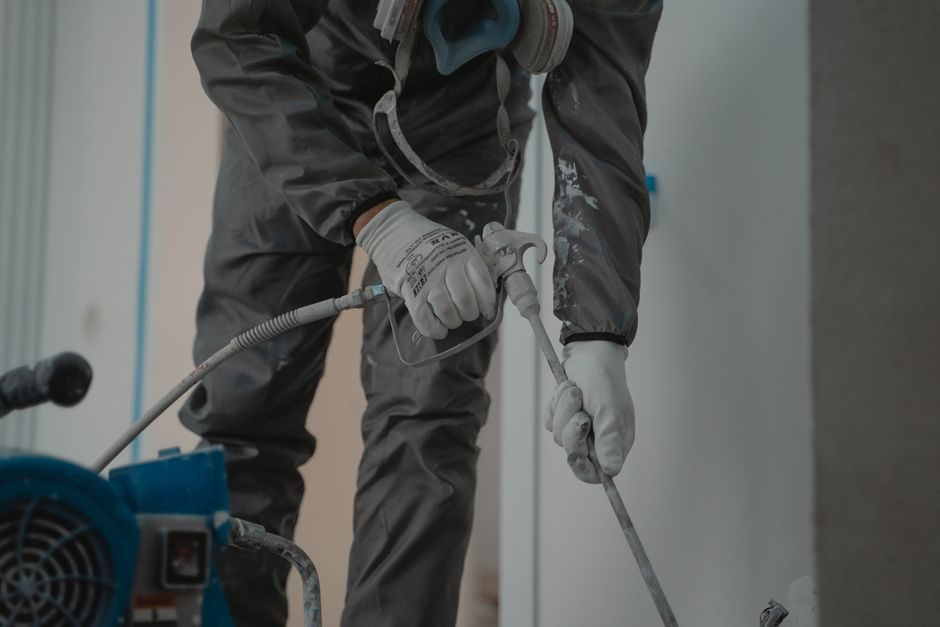
Typical application rates on steel, aluminum, plastic, and HDO plywood range from roughly 2,000 to 3,000 sq ft/gal, with the actual rate set by form absorptivity, mix design, and ambient conditions — and the Nox-Crete datasheet makes clear that "site environmental conditions, substrate conditions and concrete mix design have a major effect on product selection, application methods, procedures and rates, appearance and performance" [S3]. Chem-Trend's conventional release line is offered as "ready-to-use or dilutable, depending on the application," with "tailored" dilution rates set by the amount of slip the form geometry requires, and the family is described as "exceptionally low in in-mold buildup/mold fouling" — both relevant to cleanroom panels where any re-deposited film is a future IAQ problem [S1]. McLube's concrete release range, including its polymer-concrete and veneer lines, is similarly positioned around easy demoulding and reduction of form and mould cleaning, and it markets to specifiers who need to control both release and post-pour surface prep [S5]. The formwork side of the equation is covered in our concrete release agent selection for commercial buildings guide, which compares coverage rates and form-face prep across typical architectural pours.
Semi-Permanent vs Conventional (Apply-Every-Cycle) for Precast Cleanroom Panels

Chem-Trend separates its release agents into apply-every-cycle conventional systems and reactive semi-permanent systems that "chemically adhere" to the mould and deliver "more mold releases between applications," "more molding cycles per working shift," and "reduction in overall scrap" [S1]. For cleanroom precast — wall panels, hollowcore, and columns cast off-site and craned in — a semi-permanent system reduces the per-cycle residue that an apply-every-cycle conventional agent would deposit, which is exactly the trend the silicone-free and water-based product lines are designed to serve [S1]. For cast-in-place cleanroom slabs and walls, the conventional reactive water-based line is usually still preferred because the form-face turnover is high, and the specifier wants a chemistry whose film is fully consumed in the lime reaction rather than building up over weeks of daily pours. The performance trade-off — semi-permanent gives longer mould life and lower per-cycle film, conventional gives simpler QC and a fresh film every pour — needs to be settled in the form drawing review, not in the field.
Cleanroom-Adjacent Failure Modes and Field QC Checks
Three failure modes drive most cleanroom release-agent rework: (1) bugholes and surface voids from over-application or wrong atomisation, (2) staining and form-face rust from residual old form oil under the new film, and (3) post-cure outgassing of VOC or silicone that breaches the ISO 14644-1 Class 5 or Class 6 cleanroom envelope after turnover [S2][S3]. The Hill and Griffith operations article flags that "problems on steel forms can occur with inadequate cleaning or with excessive use of wire brushes or sandblasting," and that internal vibrator contact can scar the form face, which is why most cleanroom pours mandate a concrete vibrator operating envelope that keeps the head off the form skin [S2]. For coverage control, the field check is a wet-film test against the datasheet's 2,000-3,000 sq ft/gal target on the actual form-face substrate, not the generic rate; the Nox-Crete datasheet treats this production test as "mandatory" and explicitly disclaims any verbal or written representation that overrides it [S3]. A final handshake with the concrete curing compound spec is also essential, because the curing membrane has to be chemically compatible with the release film — silicone contamination of either layer will haunt the painter or the raised-floor installer.
Specification Language and Trackable Signals

A cleanroom-concrete release-agent spec should pin down: chemistry family (reactive, water-based, silicone-free), VOC ceiling (≤450 g/L federal, ≤100 g/L for many California projects), coverage rate on the actual form substrate (typically 2,000-3,000 sq ft/gal on steel), applicator pressure (35-50 psi air), pre-application form prep (full strip of prior form oil, rust, and build-up), and post-pour QC (no bugholes above project threshold, SDS-confirmed no APE or formaldehyde) [S2][S3]. Two trackable signals to watch in the next procurement cycle: SDS revisions for APE/NPE removal across the major product lines, and explicit ISO 14644-1 Class language appearing in cleanroom-construction specifications rather than the older "architectural concrete" wording.
Component reference pages worth checking: concrete release agent.