According to IRC Section 316.4, foam plastic such as SPF has a minimum ASTM E84 surface-burning index of 75 flame spread and 450 smoke developed when protected by a code-prescribed thermal barrier.
For roofing, EPDM must be evaluated within the complete roof assembly, because exterior fire exposure, fire resistance, deck construction, and interior fire exposure are separate code questions [S2].
Material and assembly ratings answer different questions
ASTM E84 and UL 723 evaluate surface-burning characteristics at the material level, reporting a flame spread index and smoke developed index [S2]. A result of 75 or less for flame spread applies to foam plastic installed at 4 inches or less in the residential application described by IRC Section 316.4; that interior-use provision also requires a smoke developed index of 450 or less and a thermal barrier [S1].
Roof coverings require assembly testing. ASTM E108 and UL 790 evaluate exterior flame exposure and assign roof coverings to Class A, B, or C, while ASTM E119 and UL 263 evaluate fire resistance for specified hourly ratings [S2].
EPDM membrane, insulation, deck, adhesive, and cover board therefore belong in the compliance file as an assembly, not as unrelated product data sheets.
Selection starts with the code path
Specify ASTM E84 material evidence when the design uses foam plastic subject to IRC Section 316.4, then document the required thermal or ignition barrier and its own code recognition [S1]. The cited interior criteria are a flame spread index of 75, a smoke developed index of 450, and a thermal barrier; they are not a universal approval for every EPDM roofing assembly.
Three verification points should control release: the tested assembly matches the proposed configuration; the flame spread index does not exceed 75 where the 4-inch-or-less foam-plastic provision applies; and the protected insulation remains within the tested thickness, orientation, and barrier configuration [S1].
Flame spread is not a complete fire-performance assessment
That distinction is especially important for EPDM rubber, because a favorable material-level index does not demonstrate that the installed roof passes an assembly test. A complete submittal should identify every tested layer, including the EPDM membrane, insulation thickness, deck, covering, adhesive, and barrier where applicable.
Smoke performance also requires separate attention. The cited interior foam-plastic criterion includes a smoke developed index of 450 or less, while the cited SPF roofing summary states that the ASTM E84 flame spread limit is 75 or less and that smoke is not limited in that specific roof application [S1]. Applicability must therefore be established from the governing code path and product scope.
Material, assembly, and evaluation route compared
That comparison leaves a practical decision rule: use material indices only where the code accepts them, use the roof-assembly listing for roof-covering classification, and use the relevant assembly test for fire resistance and interior exposure. The product category and project geometry determine which documents are mandatory, not a supplier's broad statement that the membrane is compliant.
Applications and intended users

Roof-system designers, code officials, architects, contractors, and facility owners are the primary users of this compliance route [S2]. Building owners and specifiers evaluate roof-system components, slope, climate zone, building location, size, and expected service life alongside fire classification, fire resistance, and interior exposure [S2].
EPDM is relevant to roofing membranes, window seals, and HVAC ducting, but automotive sealing systems, weatherstripping, and under-hood components use different flammability requirements, including FMVSS 302 and ISO 3795 in the cited EPDM flame-retardancy review [S4]. This makes an EPDM roofing approval unsuitable as evidence for an automotive interior-material specification.
Roofing contractors and consultants also need traceable assembly documentation because changes to thickness, slope, deck, adhesive, or covering can alter the tested configuration. Building owners should retain test reports, code approvals, insulation specifications, barrier details, and installation records in one compliance package. For an EPDM-specific decision framework, see EPDM Ballasted vs Adhered Wind Uplift Decision Guide.
Formulation and assembly failure modes
Unmodified EPDM is combustible, and flame-retardant formulations involve trade-offs among flame performance, mechanical properties, processing, and cost [S4]. Halogenated retardants have faced restrictions because of toxicity and environmental persistence, increasing interest in metal hydroxides, inturescent systems, and phosphorus-based compounds [S4]. These formulation choices cannot be converted into a building-code rating without test evidence for the applicable product or assembly.
Three failure modes dominate submittal review. First, an ASTM E84 result may be cited without confirming that the foam thickness falls within the tested scope of 4 inches or less [S1]. Second, a Class A material claim may be presented as proof of the complete roof assembly even though ASTM E108 and UL 790 are assembly tests [S2]. Third, exterior fire performance may be documented while the assembly still needs a 1-hour fire-resistance rating, UL 1256 deck evaluation, or NFPA 276 heat-release evaluation [S2].
Installation departures create a separate risk. Barrier omissions, altered insulation thickness, unapproved adhesives, different decks, or changed roof slopes can place the field installation outside the documented test or approval. For industrial rubber procurement, the compliance package should therefore identify the exact EPDM membrane and every assembly component rather than relying on a generic elastomer description.
Evidence required for a defensible submittal
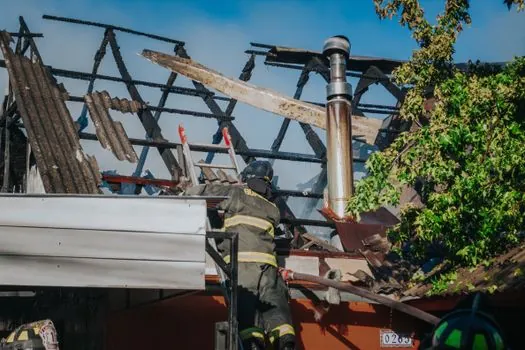
Request the ASTM E84 or UL 723 report when foam plastic is subject to a surface-burning provision, the ASTM E108 or UL 790 classification for the proposed roof covering assembly, and the ASTM E119 or UL 263 report when an hourly fire-resistance rating is required [S2]. Include UL 1256 evidence where interior flame spread of the roof deck is governed, plus NFPA 276 evidence where combustible above-deck roofing components require heat-release evaluation [S2].
Match report nomenclature, dimensions, layer thicknesses, slopes, decks, adhesives, barriers, and cover materials to the proposed installation. For nonprescriptive assemblies, an ICC Evaluation Report can support the code official's review of the specific exception and application, while prescriptive thermal and ignition barriers may not require that report [S1].
The next verifiable node is a code matrix that lists every proposed roof section against its required test, classification, hourly rating, and assembly record. Any uncovered field substitution should remain on hold until the manufacturer or code official confirms it through an evaluation applicable to that exact configuration.