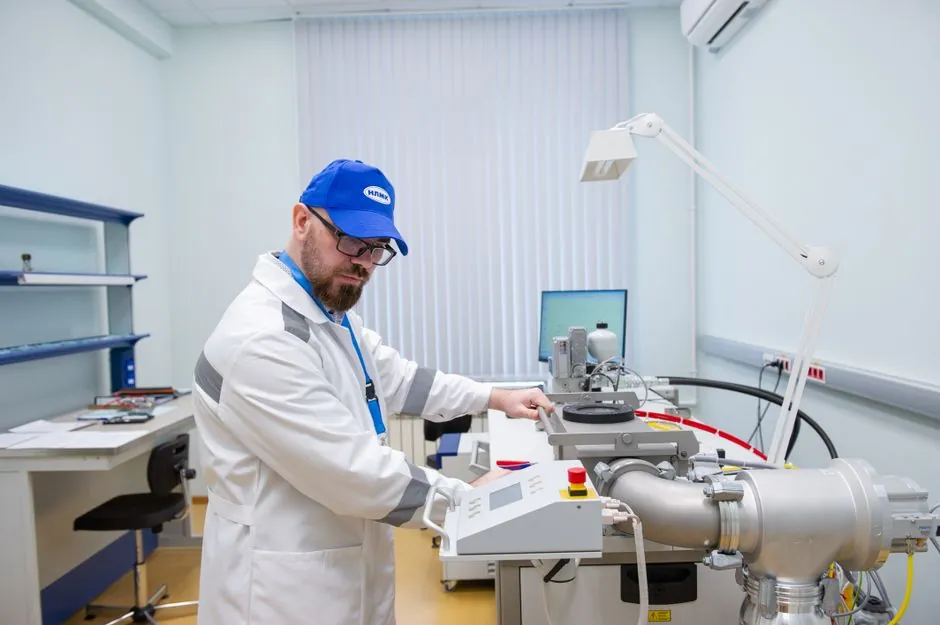
Gas analyzer selection in 2026 is driven by six binding spec gates: target gas and measurement range, sensing technology fit (NDIR, paramagnetic, electrochemical, TDL/TDLAS, zirconia, FID), hazardous-area certification, sampling system design, digital output protocol, and the calibration/verification regime. Plants that fail any one of those gates end up with an analyzer that drifts, cross-interferes, or fails the area classification inspector [S1][S2].
Modern analyzer lineups split into two camps: fixed multi-gas continuous systems (flue gas, syngas, process, emissions) and portable or single-point safety units. Continuous systems from suppliers such as Servomex cover measurement of over 20 gases using NDIR, paramagnetic, zirconia, plasma and electrochemical sensing technologies, with separate platforms for hazardous and safe area installation [S2]. Modular benchtop systems, such as the Columbus Instruments 180C, accept up to 80 sample positions and integrate electrochemical, NDIR, and paramagnetic sensors in one chassis [S3].
Target Gas, Range, and Required Detection Limit
Range and detection limit are the first spec to lock in: an O2 analyzer for boiler trim in the 0-25% range uses a different sensor technology than a trace H2S monitor at 0-200 ppm or a hydrogen analyzer at 0-10,000 ppm [S3]. The 180C platform explicitly publishes O2 0-100%, CO2 0-100%, CO 0-10%, CH4 0-100%, H2S 0-200 ppm, and H2 0-2,000 or 0-10,000 ppm as ordered ranges, with the sensor type matched to each gas and range [S3].
For continuous emission monitoring of NOx, SO2, CO, and O2 in flue gas, extractive FTIR or chemiluminescence is the conventional path; for in-situ measurement in hot ducts, TDLAS avoids sample conditioning entirely. Buyers should write the required range and the minimum detection limit into the datasheet request before discussing brand, otherwise the conversation drifts to features the analyzer does not need.
Sensing Technology Fit: NDIR, Paramagnetic, Electrochemical, TDLAS, Zirconia
No single sensing technology covers all gases. The 180C uses NDIR for CO, paramagnetic for O2 in the 5-25% range or electrochemical O2 in a similar band, and electrochemical for H2S at 0-200 ppm [S3]. Servomex's continuous portfolio uses NDIR, paramagnetic, zirconia, plasma, and electrochemical technologies selected to match the gas, with the hazardous-area SERVOTOUGH and SERVOFLEX ranges covering combustible and toxic gas duties separately from the SERVOPRO bench and clean-air analyzers [S2].
Selection rules a process engineer can apply in 30 seconds: paramagnetic for O2 where poisoning risk is low; electrochemical O2 for portable safety at percent levels; NDIR single-beam for CO and CO2 where the gas is non-corrosive; TDLAS for H2O, NH3, HF, HCl, or O2 in hot/wet streams; zirconia for high-temperature combustion O2; FID for total hydrocarbons below 1 ppm. Mismatched pairing, for example NDIR on a corrosive wet sample, will eat optics in weeks.
Hazardous Area Certification and Installation Form Factor
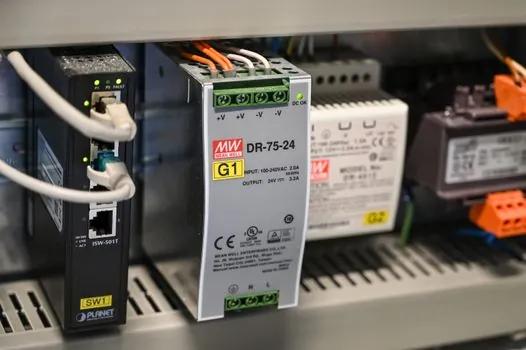
Continuous analyzers for oil and gas, petrochemical, and pharmaceutical service must carry ATEX, IECEx, or North American Class/Division certification matched to the zone, plus a defined gas group and temperature class. ESE-built integrated gas analysis systems are designed for easy install with the sampling, conditioning, and analyzer in one enclosure, intended for petrochemical, environmental, and pharmaceutical sites [S1]. The choice between 19-inch rack, wall-mounted, or analyzer-house shelter is driven by the area classification and the sample line length [S2].
Portable safety units follow a different rule book, defined under gas detector standards with T90 response, IP rating, and run-time specified separately. Buyers should not let a portable safety gas detector shortlist creep into the continuous analyzer list, even if the same vendor sells both.
Sampling System, Conditioning, and Materials
An analyzer is only as good as its sample conditioning. The 180C accepts up to 80 sequential sample positions with auto-selection valves, suitable for lab, research, and light industrial service [S3]. For continuous process analyzers, the spec sheet must define sample flow, filter type, cooler/chiller, pump or ejector, and wetted materials to handle corrosion, condensation, and particulates. Without this, the same analyzer that reads clean on a lab bench will drift within a week on a real process tap.
For high-temperature, high-dust, or wet streams, in-situ probes and TDLAS avoid the conditioning problem entirely, at the cost of a longer optical path and window cleaning strategy. Pick the sampling architecture first, then pick the analyzer that fits it. The reverse path, picking the analyzer first and bolting on a generic conditioning panel, is the most common cause of analyzer failure in the first 90 days.
Output, Data, and Integration

Fixed continuous analyzers usually need 4-20 mA with HART, Modbus RTU/TCP, FOUNDATION Fieldbus, or PROFIBUS PA, plus relay outputs for alarms and a digital data archive. The 180C uses an IBM PC/AT compatible controller and exports data as ASCII files, which suits lab and research use but is rarely enough for a 24/7 process control room [S3]. Servomex platforms ship with fieldbus and Ethernet options for both hazardous and safe area, aimed at DCS and emission reporting integration [S2].
Specify the protocol list on the purchase order, not as an option. Buyers who leave it vague end up paying for a gateway that the analyzer already had on board. Also lock down the calibration interval and the gas standard certification (EPA Protocol 1, NIST-traceable, or equivalent), since the data's regulatory value depends on it.
Who Should and Should Not Pick a Modular Multi-Gas Bench
The Columbus 180C-style modular bench is the right tool for research labs, fermentation, animal respirometry, biogas characterization, and small-scale industrial monitoring where 1-80 sequential sample positions are needed and O2, CO2, CO, CH4, H2S, H2 are the target list [S3]. It is the wrong tool for continuous emission compliance, refinery process control, or hazardous-area Zone 1 service, where a purpose-built continuous industrial gas analyzer with ATEX/IECEx certification and integrated sampling is mandatory [S1][S2].
Comparing the three options on a 1-5 score: 180C multi-gas bench, scores high on flexibility (5) and price-per-sample (4) but low on hazardous-area rating (1) and continuous-duty uptime (2). Servomex-style continuous process gas analyzers score high on hazardous-area rating (5) and continuous uptime (5), medium on flexibility (3), and lower on price-per-sample (2). Portable gas detection units score high on portability (5) and area-class rating (5) but are unsuitable as primary process analyzers (1). The shortlist logic is simple: research/light-industrial duty, pick the modular bench; continuous process or emissions duty, pick a fixed continuous analyzer; life-safety duty, pick a certified portable gas detector.
Calibration, Verification, and Lifecycle Cost
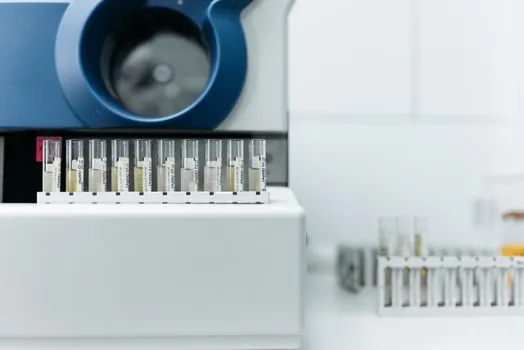
Selection criteria that bite later: drift behavior, recommended calibration interval, availability of certified span gases, mean time between failures, and the cost of consumables (filters, scrubbers, pumps, lamps). ESE and Servomex both frame their after-sales support, spare parts, and consumable delivery as part of the analyzer spec, not an afterthought [S1][S2]. Buyers should request a 5-year lifecycle cost number, not just purchase price, before sign-off.
Spec-first rule: any analyzer shortlist that does not pass the hazardous-area, range, sensing technology, sampling, output, and calibration gates should be cut, regardless of brand. Brand loyalty is a final tiebreaker, not a selection criterion. For a parallel spec-first read on flow service, the turbine flowmeter selection guide and the Coriolis flowmeter spec map apply the same gate-then-shortlist logic. On the metrology side, laser tracker selection criteria shows the same six-gate pattern at very different price points.