
A compact OEM pressure transmitter typically uses 4–20 mA, 0–5 VDC, or 0–10 VDC outputs and costs less than a smart process transmitter with 0.065% of span accuracy or better [S1].
The buying decision is straightforward: specify compact analog devices for machines and general automation, and reserve smart process-grade instruments for demanding or continuous applications where compensation, configurability, and reliability outweigh unit price [S1][S2].
Compact and Smart Options Compared
Compact analog transmitters are usually smaller, lighter, and less expensive than smart process transmitters, but their pressure range is fixed by the manufacturer and cannot be adjusted by the user [S1]. Typical analog outputs include 4–20 mA, 0–5 VDC, and 0–10 VDC, which makes these devices suitable for confined machine installations and OEM equipment [S1].
Smart transmitters use a microprocessor-based signal chain to filter, amplify, linearize, and temperature-compensate the sensor output before presenting a standardized 4–20 mA signal [S1][S4]. The 2026 price guide places transmitter purchases from below US$25 to above US$5,000, although the same technical description can appear at radically different prices depending on accuracy, sensor construction, materials, certification, and brand [S3].
Accuracy and Calibration Drive the Premium
Smart process transmitters compensate for ambient and process temperature changes, which improves zero stability, repeatability, and long-term measurement performance compared with basic compact analog units [S1]. A smart transmitter can also be ranged on demand and calibrated to the exact span required by the application, reducing the need to replace a fixed-range sensor when operating conditions change [S1].
For calibration planning, the distinction between quoted accuracy and practical stability matters because pressure transmitter datasheet parameters determine how often field checks are justified. A 2026 procurement example contrasted a US$47 transmitter with a US$340 industrial-branded unit having the same 4–20 mA output, 316L stainless steel wetted parts, and 0.25% accuracy specification; two low-cost units later failed under peak summer loads, leading to US$28,000 in corrective spending [S3].
That example is not a universal failure rate, but it shows why purchase price alone is a poor lifecycle metric. Compact analog transmitters can drift as they age, and the least expensive models may require more frequent calibration and maintenance [S1]. Process-grade instruments with documented stability, recalibration support, and stronger construction can therefore be cheaper over a maintenance cycle even when the initial quotation is higher [S1][S3].
Where Compact Transmitters Fit

General industrial transmitters are intended for OEM integration and standard automation, with pressure coverage to 1,000 bar and outputs including 4–20 mA, 0–10 V, RS485 Modbus, and I²C [S2]. Common process connections include G1/4, NPT, and M20×1.5, making the format suitable for hydraulics, pneumatics, pumps, compressors, industrial gas, and HVAC equipment [S2].
This class is appropriate when pressure is measured for equipment control, local indication, or a PLC input rather than a custody or continuous-production function. It is also appropriate when the pressure band is known, temperature variation is modest, and the enclosure can be changed without opening the calibrated measurement system [S1][S2].
Compact devices are not the preferred choice for a corrosive, viscous, high-temperature, or high-pressure process where measurement stability affects product quality or safety [S2]. Their lower environmental tolerance, noisier output, lack of user adjustment, and greater exposure to drift can turn a small purchase-price saving into extra installation, calibration, and replacement work [S1].
Where Smart Process Transmitters Justify Cost
Smart process transmitters are built for continuous production in oil and gas, petrochemicals, power generation, and metallurgy, including applications involving high temperature, high pressure, corrosive media, suspended solids, and highly viscous fluids [S2]. Diaphragm isolation protects the sensing element from the process medium, supporting longer measurement stability when the wetted materials are appropriate for the service [S2].
One published product family offers gauge, absolute, and differential pressure options with accuracies of ±0.075%, ±0.1%, and ±0.2% URL, long-term stability of ±0.1% span over 10 years, and a maximum turndown ratio of 100:1 [S2]. A direct-mounted marine family provides ranges from -1 to 100 bar for gauge versions and up to 30 bar for absolute versions, with stated accuracies of ±0.1% and ±0.2% URL [S2].
These are model-specific figures, not universal limits for the smart-transmitter class. They nevertheless illustrate the measurable engineering value behind the premium: wider ranging, isolated sensing, documented long-term stability, and materials suited to harsher service. HART calibration tools can also address drift during the transmitter's working life, while smart devices support pressure monitoring and control functions that basic analog transmitters do not perform to the same level [S1].
Installation, Wiring, and Output Decisions
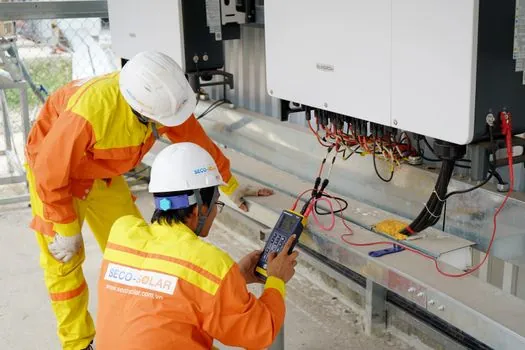
The analog-versus-smart distinction does not determine the output architecture by itself. Compact products support 4–20 mA, voltage, RS485 Modbus, or I²C, while smart products typically use 4–20 mA with HART, Modbus, or PROFIBUS [S1][S2]. The system architecture should determine whether the transmitter must interoperates with a PLC, SCADA, RS485 network, or existing 4–20 mA loop, and whether two-wire power availability is acceptable.
For signal selection, pressure sensor output and protocol selection provides a separate decision framework. Compact transmitters often favor direct voltage or current integration into equipment controls, whereas smart process units add digital communication, local configuration, and calibration access [S1]. Mechanical selection remains equally specific: G1/4, NPT 1/4, M20×1.5, and hygienic tri-clamp connections appear across industrial product portfolios [S2].
Users comparing an absolute pressure transmitter, differential pressure transmitter, or ordinary gauge unit should match the reference and pressure band before comparing price. A lower-priced sensor with the wrong reference, unsuitable connection, or inadequate range creates a false economy even if its nominal accuracy appears adequate [S2][S3].
Price Bands, Materials, and Hidden Cost
Published prices illustrate the spread within the same transmitter category. One industrial catalogue lists compact transmitters starting at US$657, a compact high-precision unit starting at US$879, and another product starting at US$1,363 [S6]. The broader 2026 guide reports a market range from below US$25 to more than US$5,000, with sensor technology and accuracy class among the principal cost drivers [S3].
Materials affect both price and suitability. A cooling-water specification cited 316L stainless steel wetted parts, while high-performance process products can offer broader material selections and process connections [S1][S3]. Buyers should compare the sensing element, diaphragm, sealing arrangement, electrical housing, and process connection rather than treating a stainless-steel label as proof that every wetted component meets the service condition [S2][S3].
Lifecycle cost should include initial purchase, installation, scheduled calibration, drift-related maintenance, and failure consequences. The illustrative cooling-water case recorded US$3,500 in initial savings followed by US$28,000 in corrective expenditure, illustrating why calibration interval and failure exposure belong in the commercial evaluation [S3]. By contrast, the compact transmitter’s fixed range means a future operating-point change may force replacement rather than field re-ranging [S1].
Specification Rules That Prevent Misbuying

A compact transmitter should be selected with an explicit pressure range, required output, connection type, media compatibility, and calibration interval. Smart transmitters add accuracy, temperature compensation, turndown, digital communication, recalibration capability, and stability as separate line items in the datasheet [S1][S2]. A 4–20 mA output alone does not establish that two products are functionally equivalent [S3].
For process service, isolate the sensor from hostile media where required, verify the wetted-material combination, and document the applicable vessel or hazardous-area approvals before purchase [S2]. The cited marine product family carries DNV, ABS, KR, NK, and RS vessel-installation approvals, but those approvals belong to that specified family and should not be generalized to every smart transmitter [S2].
For OEM equipment, the practical recommendation is a compact unit when the required range is fixed, the interface is simple, and the device operates within moderate environmental conditions. Choose a smart process transmitter when temperature compensation, on-demand ranging, diagnostics, long calibration intervals, or continuous-process reliability can justify the premium [S1][S2][S3].
A useful procurement comparison should record unit price, quoted accuracy, pressure span, turndown, output protocol, wetted materials, temperature limits, calibration interval, approval requirements, and expected maintenance cost. Any replacement program can then track two measurable signals: calibration drift against the manufacturer’s stated stability, and the frequency of field adjustments or failures after installation [S1][S3].