
The LogTag USRIC-8 records up to 8,000 temperature readings and automatically generates a detailed PDF report without dedicated software [S1].
USB PDF data loggers serve transport, pharmaceutical, food and cold-chain operations that need portable evidence without installing and validating a reporting application.
How Software-Free USB PDF Logging Works
The LogTag USRIC-8 has an integrated USB connector, removes the need for a separate interface cradle and generates a fully detailed PDF report when downloaded to a computer [S1]. The EnviroLog EV-16 has a measurement range of -30°C to +70°C [S3].
PDF generation occurs inside the logger or its export workflow, depending on the model. The iMINI is a single-trip USB PDF logger that is available in multi-use and single-use versions and can also be supplied with an external probe [S2]. Rustx loggers transfer recorded data through USB and generate a PDF report when the logger is stopped [S6].
These devices are a specific type of data logger designed for unattended records that can be reviewed on Windows, macOS or another compatible system after retrieval. They are not a replacement for a calibrated reference instrument when laboratory accuracy is the controlling requirement.
Capacity, Intervals and Operating Life
The USRIC-8 stores up to 8,000 recordings [S1]. The EnviroLog EV-16 has 16,000 readings of log memory [S3].
Capacity, interval and operating life must therefore be checked as one set: a 5-minute interval consumes the memory and battery faster than an 18-hour interval.
Accuracy, Response and Environmental Limits

The EnviroLog EV-16 has a measurement range of -30°C to +70°C [S3]. These limits matter for refrigerated transport, produce distribution and industrial monitoring where the logger may experience different temperatures before, during and after shipment.
Calibration addresses measurement accuracy, while PDF portability addresses report handling; neither substitutes for the other.
Alarms, Indicators and Shipment Decisions
The EnviroLog EV-16 has flashing green “OK” and red “Fail” LED lights [S3].
These controls are useful when a shipment needs a defined excursion criterion, but the thresholds should match the product and process limits rather than a generic logger preset.
Alpha data loggers generate automatic reports without software [S4]. The report should be opened and checked before the logger is discarded or reused, particularly where the file itself is the delivery record.
USB Report Options Compared
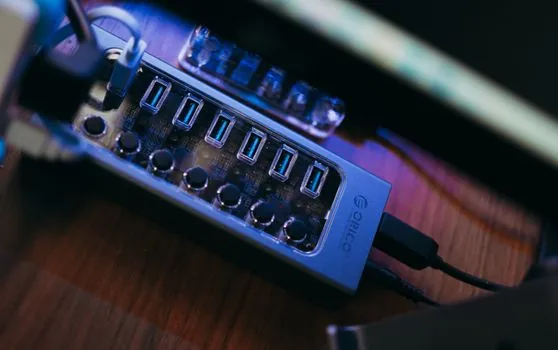
The main choice is between single-use temperature-only loggers, reusable multi-trip loggers and report formats designed for regulated documentation. The USRIC-8 provides up to 8,000 recordings and has a built-in integrated USB connector [S1]. The EnviroLog EV-16 has 16,000 readings of log memory and a measurement range of -30°C to +70°C [S3].
The table separates capacity, range, format and evidence requirements, but it does not imply that all models meet the same calibration or compliance needs. Selection should begin with the required temperature band, logging duration and reporting workflow.
Regulated, Shipping and Industrial Use Cases
The iMINI is positioned for food, pharmaceutical and life-science applications and is listed as FDA 21 CFR Part 11 compliant [S2]. The EnviroLog datasheet identifies fruit and produce distribution, seafood and perishables shipping, vaccine transportation and pharmaceutical distribution as applications [S3].
USB PDF loggers also fit mapping and transport checks where a field technician needs a self-contained report, although the product alone does not establish full temperature-mapping capability across every spatial location in a container or chamber. A digital multimeter remains appropriate for electrical checks at the point of use.
Alpha PDF reports can be distributed to multiple recipients, reducing the need for each recipient to operate the logger software [S4].
Environmental Protection and Failure Modes
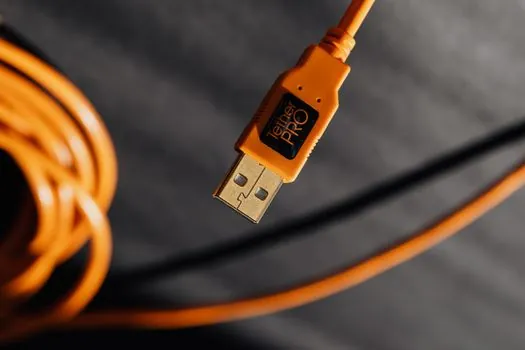
The EnviroLog EV-16 is rated to IEC 60529 IP67 when in its plastic intact state [S3]. That rating supports use in wet logistics environments, but IP67 does not imply resistance to all chemicals, mechanical damage, submersion beyond the defined test conditions or incorrect sensor placement.
The iMINI can be supplied with a waterproof pouch and has a compact, lightweight profile for portable use [S2]. Its separate USB Mini-to-USB interface is listed as an accessory, whereas the USRIC-8 and EnviroLog use integral USB connectors [S1][S2][S3].
The principal failure modes are configuration mismatch, exhausted logging memory, delayed start, sensor exposure outside the rated range and loss of the file after retrieval. A documented configuration, an intact battery, a visible OK or ALERT state and a successfully opened PDF reduce ambiguity but do not eliminate it.
Standards, Software and Procurement Controls
EnviroLog reaction-time data cites EN 12830:1999, and its environmental protection is specified to IEC 60529 IP67 [S3]. The iMINI page states FDA 21 CFR Part 11 compliance, while also listing Console Plus software as an optional download or disc [S2]. These statements should be checked against the exact model, configuration and validation package bought.
The iMINI can provide factory-issued accuracy documentation or a NIST-traceable calibration certificate [S2]. For a pharmaceutical programme, the buyer should define whether a PDF-only workflow is sufficient or whether the validated configuration requires software, audit trails, electronic signatures and a controlled report repository.
A software-free logger removes one installation burden, not every quality-system obligation. Procurement records should identify the logger model, calibration basis, alarm limits, sampling interval, start method, intended temperature range and who is responsible for reviewing the exported report.
Buyers can track three practical signals before approving a logger: the sample interval divided by memory must cover the trip duration, the rated measurement range must enclose the expected thermal profile, and a test PDF must contain the alarm summary, device information and complete recorded series required by the receiving process [S1][S3][S4].