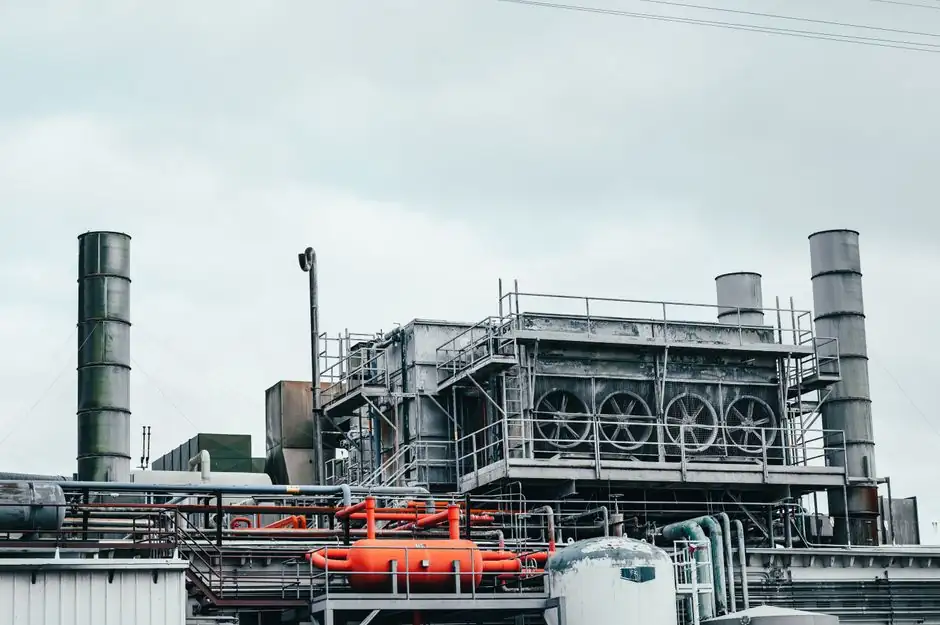
Industrial-facility waterproofing fails most often from category mismatches, not from bad products in the right category, and the specifier's first decision is whether the assembly faces hydrostatic pressure, chemical attack, vehicular load, or simply rainfall [S2].
The global waterproofing membrane market reached USD 25.62 billion in 2025, is projected at USD 27.08 billion in 2026, and is forecast to reach USD 42.16 billion by 2034 at a 5.69% CAGR, with Asia Pacific holding a 36.4% share in 2025 [S4]. A separate industry forecast values the market at USD 41.49 billion in 2026 growing to USD 57.95 billion by 2031 at a 6.9% CAGR [S5]. The variance reflects different scope definitions (membranes-only versus membranes plus system accessories), but both confirm double-digit growth driven by infrastructure and refurbishment demand.
Membrane Categories and Where Each One Wins
Sheet-based and liquid-applied membranes are the two primary classifications, with bituminous sheet membranes the most common pre-formed product and liquid-applied options the most common field-formed product [S4]. The five functional categories a specifier chooses between on a typical industrial-facility job are liquid-applied, peel-and-stick self-adhered sheet, cementitious, bentonite clay, and HDPE dimpled drainage sheets [S2]. Liquid-applied polyurethane and rubberized asphalt can deliver up to 900% elongation to ride out substrate movement, but they require 24 to 48 hours of cure before backfill and cannot be applied below freezing [S2].
Self-adhered modified bitumen and rubberized-asphalt sheets, such as the Henry Blueskin WP 200 pattern, give consistent factory-controlled thickness and bridge hairline cracks on smooth new concrete, but they need a primer, are sensitive to surface contamination, and do not drain water away from the wall [S2]. For deeper context on modified-bitumen chemistry and field behaviour, the modified bitumen membrane encyclopedia entry covers the SBS and APP modifiers that govern cold-bend and UV performance. Cementitious coatings bond directly to concrete and masonry for interior positive-side applications, but are rigid and will crack when the foundation settles, so they are excluded from any hydrostatic-pressure zone [S2].
Application-Specific Selection Logic
Four application archetypes cover most industrial-facility waterproofing scopes: overburden, pedestrian traffic, vehicular traffic, and below-grade [S1]. Overburden systems (green roofs, amenity decks, stormwater management) sit beneath soil, vegetation, and water and must tolerate sustained ponding and sustained load, which a roofing membrane alone cannot do; a dedicated waterproofing layer plus continuous drainage is the standard prescription [S1].
Pedestrian-traffic membranes must take abrasion and UV without losing slip resistance, while vehicular-traffic systems in parking garages and traffic decks must additionally resist oils, greases, and de-icing salts in addition to dynamic vehicle load [S1]. For a deeper treatment of the chemistry and cure behaviour of the coatings most often used on these traffic decks, the industrial adhesive reference is a useful cross-check on bond-line selection. Below-grade applications, including foundations, basements, and retaining walls, are the hardest service environment because hydrostatic head is constant and any leak path becomes mold and structural degradation [S1].
Blindside waterproofing, where the membrane is installed against the soil-retention shoring before the structural wall is cast, is the go-to method for sites with sensitive equipment or critical infrastructure below grade, and it is almost always a fully bonded system so water cannot migrate laterally between membrane and structure [S3]. Bentonite clay panels hydrate and swell to seal cracks under constant hydrostatic pressure, but they are expensive, sequencing-sensitive, and vulnerable to saltwater or chemically contaminated soils [S2].
Decision-Criteria Comparison Across the Main Options
Side-by-side, the five categories diverge sharply on the criteria that actually drive an industrial spec: liquid-applied membranes score high on irregular-geometry fit and elongation (up to 900%) but require 24 to 48 hours of cure, fail in freezing weather, and do not relieve hydrostatic pressure; peel-and-stick sheet membranes give consistent factory thickness and bridge hairline cracks but need a primer, are contamination-sensitive, and do not drain; cementitious systems bond to masonry and block but are rigid and will crack on settlement, ruling out hydrostatic service; bentonite handles constant hydrostatic head but is saltwater-intolerant; HDPE dimpled sheets create an air gap that drains water by gravity and eliminates hydrostatic pressure on the wall, which is why they are the current professional default for new subgrade work [S2].
A useful rule of thumb: if hydrostatic head is the controlling load, select bentonite or HDPE dimpled, not liquid-applied; if the substrate is irregular or the project is a retrofit, select liquid-applied; if vehicular traffic is in scope, select a traffic-rated system specified against oils, salts, and abrasion [S1][S2]. For broader context on how these below-grade decisions connect to the full building envelope, the waterproof membrane and thermal waterproofing encyclopedia entries give the system-level layering logic. Specifiers looking for the commercial-build analogue can also compare notes in the related waterproofing membrane selection guide for commercial builds.
Supply Landscape and Sourcing Notes
Leading membrane suppliers named in current industry coverage include Sika (Switzerland), Tremco (US), GCP (US), Carlisle Companies (US), SOPREMA (France), MAPEI (Italy), Holcim (Switzerland), Standard Industries (US), Johns Manville (US), Beijing Oriental Yuhong Waterproof Technology (China), Pidilite Industries (India), Ardex Group (Germany), Paul Bauder (Germany), and RENOLIT SE (Germany) [S5]. Sika alone offers three product families (sheet, liquid-applied, and bituminous) sold under the Sikanlan, SikaProof, SikaShield, SikaShield P, SikaShield E, SikaShield W, and SikaShield HB trade names, produced in more than 400 factories and distributed across 102 countries [S5].
Tremco, a subsidiary of RPM International, supplies sealants, waterproofing membranes, air barriers, traffic coatings, and glazing components through its Construction Products Group, serving homes, schools, hospitals, parking garages, stadiums, and high-rises across the Americas, Europe, Asia Pacific, and the Middle East and Africa, with regional depth in Indonesia, Thailand, South Korea, and Singapore via its APAC arm [S5]. Both companies frame their portfolios as covering both the bituminous (Sika) and traffic-coating (Tremco) ends of the industrial-facility spec, which is why both names appear on most shortlists for water-handling plants, transit depots, and logistics hubs.
Cost, Risk, and Failure-Mode Reality Check
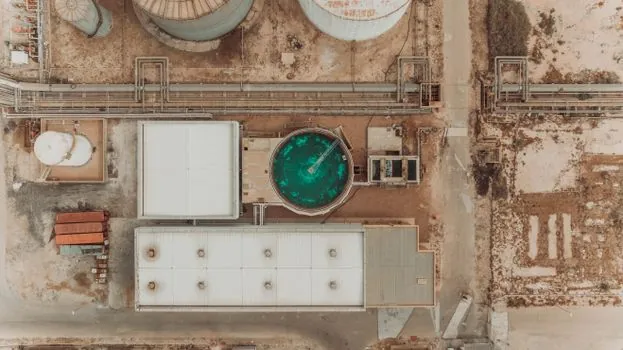
Water damage repairs in North American foundations average USD 5,000 to USD 10,000 per incident, and structural foundation failures cost more by an order of magnitude, which is why the membrane line item rarely decides a project's budget even though it is the most consequential envelope decision [S2]. The dominant failure modes are category-mismatch (specifying a positive-side cementitious coating where hydrostatic pressure is present), sequencing error on blindside bentonite, contamination under self-adhered sheet laps, and freeze-application of liquid-applied systems below their minimum installation temperature [S2][S3].
Substrate preparation is the most-cited cause of below-grade failure: compacted soil, smooth and primed concrete, and proper lap detailing at terminations are non-negotiable, because the membrane is only as good as what it bonds to [S1][S3]. A project that pre-defines cure-time windows, primer coverage rates, lap inspection hold points, and termination geometry into the spec will eliminate the bulk of post-handover leak calls before concrete is poured.
Trackable signals for the rest of 2026 include continued APAC-led volume growth (36.4% regional share in 2025) [S4], tighter eco-friendly and low-VOC liquid-applied formulations in response to stricter building codes [S5], and growing refurbishment demand on existing industrial stock as lifecycle extension overtakes new-build in mature economies [S5].