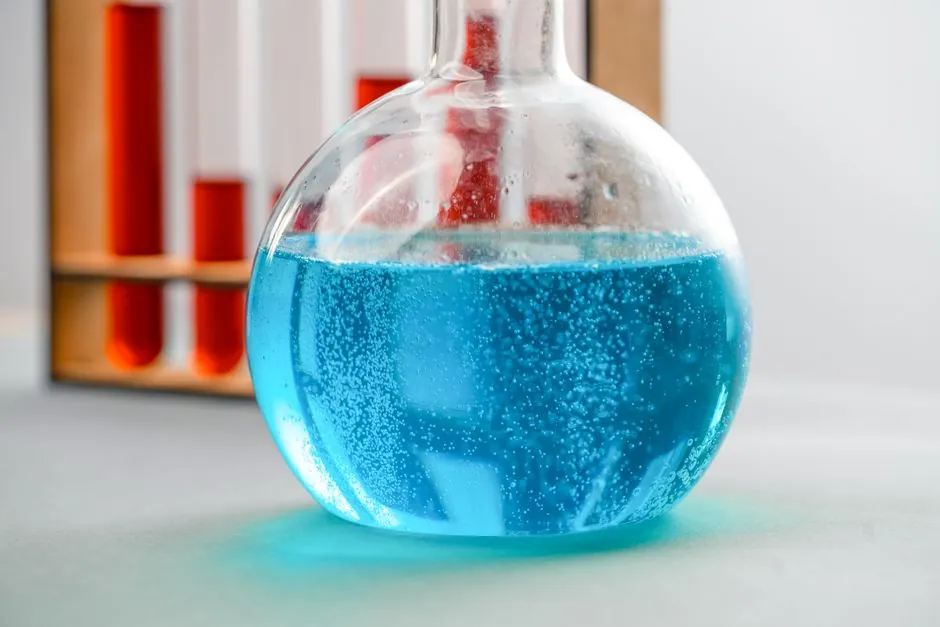
Conductivity remains usable in low-conductivity solvents because it detects mobile ions directly, while conventional pH measurement can lose reference stability and develop noise or drift.
The distinction matters in non-aqueous processing: conductivity can track ionic contamination in solvents with little buffering capacity, but it cannot replace acidity measurement where that measurement is technically valid.
What Conductivity and pH Actually Measure
Conductivity measures how readily a liquid carries electric current, which depends on the concentration, charge, and mobility of dissolved ions. Water-testing practice commonly reports conductivity in microsiemens per centimetre, or µS/cm, and in millisiemens per centimetre for more conductive samples [S5].
pH measures hydrogen-ion activity on a logarithmic scale, so a change of one pH unit represents a tenfold change in hydrogen-ion activity [S5]. The two parameters are connected through ions but do not inherently cause one another. A solution can gain conductivity without a proportional pH change, and two samples can have similar conductivity but markedly different pH values [S1][S5].
That distinction is particularly relevant to a conductivity meter. It provides an ionic-condition measurement, not a direct measurement of acidity, alkalinity, contaminant identity, or microbial safety [S5].
Why Solvents Break Conventional pH Measurement
Some non-aqueous solvents combine low ionic strength with low conductivity, which can produce high noise or drift in conventional pH measurements [S2]. The measurement chain depends on a glass membrane, sample, liquid junction, reference electrolyte, and reference electrode; instability anywhere in that chain can affect the calculated pH [S4].
In a weakly conducting sample, the reference system has difficulty establishing a stable potential. Small movements of the electrode or changes in the liquid junction can then appear as changing pH even though the bulk sample has not changed materially [S4].
Low buffering capacity creates a second limitation. Carbon dioxide from ambient air, trace electrolyte, or other contamination can alter the actual hydrogen-ion activity in a solvent with little capacity to resist acid-base change [S4]. Conductivity does not solve that chemistry by itself, but it can expose an ionic change that is difficult to interpret from an unstable pH signal alone.
Where Conductivity Gives a More Workable Signal
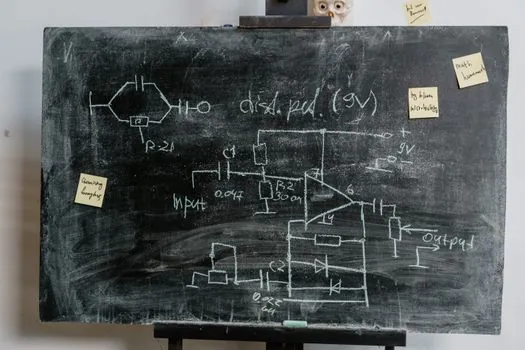
Its value is the change in current-carrying capacity, not a direct measure of solvent purity, water concentration, or any specific dissolved compound [S1][S5].
That limitation should be stated plainly. Sodium chloride, treatment chemicals, and other ionic substances can produce the same conductivity increase, so the instrument cannot identify the cause by itself [S5]. A useful installation therefore needs a defined baseline, an operating range, temperature compensation, and a limit tied to the process condition being monitored.
For high-purity water systems, conductivity can also reveal ionic ingress with fewer ambiguities than a drifting pH reading. The broader engineering case for conductivity-based purity monitoring is covered in Choose Conductivity for Reliable High-Purity Water Readings.
Decision Comparison for Solvent Analysis
The comparison below separates three practical questions: whether the measurement is stable, what chemical property it establishes, and whether it identifies the contaminant. Conductivity tracks changes in dissolved ions, while pH shows acidity or basicity, so one water-test reading cannot reliably predict the other.
Neither instrument replaces the other. Conductivity may be the more robust measurement in a solvent that defeats ordinary pH electrodes, but a conductivity result still cannot establish whether the solvent is acidic or basic [S5].
Limits, Failure Modes, and Sampling Risks
Low ionic strength and low conductivity can make pH measurement noisy or unstable by increasing electrical resistance and making it more difficult to establish a stable potential at the reference system. Buffer residues, wash-water quality, electrode condition, and sample handling must be controlled as part of the measuring system rather than treated as separate maintenance details [S4].
For ultrapure water, deionized water, and similar low-conductivity media, the same pH value can move through 6.8, 6.4, and 6.1 while an electrode is moved, even with correct buffer calibration and stable temperature [S4]. The sequence illustrates why an unstable indication should not automatically be classified as a defective sensor. Instrument, electrode, sampling, temperature, carbon-dioxide ingress, and contamination have to be assessed together [S4].
Carbon dioxide absorption changes sample chemistry in low-buffer media, while open-beaker exposure, flow-cell configuration, stirring, and residual rinse solution can affect repeatability [S4]. Temperature compensation corrects the meter’s calculation of a measurement, but it does not repair a drifting electrode, contaminated junction, unstable reference, or changed sample composition [S4].
Choosing and Verifying the Right Instrument
For a non-aqueous solvent, start with the conductivity range expected at process temperature, not simply the conductivity of the neat solvent. Include expected contamination, dosing, or water-ingress concentrations in the cell and transmitter range. Confirm the cell constant, temperature compensation, and calibration method with the actual solvent matrix. [S3]
A conventional pH system should be selected only when the solvent produces a stable glass-electrode potential and a reliable liquid-junction reference. Low-conductivity solvents can require specialized measurement methods rather than routine buffer conversion, and the sensor manufacturer should define suitability for the specific medium [S2].
For low-conductivity water, a pH meter should be validated under the same sample conditions used in service, including flow, temperature, carbon-dioxide exposure, and cell configuration. Meter verification before and after calibration provides a practical check that the sensor, reference, and measurement chain are behaving consistently [S4].
What To Track in a Solvent Process

Use conductivity as the robust ionic trend and pH as the acidity control, but only when the pH installation is demonstrably stable. Record the conductivity range during normal production, the alarm limits for contamination or dosing deviations, pH drift after a sample change, and the response to a known calibration check. [S1]
Two trackable signals distinguish solvent chemistry from instrument instability: a conductivity change without a corresponding pH change indicates an ionic alteration rather than a proven acid-base event, while simultaneous movement in both readings after carbon-dioxide exposure or contamination warrants investigation of the sample, reference junction, and operating conditions [S1][S4][S5].