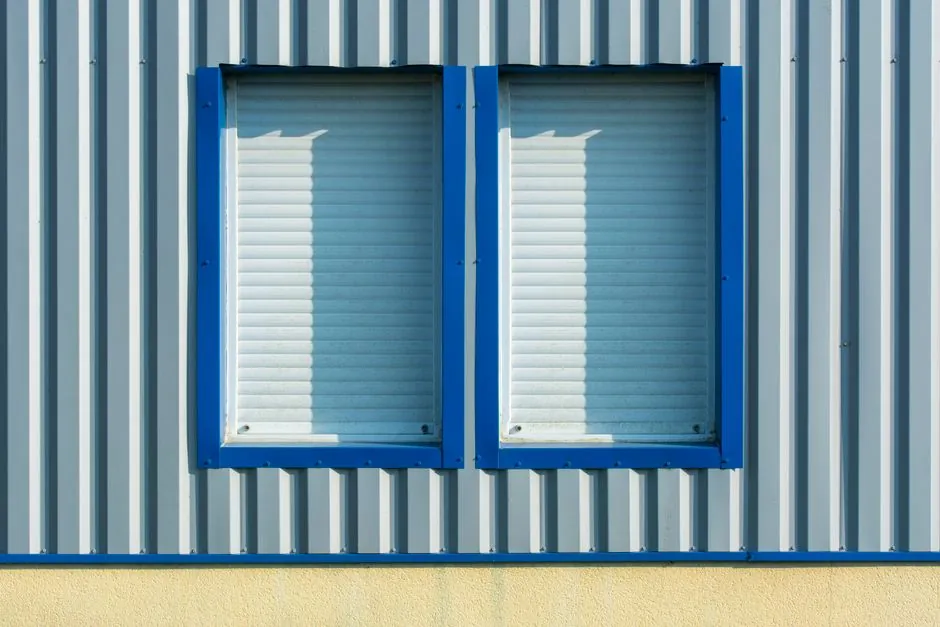
Wet glazing bonds glass to an aluminum frame with a cured liquid sealant, while dry glazing holds the glass with pre-formed EPDM or neoprene gaskets compressed under a snap-in or screwed glazing bead, the two methods are not interchangeable, and the right pick is driven by exposure, panel size, and service interval [S1][S4].
For most exterior architectural aluminum work where weatherproofing and long service life dominate, wet glazing is the default; for interior partitions, storefronts with easy access, and standard residential sash, dry glazing installs faster and lets you swap a single IGU without recutting sealant [S1][S6][S7].
What Each Method Actually Does at the Bead
Dry glazing is a purely mechanical system: a pre-formed gasket (commonly EPDM or neoprene) or a glazing tape sits between the glass and the aluminum glazing bead, and sustained compression does the sealing, no mixing, no priming, no cure window [S1]. Vinyl and aluminum sash in residential work usually combine a snap-in or screwed bead with a tape or gasket so the unit comes out cleanly when the IGU fails [S7].
Wet glazing pours a liquid sealant, typically structural silicone (DOW 995 is a common pick on bronze and aluminum frames), polyurethane, or polysulfide, into the glazing channel, and after cure it forms a crosslinked bond between glass and metal that behaves like one piece rather than two parts pressed together [S4][S1]. Channel glazing sets the glass into a three-sided or four-sided channel inside the sash, with the bead or gasket running along the sides and bottom, and the choice of bead retention (mechanical wedge vs bonded) is what defines wet vs dry in practice [S2].
Weatherproofing and Water Infiltration
Wet glazing offers a continuous, joint-free barrier in the glazing pocket, which is why it is specified where water infiltration is the dominant failure mode, and dry systems have joints in the gaskets that can open up over time [S3][S5]. Once cured, structural silicone forms a flexible seal that adapts to building movement, which is why facility managers tend to spec wet glazing in coastal, high-rainfall, or freeze-thaw exposures [S5].
Dry gaskets depend on compression that the window frame supplies day one, and exposure to UV, ozone, and temperature cycling causes the elastomer to shrink, take a compression set, or perish, which loosens the seal and lets moisture track into the rabbet [S4][S1]. For a coastal aluminum storefront or a high-rise curtain wall, that gasket-shrinkage pathway is the reason most facade engineers will not accept dry glazing on the weather side of the building envelope.
Thermal, Structural, and Lifespan Behavior
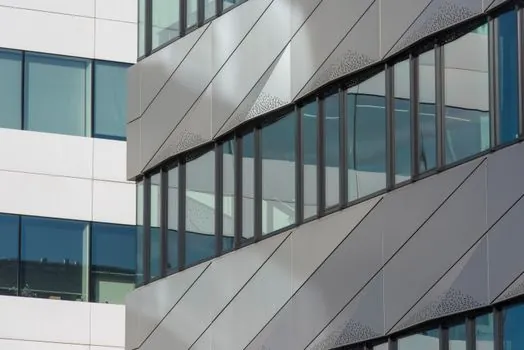
Wet-glazed assemblies combine the load-bearing capacity of the glass with the metal frame, which lets the same aluminum profile carry higher wind or impact loads, or lets the designer drop glass thickness for weight and sightline gain without losing capacity [S4]. Dry-glazed systems carry load only through mechanical compression of the bead and gasket, so they are typically limited to smaller panels, lower design pressures, and protected locations [S1].
On service life, dry-glazed gaskets typically need replacement within the typical service interval of the building envelope, while wet-glazed silicone joints generally go much longer before reseal, which is the dominant cost-of-ownership lever for facility managers running large aluminum window inventories [S1][S5]. The flip side: wet glazing costs more upfront in labor, materials, and cure time before the unit can be loaded, and the seal has to be cut out and re-beaded to replace a broken IGU, whereas a dry-glazed bead pops out and the gasket goes with it [S1].
Selection Criteria: Decision Matrix in Prose
On install speed and serviceability, dry glazing wins: no cure window, snap-in or screwed aluminum window beads release quickly, and a failed IGU comes out without chemical demolition, which is why it is the right pick for interior partitions, standard residential sash, and storefronts with planned re-glazing access [S1][S7]. On weatherproofing and long-term moisture resistance, wet glazing wins: a cured structural silicone creates a joint-free seal in the glazing pocket, where dry gaskets have joints that open with UV, ozone, and thermal cycling [S3][S5].
On cost, dry glazing is cheaper in material and labor at install, and is the typical choice in value-engineered window systems; wet glazing has a higher first-cost line item but pays back through longer reseal intervals and lower leak-call frequency [S4][S1]. On structural capacity, wet glazing combines the load-bearing of glass and frame, allowing thinner glass for the same design pressure; dry glazing relies on bead compression only, so it is generally limited to smaller panels and lower wind ratings [S4]. On replacement logistics, dry-glazed panels can be swapped by a glazier in minutes; wet-glazed panels require the old sealant to be cut out and the new bead re-poured and cured, so wet is the wrong choice where frequent IGU turnover is expected [S1][S6].
Who Each Method Is For, and Who It Is Not For
Wet glazing is for exterior aluminum curtain walls, large-format storefronts, coastal exposures, hurricane-rated or high-design-pressure assemblies, and any premium residential or commercial project where the facade must stay dry for decades, it is the right default when two or more of these conditions apply: large panel, exposed location, long service life, structural loading [S1][S4]. Dry glazing is for interior partitions, sheltered vestibules, replacement residential sashes, standard vinyl or aluminum new construction where snap-in bead serviceability matters, and any project with a tight install schedule and no cure window [S1][S6][S7].
Wet glazing is the wrong call for a job that needs same-day panel swap-out, for a low-exposure interior, or for any spec that is value-engineered below the labor budget needed to bed, tool, and cure a structural silicone joint cleanly [S1]. Dry glazing is the wrong call for a wet coastal facade, a high-rise wind exposure, a roof or sloped glazing that sees driving rain, or any premium facade where the owner expects 20-plus years between reseal cycles [S4][S5]. For related frame-side decision rules, see the spec breakdown on aluminum window frame deflection limit under design wind pressure.
Common Failure Modes to Watch On Site
Dry-glaze failures cluster around three signatures: gasket shrinkage or compression set after UV and thermal cycling, which opens the seal at the corners first; bead deformation under wind load, which lets the gasket walk out of the channel; and IGU edge delamination where the primary seal has failed but the dry bead prevents water from draining, trapping moisture against the butyl desiccant [S4][S1]. On system window and door units, the bead retention method (snap-in vs screwed) is usually the first thing to check when a leak shows up at a corner, because a popped snap-in bead is the most common dry-side failure path [S7].
Wet-glaze failures cluster around surface prep, joint geometry, and movement accommodation: dirty or unprimed aluminum that the silicone cannot wet out, a joint that is too thin to absorb thermal expansion (silicone typically wants a 2:1 width-to-depth ratio for movement joints), and sealant applied below the dew point or in rain, all of which produce adhesion loss rather than cohesive tear [S1][S5]. The other wet-side failure to spec against is incompatible materials: some silicone sealants will not bond to PVDF or anodized aluminum without a primer, and a wet-glazed pocket that sees incompatible gaskets as backer rod can debond within one or two seasonal cycles.
Sourcing and Standards Anchors

ASTM C920 covers elastomeric joint sealants (the typical structural silicones used in wet glazing) and grades them by Type, Grade, Class, and Use, which is the language the spec writer should use to call out a Class 50 or Class 100 movement-capable sealant at the glazing bead [S1]. For dry glazing, AAMA 701/702 covers gasket materials and the related dry-glazing tape standards, and ASTM C864 covers dense rubber gaskets, which together let the specifier pin density, hardness, and UV resistance on the elastomer that does the actual sealing [S1].
For the glass side, IGUs in either method are typically sealed to ASTM E2190 or E2188 for argon retention and frost-point, and the bead retention (wet or dry) is independent of that primary seal, but it directly affects how easily a failed IGU can be replaced [S1]. On the framing side, AAMA 611 covers anodized aluminum and AAMA 2604/2605 cover painted finishes, which matter because the wet-glaze sealant must bond to the specific finish in service, and primers must be matched accordingly [S4]. When the spec gets tight, the practical move is to require a mock-up that cycles wet/dry and a 5- to 10-year weathertightness warranty tied to the sealant chemistry, not just the brand name.