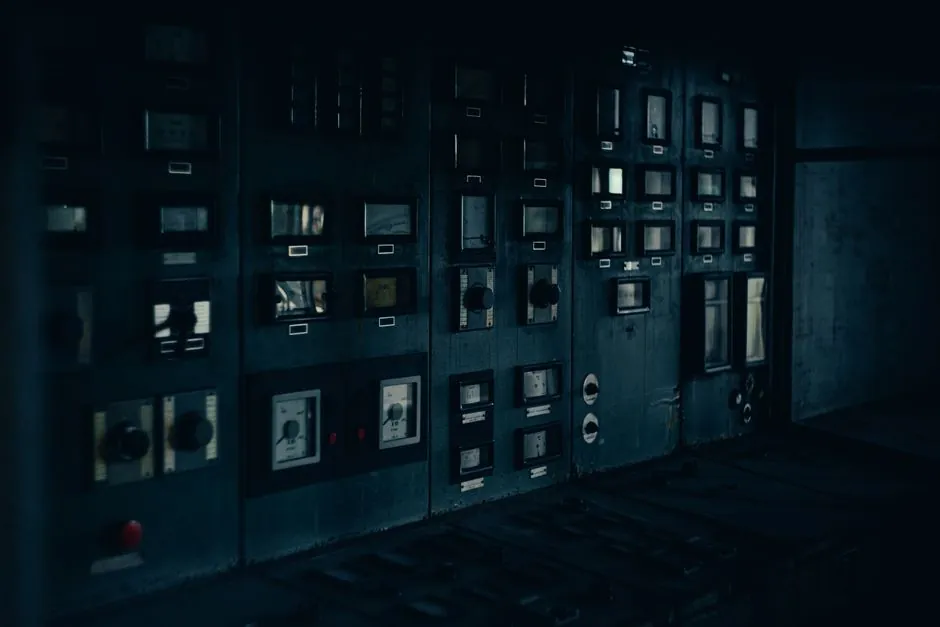
Marine electrical fire monitoring works best as a zoned, marine-approved detection and alarm system combining suitable smoke, heat, flame, and arc-fault coverage with reliable power and emergency communication.
The correct configuration differs between a permanent cargo ship, a high-voltage vessel, an offshore platform, and a ship under repair, where battery-powered wireless coverage may be more practical than a permanently cabled installation [S1][S4].
What Counts as an Electrical Fire Monitoring System?
Marine electrical fire monitoring is the detection, fault identification, annunciation, and escalation layer used to identify a developing fire or dangerous electrical condition before automatic suppression or manual intervention is required [S3][S5].
A practical system includes initiating devices, a fire alarm control panel, zone identification, audible and visual alarms, power supervision, and interfaces to suppression, ventilation shutdown, and emergency systems. A residential smart plug-in sensor is not a marine replacement: Ting requires a mobile application and service, while its published claims concern homes rather than shipboard machinery spaces or hazardous-area installations [S2].
Marine installations also need coverage for engine rooms, galleys, accommodation, cargo zones, battery rooms, technical rooms, and high-voltage electrical spaces. Modern vessel risk reviews extend beyond engine-room and galley fires to ro-ro cargo, lithium-ion batteries, alternative fuels, LNG and methanol arrangements, and cruise accommodation loads [S4].
Choosing Detectors by Electrical Fire Mechanism
Smoke, heat, flame, and electrical-fault detection must be matched to the hazard because no single sensing principle covers every shipboard fire pattern [S5][S7].
Smoke detectors can respond quickly to smoke but may produce nuisance alarms where steam or aerosol is present. Heat detectors are generally less sensitive to those influences, although they can respond slowly to a smouldering fire with little early temperature rise. Flame detectors can identify combustion rapidly but normally need a suitable view of the protected area and can cost more than conventional point detectors [S5].
Intelligent monitoring adds another layer because a marine system can identify faults in individual detectors and compensate for dust accumulation over time [S7]. For electrical panels and cable routes, thermal monitoring or arc-fault analysis can supplement conventional fire sensors, but it does not replace smoke or heat coverage. The wider selection method for an electrical fire monitor should distinguish panel monitoring from whole-space fire detection.
Permanent Wired or Wireless Temporary Coverage?

For a vessel entering service, a permanently wired, zoned system provides continuous coverage; for construction, dry dock, repair, and retrofit, battery-powered wireless detection can be deployed in minutes without cable runs or vessel power connections [S1].
The comparison below separates the two architectures by installation, operation, and service life:
Permanent wired detection is better where uninterrupted coverage, integrated zoning, and a fixed alarm interface are required for the vessel's operating life. Wireless temporary detection is better where the work area changes, electrical infrastructure is unavailable, and equipment must move with hot work [S1].
A temporary wireless platform can also provide cloud-based notifications to safety managers, supervisors, and emergency personnel. Its published use cases include engine rooms, accommodation areas, cargo spaces, dry docks, and offshore maintenance zones [S1]. This makes it a practical temporary safeguard, not an automatic substitute for an approved permanent marine fire alarm arrangement.
Power, Redundancy, and Alarm Architecture
A dependable marine system must remain available during a power failure or while vessel electrical systems are isolated, while a permanent installation must also provide supervision, redundancy, and controlled restoration [S1][S5].
Battery-powered wireless detectors are independent of vessel or facility power during construction and repair work, but battery condition, radio coverage, environmental suitability, and manual alarm paths still require commissioning checks [S1]. A permanently installed panel should record initiating-device and system faults, identify the affected zone, operate audible and visual alarms, and transmit the correct signal to suppression and other safety systems [S3][S4].
For larger vessels, the control architecture matters as much as the detector. Autronica is identified as a strong marine fire and gas detection supplier for passenger ships, ferries, naval vessels, offshore units, and high-value commercial tonnage, with detection logic, zoning, alarms, and integration identified as core strengths [S4]. That is a market capability, not a blanket approval of every product for every vessel.
Class Approval and Marine Service Matter
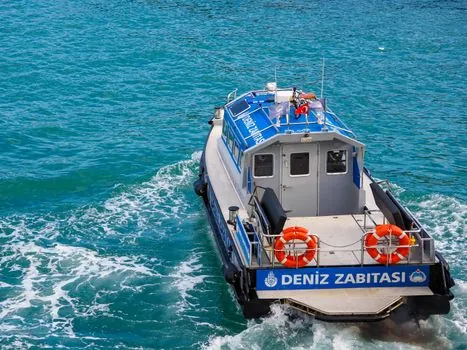
Selection should be driven by class approval, flag acceptance, service documentation, inspection history, and vessel-specific engineering rather than a generic supplier ranking [S4].
Marine fire and gas detection, suppression, clean-agent, aerosol, foam, and water-mist capabilities may all appear within the same procurement category, but they serve different layers of protection [S4]. Detection identifies the event, the alarm panel communicates it, and suppression acts on it. A detector without a reliable alarm path, or suppression without verified detection, leaves an incomplete safety function.
Service coverage is equally important because fleets need installation, inspection, maintenance, and emergency support, while providers can differ in geographic coverage. Viking Fire Protection describes marine services in Canadian waters covering design, inspection, and 24/7 emergency support, demonstrating the value of confirming local capability before equipment selection [S6]. The 2026 ship-provider review also notes that 24/7 support and inspection coverage can carry the same procurement weight as the hardware [S4].
What the System Should Monitor Beyond Fire
High-risk electrical spaces require more than a single fire sensor because smoke development, heat rise, flame, and electrical arcing represent different observable conditions [S4][S5].
Continuous monitoring of panel state, power availability, fault records, and alarm transmission can expose failures before they become an emergency. A power monitoring system can support power-loss and restoration visibility, while the fire alarm layer must independently identify where the hazard exists and who must respond.
Gas detection may also be required where the fuel or cargo arrangement introduces combustible gas risk. That function should be engineered as part of the integrated marine safety layer rather than added as an interchangeable smoke detector [S4]. For cargo ships, alternative-fuel vessels, and battery installations, the engineering review must cover the actual space, fuel, battery chemistry, ventilation, and suppression sequence.
Limits of Consumer and Stand-Alone Electrical Sensors
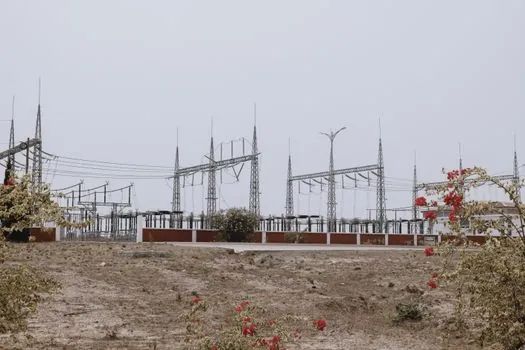
Consumer electrical sensors can provide useful local warning, but their published performance and installation model do not establish marine suitability for hazardous or critical shipboard spaces [S2].
Ting states that installation and activation typically take 2 minutes, provides real-time outage alerts, and includes a $1,000 hazard-repair credit. Its service page also states that the mobile application and subscribed service are required for setup and hazard guidance [S2]. These characteristics suit a residential or light-commercial monitoring service, but they do not demonstrate class approval, marine environmental ratings, zone annunciation, or integration with shipboard suppression.
Conversely, a marine fire alarm system is not a substitute for a domestic outage alert. It needs planned testing, detector spacing appropriate to the hazard, periodic maintenance, competent crew response, and documented interface testing. A system that only reports a fault to a cloud dashboard can still leave the vessel without the local audible and visual alarms required for immediate action [S1][S3].
Marine Procurement Checklist
A defensible selection record should identify 10 measurable points: protected spaces, initiating-device type, zone count, power source, battery autonomy, alarm outputs, suppression interfaces, class or flag acceptance, service coverage, and maintenance interval. [S4]
For temporary work, document hot-work areas, detector relocations, wireless coverage, responsible personnel, alarm escalation, and daily status checks. For a permanent vessel, include approved drawings, cause-and-effect logic, detector placement, power-loss behavior, replacement strategy, and commissioning records [S3][S4].
No supplier can be named the universal best. The stronger choice is the system that matches the vessel's actual fire mechanisms and operating environment, carries the required marine approvals, and has a service plan that can be sustained for the full deployment period [S1][S4][S6].
Track two procurement signals before ordering: documented approval for the exact detector and control configuration, plus a named local inspection and emergency-support plan. These checks distinguish a documented marine package from a collection of generic electrical alarms [S4][S6].