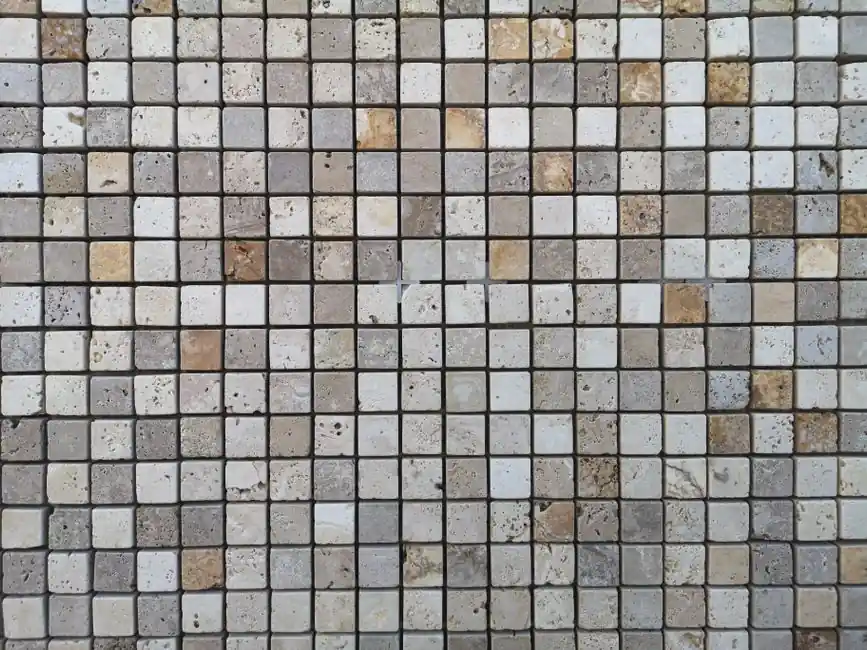
Glazed ceramic tile normally needs less maintenance than natural stone because its fired glaze limits moisture and stain penetration, while porous stone typically requires compatible sealing and pH-neutral cleaning [S1][S3][S4].
This comparison covers maintenance intensity, cleaning chemistry, sealing, wear behavior, and suitability for kitchens, bathrooms, entries, and other wet or high-traffic areas.
Maintenance Requirements by Material
Glazed ceramic tile is the lower-maintenance option. The factory glaze forms a hard, non-porous surface that resists stains, moisture, and routine surface wear, and it normally requires no additional tile coating after installation [S2][S3]. Grout may still need attention, including sealing where the owner or installer considers it warranted [S3].
Natural stone requires a material-specific program because it is porous by nature. Most stone used for tile needs a compatible sealer to reduce water and stain absorption, with renewal frequency determined by stone type, finish, location, and exposure [S1][S3][S4]. Unglazed ceramic and terracotta also behave more like porous stone and may need sealing, so the rule is glaze and porosity, not simply the word “ceramic” [S3][S4].
Cleaning Chemistry and Surface Protection
Natural stone should be cleaned with a pH-neutral cleaner because acidic products can etch the surface, particularly on calcium-bearing materials such as marble, travertine, and limestone [S3][S4][S5]. Sweeping or vacuuming removes grit that can scratch the finish, and felt pads beneath furniture help limit abrasion [S2][S5].
Ceramic glaze permits a broader range of routine cleaners than natural stone, although abrasive tools and harsh treatment can still damage grout, coatings, or worn surfaces [S3]. Natural stone therefore requires stricter chemical control even though both materials are swept and cleaned regularly [S3].
For identification, place a few drops of water on the installed face; stone normally darkens as it absorbs water, while glazed ceramic or porcelain should not show the same color change [S5]. This is a practical screening test, not a substitute for product documentation.
Sealing, Traffic, and Service Intervals
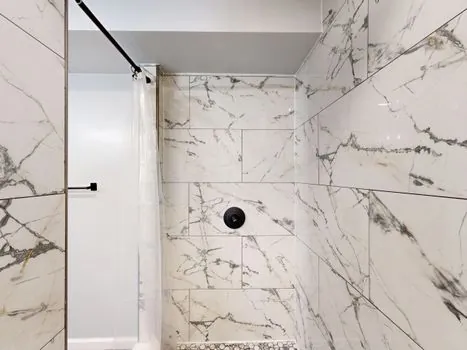
Stone sealing is an ongoing control, not a one-time installation step.
For a demanding kitchen, choose glazed ceramic if the priority is resistance to cooking oil, wine, coffee, and frequent spills with minimal intervention [S2]. For natural stone, keep food preparation off the floor, wipe spills promptly, and maintain the sealer according to the stone supplier’s instructions. In entrances and halls, stone remains workable because it can often be refinished or repolished without tile replacement, but marble, travertine, and limestone may develop visible traffic patterns [S5].
Cleaning frequency should follow soil exposure rather than a fixed calendar. Ceramic can retain its finish with routine sweeping and damp cleaning, while stone needs closer attention to grit, standing moisture, acidic spills, and sealer condition [S3][S5]. A 10-minute water test and a review of the original product data are useful when the installer’s documentation is incomplete.
Durability and Failure Modes
Stone and ceramic fail differently. Glazed ceramic is generally consistent against scratches, stains, and moisture, although its glaze can chip and expose a more porous body [S2][S4]. Stone tolerates wear differently by type: granite is hard and scratch resistant, while marble and limestone are softer and more susceptible to scratches and etching [S2].
Natural stone can also be refinished, and a matte finish on marble, travertine, or limestone may be changed to a polished finish without replacing the tile [S5]. That serviceability is a genuine advantage where appearance restoration is worth the specialist cost. Conversely, failed or mismatched sealer can leave the surface vulnerable to water and staining, and acidic cleaner can cause etching that simple mopping will not correct [S2][S4].
Unglazed ceramic sits between the two cases: it is more absorbent than glazed ceramic and needs sealing or a protective top coat in staining-sensitive installations [S3][S4]. Do not transfer a glaze-safe cleaner protocol to an unglazed body without checking its technical data sheet.
Decision Matrix by Installation

For a kitchen, bathroom, mudroom, or rental where cleaning simplicity dominates, glazed ceramic wins on moisture resistance, stain resistance, cleaner compatibility, and lower routine service. For a low-traffic entry, formal living area, or feature floor where natural variation is the priority, sealed natural stone is viable if the owner accepts specialist cleaning, periodic sealing, and possible refinishing [S1][S2][S3].
The comparison is not simply “ceramic versus stone.” Glazed ceramic has the lowest maintenance burden. Unglazed ceramic adds sealing comparable in practical effect to porous stone. Natural stone provides the highest aesthetic differentiation and repairability by refinishing, but it also imposes the strictest cleaning control and most variable service interval [S2][S3][S4][S5].
This decision also affects adjacent specification work: ceramic tile is the practical choice for repeatable cleaning and wet-area exposure, while natural building stone is appropriate where the design case for material variation justifies its maintenance regime.
Who Each Material Suits
Glazed ceramic is for owners, facilities teams, and contractors who prioritize predictable maintenance, broad cleaner compatibility, and resistance to stains and moisture [S2][S3]. Natural stone is for designers and owners who value unique veining, color variation, and a finish that can be refinished, and who can budget for a higher material cost plus recurring maintenance [S2][S3][S4].
Neither material eliminates all maintenance. Ceramic still needs routine cleaning and grout care; natural stone needs the same basic cleaning plus protection and periodic restoration [S3]. The material with the lower installed cost can still have the higher life-cycle cost if it requires frequent sealing, professional refinishing, or early replacement of etched tiles.
Before purchase, obtain the exact tile body, finish, porosity information, cleaning instructions, and sealer compatibility requirements. For the ceramic side, include the related decision on ceramic tile slip resistance when wet-area safety is part of the installation package.
Closing paragraph: verify each product with a 10-minute water test, record the approved pH-neutral cleaner and sealer, and establish a cleaning log. Reassess stone sealer condition and traffic wear at 6–12-month intervals, adjusting the schedule to measured exposure rather than assuming every natural stone has the same service interval [S1][S5].