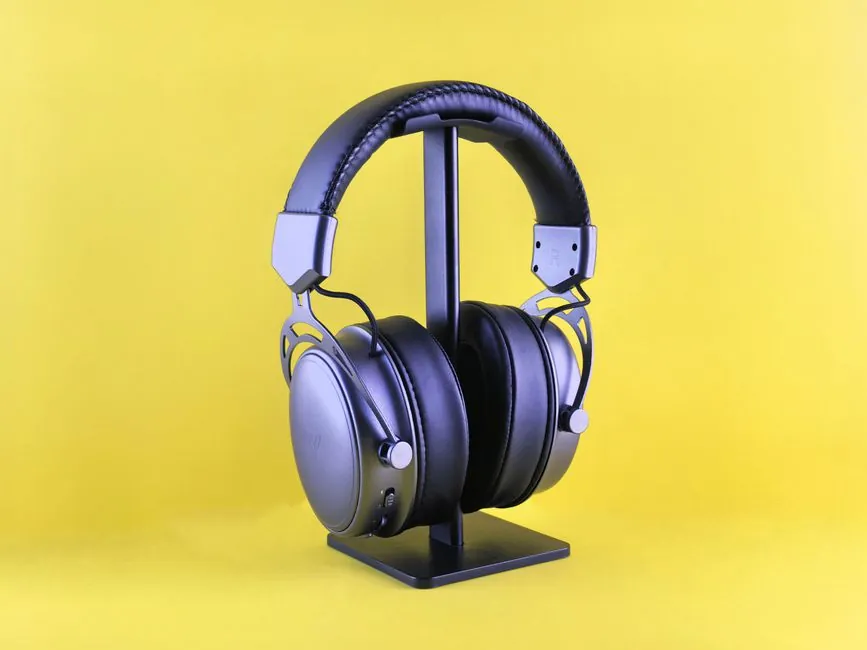
Noise-canceling communication headsets combine hearing protection, two-way audio, and environmental awareness, but the correct model depends on radio compatibility, exposure level, and connection method.
Sensear offers radio-powered, analog and digital radio, Bluetooth, and hazardous-location configurations, with dual-protection versions for environments where exposure may exceed 95 decibels [S2].
Headset architectures and communication paths
The main distinction is not simply headset-to-headset communication. Sensear’s SM1P supports communication with or without a radio and can pair to a radio or phone through Bluetooth or a removable wired connection [S2]. The SM1R is powered by a two-way radio, so it does not require a separate battery and allows the unit to be lighter and enhance user comfort [S2].
The SM1B supports both analog and digital radios, while the SM1P-Ex adds hazardous-location options with face-to-face, headset-to-headset, radio, and phone communication through Bluetooth or removable wiring [S2]. In practice, radio-powered models suit dependable fixed-radio work, while Bluetooth models add mobility but introduce battery management, pairing, and radio-network dependency.
3M PELTOR takes a different route with safety communications products designed to preserve hearing protection while supporting awareness and conversation in lower-noise conditions [S1]. This category is not limited to industrial earmuffs: it also includes electronic protection with microphones, sound amplification, and wireless connectivity [S3].
Compare the principal headset options
It offers a lighter configuration without a headset battery, while
A Bluetooth headset is more flexible when users must move between phones, radios, and nearby headset-to-headset links. The trade-off is that the SM1P specification includes three communication paths: with or without a radio, Bluetooth pairing, and removable wired connection [S2]. Buyers should confirm the exact radio interface and whether the required cable is included.
A hard-wired dual-protection headset is appropriate when the headset must remain connected while earplugs supplement its attenuation. The SM1P-ISDP has earplugs hard-wired to the headset and is positioned for areas where exposures may exceed 95 decibels [S2].
Noise-canceling microphones protect speech intelligibility

The microphone must separate speech from machinery noise without requiring the wearer to remove hearing protection. Electronic hearing-protection headsets use microphones, sound amplification, and wireless connectivity to support communication and awareness [S3]. Noise-reducing communication headsets and earplugs can connect to a radio network or communication device for hands-free one-way or two-way communication [S6].
Active noise control and noise-reducing microphones solve different problems. Active attenuation reduces sound reaching the wearer, while microphone processing improves the speech signal sent over the radio. Neither feature establishes the headset’s rated hearing-protection performance, so the attenuation specification and certification must be checked separately.
Industrial users need a headset that remains intelligible when the microphone is close to the mouth and the radio is used at a distance. Sensear identifies the VM1R as a high-noise communication model, while the SM1B is specified for two-way communication in noisy work environments [S2]. By comparison, office-oriented products address a different acoustic problem. The D711U is described as a wired alternative with a noise-cancelling microphone for desk-bound calls [S7].
Define the work environment before selecting the model
The sound level, task duration, communication requirement, and radio platform determine the minimum acceptable configuration. Sensear positions the hard-wired SM1P-ISDP for areas where exposures may exceed 95 decibels [S2].
Three questions separate suitable from unsuitable equipment. First, does the work area require only communication support, or does the headset also need a specified hearing-protection rating? Second, must users hear alarms, vehicles, and machinery outside the radio conversation? Third, will the headset operate through a fixed radio, Bluetooth, or both?
Electronic hearing protection is not an interchangeable feature across every radio headset. A product may provide microphone-based communication without delivering the attenuation required for the exposure. For sustained work in high-noise environments, specify the protection level, interface, wearing configuration, and hazardous-area status together.
The type of work also changes the required evidence. The SM1P-ISDP carries TIA, CSA, and UL certifications, while the SM1P-Ex and ExDP hazardous-location versions carry ATEX and IECEx certifications [S2]. Those approvals must match the deployment location and the organization’s certification requirements.
Power and connection determine field reliability
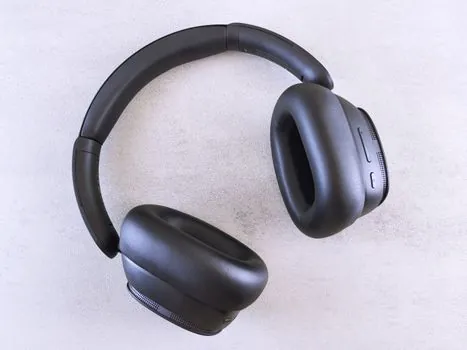
Radio-powered designs remove one field failure point by deriving headset power from the two-way radio. The SM1R does not require a headset battery, and Sensear identifies that arrangement as a way to reduce weight and improve comfort [S2]. The same architecture can also simplify charging discipline because the radio remains the primary powered device.
Wired connections offer a direct route between the headset and radio, while Bluetooth supports phone or radio pairing and headset-to-headset communication. The SM1P combines Bluetooth with a removable wired option, but buyers should verify the connector, cable length, radio interface, and operating approval for their exact device [S2].
Industrial inventory planning should treat the headset, radio, adapter, and connector as one system. Radio adapters from brands including Motorola, Kenwood, Harris, Tait, Hytera, and Sepura appear in the communications-equipment range carried by CommGearSupply, demonstrating that connector and radio-family selection are practical procurement variables [S5].
Comfort, compatibility, and certification constraints
A headset that cannot be worn consistently provides weak protection and unreliable communication. Radio-powered models can reduce head-mounted mass, while over-ear, behind-the-neck, and in-ear formats present different comfort and compatibility trade-offs. The behind-the-neck versus over-the-head earmuff selection guide provides a separate comparison of wearing styles. [S2]
Compatibility checks must cover the radio model, connector, audio output, push-to-talk behavior, and whether the user needs one-way monitoring or two-way conversation. Grainger describes connected noise-reducing communication headsets and earplugs as supporting hands-free one-way or two-way communication through a radio network or communication device [S6].
Certification and environment matter as much as feature count. The SM1P-Ex supports hazardous-location use and complies with ATEX and IECEx, while the ExDP adds hard-wired earplugs for exposures exceeding 95 decibels [S2]. Conversely, the ISDP version is for extreme-noise dual protection and carries TIA, CSA, and UL certifications [S2].
Match the headset to workers and failure conditions

This product category fits workers who must remain in noisy environments while receiving radio instructions, coordinating movements, or hearing surroundings without removing hearing protectors. It is less suitable for office calls, entertainment headsets, or any application where radio-powered industrial protection is required but no compatible two-way radio exists. [S2]
Three failure modes dominate field use: an incompatible connector, exhausted Bluetooth or headset battery power, and insufficient attenuation for the measured noise exposure. The SM1R and VM1R avoid a separate headset battery, the SM1P adds wireless and wired options, and the ISDP or ExDP address dual-protection environments beyond 95 decibels [S2].
For procurement, compare headset architecture against four criteria: protection level, communication interface, power source, and hazardous-area certification. Record the radio model and connector, obtain the attenuation and certification documentation, then test the microphone in the actual noise environment before deploying the headset fleet.
The next trackable signal is the exact model configuration, because naming the headset family alone is not enough to verify suitability. The minimum purchase specification should identify the model, connection type, power method, earcup or earplug arrangement, radio compatibility, and required ATEX, IECEx, TIA, CSA, or UL status.
