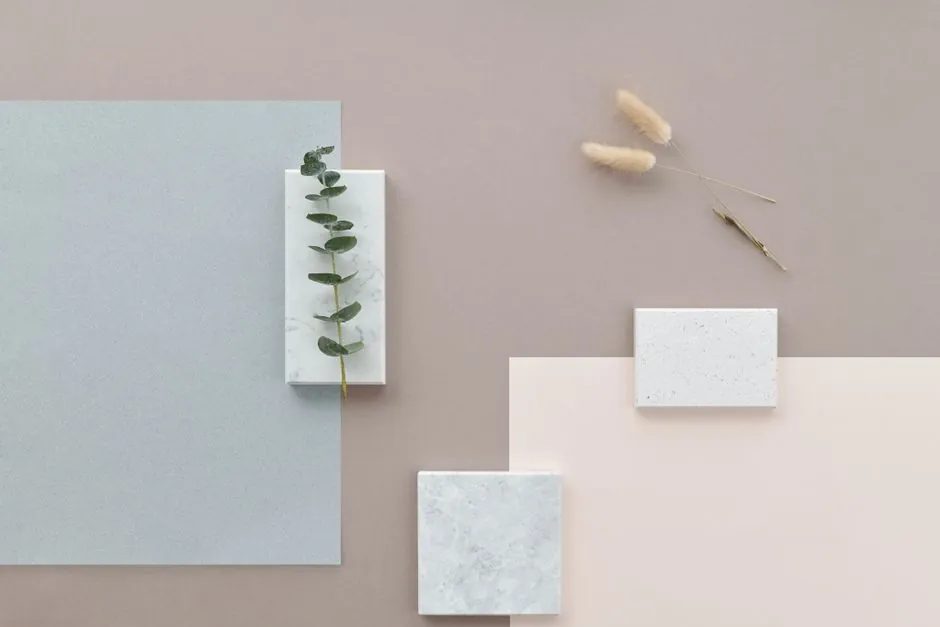
Engineered quartz surfaces are roughly 94% ground quartz mineral bound with polyester resin, pigments, and (in some designs) small fractions of recycled glass or metallic flecks, then fused under heat and pressure into a solid slab [S2]. Standard slab thicknesses on the U.S. market run ½ in, ¾ in, 1¼ in (the dominant kitchen/vanity default), and 1½ in, with some lines also offering a 1 cm option for laminated edge builds [S1].
Installed pricing reported by The Home Depot runs $59–$130 per square foot, with an average around $80 per square foot (2025-08); the spread tracks layout complexity, edge profile, and cutout count more than slab cost [S2]. Use this article as a working reference for residential and light-commercial surfacing selection, not for industrial fused-quartz (fused silica) or quartz-crystal electronics, which are different material classes. For the broader engineered-material taxonomy, see the advanced material entry.
Composition and What the Resin Does
A typical engineered quartz slab is about 94% ground quartz aggregate by weight, with the balance being polyester resin binder, color pigments, and (in some designer lines) minor additions of recycled glass or metallic flake for visual effect [S2]. The resin is what makes the slab nonporous, stain-resistant, and never requiring a sealer, which is the single largest behavior difference vs. natural granite, which the same source notes typically wants a fresh protective topcoat at least once a year [S2].
Two mechanical consequences follow directly from that resin content. First, quartz slabs are more flexible than granite on the bench but will still crack if mishandled, so certified installers are the safer call for transport, cutout, and placement [S2]. Second, the polyester binder is UV-sensitive, which is why the same source family of guidance flags that outdoor kitchens, exposed backsplashes, and sun-drenched facades can fade, weather, and void manufacturer warranties [S1]. Spec it for interior duty unless the line is explicitly rated for exterior use.
Thickness Selection by Application
The default residential kitchen counter and bath vanity is 1¼-in (about 3 cm) slab; that is the spec most fabricators stock and most warranties assume [S1]. Available thicknesses on the U.S. market include ½ in, ¾ in, 1¼ in, and 1½ in, with some manufacturers also offering a 1 cm option intended for built-up (laminated) edge profiles rather than structural spans [S1].
Match thickness to span and overhang. ½-in and ¾-in material is suitable for vertical cladding, shower seats, tub decks, and fireplace surrounds where a substrate carries the load. 1¼-in is the workhorse for counters and vanities. 1½-in reads as a thicker visual edge and is sometimes used for islands where chunkier proportions matter. Cambria's 1 cm product is specifically a build-up layer for laminated edging, not a standalone structural slab [S1]. For comparison with other surfacing families, the quartz material and glass quartz encyclopedia entries cover the broader material taxonomy.
Color, Pattern, and Finish Options
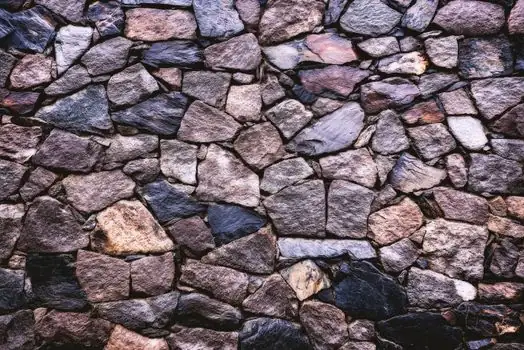
Manufacturer palettes now span flecked, veined, and granite-look patterns alongside bright contemporary colors, with surface finishes available in polished, honed/matte, sandblasted, and embossed textures [S1][S2]. Multihued slabs with enough random veining and swirls to be near-indistinguishable from natural stone are now standard across major lines, which removes the historical objection that quartz looked uniform [S2].
Three brand lines often used as spec benchmarks: Cambria (U.S.-made, broad color/pattern range, plus a Benjamin Moore paint-match tool for coordinating wall palettes) [S1]; Caesarstone, with Calacatta marble looks and a semi-precious "Concetto" line for high-end feature pieces [S1]; and Silestone, which markets three textures (polished, matte, rugged) alongside flecked, veined, and granite-look patterns [S1]. DuPont Zodiaq offers a more limited palette that skews toward neutrals and marble looks for projects where restraint matters more than range [S1].
Edge Profile and Fabrication Cost Levers
Edge profile choice is both a style and a budget lever. Standard edges (straight/squared and basic waterfall) work on 1¼-in material without premium labor; more intricate profiles (ogee, pencil, beveled, bullnose, and laminated build-ups) add fabrication time and are the line items that swing a quote more than slab cost [S1][S2]. Cutouts for undermount sinks, cooktops, and faucets also drive labor and waste, and are the second-biggest variable in final installed cost [S2].
Spec the edge early, before templating. Switching from a standard eased edge to a laminated double-stack 1½-in build-up after the slab is cut forces a re-template and a second fab slot, which is the most common way a fixed-price quote slips on a quartz job. Multi-seam layouts and waterfall ends onto a full-height panel add the same kind of labor-driven cost pressure, and This Old House's pricing band reflects that [S2].
Quartz vs. Granite and Other Surfacing Options
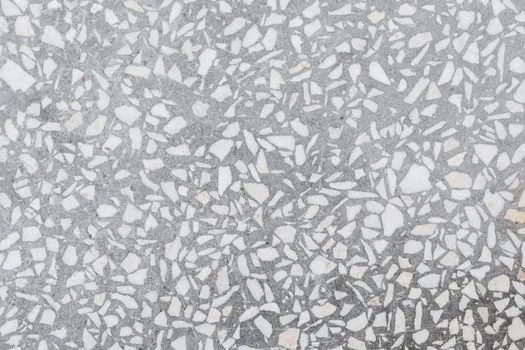
Quartz and granite are not interchangeable in service. Granite is a porous natural stone that typically needs a fresh sealer/topcoat at least annually; engineered quartz is nonporous, factory-sealed, and never needs resealing [S2]. In return, granite tolerates exterior exposure and hot pans (with the usual caveats) better than resin-bound quartz, which fades in UV and can discolor under sustained high heat.
On cost, the $59–$130 per square foot installed band for quartz overlaps the mid-to-upper range of granite, but the total spend is driven more by edge profile, cutout count, slab size, and seam layout than by the slab price itself [S2]. Where chemical resistance, hygiene (nonporous, antimicrobial marketing claims by multiple brands), and a consistent factory color matter more than heat/UV tolerance, quartz is the correct call. Where a unique slab, exterior placement, or a hot-pan-on-counter workflow dominates, granite is still the right pick. For a broader comparison against engineered composites, the chemical material and finishing material entries are useful cross-references.
Where Quartz is the Wrong Choice
Skip quartz for outdoor kitchens, exterior facades, and any surface that sees sustained direct sunlight; the polyester binder is UV-sensitive and will fade, and most manufacturer warranties exclude exterior use [S1]. Skip it for commercial food-service hot lines where 400°F+ contact is normal; specify stainless or specified high-heat surfacing there instead. Skip the budget ½-in and ¾-in material for unsupported spans over 12 in; it is a cladding product, not a structural countertop.
Be cautious with very pale, veined, or marble-look patterns in heavy-cooking households: the resin matrix is stain-resistant but not stain-proof against prolonged contact with turmeric, red wine, and certain dyes, and the visual repair of a damaged pattern is harder than on a solid neutral.
Shortlist Logic and Sourcing
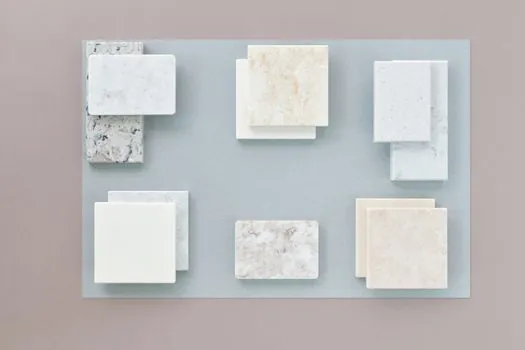
A defensible shortlist starts with three constraints: interior use only, 1¼-in slab, and a non-laminated edge. Within that, pattern availability and lead time become the differentiators. Lead times on stocked patterns from U.S. distributors typically run 1–2 weeks for fabrication after templating; custom or imported patterns can run 4–8 weeks, which is the most common cause of schedule slip on quartz jobs [S2]. Buy through a kitchen/bath showroom, a home center (Home Depot, IKEA, Lowe's), or a certified fabricator, and confirm the installer is on the manufacturer's certified list before templating [S2].
Trackable signals for the next planning cycle: (1) manufacturer published guidance on exterior-rated quartz lines, which remain rare and warranty-limited as of mid-2026; (2) movement in the $59–$130 per square foot band, since resin and aggregate pricing is the swing variable; (3) growth in 1 cm and 1½-in stock patterns at U.S. distributors, which reduces the need for laminated build-ups. For an adjacent selection workflow on a different engineered material, see the permanent magnet materials guide.