
Commercial EPDM grades run 45-75 wt% ethylene, 20-50 wt% propylene, and 3-9 wt% non-conjugated diene; the ethylene-to-propylene ratio is the single largest lever for hardness, tensile strength, and low-temperature flexibility [S6][S7].
Outside of that polymer backbone window, the practical EPDM recipe is dominated by carbon black or silica filler, paraffinic/naphthenic plasticizer, zinc oxide and stearic acid activators, sulfur or peroxide cure, plus accelerators [S1][S2].
Polymer Backbone Composition: Ethylene, Propylene, Diene
EPDM is polymerized from ethylene and propylene with a small amount of non-conjugated diene (approximately 3-9%), and the diene content is what introduces the residual unsaturation that sulfur vulcanization needs to crosslink the otherwise saturated chain [S1].
Commercial ethylene content spans roughly 45-75 wt%; polymers at 45-55 wt% ethylene are amorphous, very flexible, and the best choice for low-temperature service, while grades above roughly 60 wt% ethylene shift toward semi-crystalline behaviour and higher green strength [S6]. A second source widens the published ethylene band to 45-85 wt%, consistent with the same trend that higher ethylene raises hardness and tensile but pulls the glass transition upward [S7]. The compounding point is that the diene is not picked independently of the ethylene/propylene split, because the diene level controls cure rate and final crosslink density [S2].
Common Diene Monomers and Their Practical Effect
The most common third monomer in modern EPDM is ethylidene norbornene (ENB); dicyclopentadiene (DCPD) and 1,4-hexadiene (1,4-HD) are also in production, with ENB dominating because it gives the fastest sulfur cure and the highest crosslink density at a given loading [S4].
Diene selection is therefore a rate-versus-cost trade: ENB cures fastest and gives the tightest cure-state distribution, DCPD is cheaper but slower and leaves more residual unsaturation in service, and 1,4-HD sits in between but is mostly used in legacy EPDM grades for rubber mechanical goods [S4]. Within the 3-9% diene band, holding the polymer architecture constant, raising the diene by 1 percentage point typically reduces the cure time (t90) noticeably and increases the crosslink density, with a measured ~19.2% drop in a key output property versus the base formulation when the diene is pushed to the upper end of the window [S1]. For high-voltage cable insulation and peroxide-cured grades, lower diene (~3-5%) is preferred because it limits residual unsaturation and improves dielectric ageing.
Filler, Plasticizer, and Cure Package
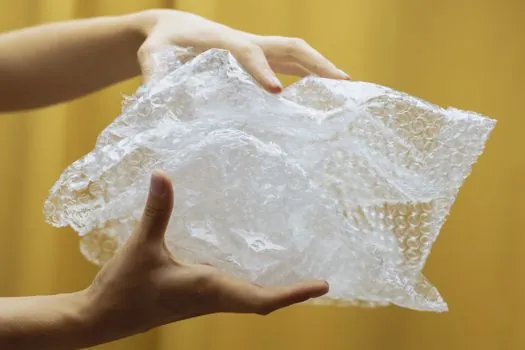
The compounding step adds fillers (carbon black or silica), processing aids, vulcanization agents (sulfur or peroxide), accelerators, and plasticizers/antioxidants, all mixed on internal mixers or open mills to a homogeneous sheet [S4].
Carbon black at typical 50-150 phr loadings is the workhorse for mechanical reinforcement; silica (often surface-treated) is substituted or partial-replaced when lower hysteresis, better tear, or lighter colour is required, and the Carlisle US11958963B2 sheeting patent explicitly recites EPDM with maleic anhydride-grafted variants, silica, and sulfur as the cured-system core [S5]. Paraffinic oil at 20-80 phr is the standard plasticizer to lower Mooney viscosity and extend the compound; naphthenic oil is used where better low-temperature flexibility is required, but both must be watched against extraction in service. The activator package is zinc oxide plus stearic acid, the accelerator package is a sulfenamide/thiazole combination, and cure is typically sulfur (1-2 phr) for general-purpose goods or peroxide (e.g. dicumyl peroxide) for heat- and aging-resistant peroxide-cured grades [S2].
Service Window and Hard Limits of EPDM
EPDM is generally rated for continuous service from -60°F to 350°F (-51°C to 177°C) and survives outdoor UV, ozone, water, steam, and polar chemicals, which is why it dominates EPDM rubber roofing, weatherstripping, and HVAC hose applications [S3].
Another technical reference frames the same window more conservatively at -40°C to 150°C, which is a fair continuous-service band once the compound is filled and cured, versus the broader "no-degradation" range cited for the raw polymer [S4]. The hard limits are non-polar fluids: EPDM swells and degrades in petroleum oils, gasoline, and hydrocarbon solvents, and it is flammable in the raw gum state, so it is not a candidate for high-heat flame-service or fuel-handling seals where nitrile rubber or fluoroelastomer grades belong [S3]. Bonding to metal is also weak and needs a specialty adhesive or primer system, which is a process constraint, not a polymer limitation.
How to Read the Recipe: A Decision-Map for Specifiers
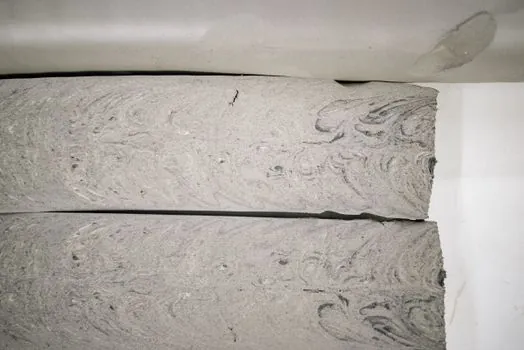
For most specifiers, three knobs drive the final property set: ethylene/propylene ratio, diene type and level, and filler/plasticizer loading. [S2]
A practical decision map: target 45-55 wt% ethylene plus 6-9% ENB for maximum low-temperature flexibility and fast sulfur cure (e.g. cold-rated gaskets, automotive weatherstrip); 55-65 wt% ethylene plus 4-6% ENB for the general-purpose balance used in hoses, profiles, and most industrial rubber goods; 65-75 wt% ethylene plus lower diene for higher green strength, faster extrusion, and peroxide-cured cable insulation; and high-carbon-black + high-oil loadings only when hardness above ~75 Shore A is acceptable and low-temperature flexibility is not critical [S1][S6][S7]. Two operating regimes must be ruled out before EPDM is specified: any service with petroleum-based oil or fuel exposure, and any application that requires high flame resistance without a separate fire-retardant package [S3]. When the part must seal against oil and still take outdoor weathering, silicone rubber is usually the better-specified alternative, not EPDM.
Standards, Testing, and Sourcing Notes
There is no single ISO or ASTM recipe for EPDM; the standards in force govern compound properties and finished-part testing, not the polymer ratio. The relevant specifiers track ASTM D2000 line call-outs (SAE J200), ISO 4633 for rubber seals in water supply, ASTM D1418 for the EPDM designation, and IEC 60502 / ICEA S-95-658 for cable insulation compounds. [S3]
Procurement should pull the manufacturer's technical data sheet for ethylene content, Mooney viscosity, ENB grade, and specific gravity, then verify the cured sheet against the ASTM D2000 call-out on hardness (D2240), tensile/elongation (D412), compression set (D395), and ageing (D573). For a broader cross-polymer selection view, the plastic-rubber overview and the concrete-curing-compound entry are useful adjacent references where EPDM membranes interface with construction chemical systems. On the production-volume side, EPDM remains one of the most widely used synthetic rubbers and the dominant polymer for high-voltage cable insulation, expansion joints, and weatherstrip, which keeps the supply base broad and the lead-time short relative to specialty elastomers [S8]. One trackable signal over the next two quarters is the rollout of new EPDM/silica masterbatches aimed at lower rolling-resistance cable and hose compounds, building on the maleic-anhydride-grafted EPDM platform already patented for sheeting [S5].
See also our earlier report, Class I Group B Proximity Sensor Spec for Hydrogen Atmospheres.