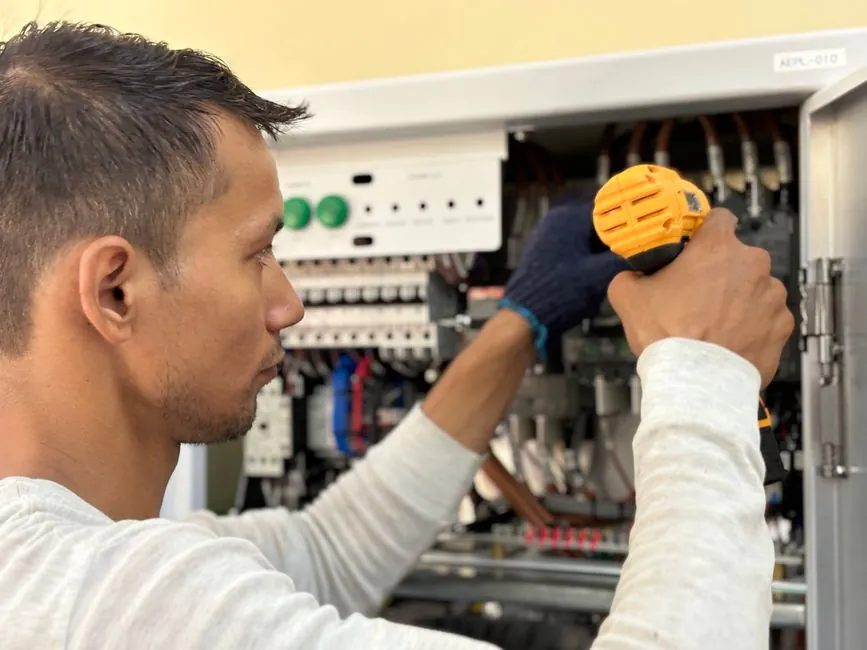
Fixed gas detection hardware costs $1,325–$1,965 per stand-alone point or $949–$2,880 per point for controller-and-head systems, before installation labor, cabling, conduit, controls, commissioning, and calibration [S2].
The practical installed cost must combine the detector head, controller allocation, field wiring, power, alarm outputs, hazardous-area construction, startup, and recurring service rather than treating a sensor price as a complete system price [S2][S4].
Installed Cost Starts With Three Hardware Layers
A fixed gas detection installation is a controller, one detector head at each sensing point, and the work required to connect and commission the system [S2]. This distinction matters because detector heads repeat at every point, while the controller is purchased once and its per-point share falls as more channels are used.
Verified configured hardware examples place stand-alone transmitters at $1,325–$1,965 per point. A one-channel controller-based configuration runs $1,935–$2,880 per point, while four-point systems run $1,336–$2,120 per point and eight-point systems run $949–$1,614 per point before installation [S2]. These figures describe equipment architecture, not a universal installed-price range.
The detector head is normally the largest repeating hardware line. RKI S2 heads paired with Beacon controllers were listed at $595–$1,260 each, depending on gas and measurement range, while explosion-proof OTIS heads were listed at $1,455–$4,216 each [S2]. The broader market estimate for an infrared fixed-point sensor is about $1,750, with a $1,250–$3,000 range driven by target gas, explosion-proof construction, and communications features [S3].
Cabling and Installation Must Be Quoted by Site
No defensible per-foot or per-point installation rate can be assigned without reviewing cable-run distance, mounting access, explosion-proof conduit and seals, lift work, panel power, and the number of ventilation, shutoff, horn, or strobe interlocks [S2]. A fixed point therefore does not have a meaningful installed price until those site variables are defined.
The installation scope can include cable or conduit from every head to the controller, panel power, relay wiring, ventilation interlocks, shutdown devices, audible and visual alarms, startup, and point-by-point calibration [S2]. This work is not a catalog line item, so a quoted hardware price multiplied by point count can materially understate the installed budget.
Two-wire addressable architecture can reduce field wiring compared with a traditional point-to-point fixed gas system [S6]. Those savings must be checked against the required hazardous-area rating, communication protocol, cable type, separation rules, and approved installation method.
Architecture Drives the Installed Cost per Point
Stand-alone transmitters suit isolated hazards or small installations, with listed hardware of $1,325–$1,965 per point [S2]. Controller-based systems suit multiple monitoring locations because one controller can process several heads, activate shared alarms, and drive facility interlocks [S2].
The comparison below shows the practical effect of architecture on equipment cost before site installation.
The listed 32-channel wirefree architecture began at a $4,010 controller, equal to $125 per controller channel when all 32 channels are used [S2]. Even at that channel count, detector heads and each point's wiring remain installed costs, so channel economics alone do not determine the project total.
Point Count Does Not Scale Every Cost Line
Adding points increases total hardware cost while often reducing controller cost per point, but it does not reduce the number of cables, mounts, field terminations, calibration gases, or commissioning checks on a one-for-one basis [S2]. A 4-point Beacon 410A configuration, for example, combines a $2,965–$3,440 controller with four $2,380–$5,040 of detector heads [S2].
Spacing also affects the installation budget. Each remote point adds field cable or conduit, supports, access requirements, and commissioning labor, while each controller may require panel space, power, network communications, and alarm outputs [S4]. Facilities with dispersed hazards can therefore cost more per point even when their controller configuration has a low per-channel hardware share.
Off-the-shelf packages can reduce engineering and installation effort, but custom systems cost more initially and address facility-specific gas hazards, layouts, and regulatory requirements [S3]. This is not automatic justification for customization: a small, repeatable installation with two standard points can be less expensive than a bespoke multi-gas arrangement. The decision should follow required coverage, interface count, hazardous-area construction, and maintainability.
Who Should Use Each Fixed-System Approach
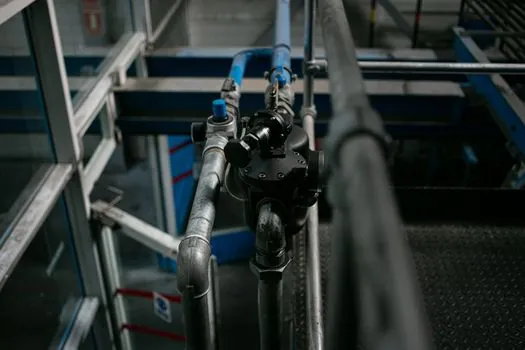
A fixed gas detector is appropriate where a hazard is permanent and continuous monitoring is required. Stand-alone transmitters fit isolated points; small controller systems fit compact installations; larger channelized systems fit production areas with multiple known locations [S1][S2].
A portable gas detector is more appropriate for maintenance, temporary work, surveys, or locations where the hazard changes. Portable instruments need less fixed infrastructure, but continuous coverage can require repeated operator deployment [S4]. For permanent hazardous locations, relying on portable instruments instead of fixed points changes the safety model rather than simply reducing capital cost.
Honeywell E3Point illustrates the controller-based product category, supporting toxic and combustible gas monitoring, ventilation control, smart-sensor functions, and system integration [S1]. The SensAlert ASI product family covers point gas detection across different sensor options [S7]. Product features help define the functional scope, but they do not remove the need for site-specific installation pricing.
Explosion-Proof and Integrated Systems Carry More Cost
Installation in a Class I Division 1 hazardous area raises equipment and labor costs because explosion-proof horns, strobes, conduit, seals, and certified components may be required [S3]. The controller also becomes a larger cost center when it must drive relays, emergency notifications, ventilation, and shutdown functions.
Standard control panels were listed at $1,500–$5,000, while customized PLC-based systems with specialized displays and software can exceed $50,000–$100,000 [S3]. Integration with Modbus, BACnet, SCADA, or cloud systems also adds engineering and installation time [S3]. These figures describe a broad market range and should not be assigned to a specific project without a defined scope.
For multi-gas, fully integrated installations, published examples reach $65,000–$200,000, including applications involving gases such as hydrogen cyanide or hydrogen chloride [S3]. The relevant comparison is not cost per detector alone, but cost per protected location, alarm function, and operating interface.
Total Cost Extends Beyond Installation
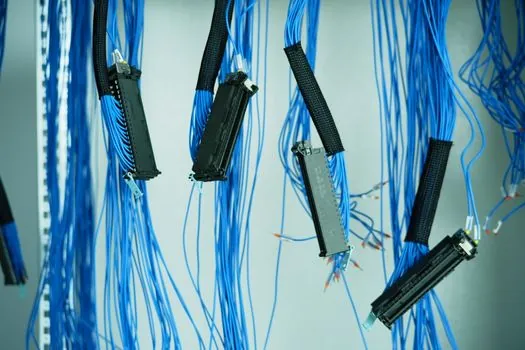
A complete fixed-system budget includes initial equipment, wiring and infrastructure, calibration, functional testing, sensor replacement, technician labor, training, downtime, spares, data logging, integration, and future expansion [S4]. Excluding these items converts a hardware comparison into a misleading procurement decision.
Electrochemical sensors were reported as typically lasting 2–3 years, while infrared sensors can run for about 10 years before parts replacement; sensor elements typically cost $250–$750 each [S3]. Actual replacement timing depends on sensor technology, operating conditions, and manufacturer instructions [S5]. For a combustible gas detector, calibration-gas selection also affects service logistics, as discussed in the comparison of methane and propane options for LEL detectors.
Calibration cost includes more than test gas. It can include regulators, adapters, tubing, service tools, trained labor, cylinder handling, and replacement-gas inventory [S5]. A complete maintenance budget should also state whether a failed sensor is exchanged in the field or the complete detector is returned to a workshop, because freight and restoration labor differ between those service models [S5].
How to Build an Installed-Cost Estimate
A defensible estimate separates equipment, installation, commissioning, and recurring costs into distinct lines. It should identify the quantity of detection points separately from spare units, and it should assign exclusions such as cable, conduit, power, alarms, structural supports, hazardous-area accessories, and integration work [S5].
The worksheet should also record point-to-controller distance, cable route, mounting method, panel location, number of outputs, available power, communication protocol, and access conditions. It should then add calibrated test-gas logistics, annual service visits, expected sensor replacement, technician travel, training, and downtime assumptions [S4][S5]. Spare sensors should be checked against the installed model and revision for compatibility before procurement [S5].
For early budgeting, use the $949–$2,880 per-point hardware range for controller-and-head configurations and the $1,325–$1,965 range for stand-alone transmitters, then apply a separately engineered site installation allowance [S2]. Do not label the resulting sum a market-average installed price because the available evidence does not support one universal all-in figure.
Track three items through project closeout: the installed cabling and conduit cost per point, the field labor hours required for commissioning and calibration, and the annualized sensor and service cost. Those three signals convert a detector quotation into an installed-cost model that can be compared with gas alarm controller architecture and future expansion plans.