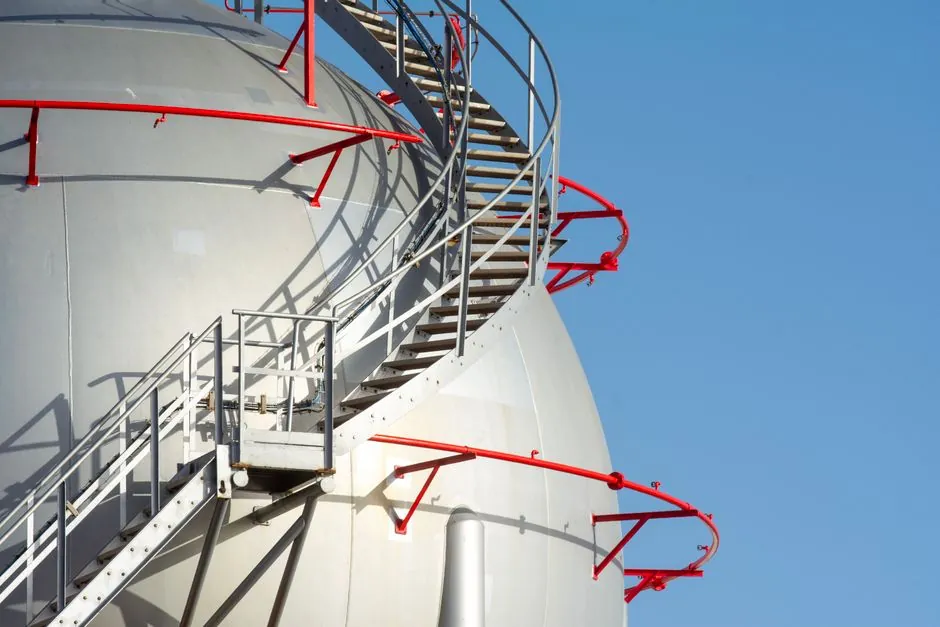
A fixed gas detector with a local readout can provide continuous numerical concentration, audible and visual alarms, and independent operation at one defined hazard point [S1][S2].
A blind transmitter fits multi-point installations because a central controller or remote display can consolidate readings, alarms, historical data, and notifications across several areas [S1][S9].
Define the Architecture Decision
A local-readout detector combines a sensing point, transmitter, display, and local alarm in one enclosure. It is appropriate when one room, process, or equipment item presents one known hazard and personnel are expected to respond locally [S1][S9].
A blind transmitter performs the same field measurement and signal transmission without a local concentration display. It requires a remote presentation and alarm path, such as a controller, receiver, or control-room display [S1]. The distinction is architectural rather than a difference in sensing capability.
The practical boundary is visibility and response. One standalone point can operate without a central controller and still provide local concentration information and alarms [S1]. Multi-point architecture supports up to 10 sensor modules on one AccuSafe controller, with configurations for as many as 10 unique gases [S1].
Compare the Two Options by Decision Criteria
Local-readout instruments win on first-response clarity and commissioning simplicity. The ViewSmart 2150S/2150 is a single- or dual-point standalone controller with local audible and visual alarms and a large 1-inch LED display [S2]. The SenSmart 2000 provides a graphic concentration display with values, units, trend graph, and alarm levels for loop-powered oxygen or toxic-gas detection [S2].
Blind transmitters win when the project must present one consistent view across multiple rooms, process areas, or gases. A multi-point system can log readings for historical review, extend alarms through sound, email, and SMS notifications, and expose Modbus TCP or RTU connectivity to compatible facility infrastructure [S1].
Integration effort separates the options clearly. A standalone detector needs less central equipment, but independent instruments become harder to manage as coverage expands [S1][S9]. A blind-transmitter architecture adds controller, wiring, configuration, and interface work, but centralizes operator visibility and alarm management [S1].
Cost and maintenance cannot be reduced to the display alone. The sensor, transmitter, enclosure, power, communications, remote presentation, alarm outputs, and calibration program all affect installed and lifecycle cost. Fixed detectors generally use wired power, can connect to DCS or SCADA systems, and usually require less frequent calibration than portable instruments [S5].
Match the Arrangement to the Hazard
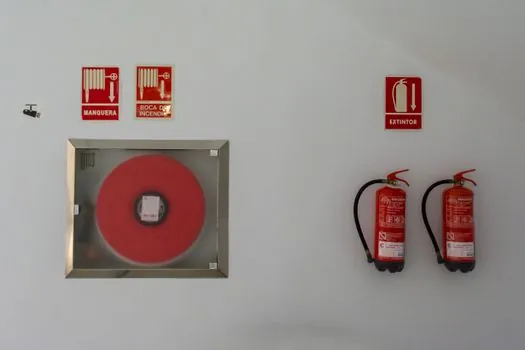
Use a local-readout detector for a single chemical storage room, one treatment room with one known gas hazard, or one process point with local operating personnel [S1]. The R.C. Systems catalog includes ammonia, carbon monoxide, chlorine, hydrogen sulfide, methane, oxygen, and more than 20 listed gases or vapor classes across its detector families [S2].
Use a blind transmitter where several sensing locations must be reviewed from a common interface. Interscan's distributed architecture places a sample-draw pump and onboard data acquisition and processing in each smart sensor module, while one controller supports as many as 10 modules [S1].
Fixed installation is the correct choice for continuous area or process monitoring; portable instruments remain suited to personal safety and confined-space entry [S3]. A portable gas detector can complement, but does not replace, continuous coverage near a likely leak or ignition source [S3][S5].
Where personnel need an immediate numerical reading, locate the display at eye level near the room entrance, in a control room, or in a manager's office [S8]. If the sensor must sit above or below that level, a remote sensor with an accessible display can improve inspection access [S6].
Control Integration and Alarm Delivery
A local detector can issue alarms without dependence on a central controller [S1]. This is valuable when local action is the primary response, but it does not create a facility-wide alarm record or remote notification unless those functions are separately provided.
A blind transmitter depends on the receiving equipment for numerical presentation and alarm annunciation. Multi-point systems can provide a 5-inch touchscreen, web-browser access, a desktop application, an MQTT API, and configurable I/O [S1]. Modbus TCP and RTU offer integration paths, but neither protocol removes the need to define alarms, outputs, and operator procedures [S1].
The gas alarm controller becomes the functional center of a blind-transmitter installation. It should be selected around the number of points, supported gases, alarm outputs, display requirements, communications, and site electrical constraints [S1][S9]. For one or two points with clear local-response requirements, a standalone display-equipped detector reduces dependence on that controller [S2].
Apply Ex and Installation Constraints
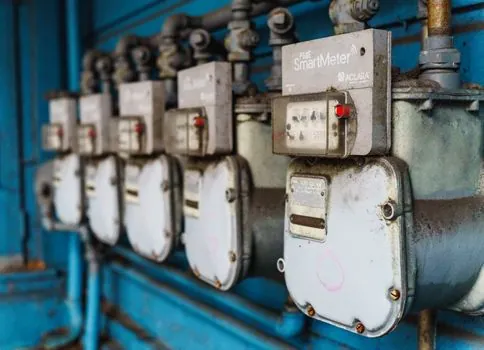
The enclosure and installation environment determine the required protection concept. Those product-level approvals must be checked against the actual gas, group, temperature class, and installation conditions.
Catalog listings identify fixed detectors with ATEX, IECEx, CE, China Ex, EAC, INMETRO, SIL, UL, FM, CSA, ETL, and marine approval options depending on the model [S4]. None of those marks establishes suitability by itself. Selection requires matching the certified equipment to the hazard area and the applicable local regulatory and fire-code requirements [S8].
Fixed detectors are generally placed near credible release points, but one detector may not cover a large area or every credible failure mode. The required point count depends on area geometry, target gases, release mechanisms, airflow, and sensor performance [S5]. A display does not improve coverage; it only changes how the measurement is presented.
Set the Display Strategy Before Procurement
Procure local-readout equipment when the response model is local, the monitored scope is one point or a small number of points, and the operator needs the concentration without opening a remote interface [S1][S2]. Confirm that the display shows the required concentration and unit information, and that local audible and visual alarms remain available during the intended operating condition [S2].
Procure blind transmitters when the safety team needs a consistent view of multiple locations, historical exposure records, remote notifications, or plant-wide alarm outputs [S1]. Define the controller's display or dashboard, Modbus TCP or RTU integration, logging retention, SMS or email routing, and operator response sequence before selecting transmitters [S1].
Electrochemical sensor life is a separate maintenance constraint: many cells have a service life of 2 to 3 years, while some modern designs are rated for 5 to 7 years depending on gas, exposure, and environmental conditions [S3]. Interference and cross-sensitivity must be evaluated for toxic gases, and catalytic bead performance can decline in oxygen-deficient environments [S3].
A defensible specification records the target gas, range, alarm thresholds, sensor technology, local or remote display requirement, output protocol, hazardous-area approval, power source, and calibration interval. For a one-point application, specify a local-readout fixed detector; for multi-point visibility and centralized alarms, specify blind transmitters with a controller and defined communications path [S1][S2][S9].