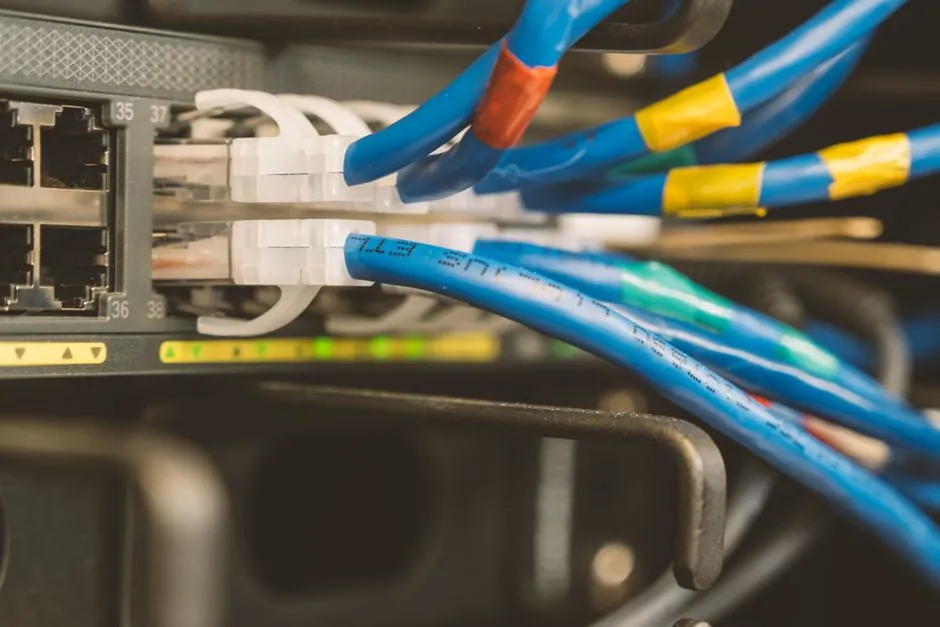
Select FKM for oil, fuels, acids, and aggressive chemical exposure; select silicone for extreme-temperature service, flexibility, and UV exposure. Both require verification against the specific chemical list and installation conditions.
For chemical-plant wiring, the jacket is the first external barrier against abrasion, moisture, flame, chemicals, oxidation, and installation damage [S1][S4]. The material choice should be driven by fluid compatibility, temperature, movement, mechanical damage, and fire requirements rather than by a generic “chemical-resistant” label.
Decision Basis: Chemical Compatibility and Service Temperature
Fluororubber, commonly called FKM, is a fluorinated elastomer with strong resistance to oils, fuels, acids, and many aggressive chemicals. The jacket must be selected by grade and compound rather than by the generic FKM designation, because cure, fillers, and service limits can change the performance of the finished cable. [S4]
Silicone is a thermoset elastomer based on siloxane chemistry and is selected for its wide temperature stability, flexibility, fatigue resistance, and UV resistance. Its flexibility can support installation through tight routes and equipment compartments, but silicone is not a universal chemical barrier.
The comparison is therefore conditional: FKM is the stronger default where the cable is exposed to oils, fuels, solvents, or aggressive process chemicals; silicone is the stronger default where temperature extremes, low-temperature flexibility, or ultraviolet exposure dominate. Neither selection is complete without a manufacturer compatibility statement for the actual fluid, concentration, temperature, and exposure duration.
Head-to-Head Comparison
Against chemical compatibility, FKM generally has the advantage in oil- and fuel-contaminated areas, while silicone is more attractive for non-aggressive chemical exposure combined with heat or cold. Silicone is noted for broad temperature resilience and superior UV resistance, whereas fluororubber is preferred where hydrocarbon and aggressive chemical resistance is the controlling requirement [S3][S5].
Against temperature, silicone provides the stronger choice for extreme-temperature wiring because its elastomeric structure retains flexibility across a broad temperature range. FKM is normally selected for chemical resistance rather than as the general-purpose solution for the widest temperature envelope. The exact rated temperature must come from the cable specification, not from the generic material name.
Against mechanical durability, both materials can protect the conductor core, but silicone has documented weaknesses in cut and tear resistance [S8]. It is easily cut and has poor tear resistance compared with many other jacket materials [S8]. FKM therefore deserves consideration where the cable is exposed to sharp edges, frequent handling, or installation damage, although the assembly and overall cable construction still control service life.
FKM is more appropriate when chemical exposure is the dominant hazard. For dynamic equipment such as robots, drag chains, or moving machinery, neither FKM nor silicone should be accepted without a dynamic-rated cable construction; silicone specifically performs poorly against repeated surface-friction wear [S2].
Chemical-Plant Use Cases
Use FKM-jacketed cable in pump areas, compressor areas, tank farms, and process zones where cables may encounter lubricants, hydraulic fluids, fuels, cutting oils, or aggressive chemicals. The FKM rubber family is characterized by resistance to heat, oils, acids, and many industrial chemicals, which makes it the more defensible choice for contamination-prone equipment locations [S5].
Use silicone-jacketed cable for instrument connections, heat zones, low-temperature installations, outdoor runs, and service loops requiring flexibility or UV resistance. Silicone’s flexibility and temperature resilience support applications where the cable must remain operable while the surrounding equipment changes temperature [S3].
Do not use either material as the sole basis for a hazardous-area or fire-performance decision. Cable jackets can influence flame resistance, smoke behavior, and the suitability of the complete assembly, but the conductor insulation, shield, armor, connectors, and installation method remain part of the certified cable system. A chemical-resistant jacket does not by itself establish suitability for a hazardous area.
Limits, Failure Modes, and Avoid Mis-Selection
Silicone can crack, harden, tear, or wear through when exposed to unsuitable mechanical loading, surface friction, incompatible chemicals, or sharp contact. The material is described as less durable than many other cable-jacket materials, with poor tear resistance and susceptibility to cutting [S8]. Those limitations make abrasion-resistant construction, strain relief, and route protection essential.
FKM is not automatically compatible with every solvent, oxidizer, acid, or base. Compound selection, immersion conditions, temperature, and chemical concentration must be checked. The same warning applies to silicone: broad chemical claims do not replace a compatibility matrix for the specific process fluid.
Also distinguish cable jackets from conductor insulation. The jacket is the outermost layer and protects the insulation and conductor core from mechanical forces, moisture, heat, flame, chemicals, and UV exposure, while insulation is a separate layer applied directly to the conductor [S3]. If the process requires both chemical resistance and temperature flexibility, evaluate the complete cable construction, not only the outer sheath.
How to Specify the Cable
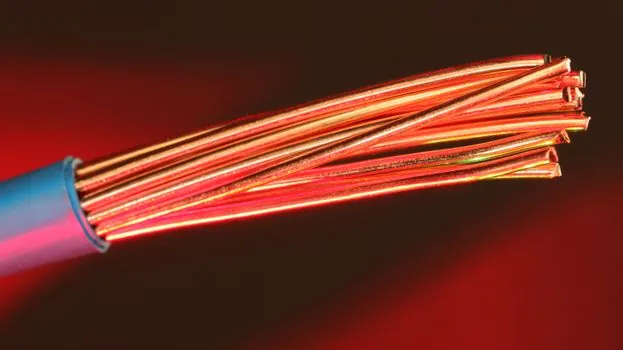
State the chemical service explicitly, including fluid name, concentration, temperature, contamination or cleaning method, and whether exposure is splash, immersion, vapor, or continuous. State the cable route conditions, including minimum ambient and operating temperature, bend radius, movement cycle count, UV exposure, oil or fuel contact, and abrasion or cut risk. These parameters determine whether the selected compound is fit for service [S4].
Require the supplier to identify the actual jacket compound and relevant cable rating, not merely write “FKM” or “silicone.” For FKM, request chemical compatibility data for the specified fluids and temperature. For silicone, request temperature ratings, tear or abrasion expectations, and suitability for the intended movement profile. If the route is dynamic, specify a cable rated for the actual flex cycle and abrasion condition; silicone’s general flexibility does not establish drag-chain life [S2].
Use a silicone rubber jacket when the cable must remain flexible through wide temperature changes or ultraviolet exposure. Use FKM when the jacket will contact aggressive chemicals, oils, fuels, or solvents. Validate the final cable against the applicable plant design, hazardous-area, and fire-performance requirements before procurement.
The trackable procurement signal is the compound-specific compatibility statement: the same jacket family can contain different grades, and only a documented fluid-temperature matrix can close the selection gap.