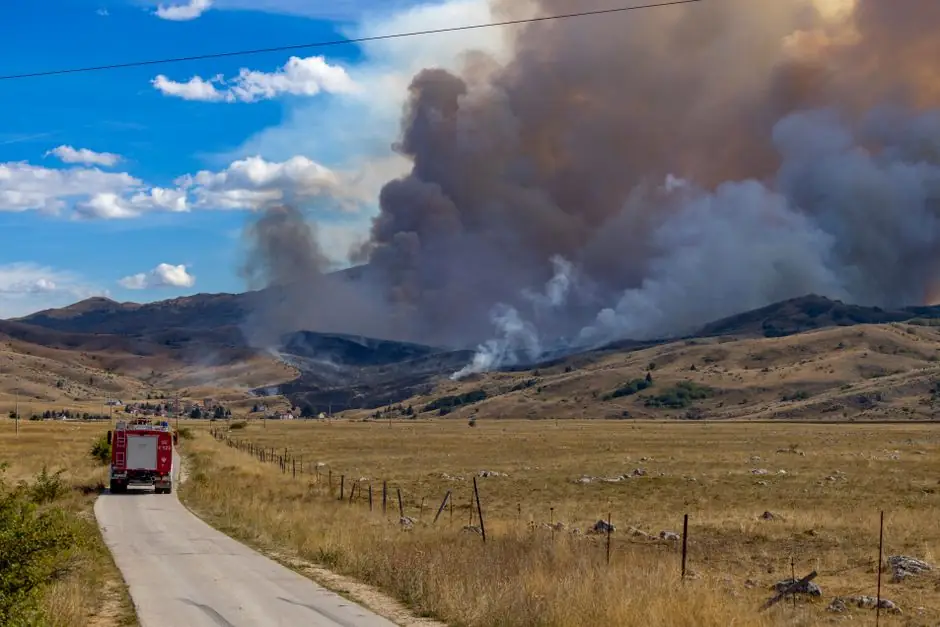
Heat detectors monitor temperature rather than smoke particles, making them the practical choice where steam, dust, fumes, or cooking aerosols repeatedly challenge smoke detection [S2][S5].
The decision is location-specific: clean offices and corridors favor smoke detection, while garages, plant rooms, workshops, kitchens, warehouses, and machine rooms may need heat detection or a mixed strategy [S2][S3].
Choose by the Fire Signature and the Ambient Condition
Smoke detection reacts to airborne combustion particles and can provide earlier warning of slow, smouldering fires than heat detection [S3]. Photoelectric smoke detection works by detecting light scattered by smoke inside a chamber, while ionization detection responds when smoke disrupts an electrical current between two metal plates [S2].
Heat detection responds to either a fixed temperature threshold or an unusually rapid temperature rise [S3][S5]. The practical limitation is response sequence: a heat detector will usually signal later than a smoke detector when substantial smoke develops before temperatures rise [S2][S3].
A combined ionization/photoelectric smoke detector covers both smoke-detection methods but does not provide the same dust and steam tolerance as a dedicated heat detector [S2][S5]. For a dusty or steamy zone where early smoke warning remains required, assess particulate discrimination, cleaning access, and nuisance-alarm history rather than treating “combined” as an environmental solution.
Compare Heat, Smoke, and Combined Detection
For nuisance-alarm resistance, heat detection ranks ahead of conventional smoke detection because it does not react directly to airborne particles [S3]. For early warning of smouldering fires, smoke detection ranks ahead because it responds before temperatures become extreme [S3]. For installation flexibility, a combined detector covers fast-burning and smouldering smoke conditions, but it retains the particle-sensing limitations of smoke technology [S2][S5].
For clean offices, classrooms, libraries, meeting rooms, clean corridors, and residential living areas, smoke detection is the better fit because early warning is the primary objective [S5]. For kitchens, workshops, plant rooms, garages, industrial spaces, warehouses, machine rooms, and other areas where dust, steam, fumes, or cooking particles are normal, heat detection is more dependable for avoiding nuisance activations [S2][S3][S5].
For intermittently occupied storage facilities, warehouses, and machine rooms, heat detection is commonly used because it tolerates airborne contaminants and still recognizes the thermal consequence of fire [S2]. That makes it useful for property protection, but it is not equivalent to smoke detection for occupant escape from an early, smoke-producing fire.
Apply the Decision by Room Type
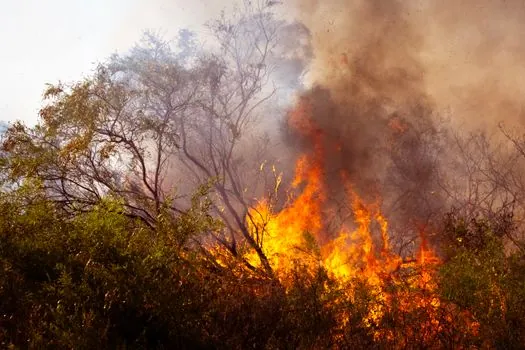
Heat detectors can be suitable where steam, dust, or cooking aerosols could cause unwanted smoke alarms, and the supplied sources identify kitchens, garages, boiler rooms, and dusty or steamy rooms as examples of such locations. Mechanical areas and plant rooms receive the same environmental logic, but their individual heat sources must be checked so routine operation does not create repeated temperature alarms.
Commercial kitchens need a layered design. Steam, heat, smoke, and cooking particles are normal operating conditions, so a detector placed too close to cooking activity can cause unwanted alarms [S3]. Heat detection may suit the kitchen zone, while dining areas, offices, storage rooms, and corridors can retain appropriate smoke detection.
For dusty warehouses and machine rooms, specify heat detection when airborne material is continuously present and nuisance alarms are operationally unacceptable [S2]. If the consequence of a delayed smoke alarm is severe, preserve early smoke warning in adjacent clean rooms and verify whether listed smoke detection can be made resistant to the specific dust or steam condition.
Treat Nuisance Alarms as an Engineering Constraint
A false alarm is not merely an inconvenience: repeated steam- or dust-induced activations can cause disconnection, worker fatigue, and reduced confidence in the alarm system. Smoke detectors can react to dust, steam, cooking fumes, and other airborne materials when installed in an unsuitable environment [S3][S5].
Selection should be based on occupancy, property, fire risk, applicable codes, and the overall fire-alarm design rather than detector convenience [S3]. Where mixed conditions occur, divide the area into zones and assign detection by function: heat detection for the contaminated or heated zone, smoke detection for clean escape routes and occupied spaces, and local supplementation where neither type alone covers the hazard.
For new installations, record the source of every nuisance event: steam release, dust generation, cooking aerosol, fumes, or an actual fire condition. That operating record is more useful than a generic dust and steam rating because the same room can have seasonal steam and continuous particulate production. It also gives the basis for comparing heat, smoke, and combined devices on nuisance frequency, warning time, and maintenance effort.
Integrate Detection with the Fire-Alarm System
A detector is only one element of the installation. Its alarm must be received and identified by the building system, whether the arrangement uses addressable devices or a conventional zone. The separate comparison of addressable versus conventional heat detectors covers that architecture choice, but environmental suitability still begins with the heat or smoke response principle. [S2]
Heat detectors are normally associated with commercial or industrial fire-alarm equipment rather than domestic smoke alarms, and the fire alarm control panel must be selected to support the selected device, notification method, wiring arrangement, and system interface. A control panel does not compensate for a detector that is poorly matched to dust, steam, or the expected fire development.
Do not treat a detector as a stand-alone extinguishing device. Detection should be connected to the required alarm notification and any engineered suppression response. For specialist equipment, separate the functions of a fire extinguisher from detection, and establish inspection, test, and maintenance procedures for the installed detector under the manufacturer’s instructions and the governing fire-code requirements.
Verify Performance Before Approval
Approval evidence should identify the detector type, activation principle, protected area, mounting location, environmental condition, and expected fire scenario. For heat detection, confirm whether the device operates at a fixed temperature, at a rate of rise, or by another listed method [S3][S5]. For smoke detection, record whether the device is ionization, photoelectric, or combined [S2].
The final selection should demonstrate three outcomes: resistance to the named ambient nuisance condition, coverage of the credible fire scenarios for that room, and notification through the installed control panel. Document any limitation where heat detection replaces smoke detection, especially the reduced warning available for fires that produce substantial smoke before a meaningful temperature rise [S3].
The next trackable signal is the room’s nuisance-alarm and process record: increasing steam releases, dust-generation changes, cooking operations, or temperature events should trigger a formal detector reassessment rather than repeated resets. A second check is the protected fire scenario, because a detector selected only to solve nuisance alarms can still leave an unacceptable warning-time gap.