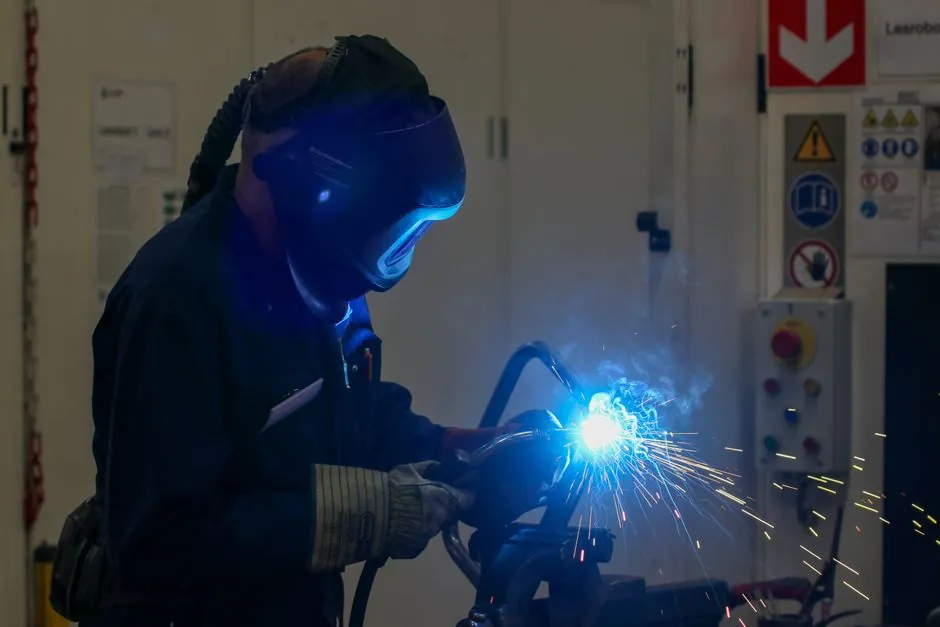
A workplace requiring Class B supplies has more severe or complex injury potential than a Class A site, including high-energy machinery, hazardous materials, heavy fabrication, construction, or outdoor industrial exposure [S2][S3].
Class describes the minimum supply assortment, while container Type I through Type IV describes mounting, portability, weather resistance, and environmental ratings; the two classifications are independent [S2][S5].
Class Selection Starts With the Hazard Assessment
ANSI/ISEA Z308.1-2021 separates workplace kits into Class A and Class B: Class A addresses common injuries such as minor cuts, abrasions, minor burns, and eye irritation, while Class B contains additional categories and larger quantities for complex or high-risk workplaces [S2][S5].
Three questions determine the result: what hazards exist, what injuries could result from those hazards, and whether the available supplies can treat those injuries [S2]. Machinery pinch points, moving parts, chemical processing, hazardous materials, high-heat work, fabrication, construction, and fall exposure are practical indicators for Class B review [S2][S3].
Employee count alone is not an adequate basis for choosing class. A 10-person machine shop presents a different risk profile from a 10-person office, while headcount and layout still determine how many kits are required and where they must be placed [S2][S3]. OSHA has long read “near proximity” as emergency care within 3 to 4 minutes where serious injuries are possible. [S2].
Class A, Class B, and Container Type Compared
Class A is the baseline option for common workplace injuries, whereas Class B adds a broader range of supplies and greater quantities for more complex risks [S2][S3]. A Class A refill cannot convert a Class B unit into a compliant Class B kit because it does not supply the additional required categories [S2].
For container selection, Type I is intended for indoor wall mounting, while Type IV is designed for outdoor use with testing for corrosion, moisture, and impact; Types II and III cover other portable or indoor configurations within the Type I to Type IV framework [S2][S5]. A high-hazard interior operation may require a Class B fill in a suitable indoor Type I cabinet, while an outdoor or exposed industrial location may require Class B contents in a more robust Type IV enclosure [S2][S5].
High-Hazard Operations That Point Toward Class B
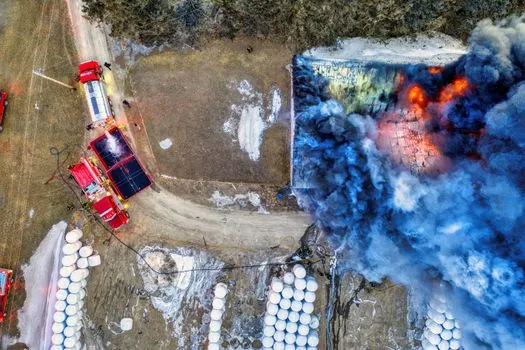
Heavy manufacturing, fabrication, construction, chemical processing, hazardous-material handling, high-heat processes, heavy machinery, and work with substantial fall exposure are recurring Class B use cases [S3]. Under 29 CFR 1926.50, construction first aid supplies must be readily accessible, kept in a weatherproof container with individually sealed packages, and checked before use and at least weekly. [S5].
Risk severity matters as much as probability. A workplace with a lower probability of injury can still need Class B if a credible event could produce severe bleeding, burns, eye damage, respiratory exposure, or delayed access to definitive care [S2][S3]. The defensible decision is therefore based on the injury consequence, not on whether an accident has occurred previously.
Chemical operations require a separate check for the suitability of emergency equipment and supplies, including corrosive-material exposure addressed under OSHA’s eyewash requirements. A first aid kit does not replace a fixed emergency shower and eyewash installation where the exposure assessment calls for one [S5].
Quantity and Placement Are Separate Decisions
OSHA 29 CFR 1910.151(b) requires adequate first aid supplies to be readily available and requires trained first-aid personnel where suitable emergency care is not available nearby, but it does not prescribe a specific kit class [S2][S5]. Employers remain responsible for determining adequacy for their own hazards and periodically reviewing first-aid needs [S5].
One Class B kit may satisfy the class decision without satisfying the whole facility requirement. Headcount, separate buildings, production zones, remote work areas, and travel time to emergency care determine the number and distribution of kits [S2][S3]. OSHA has long read “near proximity” as emergency care within 3 to 4 minutes where serious injuries are possible and has said up to 15 minutes may be reasonable in a lower-risk workplace such as an office. [S2][S5].
Locking can be acceptable if the kit remains readily accessible during an emergency, and an AED is not itself a required first aid supply under 29 CFR 1910.151, although OSHA recommends considering an AED when selecting first aid equipment [S5]. These points should be resolved during the same review that establishes kit class and placement.
Container Choice Must Match the Work Environment
A Class B label does not make a cabinet suitable for outdoor, corrosive, wet, or impact-prone service. Container Type remains an independent decision based on mounting, portability, exposure, and the physical environment [S2][S5]. Industrial sites should identify whether the location is indoor, sheltered, mobile, exposed to moisture, or exposed to corrosive substances before selecting the enclosure.
Construction has an explicit container condition: supplies must be kept in a weatherproof container, with individually sealed packages, and the employer must check the kit before dispatch and at least weekly on each job [S5]. Chemical, fabrication, and outdoor industrial sites should apply the same inspection discipline even where a separate industry-specific rule does not set the schedule.
Commercial Class B kits may offer gasketed, weather-resistant enclosures, but the product description does not replace the site-specific selection [S3]. A Type IV rating is the relevant option for an outdoor location requiring corrosion, moisture, and impact performance, while a Type I cabinet can suit an indoor wall-mounted installation [S2][S5].
Compliance Requires More Than Ordering a Labeled Kit
OSHA recognizes ANSI/ISEA Z308.1-2021 as guidance but does not mandate Class A or Class B, so purchasing a compliant kit does not by itself prove that a workplace is adequately equipped [S2][S5]. The employer must connect the kit contents to the site hazard assessment and verify that qualified personnel and rapid access exist.
The assessment should record the hazards reviewed, potential injuries, selected class, additional supplies, cabinet Type, number of units, installation points, inspection frequency, and responsible person. Periodic review is necessary because processes, staffing, equipment, materials, and site layout can change the required response capability [S5].
The final procurement check should confirm the product label states both its kit class and the ANSI/ISEA Z308.1-2021 edition, then compare the supplied categories and quantities with the hazards identified in the assessment [S5]. Specialized items beyond the minimum fill, such as additional burn treatment or exposure-specific supplies, should be added only after evaluating the hazard and expected response.
Decision Record for Audit and Reassessment
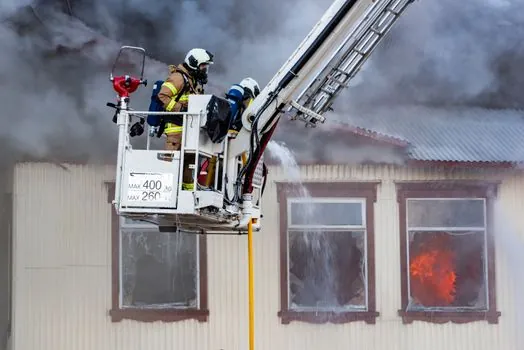
A high-hazard site should document why Class B was selected, which hazards drove the decision, and whether the chosen container Type matches the location. It should also record the number of kits, their access time, inspection schedule, and any supplies added beyond the Class B minimum [S2][S3][S5].
Track two signals for reassessment: a change in the severity or type of incident potential, and a change in the time required to reach supplies or definitive medical care. A change in either can alter class, quantity, or placement even if the workforce headcount remains unchanged [S2][S5].