
Industrial solvent selection in 2026 runs through five hard filters: solvency power, evaporation rate, OSHA permissible exposure limit, VOC regulatory status, and substrate compatibility [S2][S4].
Acetone, toluene, isopropyl alcohol, methanol, ethanol, ethyl acetate, and dichloromethane remain the dominant bulk products for general fabrication cleaning, coating, and extraction [S3][S5]. The global industrial solvents market exceeded $38 billion in 2024, reflecting how deeply these fluids are embedded in commercial operations [S2].
Solvent classes and what each is actually used for
Industrial solvents split into four families: hydrocarbons (hexane, toluene, xylene), oxygenated solvents (acetone, methanol, ethanol, IPA, ethyl acetate, glycols), halogenated solvents (dichloromethane, perchloroethylene), and terpene/bio-based solvents (d-limonene, ethyl lactate) [S2][S6][S7]. Hydrocarbons dominate oil and gas, paint thinners, and adhesive formulations; oxygenated solvents cover most general-purpose cleaning, pharmaceutical extraction, and electronics; halogenated solvents are reserved for heavy degreasing and precision cleaning where flammability must be eliminated [S2][S6].
Kauri-Butanol (KB) value is the most common solvency metric: higher KB means stronger dissolution power for resins and polymers. Toluene sits around 105 KB, xylene near 98, and heptane near 29, which is why selection tables use KB to match resin chemistry rather than guessing by trial and error [S2]. For a deeper baseline on what an industrial solvent is and how solvency is quantified, the industrial solvent reference page covers solvation forces, dielectric constant, and the 'like dissolves like' rule in detail.
Evaporation rate, flash point, and why they drive coating defects
Evaporation rate, normally expressed relative to n-butyl acetate (=1.0) or to diethyl ether, is the single biggest lever in coating and cleaning quality. Acetone evaporates at roughly 6.3 (nBuAc=1.0) and leaves films too fast for level coating; mineral spirits at 0.13 stay wet long enough to flow on large fabrication surfaces [S2].
Flash point dictates storage class and explosion-proofing requirements: acetone at -20 degrees C drives Class IB flammable-liquid storage, while mineral spirits at 38 to 60 degrees C sit in Class II and accept less expensive cabinets [S2]. When selection is being driven by bonded assembly, the wrong thinner can also attack the adhesive; cross-reference the industrial adhesive selection reference before locking the solvent list. Coating failures driven by entrapment under epoxy primers are documented when evaporation rate is mismatched to film thickness, so the solvent's distillation range should be checked against the bake schedule, not just the bulk drying time [S4].
Substrate compatibility: where most cleaning selections fail
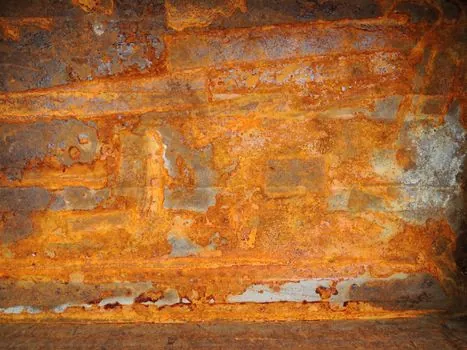
Material compatibility is the single most damaging selection mistake in solvent cleaning, and the failure modes are specific: polymer swelling on PMMA and polycarbonate from aromatics and chlorinated solvents, plasticizer leaching and embrittlement on flexible PVC from polar solvents, and chemical degradation on ABS from toluene and MEK [S4].
Substrate-safe testing should run at process temperature and contact time, not at the room-temperature, 10-minute dip implied by generic chemical resistance charts [S4]. For plastics and elastomers, conformal coating rework commonly fails because the cleaner softens labels or whitens acrylic substrates, an avoidable cost when the chart is read against the actual stack-up [S4]. When the substrate itself is the engineering question, neighbouring selections matter: PTFE selection for general fabrication is sensitive to halogenated solvents, and PA 6 vs PA 6/6 vs PA 11 vs PA 12 selection shows the same attack pattern on aromatic and chlorinated fluids.
Regulatory, exposure, and PPE: OSHA PEL is the floor, not the ceiling
Federal OSHA permissible exposure limits set the legal floor: acetone 1000 ppm TWA, toluene 200 ppm, methanol 200 ppm, IPA 400 ppm, ethyl acetate 400 ppm, and dichloromethane 25 ppm [S2]. Dichloromethane's 25 ppm PEL is the binding constraint on most metal-fabrication lines, and the EPA risk evaluation for methylene chloride has pushed many general-fab shops to n-propyl bromide or aqueous alkaline cleaners instead [S2].
VOC status varies sharply: acetone is federally VOC-exempt under 40 CFR 51.100(s), which keeps it inside the formulation budget for many regulated coatings, while toluene and xylene count as VOCs and trigger Rule 1113-style limits in California's South Coast and similar districts [S2]. Required PPE tracks flash point and PEL: Class IB solvents need vapor-resistant respirators with organic-vapor cartridges, grounded transfer equipment, and explosion-proof storage, while higher-flash hydrocarbon thinners can be handled with nitrile gloves and local exhaust alone [S2]. Disposal routes flow through RCRA: halogenated spent solvents are typically F-listed hazardous waste, and contaminated rags are managed under solvent RCRA rules, not as general trash [S2].
Selection matrix: matching solvent to fabrication job
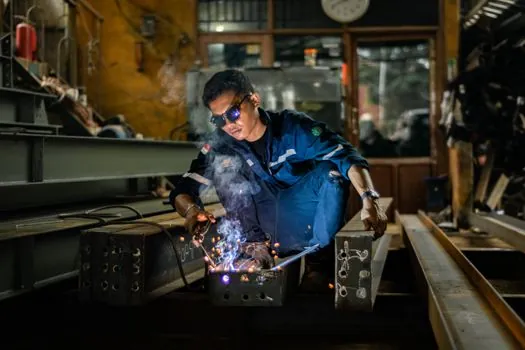
Five decision criteria, applied in order, separate a working pick from a wasted trial: (1) solvency (KB value matched to resin or oil being removed), (2) evaporation rate matched to film thickness and bake schedule, (3) flash point matched to storage and ventilation class, (4) OSHA PEL and VOC status matched to local air rules, and (5) substrate compatibility verified by an in-house soak test at process temperature [S2][S4]. A common line-side pair is acetone for final wipe of metal prior to bonding (fast evap, VOC-exempt, but aggressive on many plastics) plus mineral spirits for heavy oil removal on steel (slow evap, low KB for oil, mild on substrates) [S2].
For pre-paint wipe on aluminium extrusions, IPA at 400 ppm PEL and 22 degrees C flash is a common compromise; for electronics defluxing, the shift has been to ethyl lactate or hydrofluoroether blends where non-flammable, low-residue drying is required [S2][S3]. When the joining side of fabrication is on the table, the industrial adhesive reference gives the matching cure-chemistry lens so the cleaning solvent is not silently undercutting surface energy.
Substitution pathways: greener doesn't always mean weaker
Green-solvent substitution has moved past the marketing layer: aqueous alkaline cleaners now replace perchloroethylene in most vapour-degreasing duties, d-limonene and ethyl lactate replace mineral spirits in paint-strip operations, and supercritical CO2 is used in pharmaceutical extraction at pressures above 73.8 bar and 31 degrees C [S1][S3]. The trade-off is rarely one-for-one: aqueous systems add drying energy and corrosion risk on steel, and bio-based solvents frequently carry lower flash points and higher cost per litre [S1].
Selection should weight total cost of ownership: disposal fees, labour, equipment, regulatory liability, and downtime usually dominate the drum price, so a $4/L 'green' solvent that eliminates RCRA paperwork can win against a $2/L incumbent [S4].
Two signals to watch through 2026: any further EPA action on halogenated solvents under TSCA risk evaluation, which would force another round of substitutions in precision cleaning, and state-level VOC rule updates in California and New York that typically land mid-year and reset the approved-coatings list. For facilities already running a quarterly solvent audit against the five filters above, both moves are absorbable without re-tooling; for those still selecting on drum price alone, the next inspection cycle is the deadline.