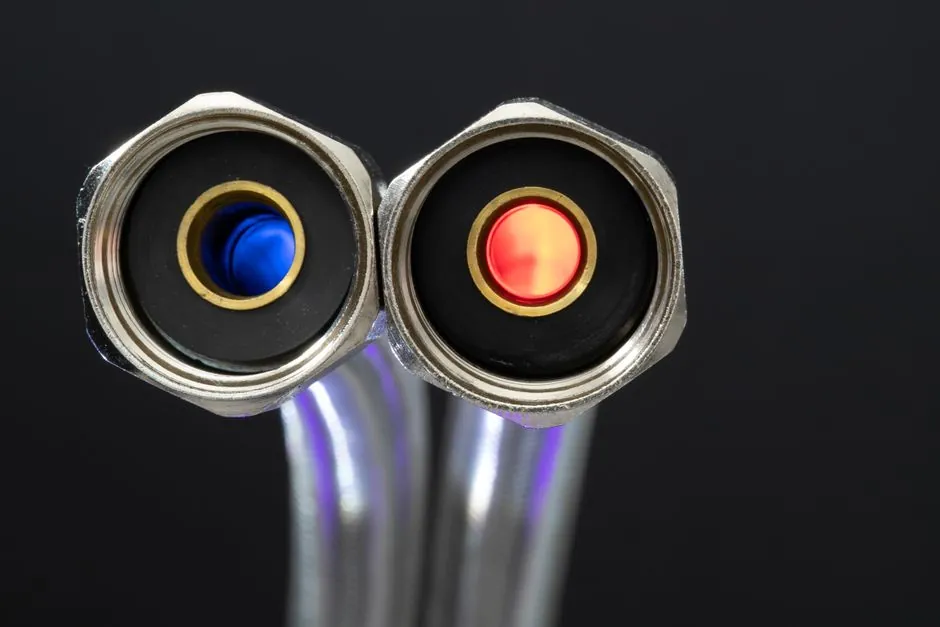
Lead-free brass adoption is moving from material substitution to regulated product qualification, with U.S. plumbing products requiring lead-free certification and European drinking-water rules moving toward an alloy positive list [S1][S3].
The change affects copper-zinc valves, fittings, fixtures, pipe components, rods and machined parts, where removing roughly 2–4 wt% lead improves regulatory fit but removes a useful free-machining aid [S4].
Compliance Thresholds Are Redefining Brass Purchases
Manufacturers and/or importers must certify that their products meet the requirements using a consistent verification process within three years of the final rule publication date in the Federal Register [S1]. This makes the designation a purchasing condition rather than a voluntary environmental label for covered drinking-water products.
Europe is tightening product eligibility through Directive 2020/2184, which lowers the lead concentration limit in drinking water from 10 µg/L to 5 µg/L at the point of use and introduces the European Positive List for metallic materials in contact with drinking water [S3]. Only listed alloys will be permitted for new installations from January 1, 2027, with a transition period extending to 2032; identified compliant alloys include CW509L, CW510L and CW724R [S3].
Alloy Choice Determines Machining Economics
Lead-free brass remains a copper-zinc alloy, but it is not a drop-in machining replacement for conventional leaded brass. Lead has historically been added at about 2–4 wt% because it improves chip breaking, lowers cutting forces and reduces tool wear through weak Pb-rich inclusions and a lubricating effect at the cutting interface [S4].
Removing lead from brass alloys can make chip control more difficult and increase cutting-tool wear [S3][S4].
A structured comparison places the principal options against compliance, machinability, mechanical behavior and commercial exposure. Leaded brass offers established free-machining performance but conflicts with potable-water restrictions above the applicable threshold; low-lead brass reduces lead while retaining some machining assistance; zero-lead or listed lead-free alloys simplify potable-water qualification but can increase tool wear and process development effort; and each option carries different scrap and procurement implications [S1][S2][S4].
Waterway Valves Are the Near-Term Compliance Focus
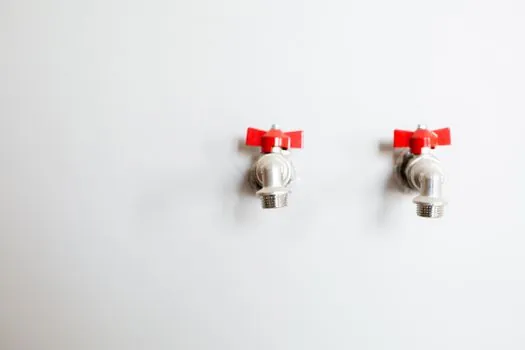
Lead-free valve adoption is concentrated in potable-water networks because lead remains useful in general-purpose valve castings, solders and machining operations, while federal requirements restrict covered products used in water supplies [S5].
For buyers, the certification mark and documentation matter as much as the nominal alloy name. The U.S. EPA provides identification information for lead-free certification marks on pipes, fittings, fixtures, solder and flux, while SDWA establishes the underlying limits and weighted-average method [S1]. Purchasing by alloy alone leaves unnecessary exposure because the same commercial designation may cover valves, fittings, industrial components and products with different regulatory scopes.
This category should not be confused with general machinery brass. Lead remains useful in bearings, bushings and other engineered components where contact with drinking water is absent and optimized machining is the controlling requirement. The relevant change is concentrated in products whose service, certification and market channel require reduced or eliminated lead [S4][S5].
Compliance Does Not Eliminate Cost or Supply Risk
Lead-free conversion can increase total production cost because stable machining, revised tooling, additional inspection and tighter material traceability replace a familiar manufacturing route. These figures describe surveyed manufacturer experience rather than a universal cost multiplier.
Scrap economics add another variable. Lead-free brass consists mainly of copper, zinc, and other metals, and its scrap value and pricing implications differ from those of conventional brass [S2]. Alloy chemistry therefore affects not only purchase price but also the value of machining swarf, rejected parts and unused stock.
Material variability can also complicate casting and machining. Differences in thermal behavior may create casting defects, while alloy-specific responses to cutting loads require additional process testing [S2]. A procurement specification that names only “lead-free brass” leaves the alloy, temper, dimensional tolerance, surface condition and certification evidence open, allowing machining quotations to be compared on different technical bases.
Specification Controls Separate Compliance From Performance
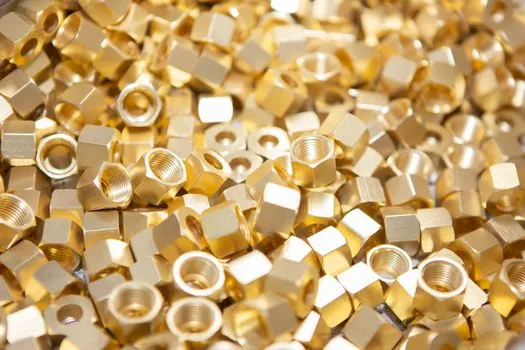
For U.S. potable-water products, the procurement record should identify the product category, governing lead threshold, certification mark, wetted-surface calculation where applicable and traceability to the manufacturer or importer [S1]. For European applications, the specification should also check the alloy identity against the European Positive List before the January 1, 2027 restriction on new installations, allowing the 2032 transition to be managed rather than discovered at installation [S3].
Alloy labels cannot be used as a substitute for technical data. Applications requiring controlled chip formation should qualify tool life, cutting forces, surface finish and dimensional stability on the proposed grade, because the removal of lead changes the machining mechanism rather than simply changing composition [S3][S4]. Products exposed to dezincification, erosion or repeated cycling also require application-specific validation rather than reliance on a general claim of brass-like corrosion resistance [S3].
Lead-free adoption is not driven by one alloy being universally superior. It is a qualification process combining drinking-water exposure, certified composition, production route and lifecycle economics. The trackable signals are the expansion of certified valve and fitting lines, the European Positive List transition, and supplier documentation that closes the gap between “0.25% lead” language and the finished component.