O-rings are classified along two intersecting axes: motion profile (static vs dynamic) and elastomer family (NBR, FKM, silicone, EPDM, FFKM, neoprene, and specialty grades), with service-temperature spans from -100°F to 650°F depending on compound [S1][S2].
The taxonomy matters because a wrong pick along either axis fails fast: an FKM in a ketone stream swells, an EPDM in petroleum disintegrates, and a silicone on a reciprocating shaft wears out in days [S1][S3]. Material and motion are coupled decisions, not independent ones.
Static vs Dynamic: the Motion Axis
O-ring applications split into two motion categories: static seals, where the gland does not move relative to the mating surface (flanges, covers, threaded connections), and dynamic seals, where relative motion exists (reciprocating pistons, rotary shafts, oscillating heads) [S4][S8]. Static service tolerates a broader set of elastomers because friction, wear, and heat from hysteresis are not in play.
Dynamic service narrows the field considerably. Silicone, for instance, is described by one manufacturer as "generally used only for static seal applications because it has low physical strength, poor abrasion resistance and high friction" [S3]. FFKM (perfluoroelastomer) compounds get specified for high-temperature dynamic oil-and-gas service where both chemical attack and rapid gas decompression (RGD) are present, tested under Norsok M-710 and NACE TM0297 protocols [S1].
Material Family Comparison: Temperature, Media, and Limits
Across the major elastomer families, standard temperature ranges and media fit-ups differ enough to drive a structured comparison rather than a generic "pick what you have" choice [S1][S3][S5].
NBR (Buna-N, nitrile): -35°F to 250°F standard, specialty down to -70°F [S1]. Strong on petroleum oils, fuels, ethylene glycol; weak on ketones (MEK), halogenated hydrocarbons, brake fluids, ozone, and sunlight [S1][S3]. ACN content controls low-temperature flexibility and oil swell [S4]. FKM (Viton, fluorocarbon Type A): -15°F to 437°F standard, specialty down to -54°F [S1][S3]. Handles vacuum, most acids, halogenated hydrocarbons, di-ester lubricants, petroleum oils, and silicone oils; avoid ketones, amines, Skydrol, hot water/steam on standard grades [S1]. Silicone (MQ, VMQ, PVMQ): -65°F to 400°F standard, specialty -100°F to 500°F [S1][S3]. Strong on dry heat, ozone, UV; weak on ketones, acids, silicone oils, brake fluids, with poor wear resistance restricting it to mostly static service [S1][S3]. EPDM: -65°F to 300°F [S1]. Compatible with polar chemicals, steam, water, mild acids; not for petroleum oils or fuels [S1][S5]. FFKM (perfluoroelastomer, e.g. Kalrez, Chemraz, Markez, Simriz): 5°F to 550°F standard, specialty -50°F to 650°F, used in semiconductor, pharmaceutical, and aggressive CPI service [S1]. Neoprene (chloroprene, CR): -35°F to 120°C (per S5 metric), noted for weather, UV, oxidation, and coolant resistance; commonly used in refrigerator assemblies [S2][S5].
The comparison above lets a specifier reject obvious mismatches at a glance: a steam service in a petroleum-lubricated pump rules out EPDM on the steam side and NBR on the oil side, and a hot Skydrol hydraulic line rules out standard FKM.
Specialty and Compound Variants
Beyond the five primary families, several specialty constructions address gaps the standard materials cannot [S2][S4]. PTFE (Teflon) O-rings are not elastomers but thermoplastic, used where chemical resistance, very low friction, or extreme temperature span matters and where the lack of elasticity is acceptable [S2]. Teflon-encapsulated O-rings combine a PTFE jacket with an elastomer core, keeping chemical resistance while regaining resilience [S2]. Aflas (TFE/P) handles steam, water, amines, and caustics that standard FKM cannot [S2]. HNBR shows up under the green color code alongside Viton in some manufacturer guides, with improved heat and ozone resistance over standard NBR [S7].
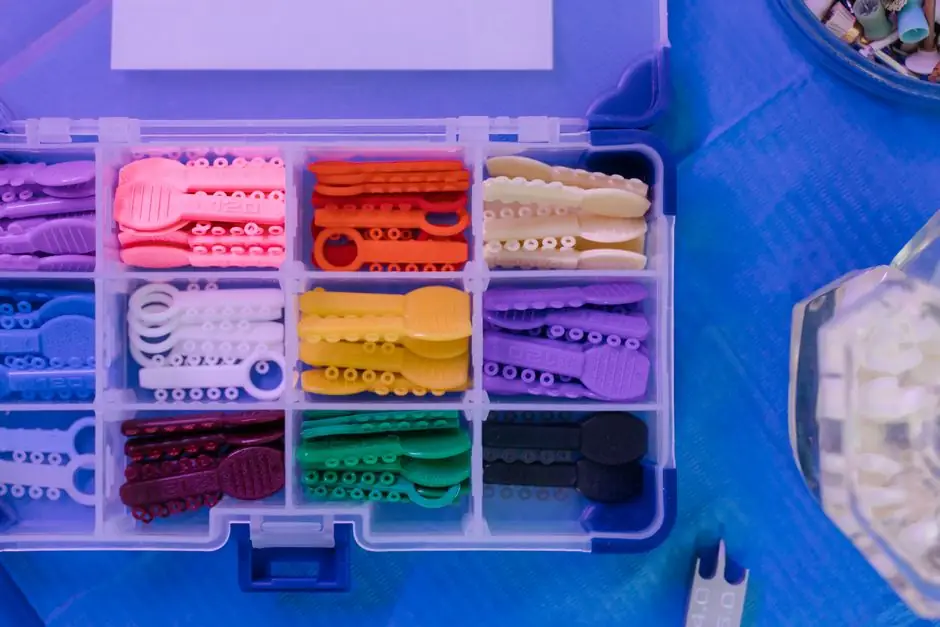
Color coding is not a material identifier on its own. Green, for example, is used by Global O-Ring for both Viton and HSN/HNBR, and white is used for NBR, Viton, silicone, EPDM, and PTFE depending on manufacturer and compound [S7]. Color is a stocking convenience, not a specification.
Sizing Systems and Standards Anchor
O-rings ship in two sizing systems: inch (AS568) and metric. Inch sizes follow AS568 dash numbers, with the most common cross-sections being 1/16 in, 3/32 in, 1/8 in, 3/16 in, and 1/4 in, mated to standardized ID ranges. Metric sizes use mm directly and are standard on European-built equipment and on parts designed to ISO 3601-1 [S2][S3]. Durometer (Shore A hardness) commonly runs 70, 75, or 90; softer compounds (50-60A) seal better on rough surfaces, harder compounds resist extrusion at high pressure.
Industry standards segment the catalog further. Oil and gas uses Norsok M-710 and NACE TM0297 to qualify RGD-resistant compounds [S1]. Pharmaceutical and medical often require USP Class VI and ISO 10993 biocompatibility documentation [S1]. Food and beverage runs on FDA-grade compounds plus NSF-51 and 3-A Sanitary where equipment surface finish is regulated, and drinking-water service carries NSF-61, WRAS, and KTW marks [S1]. Semiconductor service demands low-outgassing, low-particulate compounds separate from the same chemistry used in non-clean service [S1]. These standards do not change the elastomer family; they certify the specific compound batch.
Selection Criteria, Limits, and Failure Modes

Four inputs drive a defensible pick: media, temperature (continuous and peak), motion profile, and any regulatory mark the end use requires [S1][S4]. Hardness, compression set, and permeability enter as secondary checks once a family is shortlisted. The full o-ring selection logic on a gland-design drawing ties these to a calculated squeeze and an extrusion gap at system pressure.
Limits show up as predictable failure modes: extrusion at high pressure in low-durometer compounds, compression set that loses preload on long static dwells, chemical swell that drops hardness and increases friction, explosive decompression (RGD) in high-pressure gas service, and thermal aging above the compound's rated peak [S1][S4]. A spec engineer treating the elastomer family as the only decision misses these; the compound data sheet and the gland geometry decide them. For related decisions on a sealing system's total cost, see O-ring TCO: why the cheapest unit price rarely wins the seal budget, and for adjacent static-seal work on flanged joints, see Flange Gasket Installation: Procedure, Failure Modes, and Acceptance Checks.
Where Each Type Fits, and Where It Doesn't
NBR is the default for petroleum oils, fuels, and general hydraulic fluid within -35°F to 250°F, and is the most widely used elastomer in fluid power by cost-per-seal [S3]. FKM is the default for high-temperature petroleum and chemical service, vacuum, and aerospace fluids, except where amines, ketones, or hot water/steam are present [S1][S3]. Silicone is the default for dry heat, food/dairy, medical, drinking water, and semiconductor wet-bench service, all primarily static [S1][S3]. EPDM is the default for steam, hot water, polar chemicals, brake systems (glycol-based), and outdoor weather/UV exposure, but never for petroleum [S1][S5]. FFKM is the specialty default for the most aggressive chemical and high-temperature service where compound cost is acceptable, including CPI, life-science, and aggressive oil-and-gas RGD service [S1]. Neoprene covers moderate-chemical, weather-exposed service such as refrigeration and outdoor enclosures [S2][S5].
Two signals to watch over the next buying cycle: the ongoing shift in pharmaceutical and food-and-beverage toward platinum-cured silicone and FFKM compounds with full USP Class VI, ISO 10993, and FDA documentation batches traceable by lot [S1]; and the broader replacement of standard FKM with low-temperature FKM grades (down to -54°F) in oil-and-gas and aerospace, where standard FKM fails the cold-start envelope on Northern-Sea and high-altitude equipment [S1][S3].
Component reference pages worth checking: retaining ring, and slewing ring bearing.