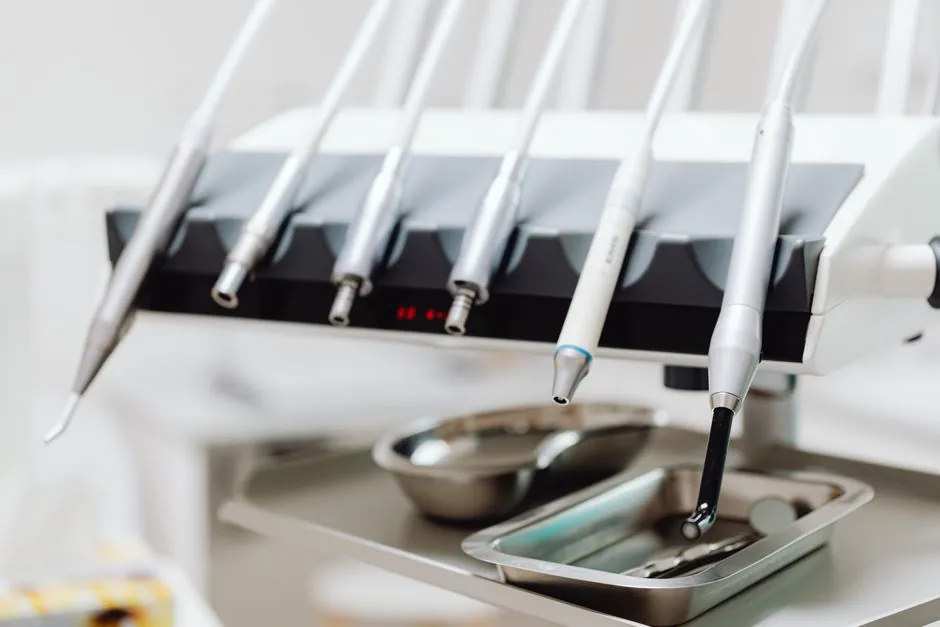
Polyurethane elastomer selection for medical devices in 2026 is governed by three concurrent gates: USP Class VI or ISO 10993-5/-10 biocompatibility evidence, sterilization-cycle compatibility (EtO, gamma 25-40 kGy, autoclave 121-134°C), and the mechanical profile (Shore hardness, tensile strength, elongation) required by the device class [S2][S3][S5].
The candidate material set is narrow: medical-grade TPU, aliphatic DDI-based cast elastomers, and platinum-cured silicone or USP Class VI EPDM as fallback options when polyurethane fails a specific gate [S2][S3][S6]. Specifiers should treat the elastomer choice as a documented risk file, not a single-line SKU swap, because revalidation of a 510(k) or MDR technical file follows the resin grade, not the part number [S1][S5].
Biocompatibility and Standards Stack
USP Class VI (now superseded in part by USP <88>) and ISO 10993-5 (cytotoxicity), -10 (irritation and sensitization) remain the baseline tests medical-grade polyurethane elastomer suppliers document for short-term and long-term implant-contact applications [S3]. ASTM F981 (Practice for Assessment of Muscle and Bone Tissue Responses to Long-Term Implantable Materials) and ASTM F1980 (Accelerated Aging of Sterile Barrier Systems) are the two ASTM workhorses that run alongside the ISO stack when the device is a long-term implant or has a stated shelf life [S1].
For MRI-conditional labeling, ASTM F2052 (magnetically induced displacement force), F2213 (torque), F2182 (RF heating), and F2503 (marking practice) apply; any elastomer containing metallic fillers, including some anti-microbial silver-doped TPU, must be qualified against this quartet before a "MR Conditional" mark is legal [S1]. Specifiers writing an MR-conditional catheter, lead, or fixation component cannot skip these tests just because the base polymer is non-ferrous, since filler agglomerates and pigment traces have triggered field retests.
DDI-Aliphatic Systems vs Aromatic TPU: Selection Map
DDI (Dimeryl Diisocyanate, CAS 68239-06-5) is an aliphatic diisocyanate that gives the resulting polyurethane elastomer color stability, UV resistance, and lower extractables versus aromatic MDI/TDI systems, which is the reason it is positioned for flexible medical devices and long-term implant coatings [S2]. The trade-off is processing: DDI systems are typically cast or reaction-molded, have slower demold times, and cost 1.5-3x an equivalent aromatic TPU at the same Shore A band [S2].
Thermoplastic polyurethane (TPU), the workhorse of catheter shafts, tubing, and inflatable balloon jackets, processes on conventional thermoplastic equipment, accepts gamma sterilization up to roughly 40 kGy, and is available in medical grades with documented ISO 10993 and USP Class VI files [S5]. Aromatic TPUs yellow under UV and can leach aromatic amines under aggressive hydrolysis; aliphatic polycarbonate-based TPU is the bridge grade that costs 20-40% more but survives 50-80°C aqueous aging with retained tensile strength, which is the standard specification for dialysis, drainage, and long-indwelling urology devices [S2][S5].
For dynamic sealing surfaces such as pump pistons, valve seats, and connector O-rings, polyurethane gives high abrasion resistance and mechanical strength, but only when the Shore A is mapped to the pressure range; below Shore 70A the extrusion gap must be tighter than for a silicone O-ring of equivalent compression set [S6]. Where compression set below 15% after 70 h at 150°C is required, platinum-cured silicone or USP Class VI EPDM typically beats polyurethane; the OEM pays roughly twice the unit cost and accepts lower tear strength [S3][S6].
Mechanical Targets by Device Class
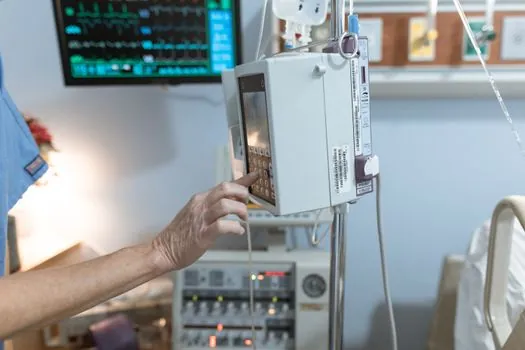
Flexible tubing and catheter shafts typically specify tensile strength 35-60 MPa, elongation at break 400-700%, and Shore 75A-85D TPU, with the higher durometer grades for pushability and the lower durometer grades for balloon compliance [S5]. Wound dressings and skin-contact films target breathable aliphatic TPU films in the 70-85A range with moisture-vapor-transmission rates tuned to the wound class; occlusive films for negative-pressure wound therapy go to 50-70 µm aliphatic TPU to balance MVTR against pump-vacuum integrity [S2][S5].
Implantable leads, artificial heart components, and load-bearing spacers are where the new generation of high-strength self-healing polyurethane elastomer chemistries enters the spec; a 2026 tandem dynamic-covalent / sextuple-hydrogen-bonding system has demonstrated 78.3 MPa tensile strength, 505.7 MJ m⁻³ toughness, and 1273.2% elongation, with 88.6% room-temperature healing efficiency over 24 h, which is the relevant benchmark for designers chasing both mechanical endurance and service-life extension in long-term implants [S4]. Short-term implant films and surgical instrument grips still sit comfortably in the 25-45 MPa, 400-600% elongation band, which commodity aliphatic TPU reaches without exotic chemistry [S2][S5].
Sterilization Compatibility Matrix
EtO (ethylene oxide, 37-63°C, 600-1200 mg/L) is the most polyurethane-friendly cycle: it does not push aromatic TPUs into amine-leach territory, and it does not age aliphatic DDI systems the way gamma does [S2][S5].
Steam autoclave at 121°C/20 min or 134°C/3-18 min pushes polyurethane above its hydrolysis threshold unless the resin is a polyether-based grade rated for hot-wet service; the failure mode is embrittlement and cracking within 5-20 cycles, which is why most autoclavable medical seals default to platinum-cured silicone despite its lower tear strength [S3][S6]. Specifiers should write the sterilization method into the material spec line, not the part drawing, because a resin change that holds ISO 10993 can still fail the sterilization step and force a full revalidation.
Failure Modes and Validation Watchpoints
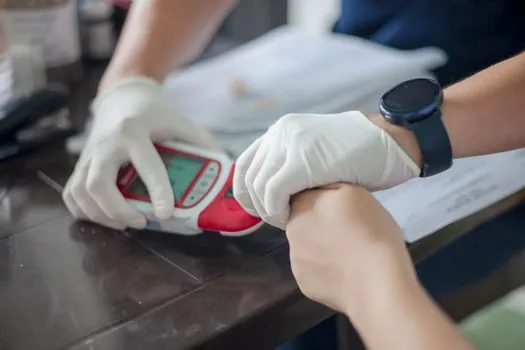
Environmental stress cracking (ESC) from isopropyl alcohol, povidone-iodine, and lipid-based drug carriers is the dominant in-service failure mode for medical TPU; a 2026 industry note highlights that polycarbonate-aromatic TPU can crack at 0.5-1.5% strain when exposed to common skin-prep solvents, which is below the elongation at break reported on most datasheets [S2][S5]. The validation response is ASTM D543 (resistance of plastics to chemical reagents) plus a device-level fatigue soak in the actual drug or solvent, run to 2x the labeled shelf life.
For long-term implants, calcification, lipid absorption, and stress-induced oxidation drive the service-life limit; high-strength self-healing polyurethane architectures target the latter, but the regulatory path under FDA Class III and EU MDR Annex XIV still requires 2-year chronic implantation data in a relevant animal model before a 10-year human label is permitted [S4][S1]. Specifiers should also re-validate after any postcure, annealing, or gamma dose adjustment, because tensile and elongation can shift 10-25% across these secondary steps and invalidate the original ISO 10993 file.
Adjacent Choices: Silicone and EPDM in the Same Part
Where the design stack combines a flexible TPU jacket with a sealing element, the spec usually pairs aromatic or aliphatic TPU with platinum-cured silicone O-rings; the silicone carries the USP Class VI file and the compression-set requirement, while the TPU carries the mechanical and abrasion requirement [S3][S6]. Sealing solutions in medical devices follow the same logic in industrial assemblies: each elastomer is mapped to the function it does best, not stretched to cover all functions in one resin.
For pump diaphragms, breathability membranes, and low-durometer contact surfaces, EPDM in a USP Class VI cure system competes on cost, with documented biocompatibility files, and survives EtO and autoclave cycling better than commodity TPU at the same Shore A; the trade-off is chemical resistance to mineral oils and to a range of drug solvents, which is the reason EPDM is rarely specified in infusion or lipid-contact paths [S3]. The design rule of thumb: TPU for mechanical and abrasion, silicone for seal and purity, EPDM for low-cost breathable surfaces, and DDI-aliphatic cast PU when the device also needs optical clarity or color stability over a 5-10 year service life [S2][S3][S5][S6].
Track two signals through 2026-Q4: (1) any FDA 510(k) or EU MDR technical-file decision that explicitly cites the tandem-dynamic-covalent polyurethane system as a predicate material, since that would open a regulatory path for self-healing implant grades; (2) ASTM F1980 accelerated-aging updates or new extractables/leachables protocols that tighten the dossier required for aromatic-TPU reuse in prefilled drug-device combinations.
Component reference pages worth checking: polyurethane insulation, and pressure transmitter.