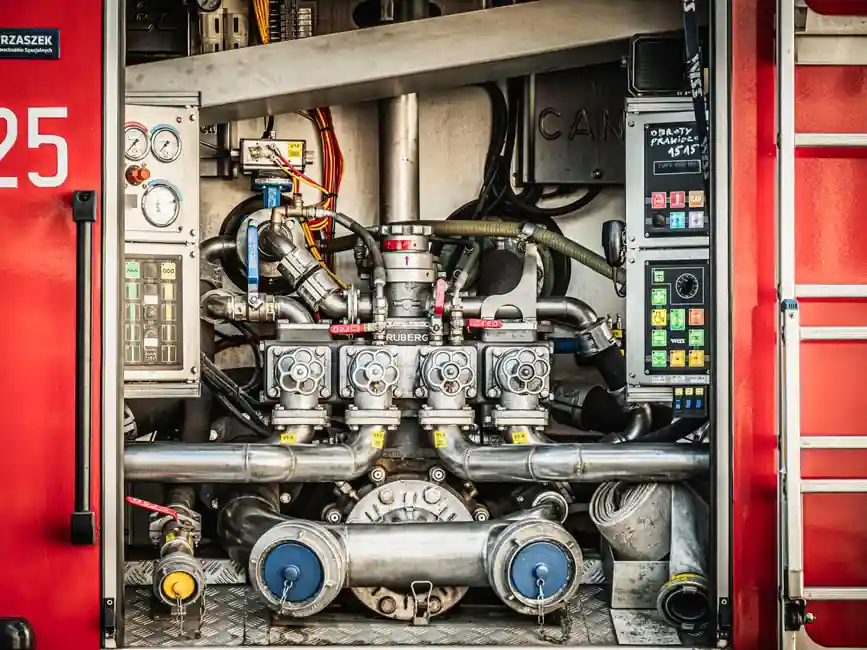
A pre-engineered gas fire suppression system is manufacturer-tested and listed within defined application limits, while an engineered system requires site-specific calculations, agent quantities, pipe sizes, nozzle pressures, and placement [S1][S5].
The decision governs electrical enclosures, cooking equipment, machinery compartments, server rooms, and larger multi-room hazards, with installation effort, protection limits, maintenance, and expansion requirements as the controlling criteria [S2][S4].
Two Design Paths, Two Engineering Responsibilities
Pre-engineered systems transfer the engineering work to the product developer: equipment, nozzle positions, pipework arrangements, agent quantities, and coverage limits are defined by the manufacturer [S4][S5]. The installer still surveys the site and confirms that appliance widths, burner arrangements, canopy depth, duct configuration, obstructions, and protected hazards remain inside the listed installation parameters [S4].
Engineered systems are calculated for the installation. Required calculations include flow rate, nozzle pressure, pipe size, protected area or volume per nozzle, agent quantity, nozzle type, and nozzle position [S1]. A total-flooding clean-agent design may use distributed pipework across several rooms, with a selector valve directing agent to the correct zone [S1].
Decision Criteria: Coverage, Installation, and Service Life
On first cost and installation time, the pre-engineered route normally wins. Standardized components and simpler designs reduce initial engineering effort and installation time, while repeatable layouts simplify maintenance and spare-parts procurement [S3]. Engineered systems cost more at design stage because each installation receives an individual hydraulic and protection analysis, but that expenditure is justified where the hazard falls outside the manufacturer's listed boundaries [S4][S5].
On coverage flexibility, the engineered route wins. It can accommodate larger areas, multiple rooms, irregular layouts, uncommon hazards, and future changes to equipment or operations [S1][S3]. Pre-engineered systems are stronger where the hazard is predictable and the protected arrangement fits a tested configuration, such as a standard appliance line beneath a conventional cooking canopy [S2][S4].
On service complexity, pre-engineered systems generally use consistent components and maintenance routines [S2]. Engineered systems demand more design-specific knowledge, including zone control, agent distribution, ventilation and pressure relief, shutdown sequencing, and interfaces with fire-alarm or building-management systems [S1][S3][S4].
Which System Fits the Protected Hazard?
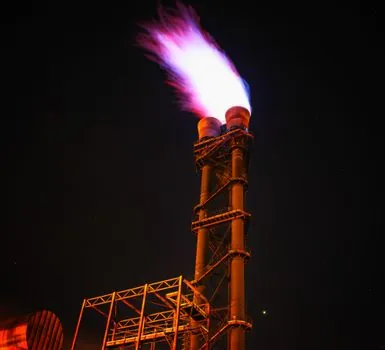
Choose a pre-engineered system when the equipment and room configuration fall within a listed design. Pre-engineered systems are used for defined hazards such as electrical panels, server-rack cabinets, engine compartments, restaurant hoods, paint booths, and small machinery enclosures [S1][S2]. They are not generic off-the-shelf kits: a pre-engineered system's manufacturer-defined equipment, nozzle positions, pipework arrangements, and coverage limits must suit the site [S4].
Choose an engineered system for a larger or irregular enclosure, several connected zones, unusual equipment, non-standard ductwork, specialist process hazards, or a need to adapt the installation after operational change [S1][S3][S4]. Engineered fire suppression systems are total-flooding systems that use clean-agent gas [S1].
For gas suppression specifically, total-flooding designs use clean-agent gas that can suppress and extinguish fires without harming people or damaging property and equipment when discharged [S1]. A gas fire suppression system is therefore suited to rooms containing sensitive electronics or mechanical equipment, but room volume, agent concentration, ventilation, pressure relief, and hazards to personnel still require project-specific assessment [S1].
Detection, Release, and Control Architecture
Pre-engineered systems use equipment, nozzle positions, pipework arrangements, and coverage limits defined by the system manufacturer within stated design rules [S4]. The release arrangement must match the listed system rather than be selected independently.
Engineered systems are developed after analysis of a facility's specific fire risks, including its materials, operational processes, and physical layout, and can adapt to changes in fire-safety requirements [S3]. Sequence design also matters: a kitchen suppression system must detect the fire, discharge the correct agent into the relevant hazard, shut down fuel or power where required, and integrate with the building's fire-safety arrangements [S4].
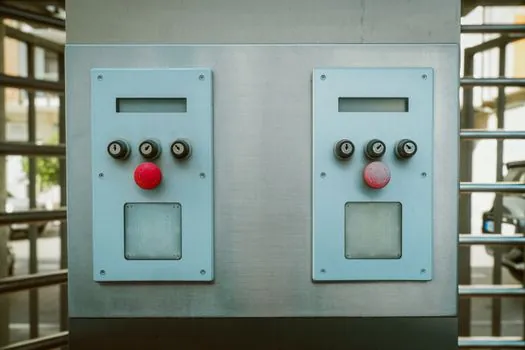
The associated fire alarm control panel should be assessed as part of the suppression interface, not purchased as an unrelated alarm accessory. Detection and release timing must be coordinated with agent design, interlocks, shutdowns, and the protected space. A heat detector or smoke detector also belongs in a defined fire-detection architecture rather than being treated as a substitute for the suppression system's own release function.
Limits, Failure Modes, and Reconfiguration Control
The principal pre-engineered limitation is boundary violation. Moving equipment, changing burner arrangements, altering canopy depth, or adding obstructions can invalidate the assumed nozzle coverage even when the installation initially resembles an approved layout [S4]. Under a commercial cooking design, the equipment layout must match the suppression design, and equipment changes beneath a protected hood require coverage verification before operation resumes [S5].
The principal engineered-system failure mode is incomplete interface design. Agent discharge alone does not remove every cause of fire: continued fuel supply, extraction conditions, ventilation, and emergency-response delays can still affect the outcome [S4]. A complete design therefore addresses interlocks, fuel or power shutdown, extraction conditions, pressure relief, and post-discharge re-entry or restart controls.
Gas systems add a separate life-safety layer. Agent selection must account for personnel exposure, discharge concentration, enclosure sealing, and ventilation. Where agent cylinders and manifolds serve multiple zones, correct valve selection and distribution become critical; the engineering package should define pipework, nozzle selection, quantity, test points, commissioning, and maintenance access [S1].
Standards, Sourcing, and Procurement Evidence
For a pre-engineered product, retain the manufacturer's listing or approval, installation manual, permitted nozzle layout, coverage limits, compatible components, and maintenance instructions. The manufacturer's engineering analysis is performed during product development, while the installer configures the listed system within those parameters [S5]. This evidence package defines what may be altered after installation.
For an engineered design, retain the signed site-specific design, hydraulic calculations, hazard assessment, nozzle and agent schedules, zone drawings, shutdown sequence, commissioning records, and acceptance documentation. A licensed fire protection engineer produces the hydraulic calculations for a custom-engineered installation [S5]. NFPA 12 covers carbon dioxide systems, NFPA 17 covers dry chemical systems, NFPA 96 covers commercial cooking suppression, and NFPA 2001 covers clean-agent systems [S5].
Compare bids on a common basis: listed coverage, design hours, field installation, shutdown interfaces, commissioning effort, routine service, parts availability, and the cost of adapting protected equipment. Do not treat a lower equipment quotation as equivalent when one offer includes site-specific engineering and the other permits only manufacturer-defined layouts [S2][S4].
Before freezing the design, record the protected hazard, room or enclosure dimensions, fuel or process, equipment layout, required detection and shutdown functions, applicable authority requirements, and the consequences of future modifications [S2][S4]. The next trackable decision is a site survey against the listed pre-engineered design boundary; any deviation triggers an engineered-design review before equipment order.