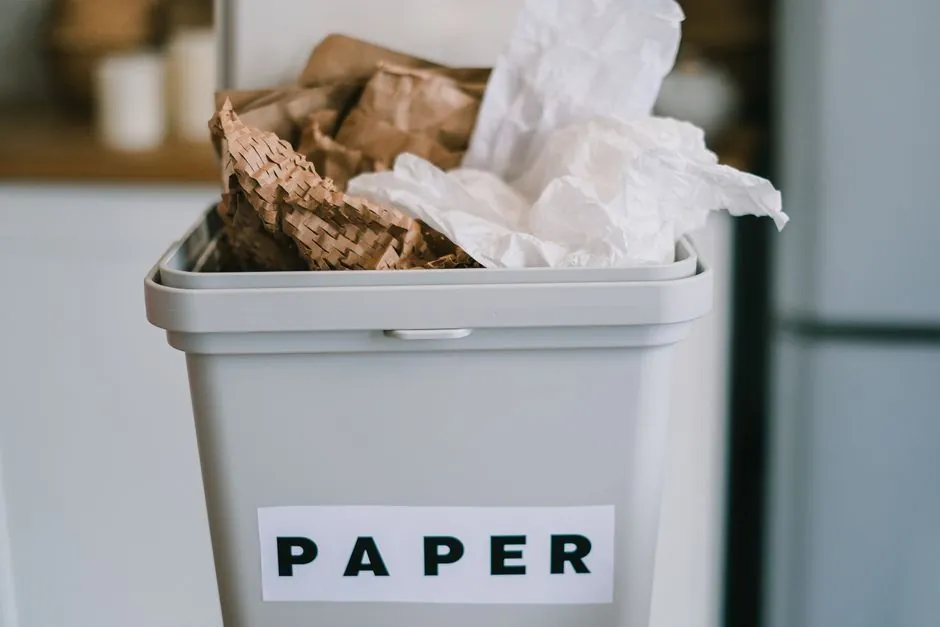
Recycled-content corrugated board can match commercial packaging demands, but its fibers are generally shorter and weaker than virgin kraft fibers at equal basis weight [S1].
Virgin paperboard is often selected when a project needs strong stiffness, clean appearance, brightness, smooth print surfaces, premium presentation, or food-contact suitability, while recycled paperboard can support recycled-content goals and cost requirements when its grade, surface, cleanliness, fiber strength, coatings, and end use are reviewed carefully [S2].
Decision criteria for recycled and virgin board
There is no automatic winner between virgin and recycled paperboard. Virgin board is generally preferred where cleanliness, stiffness, brightness, smooth print surfaces, food-contact suitability, and moisture resistance are critical; recycled board is practical where recycled-content targets, cost efficiency, and secondary-packaging duties dominate [S1][S2][S4].
Specify the board against the actual load, distribution path, print surface, food-contact status, certification requirements, and disposal route rather than treating recycled percentage as a performance grade [S2]. For corrugated packaging, recycled content means the proportion of recovered fiber by weight in the linerboard and corrugating medium; a box labeled 50% recycled content contains 50% recovered paper fiber by weight, with the balance supplied by virgin wood pulp [S1].
Pre-consumer recycled content comes from paper trimmings and factory rejects, while post-consumer content comes from used paper and corrugated packaging. Both can enter corrugated board, but buyers should distinguish them when a customer specification requires post-consumer content rather than a broad recycled-content claim [S1].
Strength, moisture, and print performance
This makes virgin board the conservative choice for heavy or fragile products, long distribution paths, compression exposure, and humid storage, while recycled board can remain suitable where loads and exposure are controlled [S1][S2].
The comparison is not simply recycled versus virgin. A recycled-content carton can therefore be engineered successfully, but an unverified high-recycled grade should not replace a load-based specification.
Virgin paperboard is often selected for strong stiffness, clean appearance, brightness, smooth print surfaces, and premium presentation [S2]. Recycled paperboard requires careful review of its grade, surface, and cleanliness for applications requiring a particular print appearance [S2]. Coating can improve surface characteristics, but the board, coating, ink, and food-contact barrier must be reviewed as a system rather than assessed separately [S2].
Decision matrix by packaging duty

Against four decision criteria, virgin kraft wins on maximum structural consistency, moisture exposure, print quality, and critical cleanliness, while recycled board wins on cost efficiency, recovered-fiber use, and suitability for secondary packaging [S1][S2][S4].
Recycled paperboard can support recycled-content goals and cost considerations in secondary packaging, provided its grade, surface, cleanliness, fiber strength, coatings, and end use are reviewed carefully [S2].
Food contact and contamination controls
Direct food contact requires review of the selected grade, coatings, barriers, and applicable compliance evidence; fiber source alone does not establish suitability [S2]. A practical structure places virgin fiber on the food-contact surface while retaining recycled content in outer layers, allowing the food-contact boundary to remain controlled without excluding recovered fiber from the package [S7].
Virgin paperboard is often selected when clean appearance and food-contact suitability are central, but food-contact requirements must still be reviewed [S2]. FSC, PEFC, and SFI requirements can apply to virgin, recycled, or mixed-source supply chains, so certification and recycled-content claims require separate documentary verification [S2].
Weight, cost, and recycling trade-offs
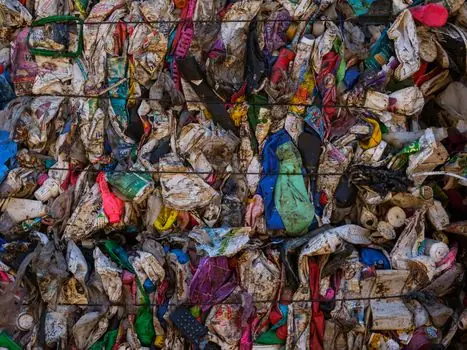
Thermomechanical pulp board can be 25–27% lighter than chemically recycled board and is associated with a 25–27% carbon-dioxide reduction in the cited comparison, demonstrating that furnish and processing route can affect mass as much as recycled versus virgin fiber [S6]. This figure applies to the TMP-versus-CRB comparison and should not be transferred to every recycled kraft specification.
Virgin board uses new wood fiber and therefore carries a different forestry and raw-material profile from recovered-fiber board. Recycled board reduces reliance on new fiber, but repulping, sorting, deinking, energy use, and contaminants can affect its environmental result [S3][S5]. Corrugated packaging has one of the highest recycling rates of any packaging material, and it can be recycled in many applications [S1][S2].
Paper can be recycled through multiple cycles, but fiber quality declines with each cycle; one industry explanation states that after up to 10 cycles the fiber may no longer have a viable use [S5]. Consequently, the practical sustainability question is not simply whether one fiber is renewable, but whether the package is designed to be recovered after use and whether the board can perform its required duty with an appropriate fiber mix [S1][S5].
Specification controls before purchase
Require the supplier to state recycled percentage by weight, pre-consumer versus post-consumer split, board grade, flute combination, basis weight, and test results before comparing quotations [S1]. Do not infer structural performance from the fiber label alone. For corrugated cartons, confirm that the specified grade meets the required compression and handling loads; the relationship between ECT, BCT, and Mullen testing is covered in ECT vs BCT vs Mullen for Corrugated Carton Specification.
Control the two variables that commonly invalidate a recycled-board decision: grade selection and operating exposure. Verify strength under the expected humidity and handling conditions, inspect print surfaces against approved color standards, and document direct food-contact or barrier requirements [S1][S2]. For carton dimensions, use Specify Carton Inside and Outside Dimensions Correctly because fitted internal dimensions reduce load on the board and improve closure performance.
A sound written specification records fiber source, recycled-content basis, grade, dimensions, print and coating requirements, food-contact status, certification evidence, and test criteria. This lets recycled content remain a measurable sourcing attribute rather than a vague sustainability claim, while preserving the performance margins that make the carton box suitable for the actual distribution environment.