The HA-72PM supports 16, 32, 48 or 64 channels with a 320×240-pixel LCD display, while the Vertex supports up to 72 points of continuous gas detection [S1][S4].
Selection should combine point capacity, sensor compatibility, alarm presentation, logging and communications, because high resolution alone does not establish system suitability.
Resolution Starts With Channel Capacity
A multi-point controller must present every monitored point and its alarm state without obscuring the operating information needed for response. The Honeywell HA-72PM supports 16, 32, 48 or 64 channels and provides a 320×240-pixel LCD, offering a defined display specification for medium- and high-density fixed systems [S4].
The Sensidyne Model 7200 expands from 16 to 64 input channels and accepts analog, bridge, Modbus RTU, Modbus TCP and wireless inputs. Its high-resolution color LCD presents concentration trends, bar graphs and engineering units, while color-coded fault and alarm indicators provide a separate status layer [S3]. The comparison is straightforward: HA-72PM states 320×240 pixels for up to 64 channels, whereas Model 7200 combines a color display with modular input formats, voting logic and configurable alarm grouping [S3][S4].
The RC Systems ZoneProtector addresses smaller installations, integrating detection, display and annunciation for as many as 4 gas types. Its controller supports local readout, calibration and alarm functions for up to 4 sensors, with wired Modbus, wireless Modbus, 4–20 mA output and local relays [S2]. For a four-point application, that integration reduces the number of separate display and annunciation layers, but it does not offer the channel expansion of the 64-channel platforms [S2][S3][S4].
Compare Controller Classes by Decision Criteria
Four decision criteria separate compact zone controllers from high-density and specialty continuous-monitoring systems: measured points, display capability, alarm flexibility and system integration. The Vertex can monitor as many as 72 points and allows sampling points to be placed up to 400 ft (120 m) from the system [S1].
This comparison favors a zone controller for a compact installation with up to 4 sensors, an HA-72PM or Model 7200 for 16–64 conventional channels, and Vertex where continuous sampling, more than 40 gases or remote sample-line deployment drives the architecture [S1][S2][S3][S4].
Display Resolution Is Only One Part of Readability
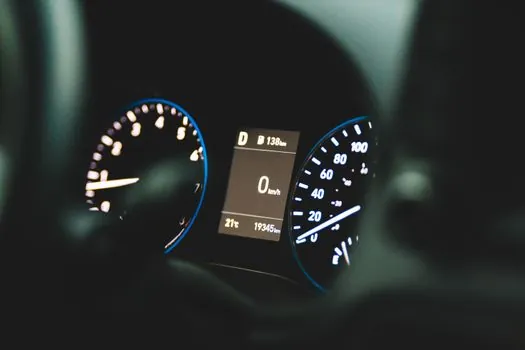
Useful alarm readability depends on the display and its visual encoding, not on pixel count alone. The Model 7200 combines a high-resolution color LCD with concentration trends, bar graphs, engineering units and color-coded fault and alarm indicators [S3]. The HA-72PM has a 320×240-pixel LCD display [S4].
The Vertex combines Chemcassette, software and optics technologies into a flexible monitoring system with up to 72 points of continuous gas detection [S1]. Its larger physical display can support centralized review, but the specification still has to be tested against the operating environment: display legibility, control access, enclosure suitability and remote visibility determine whether the screen is useful [S1].
Some compact controllers intentionally use a much simpler display. The General Monitors IR4000M has a three-digit LED display for the Model IR400 point infrared detector and provides local calibration [S8].
Fixed Systems Serve Different Monitoring Duties
A fixed multi-gas safety system provides continuous monitoring and can interface with ventilation, audible and visual alarms, and building-management systems. Portable four-gas instruments are suited to maintenance personnel, confined-space spot checks and sample analysis, but they do not provide the same continuous coverage or infrastructure integration [S5].
Fixed systems are used in laboratory workspaces, cleanrooms, cylinder storage areas, CO2 incubator zones, cryogenic-storage areas, mechanical rooms and confined spaces. A laboratory can have simultaneous oxygen-deficiency, CO2 accumulation and combustible-gas risks, so a controller may need to combine oxygen, toxic and combustible channels rather than act as a single-purpose display [S5]. This is the operating role of a fixed gas detector network, with the controller providing central status, alarms and recorded values.
Industrial applications include wastewater-treatment plants, battery-charging rooms, analyzer shelters, parking garages and well heads. ZoneProtector is identified as a solution for monitoring wastewater treatment plants associated with NFPA 820 and can detect combustibles, hydrogen sulfide, oxygen, carbon monoxide, hydrogen, chlorine, ammonia, benzene, VOCs and many more compounds [S2]. For a larger facility, this supports the argument for separating a gas alarm controller from field sensors, rather than relying on local readouts alone.
Alarm Logic and Records Determine Response Value
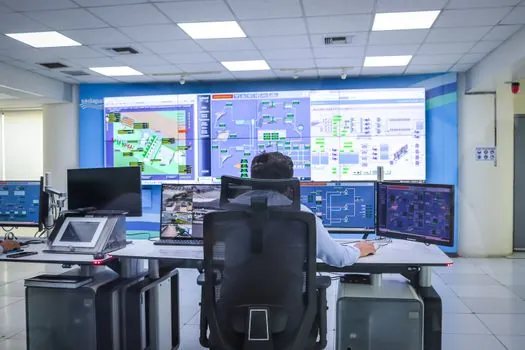
Display resolution cannot compensate for weak alarm grouping or inadequate event records. The Model 7200 supports configurable alarm grouping, voting logic and acknowledgement functions, while five standard SPDT 5 A common alarm relays include dedicated horn and fault outputs [S3]. These functions allow the displayed condition and external annunciation to follow the site response plan rather than merely listing sensor readings.
The HA-72PM provides programmable relays, including a 5 A Form C arrangement, and records concentration values, alarm events, minimum and maximum readings, calibrations and alarm resets on an SD card for more than one year [S4]. Model 7200 also stores minimum, maximum and average values on an SD card for one year [S3]. The usable comparison is therefore based on record content and retention period, not simply on whether a product has a color screen or touch interface.
Alarm thresholds remain application-specific and must be configured against the monitored gas and site exposure plan. Published example settings include a low alarm at 50 ppm and a high alarm at 100 ppm for carbon monoxide, plus a 5 ppm high alarm for nitrogen dioxide [S7]. These values are not universal controller defaults, and they do not replace the alarm philosophy or commissioning criteria applicable to the installation [S7].
Communications Must Carry More Than a Display Image
Controllers must move values and alarm states into the wider safety system without degrading their meaning. The Model 7200 includes Ethernet and Modbus TCP master/slave capability, with an optional wireless Modbus interface [S3]. The HA-72PM includes Modbus TCP, four RS-485 ports, an embedded web server and a secure password-protected interface; up to 128 HA-72 controllers can be daisy-chained [S4].
ZoneProtector provides a smaller-system path through wired and wireless Modbus, 4–20 mA analog output and local relays [S2]. Vertex supports optional Ethernet/CIP, LonWorks, DeviceNet, DF1, Profibus, Modbus Plus, Modbus/TCP, ControlNet and isolated 4–20 mA outputs, together with optional remote viewing software [S1].
The wired versus wireless fixed gas detection guide provides a useful architecture comparison because communication choice affects installation, signal integrity and remote access. A high-resolution display remains valuable only if the alarm data can also be reviewed, logged and acted on across the plant.
Enclosure and Service Constraints Shape the Display Choice
The controller enclosure must suit the installation environment, and ZoneProtector configurations include UL94 flame-retardant plastic, Class 1 Division 1 316 stainless steel and Class 1 Division 2 certified options [S2]. HA-72PM options include NEMA 4X, NEMA 4X stainless steel, 19-inch rack mounting and NEMA 7 wall mounting, with UL and CSA approval for Class I, Division 2 [S4].
Vertex incorporates a backup pump, internal power module and system data backup. If its main data-acquisition PC fails, the analyzers continue monitoring, logging and alarming; automated leak testing and line-integrity options add further protection [S1]. These resilience features apply to the complete monitoring architecture, not merely to screen performance.
For service planning, the MSA compact autonomous gas detection system monitors as many as 20 independent channels within one 19-inch rack and uses a large LCD plus LEDs for gas information [S6]. By comparison, the ZoneProtector target of 4 sensors is suitable for smaller areas, while the 16–64-channel HA-72PM and Model 7200 address denser installations [S2][S3][S4][S6].
Before purchase, verify the display in the intended viewing environment, confirm every sensor input type, test alarm visibility under expected lighting, define the required logging interval and validate communications with the plant network. Request proof that the selected controller can present the required point count, engineering units, alarm hierarchy and fault states without hiding active events.