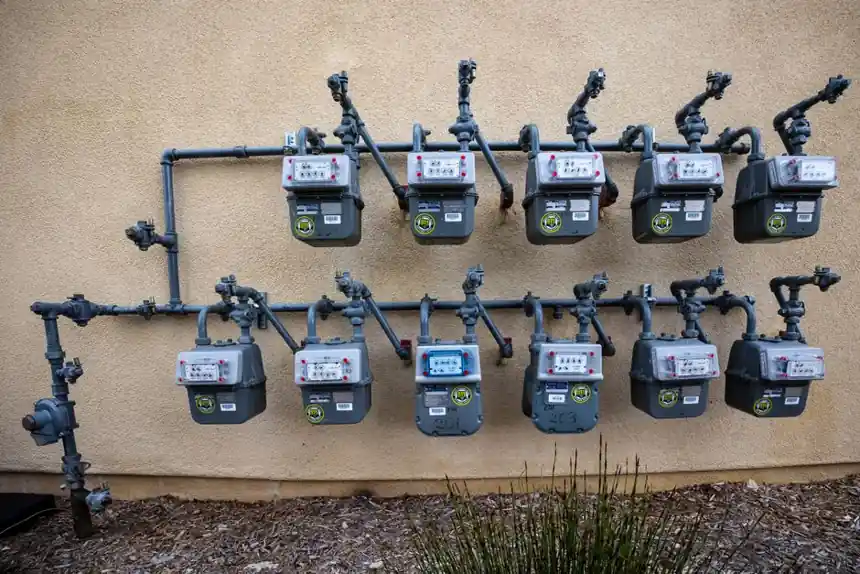
A pressure-measuring device used for gas-line leak testing must be designed and calibrated to read, record, or indicate leakage-induced pressure loss [S5].
For a common 3 psi residential test, this range rule favors a 0–15 psi gauge, while a digital instrument rated for that band can provide a clearer pressure-drop record during the minimum 10-minute hold [S2][S3].
Pressure Range and Test Requirements
The 2021 International Fuel Gas Code, Section 406.4, requires a manometer or another pressure-measuring device designed and calibrated to read, record, or indicate leakage-induced pressure loss during the test period [S5].
At 3 psi, that produces a maximum full-scale range of 15 psi. A 0–15 psi gauge is therefore a more defensible choice than a 0–60 psi gauge because the test occupies a larger portion of the usable scale.
Mechanical Versus Digital Manometers
The decision rests on resolution, readability, documentation, and pressure range, not on the word digital by itself. The governing requirement covers mechanical gauges and calibrated pressure-measuring devices capable of indicating leakage-induced loss [S5].
A digital manometer is generally the better instrument when the operator must distinguish a small pressure loss or compare initial and final readings. A mechanical pressure gauge is adequate when the selected range is appropriate and the pressure change is visibly legible.
Where Each Instrument Type Fits
A mechanical low-pressure gauge suits a direct, visual hold test, provided its full-scale range meets the five-times rule and the gauge is correctly installed [S5]. The commercially available equipment list includes a 30 psi low-pressure gauge and a 0–35 in. H2O low-pressure gauge, but model availability alone does not make either model suitable for a specific test [S4].
A digital manometer fits repeated section-by-section testing, especially when pressure loss is small. Field discussion records that nitrogen testing with a digital manometer can be more sensitive and allow pressure to be checked over time, but that is an operational observation rather than a substitute for the applicable code [S7].
The intended users include installers, service technicians, industrial maintenance crews, and facility operators performing new-piping or isolated-section tests. The instrument is not suitable as the sole leak-location tool for concealed piping, and a passing pressure test does not replace inspection of exposed joints with an approved leak-detection solution [S2][S3].
Test Setup Determines Measurement Quality
Field troubleshooting also identifies the valve, Schrader connection, gauge, and fittings as components that can themselves leak and create an apparent failure [S2].
For sectioned testing, isolate the piping segment and cap or plug open appliance connections so an appliance is not confused with a leaking pipe joint [S2]. A manufacturer-supplied test setup can reduce disputes over leakage in temporary connections, while exposed fittings can be checked after the pressure-hold result passes [S2].
These are test setup constraints rather than manometer selection criteria, but an incorrect setup can invalidate the pressure reading regardless of gauge quality.
Acceptance Criteria and Failure Modes
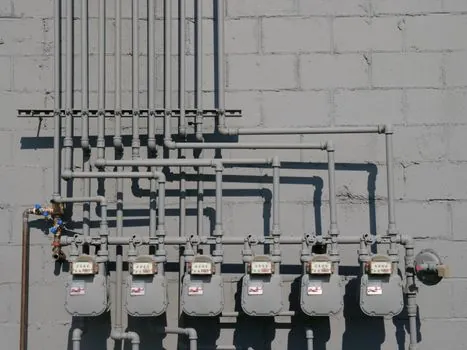
A pressure test and a leak check are separate operations: the pressure test verifies piping integrity, while exposed leakage points may be identified with a suitable solution [S3]. One residential example accepts a line that loses approximately 2 psi during a test from 20 psi, but that value is a separate rule and must not be transferred to a 3 psi residential test without code approval [S1].
A gauge whose range is too broad can conceal a small loss because the same pressure change occupies a smaller fraction of the dial.
Some analog gauges use inches of water column, a unit suited to very low differential pressures; 30 psi and 0–35 in. H2O examples are both listed in gas pressure-testing equipment [S4]. The selected unit and range must match the test pressure, and any conversion must be made before applying the five-times criterion.
Calibration, Documentation, and Selection Record
Section 406.4 requires the measuring device to be designed and calibrated to detect or record leakage-related pressure loss [S5].
For a 3 psi test, the selection record should identify a calibrated instrument with a maximum range of 15 psi or less, including a 0–15 psi mechanical gauge or a digital gauge covering the pressure band with suitable resolution. If the calculated test pressure is higher, recalculate the permitted full-scale range at five times that pressure rather than using the same 0–15 psi model [S5].
The test record should also state that the pressure source was isolated and that appliances and equipment were disconnected, because those conditions are explicit elements of the cited procedure [S3][S5]. For larger systems, record the authorized hold duration rather than assuming the 10-minute residential minimum applies [S2].
Choose a digital manometer for sensitive numerical readings and documentation, or a mechanical manometer for a simple visual hold test, and verify either option against the 3 psi minimum, 10-minute hold, calibration requirement, and five-times full-scale rule before pressurizing the line [S2][S3][S5].