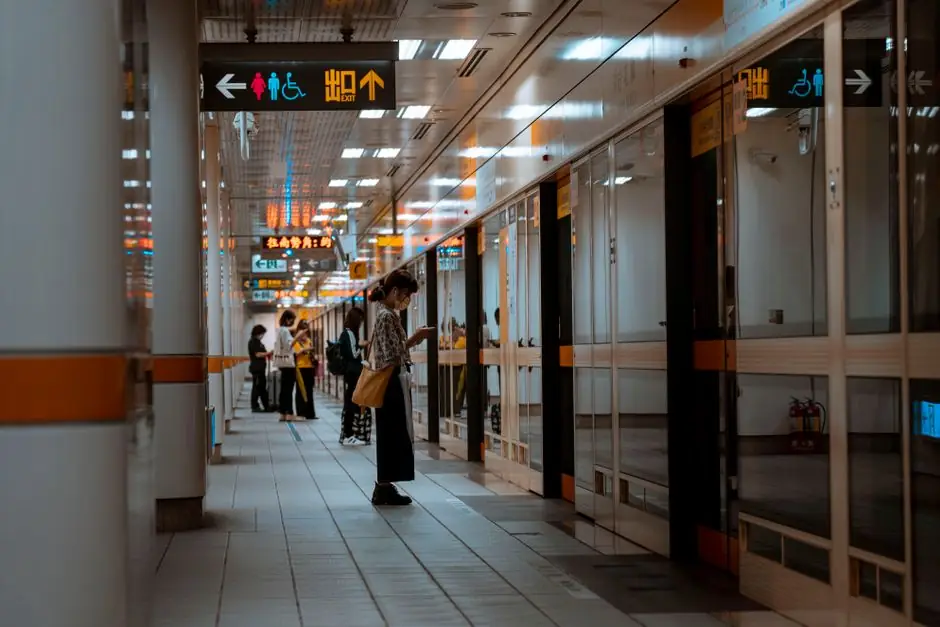
Ceramic tile corridors need more than a wear rating: protected edges can prevent impact chipping, while correct substrate preparation limits stress that propagates from tile edges into cracks [S1][S2].
Separate abrasion resistance from edge chipping
This is a wear classification, not proof that a factory edge or cut edge will survive a concentrated impact.
Edge chipping is a separate failure mode. Dropped tools, heavy equipment, dull cutting tools, improper tile alignment, substrate movement, and structural stress can all damage exposed edges [S1]. A tile that resists abrasion can still chip because abrasion resistance does not remove the vulnerability of an unsupported edge.
No tile is completely immune to chipping, including durable porcelain tile, when exposed to heavy impact, improper installation, or excessive stress [S1]. The corridor specification therefore needs separate controls for surface wear, edge protection, and installation quality.
Build a three-layer chipping-resistance specification
The first layer is the tile body: specify porcelain or another durable ceramic product suited to the traffic class and use area.
The second layer is the edge profile. The Ceramic Tile Foundation identifies two functions for edge profiles: protecting tile edges from chipping and providing easy transitions between adjacent floor and wall surfaces [S2]. Metal profiles can protect both factory edges and cuts, including edges beside carpet, where a lower adjoining finish may expose the vulnerable tile edge [S2].
The third layer is workmanship. Apollo Tile identifies dull tools or improper cutting techniques, improper alignment and tight spacing, and substrate movement or structural stress as causes of tile chipping [S1]. Apollo Tile states that a chipped tile has lost a small piece from its edge, corner, or surface, exposing the body beneath the finished surface [S1].
Compare the main edge-protection options
Apollo Tile states that exposed tile edges without protective trims are more prone to chipping [S1]. It may suit an interior field tile with no exposed cut line, but it is a weak choice at a corridor threshold or transition.
The Ceramic Tile Foundation states that edge profiles protect tile edges from chipping and provide easy transitions between adjacent floor and wall surfaces [S2], while JOLLY edge trim is described as protecting tile edges from chipping and damage [S3].
PEI Class 5 porcelain without trim still leaves the edge exposed, while trim on a weaker or poorly installed tile does not correct substrate movement [S1][S4].
Use traffic location and finish transitions to place trim
Edge protection is justified where the tile edge is exposed to concentrated contact, including the boundary between ceramic tile and low-pile commercial carpet.
Transitions also matter where furniture legs, metal-legged chairs, maintenance tools, or wheeled equipment can strike the edge.
Metal profiles are not a universal requirement for every tile assembly. The Ceramic Tile Foundation states that edge protection is not required for all installations but provides better results [S2]. Use trim where there is an exposed edge, a finish transition, or a documented impact path.
Plan for impact, moisture, and repair consequences
A chip exposes the tile body beneath the finished surface. That exposed area may become rougher or sharp, collect dirt, and be more vulnerable to moisture and additional wear [S1]. Small chips can also enlarge into cracks under repeated stress, so an apparently cosmetic defect at a corridor edge can become a maintenance issue.
Porcelain tile reduces common impacts from dropped tools and heavy objects through a stronger body, but it does not remove the need for edge protection [S1]. Fully vitrified tiles offer another high-load option, with products marketed for heavy machinery, abrasions, cracks, wear, and corrosive chemical exposure [S5]. Material selection alone should not be used to justify leaving a vulnerable cut edge unprotected.
Specify the assembly before installation begins
For a high-traffic corridor, the ceramic tile specification should identify the tile body, PEI Class 5 where the project traffic warrants it, the substrate and installation requirements, and the metal edge profile at exposed transitions. These controls address separate risks: wear, impact, and structural stress [S1][S2][S4].
For facilities comparing ceramic tile with resilient flooring, the industrial flooring decision should include the joint condition, cleaning regime, expected wheeled loads, and repairability. Ceramic tile supports detailed edge profiles and durable surface finishes, but damaged edges require either protection or repair, while exposed-body damage can increase future maintenance [S1][S2].
Close the specification by verifying the installed transition profile, cut-edge support, adjacent-floor height, and representative traffic conditions. A documented case with a 1/8 inch step and a chip appearing after a few years shows why an installation mockup should include the adjoining carpet pile height, not just the tile sample [S2].