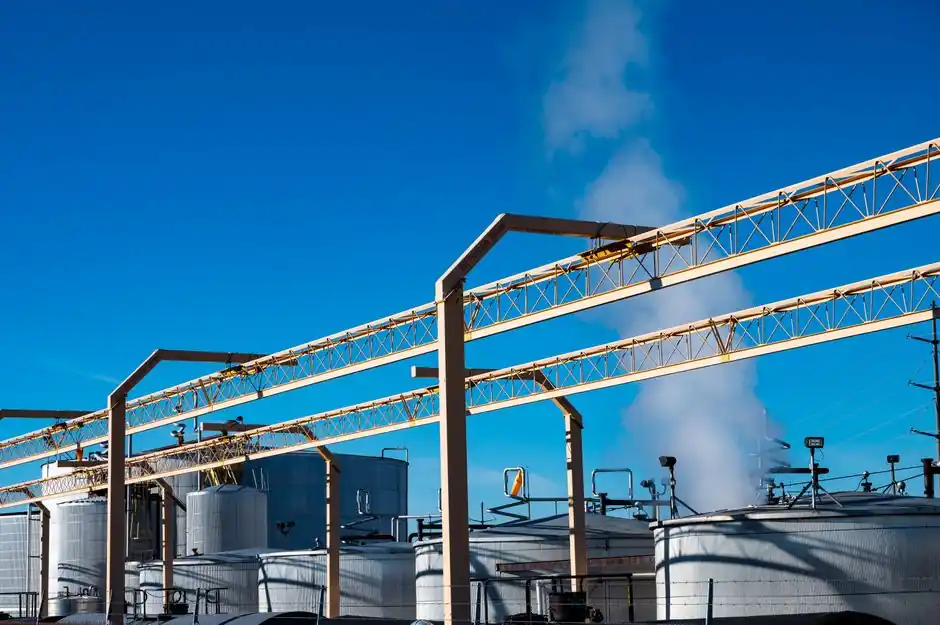
Rescue stretchers specified for chemical plants diverge sharply from clinical transport stretchers, because the casualty recovery path runs through confined space, vertical access, and flammable-atmosphere zones rather than hospital corridors [S1][S4].
Planetsafe, distributed in India by Eduforce Trainings & Consultancy, markets an industrial rescue-stretcher line aimed at confined-space and falls-from-height retrieval, sized for chemical, refinery, and process-plant EHS teams [S1].
Why a clinical transport stretcher is the wrong baseline for a plant
Standard transport stretchers in hospitals carry 500 to 700 lb weight capacity, use manual hydraulic lift, four swivel casters with central braking, and a foam mattress, and are intended for short-duration occupancy on flat, finished floors [S4].
A chemical-plant stretcher instead has to survive chemical splash, hot/cold ambient swings, possible Zone 1/Zone 2 (IEC 60079-10-1) atmospheres, vertical hoisting through manways, and storage where it is rarely accessed until a real incident [S1].
The deck has to be rigid, non-absorbent, and rated for rope or winch-line attachment points; a foam mattress is replaced with a sealed, chemical-resistant pad, and the brake-and-caster system is replaced by a rigid skid or carry-handle layout [S1][S4].
Geometry, weight class, and the manway bottleneck
Industrial rescue-stretcher selection starts with the smallest opening the casualty must pass through, typically a 600 mm round manway on a vessel, column, or confined-space entry point on a chemical plant [S1].
Length and folded width are therefore more important than wheelbase or turning radius, and split or scoop-frame stretchers are common where rigid-deck designs will not pass the opening [S1].
Working load usually targets at least 150 kg for a single rescuer plus casualty, with 250 kg heavy-duty variants specified where bariatric cases are credible; a 500 to 700 lb (227 to 318 kg) clinical figure is acceptable only as a do-not-exceed ceiling, not a design point [S4].
Hazardous-area rating and material compatibility
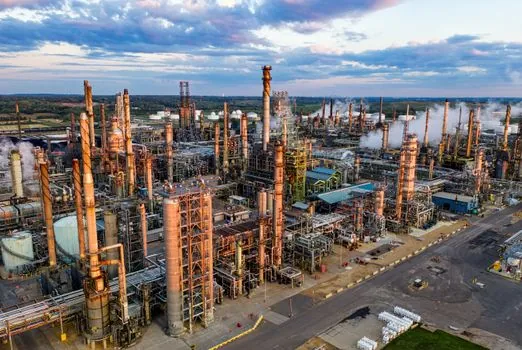
For chemical plants, the stretcher must be specified for the worst-case zone it will cross during a rescue, not the zone where it is stored, because a casualty path will often run from a Zone 1 reactor platform out through a Zone 2 area to a safe muster point [S1].
Non-sparking materials, anti-static straps, and aluminium or composite frames (rather than steel with exposed ferrous hardware) are typical requirements where flammable vapour or dust can be present, with certification per ATEX 2014/34/EU or IECEx for the complete assembly including hoisting accessories [S1].
Chemical resistance covers acids, caustics, and solvents, since the stretcher will be exposed to splash during a process upset; PVC-coated, high-density polyethylene, or marine-grade aluminium are the common frame or cover choices [S1].
Integration with hoisting, fall-arrest, and rescue training
An industrial stretcher is only as good as the rigging attached to it, and the lifting bridle, anchor points, and karabiners must be matched to the stretcher's rated anchor geometry, not improvised on site [S1].
Eduforce in Thane delivers Planetsafe training as a bundle with the stretcher, covering confined-space entry and rescue, work-at-heights, and GWO Advanced Rescue Training (ART), which is the realistic delivery model for chemical-plant EHS teams [S1].
For a process-plant shutdown scaffold, access equipment is planned in 3D before the build, and the stretcher recovery path should be designed the same way: anchor point, vertical clearances, and muster point marked before the next turnaround [S2].
Decision matrix: clinical vs industrial vs specialized rescue
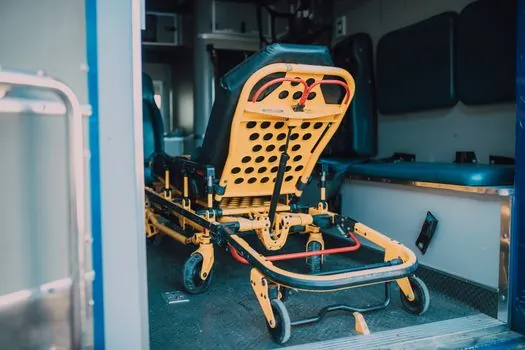
Standard transport stretchers ($2,000 to $6,000 per unit, 8 to 12 year service life) are sized for corridors and finished floors and fail on chemical resistance, geometry, and hazardous-area rating [S4].
Emergency department stretchers ($7,000 to $20,000, 7 to 10 year service life) add radiolucent decks, Trendelenburg, and integrated scales, but still assume indoor, non-corrosive, non-classified environments and flat-surface rolling [S4].
Industrial rescue stretchers (Planetsafe and equivalents) trade the imaging and powered-positioning features of clinical units for rigid decks, hoisting bridles, Zone 1/Zone 2 materials, and a sealed chemical-resistant patient surface, and they integrate with site rescue-training curricula such as the confined-space and GWO ART packages referenced in Indian EHS delivery [S1].
Selection checklist and sourcing
Before purchase, lock down: (1) maximum manway or opening dimension on the rescue path, (2) Zone 1/Zone 2 or non-classified classification per the site hazardous-area dossier, (3) working load including rescuer and full PPE, (4) chemical exposure list from the process units, and (5) anchor-point geometry for the existing davit, tripod, or winch [S1].
Confirm the stretcher ships with a matched lifting bridle, patient-restraint system, and chemical-resistant mattress, and that the supplier can deliver on-site training and recertification rather than just a crate [S1].
Process-engineering reference texts such as Turton et al., Analysis, Synthesis, and Design of Chemical Processes, and Towler and Sinnott, Chemical Engineering Design, both used in CHE 470 design curricula, treat equipment selection as an integrated exercise, which is the right framing for stretcher specification inside a plant EHS program [S3].
Trackable signals: stretcher-zone certification per ATEX 2014/34/EU or IECEx, on-site rescue drill records with the chosen unit, and stretcher-rig compatibility with existing tripod and davit assets during the next planned turnaround.
The underlying component specifications are covered under stretcher, chemical anchor, and chemical material.
Related analysis: Firefighting Safety Mat Selection: ASTM E648, ISO 13849-1, and Fire Station Floor Mat.