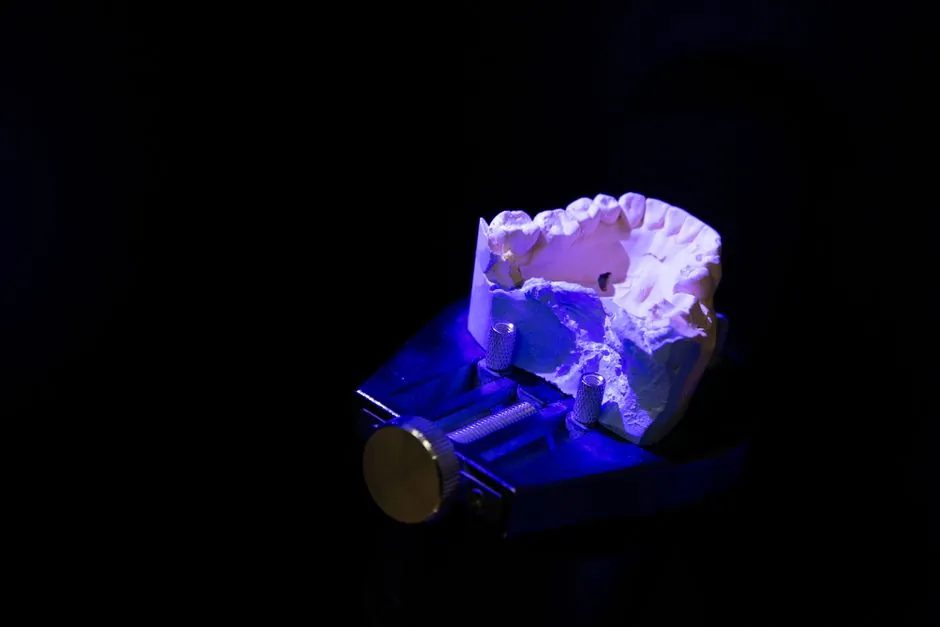
UHMWPE is a polyethylene-based engineering plastic with molecular weight typically 3–6 million g/mol, used for custom molded and machined parts where low moisture absorption and high abrasion resistance are required [S1]. In a mold and die context, it is specified for non-structural wear components such as stripper plates, ejector bushings, slide gibs, and die-facing pads, not for cavity or core inserts that contact molten polymer or molten metal.
For mold makers, the practical decision is whether a UHMWPE wear plate, bushing, or guide will survive the cycle count, the lubrication regime, and the temperature exposure of the application [S1][S2]. A 2026 review of engineering plastics for injection molds, die casting, and CNC tooling confirms UHMWPE is offered alongside HDPE, nylon, POM/Delrin, PEEK, and PC in the standard CNC machinable plastics list, with UHMWPE positioned at the low-cost, high-wear end of that range [S1][S2].
Material Properties That Drive the Selection
UHMWPE density sits at roughly 0.93–0.94 g/cm³, making it lighter than water and the lightest polymer in the common mold-shop wear set, a useful property when total moving mass on a slide or press is being minimised [S1]. Its moisture absorption is described as very low compared with nylon, which is why it is preferred over cast nylon for tight-tolerance die bushings in humid press rooms [S1].
The continuous service temperature ceiling of UHMWPE is approximately 80–90°C, well below the 150°C+ window of POM/Delrin and the 250°C+ window of PEEK, so any UHMWPE wear part must be kept away from hot runner zones, heated mold surfaces, and die casting shot sleeves [S2]. For comparison, Jaco Products lists UHMWPE, HDPE, nylon 6/6 and 6/12, Delrin, polycarbonate, Ultem, and PEEK as its CNC machinable plastics, with UHMWPE and HDPE sitting at the bottom of the temperature and cost ladder [S2].
Coefficient of friction of UHMWPE against steel is typically quoted at 0.05–0.10 in lubricated or self-lubricated conditions, lower than nylon and close to PTFE, which is why UHMWPE is widely used as a sliding contact against hardened tool-steel surfaces such as SKD61, H13, and 1.2344 in mold and die assemblies [S1].
Where UHMWPE Fits in a Mold and Die BOM
UHMWPE wear parts in mold and die builds are typically CNC machined from compression-molded or ram-extruded stock, not injection molded, because the ultra-high melt viscosity prevents conventional injection molding of the high-MW grades [S1]. Jaco Products lists UHMWPE under its CNC machining materials for plastic manufacturing, alongside HDPE, Delrin, nylon, PEEK, polycarbonate, acrylic, Ultem, G-10, and FR-4 [S2].
Common mold-and-die applications include wear strips on slide guides, stripper pads, ejector pin tip protectors, threaded core unscrewing bushings, and stack-up spacers under ejector retainer plates [S1]. For die cutting and stamping tooling used in the production of laminates, gaskets, and insulation boards, UHMWPE is used as a soft, non-marring contact plate that protects both the steel rule die and the workpiece surface [S2].
UHMWPE is not used as a mold cavity or core material for thermoplastics because the part ejection temperatures for most engineering resins (above 120°C for PA66, PC, PBT) exceed UHMWPE's softening point, and it is not used in die casting tooling at all because molten aluminum, zinc, and magnesium would degrade the polymer within seconds [S1].
UHMWPE vs Delrin, Nylon, HDPE for the Same Wear Job
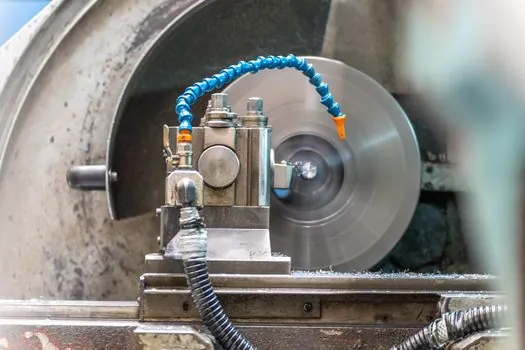
For a die guide bushing or stripper plate, the typical decision matrix is UHMWPE vs POM/Delrin vs cast nylon vs HDPE. On continuous service temperature, UHMWPE and HDPE rate lowest at roughly 80–90°C, Delrin rates next at roughly 90–100°C, and cast nylon 6 highest at roughly 120°C in dry conditions. On wear resistance against steel, UHMWPE leads, followed by cast nylon, then Delrin, with HDPE lowest. On moisture absorption, UHMWPE and HDPE are lowest (under 0.01%), Delrin is mid (around 0.2%), and cast nylon is highest (around 1.5–2.5% at saturation). On raw-material cost per kg, HDPE is the cheapest, UHMWPE and Delrin are similar in the mid-range, and cast nylon is typically the most expensive of the four [S1][S2].
The selection rule that comes out of that comparison: pick UHMWPE for sliding wear at low to moderate load where the temperature stays below 80°C and the part must be dimensionally stable in humid conditions; pick Delrin when the part needs higher stiffness, better dimensional accuracy, and slightly higher temperature; pick cast nylon when the load is higher and the part can tolerate moisture-driven dimensional change; and pick HDPE when the duty is light, the temperature is low, and the cost target is strict [S1][S2].
Limits, Failure Modes, and Standards to Watch
UHMWPE fails by three mechanisms in mold and die service: cold flow (creep) under sustained static load above 5–7 MPa, abrasive wear when paired against unhardened or rough steel counterfaces, and thermal softening above 80–90°C with permanent dimensional change [S1]. Designers should treat the 5 MPa compressive creep figure as a working ceiling for bushing and pad geometry, not a peak figure, and should keep continuous service temperature at least 10–15°C below the quoted upper limit to allow for frictional heating.
For food-contact or medical mold builds, FDA 21 CFR 177.1520 compliance is a typical procurement requirement for UHMWPE resin, and many mold shops will request lot-level certification from the resin supplier. There is no single ISO or ASTM standard that "covers" UHMWPE as a wear material; instead, buyers reference ISO 15527 for compression-molded UHMWPE sheet and ASTM D4020 for the base resin, with shop-level acceptance typically bound to density, hardness, and tensile-at-yield numbers on the supplier datasheet [S1][S2].
UHMWPE is also not UV-stable for outdoor tool storage or outdoor die yards, and the polymer will oxidise and chalk over time if left exposed. For outdoor infrastructure projects where a similar wear polymer is required, a separate spec covers UHMWPE selection for construction with thicker cross-sections and UV-stabilised grades.
Machining and Fabrication Notes for the Tool Room
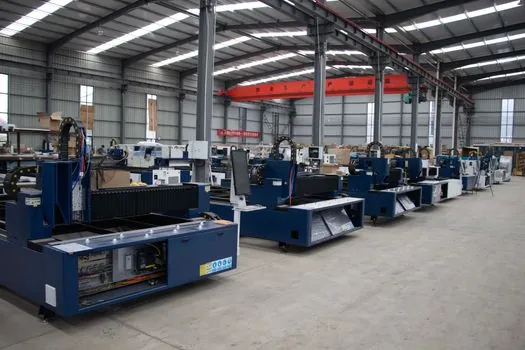
UHMWPE is one of the easiest engineering plastics to machine, but its very low thermal conductivity (around 0.3–0.4 W/m·K) means heat must be evacuated through the chip, not the workpiece, which mandates sharp tooling, high helix geometry on end mills, and air or flood coolant rather than dry cutting on deeper pockets [S1]. Tool wear in carbide is minimal; high-speed steel is acceptable for short runs.
Standard mold and die tool steels listed alongside UHMWPE wear parts in the same BOM include 1.2344 (H11-class), SKD61, and H13, all pre-hardened to 38–52 HRC for cavity and core service, paired with UHMWPE gibs, bushings, and pads that run against them [S1]. For mold base and frame components, the standard reference is the mold base family, with casting mold and sand casting mold references applying only when the die shop is also pouring cast tooling.
UHMWPE cannot be bonded to metal with common cyanoacrylate or epoxy in a structural way; mechanical fastening, snap-fit geometry, or recessed screw retention is the standard. For overmolded inserts where a polymer must be molded around a metal feature, the molding line selection for hardware reference covers insert molding and overmolding process windows for adjacent materials such as PA66, POM, and TPU.
Procurement and Specification Checklist
A workable UHMWPE line item for a mold and die BOM should specify: grade (virgin or reprocessed), form (compression-molded sheet, ram-extruded rod, or near-net shape), thickness or diameter tolerance, density range (0.93–0.95 g/cm³), tensile-at-yield (typically 20–25 MPa), elongation at break (typically 200–400%), hardness (Shore D around 60–65), and any regulatory compliance such as FDA 21 CFR 177.1520 for food-contact molds [S1][S2].
For lighting and electrical component molds, pair the UHMWPE wear parts with the lighting equipment and electric lamps and UHMWPE reference data to cross-check thermal limits against LED and lamp-driver assembly temperature exposure. The same UHMWPE base material data sheet applies across product categories; only the temperature ceiling and the dimensional stability in service shift.
Trackable signals for the next 6 months: any revision of ISO 15527 for compression-molded UHMWPE sheet, and any change in the FDA 21 CFR 177.1520 listing for virgin UHMWPE grade producers serving the North American mold and die shop market. No such revisions are published in the material reviewed here as of 2026-08-20.