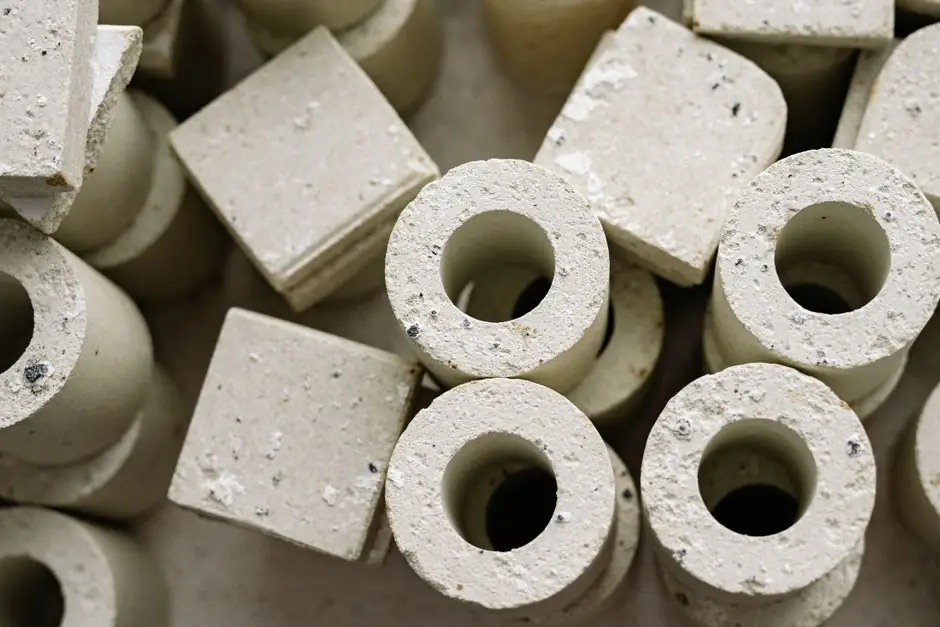
Y-TZP, PSZ, and MSZ are the three zirconia sub-grades cited in current manufacturer literature for energy-equipment components, with selection driven by wear mode, service temperature, and chemical exposure rather than a single "best" material [S1].
The spec envelope most often quoted for Y-TZP in 2026 is bulk density 6.00–6.05 g/cm³, hardness (HRA) ≥88, flexural strength ≥1000 MPa, fracture toughness KIC around 7 MPa·m^½, and a melting point of 2,715°C, per Dayoo data tested under GB/T 16534 and GB/T 6569 protocols [S2].
Grade Family Comparison: Y-TZP, PSZ, MSZ
Y-TZP (yttria-stabilized tetragonal zirconia polycrystal) is the most widely cited grade for energy-equipment structural parts, with reported hardness 1200 HV, electrical resistivity 10^14 Ω·cm, breakdown strength ≥150 kV/cm, and impact resistance 12 MPa·m^½ in a Dayoo product datasheet [S2].
PSZ (partially stabilized zirconia) and MSZ (magnesia-stabilized zirconia) appear in supplier catalogs as separate stocked lines, including PSZ tubes, balls, and custom parts, because the magnesia stabilizer changes the thermal-shock and aging behaviour relative to Y-TZP [S1]. Zirconia is not a single material; engineers should start from service conditions (wear mode, media, temperature, pressure, tolerance, quantity) before locking a grade, the same selection gate ADCERAX applies on its materials page [S1].
Property Anchors for Energy Service
For a typical Y-TZP feedstock quoted for new-energy and fuel-cell components, supplier data lists Vickers hardness 1150 HV1/2, elastic modulus 210 GPa, electrical resistivity 10^9 Ω·cm, electrical conductivity 0.001 S/m, and corrosion resistance rated "High" [S3].
Thermal performance is a major differentiator against other engineering ceramics: zirconia melting point exceeds 2,700°C per one manufacturer's published bullet (Dayoo, "exceeds 2700°C"), and a separate Dayoo specification sheet gives 2,715°C as the melting point, which puts it well above most metal alloys used in the same skid [S2][S3]. Thermal shock resistance is rated "Excellent" across multiple Dayoo Y-TZP product sheets, supporting rapid heat-up/cool-down duty in electrolyzer and fuel-cell stack hardware [S3][S7].
Application Map: Fuel Cells, Electrolyzers, Bearings, Insulators
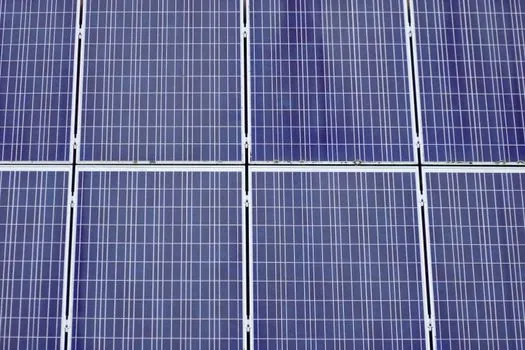
Energy-equipment applications cited in current product literature include SOEC/SOFC sealing rings, electrolyzer components, fuel-cell stack parts, ceramic guides/insulators in precision machinery, and high-temperature wear parts in textile and chemical processing equipment [S2][S3][S7].
In precision-machinery guides, brackets, and sliders, Y-TZP replaces metals and plastics because its low friction coefficient and high hardness extend wear life "dozens of times longer than metal" per Dayoo's published description, which directly cuts maintenance cycles in semiconductor and ultra-precision tooling [S2]. For a side-by-side spec frame on electronics and precision-machinery ceramics, the Zirconia Ceramic Selection for Electronics: Spec Gate 2026 note lines Y-TZP hardness, resistivity, and toughness against neighbouring substrate grades.
Insulation, Dielectric, and Resistivity Checks
Zirconia's electrical envelope is one of the main reasons it is specified as an insulator in power-conversion skids: resistivity values of 10^9 Ω·cm and 10^14 Ω·cm both appear in current vendor data, with the 10^14 Ω·cm figure on a Y-TZP ring/insulator product sheet and 10^9 Ω·cm on a different Y-TZP fuel-cell sealing component [S2][S3]. Breakdown strength ≥150 kV/cm is quoted on the same Dayoo insulator datasheet, which is a more useful insulator gate than raw resistivity when a part sits near a busbar or in a stack insulator position [S2].
For comparison inside the wider ceramics family, zirconia sits between alumina and aluminium nitride on thermal conductivity but ahead of alumina on toughness; that is why a designer picks it for a moving wear part, not a static heat-sink pad. Generic zirconia ceramic reference frames consistently list the same flexural-strength and KIC bands the manufacturer data sheets use, so procurement can cross-check a vendor's 1000 MPa flexural claim against the public anchor range without a lab test.
Mechanical Anchors: Hardness, Strength, Fracture Toughness
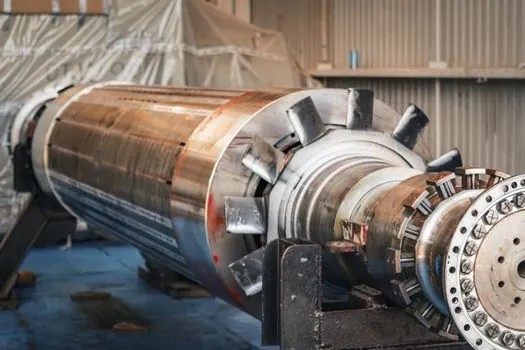
The flexural strength window for Y-TZP in 2026 vendor data is 950–1200 MPa, with one Dayoo product family quoting 950–1200 MPa bending strength and the same supplier's data sheet quoting ≥1000 MPa flexural strength under GB/T 6569 [S2][S7]. Hardness is reported in two parallel units: HRA ≥88 (Dayoo spec table) and 1150–1200 HV (Dayoo fuel-cell and ring product lines), with fracture toughness at 7 MPa·m^½ on the Y-TZP spec table and 12 MPa·m^½ impact resistance on the Y-TZP ring/insulator line [S2][S3][S7].
These numbers matter because they define the failure mode envelope: a part running at 200°C in a hot, wet electrolyzer loop sees different ageing than the same part in a dry insulator position, and the Y-TZP low-temperature degradation curve is one reason PSZ and MSZ are still stocked as alternatives for the hottest zones [S1]. For energy management skids where the zirconia part is one item on a multi-vendor BOM, locking the grade with the supplier in writing up front prevents a quiet substitution to a cheaper PSZ that fails the toughness spec in service.
Sourcing, Certification, and Supplier Discipline
Dayoo Advanced Ceramic publishes GB/T 19001-2016 / ISO 9001:2015 certification across its Y-TZP product lines, with Place of Origin listed as Zhejiang, Jinhua, and supply ability marked as "Factory" with FOB payment terms and custom packaging (carton or wooden case) [S2][S4][S5][S8]. Pricing and minimum order quantity are negotiated on every current Dayoo listing rather than published as a fixed list, which is typical of custom-machined technical ceramic procurement in this segment [S2][S3][S4].
Engineers should treat any datasheet that omits test method (GB/T 16534 for hardness, GB/T 6569 for flexural strength, GB/T 25995 for density) as unverified, because the same hardness number can be reported in HV, HRA, HRC, or Vickers with different indenter loads and totally different meanings [S2]. For procurement discipline, three on-paper gates are useful: (1) a test-method line next to every property, (2) a confirmed stabilizer (3 mol% Y2O3 is the Y-TZP norm, but verify in writing), and (3) a sample lot impact test before any volume release, since supplier-side fabrication routes vary.
Selection Criteria and Failure Modes to Avoid
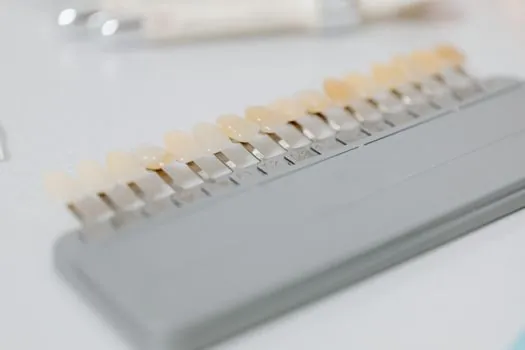
Four decision criteria line the three grades up cleanly for an energy-equipment buyer: (a) service temperature, (b) wear mode (abrasive vs sliding vs impact), (c) electrical requirement (insulator vs conductive vs resistive element), and (d) chemical exposure (acid vs alkali vs molten salt). Y-TZP wins on toughness and insulator resistivity, PSZ wins on thermal-shock stability in the highest-temperature zones, and MSZ is held as a niche option where magnesia-stabilized behaviour is specified for legacy reasons. [S1]
The failure mode most often under-specified is low-temperature degradation (LTD) of Y-TZP in humid, 150–400°C service, which is exactly the band many electrolyzer and fuel-cell stack insulators sit in. Common misselection errors include using alumina where a tough zirconia guide is needed (alumina cracks on impact where Y-TZP survives), and using standard zirconia where a precision-grade surface finish is required for a sliding face (tighter tolerance work needs explicit grinding and lapping, not as-sintered stock).
Where a zirconia part is being specified alongside a metal mould or casting, the wear interface should be reviewed against the mould steel grade; for a frame on metal-casting interfaces, the Casting Mold Selection for Pump and Valve Production: Process, Steel, and Spec Map note lines up the steel side of that interface so the ceramic spec is not designed in isolation.
Trackable signals for the next buying cycle: any vendor offering Y-TZP with a published LTD test result (autoclave hours at 131°C / 0.2 MPa) tied to a GB/T or ISO method; any 2026 datasheet that lists thermal conductivity in W/(m·K) at room temperature, which is missing from most current Dayoo Y-TZP sheets; and any factory disclosure of 3 mol% vs 5 mol% Y2O3 stabilizer content, because the choice changes the toughness/thermal-shock trade.
For component-level specifications, see energy meter.