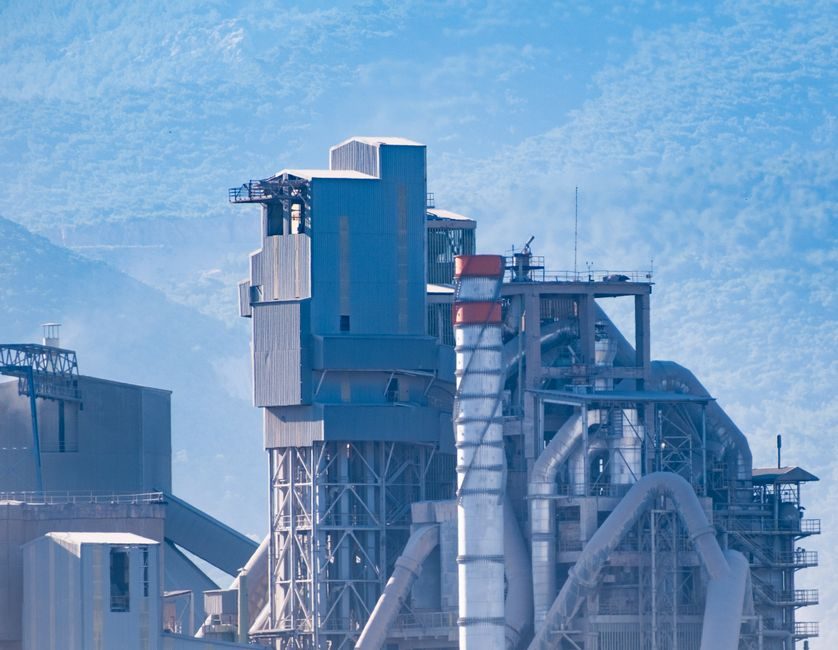
For energy equipment, the practical alloy families resolve to 1000, 3000, 5000 and 6000 series, with 6000-series (Al-Mg-Si) specified for structural enclosures, frames and heat sinks where post-weld strength recovery through T6 heat treatment is required [S1][S2].
Aluminum's density of roughly 2.71 g/cm³, combined with thermal conductivity in the 120-230 W/m·K range depending on temper, makes it the default lightweight material for solar racking, EV battery enclosures, busbar systems, smelting cell components and inverter housings [S1][S4].
Why aluminum over steel or copper in energy equipment
Weight reduction is the headline metric: aluminum weighs approximately one-third of structural steel per unit volume, which directly lowers handling, transport and structural support costs in rooftop solar arrays, wind nacelle interiors and skid-mounted power-conversion skids [S1].
Thermal behavior is the second decisive factor — pure aluminum reaches about 237 W/m·K, while 6061-T6 sits near 167 W/m·K, still high enough that heat sinks and inverter cold plates can dissipate junction heat without active cooling in many stationary designs [S1].
Corrosion resistance matters because energy assets are routinely exposed to humidity, salt spray, and electrolytic cell environments; the passive Al₂O₃ film formed on aluminum surfaces self-repairs in oxygen, which is why 5000-series alloys are common in smelting pot-line auxiliary structures and 6000-series dominates photovoltaic mounting hardware [S1][S4].
Alloy families and their energy-equipment fit
1000-series (≥99% Al) is reserved for current-carrying components such as busbars, transformer windings and capacitor casings, where conductivity rather than strength is the spec driver; 3000-series (Al-Mn, e.g. 3003) covers heat sinks and HVAC evaporator fins where formability and corrosion resistance outweigh strength needs. [S1]
5000-series (Al-Mg, e.g. 5052, 5754) is the workhorse for welded plate structures that do not need post-weld heat treatment, including smelting cell covers, bus enclosures and chemical-process skids; the magnesium content (2-5%) gives solid-solution strengthening without sacrificing weldability [S4].
6000-series (Al-Mg-Si, e.g. 6061, 6063, 6082) is the most specified family for energy equipment frames, brackets, inverter housings and solar-tracker rails because it responds to T6 solution-and-age treatment, reaching 6061-T6 tensile strength of roughly 290 MPa while keeping weldability acceptable when 4043 or 5356 filler wire is used [S1][S2].
Welding, heat treatment and fabrication reality
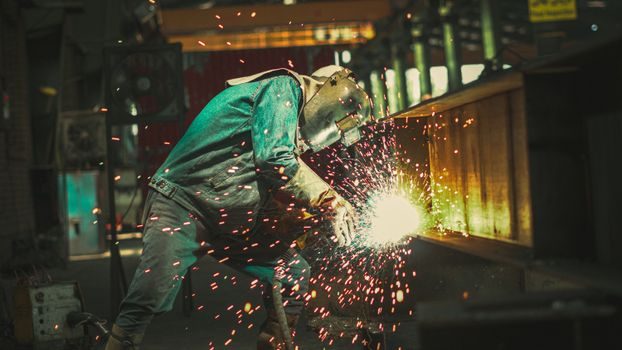
Laser welding of aluminum is now standard for battery enclosures and busbar joints, using either thermal-conduction mode for thin-gauge precision work or deep-penetration (keyhole) mode for full-penetration structural welds; the keyhole mode is the default for aluminum because reflectivity and high thermal conductivity demand concentrated energy input [S1].
Solution treatment and quenching are the operations that unlock 6000-series strength: a typical 6061-T6 cycle heats the part into the 530-560 °C range, holds for a controlled soak, then water-quenches to retain Mg and Si in supersaturated solid solution before artificial aging at 155-180 °C [S2][S3].
Vertical aluminum-alloy quenching furnaces and solid-solution furnaces are the two furnace types sized for these heat-treat cycles, with mesh-belt and well-type configurations selected by batch size and loading geometry; vertical furnaces suit long components such as solar tracker rails and busbar sections [S2][S3].
Smelting, automation and heavy-process applications
Aluminum smelting is a high-energy-intensity process where the potline runs at hundreds of kiloamperes through electrolytic cells, and the auxiliary equipment — feeders, anode-changing cylinders, point feeders — faces severe heat and corrosive fluoride exposure. [S4]
Pneumatic cylinders designed for alumina feeders, for example 2" bore feeder cylinders with proprietary cushion and seal technology, are specified specifically to reduce compressed-air consumption, since compressed air is one of the largest auxiliary energy loads in a casthouse [S4].
Aluminum manufacturing equipment listings also cover raw-material handling reactors and storage vessels (for example Wuxi Xuelang metal chemical equipment) used upstream of smelters; alloy selection for these vessels typically shifts to 5083 or 5086 for higher magnesium content and better resistance to liquid-metal handling conditions [S6].
Comparison: alloy series against energy-equipment decision criteria
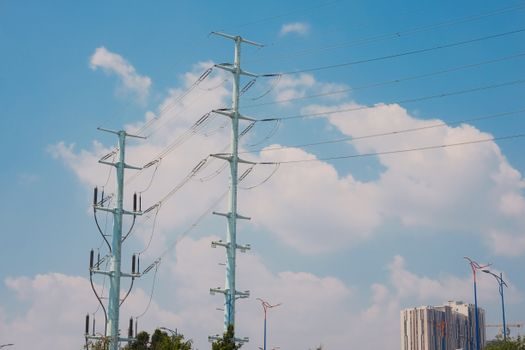
Lining the four practical series against four spec criteria — strength (UTS), weldability, thermal conductivity, corrosion resistance — gives a clear decision map for specifiers: 1000-series scores low on strength (~90 MPa UTS) but highest on conductivity (~237 W/m·K) and corrosion resistance; 3000-series offers moderate strength (~110-150 MPa) with excellent formability; 5000-series delivers the best weldability of the structural alloys, with 5052 reaching roughly 210-260 MPa UTS in H32 temper; 6000-series T6 maximizes strength (~290 MPa for 6061) while keeping conductivity near 167 W/m·K, at the cost of slightly more demanding welding procedure [S1].
For solar-tracker structural rails, the 6000-series wins on the strength-to-weight axis; for electrolytic cell auxiliary structures, the 5000-series wins on weld-repair ease and corrosion tolerance; for current-carrying busbars, the 1000-series wins on conductivity and contact reliability [S4].
Where aluminum alloy selection fails and what to watch
Galvanic corrosion is the most common failure mode when aluminum hardware is bolted to copper busbars or steel frames without proper isolation; stainless-steel or zinc-plated fasteners with dielectric washers are mandatory at the joint, otherwise the aluminum sacrificial-anodes within months. [S1]
Weld-zone softening in 6000-series is unavoidable: the heat-affected zone of a 6061-T6 weld drops toward T0 condition, so designers either accept localized lower strength, use 4043 filler and over-size the section, or switch to 5000-series where no heat treatment is required [S1].
Cost volatility in 6000-series extrusions tied to silicon and magnesium markets can swing lead times by weeks, while 5000-series plate availability is generally steadier; for projects on tight delivery windows, this is a hidden selection criterion worth flagging during the aluminum alloy selection for electronics review and any parallel mold-and-die tooling work such as aluminum alloy selection for mold and die tooling.
Trackable signals: monthly 6061-T6 extrusion price spread (London Metal Exchange + regional premium), 5000-series plate delivery lead time in 10-20 mm gauge, and any IEC 61215 / UL 61730 updates touching aluminum frames in PV modules — these three indicators together flag whether 6000-series or 5000-series should dominate the next project BOM, and how a parallel aluminum alloy supply chain should be hedged. For broader energy-system context, the energy meter spec map and the aluminum veneer panel reference both touch adjacent aluminum decisions in plant builds.