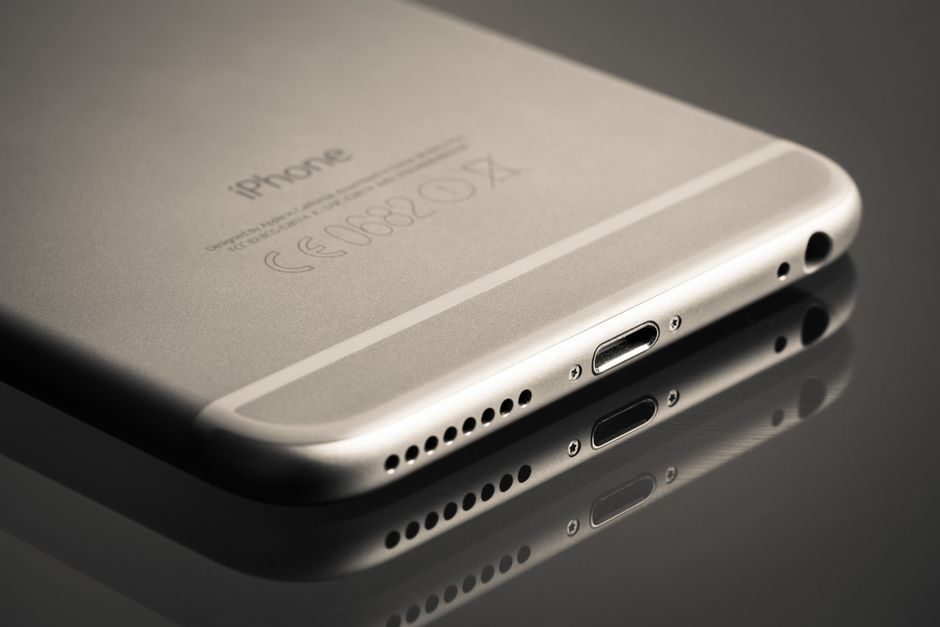
Aluminum alloy selection for electronics enclosures, heat sinks and chassis is now driven by a four-axis decision: thermal conductivity (W/m·K), electrical resistivity (µΩ·cm), machinability rating, and anodizing response — with 6061, 6063, 5052, 1100 and 7075 covering roughly 80% of specification volume in 2026 buyer inquiries at major distributors [S1][S3].
For B2B buyers sourcing enclosures for power electronics, LED fixtures, IoT gateways and EV charging modules, the right alloy dictates EMI shielding effectiveness, heat-rise under load, and surface finish durability — three variables that interact, and a wrong pick in any one of them cascades into field returns [S1]. The aluminum alloy family covers 1xxx through 8xxx series, but only a subset routinely appears on electronics RFQs.
Series-by-Series Property Comparison for Electronic Duty
1xxx series (e.g. 1100) delivers thermal conductivity near 222 W/m·K and electrical resistivity around 2.9 µΩ·cm — the highest conductivity pure-aluminum tier, suited to heat-spreader plates and busbar substrates where formability matters more than strength [S1].
3xxx and 5xxx series (3003, 5052) sit in the mid-conductivity band at roughly 150-180 W/m·K with 1.5-2× the strength of 1100; 5052 in particular dominates sheet-metal electronics enclosures because of its 30% elongation and good weldability [S1][S2]. 6xxx series (6061, 6063) trades conductivity (around 150-170 W/m·K) for T6 temper strength near 310 MPa — the default pick for machined heat sinks, brackets and structural chassis that need anodizing [S1][S3]. 7075 in T6 reaches 570 MPa ultimate tensile but drops conductivity to ~130 W/m·K, so it is reserved for load-bearing brackets inside avionics or ruggedised industrial controllers rather than thermal-management parts [S1].
Distributors handling 1000-to-8000-series stock — including Haomei, operating a 50,000 m² plant with 1+4 hot tandem rolling, 4 cold mill and 5 foil mill lines [S3] — report that 6061 accounts for the largest slice of electronics-grade mill-product orders, followed by 5052 sheet and 6063 extrusions [S1][S3]. The decision tree reduces to: pick 1100 if conductivity is paramount, 5052 if you need formable sheet, 6061 if you need machinable structural, 6063 if you need complex extruded heat-sink profiles, and 7075 only when strength-to-weight rules.
Selection Criteria: Thermal, Electrical, Mechanical, Surface
Thermal conductivity is the first filter for any heat-sink or cold-plate spec; 6061-T6 sits near 167 W/m·K, 6063-T5 near 200 W/m·K, and 1100-O near 222 W/m·K — a 25-33% delta that changes junction-to-ambient thermal resistance by a similar margin on identical fin geometry [S1].
Electrical resistivity for chassis/EMI-shielding roles runs inverse to conductivity: 1100 at ~2.9 µΩ·cm gives the best RF attenuation per unit thickness, while 6061 at ~3.7 µΩ·cm is acceptable for most commercial enclosures above 1 GHz [S1]. Machinability ratings (AISI-style 1-100 scale) put 2011 at 100, 6061 at roughly 80, and 7075 at 70 — the lower the rating, the higher the tool wear and the more critical coolant and chip-break strategy becomes for CNC enclosure machining [S1][S3]. Anodizing response is the fourth filter: 6xxx series forms the clearest Type-II and Type-III (hardcoat) oxide layers for cosmetic and wear surfaces on consumer-facing electronics, and 5052 also accepts decorative anodizing well, whereas 7075 needs special bath chemistry to avoid a dark, patchy hardcoat [S1].
For B2B procurement, a workable baseline spec reads: 6061-T6 for machined heat sinks and structural chassis, 6063-T5 for extruded heat-sink profiles, 5052-H32 for sheet enclosures and brackets, 1100-O for thermal spreaders and foil-shield laminations, and 7075-T6 only for high-stress internal frames [S1][S3]. Suppliers carrying 1xxx-8xxx stock in mill sheet, plate, rod, tube and square-tube forms allow buyers to consolidate the bill of materials under one certificate of conformity [S1][S3].
Who This Spec Is For — and Where It Fails
This series-level map is the right starting point for OEM/ODM electronics buyers, contract manufacturers, and industrial enclosure fabricators specifying 50-10,000 unit annual volumes of chassis, heat sinks, or shielded housings [S1][S2][S3].
It is the wrong tool for buyers needing full AMS or ASTM aerospace pedigree (e.g. AMS-QQ-A-250/5 for 2024-T3 clad) — those buyers should reference dedicated aerospace alloy stockists rather than the general 1xxx-8xxx distributor channel [S1]. It also falls short for die-cast or injection-molded aluminum parts where the alloy is chosen for melt flow and die life rather than thermal/electrical performance — see the aluminum die casting machine reference for process-side selection criteria. Buyers specifying aluminum window and door systems, aluminum veneer panel cladding, or aluminum ladder structures are likewise off-topic; the loading and corrosion duty differs from electronics enclosures and warrants separate alloy guidance.
Edge cases where the simple series map fails: high-frequency (>10 GHz) RF enclosures that need tighter resistivity control than 6061 provides, marine or coastal-deployed electronics where 5xxx series is preferred over 6xxx for corrosion resistance, and any application where RoHS/REACH substance restrictions on surface treatments or chromate conversion coatings override the alloy choice itself [S2][S3].
Manufacturing Path: Mill Product, Extrusion, Casting
Mill sheet and plate (5052, 6061) feed stamping, laser-cut, and CNC-bent enclosure production; distributors running ISO 9001:2015-certified QMS — including ADI Metal at 12 consecutive years of ISO 9001 registration — supply these in mill, peel-cut, or paper-interleaved condition for downstream fabricators [S2].
Extrusion is the dominant forming route for 6063 heat-sink fin stock; extrusion speed must be tuned to the alloy's flow stress, and 6063 typically runs 8-15 m/min on modern presses versus 1-3 m/min for harder 7075 billets — a 3-5× throughput delta that matters when heat-sink profile runs exceed 10,000 pieces [S4]. For complex 3D shapes — connector shells, RF cans, motor housings — cold-chamber die casting in A380 or A383 takes over, with gas aluminum melting furnace selection dictating melt quality and oxide inclusion rates. Forged or machined 7075-T6 brackets are reserved for aerospace and military electronics where vibration and shock loads exceed what 6061-T6 can sustain [S1].
For buyers running mixed-volume enclosure programs — say 500 machined 6061 chassis plus 5,000 extruded 6063 heat sinks per month — sourcing all of it through one mill-product distributor consolidates the mill-test certificate (EN 10204 3.1) trail and reduces incoming-inspection overhead [S1][S3].
Surface Finish, Standards and Documentation

Type-II sulfuric anodizing at 18-20 µm is the workhorse finish for 6xxx-series electronics enclosures; hardcoat Type-III at 50+ µm is used where the surface sees wear or repeated mating, with both processes requiring 6xxx or 5xxx base alloys for color consistency and sealing quality [S1].
Conductive chromate conversion (Alodine / Iridite) preserves solderability and electrical grounding on 1100 and 6061 chassis surfaces where anodizing would insulate; RoHS-compliant trivalent chromate replaces hexavalent in most EU-bound electronics [S3]. Documentation buyers should expect on a 2026 electronics-grade aluminum PO: mill-test certificate per EN 10204 3.1, ISO 9001:2015 QMS traceability from the distributor, and where aerospace pedigree applies, an AS9100 chain [S2][S3]. For more on how spec-driven sourcing decisions play out in adjacent industrial categories, see Screw Conveyor Selection for Electronics Handling: 2026 Spec Map and PCB OEM vs ODM: Spec-Driven Selection for Industrial Buyers.
For buyers weighing 6061-T6 versus 6063-T5 for a heat-sink-only build: 6063 wins on conductivity and extrusion speed, 6061 wins on strength and machinability — run the calc on junction-to-ambient thermal resistance versus mechanical deflection at the mounting holes before defaulting to 6061 out of habit [S1][S4].
Limitations, Failure Modes and Common Spec Traps
Galvanic corrosion is the top field-failure mode when aluminum chassis contact copper busbars or steel fasteners; specify tin-, zinc-, or nylon-isolated hardware, or accept a designed-in service interval [S1][S2].
Excessive interstitial-free (Fe) content in 1xxx-series foil stock degrades formability; specify 1100-O or 1145-O with Fe ≤0.95% for deep-drawn or stamped heat-spreader parts [S1]. Over-anodizing 7075 produces a soft, dark oxide layer unsuitable for cosmetic surfaces; either mask and hardcoat only functional regions or switch to 6061 for the cosmetic face [S1]. And for outdoor or marine-deployed electronics, 5052 outperforms 6061 in salt-spray exposure — a 6xxx default built from indoor-IT spec sheets will fail within months on a coastal tower [S2].
Buyers running a shot sleeve selection workflow for die-cast lighting housings adjacent to CNC aluminum enclosures should keep the alloy and surface-finish specs separate even when the parts ship in the same end-product. Two trackable signals for the next 90 days: distributor lead times on 5052-H32 and 6061-T651 mill sheet (currently extending in some regions as Q3-2026 builds ramp), and any revision to EU REACH restrictions on trivalent chromate conversion coatings that would force a finish-spec rewrite for EU-bound enclosures [S1][S2][S3].