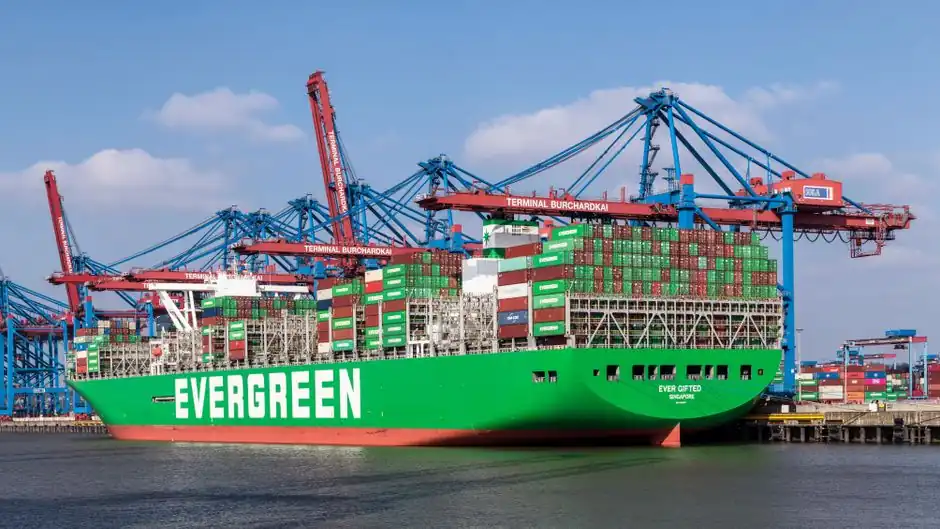
A U.S. importer of aluminum extrusions should budget $1,200–$7,500 for ocean FCL freight, then add duties, insurance, port fees, brokerage, drayage, and inland delivery to the invoice value [S5][S3].
Section 232 can add 50% to the customs value of imported aluminum extrusions, while MFN duties range from free to 5.7% across seven cited HTS lines and China-origin goods can face an additional 25% Section 301 rate [S6][S2].
What Landed Cost Means for an Extrusion Container
Landed cost is the purchase price plus international freight, insurance, import duties, customs and port charges, brokerage, inland freight, and handling required to deliver cleared goods to the final U.S. destination [S3][S4].
For aluminum extrusions, the calculation is:
<strong>Total landed cost = net extrusion invoice + international freight + insurance + customs value × total duty rate + MPF + HMF + customs bond + brokerage + drayage + domestic freight + storage and handling.</strong>
The invoice is not the true unit cost. The relevant comparison is the landed cost per pound or per delivered foot of usable extrusion, not the ex-works price per pound. A base-metal quote may omit dies, finishing, fabrication, packaging, or freight [S1][S4].
Extrusion Price and Weight Drivers
Aluminum extrusion pricing ranges from $1.35 to $3.65 per pound, with basic mill-finish profiles at $1.35–$1.80, standard architectural profiles at $1.80–$2.50, and custom profiles with finishing at $2.50–$3.65 or more [S1].
Raw aluminum represents roughly 60–75% of the final per-pound price, so the London Metal Exchange aluminum benchmark, alloy selection, and order quantity materially affect the container total [S1]. Alloy and temper selection affects aluminum extrusion pricing, die costs, lead time, duty exposure, and quality-oversight requirements [S2].
Profile complexity also changes the economics. A simple die amortizes across a larger shipment, whereas a custom die spreads its engineering and tooling cost over fewer pounds. Surface treatment, anodizing, powder coating, cutting, machining, and inspection must be identified separately in the supplier quotation [S1][S2].
Duty Exposure by Origin and Classification
The duty calculation begins with the applicable HTS classification, the origin of the aluminum extrusion, and the customs value. Section 232 contributes up to 50%, while base MFN treatment across the seven cited aluminum HTS lines ranges from free to 5.7% [S6][S2].
Chinese-origin extrusions can also face a 25% Section 301 charge [S6]. Aluminum extrusions from China have also been subject to U.S. AD/CVD orders since 2011, so the applicable order and producer-specific scope can add a separate layer that is not represented by a general tariff table [S2].
Section 232 charges a duty of up to 50% on imported aluminum extrusions, while AD/CVD duties have applied to Chinese aluminum extrusions since 2011 [S2]. A buyer should not compare China, Mexico, Vietnam, India, and South Korea on factory price alone [S2].
Freight and Entry Charges
For 2026, ocean LCL costs about $30–$180 per CBM and FCL costs $1,200–$7,500 per container, with transport-mode selection depending on origin-destination, cargo size and weight, and seasonality [S5]. China-to-U.S. West Coast planning ranges were $4,400–$5,200 for a 20-foot FCL and $7,352 for a 40-foot FCL; East Coast ranges were $5,800–$6,800 and $9,726, respectively [S5].
Those FCL ranges describe international ocean freight, not the complete delivered price. Additional charges can include bunker, currency, peak-season, general-rate-increase, canal, and security surcharges [S3]. Merchandise Processing Fee and Harbor Maintenance Fee are customs-cost components included in the landed-cost formula [S3][S4].
Landed cost includes purchase price, international freight, insurance, customs duties, taxes, brokerage fees, and inland transportation [S3][S4].
Container Cost Comparison by Transport Mode
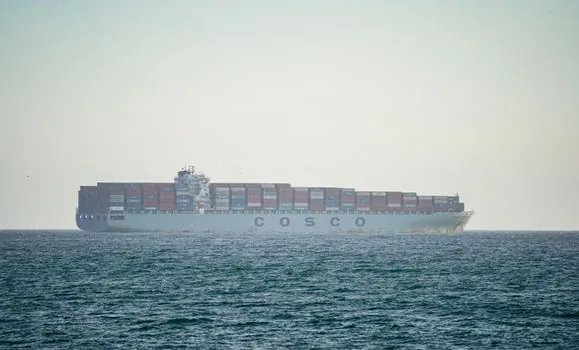
Ocean FCL offers the lowest freight cost for a full shipment, but LCL can reduce the unused-volume burden. For 2026, ocean LCL costs about $30–$180 per CBM and FCL costs $1,200–$7,500 per container [S5].
Standard air freight at $2.50–$6.00 per kg is justified mainly for time-sensitive or high-value loads, while express air at $5.00–$8.50 per kg trades freight cost for speed and reduced inventory-holding time [S5].
The comparison should therefore use delivered cost and working capital, not freight rate alone. A slower ocean shipment can be cheaper, but extended transit increases storage and cash-conversion exposure. A higher factory price can also produce a lower landed cost if it removes duty stacking, shortens transit, or reduces inspection and rework exposure [S4].
Build the Bid Comparison on One Template
Ask each supplier to price the same specification: alloy, temper, cross-section, cut length, net weight, die ownership, finish, machining, packaging, Incoterm, delivery point, and production lead time. Do not compare quotations that omit die amortization, surface treatment, or secondary operations [S1][S2].
Use the landed-cost formula shown in this article for each bid, identify the HTS line, confirm origin-specific Section 232 and Section 301 treatment, and test whether AD/CVD applies to the proposed exporter and product [S3][S6][S2].
Account for port charges and delivery as separate columns rather than hiding them in a freight allowance. The U.S. arrival market can add drayage, chassis fees, domestic trucking or rail, warehousing, and handling after the container reaches the port [S4].
Control Total Cost After Arrival
Installation, receiving, inspection, and maintenance determine total cost of ownership after the shipment clears. Extrusions are typically cut, heat-treated, and finished before export, and incoming inspection must verify profile dimensions, alloy or temper documentation, finish, and agreed tolerances [S2].
Damage, mixed lengths, incorrect dies, rejected finishes, and nonconforming documentation can turn a duty-optimized shipment into a higher-cost outcome. Reserve handling time for customs clearance, port pickup, inspection, and final delivery rather than treating the ocean arrival date as the usable-stock date [S4].
For a model container, use three scenarios: ocean FCL with the lowest compliant total duty exposure, FCL with a domestic mill source, and LCL for a smaller trial order. Track the quoted net weight, all-in freight, applicable tariff percentages, fee schedule, and delivered date; a change in any one of those inputs changes the landed-cost ranking [S3][S5][S6].
For wider tariff treatment across imported industrial equipment, Tariff stacking changes machinery landed cost provides a useful comparison beyond aluminum extrusions.