
How Much Dysprosium Does a High-Temperature NdFeB Magnet Need?
Dysprosium is commonly added to NdFeB magnets to improve their resistance to demagnetization and high-temperature performance.
Read →Industry News · Category
Dysprosium is commonly added to NdFeB magnets to improve their resistance to demagnetization and high-temperature performance.
Read →
A 400-ton transformer transport commonly ranges from $100,000 to $500,000, with route complexity, permits, escorts, rigging, and road work setting the final cost.

Distribution transformers generally cost between USD 2,000 and USD 50,000, depending on kVA rating, voltage class, cooling method, and customization requirements.
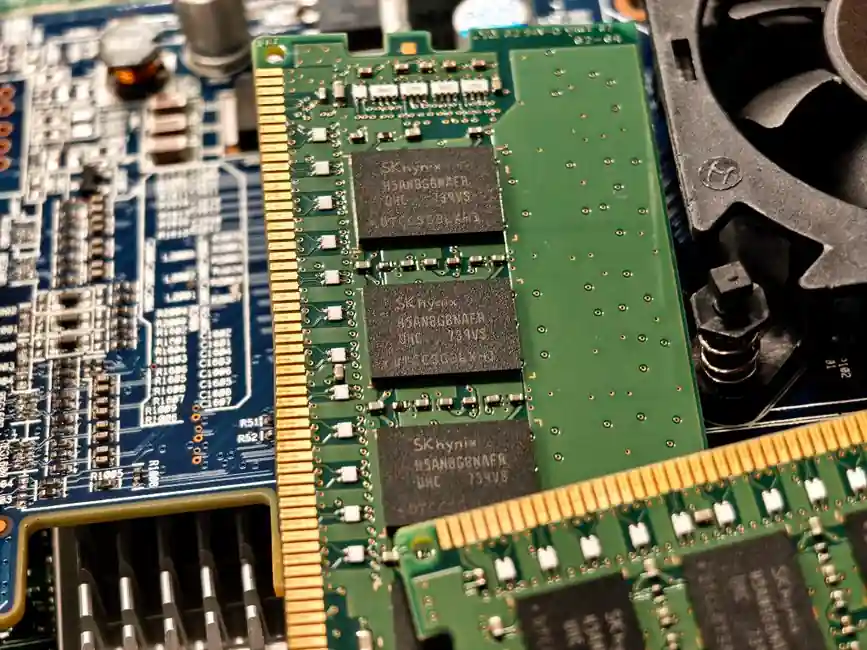
China-origin PCB tariffs can add 25% to 55% of customs value, while PCB assembly components may face 35%. Landed cost must include freight and fees.
Plant consolidation can cut steel operating costs by centralizing procurement, maintenance, logistics, and energy, but the defensible savings range is not established.

New transformer factories may ease U.S. lead times in about 3 years, but 128-week power-transformer deliveries and 2028 capacity additions mean relief is not immediate.
Utilities should stock spares by failure risk, repair lead time, and transformer interchangeability, not by a fixed fleet percentage.

A critical component needs one qualified source, plus controlled evidence and backup planning; qualification depth depends on failure risk, not supplier count.

A PPAP-style source switch can require new production-process verification, data review, tooling transfer, and customer approval before production release.
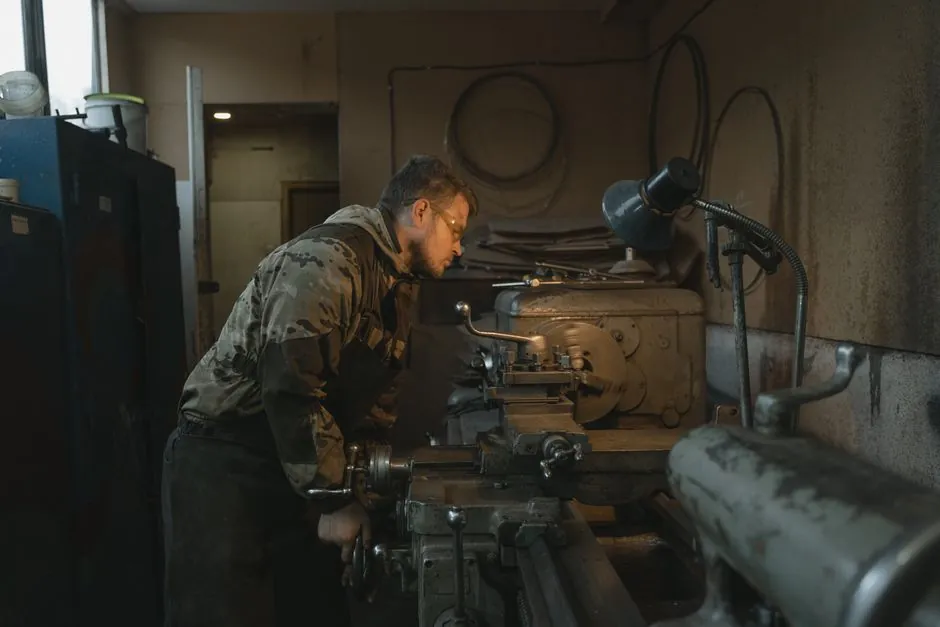
Very large Generation III+ reactor pressure vessels require forging presses of about 140–150 MN (14,000–15,000 tonnes) that accept hot steel ingots of 500–600 tonnes, and such presses are not common.

NVIDIA Blackwell Ultra uses 12 HBM3E stacks for 288 GB, while AMD Instinct MI455X uses 12 HBM4 stacks for 432 GB and 23.3 TB/s bandwidth.
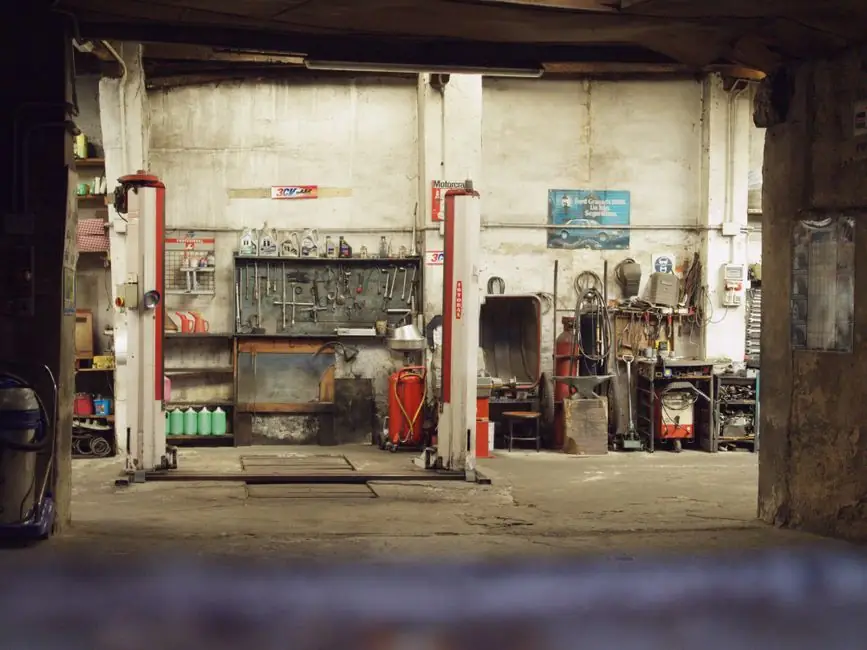
Stock one long-lead motor spare per critical site, preferably two when failure stops production, then increase quantities only for shared fleets or weak suppliers.
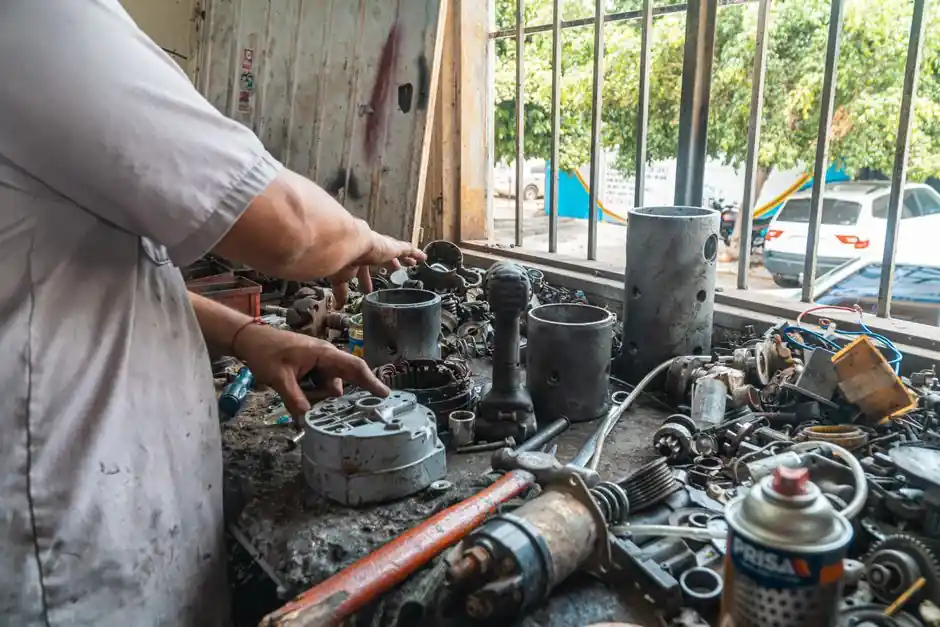
Industrial equipment makers should guarantee spare parts and service support for 10 years after acceptance, with 7 years as the minimum for many systems.
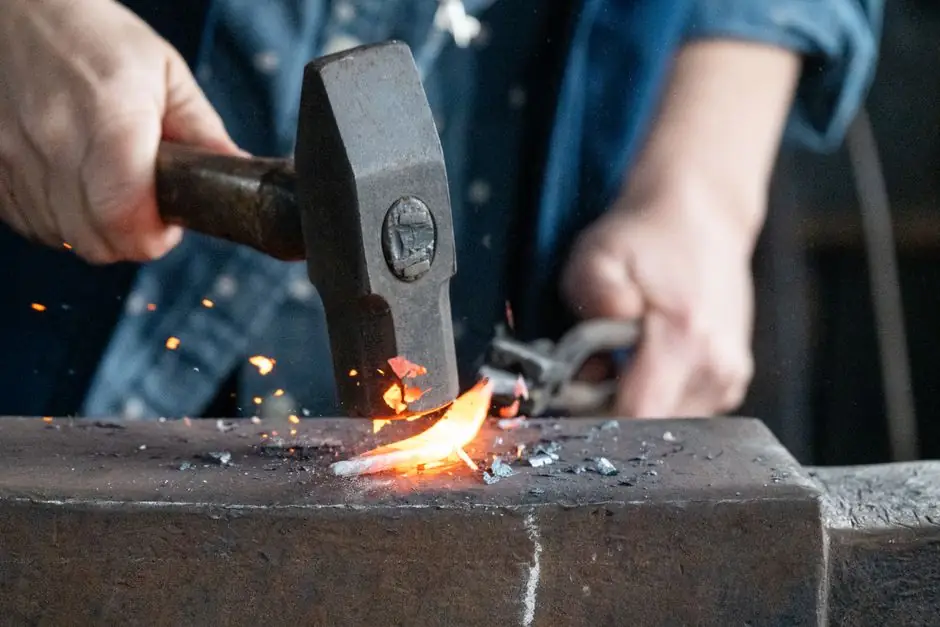
Heavy forgings typically need 18–31 weeks from steel mill order to “as-forged” delivery, with machining, heat treatment, and inspection extending the schedule.
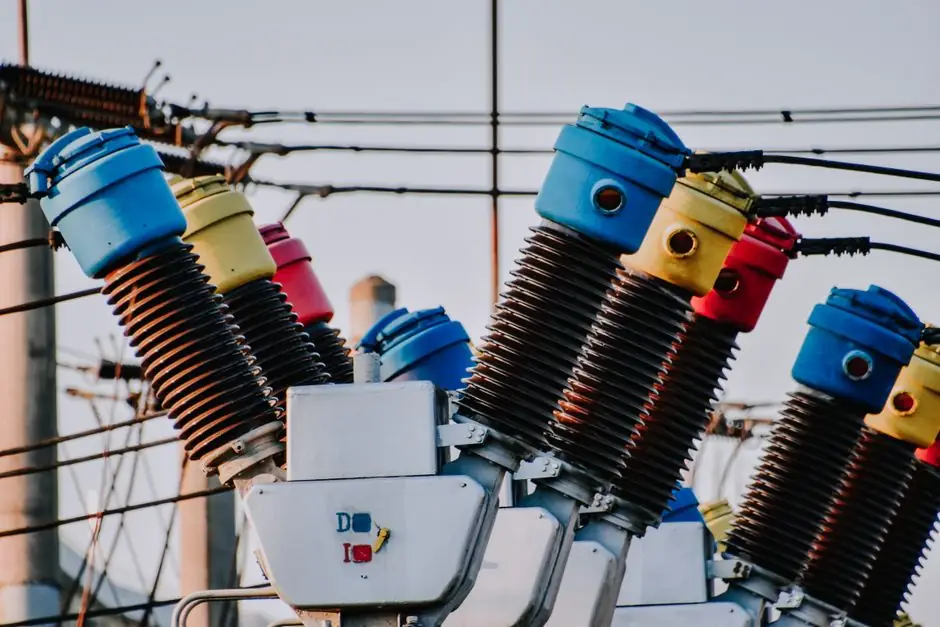
Medium-voltage switchgear delivery takes 52–80 weeks in 2026, with customized or data-center projects often quoted at 104–156 weeks.
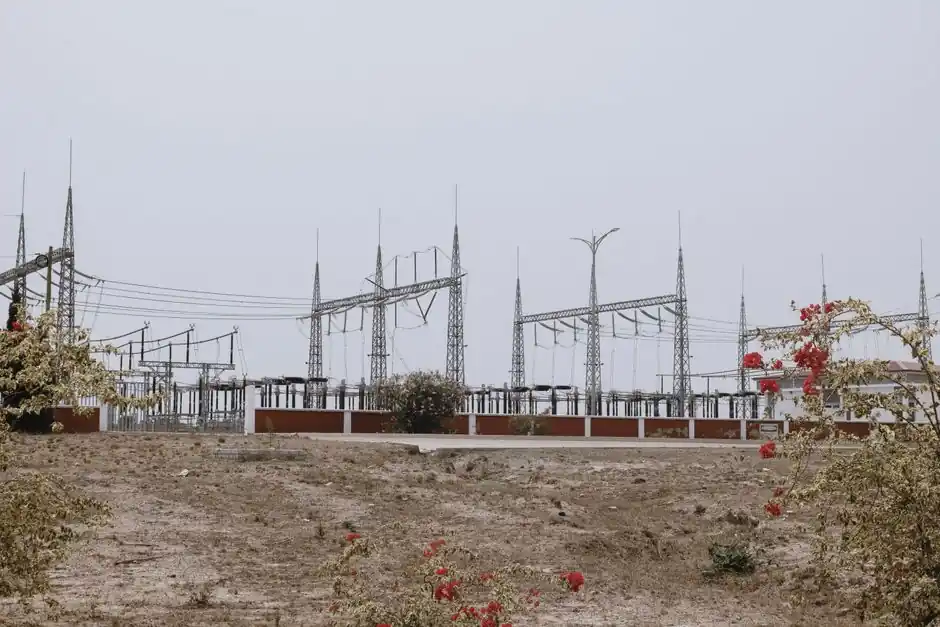
North-American-spec transformers and power systems for data centers are available in 16–24 weeks. Add testing, factory audit, reference review and a utility trial order.

Qualifying a new chip-fab chemical takes months, not weeks, because supplier review, process trials, wafer runs, yield analysis, and fab approval must all close.
A new heavy forging press typically requires several years, but the schedule depends on press capacity, civil works, permits, power, tooling, and commissioning.
A new casting foundry needs 3 weeks for initial samples and at least several more weeks for pilot qualification before qualified production begins.

A large offshore wind turbine installation vessel typically takes 3–4 years to build, while turbine installation at sea averages about one day.
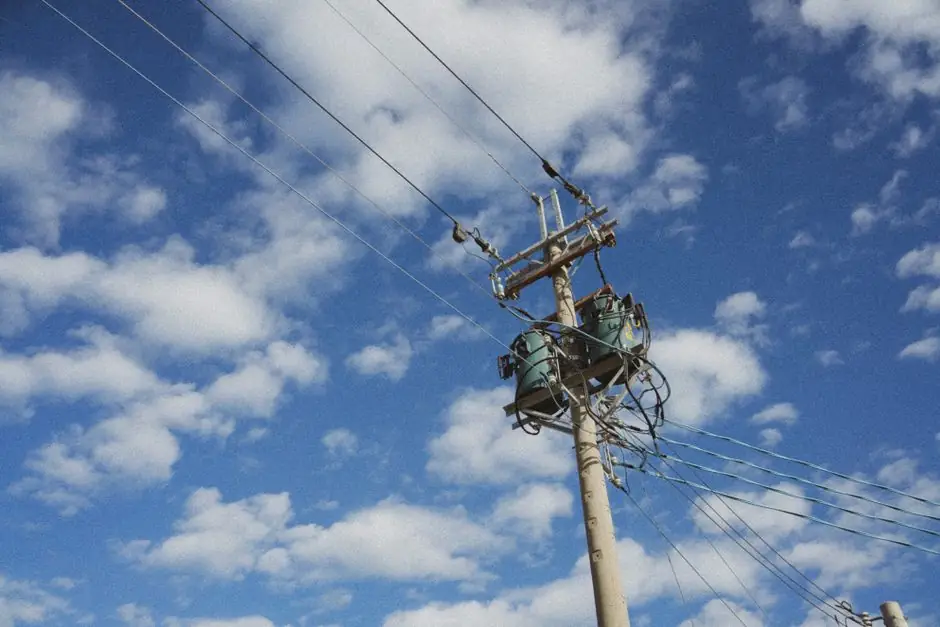
Utility-scale solar projects can wait 52–128 weeks for transformers, so procurement must begin before design and construction are complete.
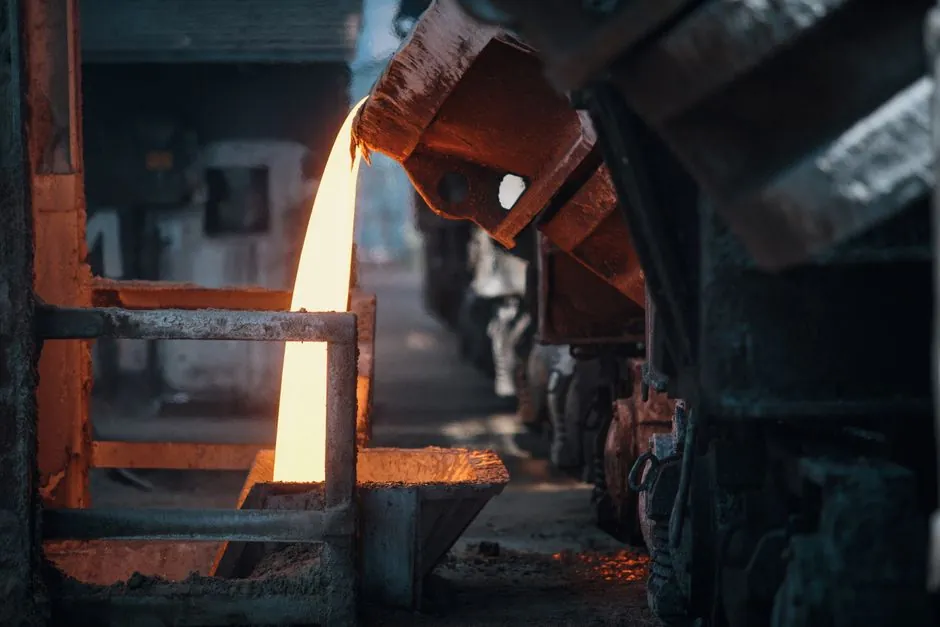
A new die casting cell typically takes 14 to 24 weeks from quote to first delivery, with tooling accounting for 4 to 12 weeks.
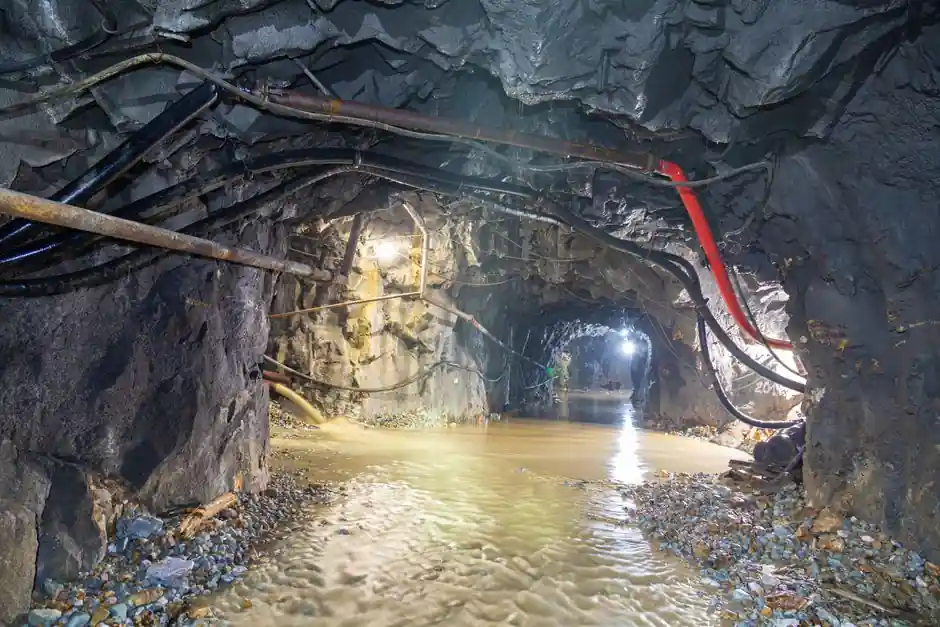
A new copper mine typically takes 12–18 years from discovery to production, with global averages ranging from 15.7 to 17.9 years.

Large centrifugal pump delivery in 2026 is typically several weeks to several months, depending on configuration, material upgrades and factory capacity.
A large battery cell plant typically needs 3 to 6 years to reach full capacity, with early scrap rates potentially exceeding 90%.
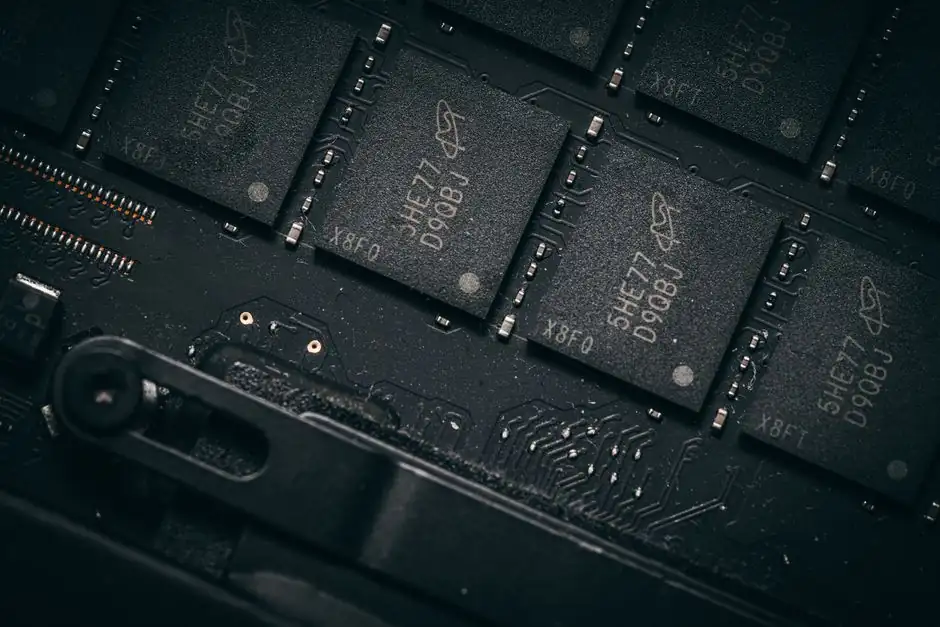
Memory supply cuts typically need 18 months or more before new capacity can stabilize prices, but AI-led DRAM demand may delay recovery through 2030.

Some 2026 BESS cell quotes expire in only 14 days, down from about 90 days, so developers need dated validity, escalation terms, and rapid approval.
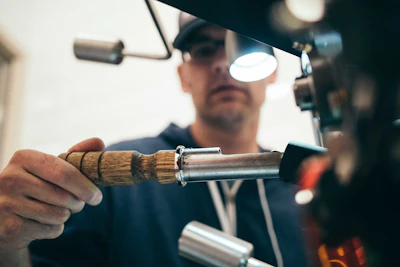
In 2026, large power transformer lead times are 30 to 36 months, while Wood Mackenzie's second-quarter 2025 survey recorded an average of 128 weeks for large power transformers and 144 weeks for generator step-up units.
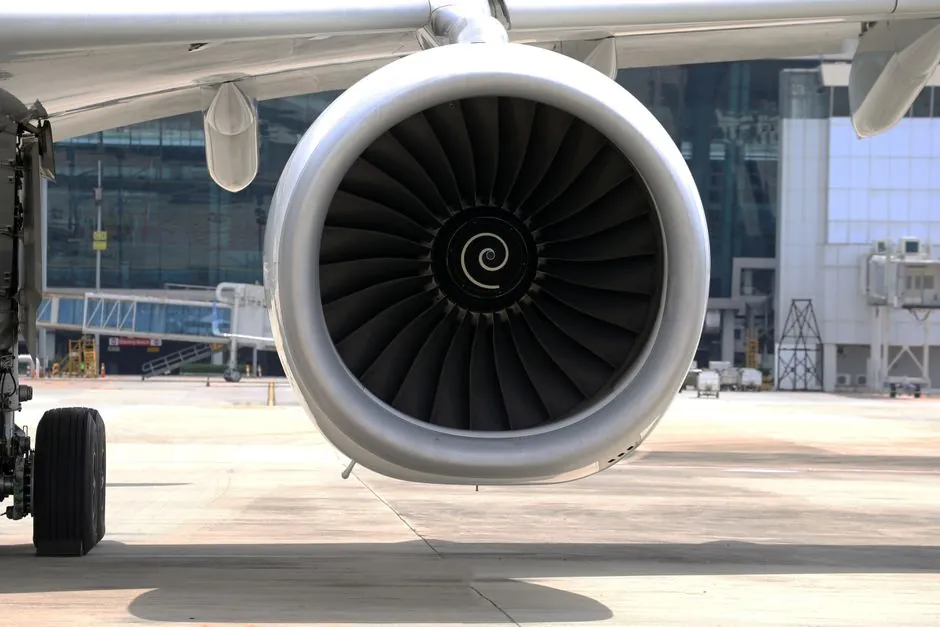
Aerospace bearing lead times in 2026 range from days for stock parts to several weeks for specials, with qualified aerospace supply chains capable of longer delays.

Schaeffler estimates that actuators represent about 50% of a humanoid robot's bill of materials.

Robot makers face high reducer exposure where harmonic drives anchor joint performance, with 40–60% of humanoid BOM cost tied to actuation.
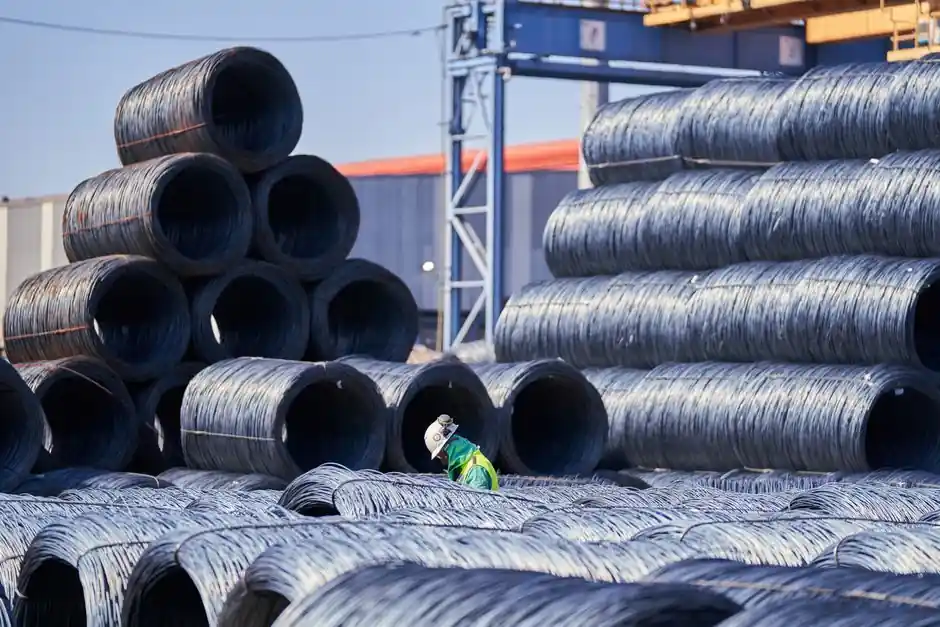
Machine builders face high HRC exposure when orders are quoted spot, delayed, or made from uncoated steel. Contracts, forecasts, and material design reduce margin risk.
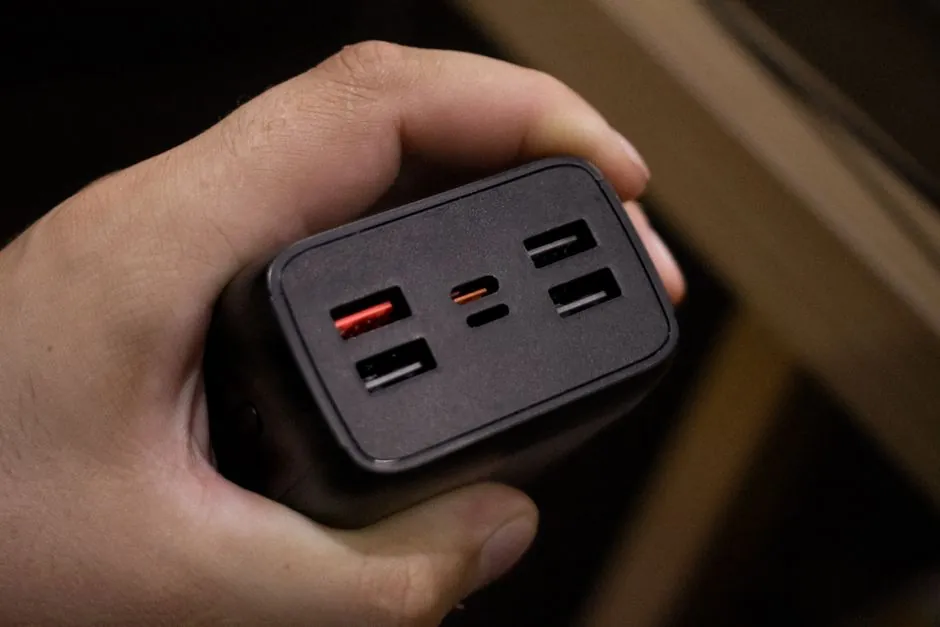
LFP cells reduce cathode exposure to nickel and cobalt, but phosphate and iron remain essential feedstocks; supply risk shifts, not disappears.
EV makers face material single-source exposure when motors, magnets, bearings, seals, or power electronics come from one vendor, country, or production line.
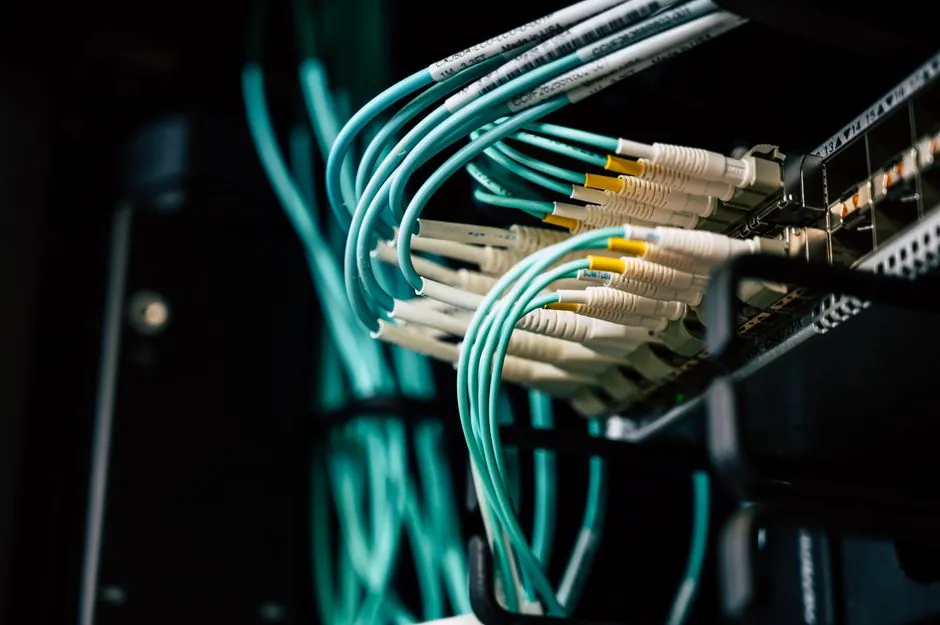
Order critical data center electrical equipment before design completion, with 40–95 weeks typical for 2026 and up to 113 weeks for pad-mounted transformers.
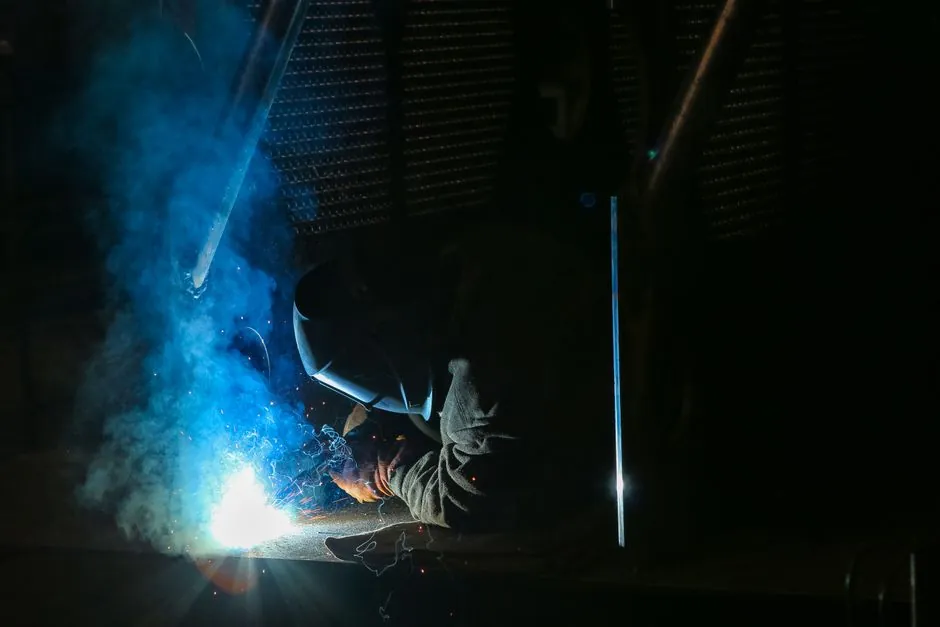
The American Welding Society has projected that the country needs 82,500 new welders every year to replace retirees and meet growing demand, with a cumulative deficit of 330,000 unfilled welding positions projected by 2028.
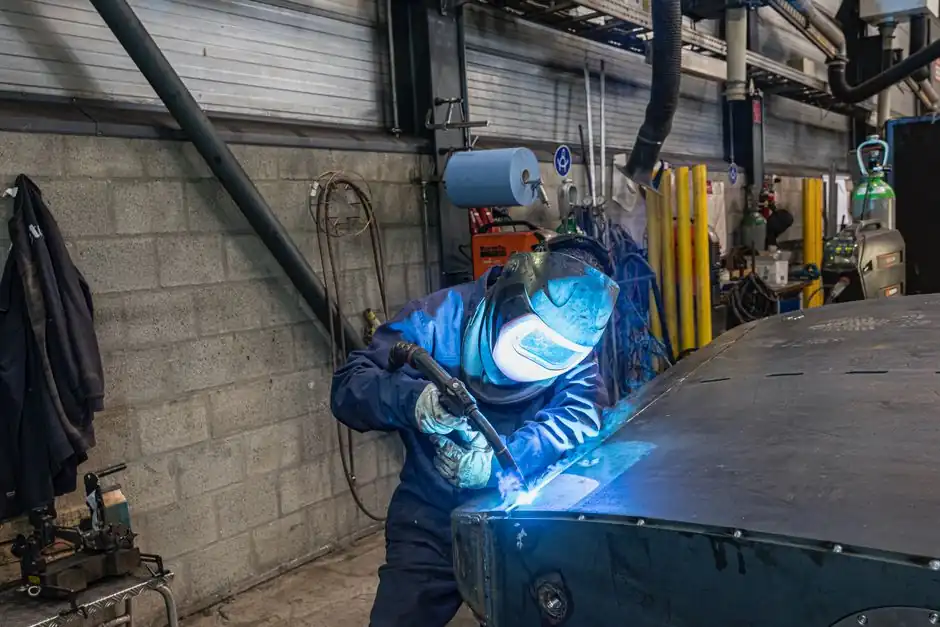
The welder and machinist shortage caps heavy-equipment output by delaying qualified fabrication, machining, assembly, and shutdown work. U.S. shops face 34,200 annual machinist openings and a projected 330,000 welding-position deficit by 2028.
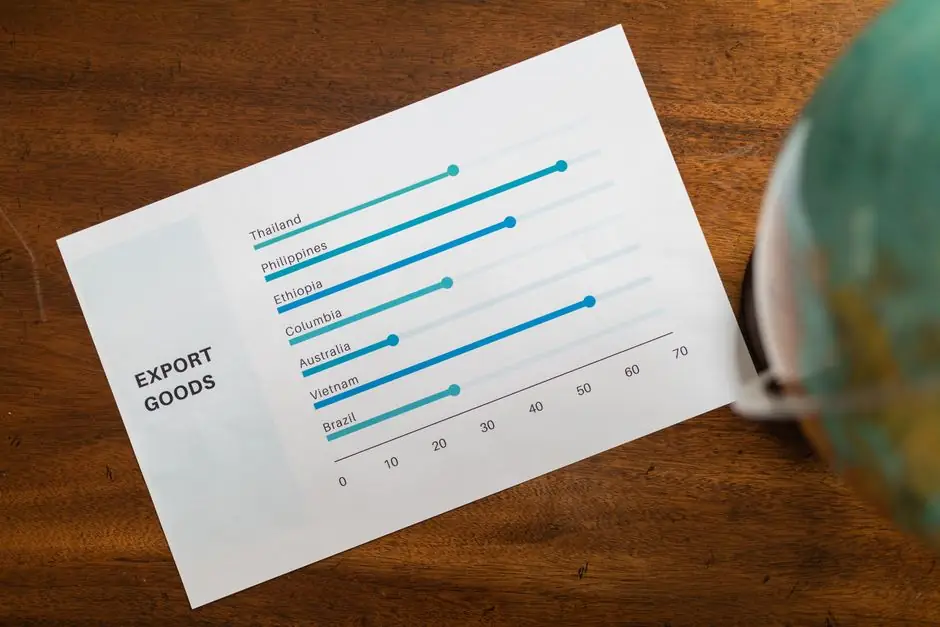
Rules of origin determine which tariff treatment applies to imported equipment by linking the duty preference to qualifying production, not shipping route.
Nickel oversupply pressures raw-material prices, giving stainless steel and battery buyers negotiating leverage while exposing them to qualification and supply-concentration risks.
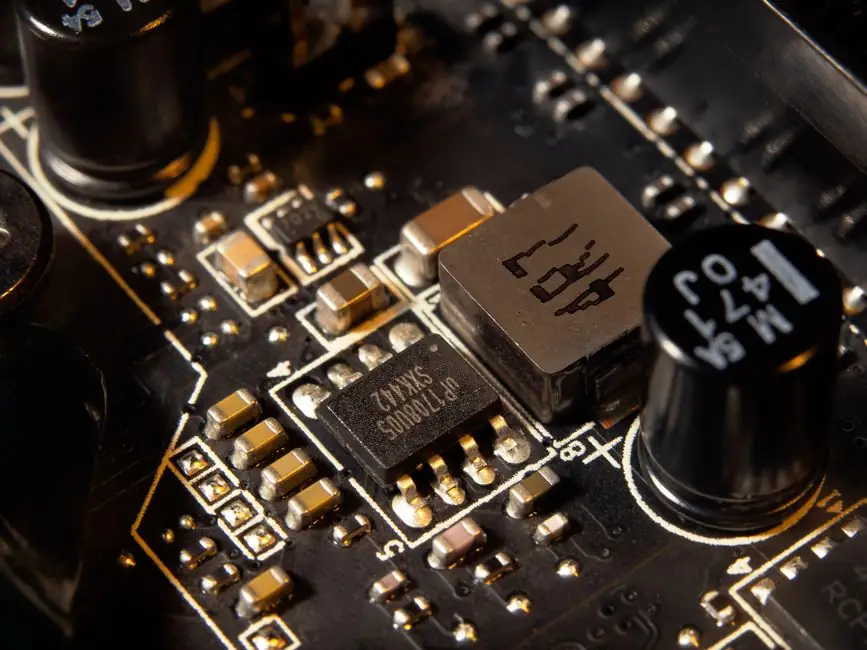
HBM demand redirects scarce DRAM wafer and packaging capacity to AI accelerators, tightening conventional DRAM supply and raising prices for PC, server and embedded buyers.

An EV slowdown reduces demand for batteries and traction magnets, but inventories, mine supply, and production cuts determine the resulting balance.
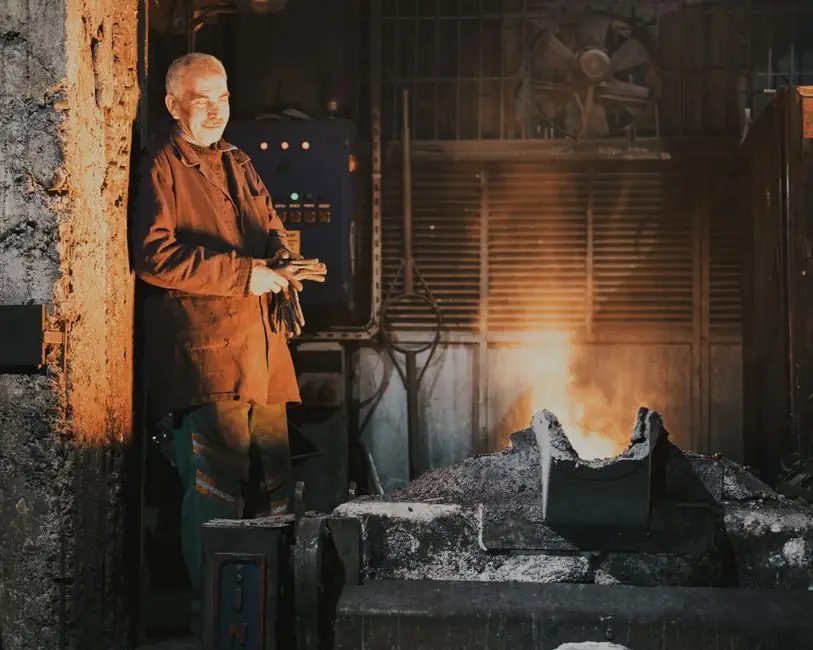
An aging workforce reduces foundry and forging output mainly through retirement-driven skill loss, physical-load constraints, and slower knowledge transfer.
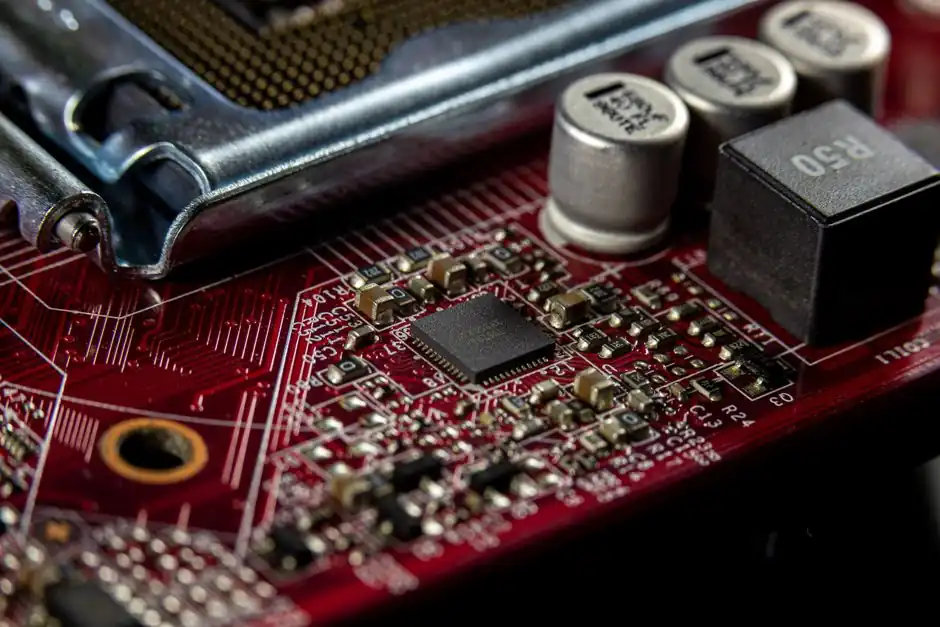
Advanced packaging reduces AI chip supply loss by replacing defect-sensitive large dies with smaller chiplets, but packaging and HBM remain critical bottlenecks.

A March 31, 2012 explosion and fire at Evonik's Marl, Germany, plant compromised a significant portion of global PA-12 production capacity and could shut down car production in the United States, Europe, and Asia.

Track two timestamps per change, calculate elapsed time, then aggregate medians to expose review, CI/CD, testing, and approval delays across hundreds of parts.

A real shortage requires physical capacity below demand; price-driven allocation appears when supply remains available but is reassigned through price, allocation, or contract terms.
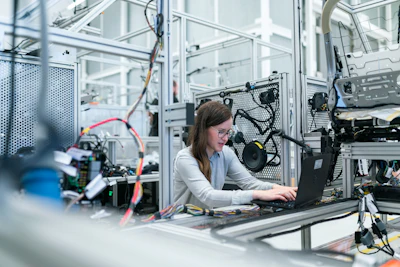
Allocate constrained supply using transparent rules, explicit priorities, and a renegotiation trigger when demand, inventory, or delivery commitments change.

Evaluate a 100 MWh BESS by testing cell provenance, contract resilience, quality, logistics, replacement strategy, and project-level concentration risk.
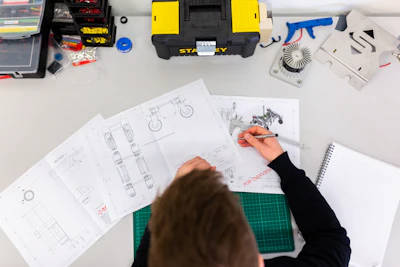
Developers secure turbine slots before FID by combining manufacturer reservations, grid evidence, land rights, permits, offtake, and binding commercial terms.

Russia-linked titanium still represented an estimated 25–30% of Western aerospace use, exposing flight programs to 12–24-month requalification delays.

Tariffs favor a mixed machined-parts strategy: classify each part correctly, place tariff-sensitive work in the United States, and dual-source eligible components.

Machinery landed cost depends on tariff sequence, HTS classification, origin, and metal content; freight is outside the duty base.

Take-or-pay clauses require buyers to take a contracted minimum volume or pay for the shortfall, protecting battery and memory suppliers against demand volatility.

Strategic mineral stockpiles increase near-term availability by adding releasable supply during disruptions, but their price effect depends on reserve depth, purchasing rules, and release timing.
Steel mills cut raw material cost per tonne by increasing metallic yield, lowering slag and sludge losses, recovering internal scrap, and securing lower-cost ore, coke, and scrap inputs.
Steel buyers should not time purchases around mill announcements alone. Use lead times, demand, imports, freight, and contract exposure to decide when to commit.
Developers hedge module price and tariff risk through fixed-price supply, indexed contracts, diversified sourcing, tariff pass-through clauses, and financial hedges tied to project milestones.
Shipyard limits can delay offshore wind and LNG by restricting vessel delivery, heavy-lift capacity, and yard throughput, pushing project schedules beyond committed dates.
Shipping chokepoint closures extend ocean transit and vessel availability, turning port congestion, fuel use, insurance, and cargo scarcity into higher industrial lead times.

REACH restrictions affect availability through material substitutions, supplier declarations, authorization limits, and Annex XVII controls on component substances.
Separated rare earth oxide offtake contracts combine index-linked pricing, oxide-specific floors or ceilings, volume commitments and quality terms to manage price and supply risk.
Rail and road weight limits set the physical boundary for grid-equipment delivery, so route capacity, axle load, bridge limits and site access must be verified before dispatch.

Critical mineral price floors can protect suppliers from volatility, but they also raise buyer costs, contract complexity, and market-concentration risks.
Power rationing tightens polysilicon and aluminum output through energy-intensive production, inventory drawdowns, and higher metal prices.

U.S. polysilicon shutdowns lift module input costs when supply contracts reset, while import price floors add a separate U.S.-specific constraint.
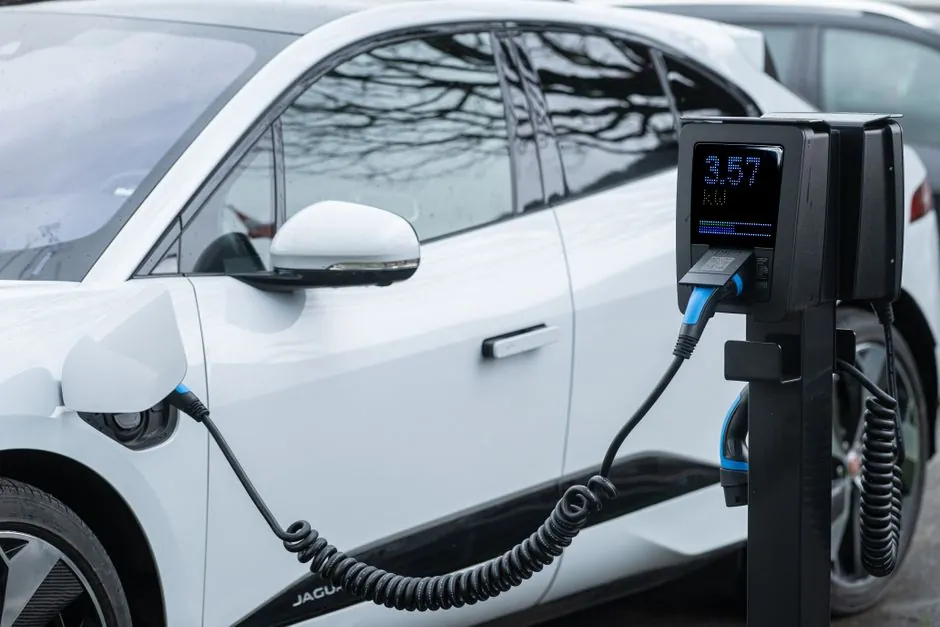
A PHEV uses a smaller battery than a comparable BEV, reducing cell material demand per vehicle but requiring both battery and combustion hardware.
Plants absorb an OEM exit by mapping the installed base, classifying critical spares, securing alternatives, and controlling a time-limited inventory buffer.

PFAS restrictions will tighten fluoropolymer seal and hose supply through qualification and traceability, not an automatic PTFE shortage. Six polymers represent about 93% of European use.
OEMs should share 12–24-month rolling forecasts with confidence bands, scenario ranges, and firm-order thresholds to prevent forecast capacity from becoming phantom capacity.
OEMs manage alternate-component approvals through engineering validation, documented change control, and customer approval before substitution, regardless of stock availability.
Higher natural gas prices raise ammonia and fertilizer costs, reduce domestic production, and increase imports when local output cannot cover demand.
Motor makers manage magnet price spikes through material substitution, rotor redesign, reduced rare-earth loading, supply contracts, and recycling.
Metal surcharges convert changing alloy prices into a separate casting or forging charge, typically using weight, alloy content, and a market-index formula.
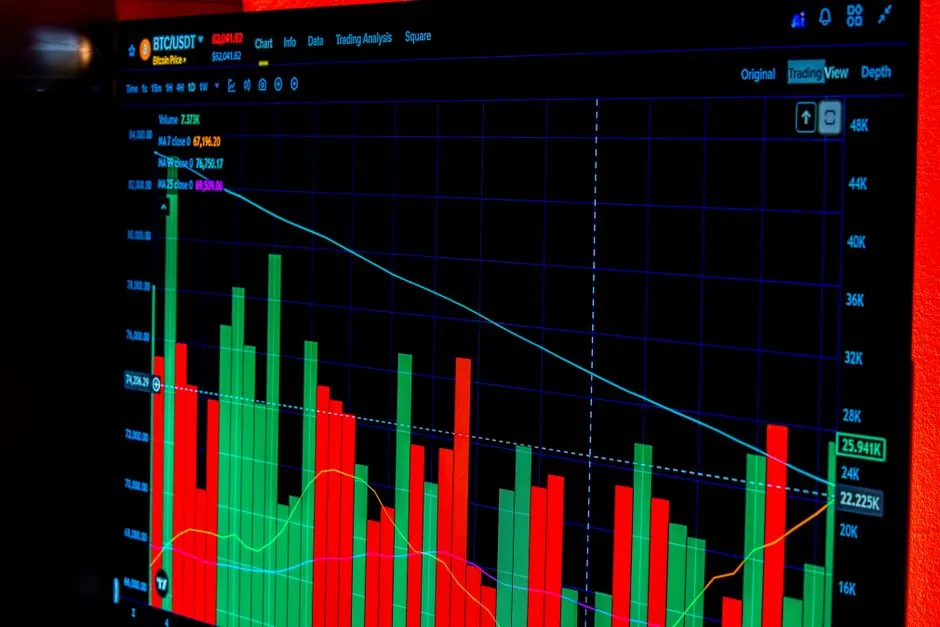
Metal cost shocks reach machinery prices through steel, castings, electrical hardware, freight, and labor, with quote and delivery lags varying by build stage.

Qualify rare earth separation sources by separating ore, oxide purity, recovery yield, mass balance, waste treatment, capacity, and downstream magnet validation.
Large transformer makers prioritize orders by project readiness, specification complexity, factory fit, supply risk, and contractual position, while lead times reach 210 weeks.
Industrial OEMs manage display EOL through dated notices, configuration baselines, last-time buys, and controlled successor qualification.
Import quotas restrict steel volume, while anti-dumping duties raise the landed cost of selected country-product pairs, changing availability, sourcing, and contract risk.
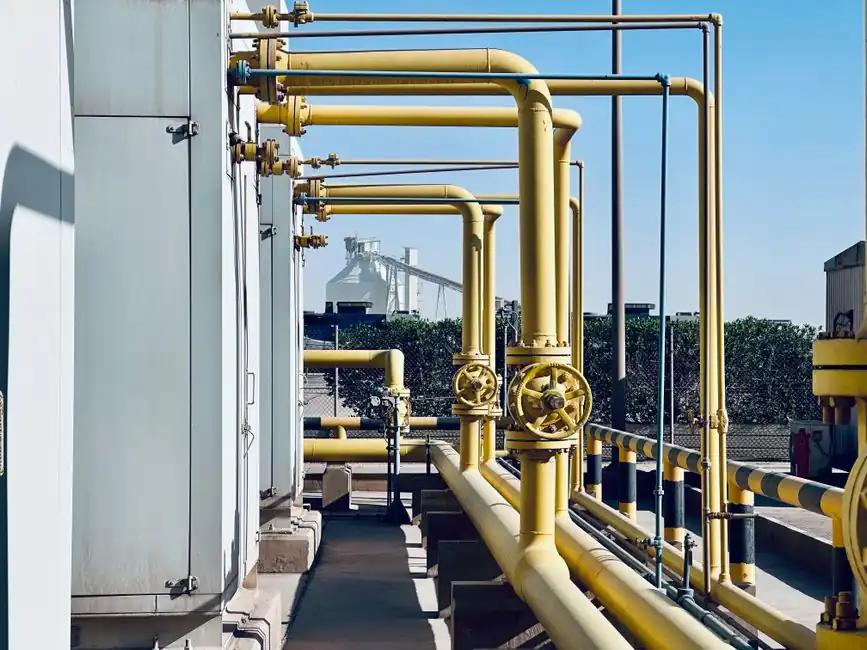
Hurricanes can halt Gulf Coast production, refining, terminals, ports, and barge routes, temporarily tightening petrochemical and resin feedstocks while raising freight and spot-price volatility.
Humanoid robots could require 271–449 kt of NdFeB magnets by 2040, adding 7–15% to EV magnet demand at 1 million units per year.
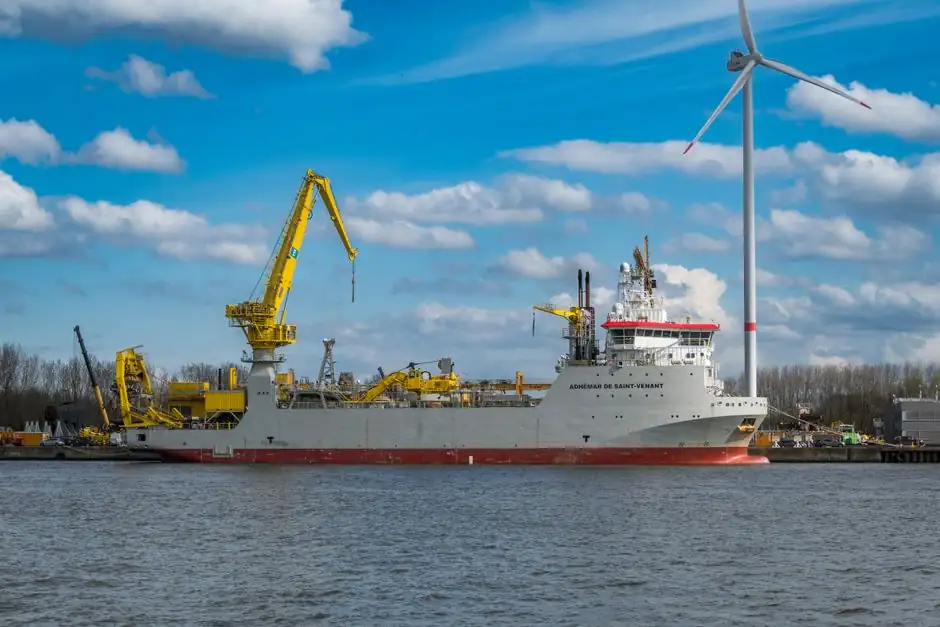
Heavy-lift vessel shortages add weeks to months on top of 128-week power-transformer lead times and 4-5 year queues for high-capacity units, turning ocean booking, breakbulk slots, and port cranes into the new critical path for data center, grid, and turbine projects between 2026 and 2029.

Transformer supply pressure requires early, specification-specific sourcing. Historical U.S. lead-time observations and Hitachi Energy's March 2025 component investment document the problem, but neither establishes a universal 2026 delivery date or makes low-voltage power supplies substitutes for gr
Tightening grid codes for renewable plants are reshaping inverter and transformer availability: reactive-power and fault-ride-through demands push specifiers toward OLTC-equipped MV transformers and grid-forming inverters, lengthening lead times and squeezing catalog SKUs. Engineers planning 2026–20
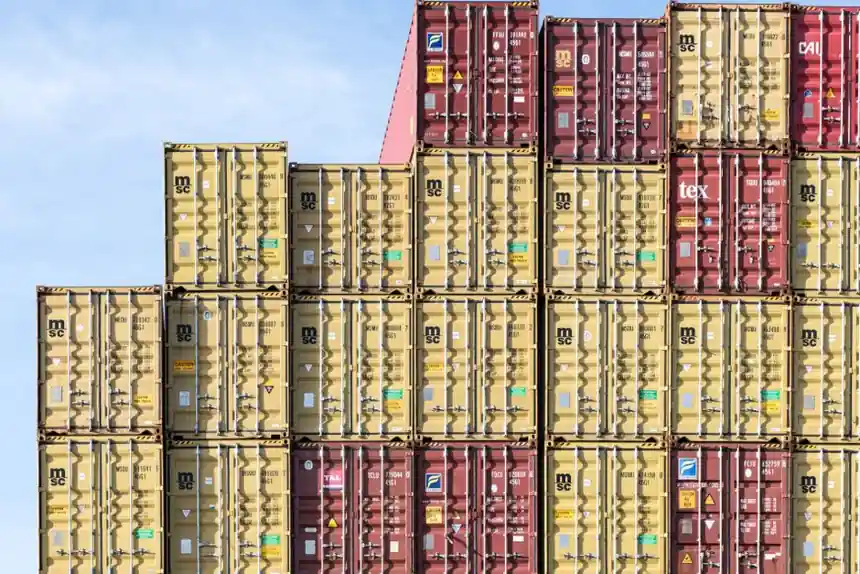
HBM qualification delays now gate AI accelerator shipments: per-stacks acceptance, not wafer output, sets the ceiling, while DRAM inventory under 10 days (Sep 7, 2026) and 50% China AI-chip price hikes show the squeeze has reached finished accelerators.
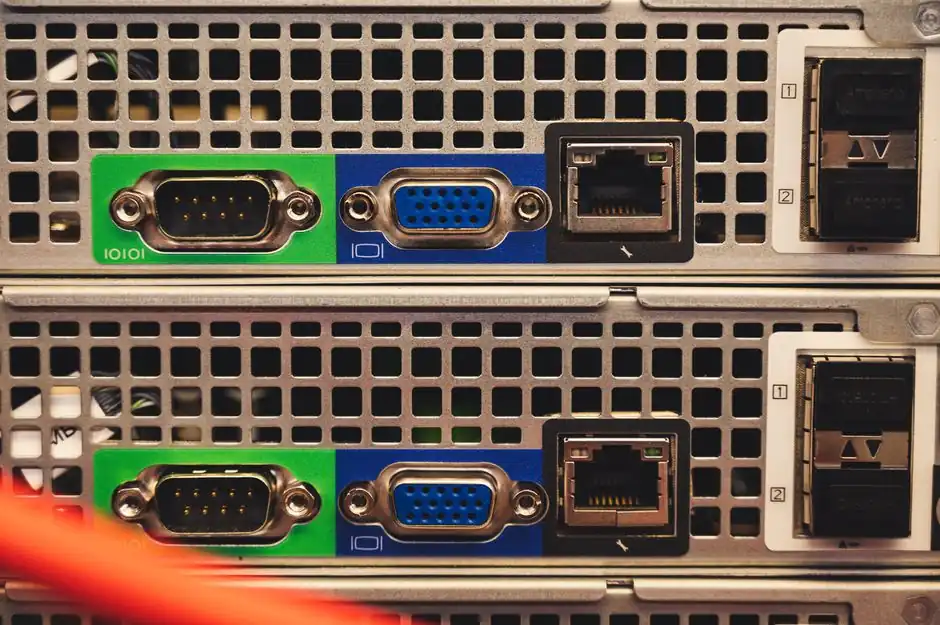
GPU shortages reshape cloud AI economics: AWS raised EC2 Capacity Block prices roughly 15% in early 2026, an 8-GPU H100 instance lists at $98.32/hr on-demand, and reserve queues extend up to 14 days. Reserving blocks 1–8 weeks ahead, mixing instance types, and offloading to spot or decentralized cap

The UFLPA rebuttable presumption (effective June 21, 2022) and DHS strategy updates through August 2025 force importers of polysilicon, aluminum, and downstream goods to prove Xinjiang-free origin via full supply-chain mapping, with CBP reviewing 16,700+ shipments valued near $3.7 billion and a 144-
China's 2023-2026 export controls on rare earths, gallium, germanium, graphite and antimony force long-term supply contracts to add licensing pass-through clauses, dual-sourcing penalties, and price-revision bands of 15-50 percent. Pure volume offtake is no longer enough; contracts must specify the
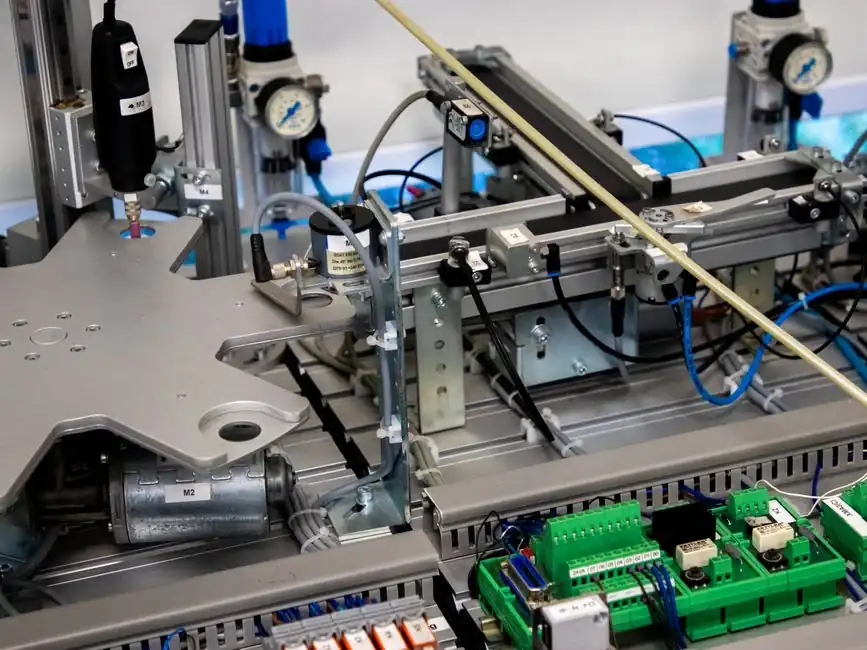
U.S. export controls on chipmaking tools, dominated by the BIS October 7, 2022 rule and tightened October 17, 2023, now block EUV systems, advanced etch/deposition tools and downstream Foreign Direct Product shipments to China, capping Chinese domestic AI chip output at roughly 1-2% of U.S. producti
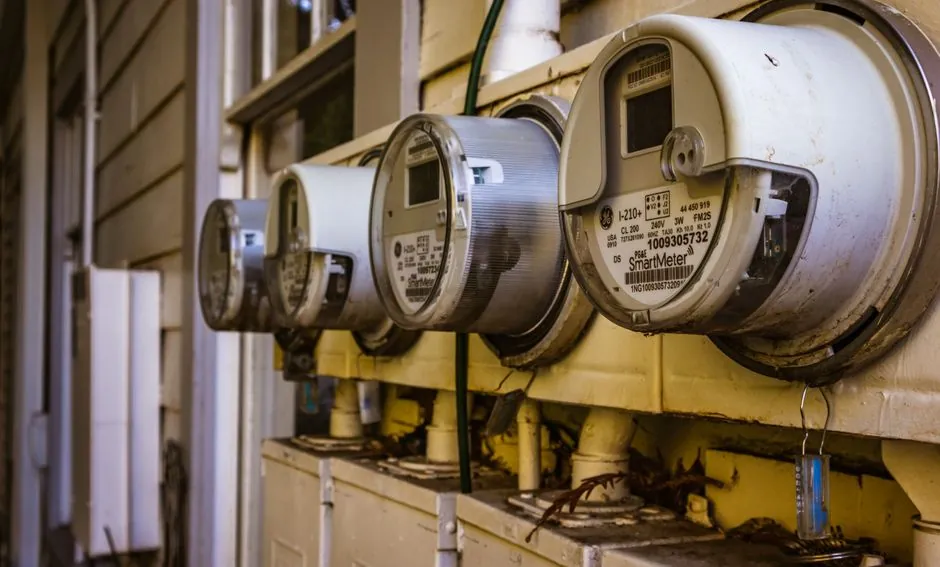
EPC contractors manage long-lead electrical equipment risk by issuing conditional purchase orders during FEED, locking manufacturer casting and assembly slots 6-18 months before detailed design finishes. Disciplined early procurement, AVL compliance, and dual-source qualification are the three contr

Low river levels from drought force draft and tow-size restrictions, strand cargo at inland ports, and raise delivered costs for bulk grain, chemicals, coal and steel feedstocks across the Mississippi, Rhine and other inland corridors.

Data center developers bank long-lead equipment, primarily transformers, switchgear, generators, and cooling skids, ahead of financial close and use multi-phase campus construction to absorb 40+ week to 144+ week factory queues.
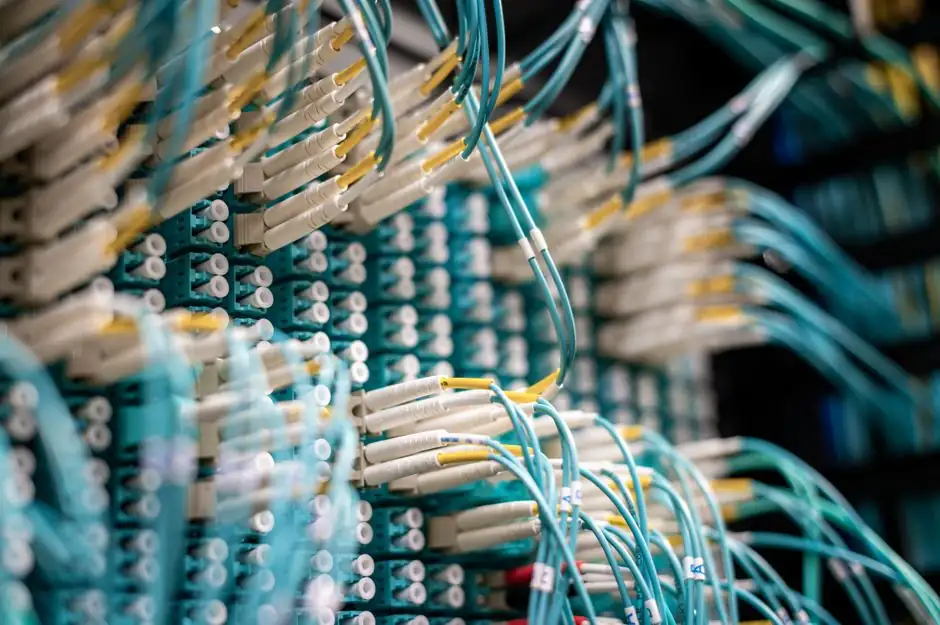
Cooling capacity now sets the binding constraint on 2026 AI data center rack deployment, with 50-100 kW per rack common, GPUs drawing 1,200 W each, and compressed 12-18 month construction windows forcing cooling systems to ship before full design validation is complete.
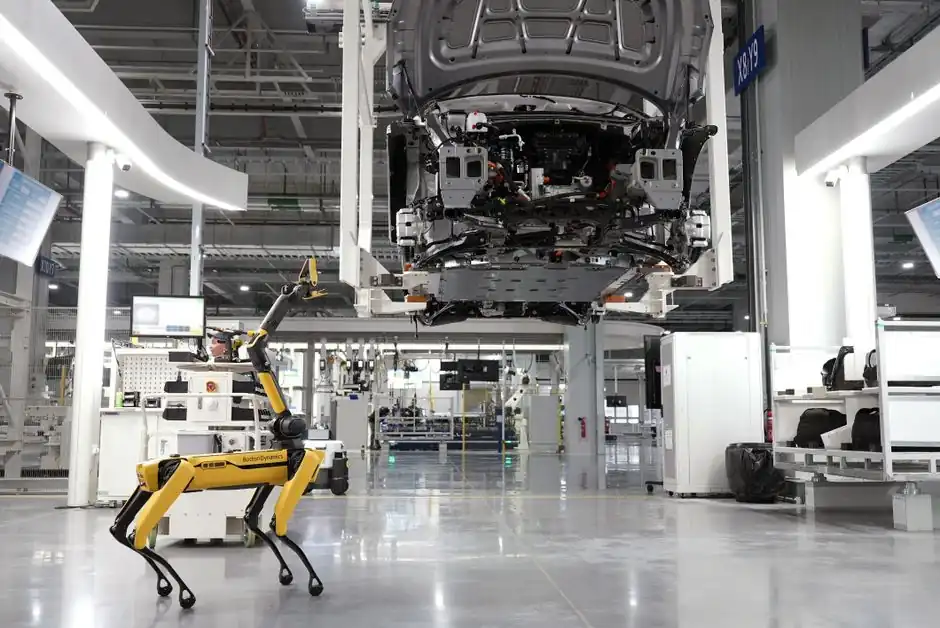
AI-driven chip allocation is stretching industrial automation lead times to roughly six months for robotics, PLCs, and IoT hardware, with HBM, DDR5, and advanced-node wafers fully booked through 2026. Operations teams should lock in purchase orders 90 days earlier than pre-2024 norms and qualify sec

At a semiconductor cycle peak in 2026, normal 8-12 week chip lead times stretch to 20-50+ weeks across discretes, memory, and programmable logic, with AI-driven HBM allocation starving DDR4/DDR5 of capacity and pushing industrial buyers to demand sub-10-week commitments.
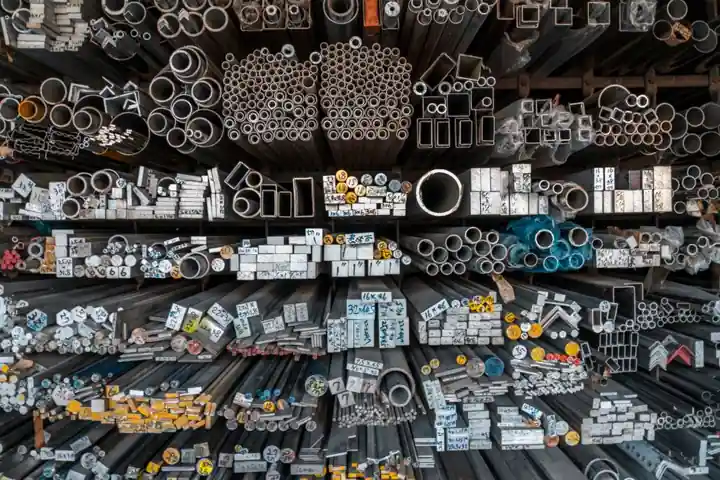
Channel inventory bottoms out before a shortage ends: a 5% uptick in end-customer demand typically translates into 10% retailer orders, 15% warehouse replenishment, and far larger upstream production swings, so a shift from empty shelves to swelling warehouse and distributor stock is the cleanest le

Buyers secure capacity in 2026 through scaled instruments rather than full-volume pledges: credit buyers' clubs for Section 45Z biofuel credits, narrow tier upgrades for SaaS capacity, and contractually tiered volume commitments paired with negotiated exclusivity, each capping exposure while preserv

For multi-country industrial assemblies, buyers document country of origin (COO) by applying CBP's substantial transformation test and assembling a five-part evidence file: detailed BOM with per-component origin, manufacturing flowchart, signed factory declarations, country-level cost breakdown, and
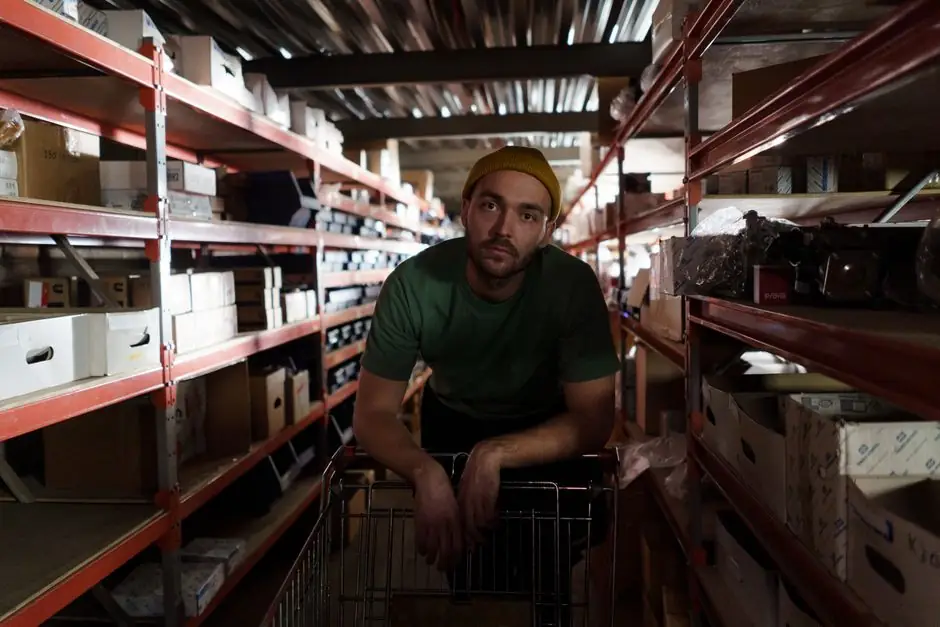
Buyers triage parts into buffer stock using four signals: lead-time variability, demand variability, supply reliability, and criticality of the line item, then size the reserve with safety-stock formulas keyed to days-of-cover or service level. Industrial MRO and OEM buyers should hold 14–30 days of

Build a casting should-cost model in five layers: material at melt-loss-adjusted weight, process cost by casting method and machine-hour rate, labor at regional wage, overhead allocation, and fair margin. Use the 28.1% awareness / 4.6% adoption gap to flag what most buyers still miss, and treat the
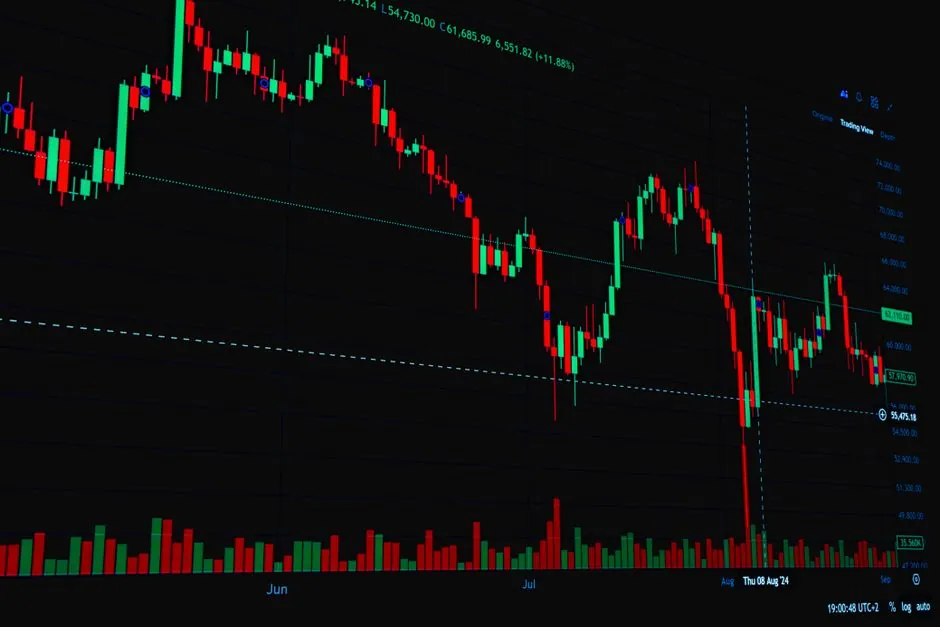
Battery cell buyers hedge lithium price swings in cell contracts through a layered stack: exchange-traded CME Lithium Hydroxide futures, index-linked offtake clauses, vertical recycling loops, and dual-sourcing. Each tool addresses a different risk surface, and the 2026 input-cost spike (lithium car

Automakers hedge battery-metal exposure through direct mine offtakes, long-term price floors, recycling contracts, and multi-jurisdiction sourcing to reduce single-country dependency. The automotive sector is the world's largest consumer of cobalt and lithium, and the second-largest of nickel, with
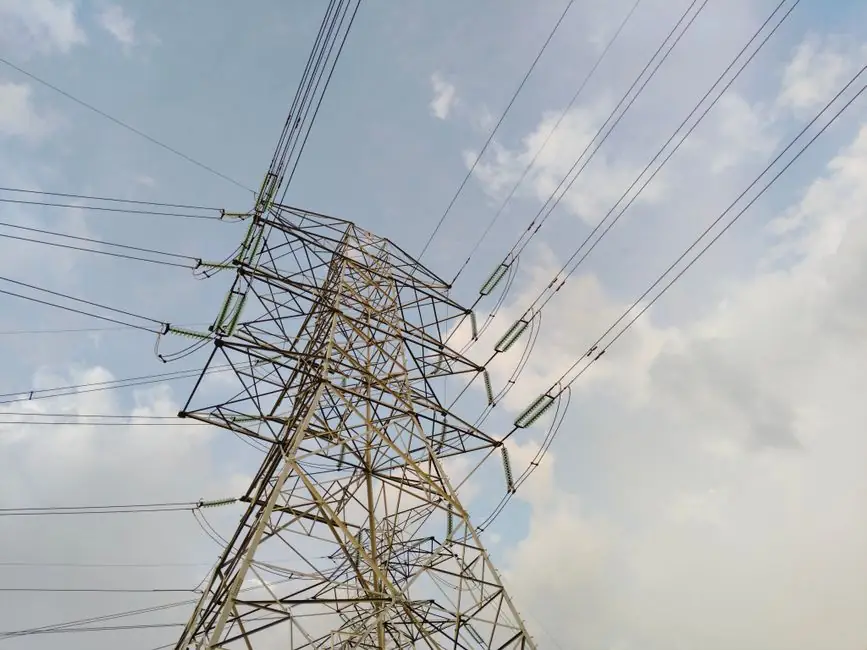
Aluminum smelters require fixed, long-term power contracts (the Aluminum Association cites a minimum 20-year term at under $40/MWh) because interruption forces an irreversible potline freeze. Smelter metal availability is therefore a function of utility contract structure, not raw bauxite supply.
Aluminum smelter curtailments inflate extrusion lead times by tightening billet supply and pushing mill queues longer. October 2025 AMU data shows extrusion lead times jumping from 4 to nearly 7 weeks, a +75% rise in one month. Hard-alloy structural and tubing queues stretch much further when upstre
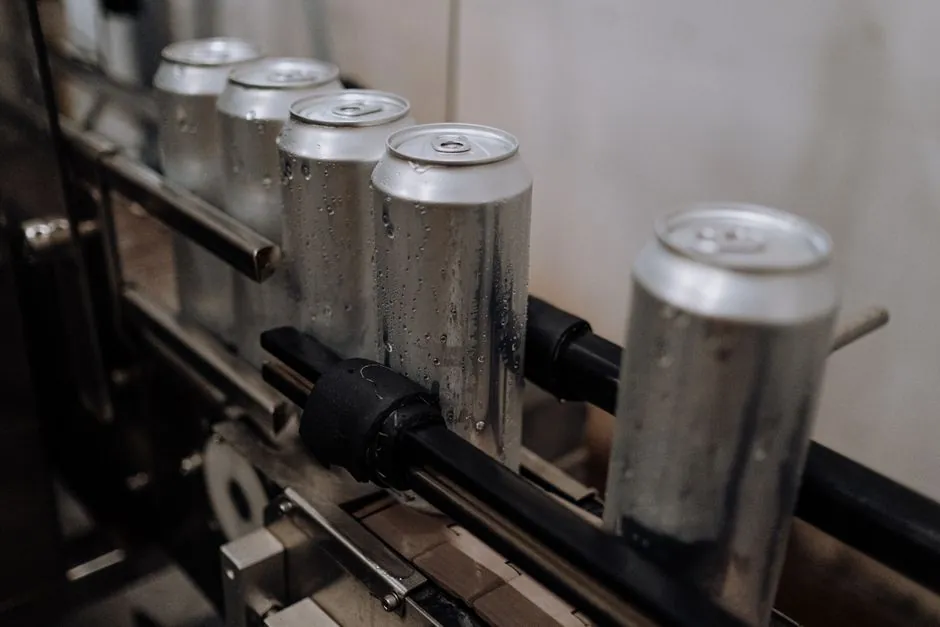
Aluminum premiums, not the LME price, are the swing factor in landed metal cost in 2026: by July 24 LME three-month aluminum had fallen to ~$3,170/t from a June 2026 high of $3,787.50/t, yet Japanese Q3 premiums settled at $395/t and US Midwest premiums kept climbing on tariff and freight layers, ke
Utilities are using multi-year framework agreements, capacity reservation contracts, and take-or-pay tariffs to lock in transformer, switchgear, and cable supply as lead times stretch to four years for large power transformers and cable costs double since 2019.
Embodied carbon rules are reshaping steel and aluminum procurement by mandating Environmental Product Declarations (EPDs), enforcing low-embodied-carbon (LEC) ceilings on public projects, and layering a carbon price onto imports through the EU's Carbon Border Adjustment Mechanism (CBAM). Buyers now
General-purpose server supply tightens in 2026 as AI buildout absorbs the same rack, power and component lines, with AI server power demand rising from 53.8 GW to a projected 127.1 GW by 2028. Lead times for transformers, gas turbines, and grid interconnection now bind the chain more than chip
U.S. gallium metal imports doubled to 25,000 kg in 2025 at $580/kg, yet Chinese unwrought gallium exports fell 94% versus 2024 and the November 2025 one-year license pause has not translated into approved U.S. shipments.
Fuel cell balance-of-plant (BoP) supply in 2026 hinges on four matched component groups: cathode air compressors, membrane humidifiers, hydrogen valves, and anode recirculation hardware. PEM stacks dominate demand, with the global BoP market valued at USD 3.95 billion in 2025 and projected to USD 10
Fluorite (CaF2) is reacted with sulfuric acid to make hydrofluoric acid, the upstream feedstock for LiPF6 electrolyte salt, PVDF binder and fluorinated additives. Inside the cell, trace moisture still hydrolyses LiPF6 to release HF, which corrodes cathodes and shortens life, so scavenger chemistries
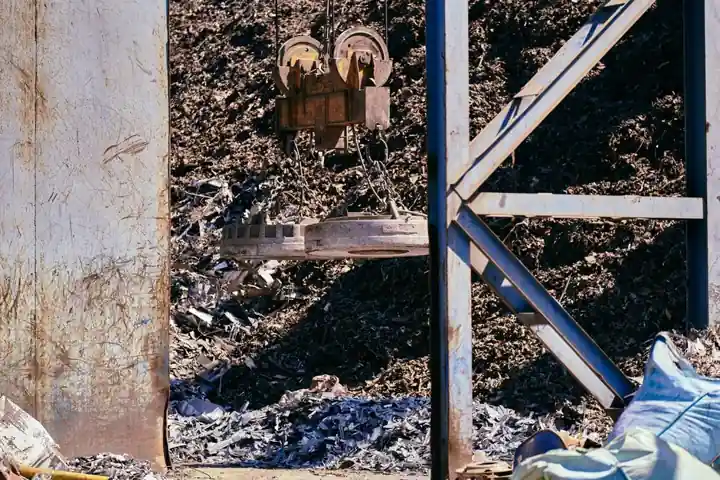
Magnetic flow meters ship in 2-6 weeks from stock distributors; Coriolis mass flow meters run 8-24 weeks new-build lead time, with the bottleneck at the flow tube and transmitter calibration. Magnetic is the right pick when the fluid is water-based and conductive with ≥5 µS/cm; Coriolis is justified

Float glass supply in October 2026 is shaped by a 5.3% to 11.4% CAGR divergence across forecasters, a flat-glass producer price index running about 6% above year-ago, and a construction-led 74.6% application share for flat glass in 2025, with solar-grade low-iron substrates expanding fastest.

Mono-material flexible packaging film supply is scaling to USD 4.67B in 2026 with a push toward design-for-recycling, while multilayer laminates still anchor USD 47.4B of demand. PE and PP are the dominant mono platforms, but barrier and seal performance still trail conventional foil laminates. Spec
FKM and FFKM fluoroelastomers are chemically classified as PFAS, so the EU's proposed universal restriction would directly affect sealing compound supply. Specifiers should track ECHA's restriction file, demand disclosure of polymerisation aids, and qualify EPDM, HNBR, VMQ or next-generation non-flu
Steel wire rod prices in Q1 2026 ranged from USD 0.487/KG in Northeast Asia to USD 1.334/KG in North America, with September 2026 quotes spanning USD 0.52–1.40/KG. The Q1-to-September spread is driven by trade protection in the US, energy-intensive EAF output in Europe, and Chinese export-led pricin
North American FIBC bulk bag inventories remain deep heading into Q4 2026, with multi-million-unit stock at major distributors, 2,000–4,000 lb safe working loads standard, and a global FIBC market projected at USD 8.94 billion in 2026.
SiC MOSFET power modules in the 1200 V class now dominate 800 V EV traction inverter designs, with switching frequencies of 10-50 kHz and 95-98% system efficiency versus 92-96% for silicon IGBT modules.

FFKM O-ring lead times in 2026 commonly run 3–5 weeks for semiconductor-grade perfluoroelastomer lots and 2–6 weeks for general compounds, with industry data showing over a third of suppliers reporting irregular raw material availability as PFAS-related regulation tightens feedstock supply.
Aluminium holds roughly 80% of EV battery pack enclosure builds by current volume, with extruded and sheet-intensive designs targeting 20-50% mass reduction versus steel baselines.

U.S. retail ammonia hit $1,123/ton by April 17, 2026, up from a $828/ton pre-conflict average, while NDSU projects 2027 urea at $496/ton and potash demand destruction caps near-term price spikes. The squeeze is feedstock-driven, not logistics.
US public-land campsite slot fees vary widely: Recreation.gov charges a $10 cancellation fee plus first-night forfeit inside 14 days, while California's AB 618 (effective 2026-07-01) tiers $8.25 / first-night / full-forfeit penalties, and Michigan raises its fee to $25 on 2027-06-01. Bookers should
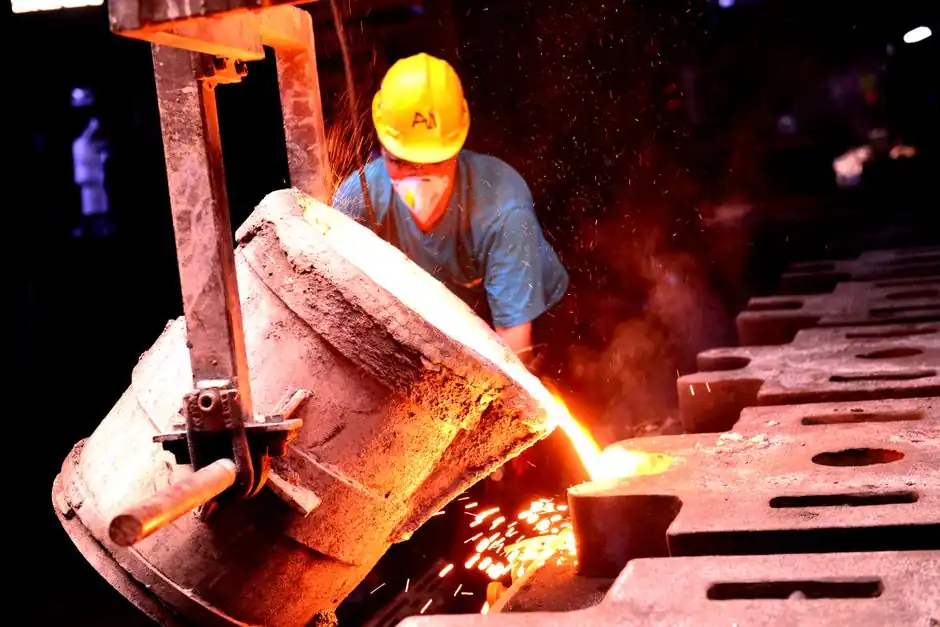
Global ferroalloy demand is anchored to a 2023 base of US$50.06 billion with a 6.01% CAGR through 2029; October 2026 spot flows concentrate in ferrochrome, ferromanganese and ferrosilicon trades out of Inner Mongolia and Tianjin, while Indian producers add 150,000 MTPA of FeSi capacity by year-
OFCI and OFE procurement let data center owners pre-buy long-lead generators, switchgear, and chillers directly from OEMs, cutting 6-12 month critical-path risk and capturing bulk pricing, but liability for delivery and customs shifts to the owner.
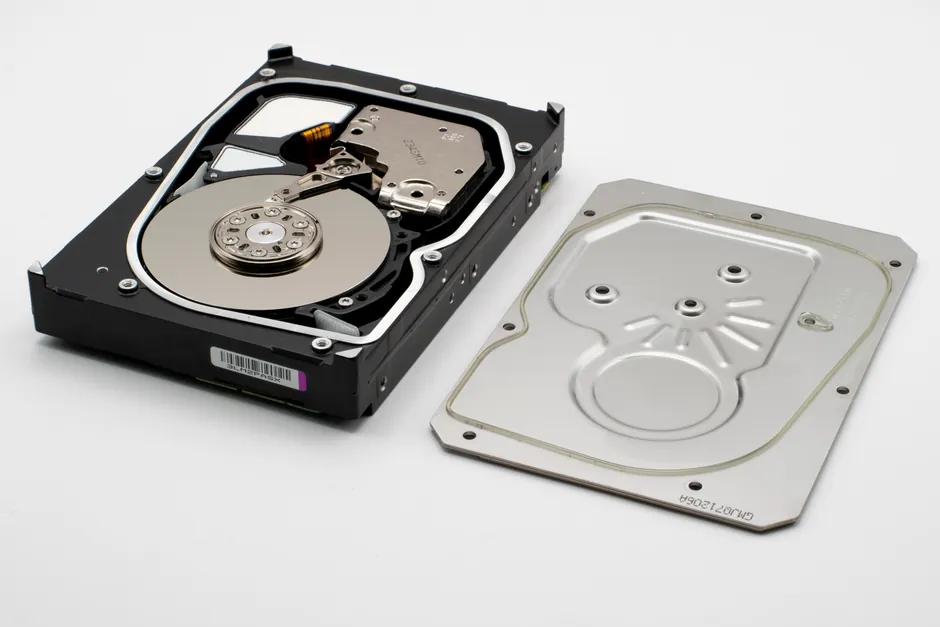
Ferrite permanent magnets are the most mature rare-earth-free option for traction motors, but they deliver roughly 30 percent more mass than NdFeB designs at equal output, making them a partial substitute rather than a drop-in replacement for EV drivetrains.
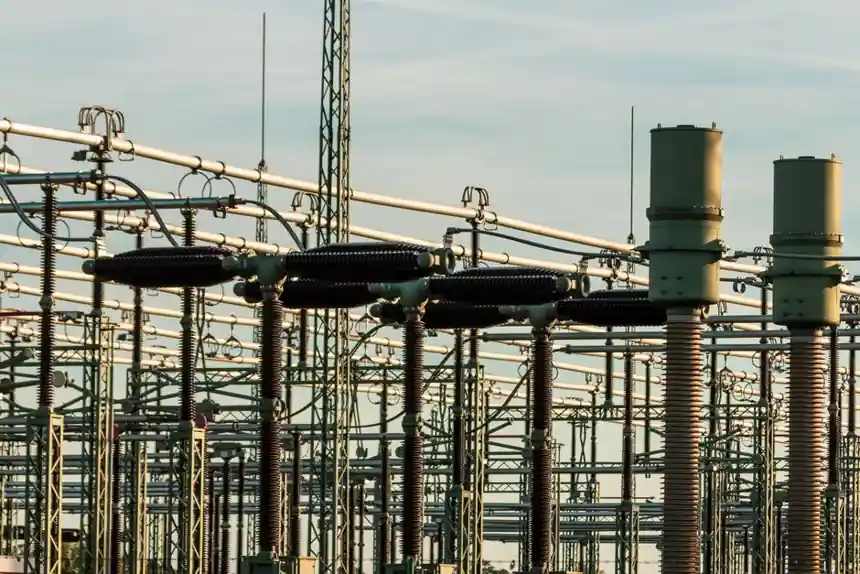
MnZn ferrite cores dominate transformer and inductor supply below 5 MHz, while NiZn grades take over above that threshold; selection turns on permeability, loss, saturation flux density, and shape. Toroids, E-cores, pot cores, and planar geometries split the market by frequency, power, and EMI needs
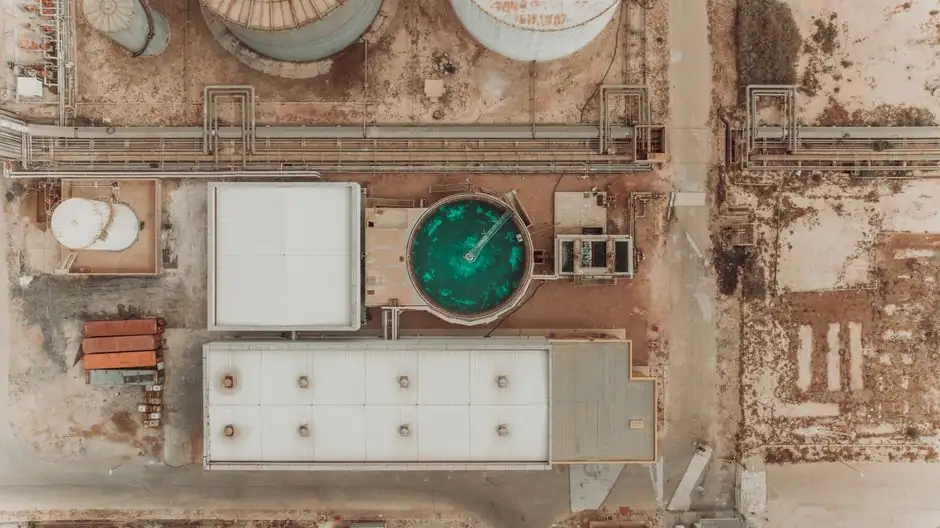
Ferric chloride (CAS 7705-08-0) and aluminium sulfate (alum, CAS 10043-01-3) remain the two dominant primary coagulants for water utilities, with 2026 FOB pricing of $320–420/MT for liquid 40% FeCl₃ and $180–250/MT for granular alum. Ferric chloride excels at phosphorus removal, cold-water floc sett
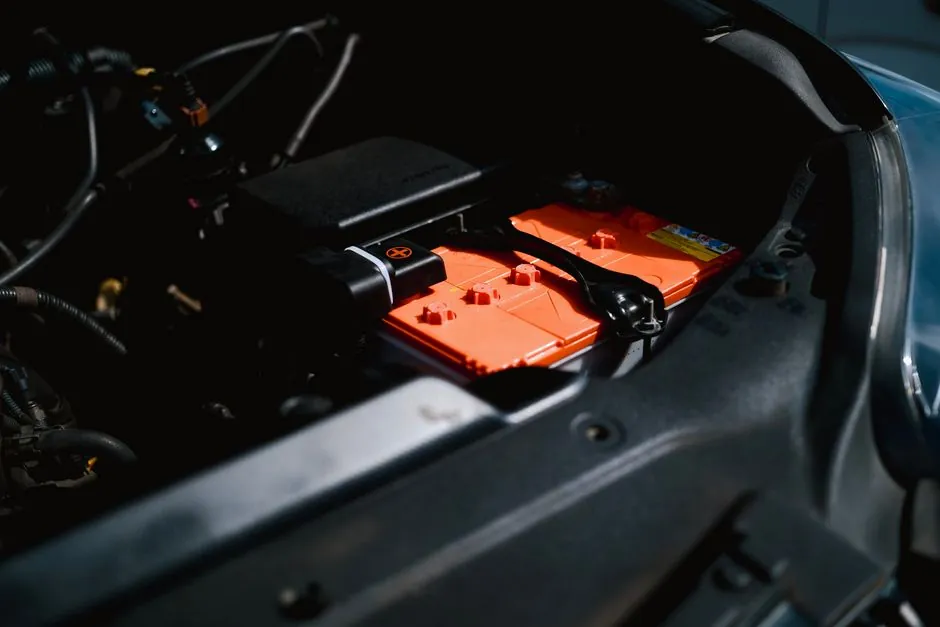
Battery energy storage systems and clean-vehicle packs lose the 30% to 40% Investment Tax Credit when FEOC Material Assistance Cost Ratio thresholds are tripped, and tracing is now mandatory for covered battery components, minerals, and constituent materials under DOE and Treasury rules updated in 2
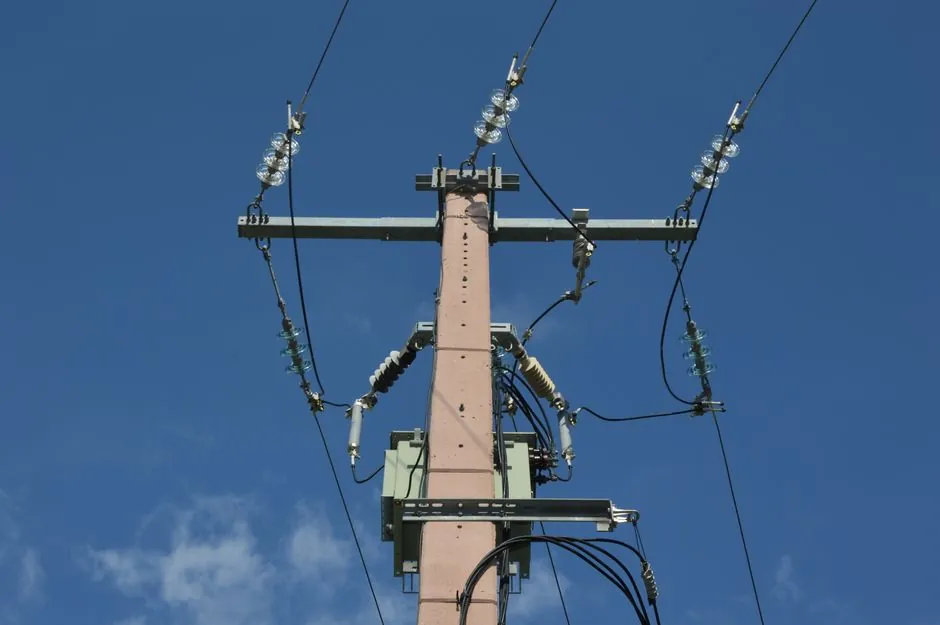
Extra-high-voltage (EHV) cable plants are sold out through 2026, with Western order books of USD 9.0-19.9 billion and DC lead times above five years. New capacity from Prysmian, NKT, Nexans and Taihan targets 2027-2030, but queue length still exceeds supply.
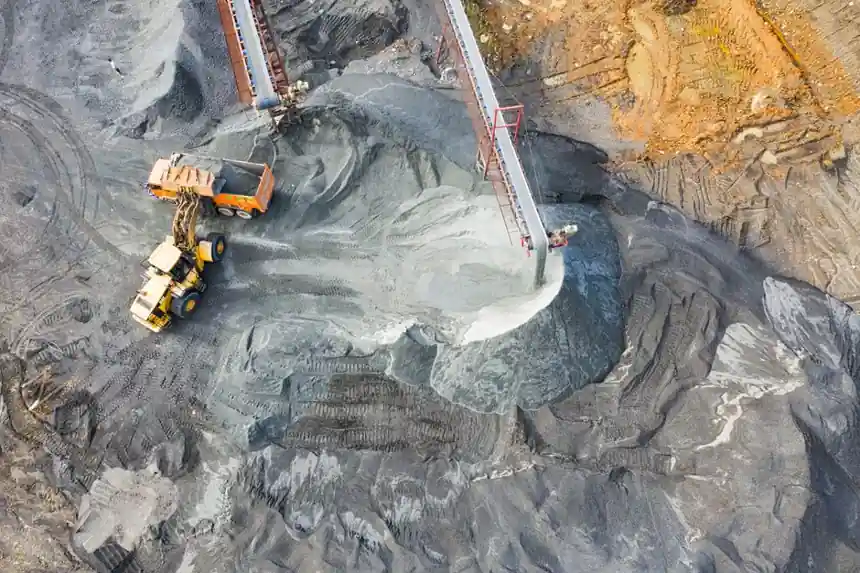
Mining absorbs 42.5% of global ammonium nitrate explosive demand in 2025, with ANFO making up roughly 80% of explosives used in North America. Supply has been volatile: Russia imposed an export ban from February to May 2022, and global AN prices rose 230% to 0.7 $/kg by Q4 2022 before easing.

Transformer expedite premiums of 15-30% above list price now buy partial schedule relief, not guaranteed delivery, as 2026 lead times sit at 30-50 weeks for distribution units and 100-128 weeks for large power units. Buyers mitigate with remanufactured stock, capacity contracts, and component-level

About 95% of EVs use rare-earth permanent-magnet traction motors, and roughly 90% of processed rare earths still come from China, so NdFeB supply remains the single largest magnet-side risk for OEM electrification roadmaps in 2026.
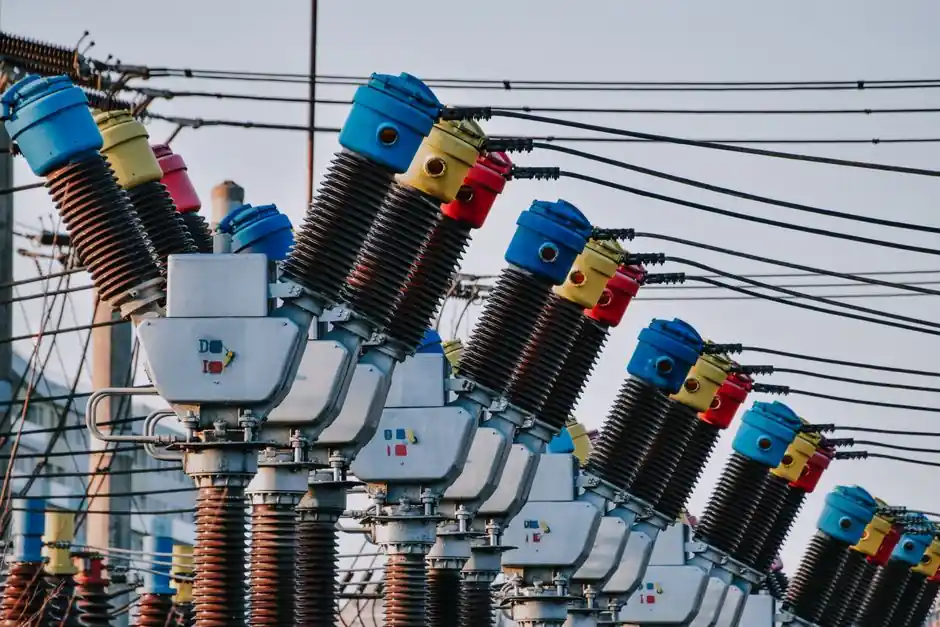
EV high-voltage connector and harness supply is being reshaped by 800V platforms, zonal E/E architectures, and a projected 12.83% CAGR through 2035, with the high-voltage connector segment alone forecast to grow from $3.17B in 2025 to $11B by 2035.
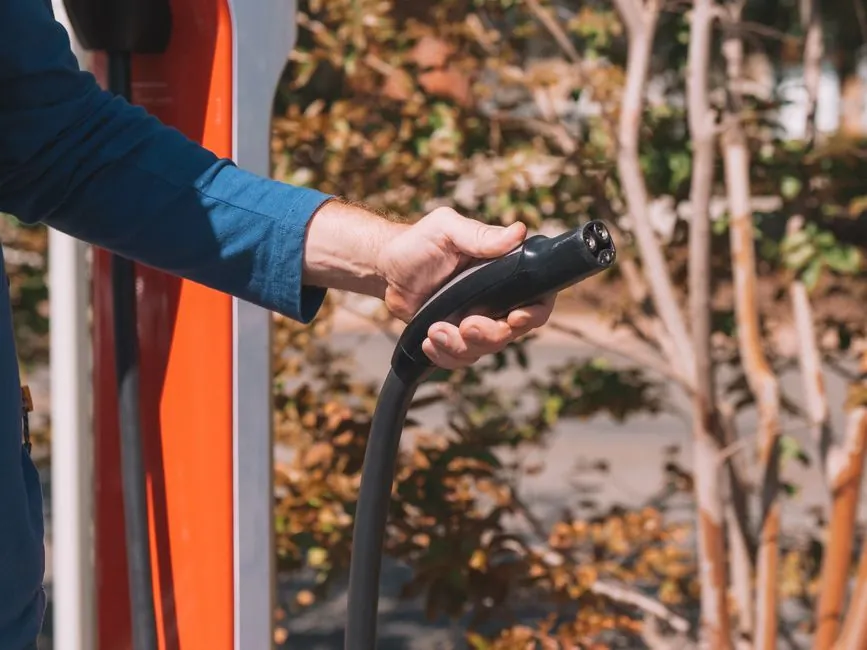
Global demand for EV charger power modules is on track from USD 4.54B in 2026 to USD 24.02B by 2033, with SiC MOSFET modules from STMicroelectronics (January 2026) and 30 kW AC-DC stacks from Ador Powertron (October 2025) reshaping fast-charge converter design.
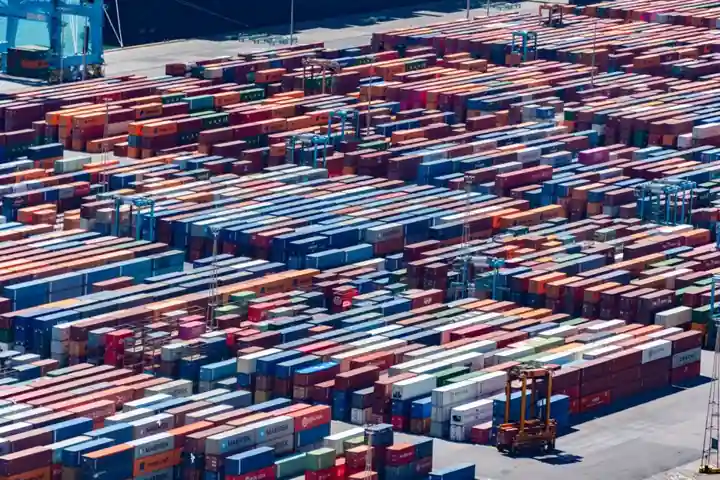
EV battery pack localization rules, anchored by the U.S. Inflation Reduction Act, are reshaping cost structures: pack-level prices track raw-material exposure while North American assembly and IRA tax credits compress effective consumer prices by roughly three years of parity timing per ICCT modelin

ASML is shipping 65 low-NA EUV scanners in 2026 rising to 80-85 in 2027, while High-NA EXE:5200B systems priced at ~$380M each are sold out through 2027, with 10 systems live at 4 customers and 3 more shipping as of Semicon Taiwan 2026. Lead times run 12-18 months for new EUV, forcing fabs to either

EUV mask blank supply is functionally a duopoly: AGC and Hoya control the qualified low-thermal-expansion substrate + Mo/Si multilayer stack for sub-7nm logic, with S&S Tech and Applied Materials as documented challengers.

Multi-site data center builds run most cleanly when each campus pairs a regional staging warehouse with just-in-time delivery, with NEC Article 645 and UL 891-compliant power distribution installed before modular skids land. Roughly 2 million sq ft of industrial space is now absorbed per gigawatt of

Bisphenol A and epichlorohydrin remain the dominant feedstocks for commercial epoxy resin in 2026, with China controlling roughly half of global nameplate capacity and 1.1 million metric tons of additions between 2019 and 2024. Leaching of BPA from epoxy can coatings continues to drive regulatory ac

Semiconductor-grade epoxy molding compound (EMC) supply is tightening across BGA, QFN, and flip-chip lines as wafer thinning, HTRB reliability demands, and halogen-free mandates reshape the global EMC market, projected to grow from USD 2.067 billion in 2024 to USD 3.635 billion by 2030 at a 6.7% CAG
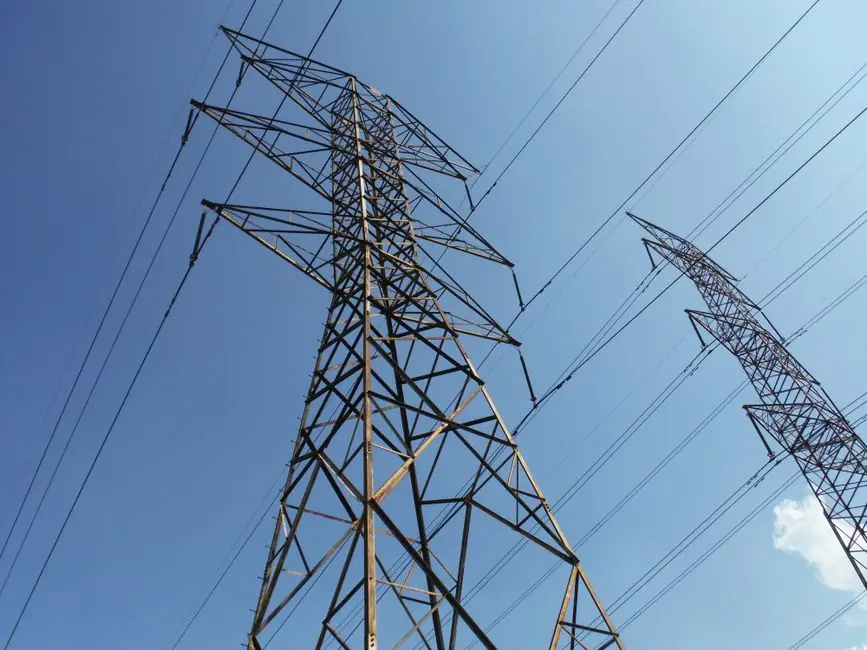
Global epitaxial wafer demand for power devices is driven by 200 mm automotive/power fabs and SiC epi for EV inverters, with the broader epi-wafer market valued at USD 4.36-4.52 billion in 2025-2026 and forecast to reach USD 9.12-10.70 billion by 2032-2033, while SiC layers remain the bottleneck.
Price-dependent EOQ models with distinct holding-cost functions are converging on a three-axis specification: nonlinear demand D(p), a separable h(p,t) or h(p,I) holding term, and a profit objective solved in closed form. The composite SKUs that need this treatment most are price-elastic, time-sensi
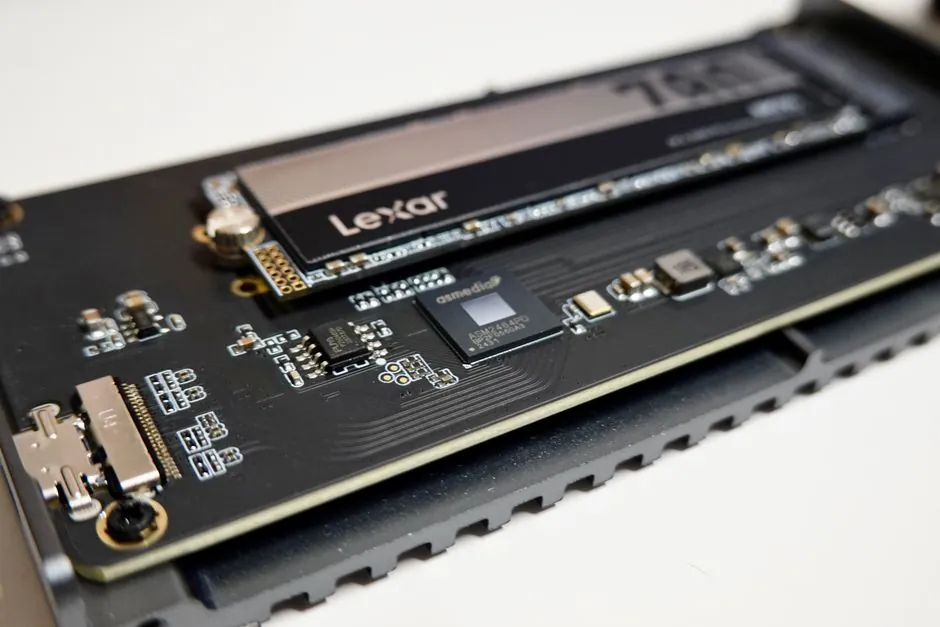
Enterprise SSD contract prices rose about 80% in Q1 2026 and TrendForce projects another +70–75% QoQ jump in 2Q26 as AI data-center demand absorbs NAND output. High-capacity QLC drives, shipping at 60TB to over 240TB per unit, hold 2026 production sold out, with no meaningful capacity expansion befo
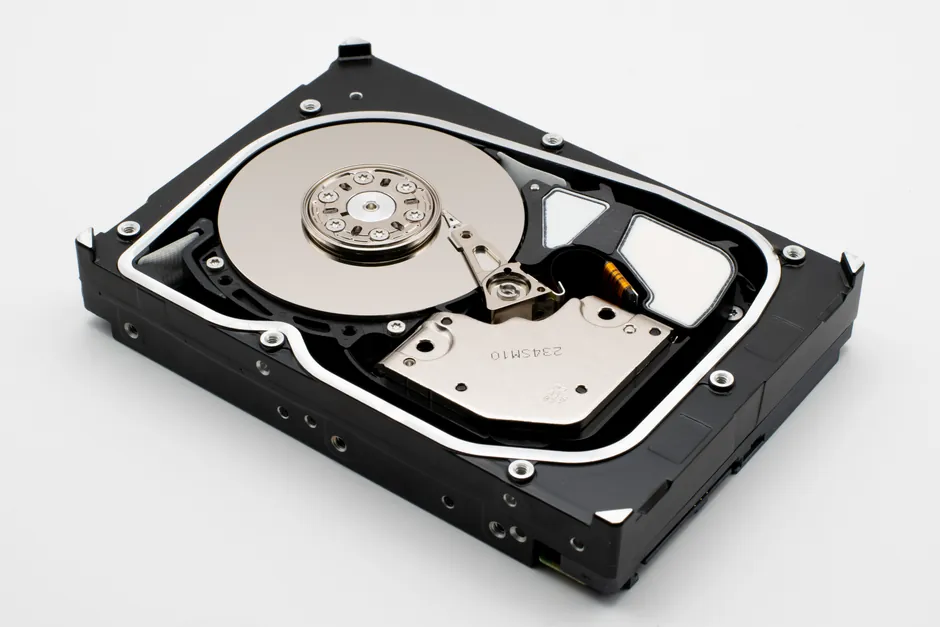
Enterprise nearline HDD capacity for 2026 is fully allocated, with hyperscaler AI buildouts stretching lead times past 52 weeks and pushing ASPs roughly 50% higher year-on-year.

Engineering plastic compound lead times in October 2026 are running 8-14 weeks for offshore Asia-Pacific grades and 2-5 weeks for North American regional stock, with BASF's June 15, 2026 $0.14-$0.20/lb hike and ongoing Strait of Hormuz petrochemical disruption reshaping sourcing math.

Sinto Advanced Ceramics Europe added aluminum nitride and silicon nitride to its ceramic 3D printing line in October 2026, expanding non-oxide options alongside alumina and zirconia. The four engineering ceramic families sort by hardness, toughness, thermal conductivity, and temperature ceiling, wit
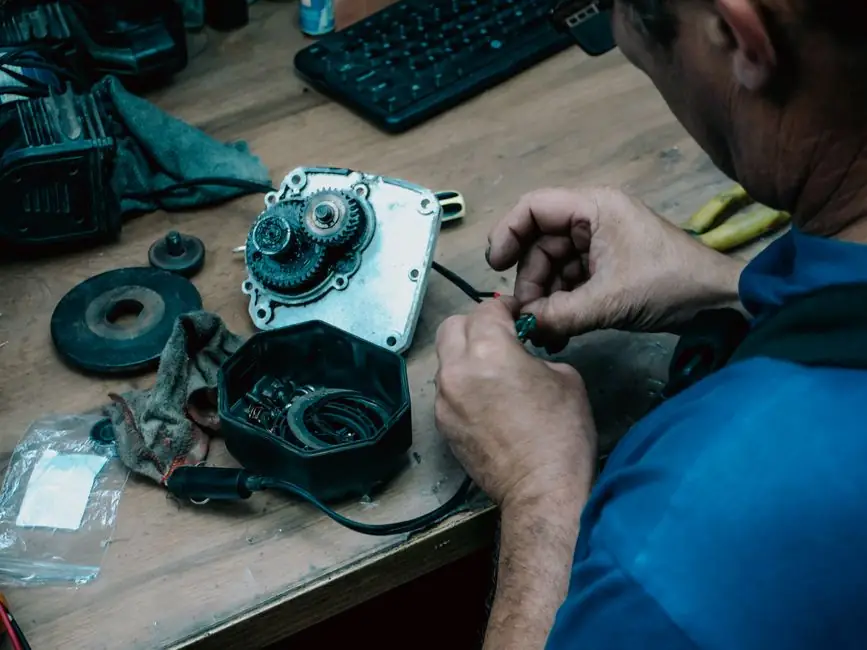
Resolver and optical encoder lead times for servo motors in 2026 sit roughly 10-26 weeks depending on resolution, protocol, and hazardous-area rating. Stock incremental encoders ship in 2-4 weeks, while resolver-equipped servo kits and high-resolution absolute multi-turn units drive the longest queu
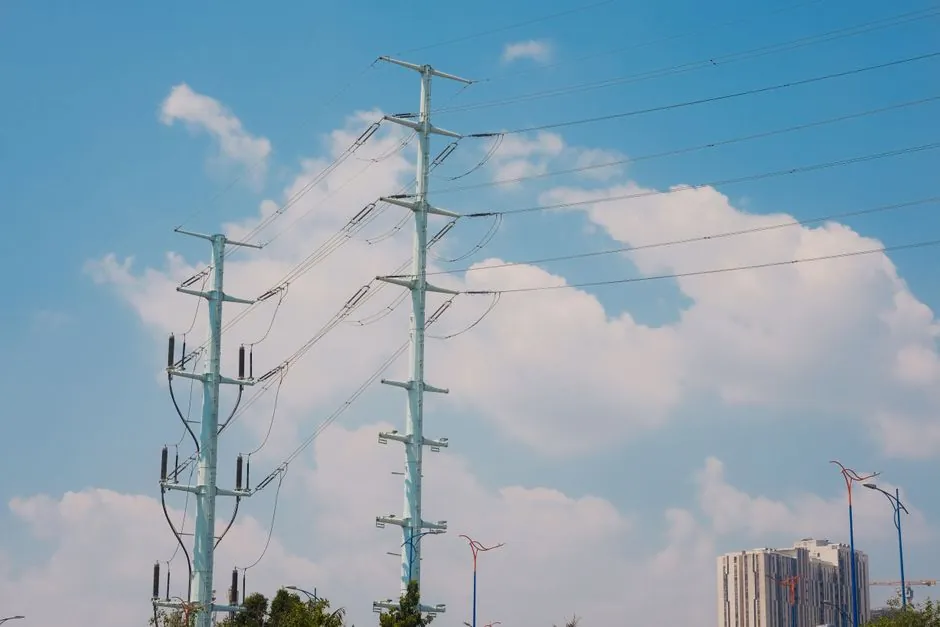
Enameled magnet wire supply for motors and transformers is anchored by a USD 38.51 billion 2026 global market growing to USD 49.27 billion by 2031 at 5.05% CAGR, with copper holding 72.13% share and 20-30 AWG dominating winding applications.

EML laser chip supply is the binding constraint on 800G and 1.6T optical transceivers through 2026, with Lumentum's 2025 EML plan near 60 million units (only ~2 million at 200G) and TrendForce projecting 800G+ shipments to jump from 24M (2025) to ~63M units in 2026. Buyers are shifting to CW lasers
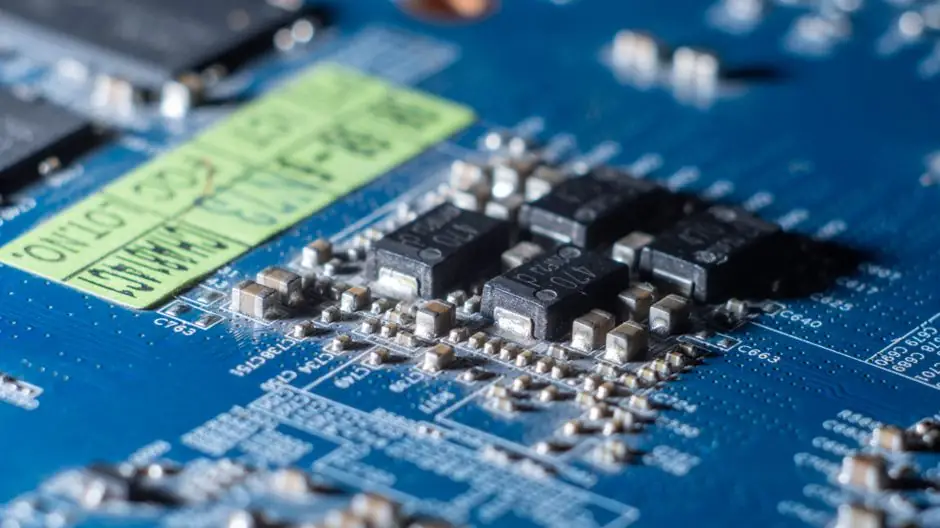
Lifecycle status and source count are the two highest-leverage axes for scoring electronics BOM risk in 2026, and a Luminovo review of 38,000 assemblies found 75% carry at least one NRND, EOL, or obsolete line. AI data-center demand is amplifying exposure on memory, HBM, power management, and fiber
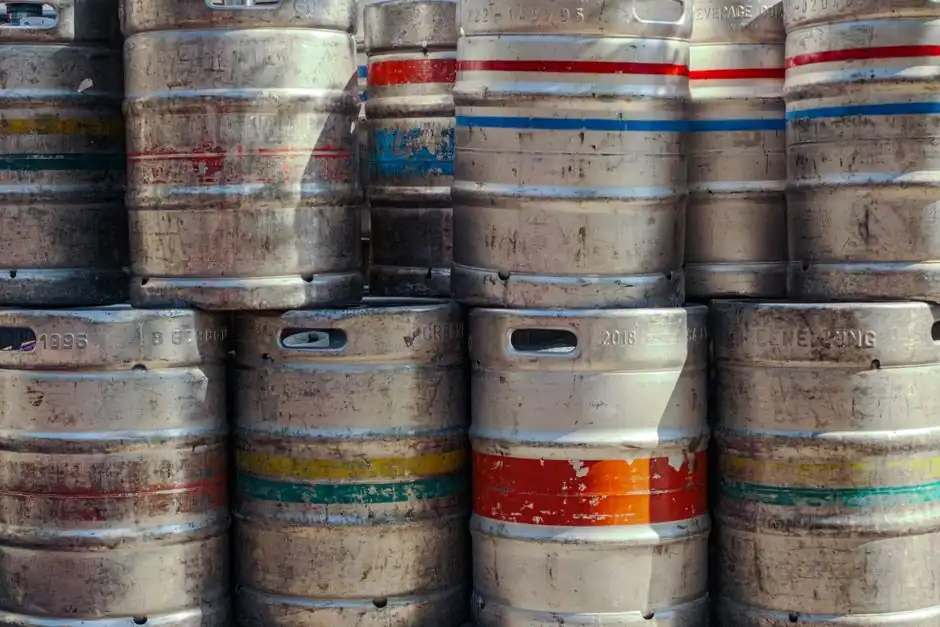
Alkaline electrolyzers held 84% of projects under construction worldwide in 2026 and remain the cheapest stack per kW, while PEM holds the high-purity, fast-response niche and is capped by roughly 7-8 tonnes/year of global iridium output and incoming EU PFAS rules. AEM is the third route still provi
Electrolyzer rectifier lead times in October 2026 sit in a 40-60 week band for IGBT/thyristor AC-DC cabinets, driven by shared semiconductor, magnetic, and capacitor demand from EV charging, AI servers, and industrial automation. Buyers should qualify dual sources, build a 12-week safety stock on sp
Over 60 major green hydrogen projects were cancelled in 2025, removing roughly 4.9 Mtpa of capacity, while 1.88 GW of EU Hydrogen Bank winners withdrew and the US DOE terminated $7 B in hydrogen hub funding in October 2025, reshaping the 2026 electrolyzer delivery pipeline.
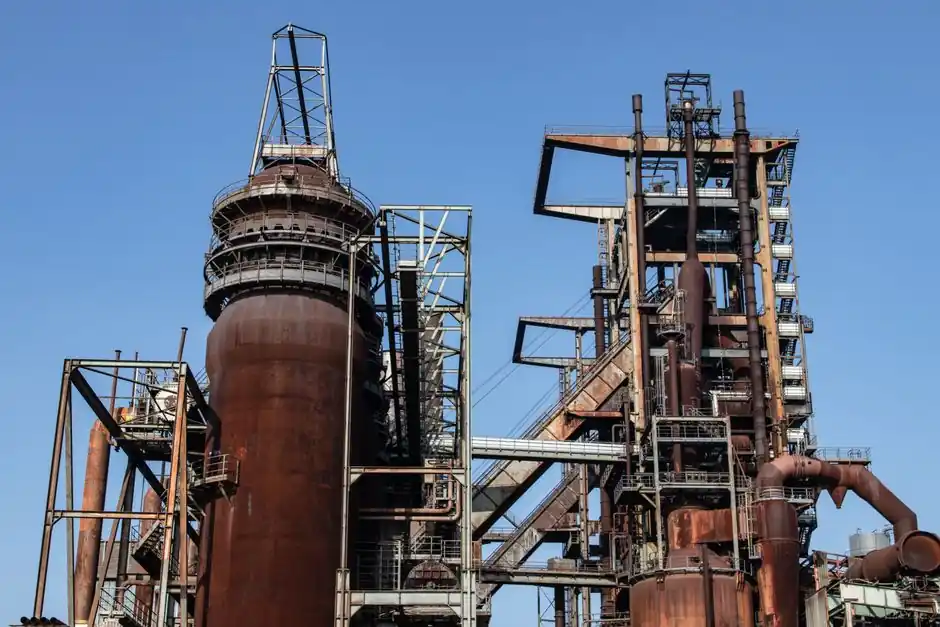
EAF electrode and refractory cost control centers on cutting graphite consumption from 1.5–2.2 kg/t baseline through arc-stability AI, shorter tap-to-tap time, and tighter scrap quality, saving $1.5–3M annually on a 300,000 t/yr shop.

Edge AI inference server hardware hit $8.4B in 2025, with industrial automation overtaking enterprise IT deployments for the first time and 22.6% CAGR projected to 2034. Supply is split between Siemens-style industrial-edge appliances, Lanner/Advantech rugged servers, and Jetson-class compact nodes

Early equipment procurement on fast-track industrial projects targets long-lead items first, with EPC procurement strategy capable of cutting total project cost 15-30%. The core tactic: release purchase orders before design is complete, lock long-lead equipment and switchgear early, and approve fast
E-axle volume programs carry a documented single-source dependency across motors, inverters, gearboxes, and bearings that halts production when any one node fails. Tier-1 mitigation clusters suppliers by component category, tightens tolerances to ±0.01mm, and demands Cpk ≥1.67 to keep quality deviat
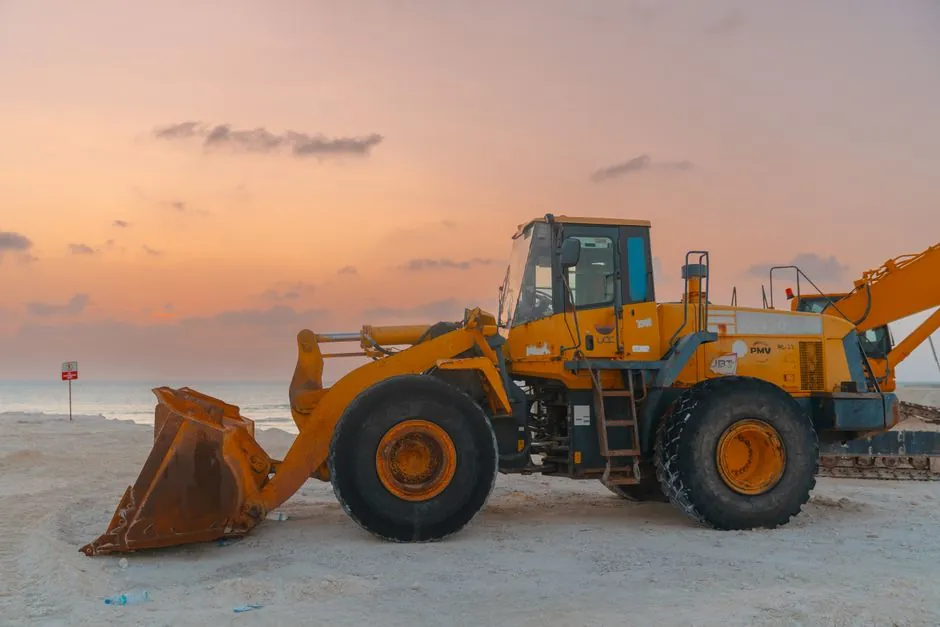
Duty drawback lets U.S. importers recover up to 99% of duties, taxes, and fees on goods that are later exported or destroyed, with claims filed within five years of importation under 19 U.S.C. §1313. For industrial-equipment buyers shipping VFD-duty motors or construction machinery through U.S. port
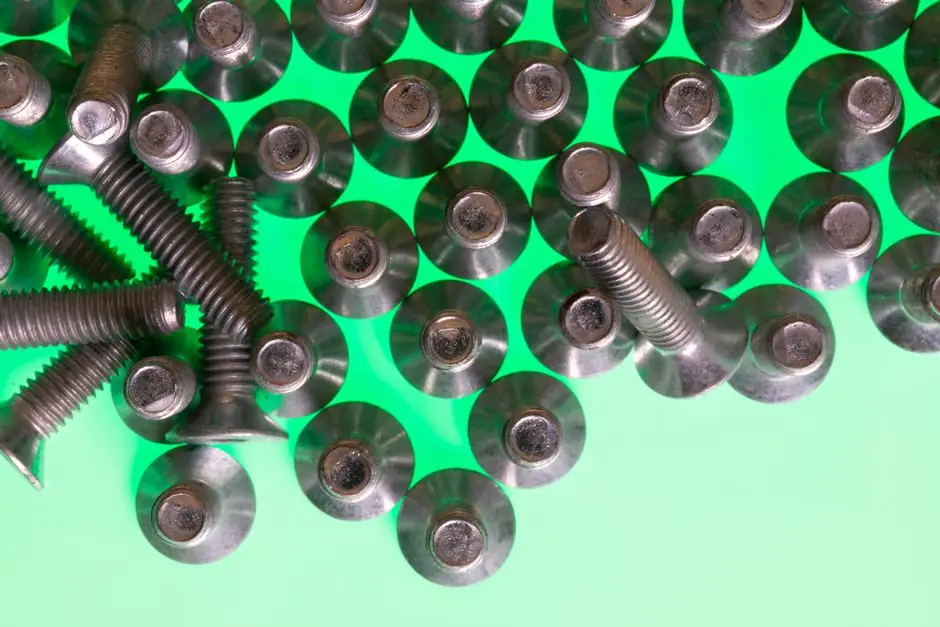
Mill-direct duplex stainless plate and pipe lead times sit in the 12 to 24 week range as of October 2026, roughly double the 8 to 12 week window for standard austenitic grades, with domestic stock able to deliver 1 to 4 weeks for super duplex plate. Market size is projected at USD 4.71B to USD 5.83B
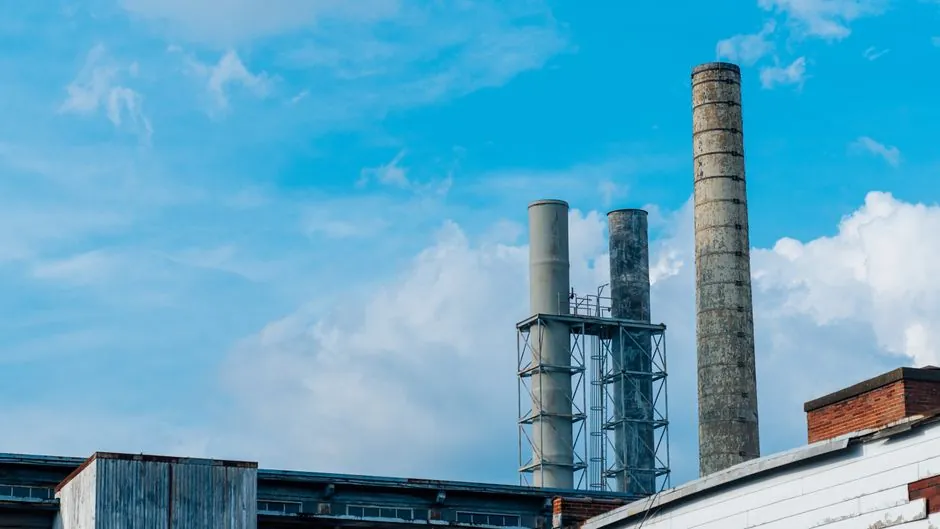
Ductile iron pipe delivery windows in 2026 sit in a 4 to 12 week range for stocked diameters, with non-stock or specialty items stretching further. Standard AWWA C151 diameters, common push-on joints, and standard cement-mortar lining carry the shortest lead times. Restrained joints, special linings
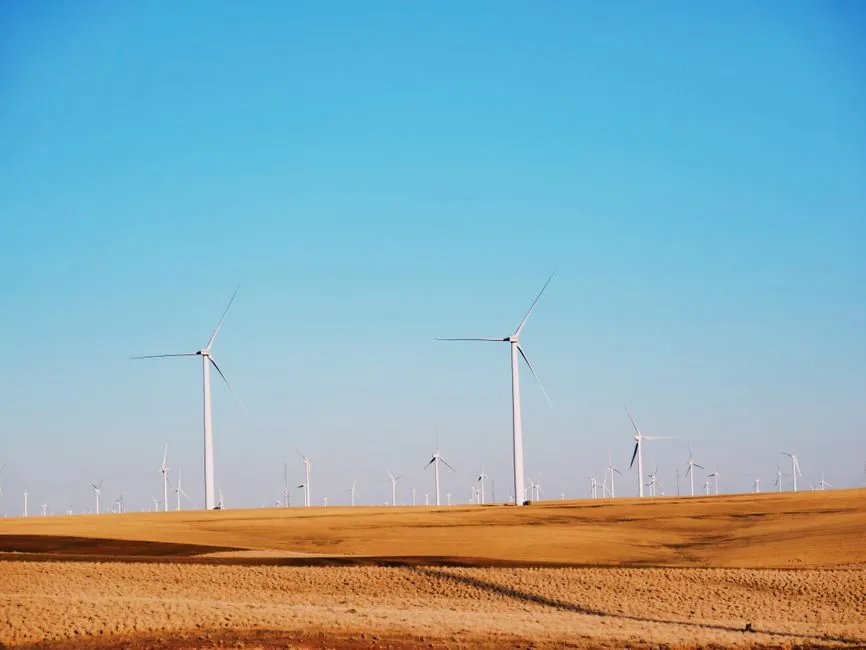
Ductile iron (EN-GJS-400-18U-LT, 65-45-12 class) is the default material for wind turbine hubs cast as single pieces up to 4 m across for onshore units. Global casting market sits at USD 3.9-4.9 billion depending on source, with ductile iron holding 44.8% material share and hub castings alone accoun
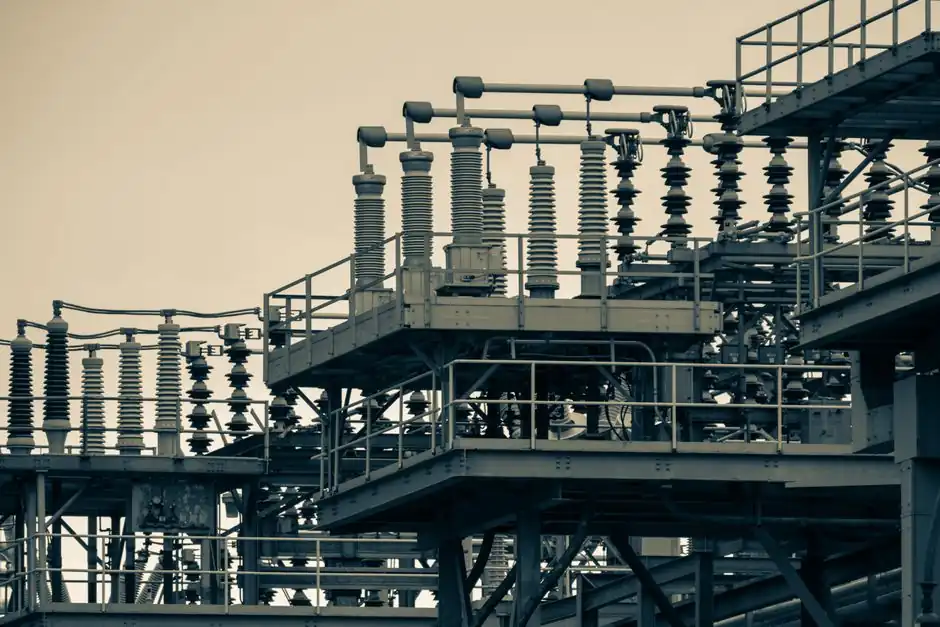
Dry-type transformers cost 35-50% more upfront than oil-filled units at the same kVA, but skip oil containment and save $700-1,500/yr in maintenance. Oil-filled wins on TCO above 50% loading; dry-type wins below 30% loading. Lead times run 8-12 weeks standard, 14-20 weeks for custom designs.
U.S. data center chiller lead times average ~35 weeks in 2026 (range 12–60 weeks for water-cooled units); dry coolers ship in 8–16 weeks, with dry-coolers holding 18.11% of the U.S. data center coolers segment.
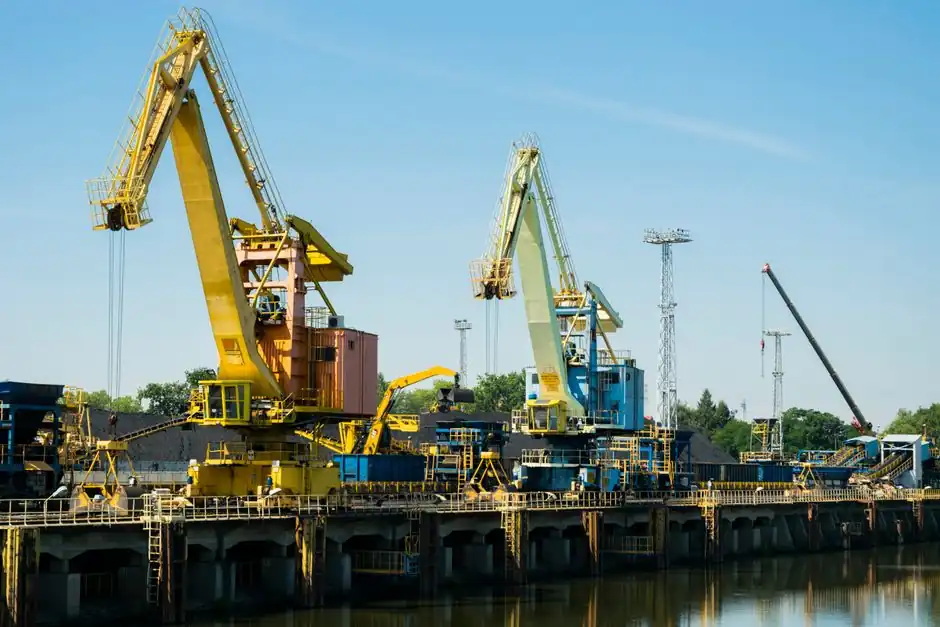
Direct Reduced Iron (DRI) and Hot Briquetted Iron (HBI) production cuts steelmaking CO2 by up to 50% on natural gas, and up to ~90% on hydrogen-based reduction, making new merchant DRI/HBI supply the critical enabler of low-carbon steelmaking through 2026.
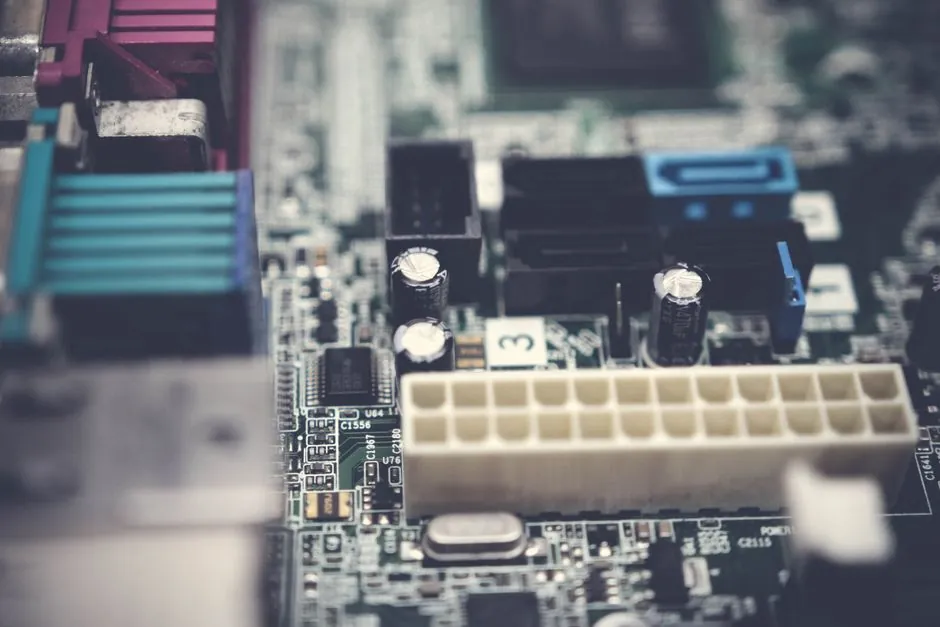
Kingston, Etron, and Intelligent Memory are shipping 16 Gb and 32 Gb LPDDR4/4X discrete DRAM in industrial temperature grades (−40°C to +95°C) at 3733–4266 Mbps, giving embedded board designers a mature, broadly supported alternative to LPDDR5 as of October 2026.
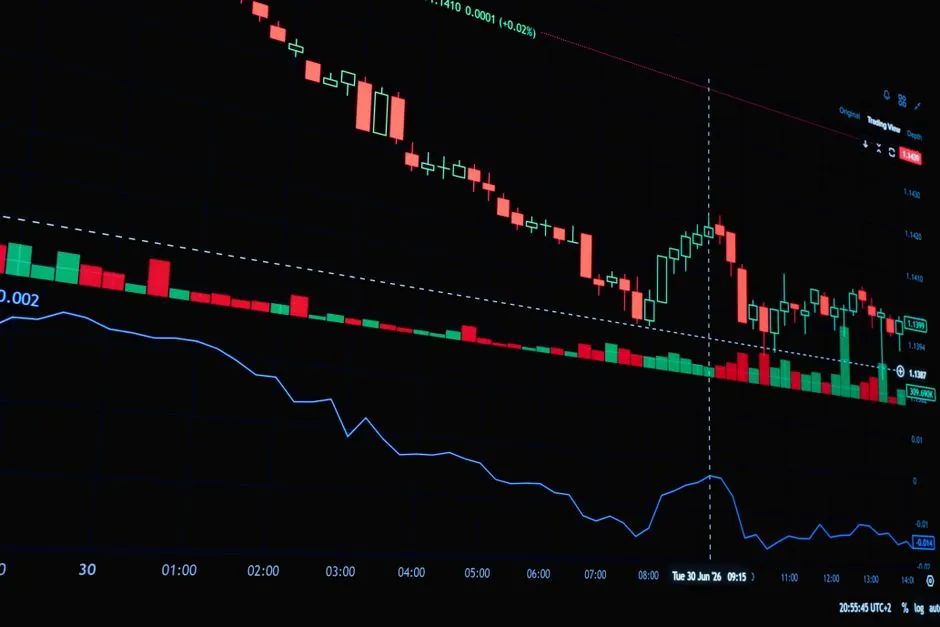
DRAM contract negotiations in late 2026 are running in a bifurcated market: HBM and HBM4 ASPs are forecast +121% YoY for 2027, while conventional DRAM contract momentum has cooled to roughly 0–5% QoQ in Q4 2026 after +13–18% in Q3.
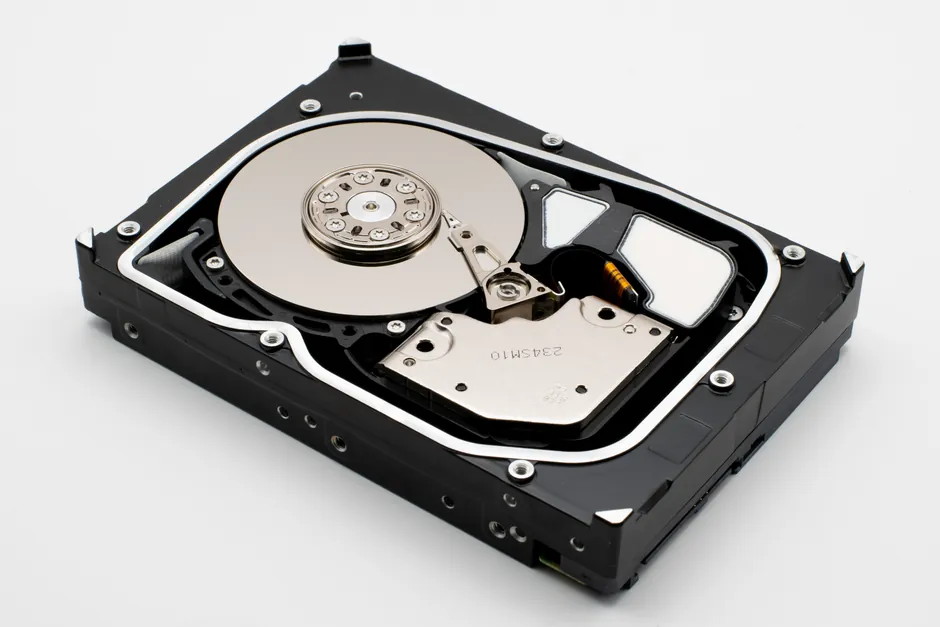
DRAM wafer capacity is being diverted to HBM at a roughly 3-to-1 ratio, pushing DDR4 and DDR5 contract prices up 93 to 98 percent quarter-over-quarter in Q1 2026 and leaving DRAM channel inventory below 10 days.
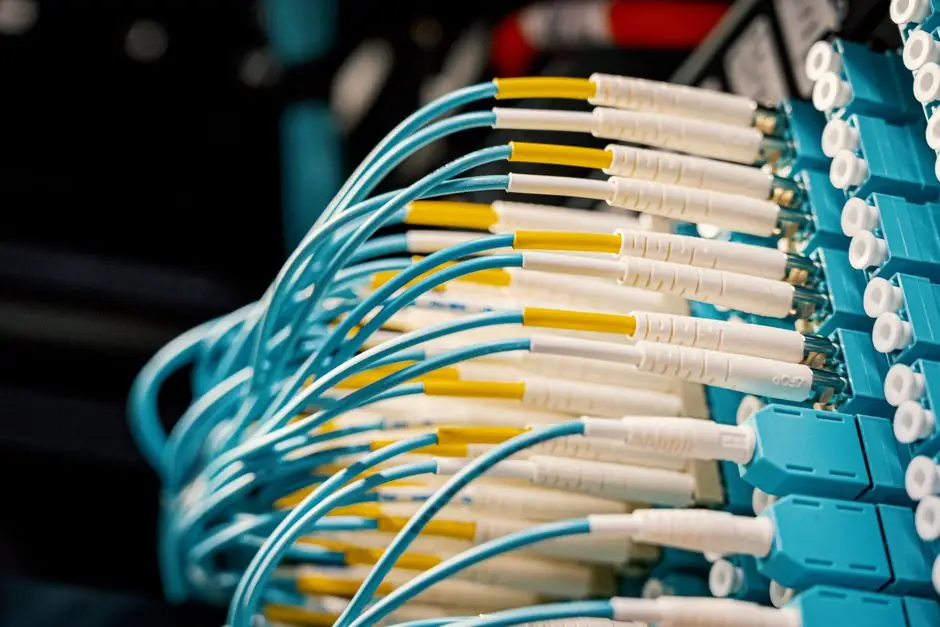
Power availability, not equipment lead time, is the dominant binding constraint delaying new US data center builds in 2026, with grid interconnection queues stretching 36 to 84 months while critical electrical equipment lead times top out near 144 weeks.
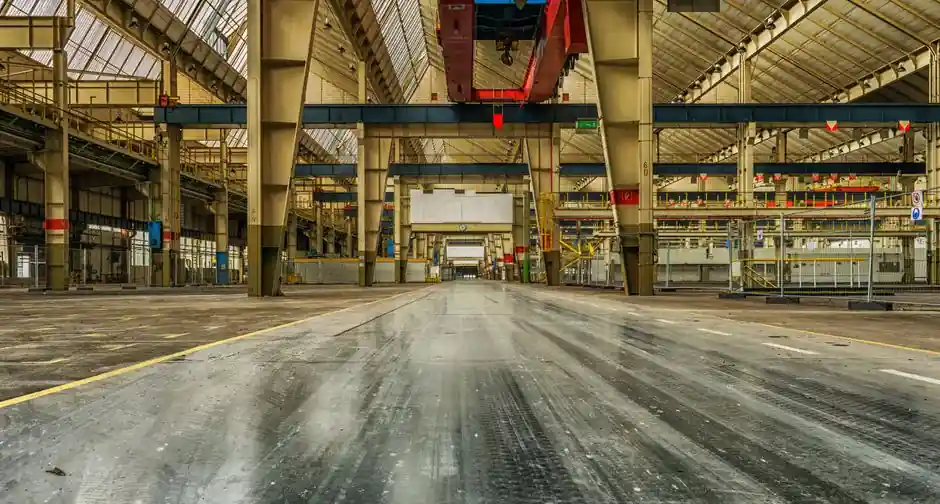
Moving only the final assembly of imported industrial equipment to the U.S. does not automatically change its tariff classification or country of origin. Substantial transformation, USMCA rules, and Section 232 knock-down provisions decide the actual duty owed, which for construction equipment can r
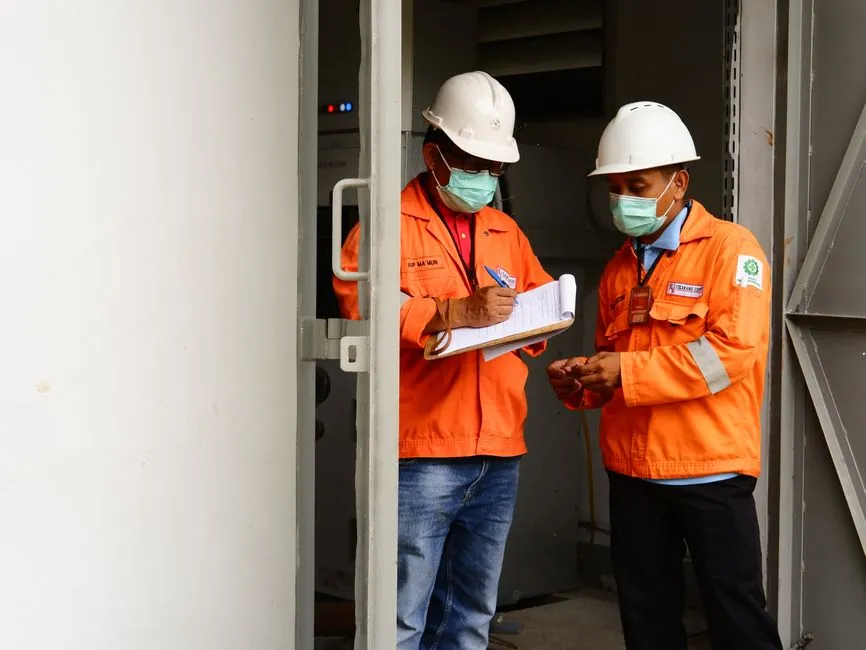
Buying power transformers direct from the OEM or a remanufacturer typically shortens delivery by months versus routing the same order through an EPC contractor, with 2026 North American merchant lead times running 1-4 years for utility-class units, 128 weeks for power transformers, 144 weeks for gen
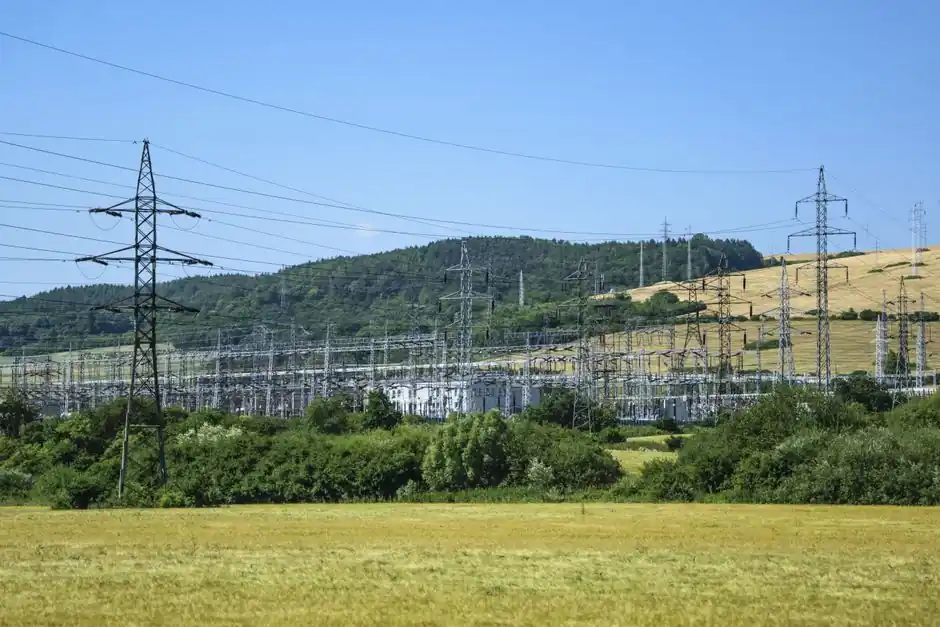
Distribution transformer lead times in 2026 run 30 to 65 weeks depending on kVA class, with 500-5,000 kVA pad-mounts tightest at 40-65 weeks versus 12-26 weeks for off-the-shelf catalog units. Pre-pandemic baseline of 8-12 weeks is no longer available from major OEMs.
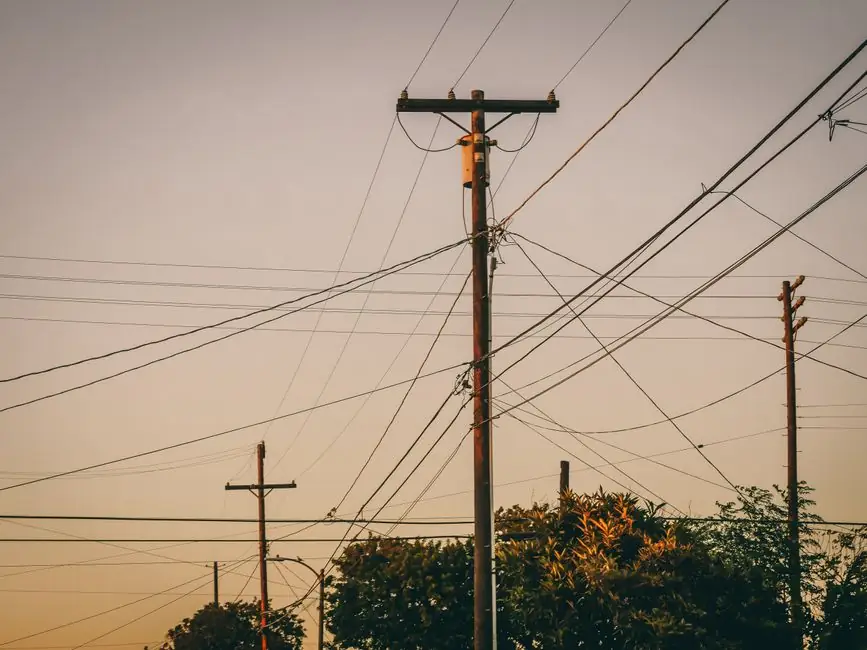
Recloser and sectionalizer deliveries are tightening through October 2026 as grid-modernization and renewable-integration demand collide with component shortages across distribution-automation hardware. Utilities are extending lead times for three-shot and four-shot recloser controls and the pole-mo
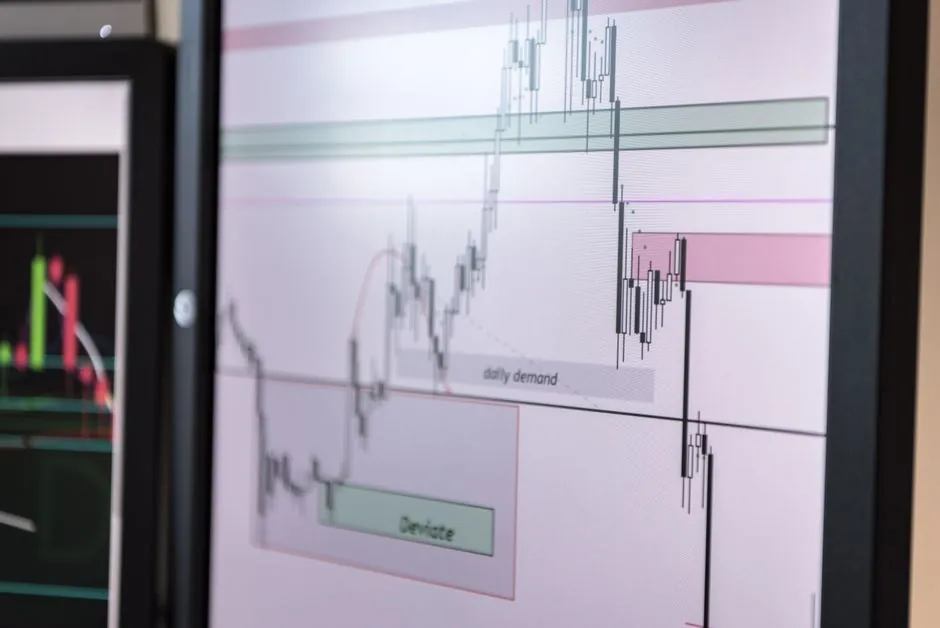
Global display panel fab utilization is set to drop about three percentage points to 80% in October 2026 as TV and IT demand softens, with Chinese suppliers using Lunar New Year maintenance windows to tighten supply.

Direct lithium extraction (DLE) compresses brine-to-lithium cycles from 12-24 months to hours or days at 70-90%+ recovery, with U.S. commercial production slated within two years by EnergyX and Lithios as of April 2026.
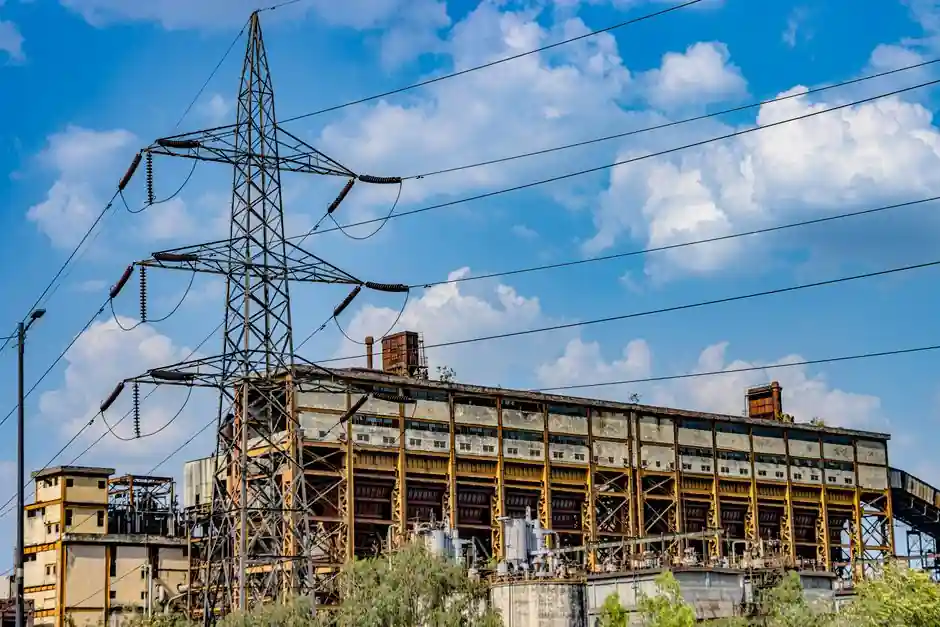
New 2 MW and 3 MW diesel generators in 2026 carry factory lead times of 52 to 105+ weeks, with full commissioning typically 20-40% beyond quoted production windows. Tested used units ship in 1-4 weeks, often the lowest total-cost path.

After 3M exited PFAS by end-2025, data center dielectric immersion fluid procurement in 2026 splits into four families: engineered fluorinated, hydrocarbon PAO, synthetic ester, and water-glycol DTC. Synthetic PAO dielectrics price $12-$18/L; single-phase DTC holds 55% market share with a 75/25 wate
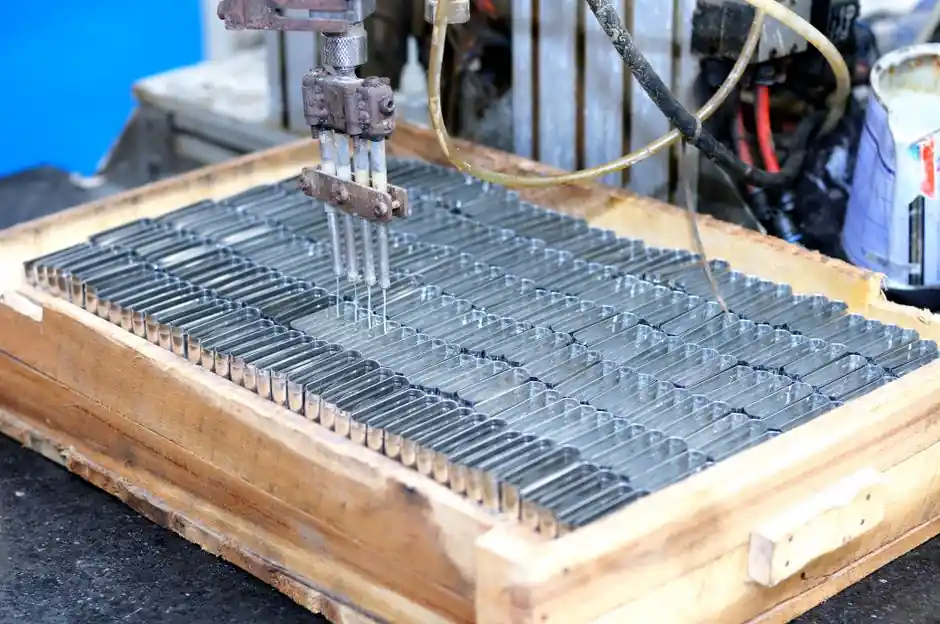
Die casting machine lead time in 2026 scales with clamp force: small 20-500 ton prototyping units deliver in 10-15 working days, while 4,001-10,000 kN mid-range machines dominate 53.08% of market installations, and 10,000 kN+ giga-press builds exceed 32 weeks from PO.
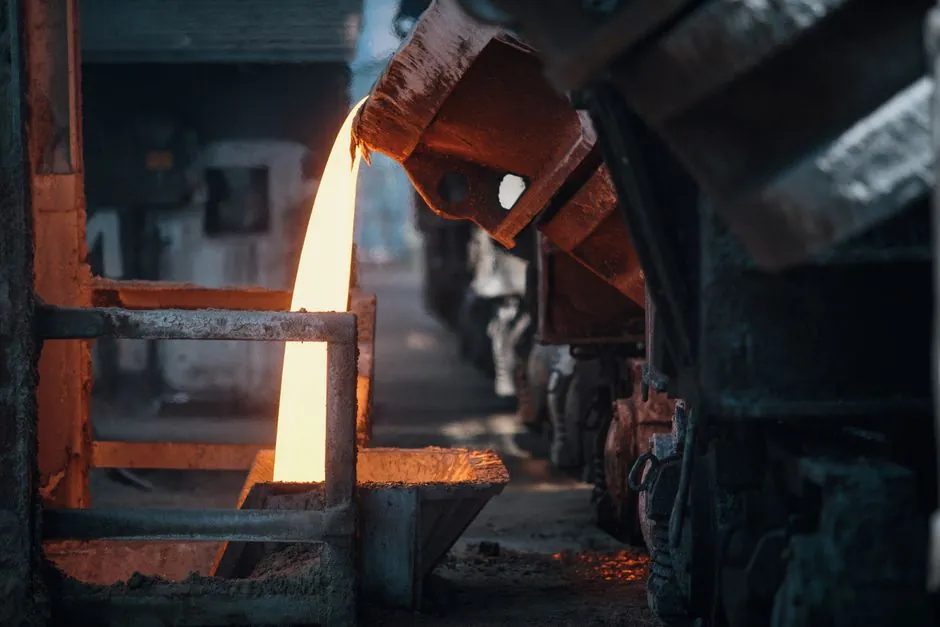
A new die casting die typically takes months to build because it is machined from hardened tool steel, and that single constraint sets the lead-time clock for every program: design release, tooling, trials, and qualification all hang off steel delivery and machining hours.
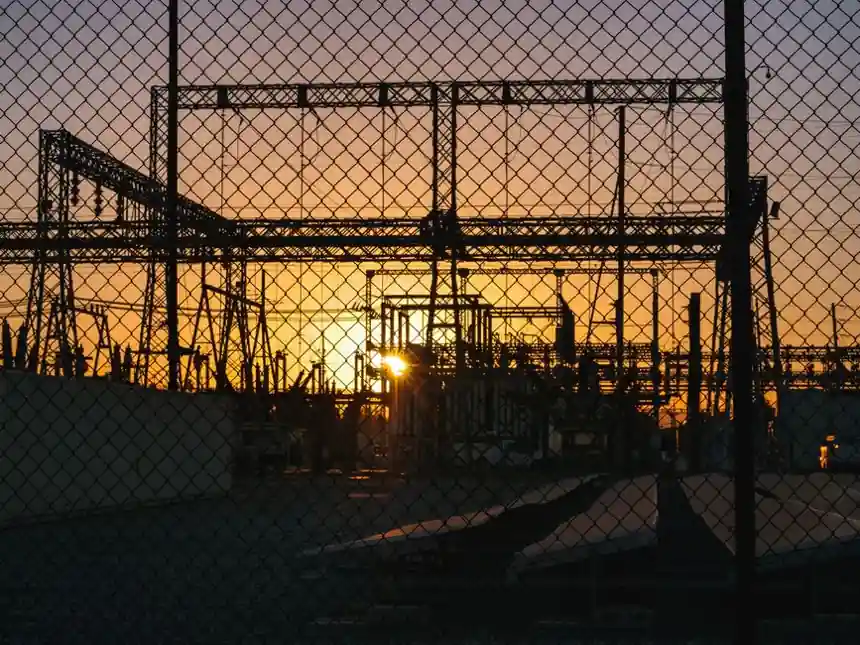
U.S. power transformer lead times hit 128 weeks in 2026, with generator step-up units averaging 144 weeks and prices up 77% since 2019. Design harmonization, standardizing kVA, voltage, impedance and tap ranges across a fleet, lets utilities and EPCs re-use factory slots and tap modular pre-eng
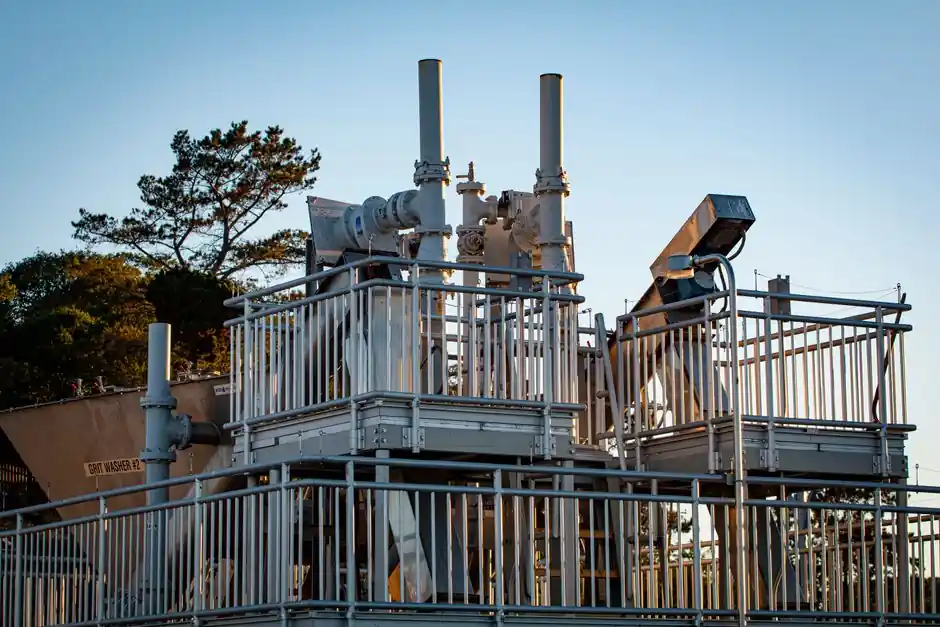
Seawater reverse osmosis plants pair high-pressure pumps with energy recovery devices to cut specific power consumption below 3 kWh/m³. Positive-displacement isobaric units dominate large SWRO trains at 95-98% efficiency, while Pelton turbines remain common where low power cost or high-pressure brin
DDR5 RDIMM supply in 2026 is contract-allocated, with 64GB server module pricing up sharply from September 2025 baselines and Q1 2026 contract resets near 95%. Hyperscaler long-term agreements absorb most HBM-adjacent DRAM capacity, forcing enterprise buyers to source RDIMM as a strategic, not defau
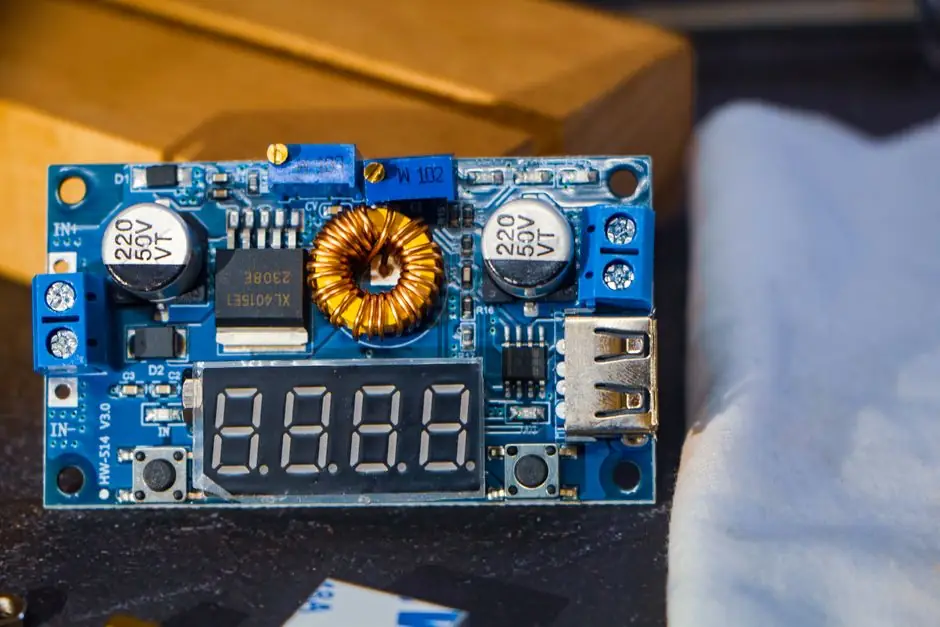
DC-DC converter module supply in Q4 2026 is shaped by extreme power-density demos, such as EPC's 6 kW 800 V-to-12 V module in an 8 mm profile shown at APEC 2026, and by broad vendor portfolios from TDK-Lambda and Microchip covering isolated and non-isolated topologies across industrial, automotive,
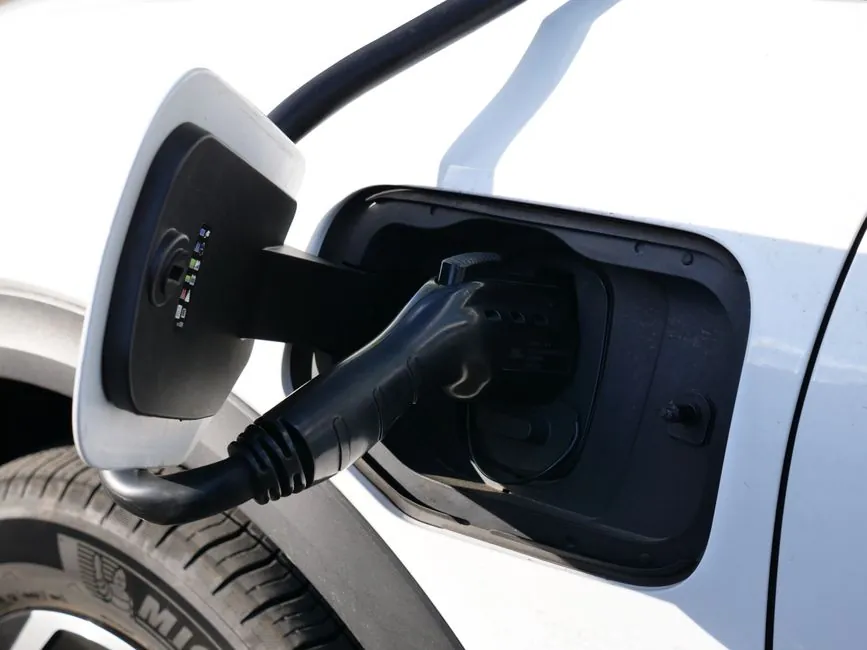
Standard DC fast charger orders ship within 2 weeks; custom configurations take 2-4 weeks, per OEM disclosures dated October 2026. Plan 2 weeks for stocked 50-150 kW units, 2-4 weeks for bespoke 350 kW or 480 kW systems, plus site installation on top.
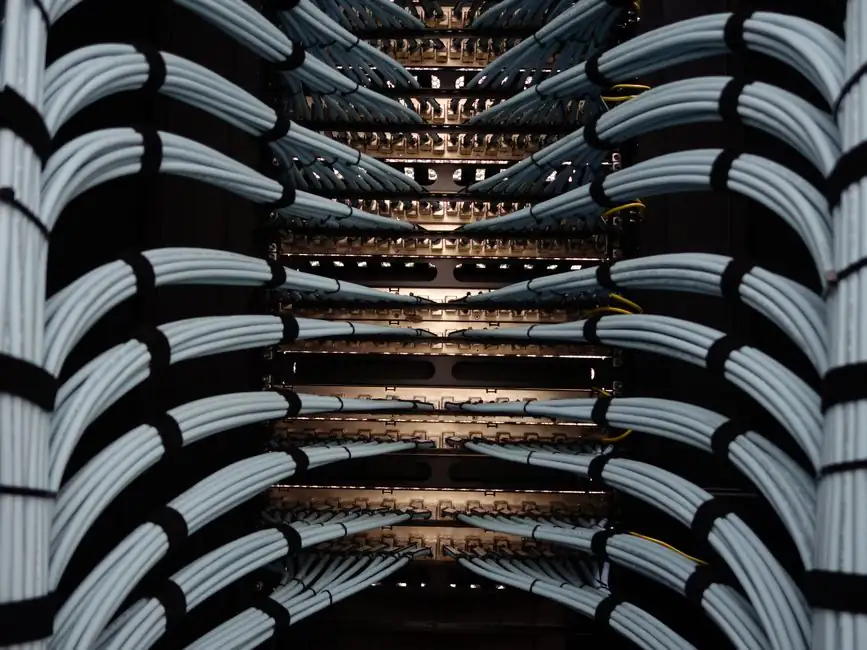
Data center medium-voltage switchgear lead times run 52 to 80 weeks at 15kV and 78 to 104 weeks at 38kV, with a 44-week industry average masking the wide band. Standardizing switchgear specs to the dominant 15kV / 38kV / 27kV common platforms and locking in approved-vendor lists before design freeze
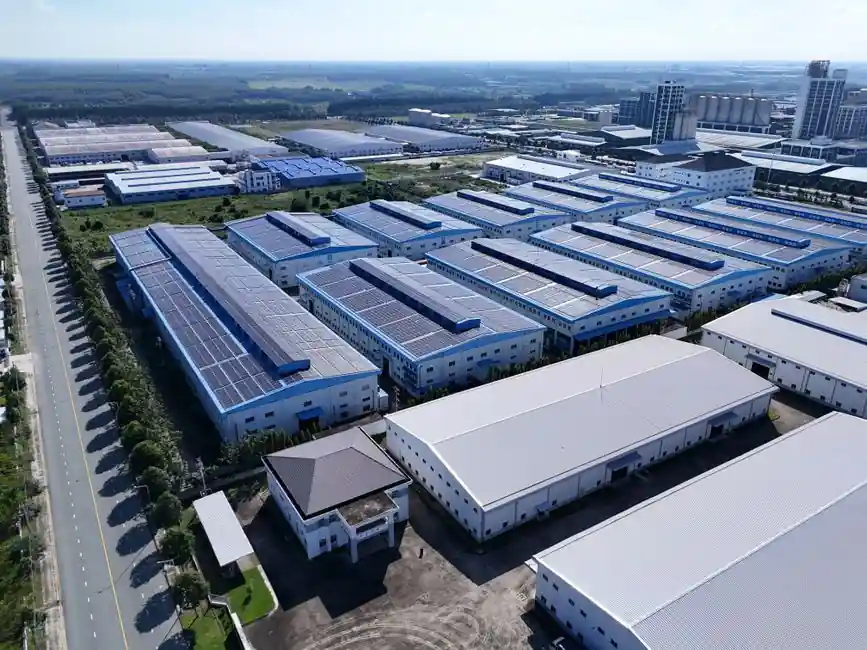
Data center structural steel and raised access floor lead times are now the gating constraint on AI-driven build schedules, with structural steel plus modular rebar cutting foundation cycles by up to 80% and high-density raised floors rated 2,000-3,000+ lbs supporting 25 kW+ per rack loads.
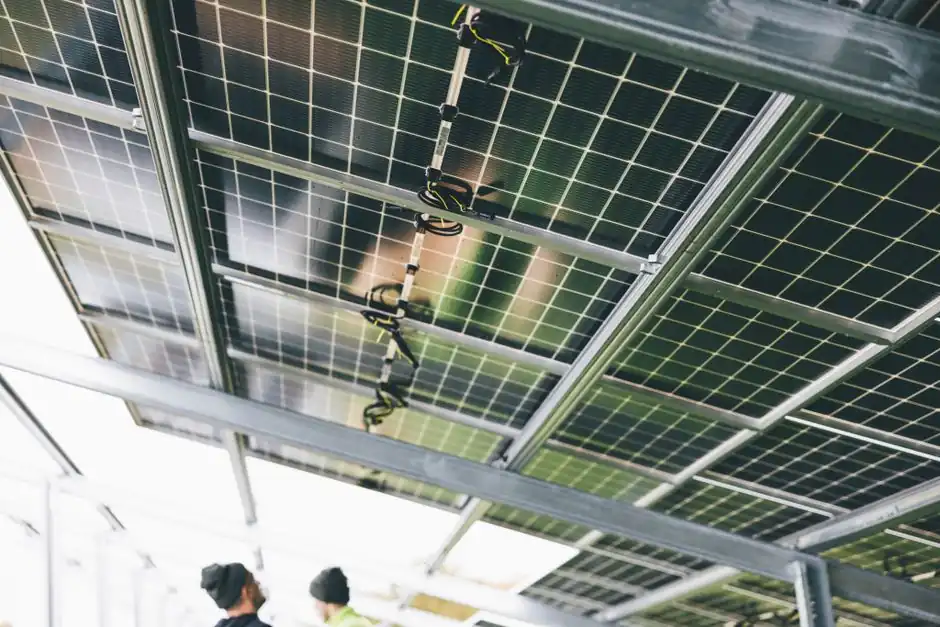
Prefabricated power modules for data centers cut deployment time by up to 60% versus stick-built sites, with 800 VDC architectures and 2N UPS topologies now standard in AI-scale builds entering 2026. Delta unveiled an AI modular solution at COMPUTEX 2026, while the global modular data center market
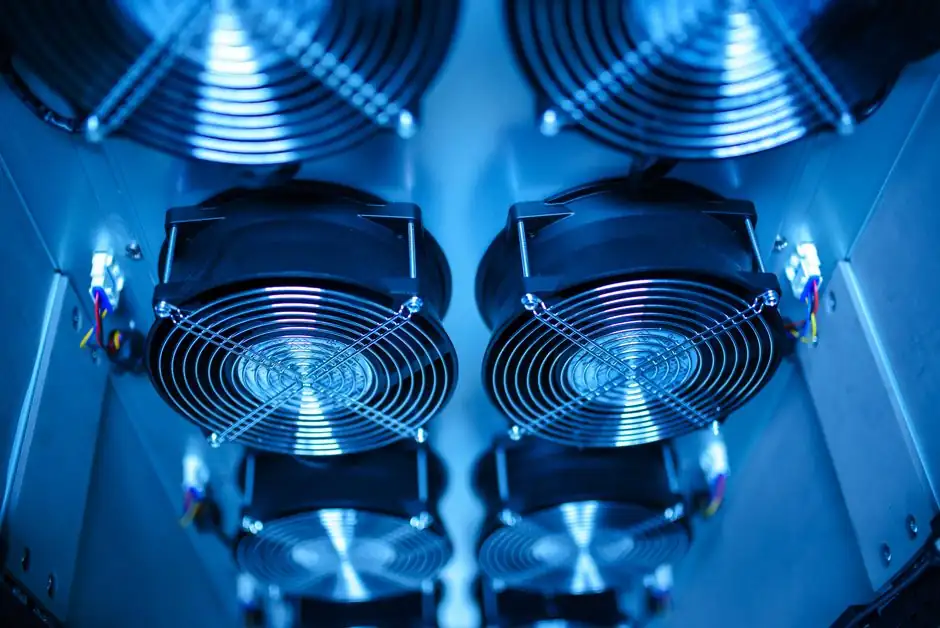
U.S. data center developers face a medium-voltage transformer and switchgear crunch in 2026, with high-capacity transformer lead times reaching 128-144 weeks and 30-50% of planned capacity at risk of delay, per Wood Mackenzie and Reuters reporting.
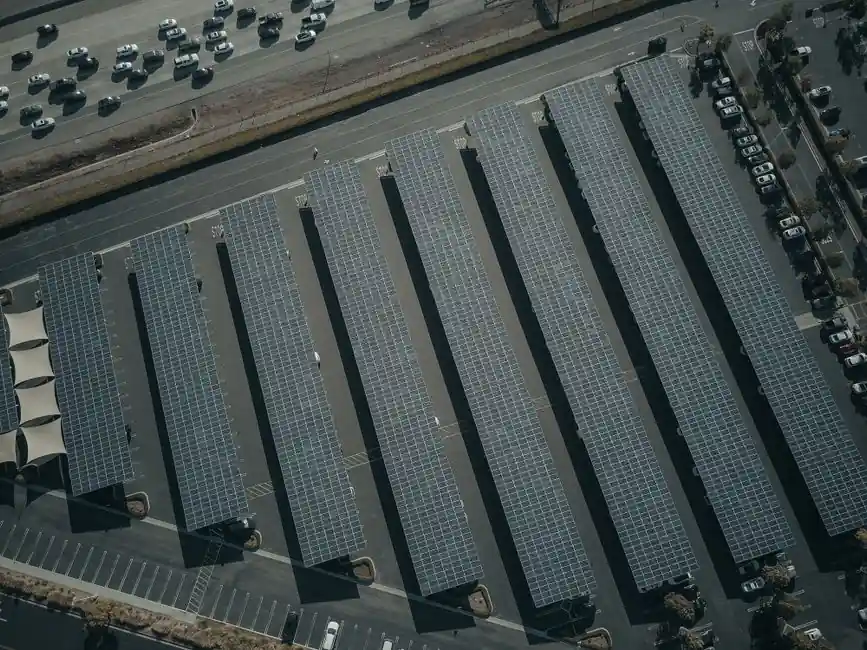
U.S. data center backup generators face a tightening three-layer compliance stack: EPA stationary-engine tiers (Tier 2 vs Tier 4), state-level 40 CFR Part 1039 alignment (Illinois), and proposed July 1, 2026 Tier 4 permit expectations in Virginia. The operating-time question is now the bigger fight,
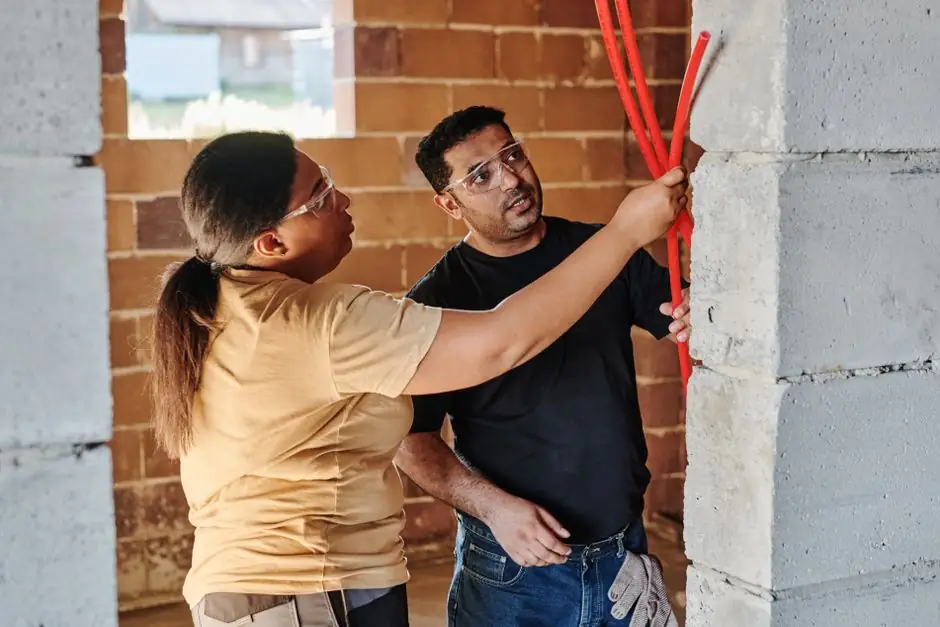
U.S. data center construction needs 349,000 to 499,000 additional workers in 2026, with journeyman electricians the hardest role to fill, pushing project backlogs past 11 months and a single 60 MW delay to $14.2M per month in lost revenue.
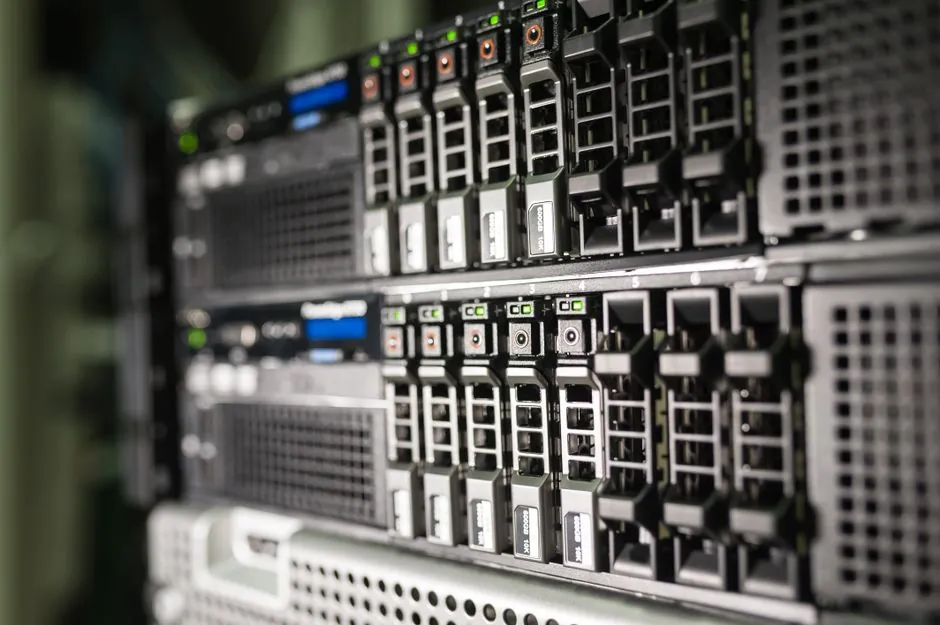
High-voltage transformers, switchgear, and gas turbines now gate US data center builds, with HV transformer lead times at 4-5 years and only 5 GW of 12 GW announced 2026 capacity actually under construction.
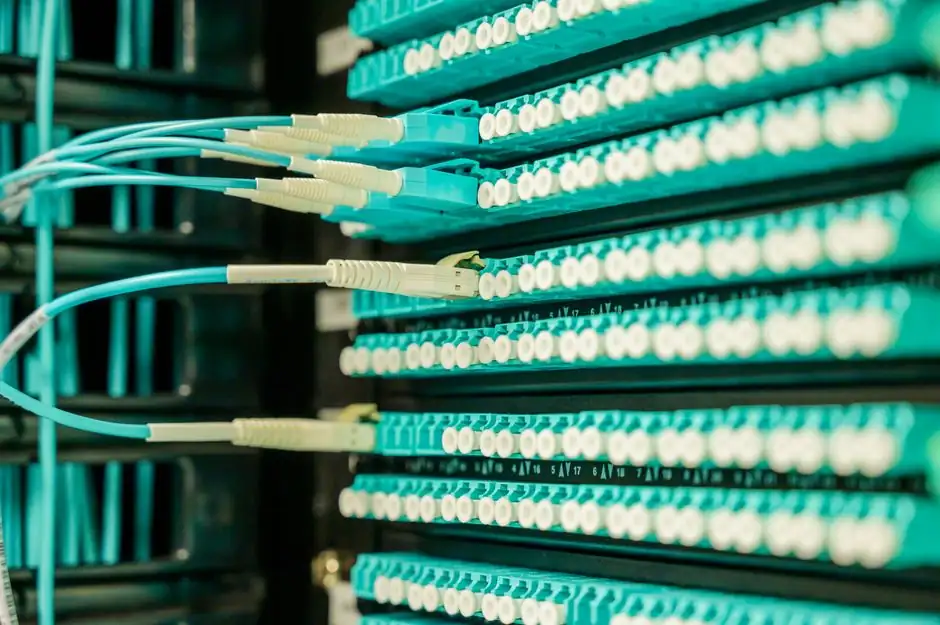
Data center BESS lead time in 2026 runs 6-18 months from order to commissioning, an order of magnitude faster than 36-60+ month gas turbine queues, while LFP cells remain the dominant allocation. Hyperscalers and colos secure allocation first; edge and enterprise face longer waits.

Custom aluminum extrusion dies cost $300 to $5,000+ in 2026, with hollow dies running $800–$2,000 and complex multi-void designs $2,000–$5,000+. Standard die lead time is 3–5 weeks; total project to first production parts runs 6–8 weeks after sample approval.
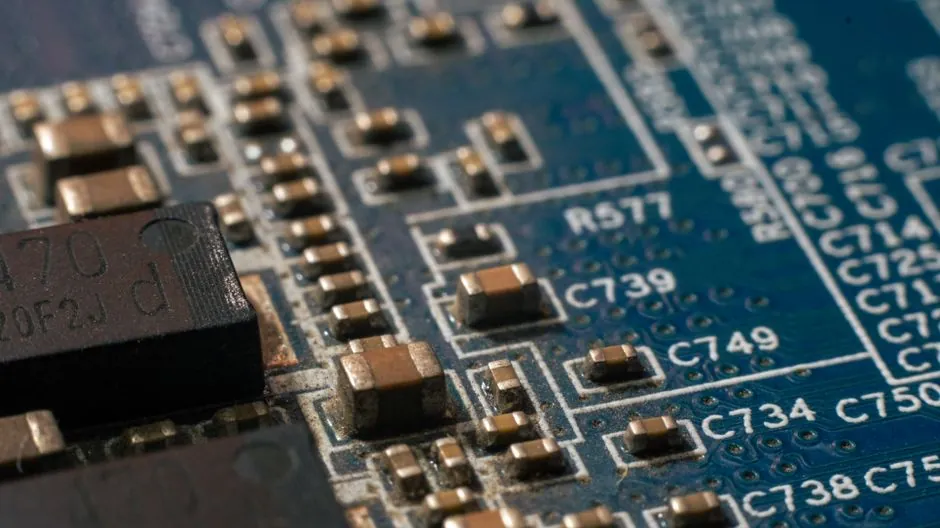
Crystal oscillator and timing device lead times in 2026 cluster at 8-26 weeks for quartz XO/TCXO/OCXO, while MEMS oscillators ship in 1-6 weeks from suppliers like SiTime. Specifying MEMS where shock and vibration dominate, and quartz OCXO where phase noise sets the floor, is the procurement reality

Cryogenic valves for LNG projects operate between -196 °C and +200 °C, built in austenitic stainless steel to ASTM A182 F316/316L and qualified to API 607 8th Ed., ISO 10497:2022, and BS6364, with major US builds like Rio Grande LNG sourcing from specialist OEMs.
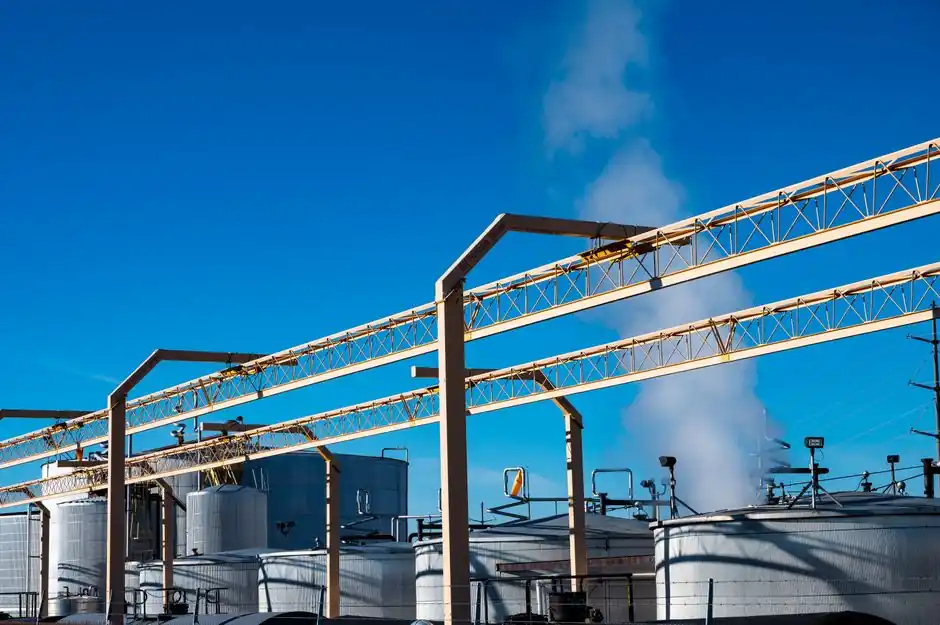
US cryogenic vaporizer market reaches $127.3M in 2026, growing at 4.2% CAGR to $156.5M by 2031. Cryogenic tank and vaporizer lead times now run roughly 6 months for skidded systems versus 1-2 years for rotating-equipment alternatives.
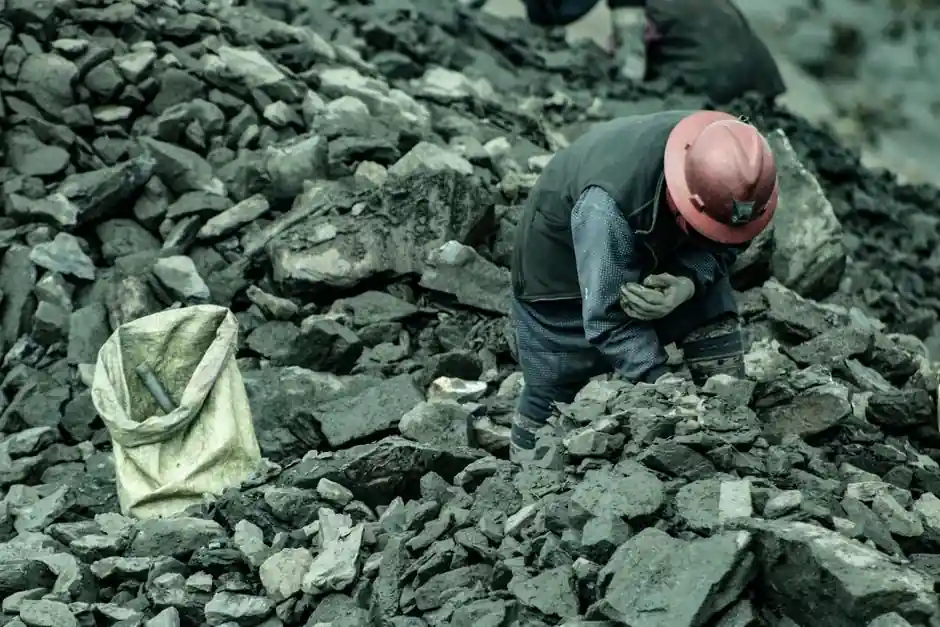
U.S., EU, and Canadian critical mineral stockpiling programs advanced between 2025 and mid-2026, with the National Defense Stockpile under review, an EU stockpile proposed in April 2026, and Canada targeting lithium, cobalt, nickel, copper, graphite, and rare earths. Buyers should expect higher bid
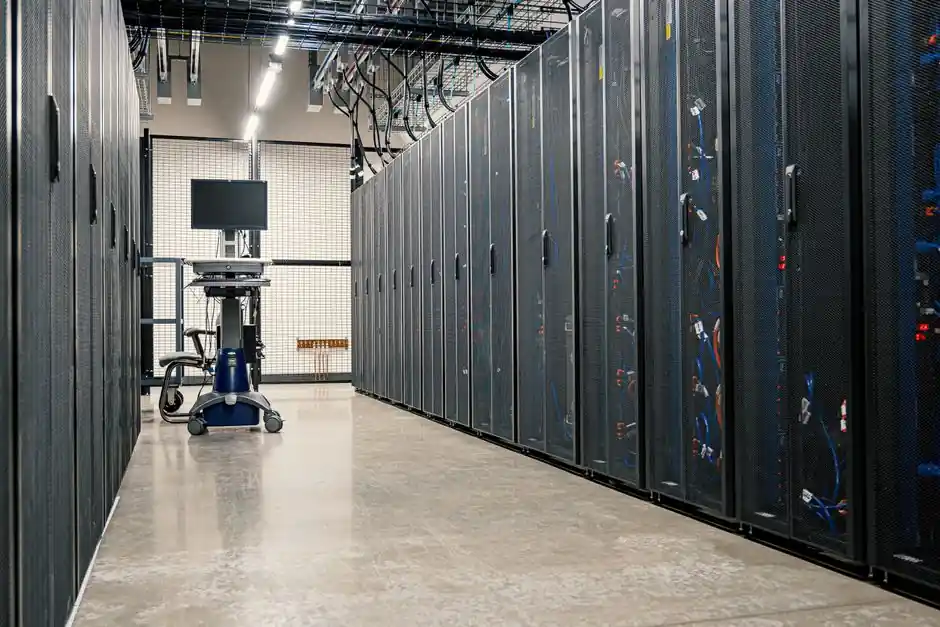
CRAH and CRAC lead times for data halls sit in the 12-week range for standard build, but cooling supply constraints now force earlier procurement. AI-driven densities above 40 kW per rack are reshaping both spec and sourcing schedules.
TSMC's CoWoS-S and CoWoS-L lines are running 75–80k WPM in late 2025, targeting 120–130k WPM by end-2026, with NVIDIA holding roughly 60% (~595,000 wafers) of 2026 allocation and CoWoS-L absorbing ~70% of that demand for Blackwell and Rubin.
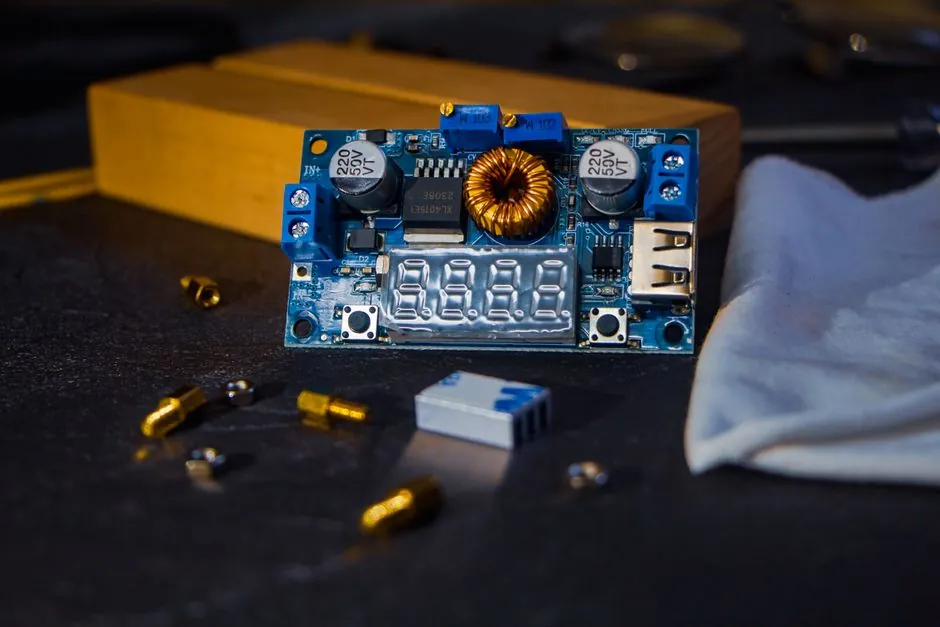
Counterfeit electronic component detection splits into physical inspection (visual, X-ray, decapsulation, surface analysis) and electrical testing (curve trace, parameter validation), standardized under SAE AS6171 and AS5553, applied to five counterfeit classes: recycled, remarked, out-of-spec, clon
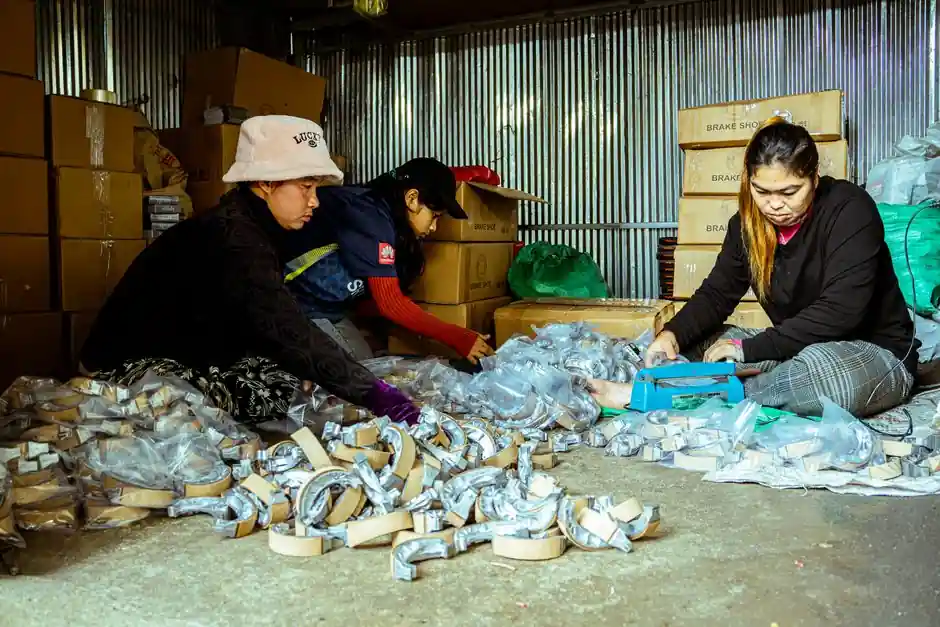
Counterfeit bearings now cost the global economy roughly USD 4.2 trillion in lost value, with 39% of fakes posing direct safety risk. Detection relies on QR code verification (WBA Check app), authorized-channel sourcing, raceway geometry checks on granite, and Rockwell hardness testing against manuf
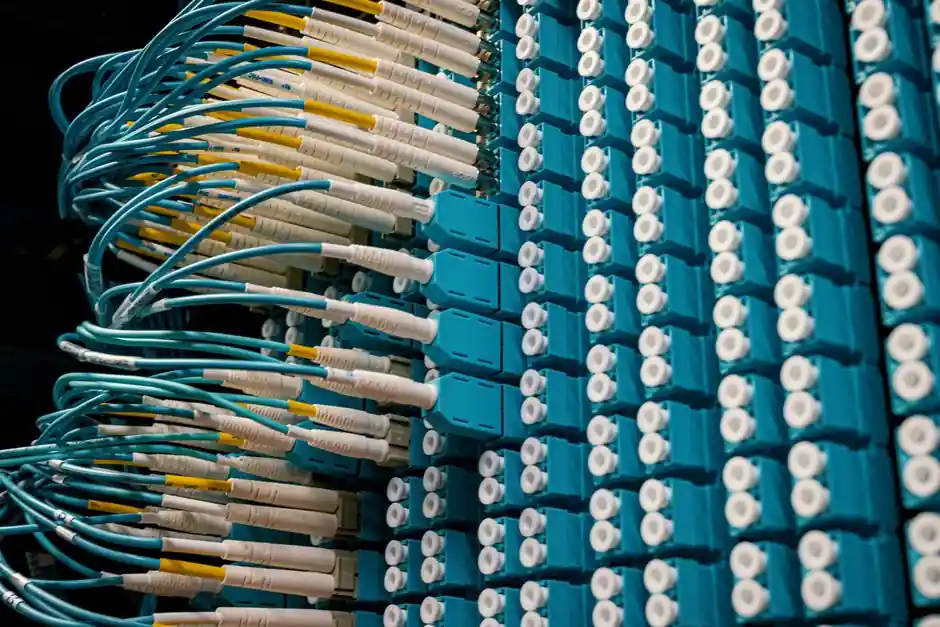
Section 232 copper duties of 50% on semi-finished products and 25% on a wide band of derivatives are now in force from April 6, 2026, while a separate refined-copper decision is stalled. Cable-assembly, wire-harness, and busbar buyers face landed-cost step-changes if copper exceeds 15% of finished w
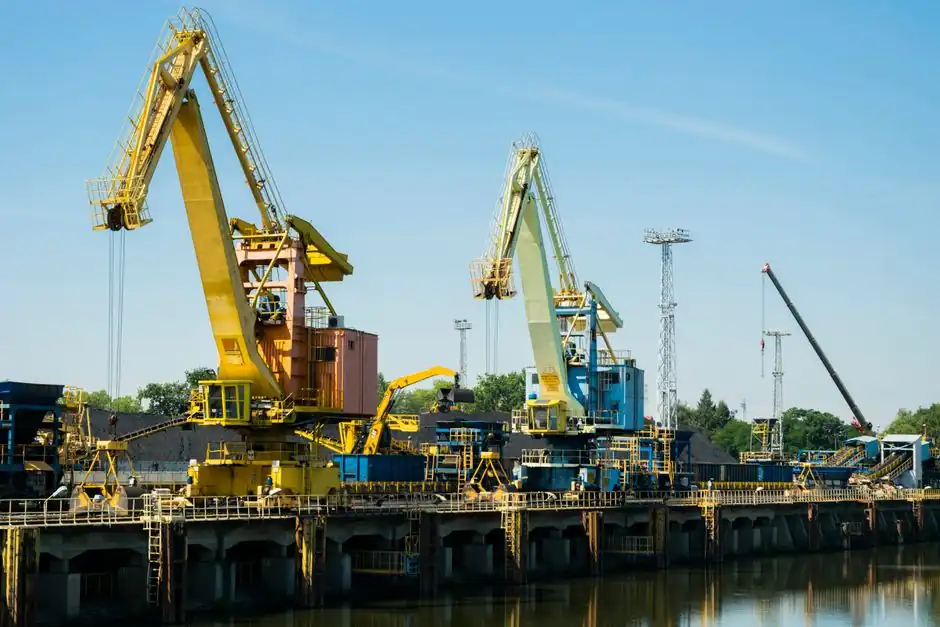
Chinese smelters accepted a benchmark copper concentrate treatment charge of US$0/t for 2026, down from US$21.25/t the prior year, confirming a structural concentrate supply shortfall that has pushed TC/RCs to record lows. Mined supply is the binding constraint, and downstream wire rod and cathode u
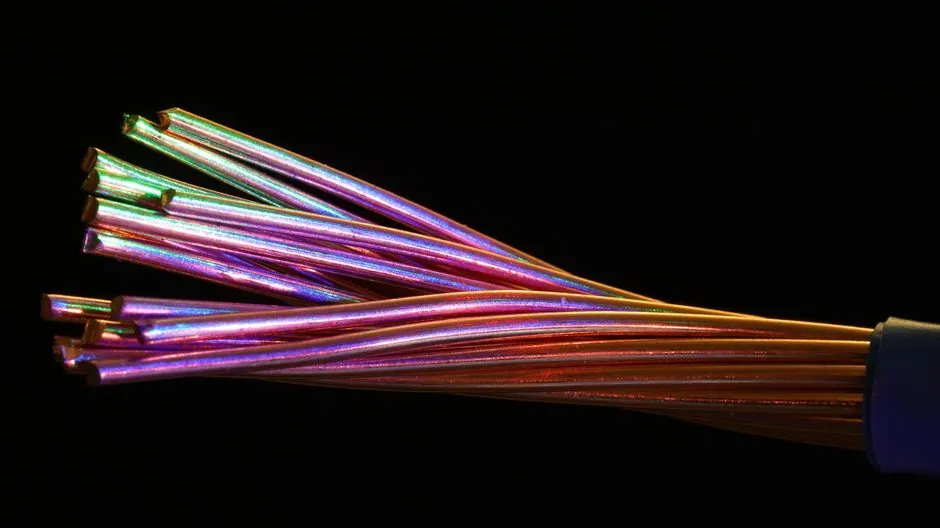
China Smelter Purchasing Team (CSPT) members agreed in 2026 to cut primary smelting capacity by over 10% as treatment and refining charges (TC/RCs) collapsed below zero, tightening copper cathode availability with September 2026 output at 1.1206 million tonnes, down 2.3% month-on-month.
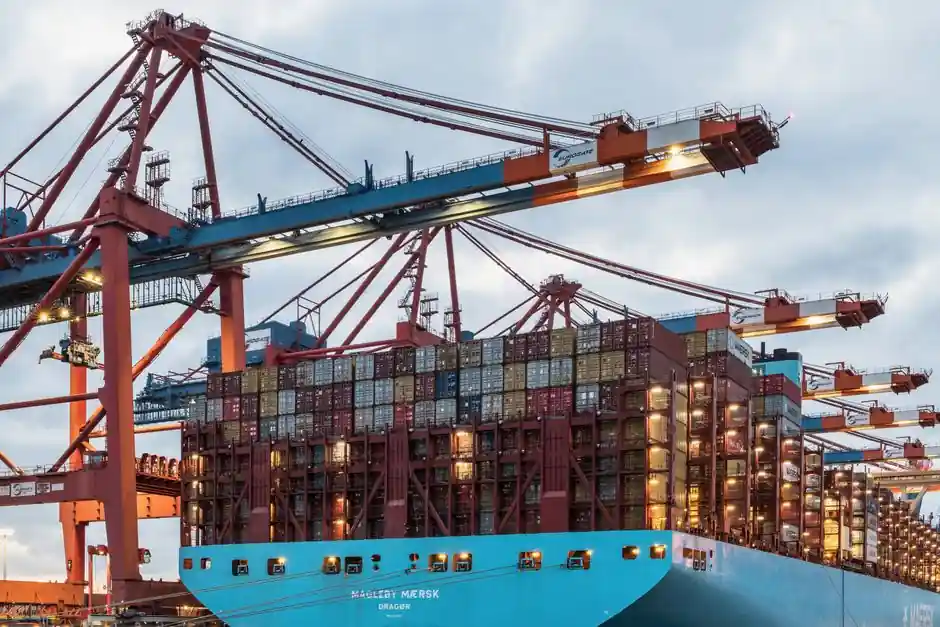
US copper scrap export controls were removed from the August 2025 Section 232 framework, but the 25% domestic-sales mandate for "high-quality" scrap still advances, reshaping refiner feed. About 600,000 tons/year of US scrap now flows to global markets, with secondary refiners exposed to mandate-dri
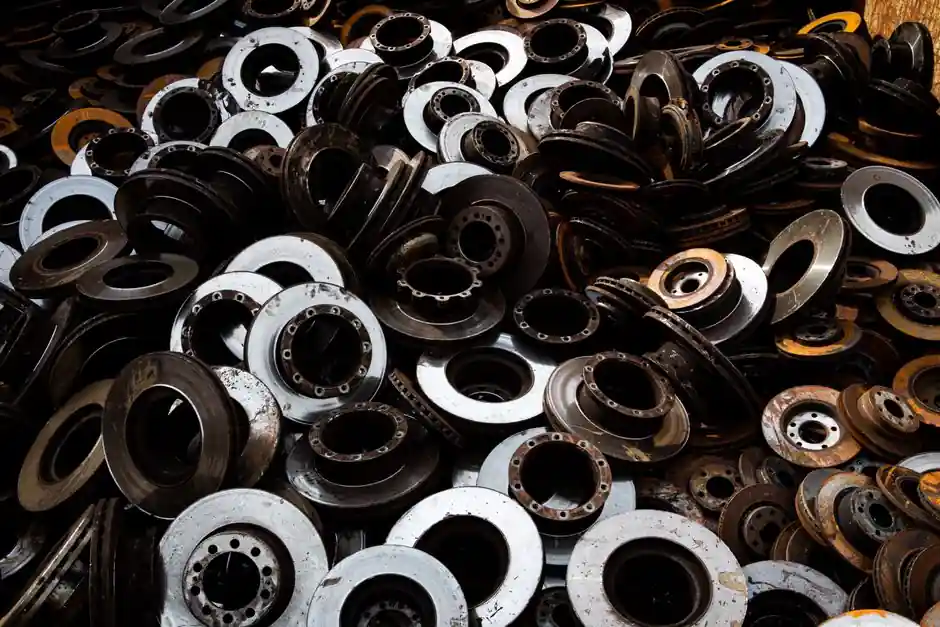
Secondary refined copper grew 5.6% year-on-year in the first five months of 2026, outpacing the 2.4% rise in primary output, with ICSG projecting a 5.7% increase for 2027 and a market surplus of 377,000 t.

Global copper rod mill capacity is on track to expand by roughly 870,000 metric tons per year through 2026, led by a 320,000 ton Contirodr line in North America and a 35 ton-per-hour Primetals upgrade at Southwire's Carrollton SCR mill. COMEX copper held near USD 6.48-6.50/lb in early October 2026,
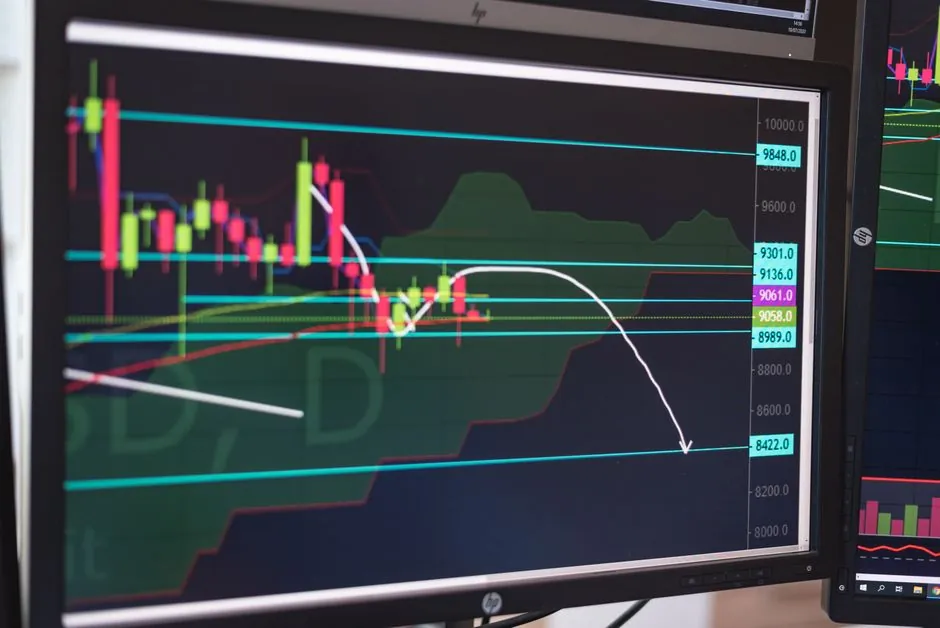
Copper price hedging for cable buyers works by locking a fixed price for a defined volume of cathode or rod through CME/LME futures, OTC swaps, or long-term mill contracts, insulating bid margins from COMEX swings. Suitability depends on contract length, order tonnage, and the buyer's tolerance for
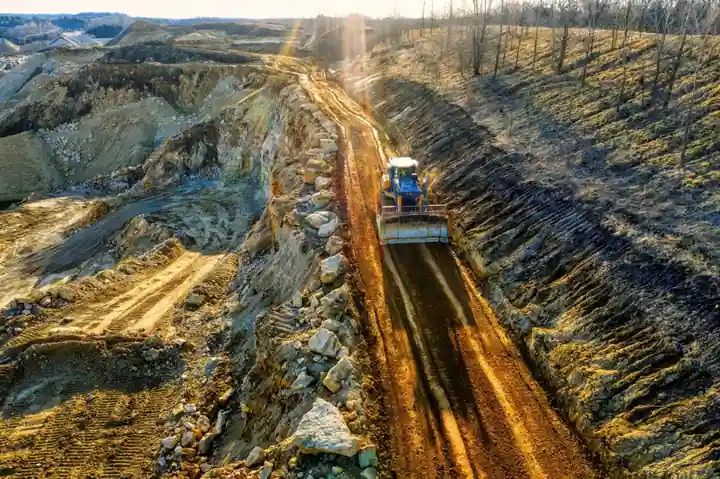
Global copper ore grades have fallen about 40% since 1991, and Chilean copper mines saw a 28.8% grade drop in ten years, pushing energy use per tonne higher than output growth. Declining grades, 17-year development timelines, and a thin pipeline of new deposits are structurally capping how fast mine
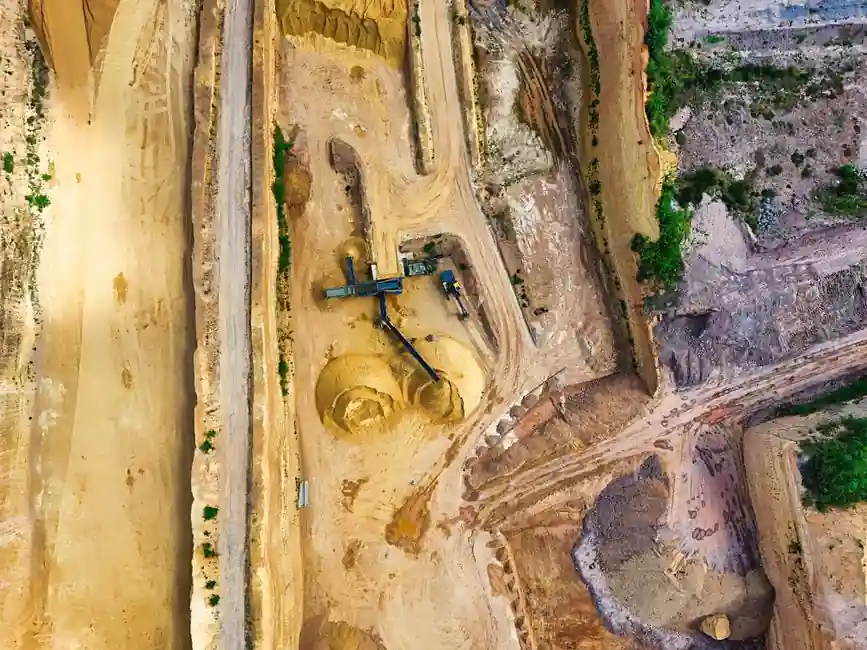
Global mined copper output fell 1.1% year-on-year in H1 2026, with Chile down 6.6%, as Grasberg and Kamoa-Kakula disruptions plus sulfuric acid shortages push the 2026 refined copper deficit toward 600,000 tonnes.
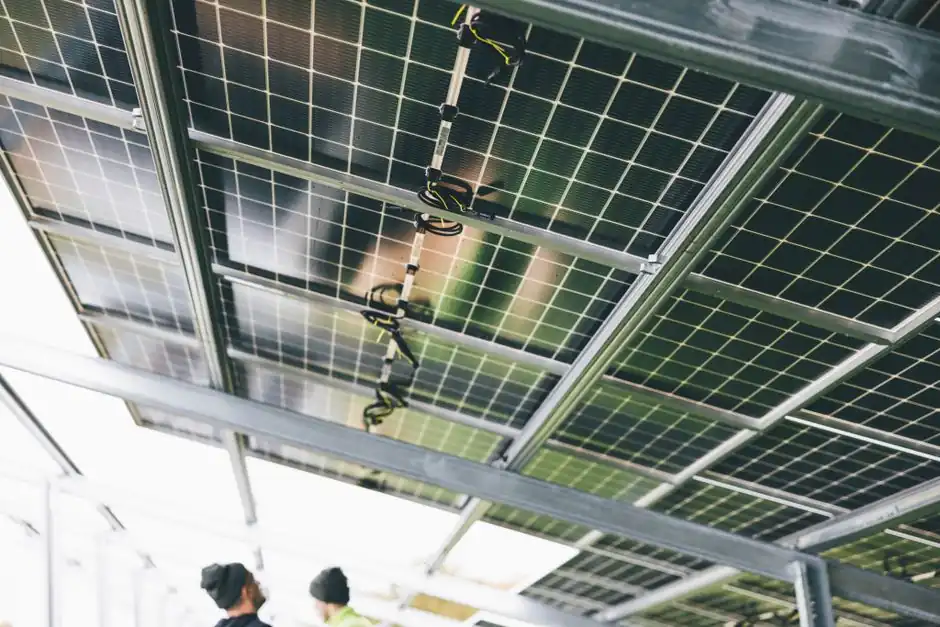
Copper metallization is the most credible near-term substitute for silver in silicon solar cell front-side grids, with screen-printed copper pastes already cutting silver use 30–62% on TOPCon lines and electroplated stacks driving residual silver toward 1–2 mg/W, but module-level bankability and lon
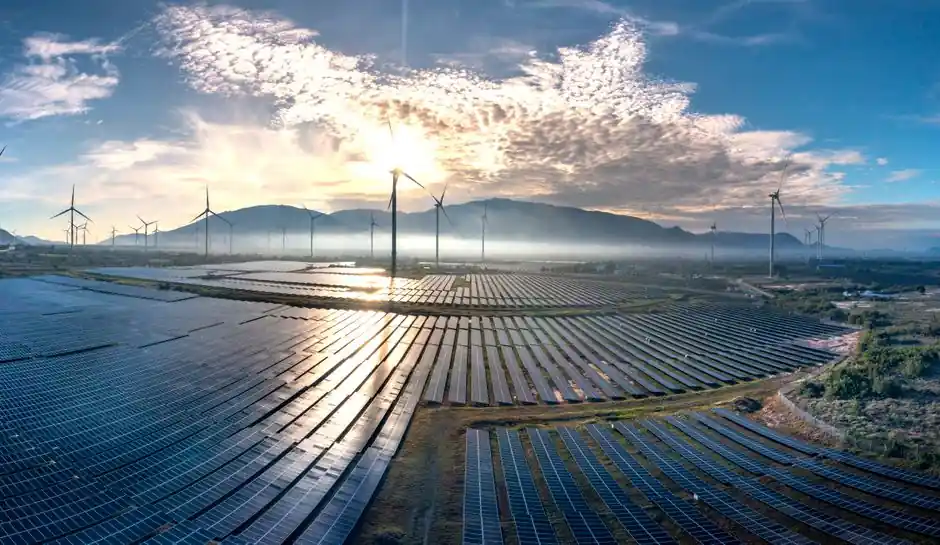
Copper intensity in wind projects spans roughly 2,500 to 15,900 kg per MW, with offshore sites consuming about 21,068 lbs/MW versus 7,766 lbs/MW onshore, while solar PV averages 5.5 tons/MW and battery storage sits at 440 to 540 lbs/MW.
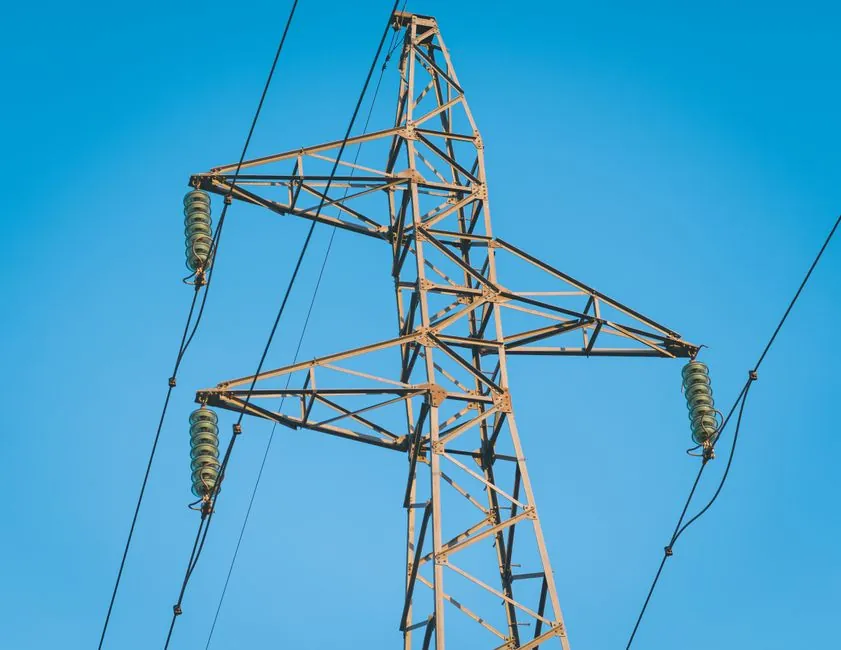
Global copper demand from grid build-out and EVs is structurally outpacing supply through 2040, with EVs consuming 3-4x more copper than combustion cars and grids absorbing the bulk of growth alongside data centers. LME copper traded near $13,000/t in early January 2026 after a 40% annual gain, whil
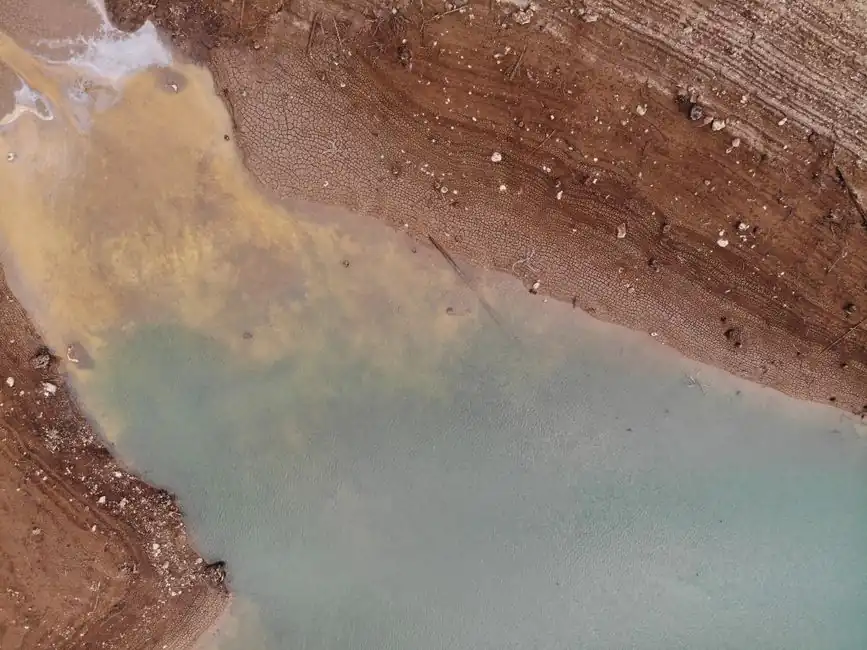
Copper concentrate TC/RC benchmarks collapsed to $0/dmt and 0¢/lb in 2026 annual contracts, with Mysteel spot averages sliding from -$46.78/dmt in January to -$127.2/dmt by early July 2026, pushing Chinese smelters to depend on sulfuric acid and precious metal by-product credits to stay operational.

Codelco's 2026 copper cathode premiums hit record highs of USD 500/t for US buyers, USD 350/t for China, and USD 325/t for Europe, driven by COMEX-LME spread and US policy demand shocks.

AI rack power density has shifted the copper busbar spec window from 5-15 kW to 60-100+ kW per rack, making rigid copper busbars the practical replacement for cable bundles. Buyers in 2026 prioritize tight dimensional tolerances, factory roll-formed grounding channels, and plating options (bare, tin
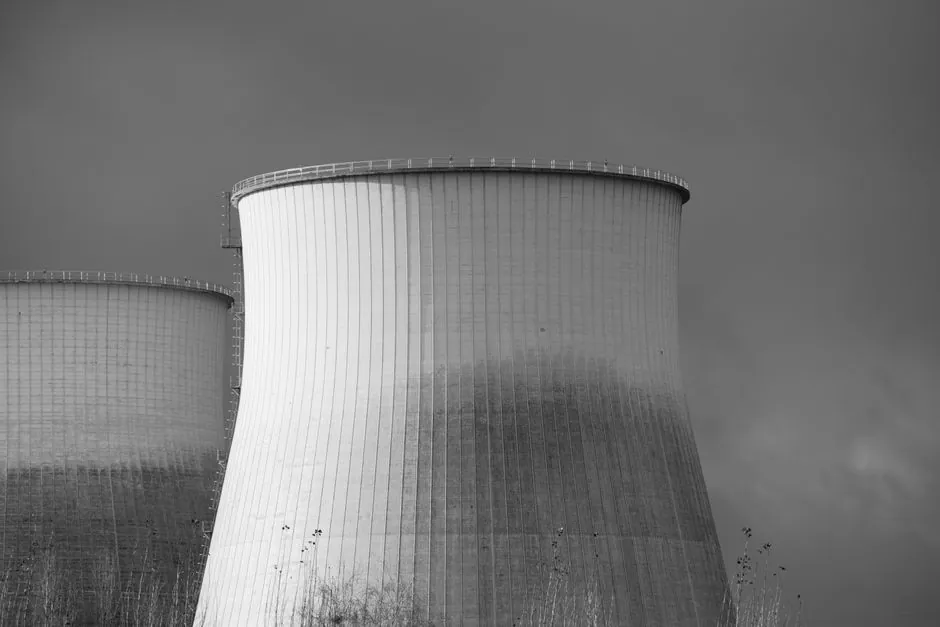
Cooling tower lead times in 2026 split into two distinct bands: standard industrial replacements run 8 to 14 weeks, while data-center-spec chillers and cooling towers stretch 52 to 100 weeks. Procurement strategy, not vendor name, drives the gap.

Control valve lead times in 2026 sit at 26-55+ weeks for actuator electronics, while remanufactured assemblies still ship in 2-3 weeks. Specifiers can shorten risk by qualifying alternates, lengthening forecasts to 18-24 months, and turning excess stock into buffer.
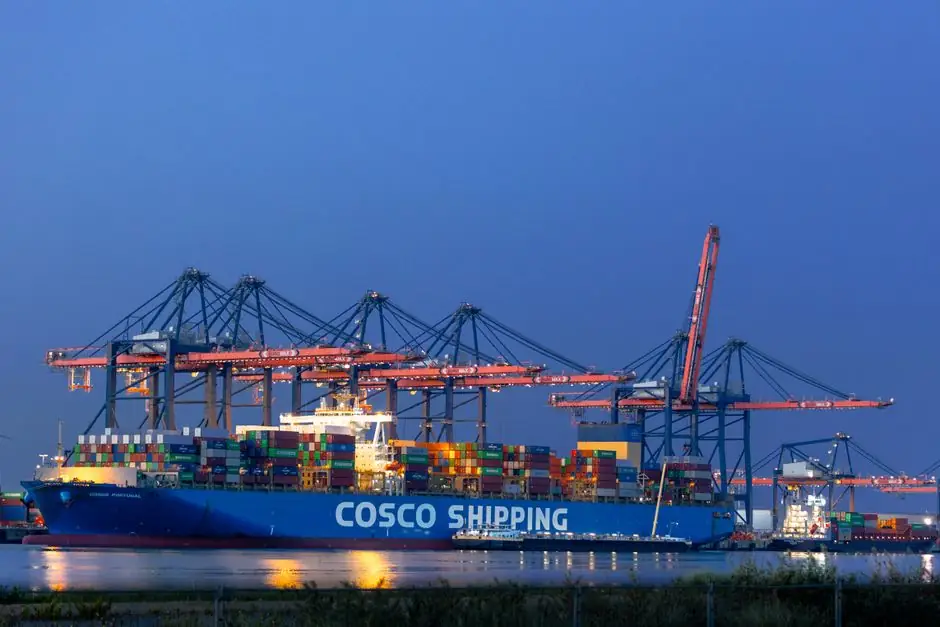
40'HC container rates in 2026 span $1,800 to $12,000+ per box depending on Suez status and front-loading, per Drewry, Vespucci Maritime, and Linerlytica data. Landed cost volatility is driven by Red Sea routing, 1.4M TEU new capacity, GRI/PSS surcharges, and fuel swings; importers should budget scen
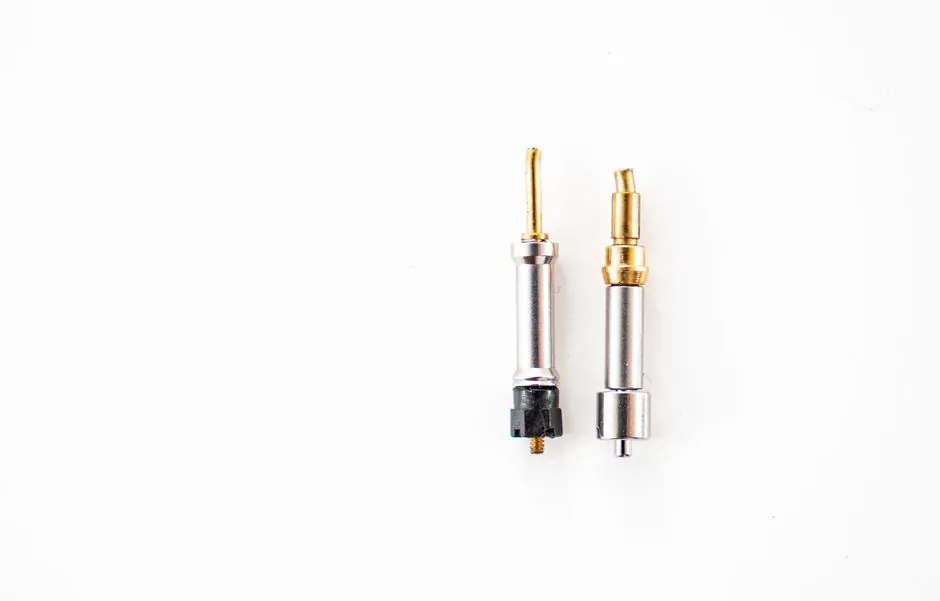
Connector industry backlog hit USD 34.3 billion by June 2026 with 14.7 weeks of shipment coverage, signaling extended lead times for high-speed and power connector lines. AI data center, 800 V EV, and defense demand are squeezing availability through 2026.
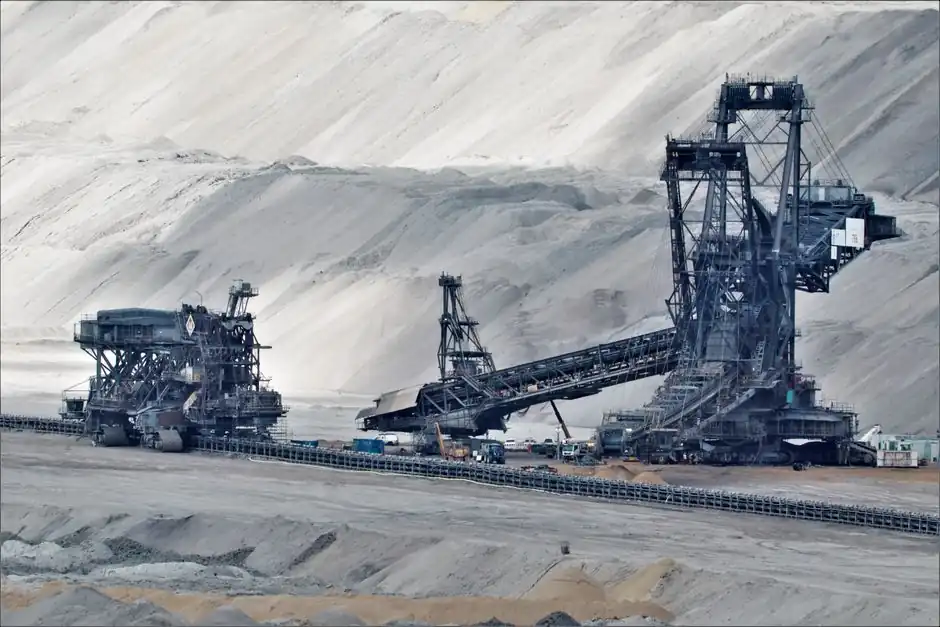
3TG conflict minerals reporting for industrial products follows the Dodd-Frank Act Section 1502 / SEC Rule 13p-1 framework plus the EU Conflict Minerals Regulation, using the RMI's CMRT, EMRT, and AMRT templates to trace tin, tantalum, tungsten, and gold back to the smelter and refiner (SOR) level.

Direct-to-chip cold plate capacity is scaling sharply for AI server demand in 2026, with ACT adding over 500,000 units/year of phased U.S. output and a market projected at USD 3.4B in 2026 growing to USD 6.7B by 2036 at 7.0% CAGR.
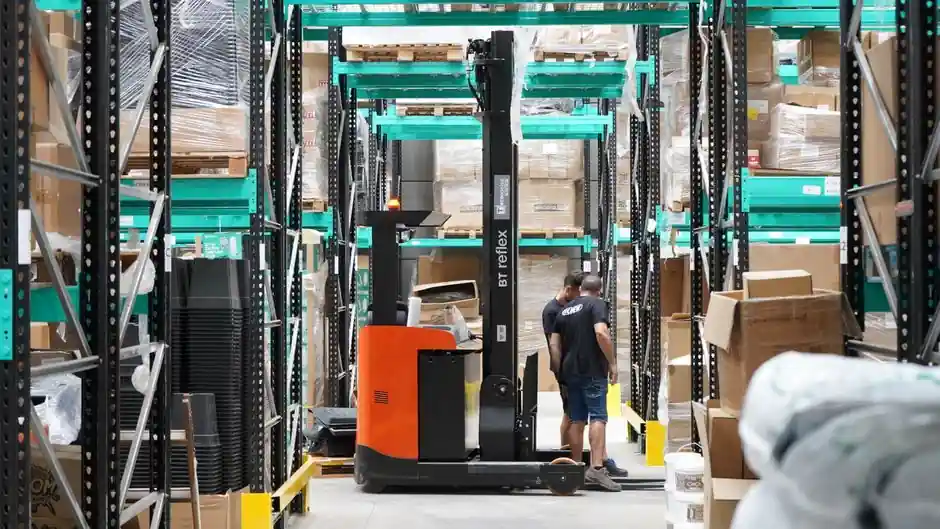
Cold chain equipment lead times in 2026 run 8-26 weeks depending on tier: standard reefer units 8-12 weeks, ultra-low freezers 16-22 weeks, and walk-in cold rooms 18-26 weeks. Global cold chain logistics demand reached $479.54B in 2026, with cryogenic and -80C ultra-low capacity constrained by compr

Coconut shell activated carbon delivers higher micropore volume (~50% more than bituminous coal grades), higher hardness (95–99% ASTM D3802), and lower ash (2–5%), but costs roughly 2–3× more per ton than coal-based GAC. Pick coconut shell for VOC, PFAS, and gold-recovery duty; pick coal-based for d

US cobot lead times in 2026 run 6 weeks for simple cells to 24-26 weeks for complex systems, with cycloidal and RV reducers the main bottleneck when sourcing from Asia. North American integrators build in 4-6 week reducer buffers.
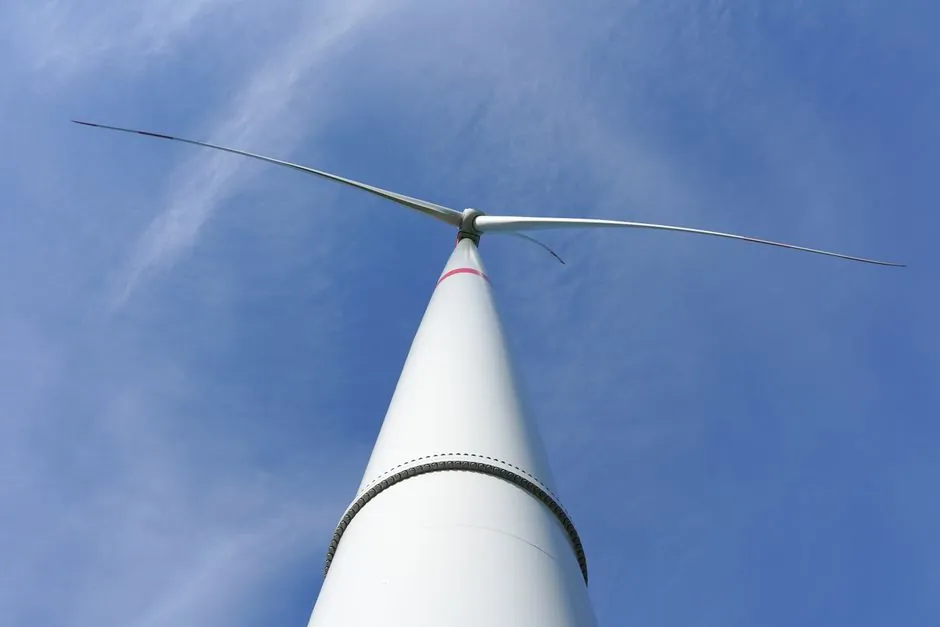
Cobalt-based superalloys remain the benchmark for turbine hot-section components above 1000°C, valued for sulfidation and hot-corrosion resistance, with chromium 20-35 wt%, tungsten 3-15 wt%, and carbon 0.1-1.0 wt% as the standard compositional envelope. Refractory multi-principal-element alloys now
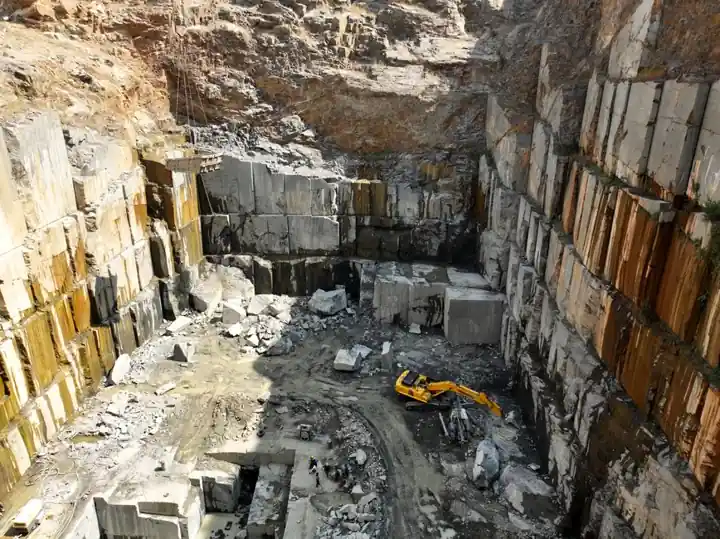
DRC produced 76% of the world's cobalt in 2024, with artisanal mines adding 15-30% of that output under severe traceability and child-labor risk, per a CSIS analysis dated October 1, 2026. Battery, superalloy, and defense buyers face a single-jurisdiction bottleneck priced near $22.30/lb.
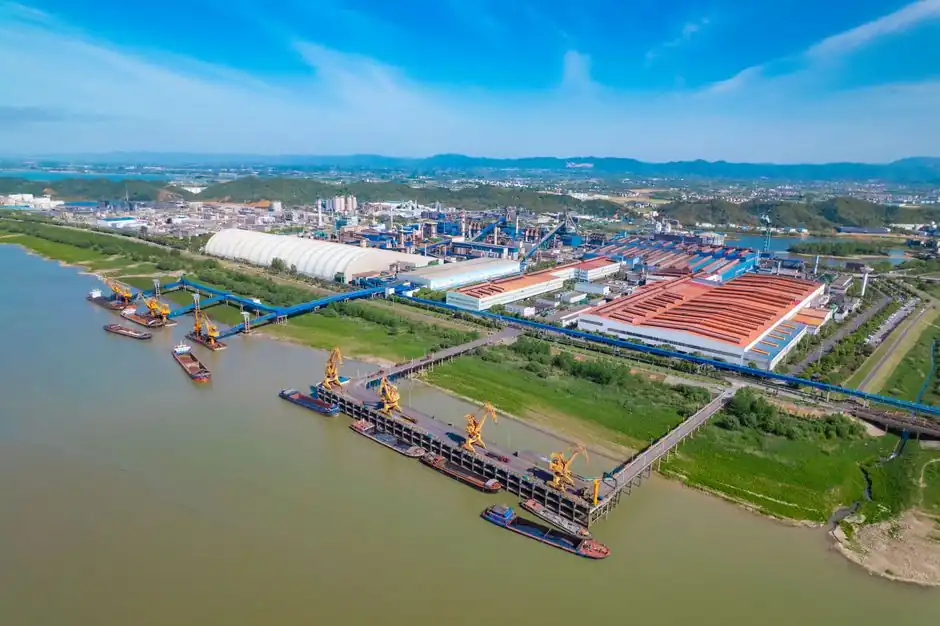
DRC cobalt export quotas cap 2026 shipments at 96,600 tonnes against 2024 production of ~220,000 tonnes, lifting hydroxide prices 263% to $14,560/t by Q4 2025, with the 87,000-tonne base + 9,600-tonne strategic reserve framework administered by ARECOMS shaping 2026 supply and pricing.
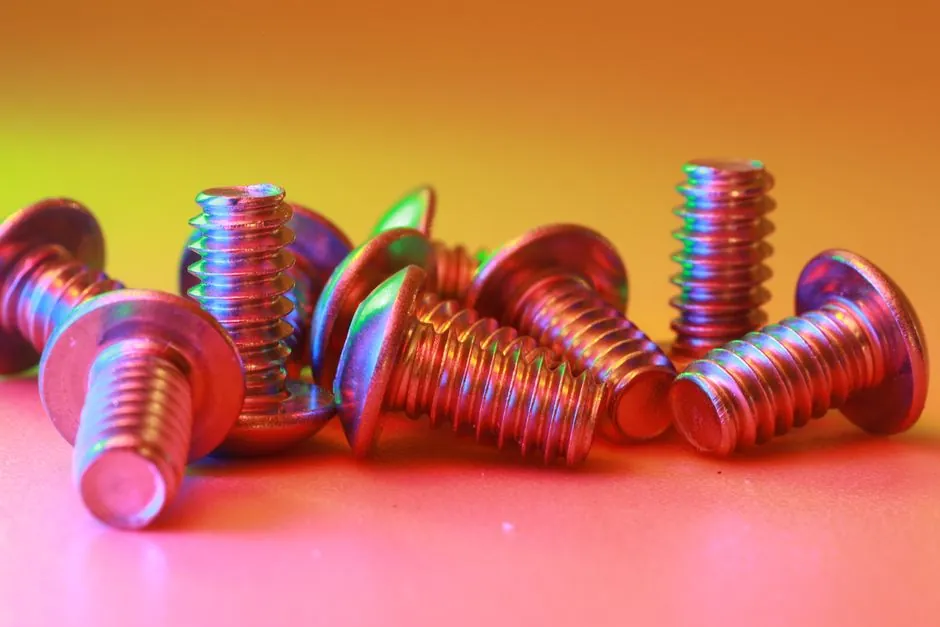
Cobalt binder in WC-Co cemented carbides drives two parallel failure modes: cobalt leaching attacks the binder at low pH, and high-temperature softening causes plastic deformation. Mitigation paths span grade selection, coolant chemistry control, and emerging nanoceramic binders like Al2O3, ZrO2, an

CPO switches ship in mid-2026 with 1.6T link power cut from 30 W to 9 W versus pluggable modules, while XPO liquid-cooled pluggables (March 2026 MSA) answer with 12.8 Tb/s per module. Pluggable optics still dominate deployed systems; CPO wins scale-up, pluggables keep scale-out serviceability throug
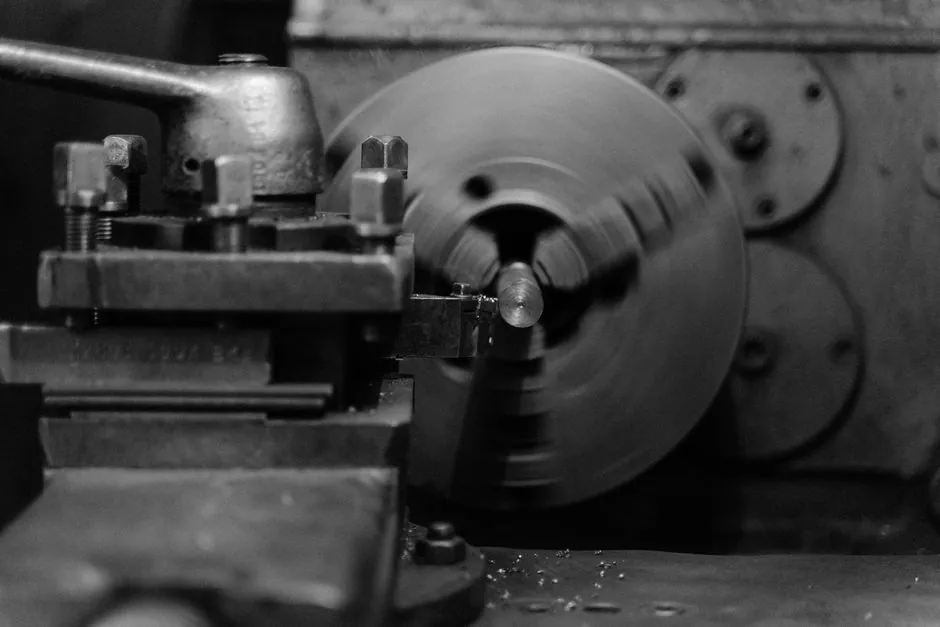
New 5-axis CNC machining centers carry a roughly 13-month manufacturing lead time plus one month for shipping and a 3-month installation/commissioning tail, versus 3-axis mills that are typically delivered in 6-10 weeks. A 3-axis VMC suits prismatic parts on a tight capex budget; a 5-axis mill

US semiconductor fab cleanroom builds now face a 15-25% labor cost premium, with peak sites demanding 5,000-12,000 workers and prefabrication cutting schedules by up to 25%. 18 new fab builders broke ground in 2025, tightening the hook-up contractor pipeline for ISO 1-5 cleanrooms.
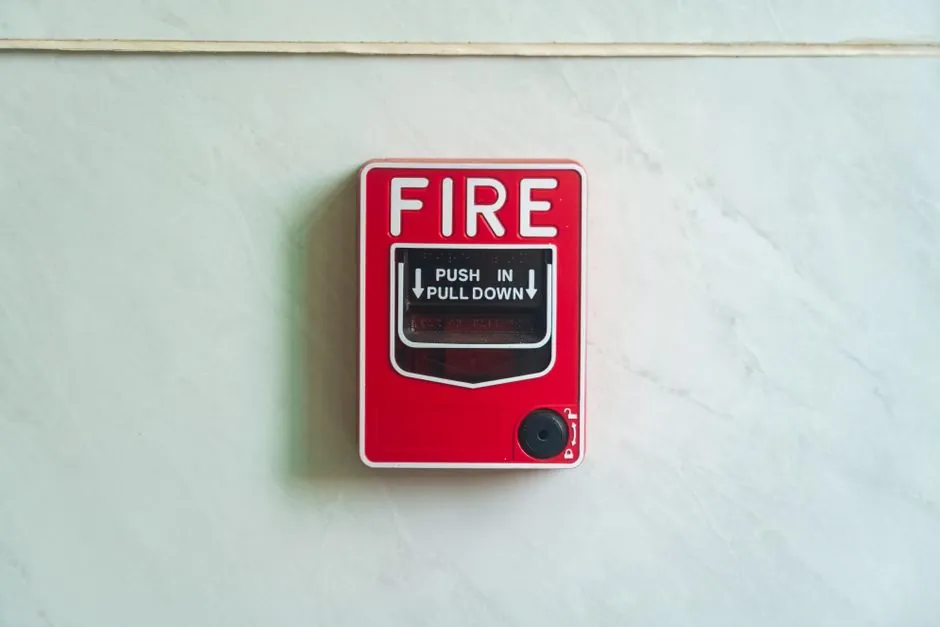
US fire-protection buyers are facing 5x virgin-agent cost increases and tightening virgin HFC allocations under the AIM Act; FK-5-1-12, inert gas blends, and 3M Novec 1230 reclamation now dominate the replacement pipeline for FM-200 and Ecaro-25 systems.
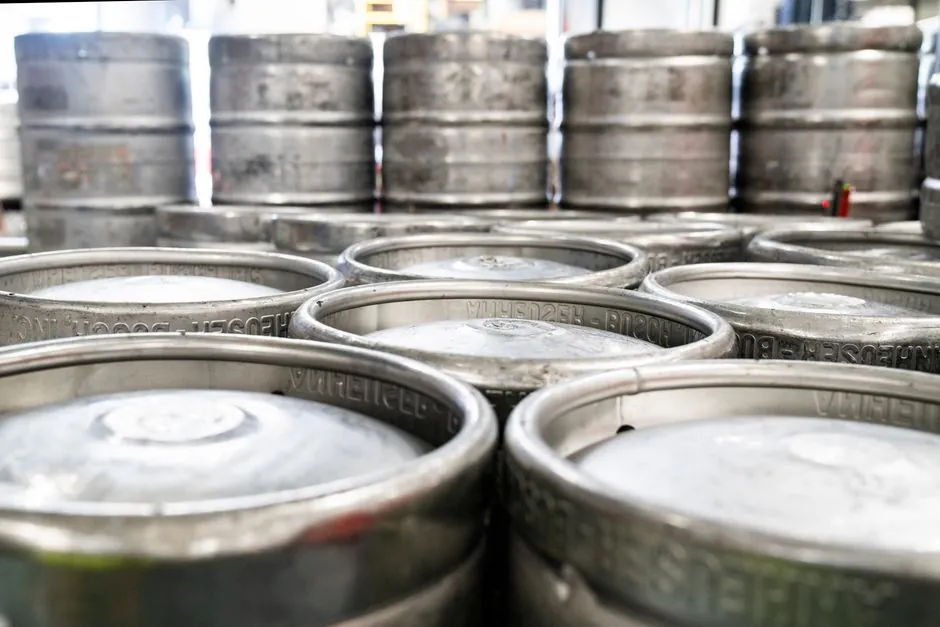
Stainless steel absorbs over 85% of global chromium demand and around 80% of all ferrochrome, with South Africa, Kazakhstan, Turkey, India, and Finland supplying 88% of chromite in 2024. Three FeCr grades (HC, MC, LC) cover carbon contents from under 0.5% to 9%, mapped to specific stainless and spec
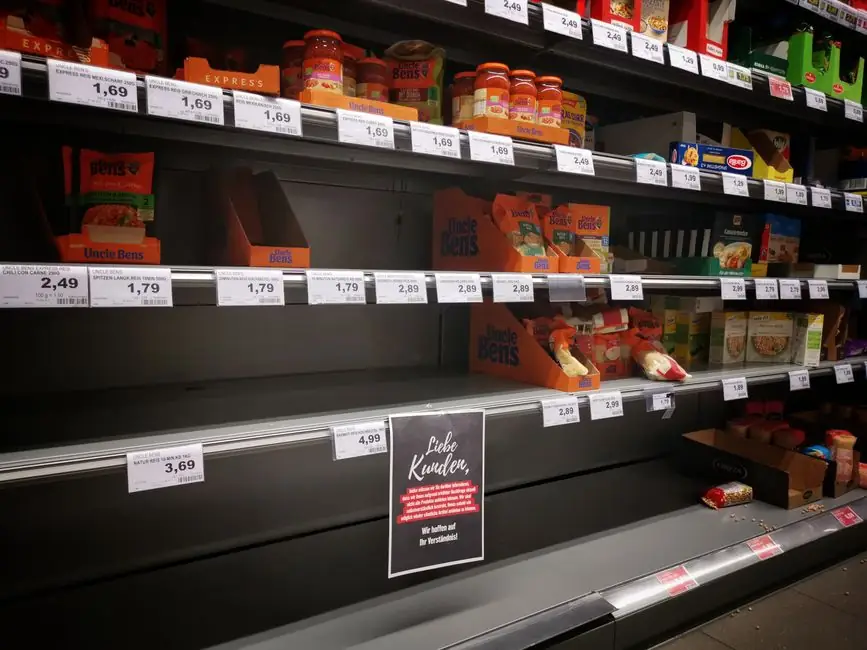
Cerium oxide supply remains structurally long, with bastnasite ore bodies delivering 50-75% lanthanum-cerium content that exceeds high-value REE demand, while cerium-based polishing powder demand grows at 6.3% CAGR to USD 3.68 billion by 2034.

Silicon nitride (Si₃N₄) hybrid bearings, with steel rings and ceramic rolling elements, are the dominant specification for EV traction motors in 2026, priced 2-3x steel but delivering 3-5x service life. SKF, CeramicSpeed, CoorsTek (Cerbec), Timken, and Lily Bearing supply the segment, with motors ro
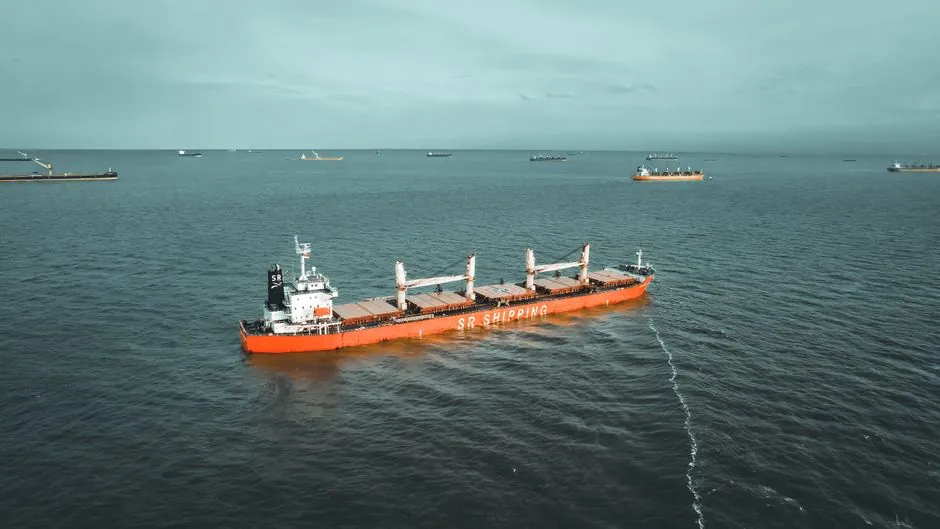
US net cement and clinker imports reached 27 million short tons in 2025, 24% of shipments, while January 2026 imports rose 19.2% year-on-year to 1.80 Mt. UK, Kenyan, and EU import dependence is climbing on flat domestic capacity and Middle East supply risk.
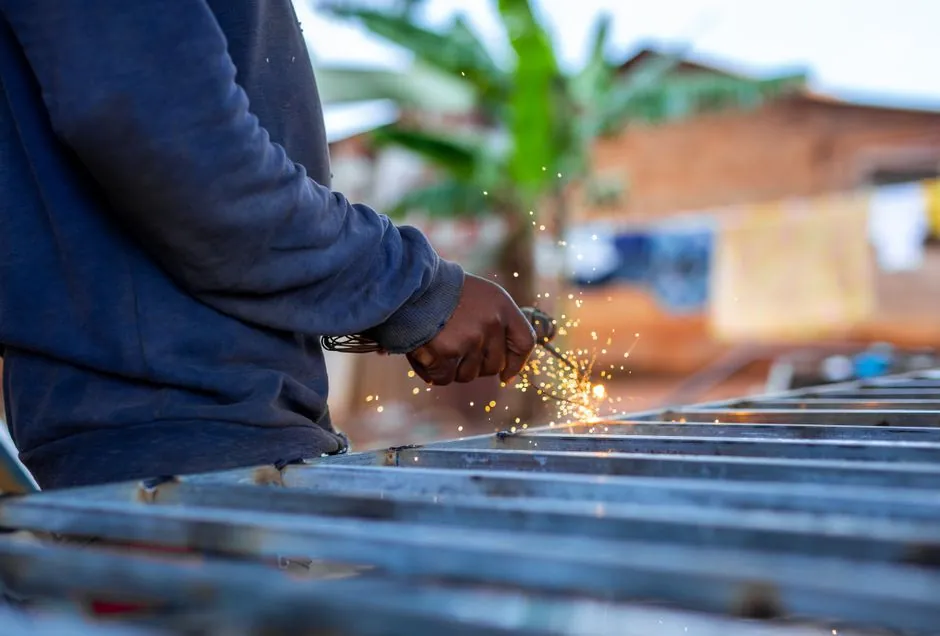
EU CBAM entered its definitive regime on 1 January 2026, requiring importers of iron, steel, aluminum, cement, fertilisers, electricity and hydrogen to surrender CBAM certificates priced against the EU ETS. Steel carries roughly 75% of expected metals-sector CBAM liability, with projected a
Caustic soda and chlorine will stay in a structural supply imbalance through H2 2026, with weak PVC demand pulling chlor-alkali utilisation down even as new Asian capacity lifts caustic output to five-year-low prices and export-driven freight.

For 2026 procurement, LFP cathode active material is roughly 30% cheaper per kWh than NMC and lasts 2-3x longer (3,000-6,000+ vs 1,000-3,000 cycles), while NMC still wins on energy density (200-300 vs 150-200 Wh/kg). Pick LFP for storage and standard-range EVs; pick NMC where range and weight rule.
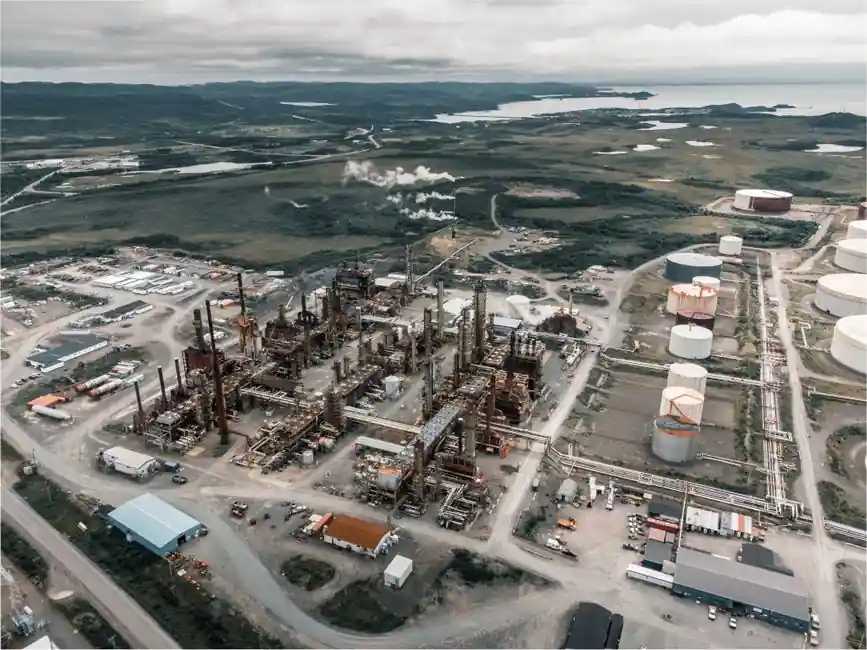
Clariant secured the catalyst supply contract for the world's largest propane dehydrogenation (PDH) unit on 2026-09-10, while S&P Global's April 2025 Specialty Chemicals Update Program pegs catalytic cracking and hydrotreating as the two largest refinery catalyst segments, with Mainland China and No
Dual-qualified cast-and-forged part programs typically require 6-18+ months end to end, with forging and casting approval tracks running in parallel and stacking the longer of the two onto a single part number, per BCG aerospace sourcing data.
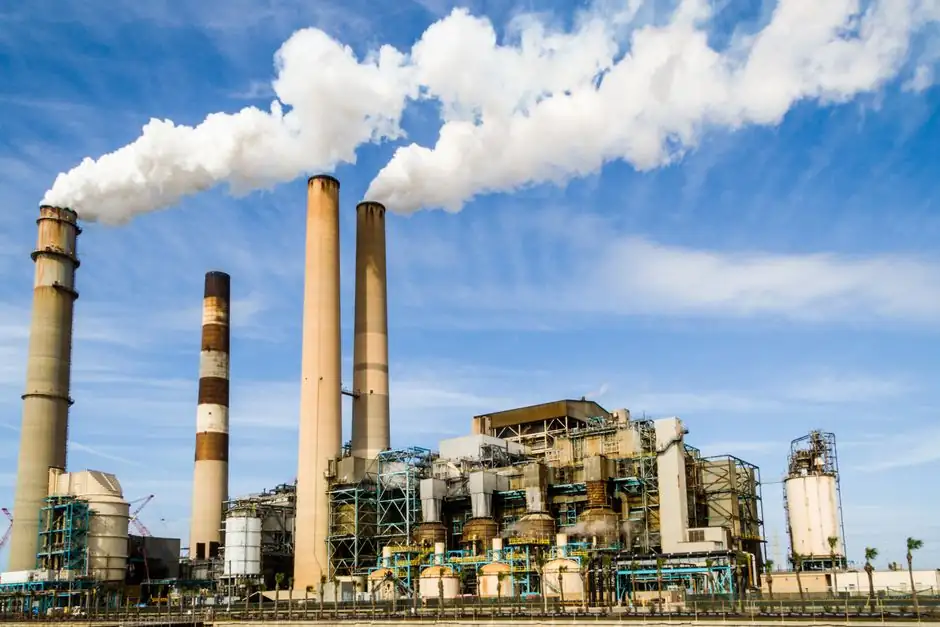
Large buyers now require suppliers to disclose Scope 1, 2, and 3 emissions through CDP, with the 2025 cycle covering 45,000 suppliers across 270+ member companies. Average supply chain emissions run 11.4 to 26 times larger than a buyer's direct operations, forcing mid-tier manufacturers to absorb qu

Aerospace-grade carbon fiber commands a 2.62–3.16 B USD 2026 market at 7.06–8.6% CAGR through 2030–2031, versus 3.12 B USD for all grades at 11.10% CAGR, with aerospace pulling tensile strength above 6,300 MPa (HexTow IM9 24K) while industrial grades stay 4,000–5,000 MPa on price.

Carbon fiber spar cap supply risk for blades above 100 m is real and structural: a single failed tow lot can halt a blade program, while a pultruded CFRP plank market growing from USD 565M (2024) to USD 2144M (2031) tightens precursor demand. Spec teams should dual-source pultrusion feedstock and qu

Capacity Reservation Agreements (CRA) and Take-or-Pay (ToP) contracts are distinct but often overlapping commercial instruments; CRAs reserve throughput rights and capacity availability, while ToP imposes a minimum-volume payment obligation regardless of off-take, with send-or-pay variants common in
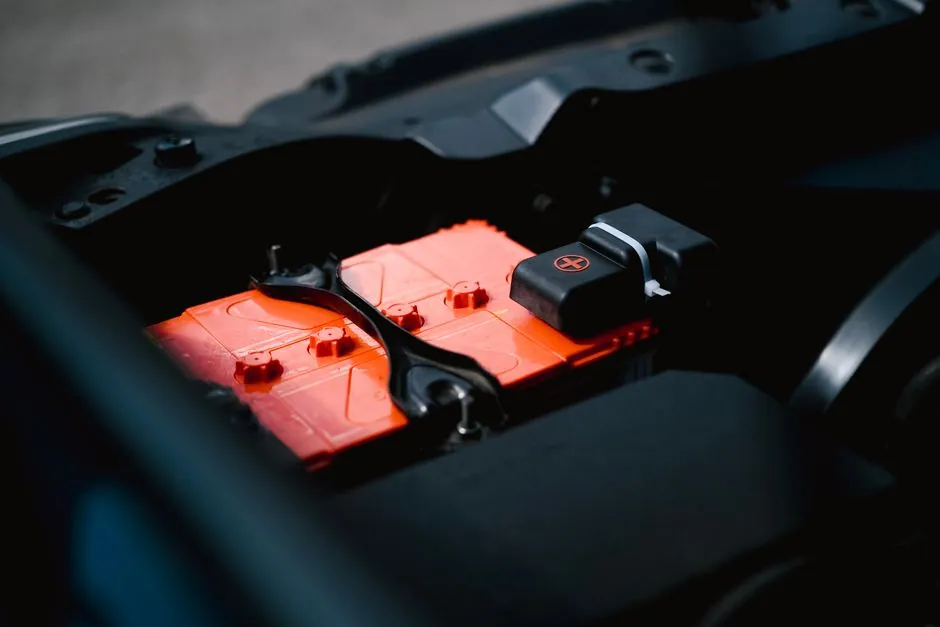
Sodium-ion batteries cut grid-scale storage lithium demand by using sodium carbonate at roughly $332/ton versus lithium carbonate at $20,000/ton, and are now commercial for stationary BESS, with 2026 all-solid-state and NFPP advances targeting the remaining energy-density gap. Limitation: 100–160 Wh
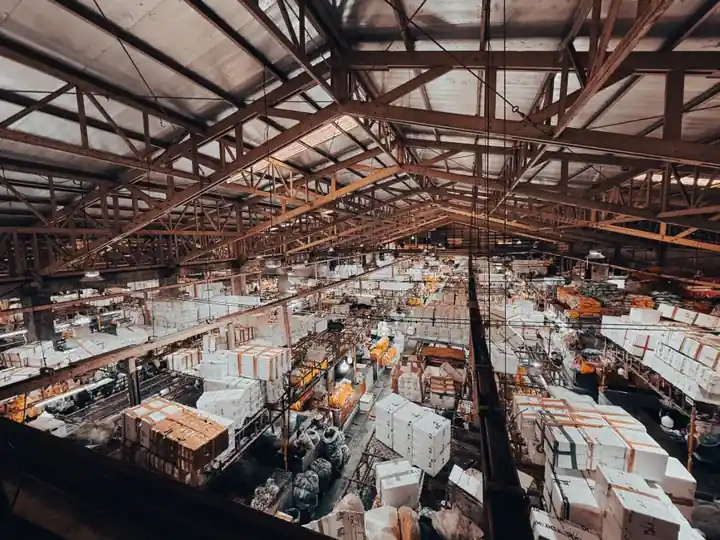
Smaller transformer shops cannot fully close the U.S. distribution-transformer gap: average lead times still run a year or more, and the eight domestic large-power-transformer makers cannot be bypassed for the top end. Smaller vendors do, however, absorb pole-top and pad-mount orders below 35 kV, an

Robot OEMs cannot second-source harmonic reducers without redesign because three suppliers control global capacity, ratio/output and flexspline are co-designed, and patents lock the kinematic chain. Design-for-second-source is possible but costs torque density and adds 3 to 6 months of validation.
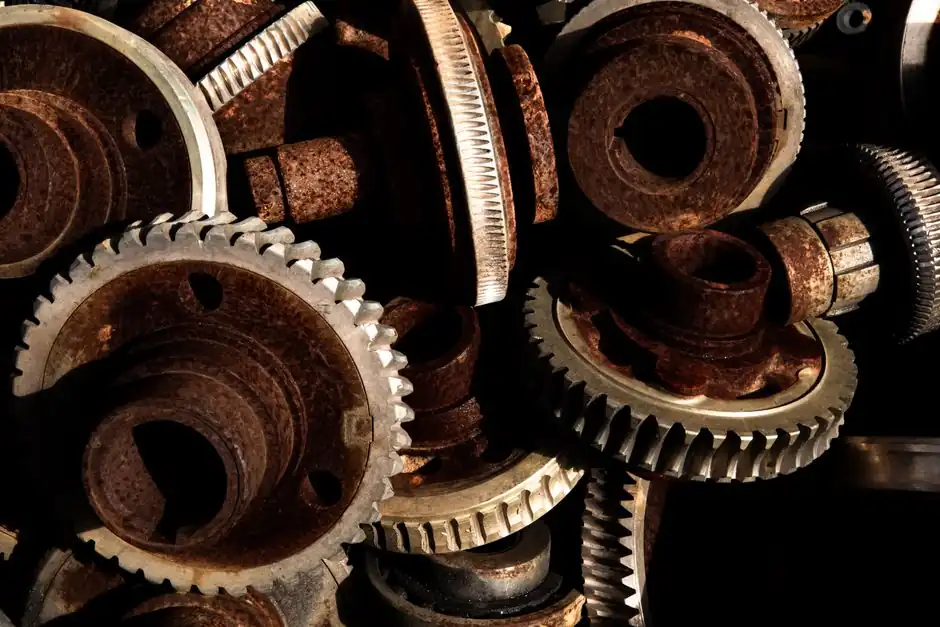
Reverse engineering an obsolete OEM spare part is legal in most jurisdictions when the part has been lawfully obtained and the resulting CAD and drawings are used to manufacture a replacement, not to copy protected software or trademarked外形. Plant engineers typically rely on 3D scanning, CT inspecti
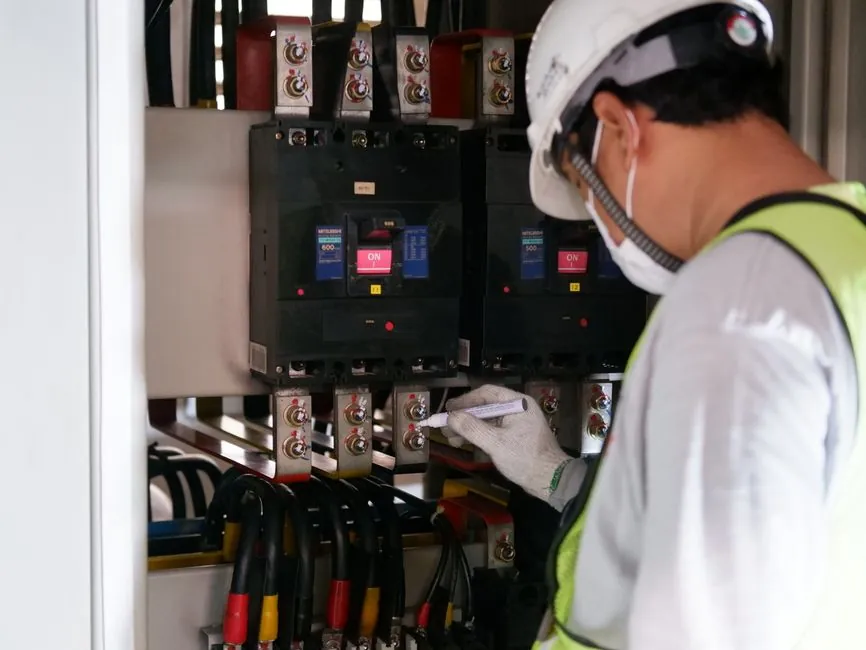
Refurbished transformers can safely bridge a 4-year new-unit lead time, with properly certified units offering 10–20 year service life, 30–70% upfront cost savings, and 1–4 week delivery versus 80–210 weeks for new equipment.
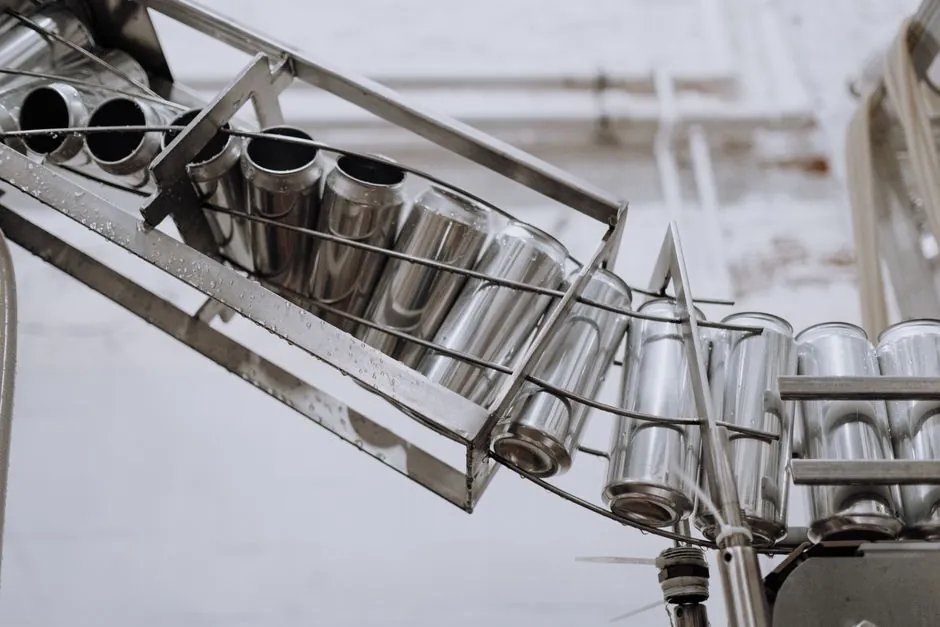
Recycled aluminum can meet aerospace and automotive sheet specifications when scrap is segregated by alloy, deep-purified, and certified against ASTM standards; up to 95% carbon-emission reduction is achievable versus primary metal, but inclusion control and traceability remain the limiting factors
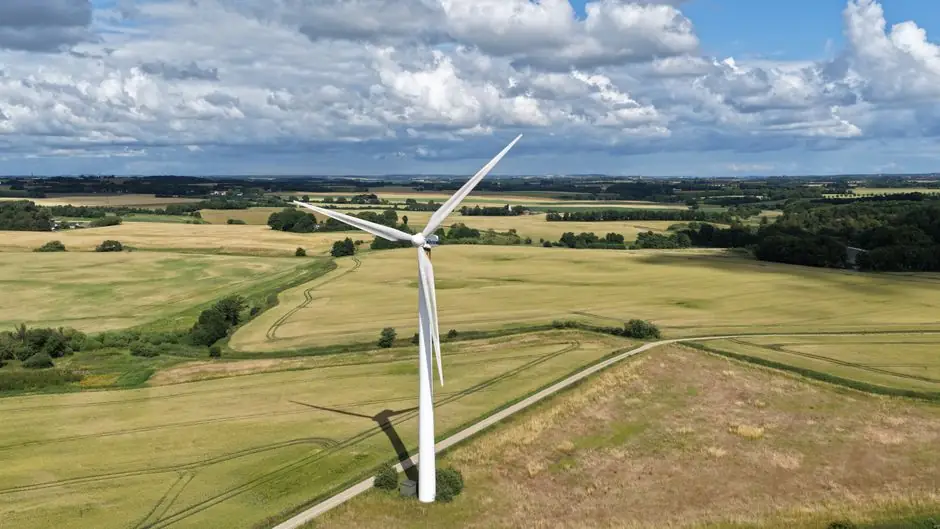
Natural-gas reciprocating engine generator sets can technically replace gas turbines for behind-the-meter data center power, with multi-engine modular plants reaching 200 MW, faster start, phased buildout, and lower thermal efficiency and higher emissions as the key tradeoffs.
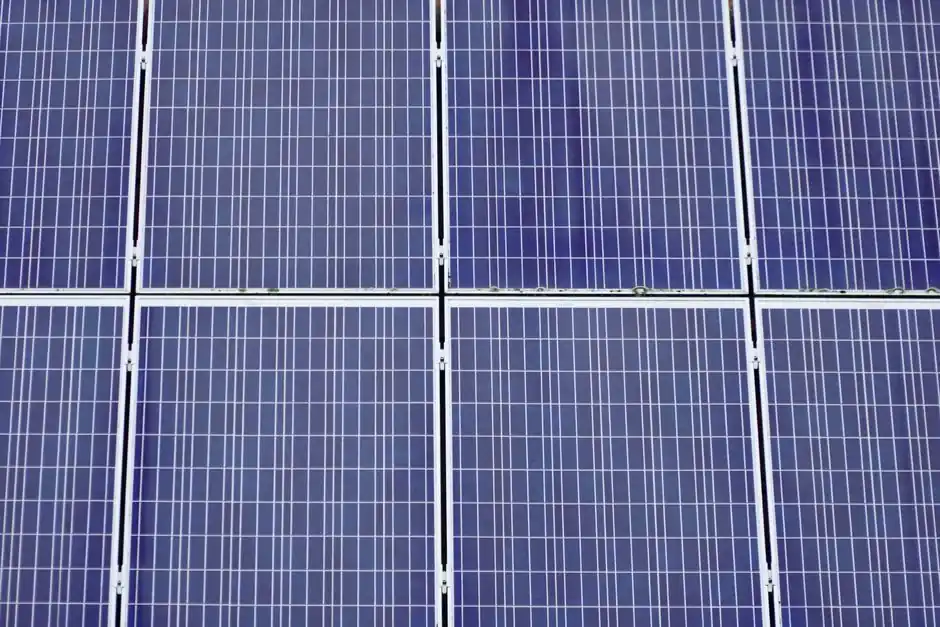
Solar module makers cannot fully pass through 2025-2026 silver cost increases: silver paste now accounts for 15-17% of module cost, with module ASPs lagging the metal's 130%+ annual rally. Survival now depends on silver-replacement metallisation, thinner grid lines, and selective price hikes of CNY
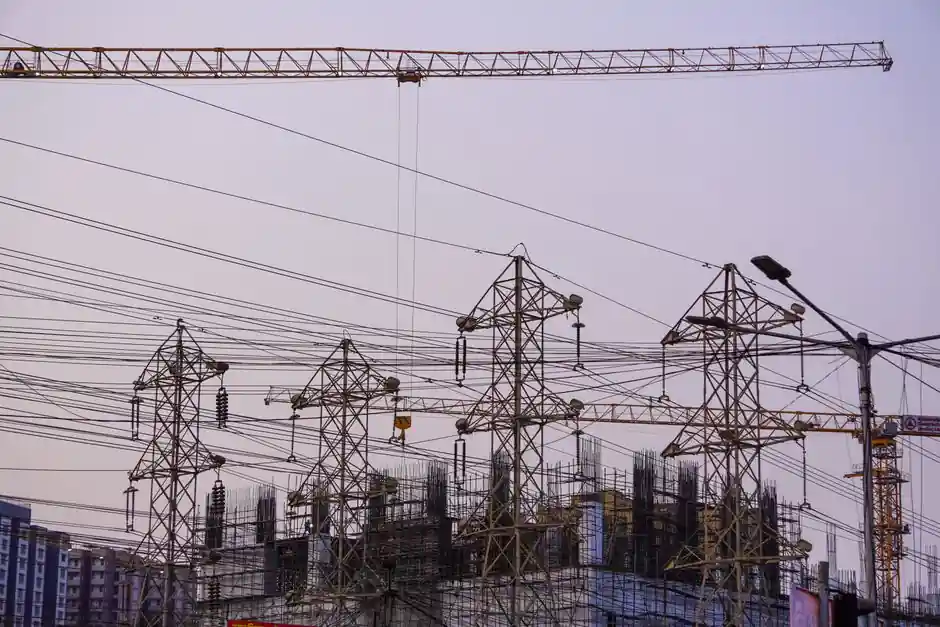
Modular transformer designs can avoid most heavy-haul constraints by splitting the unit into sub-100-tonne factory-built sections, but they cannot eliminate the weight problem entirely. Power transformer lead times now run about 128 weeks, with individual units between 50 and 400+ tonnes, forcing lo
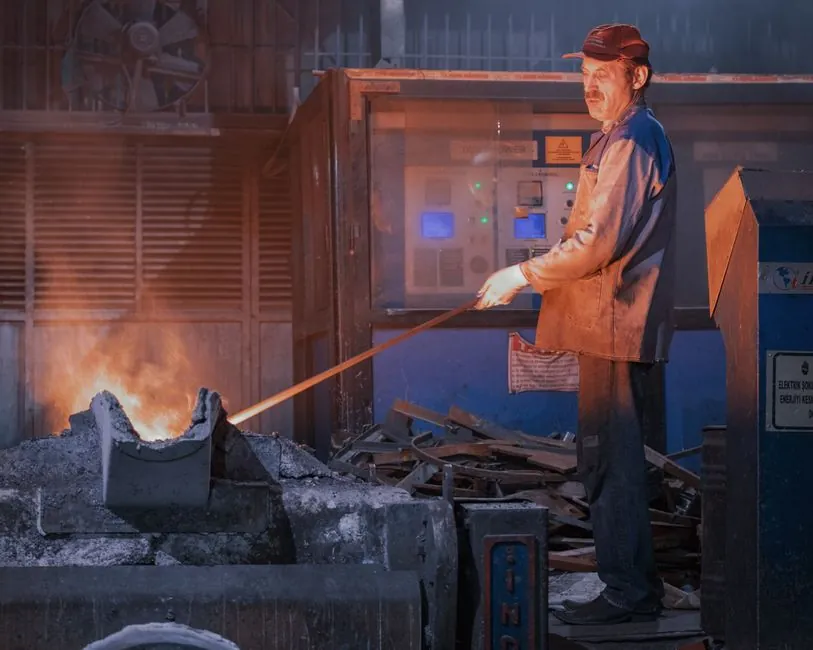
Mature-node foundry overcapacity will not end automotive chip shortages on its own: a 2.8% by-count Chinese share and IDM-heavy global supply mean structural tightness in MCU, analog, and PMIC lines persists into 2026.
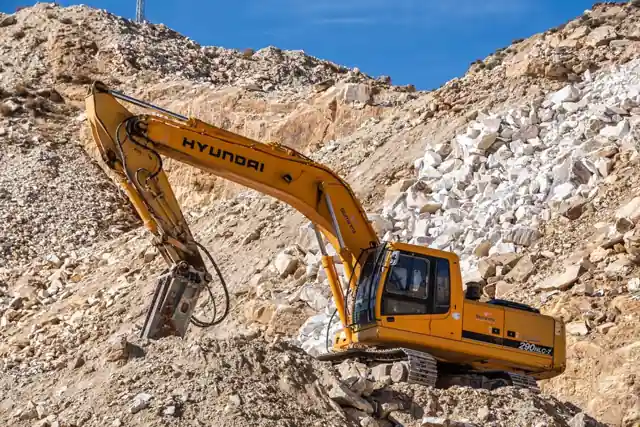
Recycling can offset up to 35% of primary rare earth demand by 2050 under IEA scenarios, but a decade is not long enough to displace mined NdFeB supply given 91% refined-output concentration in China and magnet-grade separation losses.
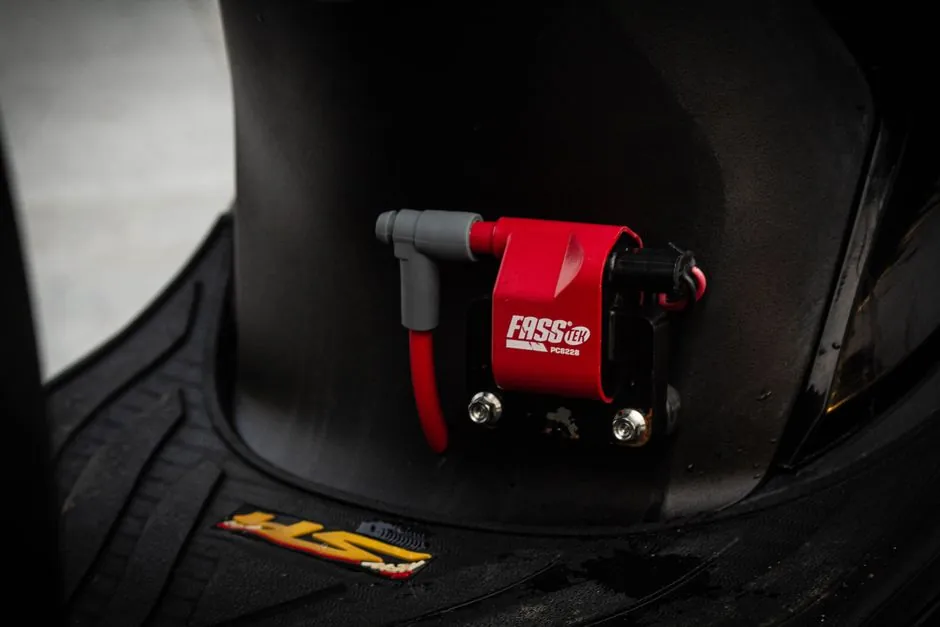
Cerium cannot fully replace NdFeB in motors: Ce-substituted grades reach roughly 30-40% lower energy product and are limited to under ~200°C service, so they fit HVAC compressors, fans, and lower-power PM motors, not traction or wind generators.
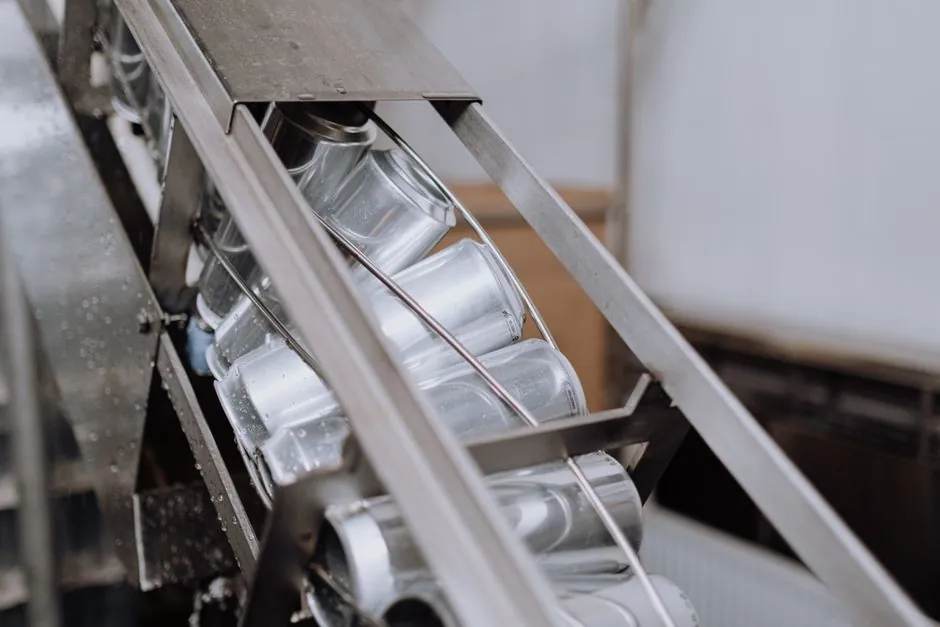
Robotic and cobot welding can take the repetitive heavy-fabrication tonnage, but cannot close the 330,000-welder US deficit projected by 2028 because pipeline, refinery, and structural field joints stay human-only.
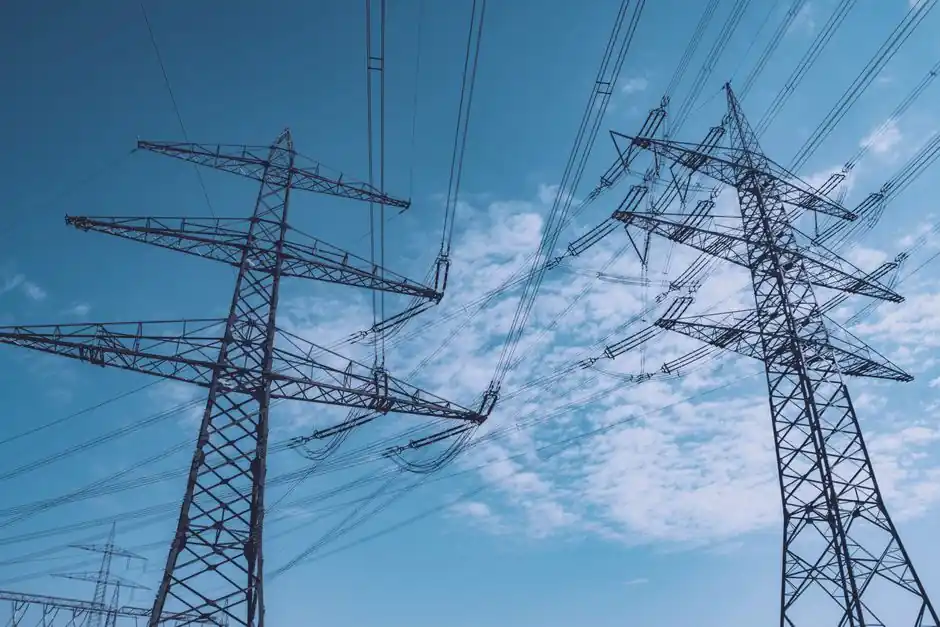
Aluminum can replace copper in select data center power distribution paths, but not as a direct 1:1 swap. AI-driven demand is projected to lift global copper consumption 50% by 2040, pushing operators to use aluminum busbars, cable conductors, and extruded bus pipe where weight and cost dominate, wh
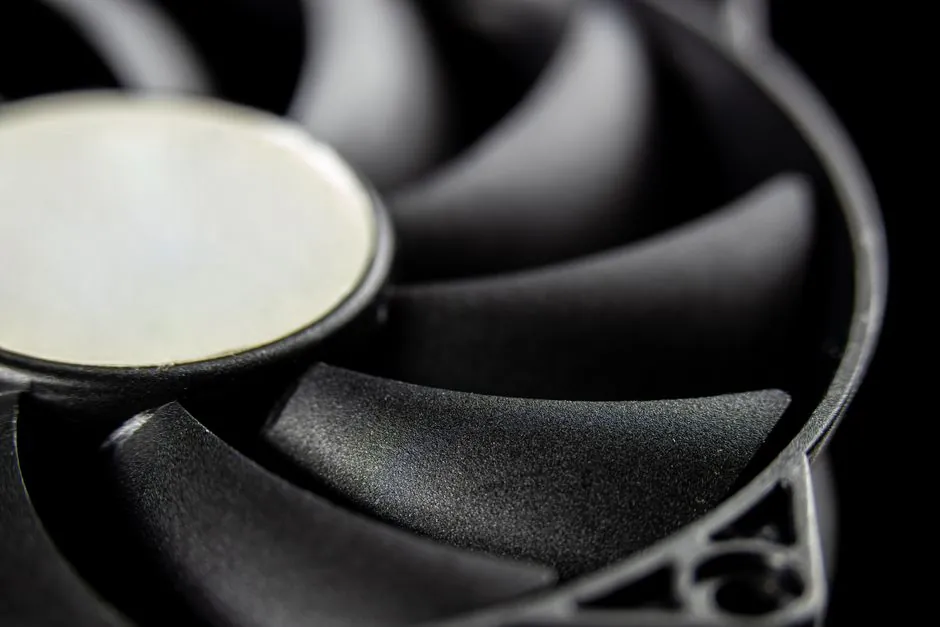
Air-cooled designs can bridge 6 to 18 months of liquid-cooling equipment lead time for AI data centers, but only up to roughly 30 kW per rack before efficiency and noise penalties make the stopgap uneconomical. Operators weighing the choice should size hybrid rear-door heat exchangers, CRAC capacity
TSMC's CoWoS lines were fully booked at 52-78 week lead times through late 2025, with NVIDIA alone consuming roughly 60% of capacity. Intel's unconstrained EMIB and EMIB-T lines are positioned to absorb overflow demand, but volume parity with CoWoS remains years away.
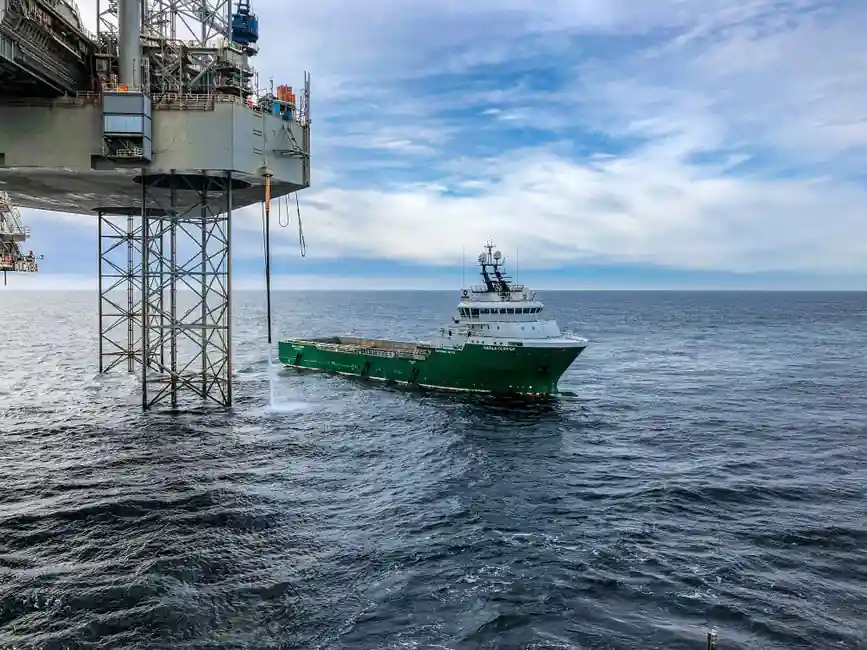
Specialised cable-laying vessel day rates climbed from USD 320,000–380,000 in 2023 to USD 480,000–620,000 by May 2026, against a global active fleet of just over 60 ships, most of them aging, while annual offshore cable demand is on track to expand 9.5-fold from 1,932 km in 2020 to 18,173 km by 2028
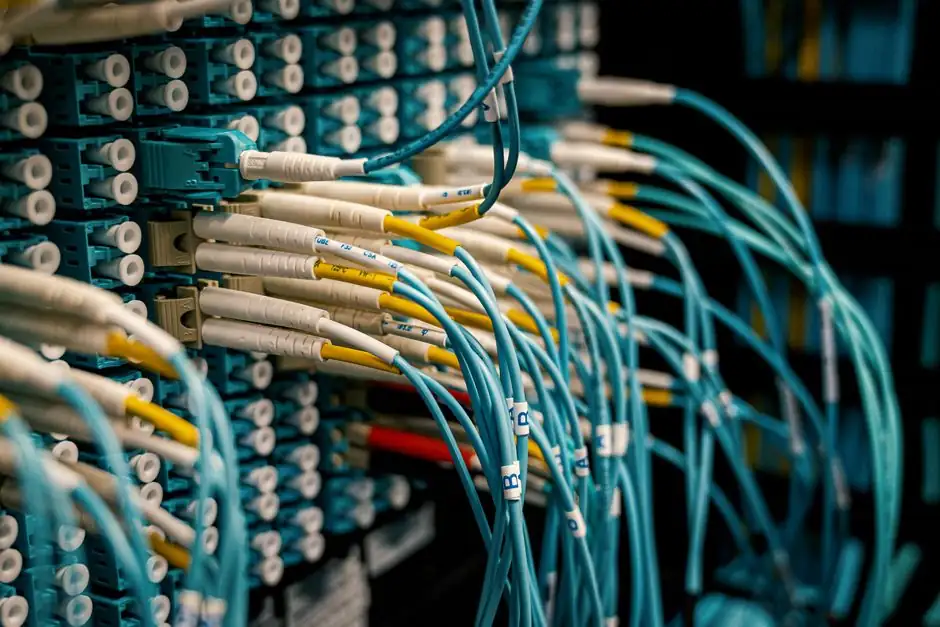
For HV cable joint and termination projects in 2026, the Europe cable joint market is sized at USD 3.375 Bn growing at 7.9% CAGR to USD 5.747 Bn by 2033, while pre-terminated HV cables above 36 kV are now the leading schedule-compression lever versus field-built joints.

Busway and bus duct lead times for 2026 data hall builds sit at 20–36 weeks from major OEMs, well shorter than 52–80+ week MV switchgear, but the path from PO to energization now runs 4–9 months and dictates IT load dates. Plan tap-off, transformer, and switchgear submittals together, not in sequenc

On-site nitrogen generation (PSA or membrane) cuts delivered-gas cost by 50–90% and removes supply-disruption risk, with payback typically 6–18 months at industrial flow rates above ~5 Nm³/h. Bulk liquid nitrogen still wins for very high purity or burst demand above ~200 Nm³/h.
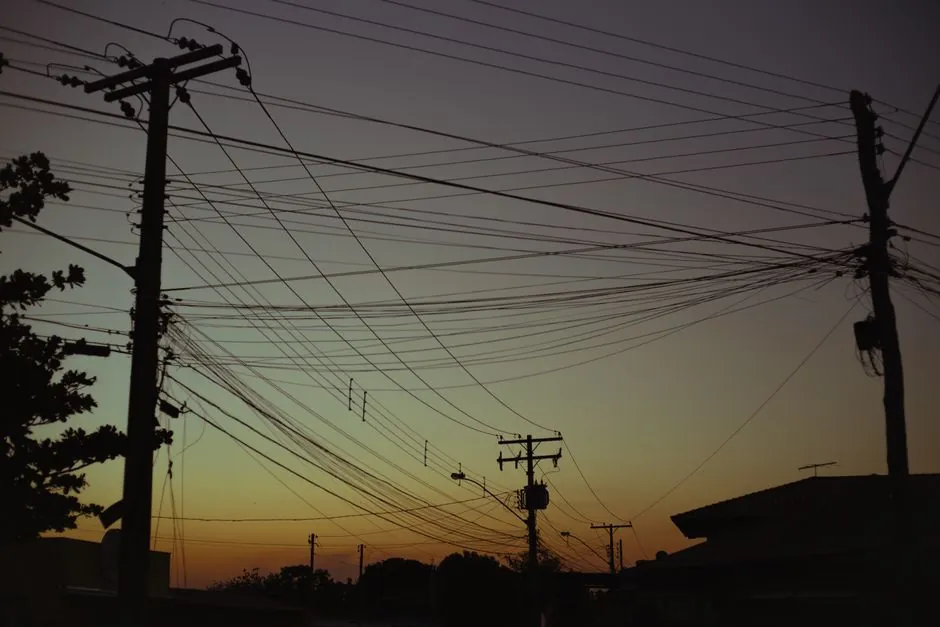
NEC 2026 reorganizes medium-voltage data center cabling into Articles 265-268 and 270, while a mid-sized power-cable plant now requires $3.5-7M USD upfront. Wire and cable demand is accelerating, with India power-cable growth projected at 10-12% annually through 2025-2030.
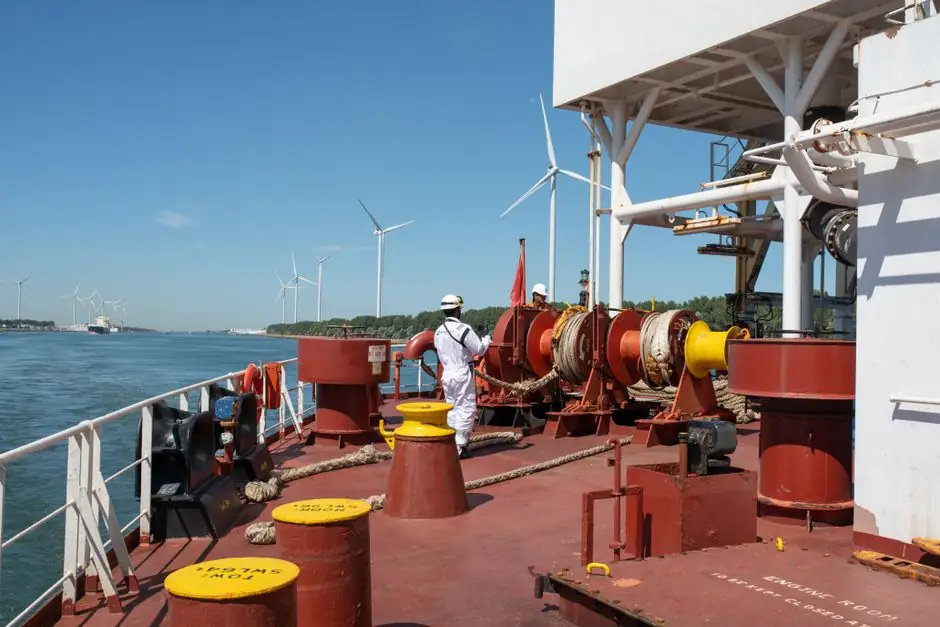
U.S. data-center and grid buildout is driving heavy-lift demand for power transformers, gas turbines, and substations, with about 82% of large power transformers imported and lead times stretching to 128-144 weeks. Carriers report stronger Americas demand in 2026 than 2025, but heavy-lift fleet capa

Lead-free brass rod is replacing leaded brass in plumbing fittings and water-contact components, with the global market valued at USD 1,704.4 million in 2025 and projected to reach USD 2,404.2 million by 2035 at a 3.5% CAGR. Supply options now include C69300 ECO BRASS rods alongside C36000, with lea

Type I borosilicate tubing remains the primary container raw material for injectables, with global market estimates of USD 8.2–15.2 billion in 2024 and 3.9–6.5% CAGRs through 2030. Supply is concentrated among a handful of multinational furnace operators plus Chinese capacity expansions, with key de

Boron supply for industrial glass and NdFeB magnets hinges on four mined minerals (colemanite, kernite, tincal, ulexite) and a concentrated source mix: U.S. Mineral Commodity Summaries 2024 reports glass/ceramics at 65% of domestic borate use, with imports 90% reliant on Turkey.
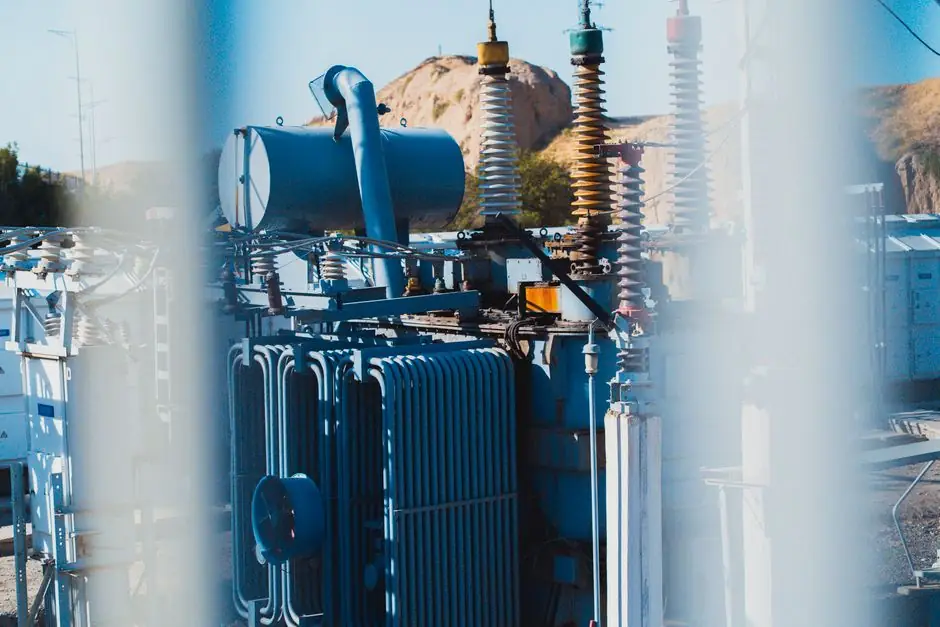
U.S. large power transformer lead times in 2026 sit at 110-160+ weeks, with Tier 1 OEMs effectively closed for 2028 delivery. Production-slot allocation now runs on blanket purchase agreements, capacity-reservation contracts, and early design-locks, with remanufactured units (4-6 weeks) and qualifie
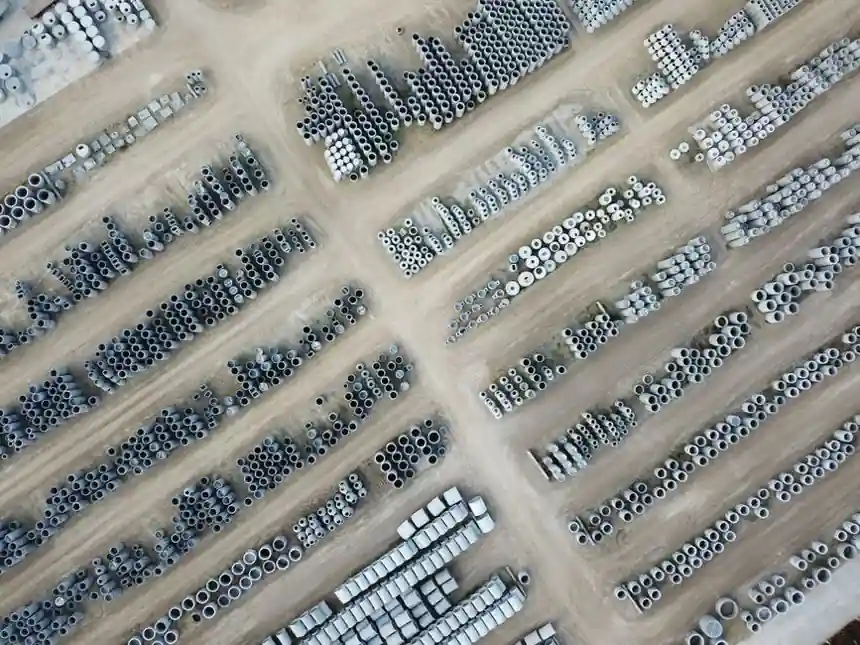
Bonded warehouses and Foreign Trade Zones (FTZs) both defer U.S. import duties, but U.S. bonded storage caps at five years and forbids manufacturing, while FTZs allow processing, weekly entry, and inverted-tariff election under 19 CFR Part 146. After the April 9, 2025 Executive Order locked in tarif

Black mass payables now dictate recycler margins: feedstock competition lifted procurement costs above $7B in 2024, with hydromet feedstock alone reaching 70% of total cost in some routes. The 2026 market sits at USD 16.42B with an 18.91% CAGR through 2031.
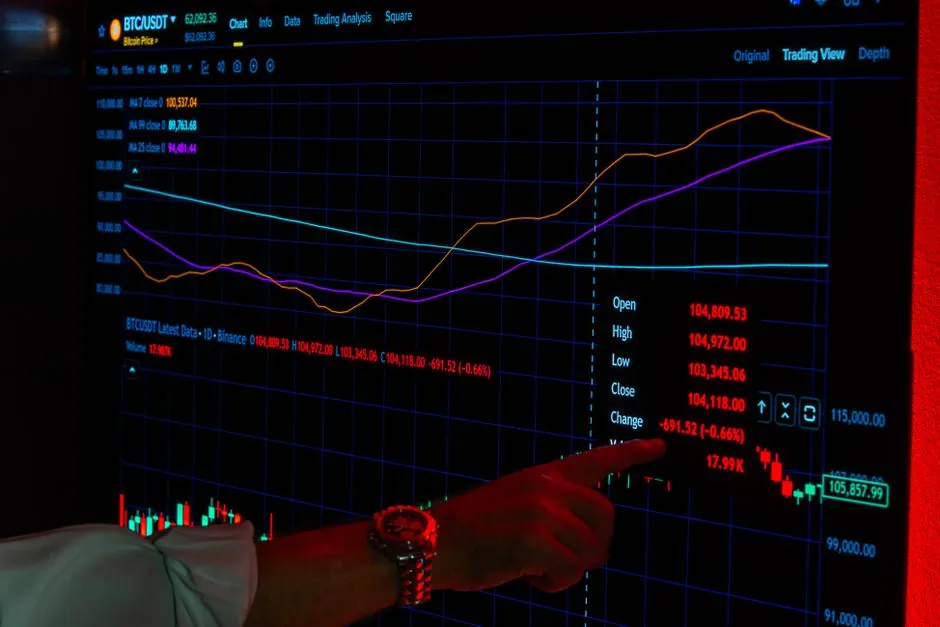
China's January 2025 export controls on bismuth and indium now sit inside a list of 16 restricted critical minerals, exposing electronics assembly lines to multi-month supply bottlenecks and sharp price pass-through on ITO targets, low-melt solders, and connector plating.
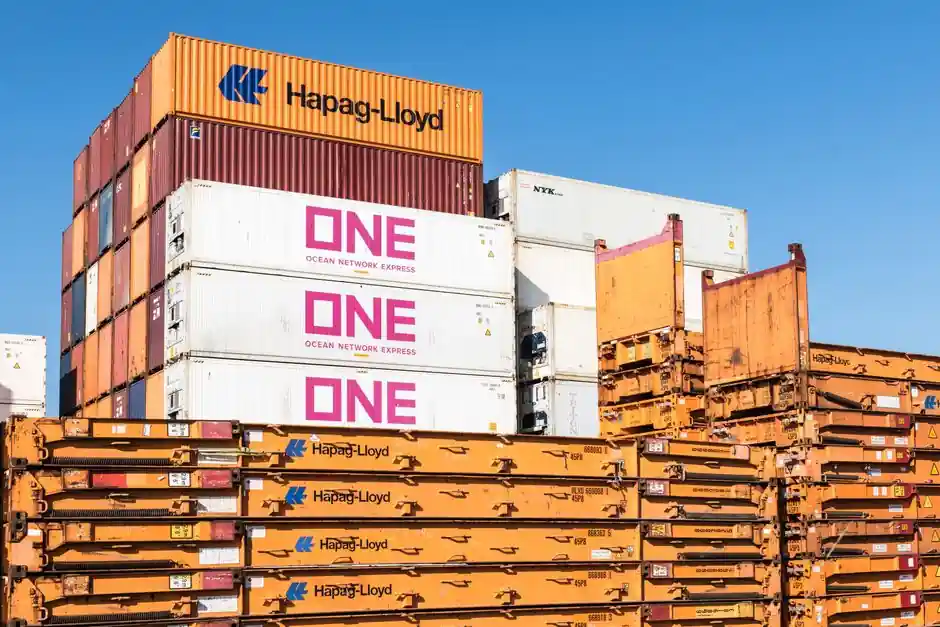
For 5-7 MWh BESS containers in 2026, ex-works build slots are 12-26 weeks, ocean transit 28-65 days, and inland heavy-haul another 4-6 weeks for permits. Plan a 5-8 month total door-to-commissioning path on LFP liquid-cooled units.

Beryllium supply risk for aerospace and electronics stems from a tightly concentrated value chain: the U.S., Kazakhstan, and China dominate production, with Materion running the only fully integrated mine-to-metal facility. Aerospace and defense account for nearly 40% of 2024 demand, while substitut
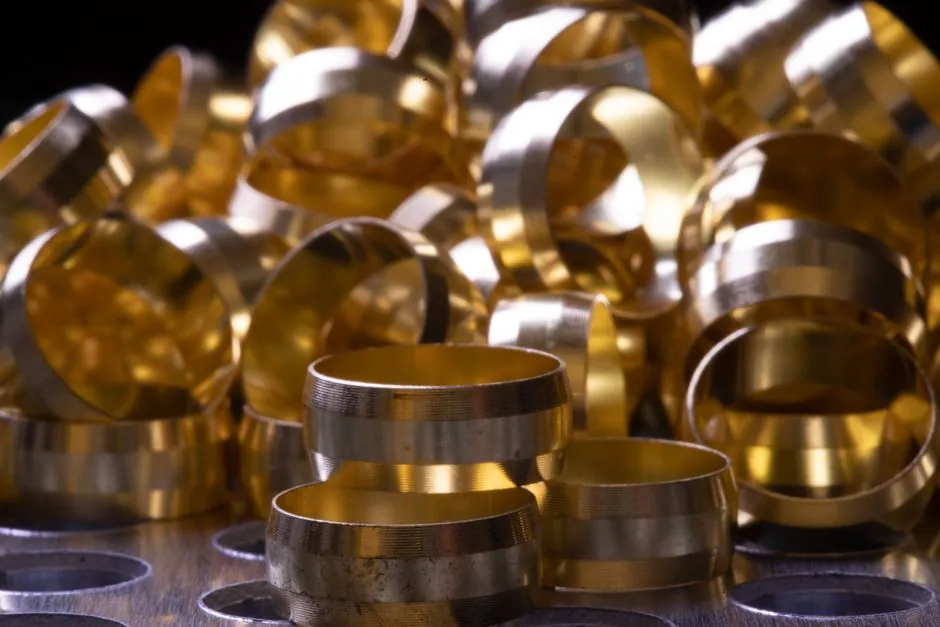
Beryllium copper and phosphor bronze dominate copper-alloy connector strip supply, with BeCu delivering higher tensile strength and conductivity at 3-5x the unit cost. BeCu suits miniature and high-cycle contacts, while phosphor bronze fits larger pitch strips and harsh-environment pins where cost a

Behind-the-meter data center generation reached roughly 2 GW online across four projects by mid-2026, with ~90 GW of BTM capacity now announced and 56% of developers actively exploring on-site power. Specifying BTM equipment is now a speed-to-power decision: aeroderivative turbines, mobile gas gense

52100 (1.0% C, 1.5% Cr) remains the global benchmark for bearing steel, with oxygen content now around 6 ppm versus 35 ppm in the 1960s, roughly a 10x fatigue-life gain. ASTM A295 and ASTM E-45 govern chemistry and inclusion rating; case-hardening 8620 and M50 fill impact and high-temperature slots
Battery-grade lithium carbonate (≥99.5% Li2CO3, low heavy-metal impurities) and technical/industrial grade (~90% purity, higher Na/Fe/K) are produced in parallel at major brine and conversion facilities such as Albemarle's La Negra and Nevada sites, with availability split between EV battery cathode

Wet-process polyolefin separators captured 55.9% of 2025 EV-separator revenue and lead on ionic conductivity and mechanical strength, while dry-process PE/PP keeps a cost and simplicity edge in mass-market LFP and ESS cells. Asahi Kasei's August 2026 Charlotte, NC wet-process coating line, with H2 f

The EU Digital Battery Passport becomes mandatory on 18 February 2027 under Regulation (EU) 2023/1542 for EV, LMT, and industrial batteries above 2 kWh, requiring 71 data points, a QR-code-linked unique identifier, and tiered access for public, regulator, and service/recycler groups. The compliance

Thermally conductive silicone gap-filler pads and silicone potting compounds are the two dominant thermal-materials families in EV battery modules, and they behave very differently: pads trade low thermal resistance for higher assembly labour, while potting compounds typically have low thermal condu
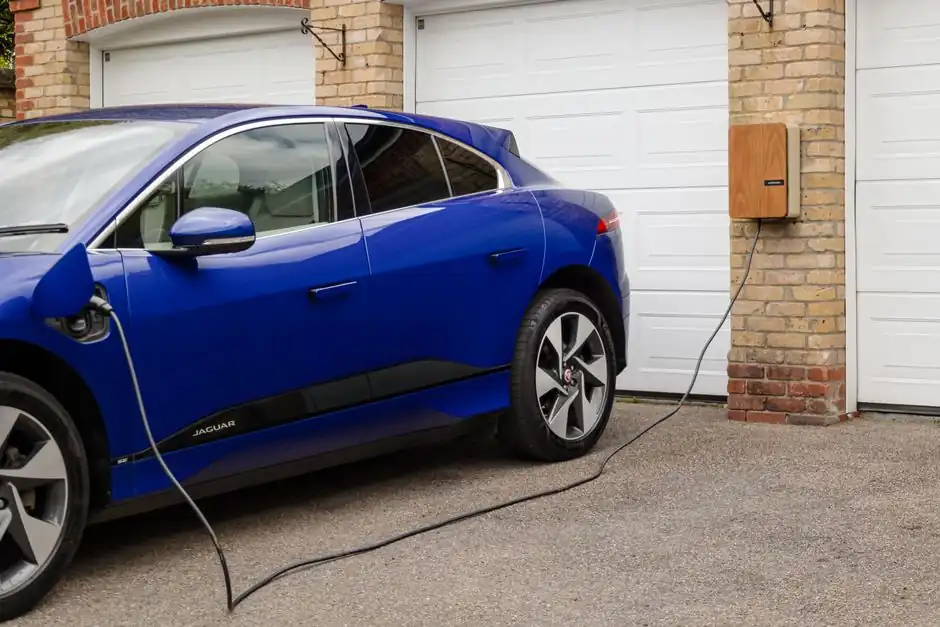
AMR battery charger and power module supply is tight on labor and component constraints, not on finished charger capacity: 82% of US battery employers report skilled-labor shortages, while Delta, GEBAT and Wiferion are shipping modular 1-44 kW chargers, supercapacitor modules and 95%-efficient wirel

Battery cell price indexation to lithium carbonate is contractually common in 2026: BloombergNEF logged an $108/kWh pack floor on 2025-12-09, Benchmark's Lithium Carbonate Index sits at 300.39 with a 1.86% pullback, and August 2026 NE Asia carbonate at USD 18.14/kg is down 16.6% month-on-month.

Industrial battery cell lead times in late 2026 are driven by three variables: cell qualification queue depth, pack customization stage count, and factory capacity absorption, not by a single posted number. Expect 4-12 weeks for repeat-order Li-ion packs with stable BMS and 12-26 weeks for first-art

Battery cell cans for cylindrical formats (18650, 21700, 4680) are standardized rigid steel or aluminum cases with wound jelly-roll internals; prismatic cans are larger welded aluminum or steel rectangular enclosures (20-100+ Ah) that swap volumetric efficiency for thermal headroom. Format choice is

Battery-grade aluminum foil demand is forecast to grow at a 9.4% CAGR to USD 6.3 billion by 2035, with cell makers transitioning from 12–15 μm foils to ≤8–10 μm grades at 70–75% rolling yield. Battery copper foil expands at 7.88–10.1% CAGR, with 4–6 μm electrodeposited foil priced at USD 22–28/kg.

Ball screw and linear guide lead times in September 2026 are dominated by a two-tier market: stock programmes such as NSK Quick Ship ship standard ball screws in 3-5 days, while high-precision classes above 1240 mm from Rollon carry dramatically longer delivery windows, with custom ball-screw repair

Analysts forecast up to 600,000 fewer vehicles built in 2026 as AI data center demand pulls foundry capacity from mature-node automotive chips; power management IC lead times now exceed 50 weeks across Europe.

Automotive aluminum sheet for body panels is dominated by 6061 alloy in O/T4/T6/T451/T651 tempers, stocked 0.30-3.5 mm thick and 52-2400 mm wide, and supplied against GB/T 33227-2016, JIS H4000, ASTM B209, EN 485. Top Chinese mills hold IATF 16949 and ship to Tesla, Ford, BAIC, Changan and similar O

Automatic transfer switch lead times in 2026 run 12 to 30 weeks for new units above 1,200 A, with 2 to 6 second total transfer times and 0.4 to 1.5 second OFF intervals typical. Open-transition units ship fastest; closed-transition builds for data centers extend further.

During component or drug shortages, authorized channels deliver traceable parts and longer-horizon supply at lower unit risk, while non-authorized brokers and resellers close the gap in days with 52+ week lead-time avoidance but no warranty, no CoC, and markups that compound as the shortage deepens

ASME-authorized code shop capacity in 2026 is constrained by a US welder shortage estimated at 400,000 workers and a workforce where over 50% of welders are above 55, pushing lead times and rates for Section IX, U-stamp, and S-stamp fabrication upward.

Argon supply tightness in 2026 stems from its role as the dominant shielding gas: argon alone holds roughly 35% of the welding gas market by volume, with demand anchored to GMAW, GTAW, stainless steelmaking, and electronics. Supply remains constrained by air-separation energy costs and the gas's inc

HVDC converter transformer lead times extend to 36-60 months in North America and Europe, materially longer than AC power transformer lead times of 110-160 weeks reported in 2026. Both are capacity-bound, but HVDC adds specialized converter valves, DC bushings, and single-unit factory bottlenecks.

Para-aramid fibers (Kevlar, Twaron) hold an estimated 68% share of the 2026 North America aramid market, driven by NIJ-rated body armor and U.S. defense procurement, while meta-aramid (Nomex) dominates thermal and electrical insulation. Cable-sleeve aramid grades operate from -170°C to 160°C with te

European APT climbed from $335 to $2,800–$3,280 per mtu between early 2025 and April 17, 2026, a 230.4% YTD jump, forcing cemented carbide cutting-tool buyers to absorb cost via longer tool life, recycling, and tool upcycling rather than simple price absorption.

API 610 pump lead times in 2026 sit in a 4–9 month band for engineered hydrocarbon units, with new-build (12th→13th Edition) and long-cycle castings as the main constraints. Quickship ANSI B73.1 and pre-engineered OH2/OH3 frames cut that to 7 days at one US OEM.

U.S. antimony apparent consumption hit 45,000 metric tons in 2025 with net import reliance at 91% and average price at $25/lb, double the 2024 figure, as flame retardants (49%) and antimonial lead plus ammunition (40%) compete for constrained supply. China's August 2024 export curbs and December 202

Analyzer shelter footprint, weight, and HVAC load are the binding capacity constraints in 2026 projects, with the oil-and-gas segment valued at $1.23B in 2025 and 5.2% CAGR through 2034. A 12 m shelter holding 6-8 analyzers typically lands in the 18-30 t range, so road, crane, and slab limits domina

Analog and power management IC lead times sit at 26-40 weeks in H1 2026, with ADI's July 3 customer letter extending some lines to six months and automotive PMICs at 16.8 weeks average. AI server demand is absorbing mature-node capacity, and EUV tool lead times of 18-24 months block fast relief befo

Amorphous core distribution transformers cut no-load losses by 50 to 70 percent versus grain-oriented electrical steel (GOES) units, positioning them as a credible workaround for the U.S. transformer shortage where GOES supply is constrained. Metglas remains the only domestic amorphous ribbon produc

Industrial-scale ammonia cracking supply readiness in 2026 is anchored by thyssenkrupp Uhde's 28 mtpd demonstration plant and Air Liquide's commissioned 30 mtpd pilot in Antwerp, with catalyst, tube metallurgy and burner packages now under TRL 8-9 validation.

U.S. Section 232 tariffs on aluminum remain at 50% for primary articles and 25% for derivative articles as of September 2026, with a temporary 15% rate applying to certain industrial equipment containing aluminum until December 31, 2027.

Idled aluminium smelters across the US and Europe are restarting in 2026 to offset Middle East supply losses, but power remains the binding constraint: competitive smelters need 10–20 year contracts near $40/MWh, while data-centre buyers are committing above $115/MWh. Restart economics, not ore, wil

Aluminum structural casting capacity for EV giga-casting is scaling past 12,000 t locking force, with 20,000 t presses announced and 13,000 t machines now operating in China. Market forecasts peg the segment at USD 3.09-3.4 B in 2024-2025, with 10-12.5% CAGR through 2033-2035.

Advanced sorting (XRT, LIBS, eddy current) now upgrades mixed Zorba scrap into alloy-specific secondary supply, with XRT cutting Zn in 6xxx profile scrap from 0.16–0.25% to 0.03–0.05% and US export losses near 2 Mt/yr.

Aluminum ingot, billet, and slab are three distinct supply-chain nodes: ingots are rough cast blocks sized for remelt and transport, billets are continuous-cast or hot-worked logs under 230 cm² cross-section for extrusion and forging, and slabs are rectangular continuous-cast blanks for flat rolling

Aluminum foil for lithium-ion battery cathode current collectors is now routinely supplied at 8-15 µm thickness, with 10 µm mass-produced and 8 µm in volume use. Purity ≥99.95%, tensile strength ≥8.0 kg/m², and 1xxx-series alloys dominate, while porous and carbon-coated variants address energy-densi

For 6061 and 6063 aluminum extrusions in 2026, typical quoted lead times are 6 to 10 weeks for custom 6063 profiles and 4 to 8 weeks for 6061 stock dies, while hard alloys 7075/2024 still run past 12 months and Asia-sourced 6061 shipping is achievable in 15 days.

Aluminum extrusion conversion cost tracks profile complexity: standard shapes run $0.43/kg processing while complex profiles add 15–40% via secondary machining, larger dies, and lower press yields.

Aluminum electrolytic capacitors, typically 1 µF to 100,000 µF with 20% tolerance, remain the dominant energy-storage and output-smoothing choice in switched-mode power supplies, while load-life ratings from 1,000 h at 150°C to 7,000 h at 105°C drive supplier selection for industrial builds

Aluminum coil stock spans 0.003–8.255 mm gauge and 6.0–1879 mm width across 1100, 3003, 5052, 6061, 7075 and other alloys, with H32, H34, H38 and O tempers as the most quoted stock programs. Buyer specs must lock alloy, temper, thickness tolerance, width tolerance, ID/OD and coil mass before release

Aluminum beverage can sheet demand is set to reach USD 65.8 Bn in 2026 with a 4.1% CAGR to 2036, while recycled-content targets diverge sharply: Novelis commits 90% recycled body sheet (vs 50% global average) and Ball targets 85% average global recycled content by 2030.

Aluminum billet for extruders remains structurally tight through September 2026, with Rotterdam extrusion billet premiums above $1,100/t and LME stocks near 250,000 t, the lowest since 1990, even as the global deficit narrows to ~900,000 t.

6061 and 6082 are not interchangeable for machined parts in 2026: 6061 wins on US/Asian stock depth and anodizing familiarity, while 6082 wins on European EN-standard supply, higher T6 tensile/yield strength, and better chip control on CNC. Pick by region, temper, and load case, not by allo

Guinea export-policy uncertainty and the Strait of Hormuz closure are reshaping 2026 alumina and bauxite supply risk, with Guinea exports projected to climb from 183 Mt in 2025 toward 240–250 Mt by 2027 absent intervention. FOB Guinea bauxite traded at $33–38/dmt on 27 March 2026, while U.S. metallu

Alloy surcharges on tool steels and nickel-base superalloys float monthly against nickel, chromium, molybdenum, manganese and iron reference prices, with energy and scrap riders layered on. Sept 2026 surcharges span ~€360–€2,750/t across grades, so a working procurement playbook matters more than he

Allocation is the formal rationing mechanism suppliers impose when demand outstrips fab output, distributing limited stock across customers on a historical-share basis, with lead times stretching to 30, 40 or 52+ weeks and partial shipments becoming routine. As of September 2026, allocation pressure

Air freight keeps semiconductor fabs running through chip shortages at a steep cost premium over ocean, with Sea-Air hybrid cuts on the Kuala Lumpur-Los Angeles corridor. Mode choice hinges on part value, lead-time gap, and carbon budget rather than a single number.

Oil-injected screw compressors typically quote 4-8 week lead times in 2026, while ISO 8573-1 Class 0 oil-free units run 12-26 weeks due to specialised rotor coatings and certification testing. Spec Class 0 only where oil carryover risk is unacceptable; otherwise oil-injected plus filtration cuts bot

AI server shipments in 2026 are gated by HBM, CoWoS packaging, and grid power, with Gartner projecting 40% of AI data centers power-constrained by 2027 and HBM supply sold out through 2026. GPUs are no longer the binding constraint.

AI server ODM assembly capacity is concentrated in four Taiwanese integrators (Hon Hai, Quanta, Wistron, Wiwynn) running at full utilization in 2026, with Southeast Asian and Mexican capacity expanding fast.

AI server rack power now exceeds 100 kW, and liquid cooling manifolds plus EPDM/silicone hose assemblies have become the load-bearing components of every direct-to-chip loop, with OCP ORV3 blind-mate quick disconnects standardising the cold-plate interface.

Custom AI workstation and GPU server supply for engineering firms now hinges on NVIDIA RTX PRO 6000 Blackwell 96GB SKUs, with builder-direct lead times, 1–4U rackmount options, and AMD EPYC 9005 or Threadripper PRO 96-core host platforms defining the 2026 buying spec.

Broadcom and Marvell custom switch ASIC lead times stretch to about 52 weeks as of mid-2026, pushing mid-market AI cluster buyers toward NVIDIA Spectrum-4, Cisco Silicon One G300, and Celestica white-box alternatives.

Medium-voltage transformers, switchgear, generators, UPS skids, and liquid-cooling heat-rejection plants are the 2026 AI data center critical path. Lock factory slots, commissioning labor, and grid interconnection in that order before breaking ground.

For 2026 AI cluster builds, passive copper DAC wins on unit price and lead time inside the rack (sub-3 m runs), while active optical cable (AOC) is the safer pick at 5-100 m once lead-time risk on copper-heavy gauge assemblies, airflow, and rework cost enter the picture.

The 2026 AI supply chain is gated by four interlocking chokepoints: TSMC's advanced-node foundry and packaging capacity, HBM memory, grid-scale power, and optical interconnect lasers, each of which alone can throttle the others. Single-supplier dependencies on ASML EUV systems and Taiwanese fabs def

The 2026 AI accelerator supply chain runs in ten layers from front-end wafer starts at TSMC N3/N5 nodes through CoWoS-L advanced packaging, HBM4 stacks, NVL72 rack assembly, and 800G/1.6T optical interconnect, with advanced packaging, HBM, and grid power now the binding constraints. The SemiAnalysis

Agricultural machinery component shortages in 2026 are structural, not cyclical: 2025 new-equipment sales fell 35-45%, pulling replacement demand forward into a smaller installed base while high-tech GPS and sensor parts face a separate 150,000-unit demand spike. Buyers should dual-source

Construction-grade sand and aggregate demand hits roughly 50 billion tonnes per year globally, while desert sand cannot substitute for the coarse, water-swept grains concrete and container glass require. Aggregate shortfalls, transport costs, and stricter mining rules now price-spec concrete, mortar

Only four countries hold a working roster of aerospace-qualified titanium sponge producers: Japan, Russia, Kazakhstan, and Saudi Arabia, while the U.S. has been without a large domestic sponge plant since Timet's Henderson, Nevada facility shut in 2020.

AMS 4911 plate lead times in 2026 run 8 to 16 weeks, AMS 4928 bar and forging cycles 14 to 18 weeks, and titanium and nickel tubing still stretches 50 to 60 weeks. Sponge net import reliance is 100% and alpha-beta Ti-6Al-4V holds 51% grade share, so qualification, not headline price, controls aerosp

Aerospace investment casting is structurally short on capacity through 2026, with foundries running 12+ week lead times, OEMs vertically integrating, and CPP acquired by GE Aerospace for $11.75 B (2026-09).

Aerospace fastener lead times in 2026 remain structurally stretched for titanium and nickel-alloy parts because qualified melt, heat-treatment, and AS9100 certification queues dominate the schedule. Expect titanium airframe fasteners to hold roughly 45% of material share, with nickel-superalloy hard

The global aerospace prepreg market is valued at USD 4.6 billion in 2026, up 18.6% year-over-year, and is projected to reach USD 6.5 billion by 2031 at a 7.0% CAGR. North America holds over 40% of 2025 share, carbon fiber prepregs and unidirectional tapes dominate, and thermoplastic prepregs are the

Aerospace aluminum plate lead times in September 2026 run 3-7 days for stock plate and 20-40 days for custom mill runs, with DFARS sourcing, AS9102 first-article documentation, and tight 7075-T6 capacity extending schedules further on defense programs.

New aeroderivative gas turbines ordered from GE Vernova, Siemens Energy, and Solar Turbines carry 24 to 36 month lead times as of 2026, while heavy-duty combined-cycle units stretch to 36 to 84 months. With U.S. grid interconnection at 36 to 84 months in major markets, aeroderivatives are now the de

Active Electrical Cables (AECs) are a copper-based, in-rack interconnect for AI clusters, with AEC ports scaling to 1.6T per cable, ≤9 m reach, and DSP-based signal conditioning that bridges passive DAC and active optical alternatives in GPU-to-GPU scale-up fabrics.

Granular activated carbon (GAC) remains the most field-validated technology for PFAS removal, with US EPA limits of 4 ng/L for PFOA/PFOS driving utility-scale demand. In 2026, domestic production capacity is expanding, with BioEnergy Development Inc. adding 3,000–12,000 tons/year from Montana, easin

Fused alumina landed costs are up 6–9% in 2026 while silicon carbide runs 12–15% higher, as bauxite, petroleum coke volatility, and CBAM-aligned tariffs compress abrasive grain supply through Q4.

500 kV power transformer delivery slots in 2026 run 100-128 weeks, so buyers placing orders in Q3 2026 should expect arrival in 2028, with tap-changer sub-components also stretched. Book engineering review and slot reservation 24-30 months ahead of energization for any power transformer UHV build.

A 1000 kVA 13.2 kV to 480 V pad-mount transformer typically lands between $25,000 and $70,000 for oil-immersed units in the U.S. market in 2026, with biodegradable-fluid and copper-wind configurations pushing quotes past $140,000.

Tier 1 heat pump suppliers in 2026 are led by Daikin (11.5% global share), with Mitsubishi Electric, Midea, Carrier, and Bosch Thermotechnology rounding out the top 5 at a combined 37% share. Specifying engineers should match supplier tier to climate envelope, efficiency target, and refrigerant comp

A vapor-compression heat pump is built from four primary refrigeration-cycle components (compressor, condenser, expansion valve, evaporator) plus reversing, control, and source-side hardware. Bill-of-materials lines typically include copper tube, aluminum fin, sheet steel, brazed stainless or copper

Heat pump material demand is dominated by copper, aluminium, steel and engineered plastics rather than true critical raw materials, but refrigerant choices, magnet sourcing and ESG-jurisdiction exposure still drive procurement risk in 2026.

EV charger supply chains split into four tiers: upstream raw materials (lithium, cobalt, nickel, copper, aluminum, polymers), midstream power components (SiC MOSFETs, IGBTs, transformers, switching power supply modules), downstream charger assembly (AC Level 2 and DCFC units, 7 kW to 350 kW), and en

2026 EV charger Tier 1 suppliers split into a 600-1500 kW megawatt vanguard (Alpitronic, BYD, Huawei, Zeekr, Xpeng, Kempower) and a 300-500 kW mass-deployment core (ABB Terra 360, Alpitronic HYC300, BTC Power, ChargePoint), with procurement evaluated on kW, connector standard, OCPP 1.6/2.0.1, and UL

EV chargers share five core sub-assemblies across AC and DC architectures: power supply (transformer + rectifier + control), power module (IGBT/MOSFET + PFC + DC/DC), charging cable and connector, control board, and enclosure. Power level drives the BOM: Level 1 (120 VAC, 2.4 kW), Level 2 (240 VAC,

EV charger raw material sourcing is dominated by stainless steel, aluminum, and copper for enclosures and conductors, with PC resins, elastomers, and TPU used in cords, displays, and seals. Supply risk clusters in cobalt, lithium, nickel, and graphite, where primary sources are concentrated in DRC,

A battery energy storage supply chain runs in five stages, from raw-material mining through cell, module and rack production, to system integration, transport and on-site commissioning, with trust in supplier traceability now the binding constraint on lithium-ion BESS deployment.

BloombergNEF's Tier 1 list is a financial bankability filter built on six 10 MW+ own-brand projects, three independent buyers in two years, not a technical certificate. SMM's parallel 2026 H1 Tier 1 list publishes 14 utility-scale and C&I names including CATL, BYD, HiTHIUM and EVE Energy.

A grid-scale BESS bill of materials is dominated by the battery pack (cells, modules, racks), the power conversion system (PCS), the battery management system (BMS), the energy management system (EMS), thermal management, step-up transformers, and a shaft-key-grade containerised enclosure with safet

LFP pack prices around $70–$100/kWh, 4,000–10,000+ cycle life, and UL 9540A / NFPA 855 compliance are the three filters that decide which raw materials and cell suppliers make a stationary BESS bid bankable in 2026.

The U.S. power grid supply chain spans four stages: generation, high-voltage transmission, substation step-down, and last-mile distribution, with three interconnections (Eastern, Western, ERCOT) balancing real-time supply and demand. Critical equipment lead times now run two-plus years and transform

In 2026, "Tier 1" power-grid supplier status splits into two parallel rankings: BloombergNEF's bankability lists for solar PV, inverter, and BESS OEMs, and grid-utility procurement tiers. BNEF's March 18, 2026 update requires six own-brand projects of at least 10 MW/10 MWh across three independent b

A power grid bill of materials spans generation, high-voltage transmission, sub-transmission, distribution, and substation hardware, anchored by transformers, conductors, switchgear, protection relays, and metering. The U.S. grid alone contains thousands of miles of HV lines and millions of miles of

Power grid raw material sourcing in 2026 hinges on copper, aluminium, steel, nickel, and rare earths, with copper and aluminium dominating cable and conductor demand per IEA critical-mineral analysis. The EU's strategic materials list, the U.S. three-interconnection structure, and NERC/FERC reliabil

The electric motor supply chain spans four tiers from raw materials (NdFeB magnets, copper, electrical steel) through Tier 4 parts, Tier 3 sub-assemblies, Tier 2 systems, and Tier 1 OEM integration. It is reshaped by EV demand, with motor makers in China, Japan, and Germany holding distinct position

Global electric motor sales are projected at USD 155.40 billion in 2026 with a 7.5% CAGR to 2033, with ABB, Nidec, WEG, Siemens, and Regal Rexnord anchoring the Tier 1 supplier set across industrial, automotive, and appliance segments.

LED supply chain analysis for 2026 points to a structurally tight market: upstream MOCVD epitaxy and midstream die/phosphor capacity remain concentrated in Greater China, gallium and rare-earth pricing has re-rated sharply, and downstream luminaire OEMs are pushing 48 V DC architectures backed by in

DC fast charger supply chains stretch from upstream power-conversion components (IGBT/Sic modules, magnetics, DC power supply units) to downstream charging-network operators, with 2026 OEM lineups spanning 30 kW wallboxes to 1.6 MW MCS satellite stacks for heavy-duty fleets.

Offshore wind foundations drive a multi-billion-euro upstream steel and equipment supply chain and a downstream cable, vessel and O&M market. Europe holds 25 GW installed, with 9.5 GW/year build rates needed by 2050. Foundation weight now exceeds 2,000 t per monopile.

Phosphate rock sits at the head of a fertilizer and phosphoric-acid chain that feeds agriculture, animal feed (defluorinated grade), lithium-iron-phosphate batteries, and phosphogypsum by-products, with the Wind product-chain database mapping over 160,000 upstream-downstream links across 5,154 indus
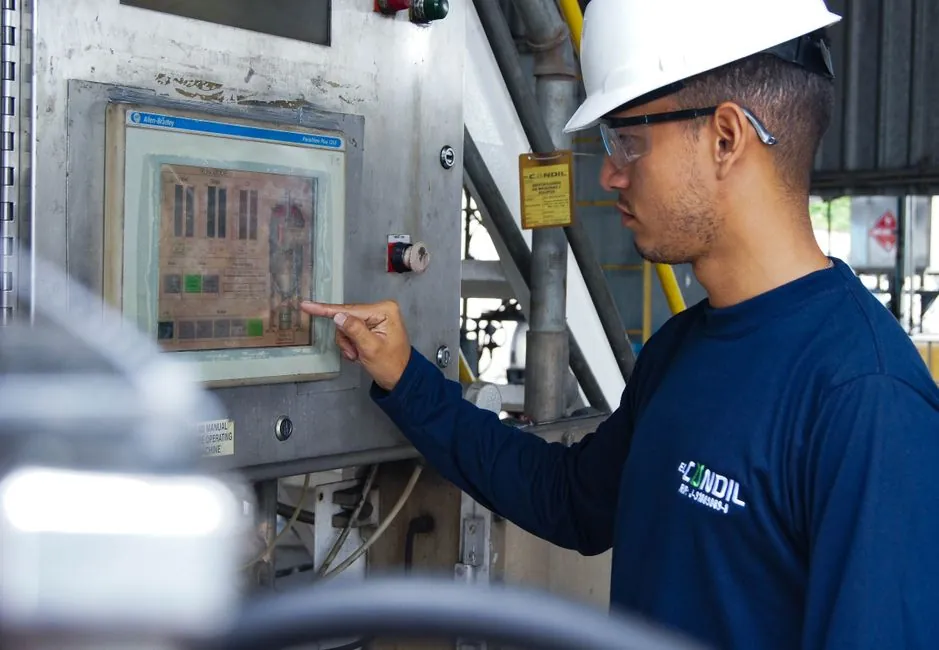
Industrial automation software sits between upstream industrial controls (PLCs, sensors, SCADA edge devices) and downstream enterprise layers (MES, ERP, analytics). In 2026 the stack is consolidating around vendor-neutral platforms with unlimited licensing, IIoT edge gateways, and unified namespace

The global warehouse robotics market reached $6.21B in 2025 and is forecast to $11.91B by 2030 at 13.9% CAGR, with a parallel 18.2% CAGR track cited for growth to $31.34B by 2032. Selection hinges on payload, navigation type, and integration depth with WMS, not headline throughput alone.

Stainless steel coil supply tightens into 2026 as 300-series cold-rolled pricing sits at US$1,400-1,600/t and lead times stretch across ASTM AISI GB JIS DIN EN grades, forcing buyers to dual-source 304, 316, and 321 strip coil.

An industrial UPS system sits between two distinct value chains: upstream power-electronics component supply and downstream load-side industry verticals. Specifying it cleanly means mapping both chains, not picking a kVA number in isolation.

Industrial pump sourcing in 2026 is dominated by three to four platform clusters: DirectIndustry lists 800+ vetted pump makers, Made-in-China carries 2,000+ chemical/oil pump suppliers with audited status, and Indian portals price entry-level centrifugal pumps at US$1,600–75,000. Hydraulic and vacuu

Pneumatic actuator supply in mid-2026 is constrained at the quarter-turn and linear-motion sub-assembly level, with lead times on Scotch yoke and rack-and-pinion units stretched into the 26-40 week range for hazardous-area builds, driving specifiers to qualify dual-source alternatives and re-evaluat

China-hosted B2B catalogs list 1000+ machine-tool suppliers as of July 2026, with verified CNC lathe packages priced US$7,300-11,500/set and CNC routers from US$786/piece. Miniature machine-tool suppliers alone number 1,114 on Alibaba.

Cobalt sulfate (CoSO4) is a CAS 10124-43-3 inorganic salt with two upstream pathways — cobalt metal/cobalt oxide dissolution and cobalt(III) alums precipitation — feeding battery cathode, plating, and catalyst downstream use, while process control depends on monitoring concentration with pressure tr

304/304L/316L hot-rolled stainless steel coil supply in August 2026 is anchored by Jiangsu, Zhejiang, and Shanghai mills with mixed 2B/HR finishes, while downstream vessels and nails pull on the same feedstock. Procurement risk concentrates on grade mix, surface roughness, and MOQ discipline.
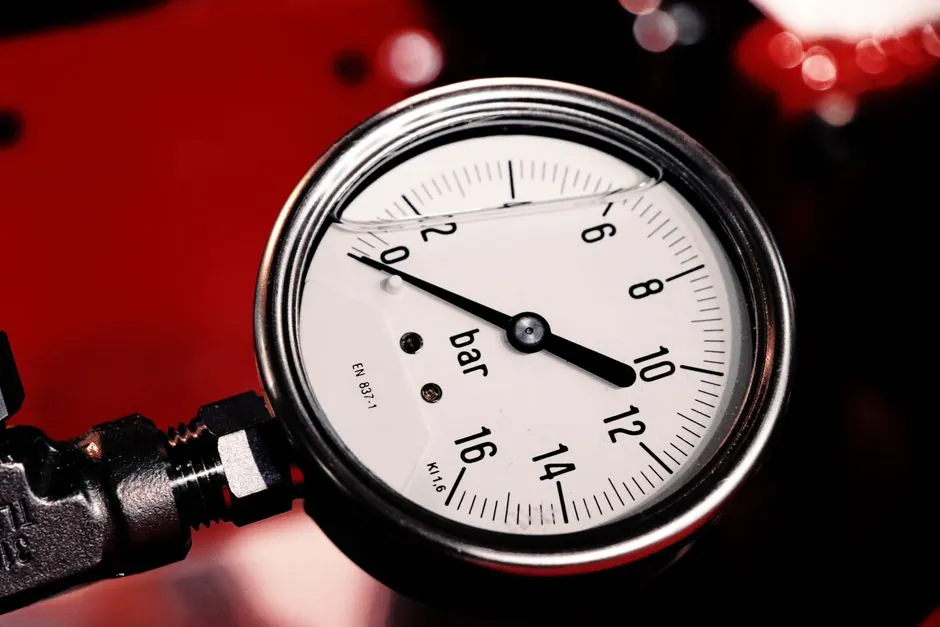
Hand-held and process measuring instruments, from calipers and laser distance meters to electromagnetic flow meters and pressure transmitters, form a tightly linked upstream-downstream chain with metalworking, water, and oil-and-gas end users. As of August 2026, distributors in India, Malaysia, Ukra

Wind turbine blade manufacturing sits between upstream composite materials, electronics, and forging suppliers and downstream utilities, O&M service providers, and grid integrators. Blade reliability — dominated by leading-edge erosion, composite fatigue, and icing — drives the O&M revenue layer, wh

Liquid cooling suppliers now split into three distinct tiers — data-center DLC OEMs, cold-plate/heat-exchanger fabricators, and filter/coolant chiller vendors — with Chinese manufacturers dominating cold-plate and filter output at $0.43–$459/piece while US/EU DLC specialists own AI-rack designs abov

Pneumatic system supply chains span 3,000+ industrial nodes in the Wind dual-chain database, with upstream steel and aluminium feeding cylinder barrels, fittings and tubing, and downstream automotive, food/beverage and packaging absorbing 60-70% of global demand.

The semiconductor supply picture in mid-2026 is shaped by structural risk rather than a single acute shortage: legacy node (≥28 nm analog, MCU, power discrete) capacity is tight while advanced-node fab buildout continues, and downstream industrial OEMs must engineer around allocation, not price.

The DC fast charger market grows from USD 14.2B in 2026 to USD 75.49B by 2032 at a 32.11% CAGR, with supply chains strained by 150-420 kW scaling, OCPP 2.0.1/ISO 15118 mandates, and Q1 2026 US utilization softening despite continued port additions.

Robot harmonic reducers sit between an upstream steel, bearing, and specialty-grease supply base and a downstream robotics, CNC, and semiconductor-equipment demand stack; spec risk concentrates in flexspline material, wave-generator bearing life, and lubricant chemistry.

The 2026 HBM supply squeeze is structural, not cyclical: AI data centers absorb ~70% of high-end memory output, three suppliers (SK Hynix, Samsung, Micron) are sold out through 2026 on multi-year contracts, and HBM takes 23% of DRAM wafers at a ~3:1 HBM-to-DDR5 conversion ratio. Expect 40–50% memory

Global aluminum ingot supply runs through three tiers: integrated primary smelters (Constellium, Albras, Aluar), Chinese trading-exporters offering A7 99.85% and A356 99.7% grades around US$2,500-2,700/ton FOB, and high-purity 99%-99.9999% niche producers. Secondary ingot now consumes only 8% of the

NAND Flash supply remains structurally tight into 2029: 2026 wafer output is forecast to contract 5%, demand growth runs 18%/18% for 2026-2027, and enterprise SSDs already claim 40% of bit demand. Buyers of industrial UPS-backed storage systems should lock multi-year supply now.

Industrial gearbox procurement in 2026 runs on four pillars: spec gate, supplier map, total-cost-of-ownership math, and risk/contamination controls. Mature programs treat the gearbox as a gearbox buy tied to lubricant, seal, and bearing life, not as a price-ticked commodity.

SpaceX has contracted to deliver roughly 110,000 Nvidia GPUs plus CPUs and memory to Google by 2026-09-30, with Google holding a 30-day termination right and retaining ownership of trained models. The deal is the strongest 2026-07 signal that Nvidia still anchors tier-1 AI compute, while Intel pushe

Pharmaceutical equipment procurement in 2026 rewards a total-cost-of-ownership framework over list-price shopping, with 20% of non-core spend routinely absorbed by capital equipment and supplier qualification, GxP compliance, and lifecycle service locking in value or risk over a 7-15 year asset life

South African ferrochrome (FeCr) output cutbacks that started in H1 2025 have lifted seaborne prices from $0.79/lb to $1.03/lb contained Cr, with H1 2026 demand still volatile and Q3 tightness expected.

Procurement of utility-scale wind turbines hinges on four hard trade-offs: drive-train architecture (geared vs direct-drive), rotor topology (HAWT vs VAWT), structural-monitoring scope, and life-cycle CoE targets below fossil parity. Use this guide to score vendors on those axes before signing a tur
Photovoltaic sourcing from China runs through CPIA-aligned polysilicon, ingot, wafer, cell, and module tiers, with 156 mm ingot blocks, ~200 µm wafers, and solar-grade silicon purity under 1 ppm as the key handoff specs for any overseas buyer.
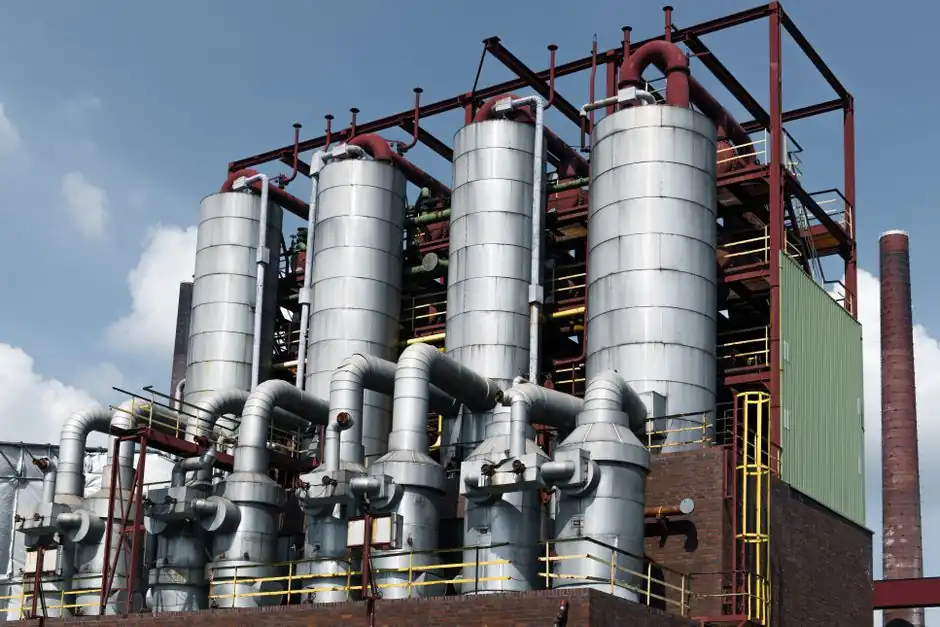
SCADA systems sit between upstream DCS/PLC field instrumentation and downstream enterprise layers (MES, EAM, historians), with ISA-112 standardising lifecycle architecture and oil & gas SCADA demand tracking 2026-2033 growth at dispersed-asset monitoring sites.

Water treatment membrane supply chains in 2026 are pivoting from commodity polyamide RO/NF stock toward electrically conducting and electroactive membrane modules, with NF pore sizes of 1-2 nm and 0.5-2.0 MPa trans-membrane pressure gaining share in hybrid desalination/reuse trains.

Electric motors consist of seven functional subassemblies: rotor, stator, air gap, armature, commutator, shaft, and bearings. A complete engineering BOM lists each with part number, material, and quantity, typically derived from CAD data.

Electric motor raw material sourcing centers on three high-volume inputs: electrical steel laminations, copper windings, and aluminum housings, with magnet materials (NdFeB, ferrite) as the critical fourth stream for permanent-magnet designs. Weight share is dominated by steel at roughly 50% and iro

A transformer is several supply chains stacked together, not one: grain-oriented electrical steel, copper or aluminum windings, insulation, bushings, and skilled labor, all converging on a custom-engineered unit. Lead times for large power transformers have stretched from under 12 months before 2021

Tier-1 transformer suppliers in 2026 are headed by ABB, Siemens, and Schneider Electric, with Hitachi, Toshiba, and Chinese OEMs rounding out the global top tier; pricing runs $20-30/kVA and annual failure rates sit at 0.3-0.5% versus 2-3% for tier-3.

A power transformer BOM breaks into five functional groups: magnetic core (CRGO steel or amorphous laminations), primary and secondary windings (copper or aluminum), solid-cellulose insulation plus mineral oil, the tank and cooling package, and auxiliaries including bushings, tap changer, conservato

Transformer raw material sourcing in 2026 is dominated by copper, aluminum, electrical steel (CRGO), amorphous ribbon, and transformer oil, with U.S. large power transformer lead times stretching to 3-5 years. Transformer prices have risen 60-80% since January 2020 on doubled raw material costs, mak

IGBT supply chains move along four sequential nodes, wafer fabrication (8-12 in. Si, increasingly SiC), epitaxial/drift processing, front-end chip fab, and back-end module packaging with ceramic DBC substrates, each gate controlled by a small set of vertically integrated vendors and OSAT partners. W
Tier-1 IGBT supply in 2026 is led by Infineon, Mitsubishi, Fuji, and Hitachi, with Starpower and CRRC rising in China. Market value reaches USD 8.58B in 2026, growing at 5.78-8.8% CAGR through 2031-2035.

An IGBT module is a multi-layer composite device built from a silicon die, a MOS-gate stack, a BJT-style drift/backside, plus packaging materials such as DBC substrates, solder, and copper baseplates. The dominant BOM cost line is the silicon die, while the gate driver, thermal stack, and housing ma

Spec-first IGBT sourcing in 2026 hinges on voltage class (650/1200/1700 V), current rating, package footprint, and lot-level traceability rather than headline price, with vertically integrated Chinese IDMs typically 30–60% below equivalent Infineon, Fuji, or Mitsubishi parts on FOB China basis. Thre

Power semiconductor supply chains move through seven linked stages (design, EDA/IP, front-end wafer fab, back-end ATP, equipment, materials, and end integration) and are geographically concentrated in Taiwan, South Korea, Japan, the U.S., the Netherlands, and China, with single-source chokepoints at

Tier-1 power semiconductor suppliers are operating in a 2026 market valued at USD 57.41 B (CAGR 4.51% to 2034), with lead times of 20-30+ weeks for AI-grade PMICs, VRMs, and high-voltage SiC modules. Single-source strategies on these parts are high-risk; tier-1 AVL expansion and long-term agreements

Power semiconductor sourcing hinges on three material classes: 11N-purity silicon wafers (Czochralski, 200/300 mm), wide-bandgap compounds (SiC 3.26 eV, GaN 3.4 eV) with CAS-tracked precursors, and critical minerals (gallium, germanium) concentrated in Chinese supply.

A MEMS sensor supply chain starts with a wafer foundry (silicon, SiC, stainless steel, or titanium substrates), feeds through a separate CMOS ASIC line, then packaging, test, and calibration, before reaching module integrators. Capacity concentration, alternate-substrate contamination rules, and 12–

Bosch, STMicroelectronics, Infineon, Honeywell, and Murata lead the global MEMS pressure-sensor tier in 2026, with Bosch producing over 4 million MEMS sensors per day and the overall MEMS market projected to grow from USD 19.0 billion (2025) to USD 42.9 billion by 2035 at an 8.5% CAGR.

A MEMS sensor integrates a mechanical microstructure (diaphragm, cantilever, comb-finger, or proof mass) with an ASIC on a silicon die, then packages the pair into a plastic or ceramic housing via wire bonding, molding, and cavity or through-port sealing. The bill of materials covers silicon, glass,

MEMS sensor raw material sourcing hinges on four material families: silicon (monocrystalline and polycrystalline), piezoelectric films (ZnO, AlN, PZT), metals (Au, Al, Pt) for electrodes, and polymers/ceramics for packaging. Material choice directly sets Young's modulus, density, and fatigue life ac

The PCB supply chain runs from raw laminates and copper foil through bare-board fabrication, component sourcing, SMT assembly, test, and packaging, with each stage gated by a different vendor set. Forecast, BOM validation, and kitting discipline drive 70 percent of on-time delivery risk, and shortag

The 2026 global flexible PCB market reaches $31.07B with 9.5% YoY growth, and tier 1 suppliers split between Japanese premium brands (Nippon Mektron, Fujikura, Sumitomo Electric) and Chinese integrated manufacturers (Avary, Kinwong, M2PCB) on a weighted 30% market share, 25% technology, 20% qua

PCB raw material sourcing hinges on three inputs (copper foil, glass cloth, resin) bonded into copper-clad laminate, which alone drives 27.31% of board cost. Procurement should lock CCL grade, copper weight in oz/ft², and UL94 flame class before RFQ to control lead-time and yield.

The silicon wafer supply chain runs from silica sand mining to Czochralski single-crystal ingot growth, with China producing 5.4 million tons of silicon annually, then wafer fabs in Taiwan, South Korea, Japan, and the U.S. converting polished wafers into integrated circuits.

Five silicon wafer manufacturers, Shin-Etsu, SUMCO, GlobalWafers, Siltronic, and SK Siltron, control the tier-1 supply for 300 mm substrates in 2026, with Q1 2026 global wafer shipments up 13% year-on-year per SEMI and 200 mm lines running 15-20% above 2024 contract prices.

Sourcing silicon wafers starts with Czochralski-grown monocrystalline ingot and four verified supplier criteria: ISO 9001 certification, scale, doping capability, and regional logistics. Buyers should rank suppliers on lead time, resistivity range, and just-in-time inventory practices.

Copper's supply chain runs from sulphide and oxide ores through concentrate, smelter, refinery, and fabricator to wire rod, tubes, and alloys, with each stage governed by long lead times, geographic concentration, and rising downstream demand from EVs, grids, and renewables. In 2025 the global marke

Aluminum Tier 1 suppliers in 2026 split into three clusters: audited contract manufacturers (IATF 16949 die casters in India, Vietnam, Mexico), integrated automotive platforms (Nemak, Martinrea, Linamar, Ryobi), and US capacity-qualifying mills under the April 2026 Federal Register tariff-adjustment

An aluminum bill of materials that survives the RFQ stage lists alloy temper on every line, ties each part to a unique identifier, and quantifies extrusions, fasteners, and surface finish as separate rows to prevent 6061/7075 substitution errors.

Aluminum buyers should anchor sourcing on three concrete levers: define alloy/temper to a published standard (e.g. 6061-T6), qualify mills via ISO 9001 plus mill test reports, and price against the LME/TradingEconomics benchmark near USD 3,250/t. Use bauxite supply geography (Australia, China, Guine

A steel supply chain moves product from iron ore and scrap through integrated or mini mills, service centers, fabricators, and erectors, with material typically 25-30% of project cost. EAF mini mills dominate stainless feedstock at roughly 90% recycled content, and construction absorbs about 60% of

Section 232 tariffs, the EU's July 1, 2026 steel safeguard (47% quota cut, 50% out-of-quota duty), and the February 28, 2026 Strait of Hormuz closure are reshaping which steel mills and service centers qualify as tier 1 suppliers in 2026. Domestic EAF producers and USMCA-region mills now win on land

A steel Bill of Materials (BOM) lists every member, fastener, weld, and coating quantity on a project, anchored to AISC shape designations like W18x35, grade A992, and piece weights that drive purchasing, labor, freight, and the final bid.

Steel raw material sourcing in 2026 hinges on five decisions: define grade and Incoterms first, qualify mills on ISO 9001 plus mill test reports, run trial orders before bulk, blend UK and overseas supply to hedge price volatility, and lock contracts with MTC traceability and sustainability certific

Nickel sourcing in 2026 splits between China-origin nickel alloy parts (~35% of global output) and EU-flagged strategic raw channels. Pick on grade, not on geography: Inconel 625, Monel 400, Invar 36 and Ni-Cr-Fe families each map to a different corrosion, temperature or dimensional-stability job.

The cobalt supply chain runs in six stages, from DRC and Indonesian mining through Chinese-dominated refining, cathode-active-material production, and cell/pack assembly. About 70% of mined cobalt comes from the DRC, refining concentrates in China, and systemic risk models show cascades that are 4x

A Bill of Materials (BOM) is a structured, multi-level list of every raw material, component, subassembly, and quantity required to build one unit of a product, with seven core data fields (part number, name, quantity, UoM, procurement type, reference designator, cost) and three primary views (EBOM,

Cobalt procurement in 2026 is anchored to the Democratic Republic of Congo, which supplies more than 65% of global output, with 15-20% of Congolese volumes still coming from artisanal mining. Spec-driven buyers should treat the OECD Due Diligence Guidance, mine-to-lot traceability, and recycled feed

The lithium supply chain runs in four stages: upstream mining (spodumene ore and brine), midstream conversion to lithium carbonate or lithium hydroxide, downstream cell and pack manufacturing, and end-of-life recycling. Australia, Chile, and China account for about 90% of mined output, while China c

Tier-1 lithium battery cell suppliers in 2026 are dominated by six cell makers, with CATL at ~39.2% and BYD at ~16.4% of 2025 global EV battery installations. Chinese cell makers collectively held above 55% combined share, while LFP chemistry captured around 61% of H1-2025 power-battery installs [S2

A lithium-ion cell is built from eight specifiable items: cathode, anode, separator, electrolyte, two current collectors, tabs, casing, and protection electronics. Material choice drives voltage (2.3-3.85 V nominal), energy density (160-450 Wh/kg), cycle life, and cost, making the bill of materials

Lithium raw-material sourcing in 2026 is shaped by three hardrock minerals, spodumene, lepidolite, petalite, and a 100-7000 ppm brine concentration gap that decides cost. Buyers must pair IRMA/OECD audit evidence with grade, deposit geography, and battery-chemistry fit before signing supply contract

The rare earth supply chain runs from carbonatite or ion-adsorption mining through cracking, solvent extraction, oxide separation, metal reduction, alloying and magnet sintering, with China holding dominant positions in mid- and downstream stages and global projects now targeting 303.4 million tons

China-based fabs held 33% of global foundational-node wafer capacity in 2025, up from 19% earlier, and a December 2025 mandate requires chipmakers to source at least 50% of new-capacity equipment domestically. Sourcing wafer fab equipment from China is now driven by policy as much as by price, raisi

Spec-driven buyers lock in air compressors through CFM, PSI, duty-cycle and lifecycle-cost gates, not horsepower alone. Match the three primary types (reciprocating, rotary screw, centrifugal) to demand profile and total hours, with rotary-screw life at 40,000-60,000 hours.

Hydraulic cylinder procurement hinges on matching bore, rod, seal compound, and rod coating to the duty cycle, with mining-grade builds demanding HVOF or ceramic rods, 4:1 safety factor, and NBR低温 seals rated to -40°C or below. Global market is on track from $18.11B in 2026 toward $27.19B by 2034.

Industrial laser procurement in 2026 is a multi-axis risk decision, not a price comparison: buyers must score suppliers on product consistency, lead-time stability, documentation, spare-parts continuity, and 3-10 year lifecycle support. The winning RFQ fixes beam type, power, working area, and accur

China now accounts for the majority of global LiDAR production capacity, with the domestic market forecast to grow from USD 112.3M in 2025 to USD 426.4M by 2030 at a 30.6% CAGR. Sourcing from Chinese vendors requires a spec-first qualification gate covering laser class, range, FOV, IP rating, and su

Hydraulic system procurement in 2026 should be run on total cost of ownership, not invoice price: industrial hydraulic circuits typically run 250-700 bar, drive 8-15% of heavy-machinery capital cost, and dictate the bulk of unplanned downtime, so a spec-first vendor scorecard beats catalogue-shoppin

China holds 67% of global wind blade manufacturing capacity by megawatts, with Sinoma Wind Power Blade and Zhongfu Lianzhong leading a USD 111B 2026 market growing at 8.4% CAGR. Sourcing routes split between direct OEM contracts, mold-shop joint development, and trading-house consolidators, each wit

AI accelerator procurement in late 2026 is shifting from single-vendor Nvidia reliance to a staged multi-vendor evaluation discipline driven by GPU allocation easing, board-level TCO scrutiny, and 47% daily AI use among procurement teams. Practical playbooks now split the work into four phases over

E-axle procurement in 2026 is no longer a price-led RFQ: line-ready 3-in-1 capacity now sits well ahead of unit demand, and the binding constraints have moved to NdFeB magnet assurance, 60–90 day bonded buffer sizing, and common flange/pin-out alignment for shared inverter PCBA tooling across 150–35

Industrial refrigeration buyers face a compound 2026 squeeze: high-GWP HFC phase-downs under the U.S. AIM Act and Kigali, domestic compressor and refrigerant shortages, and aging plant assets tripping on grid volatility. Expect 8 to 16 week lead times on replacement compressors and rising retrofit c

Industrial catalyst value chains sit between upstream raw-material extraction (PGM, base metals, rare earths) and downstream refining, petrochemical, and emissions-control end-users, with NACE-cited corrosion losses of $1.372 billion per year in oil and gas alone highlighting chemical specification

An EV charger procurement strategy that holds up on site acceptance starts with the duty cycle, freezes the four anchor requirements (electrical, OCPP 2.0.1 + ISO 15118 comms, service/SLA, and a written acceptance plan), then audits the factory before signing the PO. This 2026-09-12 reference walks

A spec-first robotics procurement strategy treats sensor selection as a multi-year commitment, with 12-36 month qualification cycles, 7-15 year service lives, and migration costs that routinely exceed the original unit price. Long-term continuity (EOL policy, SDK stability, dual-source options) outw

The hydraulic cylinder supplier landscape in 2026 splits into three tiers: global Tier-1 OEMs (Parker Hannifin, Bosch Rexroth, Caterpillar, Eaton, KYB), specialist high-pressure and automation makers (Enerpac, SMC, Wipro, Hengli), and hundreds of regional distributors such as HYDAC, Hader, Yates, Ba

EV battery procurement in 2026 hinges on matching cell chemistry to vehicle duty cycle, with LFP dominating passenger and urban-delivery packs while NCM retains a high-rate niche in heavy-duty. Total Cost of Ownership, dual-sourcing, and carbon-policy exposure now outweigh pure $/kWh as decision dri

Lithium procurement strategy now hinges on five gates: critical-mineral designation, application-specific battery chemistry, supplier certifications (UL 1973, UL 9540A, ISO 9001), supply-chain transparency, and make-vs-buy logistics. The IEA projects a 17x demand rise for lithium in clean-energy app

Industrial filter selection differs sharply between upstream, midstream, and downstream stages of oil and gas, with stainless-steel high-pressure housings (ASME B31.3 compliant) specified for refining and pharmaceutical sterilizing cartridges (0.03 to 1.2 µm) for bioprocessing. Material grade, micro

Hydraulic cylinders anchor both upstream oil and gas drilling rigs and downstream refining/valve control, with specified operating pressures up to 10,000 PSI for high-pressure duty and 14-week prototype lead times on custom builds.

Industrial fastener supply risk in 2026 is driven by stainless steel, alloy steel, and titanium raw-material constraints plus port and labor volatility, not a single shock. Buyers mitigate with multi-source qualification, full lot traceability per ASTM A967, and distributor buffer stock.

Molybdenum's upstream side is dominated by copper-molybdenum concentrate mining, while downstream demand concentrates in HSLA steel, stainless steel, superalloys, MoS₂ lubricants, and aerospace/defense components. Q2 2026 saw global MoS₂ prices rise as U.S. producer prices climbed 5.5% in June 2026,

Ferrochrome (FeCr) anchors stainless steel as its primary downstream outlet, with HC FeCr at 4-8% C and LC FeCr under 0.1% C serving grades 304, 430, and 410. Upstream is dominated by South Africa (75% of global chrome ore reserves, 57% of chrome production, 12.5 Mtpa exported, over 70% to China), w

US industrial fastener sourcing sits on roughly 4,380 Thomasnet-listed suppliers and about 370 domestic manufacturers producing over 230 million pieces annually; the shortlist below ranks the top names against quality, traceability, and supply reliability for 2026 procurement.

The global hydraulic cylinder market sits between USD 16.18B and USD 21.11B in 2026 across five published estimates, with CAGRs clustering at 4.3–5.81% to 2031–2034. Asia Pacific holds 42.57% of 2025 revenue, welded designs hold 47.92%, and 50–150 mm bores hold 44.73%, shaping the supply chain bottl

Cobalt sulfate is a pink CoSO4 salt (heptahydrate CAS 10026-24-1, anhydrous CAS 10124-43-3) sold globally by manufacturers and distributors for batteries, electroplating, animal feed, and pigments. Cobalt sulfate is mainly purchased by battery cathode makers, electroplating shops, and feed-grade ble

PTFE spot prices surged roughly 30% in July 2026 after Strait of Hormuz disruption lifted sulfuric acid costs, with high-purity PFA on allocation and 8-14 week lead times. Buyers face concentrated fluorspar supply, PFAS-driven capacity exits, and semiconductor-grade tightening through H2 2026.

Polysilicon inventories above 510,000 metric tons and wafer stockpiles over 22 GW are driving Chinese spot quotes to RMB 53-54/kg, while U.S. Section 232 and minimum-import-price actions tighten upstream supply access for module builders in 2026.

Linear guide rails sit at the hinge between upstream steel/aluminum production and downstream CNC, robotics, and semiconductor equipment. Each precision step adds 10-25% to unit cost. Choose profiled-rail for heavy CNC loads and round-rail for low-cost automation. Material, ABEC/ISO grade, and

Global humanoid robot shipments jumped 272% in H1 2026 to 19,100 units, yet the supply chain for actuators, batteries, and rare-earth motors is now the binding constraint, with field MTBF still in the 30-90 minute range.

The global molybdenum market reached USD 362.6 billion in 2026 on 4.7% CAGR, with supply concentrated in China and the Americas and demand anchored in stainless steel, oil and gas alloys, and high-purity powders for semiconductors.

Lithium carbonate sits at the chokepoint between upstream brine/ore mining and downstream LFP/NMC cathode production, with 2020-2024 spot prices swinging from 52,000 to 566,000 yuan/ton before settling below 80,000 yuan/ton. The U.S. holds 56-79% of core lithium tech versus 6-25% for China, exposing

The global battery management system (BMS) market is projected to climb from USD 17.21 billion in 2026 to roughly USD 80.74 billion by 2035, while the wider Li-ion pack market tracks a parallel climb. Supply chains are splitting: upstream cell capacity is concentrating, midstream pack assembly is re

The global battery management system market is forecast to grow from USD 9.1 billion in 2024 to USD 22.0 billion by 2029 at a 19.3% CAGR, with Sensata, Eberspächer, Panasonic, and LG Energy Solution leading the supplier list, while Chinese OEM-integration players like CATL and BYD anchor a separate

Battery electrolyte supply is structurally tight in 2026: a $9.4B-to-$17.26B market running 10.2-13.7% CAGR, with midstream solvent and LiPF6 capacity lagging lithium-ion demand and exposing gigafactories to price and volume shocks.

The global LiDAR market tracks 10 publicly traded pure-play suppliers with a combined $12.13B market cap, led by Valeo ($4.15B) and Hesai ($2.70B). Across automotive, industrial, and surveying segments, Hesai, RoboSense, SICK, Ouster, Luminar, and RIEGL remain the dominant names buyers see on 2026 v

Immersion cooling submerges servers in dielectric fluid, supports rack densities above 30 kW for AI and HPC loads, and is now specified across data centers, crypto mining, EV battery and industrial manufacturing supply chains. Upstream demand is driven by dielectric fluid producers and heat-exchange

Liquid cooling covers two distinct industry tracks: oil and gas process cooling (upstream/midstream/downstream heat rejection via cooling towers, heat exchangers, and once-through loops) and data center thermal management (cold plates, CDUs, immersion tanks) driven by AI rack densities of 20–50 kW.

Green-hydrogen electrolyzers sit at the hinge between upstream power inputs and downstream offtake, with global manufacturing capacity scaling from 25 GW/year (2023) toward 165 GW/year by 2030. Vertical integration across the four main technologies (alkaline, PEM, AEM, SOEC) is reshaping spec-first

A spec-first lithium battery procurement workflow pairs a chemistry-by-application matrix (LFP for stationary storage and forklifts, NMC for light EVs) with hard qualification gates: UL 1973, UL 9540A, ISO 9001, and documented cycle life ≥3000 at usable DoD. Treat the 2026 buyer as a process enginee

Chinese packaging machinery costs roughly 30%-40% less than equivalent European or US equipment, with three coastal clusters (Guangdong, Zhejiang, Jiangsu) covering 90% of OEM capacity. Successful sourcing hinges on matching the product format to the right regional cluster and verifying CE/UL certif

Specialty chemical sourcing from China is workable for global buyers if supplier type (manufacturer vs. trader), CAS-pinned specification, ISO 9001/REACH documentation, and packaging format are locked before order placement, with on-site audits and COA/SDS verification as standard gates.

SCADA procurement in 2026 hinges on four hard gates: native OPC UA server support, IEC 62443-3-3 SL2/SL3 cybersecurity, redundant hot-standby servers, and ISA-101.01 HMI design. CAPEX spans $8,000 for a sub-500-tag single-station plant up to $300,000 for a redundant 10,000-tag web/IIoT build, with 1

Spec-first cold chain procurement aligns equipment choice, qualification, and total cost of ownership around WHO PQS and UNICEF guidance, with vaccine +2 to +8 °C, blood +2 to +6 °C, and frozen −20 °C storage bands driving technology and capacity decisions. Three procurement moves consistently outpe

Sourcing industrial filters from China works best when buyers lock the spec sheet first: efficiency class per EN 779 or ISO 16890 for air filters, NSF/ANSI 42 or 53 for water cartridges, and a factory audit before any deposit. Lead times run 1–3 weeks for production plus 2–10 weeks of sea or air fre

Spec-first packaging machinery procurement in 2026 starts by locking product dimensions, throughput, and compliance before any RFQ, then weighing TCO, OEE, and supplier tier rather than sticker price. Buyers in 2025-2026.

Sourcing pneumatic actuators from China in 2026 means matching supplier vertical (oil & gas, water, factory automation, food-grade) to SIL3, ISO 5211, API 598, and 15-25 day lead-time gates, not just chasing the lowest unit price.

China's RO membrane market reached USD 6,363.61 million in 2024 and is forecast to grow to USD 8,504.63 million by 2029 at a 6.0% CAGR. Sourcing from China for industrial and municipal buyers hinges on a spec-first vetting workflow, not platform badges, with direct factory audit and NSF/ISO 900

Sourcing compressed air systems from China in 2026 requires verifying component-level documentation (GHH-RAND or Rotorcomp airends, WEG IE4 motors, 304 SS piping, open controllers) before price, because landed cost gaps of $1,500–$3,000 per 20 ft container and 25% US Section 301 duties can erase the

Strategic software procurement for industrial automation treats software as a controlled, multi-year spend category, not a one-off credit-card buy, with a written policy, threshold tiers, and total-cost-of-ownership vetting against standards like NIST and CMMC Level 2. Industrial buyers who skip thi

Chinese pharmaceutical equipment exports are projected to reach $66.5 billion by 2029, and verified cGMP suppliers can deliver solid-dosage, liquid, and packaging lines at 30–60% lower capital cost than Western OEMs. Successful procurement requires an 8-step workflow, 90–180 day lead time, and stric

Industrial catalyst procurement differs from general chemical buying because each catalyst family (reforming, shift, methanation, ammonia synthesis) carries its own operating envelope, lifecycle, and qualification burden. Treat the catalyst as a long-lived process asset, qualify the supplier before

China produces roughly 40% of the world's industrial fasteners and generated over $22 billion in 2025 revenue, with the global market valued at $103.9 billion. Grade substitution, not price, is the dominant failure mode; verify hardness per ISO 6508 and proof load per ISO 898-1 before release.

Sourcing a SCADA system from China in 2026 hinges on matching protocol stack and tag scale to your plant, not on chasing the lowest sticker price. Buyers should expect 15-25% lower unit cost versus Western OEMs, 100-100,000 tag capacity tiers, and verify IEC 62541 OPC UA, IEC 61970 CIM, and IEEE 181

Sourcing ferrosilicon from China: target FeSi72 or FeSi75 (Si 72–75% min, Al ≤1.5–2.0%, P ≤0.04%, S ≤0.02%) in 10–50 mm lump, expect USD 980–1,120 per MT ex-factory, and route orders through Inner Mongolia or Ningxia clusters for the best 2026 lead times.

Ferrochrome procurement in 2026 hinges on five numbers, not price: Cr2O3 content, Cr:Fe ratio, SiO2, Al2O3, and moisture. Charge chrome accepts Cr:Fe ≥ 1.6, high-carbon FeCr needs ≥ 2.0, and specialty alloys push ≥ 2.5. South Africa still runs ~40-45% of global chromite mine output, with Kazakhstan

Spec-first procurement of a compressed air system hinges on five anchors: peak CFM at the lowest viable PSI, VSD or fixed-speed matched to load profile, a closed-loop aluminum header, ISO 8573-1 air quality class, and a documented leak program. For a new 2026 plant build, this combination typically

China supplies more than 40% of global industrial coating volume and hosts five distinct supplier tiers priced from 10% to over 100% of global brand levels; sourcing outcomes depend on matching resin system and exposure class to a verifiable factory audit and UN1263-compliant logistics plan.

Industrial refrigeration procurement in 2026 hinges on three trade-offs: lowest unit quote vs documented 15-year service life, single-source speed vs multi-region supply chain resilience under EU F-gas and U.S.-China tariff pressure, and upfront capex vs remote-monitoring uptime. Buyers running 24/7

Industrial fastener procurement in 2026 prioritizes TCO, documentation, and dual-region sourcing over unit price, with API Q1, ISO/IEC 17025, and API 20E/F monograms setting the quality bar for critical joints.

Sourcing industrial Ethernet from China in 2026 hinges on a fixed specification (PROFINET, EtherNet/IP, EtherCAT, port count, IP rating, EMC class), a 3-tier supplier shortlist separating integrated manufacturers from trading companies, and pre-shipment IEC 61850-3 / EN 50155 conformance evidence. B

Sourcing industrial refrigeration from China requires matching product category (commercial display, chest freezer, cold-room chiller) to the right supplier tier. Haier and Midea suit large-scale brand buyers, while Suzhou-based OEMs like Snowsea and CORESUN handle flexible private-label runs with l

Industrial filter procurement fails when teams treat filters as commodities in a price-only RFQ, since identical MERV or micron labels mask real differences in media, pressure drop, and total cost of ownership. Use a spec-first buying workflow: define micron rating, beta ratio, ΔP limits, and housin

Food processing equipment procurement in 2026 hinges on total cost of ownership, sanitary compliance (FDA/USDA/3-A), and TCO-driven vendor scoring rather than sticker price; a global market sized near $115B in 2024 is projected past $156B by 2030, with automated units already over 62% of new orders.

Edge gateway procurement hinges on four specs: protocol coverage, edge compute envelope, cybersecurity stack, and lifecycle support. Buy in capability tiers (basic/protocol bridge vs. container-grade) and validate against ISA/IEC 62443 zones before signing. Match spend to latency, bandwidth, and OT/

Importing cutting tools from China typically cuts procurement cost 30–60% versus Western suppliers, with concentrated clusters in Danyang, Hangzhou, Yongkang, and Guangdong. Success depends on ISO 9001 verification, 100-piece MOQs, third-party pre-shipment inspection, and clear tooling-ownership con

Ferrosilicon procurement for steel mills in 2026 hinges on grade, impurity, and consistency: standard FeSi75 trades at $1,200–1,500/MT FOB China, with premiums of $150–200/MT for low-C or low-Al variants. Carbon-control, ISO 9001, and CBAM documentation separate qualified suppliers from commodity br

China supplies over half of global activated carbon, with 2025 FOB pricing on coal-based GAC at $580–$1,350/ton versus $1,200–$2,500/ton from US domestic producers. Smart sourcing hinges on HS code 3802.10, raw-material geography (Ningxia coal, Fujian wood, imported coconut shell), and 20–28 MT FCL

Industrial buyers building an abrasives procurement strategy in 2026 should anchor every decision on four superabrasive/abrasive families (SiC, BFA, WFA, ZA), FEPA F-grit ranges, and FEPA D50/D10/D90 distributions, then layer sourcing, COA discipline, and supplier-risk scoring on top. Stock removal,

Vanadium procurement hinges on five levers: locked-in purity (≥99% for V2O5, 99.9-99.95% for metal), 25kg bag or 25-ton lot sizing, COA + ISO/SGS verification, and dual-path supply (CN primary, slag/electrolyte circularity) to absorb the 85% steel-demand concentration risk.

Pneumatic actuator procurement in 2026 hinges on four binding decisions: ISO 5211 mounting compliance, double-acting versus spring-return fail-safe, torque margin over valve breakaway, and air-quality spec for the supply. Get those four right and the rest is logistics.

Edge computing gateways sourced from China typically run 30-60% below US/EU equivalents, with Shenzhen-Dongguan-Guangzhou cluster offering 2-4 week prototyping on ARM Cortex-A55/A72 SoCs, 4G/5G, and Modbus/OPC UA/MQTT stacks. The trade-off is CE/FCC/RoHS paperwork, IP enclosure verification, and pos

Sourcing coated and bonded abrasives from China in 2026 hinges on factory-level verification, grain/binder spec matching, and third-party pre-shipment inspection; budget USD 300-600 per audit and 15-30 days for sample-to-bulk lead time.

China produced more than 100,000 t of molybdenum in 2025, over twice Chile's output, anchoring global supply. Sourcing from Chinese producers is viable for B2B buyers if they verify purity, mill certificates, and stable export logistics.

Activated carbon procurement in 2026 demands a spec-first approach: regional Q2 2026 prices span $1,688/MT in China to $2,887/MT in South Korea, and total cost of ownership is driven by iodine value, hardness, ash, and batch consistency rather than unit price. Pair a sustainable procurement framewor

China mined 67,000 of 85,000 metric tons of tungsten in 2025, per USGS, while U.S. buyers face a 26% direct-import share and a DFARS 252.225-7052 melt-and-produce test through 2026. Importer playbook: verify origin papers, watch Section 301 and February 2025 export controls, and qualify non-China AP

A spec-first cutting tools procurement strategy combines spend categorization, supplier risk segmentation, and consumable-life KPIs to cut tooling cost-per-part 15-40%. Plants adopting centralized cutting tool sourcing in 2026 report faster RFQ cycles and reduced tool inventory variance versus decen

Procurement teams sourcing tungsten in 2026 must combine supply-chain diversification away from the 80-83% China concentration with OECD-aligned due diligence under EU 2017/821, and back the policy with a 120-day intake horizon, strategic spend analysis, and a documented risk-based supplier framewor

China supplies the bulk of global vanadium, with V₂O₅ averaging RMB 79,000/t in early March 2026 and energy storage now reshaping demand. Source by form, region, certification, and capacity.

Sourcing 5G industrial modules from China in 2026 is dominated by 4G Cat 1 bis volumes, while 5G and 5G Redcap form the strategic growth lane, backed by MIIT network-density targets. Buyers should anchor decisions on a spec-first brief, factory-level vetting, and Redcap price-trajectory data.

Measuring-instrument procurement is won in the specification stage: a written strategy, a category plan, total-cost-of-ownership math, and a documented supplier-engagement loop. Buyers who skip the strategy and chase the lowest unit price typically overshoot the budget by 10-15% on cost and lose tra

Sourcing food processing equipment from China typically runs 30–50% below Western OEM pricing, with savings driven by hub specialization: Jinan for grain, Guangzhou for beverage, and Zhejiang for bakery. Buyers must verify the legal entity, freeze the final configuration in writing, match material g

Cold chain equipment sourced from China now anchors roughly 60% of global vegetable and 30% of fruit and meat production flows, but buyers must navigate dual-sourcing, ISO 13485 traceability, and UNICEF PQS vaccine cold chain specs. This guide covers supplier clusters, qualification gates, and risk

Molybdenum procurement is a direct, strategic, by-product supply problem: roughly 85% of concentrate is roasted MoS2, the largest reserves sit in the Americas and China, and one processor covers ~35% of global demand. Spec-first sourcing beats spot buying.

Industrial coatings procurement now runs on a 120-day horizon with resin-family-split RFQs, because solventborne still leads 2025 volume while waterborne, powder, and high-solids grow at a 5.6% CAGR to USD 215.5 billion by 2033. The right move is to lock the system spec first, benchmark total applie

Spec-first reverse osmosis membrane procurement matches feed TDS, SDI, and recovery targets to thin-film composite element geometry: BWRO 100–400 psi at 1,000–10,000 ppm feed, SWRO 800–1,200 psi at 10,000–45,000 ppm, with 8040 elements standard for industrial flow.

Sourcing zinc ingots from China hinges on three spec gates: SHG grade 99.995% purity under LME rules, 20-ton minimum for bonded warehouse pulls, and INCOTERMS EXW with TT payment. Top importers run 173 recorded shipments through 2025.

Procurement teams in 2026 should specify water treatment membranes against three hard gates: regulatory approval pathway, total life-cycle cost, and supplier qualification. Hollow-fiber UF at 0.01–0.1 µm reaches 99.99% bacteria and 99.999% virus removal, with fluxes to 150 LMH. Build the bid around

China supplies over 90% of global ferrochrome demand, offering high-carbon (4-8% C), medium-carbon (1-4% C), and low-carbon (<0.15% C) grades from 50-70% Cr content. Sourcing risk concentrates in chrome-ore import dependence, grade-mix selection, and supplier quality verification.

Sourcing precision measuring instruments from China in 2026 hinges on verifying ISO 9001 and ISO/IEC 17025 certification, separating resolution from accuracy, and engaging a sourcing agent or audit partner before committing to orders above $20,000.

Sourcing copper cathode from China in 2026 means buying LME Grade A sheet (99.9935% Cu per BS EN 1978 Cu-CATH-1), pricing as LME 3-month settlement plus a $80–220/MT CIF Asia premium, and verifying brand, assay, and origin in writing before opening any LC.

Grade A copper cathode procurement in 2026 runs on document discipline, not headline price: align ASTM B115-24 or Cu-CATH-1 grade references, lot-tied COA, third-party inspection scope, and Incoterm-defined logistics before releasing funds, because the global cathode market is projected to grow from

Aluminum ingot procurement in 2026 hinges on three levers: LME spot price plus regional premium (USD 100-400/tonne), supplier quality systems (ISO 9001, mill certs, traceability), and grade/format fit. Thailand, China, and the broader ASEAN corridor dominate the regional supply map for primary and s

Sourcing galvanized steel sheet from China in 2026 means matching zinc coating class (Z60 to Z275 g/m²) and grade (DX51D+Z, SGCC, G40) to ASTM A653, EN 10346, or JIS G3302, with FOB pricing of USD 550 to 950 per ton and mandatory Mill Test Certificate verification.

Sourcing stainless steel coil from China in 2026 means choosing among at least six regional clusters, with crude stainless output near 28.63 Mt in the first nine months of 2024 and net exports up 46% year-over-year, per the China Iron and Steel Association. Match grade (304/316/430), gauge, finish,

Sourcing fluoropolymers from China in 2026 means buying into a maturing HPF market (USD 87.2M in 2025, 3.7% CAGR to USD 104.7M by 2030) anchored by PTFE at ~65% resin share, with Asia-Pacific holding 49.6% of global volume. Buyers should qualify on resin grade, PFOA-free documentation

Fluoropolymer procurement in 2026 hinges on qualifying dual-source resin supply, pinning PTFE/PVDF/PFA grades to end-use purity, and budgeting for a USD 17.58 billion market expansion at 9.1% CAGR through 2036. Strategy beats spot buying when FFKM, ultra-pure PFA, and PVDF binder grades can swi

Sourcing silicone rubber from China in 2026 means choosing between LSR injection and HCR compression molding suppliers in Dongguan, Shenzhen, and Zhongshan clusters, with FDA/LFGB, RoHS, and CE documentation as the gate. Match hardness (Shore A), curing process, and industry compliance to your end u

Procure silicone rubber against the four decision gates that drive real project risk: ASTM D1418 grade family, hardness, cure chemistry, and compliance status. Source from a multi-region supplier base because 57.8% of 2024 volume still routes through Asia-Pacific, and verify cure chemistry when appl

Sourcing ABS plastic from China in 2026 means matching resin grade and cluster to end-use: Yuyao (East China) for virgin resin pricing, Dongguan Zhangmutou (South China) for modified grades, and Shenzhen for ABS sheets/rods. Spec window: melt 200–275°C, HDT 88–107°C (0.5 MPa), tensile 28–120 MPa, mo

ABS procurement in 2026 hinges on matching terpolymer grade (GP, HI, FR, electroplating, high-heat, transparent/MABS) to application, with Asia-Pacific controlling pricing, PCR content 10-20% cheaper but variable, and ESG reporting under CSDDD/CSRD now a contract term, not a side note.

Polypropylene resin procurement now runs on documented grade, MFI, and CoA discipline, not spot price alone; homopolymer, random copolymer, and impact copolymer are matched to processing route and end-use stress, with MFI 0.5-35 g/10min as the primary selector.

Polyethylene resin (CAS 9002-88-4) sourcing from China in 2026 centers on HDPE, LDPE, LLDPE, and chlorinated PE (CAS 63231-66-3) at 25 kg to 20-ton MOQs, with virgin film-grade LLDPE trading near US$0.80-2.68/kg and Sinopec-grade HDPE F00952 dominating export listings across 354+ active Alibaba supp

Polyethylene procurement in 2026 hinges on grade-specific MFI and density matching, dual-source qualification, and price-tier discipline: virgin LLDPE film grade quotes from $566 to $1,400 per ton, HDPE pipe/film grade $520 to $1,750 per ton, with CAS 9002-88-4 and TDS review as the non-negotiable s

China holds roughly 45% of global PVC resin capacity, with Shandong, Inner Mongolia, and Xinjiang as the dominant feedstock-driven clusters. Buyers should match resin grade (SG-3 to SG-8) to end-use, verify GB/T 5761 spec sheets, and qualify suppliers against REACH, RoHS, and logistics risk.

Strategic PVC resin procurement in 2026 centers on matching K-value and SG grade to end use, verifying supplier ISO 9001 plus FDA/NSF/REACH credentials, and indexing contracts to feedstock. China holds roughly 45% of global capacity, with Shandong (22%), Inner Mongolia (18%), and Xinjiang (15%) as t

Sourcing epoxy resin from China in 2026 centres on grade fit (E-44 liquid, E-12 solid, n-epoxy novolac), TDS+COA discipline, and MOQ tiers from 1 kg sample to full container loads, with audited Diamond suppliers on Made-in-China.com quoting US$2.00–2.80/kg for craft resin and pultruded FRP tube SKUs

Bulk epoxy resin procurement hinges on four document gates (SDS, COA, TDS, COO), grade-by-viscosity matching, and supplier audit depth beyond Diamond Member badges.

Para-aramid from China lists at US$11–30/kg on B2B platforms, against a US$3.9 billion global aramid market where Teijin, DuPont, Yantai Tayho, Kolon, and Sinochem set capacity. In 2026 buyers can tap 130 kt/yr of para capacity and rising meta-grade supply.

Procurement officers should treat aramid as a fiber-family decision, not a single SKU: para-aramid for high tensile and cut, meta-aramid for thermal, with LOI >28% and continuous service to 250C as the verifiable spec gates. Sourcing across DuPont, Teijin, Kolon, and Hyosung means validating NIJ CPL

Sourcing glass fiber from China works best when the buyer maps the product form (chopped strand mat, woven roving, rovings, yarn) to the right manufacturing cluster, then runs supplier verification against measurable specs: areal weight tolerance, tensile strength, LOI, and resin compatibility. EPA'

T1000-grade Chinese carbon fiber now trades at $48-72/kg EXW, 20-30% below Japanese equivalents, with 3,000 t/y domestic lines online. A defensible procurement strategy in 2026 hinges on five gates: PAN-traceable T800-T1000 supply, AS9100D/NADCAP QMS, ASTM D3039/D4018 lot data, regional cluster sele

Chinese primary magnesium ingot (99.9–99.99% Mg) ships at US$2,250–3,000/ton on 5–20 ton MOQs in mid-2026, concentrated in Inner Mongolia, Shanxi, and Henan, with Tianjin as the standard loading port and 7–30 day delivery windows.

Procure magnesium ingot by fixing purity grade (99.90% / 99.95% / 99.98% min), documentary stack (MTC, MTR, SDS), and Incoterm (FOB/CIF) before price talks. Use AZ91D feed for die-casting and AZ31B for wrought, 7.5 kg notch-book or 300 kg sow packing, 5–10 t MOQ from China-origin merchants[

Titanium sponge procurement in 2026 hinges on ASTM B299/B299M-2018 grade bands, Kroll-process chloride and Fe residuals, and dual-sourcing across Chinese, Japanese, Russian, and Kazakh nodes. Specification discipline, lot-level certification, and lead-time hedging beat single-source price-chasing.

Chinese phosphate rock sourcing in 2026 runs through Guizhou and Hubei state-owned groups, with merchant P2O5 grade bands of 28–34%, MgO below 2.5%, and SiO2 10–15% defining the spec gates buyers must enforce at contract stage.

Sourcing manganese ore from China in 2026 routes through 22,941+ ChemNet listings and Made-in-China suppliers, with verified Mn grade bands of 30%-50%+, lump 6-75 mm sizing, and P below 0.10%-0.20% defining the spec gate. Match origin, grade band, and impurity ceiling against your end use before pri

Chinese cobalt sulfate suppliers offer heptahydrate CoSO4·7H2O (CAS 10026-24-1) at industrial purity ≥99% with Co 20-21% min, 25kg bag packing, FOB Tianjin/Shanghai, and MOQ from 1 ton. Selection hinges on grade (battery vs feed vs electroplating), impurity profile, and Incoterm clarity.

Battery-grade lithium hydroxide monohydrate (LiOH·H₂O, 56.5% min LiOH) is sourced primarily from Chinese converters processing Australian spodumene, with Platts DDP China pricing at Yuan 145,100/mt on April 10, 2026. A new GFEX yuan-denominated hydroxide futures contract is due to launch in 202

Battery-grade lithium hydroxide monohydrate procurement hinges on locking 5-10 year offtakes of 10,000-70,000 t/yr, with 60-80% take-or-pay floors, and on qualifying sub-100 ppm impurity LiOH·H₂O against the causticization-vs-direct brine-electrolysis supply split. Multi-year contracts (Ford-Nemaska

China refines roughly 70% of global lithium and exports battery-grade lithium carbonate at 2025 totals above 420B RMB, but US tariffs of up to 93.5% on Chinese graphite and a VAT export rebate cut from 9% to 6% on April 1, 2026 have reshaped the buyer math for 2026 sourcing contracts.

Lithium carbonate procurement in 2026 hinges on grade specification, not headline price: battery-grade Li2CO3 ≥99.5% cleared 163,200 RMB/tonne ex-works Jiangxi on 8 June 2026, with industrial-grade 99% sitting only 1,750 RMB/tonne below. EU-bound buyers should anchor on ISO/IEC 17025 CoA plus EU Bat

Chinese graphite electrode makers ship four commercial grades (RP, HP, SHP, UHP) in 250-700 mm diameters under HS code 8545.11, with 600 mm UHP rated to 50000-75000 A. Sourcing requires matching diameter, resistivity, and current class to EAF transformer capacity, then verifying needle-coke origin a

Graphite electrode procurement hinges on matching grade (RP/HP/SHP/UHP), diameter, length and nipple to furnace type, then comparing landed cost against resistivity, ash, and COA-backed guarantees per ASTM C611.

China anchors 2026 polysilicon supply with 40+ ENF-listed ingot-grade producers, tiered across Daqo (10,000 staff) and tier-2 Asia Silicon/CSG/Aoli Solar, while 3N-5N chemical-grade lots ship from mid-tier exporters on EximNext at 1-unit MOQ for R&D and PVD use.

Solar-grade polysilicon procurement in 2026 hinges on four gates: purity 6N-7N, Siemens or FBR route, chunk versus granular format, and ESG-rated low-carbon power. Siemens chunk still dominates mono Czochralski lines; FBR granular feeds fluidised-bed mono. Locking specs before price talk is what sep

China holds over 60% of global laser equipment production capacity as of 2025, with fiber laser exports forecast at 8.2% CAGR through 2027 across four regional clusters. Procurement managers should match cluster specialization to power class, lead time, and certification requirements before issuing

Welding robot procurement hinges on four spec gates: payload, reach, welding process match, and cell layout. MIG/MAG covers ~70% of robotic welds at 6-20 kg payload, while custom lines make sense above 50,000 assemblies/year.

Chinese laser cutting machine sourcing in 2026 splits into a high-power fiber tier (≥6 kW, $32k-$58k) anchored by European/Japanese brands and a price-driven CO2/entry-fiber tier (500W-6kW, $7k-$30k) shipping from Suzhou, Jinan, and Jiangsu/Shandong clusters. Match kW to thickest routine job, verify

Fiber laser cutting machines now command roughly 82% of the global industrial laser cutting market, with 1-12 kW models priced $8,500-$58,000 in 2026. The right procurement decision is driven by material mix, thickness ceiling, and duty cycle, not headline power. Use the spec bands and rejection gat

Sourcing a CNC controller from China in mid-2026 means choosing between three price tiers: PC-based motion-control kits in the low-hundreds USD, Asian-OEM turning controllers at US$220-450 per set, and proprietary industrial controllers with hidden BOM costs. Spec gate on simultaneous axes (6 at 100

Sourcing an industrial gearbox from China in 2026 hinges on verifying ISO 9001:2015 certification, DIN 6 gear accuracy, and 20CrMnTi case-hardened alloy steel (58-62 HRC) before price is discussed. Expect 30-50% cost savings versus Western suppliers, but only when direct factory relationships, third

Sourcing ball screws from China centers on matching the SFU1605/SFU2005 ground or rolled series to verified suppliers, with mid-2026 assembly prices for SFU1605 around 200-450 RMB and unit savings of 30% to 60% versus Western vendors. Buyers should anchor orders to lead, accuracy grade, and material

For 2026 ball-screw procurement, lock lead accuracy grade, dynamic load rating C, DN ceiling, end-support format, and pre-stretch/preload spec before RFQ to avoid a 15-25% unit-cost penalty. C3 (≈8 µm/300 mm) for CNC spindle axes, C5 (≈18 µm/300 mm) for general automation, and C7 (≈50 µm/300 mm) for

China-sourced linear guide rails now cover ISO 9001/CE-certified profiles from 5 mm miniature carriages to 85 mm heavy-duty blocks with dynamic C ratings up to 282 kN on GCr15 steel, giving OEM buyers a complete spec ladder at 30 to 50 percent below Japan/EU list on interchangeables. Selection hinge

Linear guide rail procurement in 2026 hinges on four interlocking decisions: ball vs. crossed-roller vs. contact-shoe rolling element, rail width band (MGN9C 9 mm to HGW/EGW 25-45 mm), accuracy grade N/H/P/SP/UP, and supplier geography (Lishui/Qingdao/Chengdu OEM lines vs. European aluminum-body lin

Sourcing RV reducers from Chinese factories in 2026 centers on matching frame size, ratio, and torque class to load profile, with NMRV/NRW worm units covering 0.06-15 kW at ratios 5-100, and cycloidal RV-E units serving robotics at backlash under 1 arc.min. Suppliers cluster in Jiangsu, Zhejiang, an

RV reducers dominate heavy-payload robot joints, with global robot shipments above 500,000 units in 2024 driving multi-billion-dollar annual demand. Procurement teams should spec by torque, backlash, life hours, lubrication and IoT readiness, not brand, because condition monitoring now delivers 200-

Servo drive procurement in 2026 is a six-gate spec discipline, not a brand exercise: bus protocol, continuous-to-peak current ratio (1:3 typical), feedback resolution (16-23 bit), STO safety, supply voltage, and total landed cost. A 0.1-12 kW mid-range build cycles through EtherCAT or PROFINET, 19-b

Sourcing warehouse robotics from China in 2026 means choosing a system archetype first, not a brand: mobile goods-to-person AMRs, four-way shuttle ASRS, or CTU tote-handlers, with unit prices from $15,000 AGVs to $80,000 AMRs and 40–60% savings versus Western systems.

Warehouse robotics procurement in 2026 hinges on a four-axis selection matrix (AGV/AMR, AS/RS, pick-and-place arms, sortation), payload bands from <50 kg to >1,500 kg, and a mandatory WMS/WCS integration gate. Three published TAM models (TBRC $6.21B in 2025, Allied $7.07B in 2023, Grand View $4.31B

Sourcing collaborative robots from China in 2026 requires matching ISO 10218-1/-2 and ISO/TS 15066 PFL thresholds to your cell, not just chasing a CE mark. Verified brands (AUBO, JAKA, Elite, DOBOT, UFACTORY, FAIRINO, Huayan) cover 3–20 kg payloads at 20–40% below Western distributor pricing, with 4

Procurement-ready cobot selection in 2026 hinges on matching payload (3–20 kg) and reach (500–1500 mm) to the task, verifying ISO 10218-1/ISO/TS 15066 force-and-power-limiting compliance, and weighing TCO over sticker price. Prioritize suppliers with documented safety response time under 100 ms and

China shipped about 95% of the world's roughly 20,000 humanoid units in 2025, with landed costs 30-60% below Western resellers. Sourcing playbook: define DoF and payload first, split BOM into COTS/configurable/custom, then vet Chinese suppliers on ISO 9001, CE, FCC, UL, and EN ISO 13849 before FOB t

Humanoid robot procurement in August 2026 is a research-platform decision, not an autonomous-worker one: only the Unitree G1 and H1 are open for external purchase, the Agility Digit is enterprise-lease, and a $16,000–250,000 unit triggers $5,000–15,000 in safety work and 2–6 person-months of integra

LiDAR procurement in 2026 separates into two supplier clusters: automotive MEMS/flash units at 150–300 m on 905 or 1550 nm, and industrial mapping heads at 50–1000 m from RIEGL, Ouster, Velodyne, SICK. Buy on the application envelope (range, point density, IP, eye-safety class), not on unit price.

Spec-first machine vision procurement in 2026 hinges on four engineering gates: resolution sized to the smallest defect, throughput matched to line speed, IP-rated optics for the cell environment, and OPC UA / GigE Vision integration with the PLC layer. Buyers who anchor RFQs on defect class, FA/FR

Precision air conditioning procurement in 2026 is dominated by five Tier-1 OEMs (Vertiv, Schneider, Stulz, Rittal, Huawei) specifying ±0.1 °C envelope control, 35-45% RH, EC fans, and 30-80 kW rack-level cooling. DX CRAC runs $1,200-$1,800/kW installed; chilled-water CRAH runs $1,800-$2,500/kW insta

Sourcing industrial UPS systems from China in 2026 hinges on matching topology (online double-conversion, line-interactive, standby), kVA class, and battery chemistry to load and runtime, with Guangdong leading Tier-1 supply, Jiangsu covering three-phase, and Zhejiang serving cost-sensitive SMB orde

UPS procurement must be specified by IEC 62040-3 topology, ISO 8528-1 generator duty rating, and battery chemistry with its code consequences, not by nameplate kVA. Three options dominate: line-interactive SMX-class for edge, double-conversion for server halls, lithium TPPL for AI workloads.

China-sourced immersion cooling for 2026 HPC and AI builds splits into two procurement lanes: single-phase synthetic-oil baths at 21-42U cabinet and 80 kW cooling capacity, and two-phase fluorinated-fluid systems anchored on 3M, Chemours, and Shell licensors, with Asian tank and CDU contract manufac

Procurement of immersion cooling for compute loads in mid-2026 splits into two disjoint supply chains: fluorinated two-phase stacks (3M Novec, Chemours Vertrel/Opteon) gated by named fluid licences, and single-phase mineral/synthetic oil baths built on commodity tanks and CDUs; the right RFQ anchors

China-based liquid cooling sourcing splits into three vendor tiers: DLC system OEMs (Lenovo Neptune 6th Gen, CoolIT), component-tier ISO 9001/14001 makers (Koolance ALX-15KA 15 kW CDU, VLX-2000 2 kW chiller), and industrial cold-plate/filter suppliers (1,932+ on Made-in-China.com). Per-rack heat loa

AI rack densities now routinely exceed 60 kW per rack, so 2026 liquid-cooling procurement is split across three vendor tiers (server-OEM, DLC specialist, component maker) and three topology choices (warm-water, cold-water, two-phase). Spec winners pin kW, fluid, redundancy, and FAT/SAT clauses in th

Data center cooling procurement in 2026 pivots on four specs: target PUE (best hyperscale campuses 1.03-1.10, weighted average 1.54), sustained rack density (10-400 kW across air to immersion), WUE in litres per kWh, and verified MTTR inside the buyer's region. Lock architecture to density band, anc

Sourcing AI accelerators from Mainland China in 2026 requires matching silicon to workload across three regional clusters, with Pearl River Delta covering edge AI ASICs at US$0.80-1.20 per 28nm unit, Yangtze River Delta handling automotive-grade data center parts, and Beijing-Tianjin-Hebei holding r

China supplies over 60% of global IT hardware, with complete liquid-cooled GPU racks costing 25-45% less than Western equivalents despite identical components. The China AI server market grew from USD 16.77B in 2024 toward USD 128.46B by 2029 at a 40.4% CAGR. Buyers who anchor quotes on ch

AI server procurement in 2026 hinges on a four-axis spec gate: GPU generation (H100/B200/MI300 class), rack density (1U/2U/4U/8-GPU), DDR5 + PCIe 5.0 fabric, and power/cooling headroom. Map workloads to chassis class first, then lock vendor MDM hygiene, then negotiate, since 68% of firms still run i

Sourcing NAND flash from China in August 2026 comes down to four gates: cell type matched to endurance, interface and ECC, supply continuity on small-density parts, and JEDEC compliance. Use Fudan Micro, GigaDevice, XTX, and Zetta for 512Mbit-4Gbit industrial projects; escalate to YMTC for high-dens

NAND flash procurement in 2026 hinges on three gates: cell type (SLC/MLC/TLC/QLC/PLC) matched to endurance, interface and density tier (ONFI 3.2/4.1/5.0, PCIe Gen4/5, eMMC 5.1), and supplier financial/commercial terms like LOI pricing reopeners.

CXMT is the only China-based DRAM fab at mass-production scale, shipping DDR4 and DDR5 in 16Gb/24Gb density classes with DDR5 at 6000 MT/s, supported by Wuhan XMC wafer output, UniIC KGD supply, and a Guangdong-led module assembly chain.

DRAM procurement for 2026 hinges on a four-gate spec check: JEDEC protocol match, form-factor and rank/ECC fit, supplier qualification, and lead-time resilience. Treating it as a commodity buy is the single most common failure behind unstable systems and voided warranties.

HBM3E and HBM4 capacity is allocated through 2026, so procurement teams should lock in slots 6-12 months early, keep generation boundaries strict in the RFQ, and verify manufacturer, package, stack and qualification evidence before treating any supplier quote as equivalent. HBM2e remains the fallbac

Sourcing advanced packaging from China in 2026 requires a five-file evidence map, not a vendor ranking: China produced 484.28 billion ICs in 2025 (+10.9% YoY) and holds ~38% of global packaging and test capacity, yet CoWoS-class 2.5D/3D work remains gated by foundry and hybrid-bonding tooling outsid

China accounted for roughly 38% of global semiconductor packaging and testing capacity and produced about 484.28 billion ICs in 2025. Sourcing from China requires separating package construction from outer logistics packaging, and tying every quote to five evidence files: package definition, materia

A chip packaging procurement decision in 2026 rests on five connected records: package definition, materials and thermal, assembly and test, traceability and change, and the transaction file, none of which can substitute for the others.

Wafer fab equipment procurement in 2026 is gated by 300 mm lead times stretching beyond 9-12 months on critical FEOL tools and by supplier-concentration risk. A defensible strategy anchors every tool to a URS-driven FAT/SAT plan, dual-sources FEOL steps, and matches material tolerances to SEMI E122/

Lithography equipment procurement hinges on matching wavelength, resolution, and NA to node, with EUV scanners priced at $200M-$400M each and 12-18 month lead times. Used ASML, Canon, and Nikon systems cut capex 40-70% but require disciplined inspection of optics, stage, and laser subsystems.

Sourcing smart meters from China in 2026 starts with a written spec, not a supplier shortlist. Verify the factory's SAMR record, the accuracy class on the type-test report, and the communication protocol that matches your AMI head-end before any deposit, with per-unit pricing typically US$8 to US$60

A tiered smart meter procurement strategy pairs accuracy class to load profile: Class 0.2S/0.5S at the LV/HV interface and Class 1.0 at downstream sub-metering, with procurement teams required to verify DCC interoperability (UK), AEMO/NSW rollout status, and ANSI C12.20 or IEC 62053-22 compliance be

Sourcing a DC fast charger from China in 2026 means picking a power band (30-60, 60-180, 240-420, 480-1600 kW), locking the connector (CCS1/CCS2/GB/T/CHAdeMO/NACS), confirming OCPP 2.0.1 and ISO 15118 support, and budgeting for grid-tie engineering that often equals the unit price.

For 2026 DC fast charger procurement, lock the spec at power band, connector, OCPP/ISO 15118, IP/IK, and grid headroom before price. 60-180 kW dual-gun fits fleets, 350 kW+ needs liquid-cooled cable and 800 V vehicles, sub-30 kW wall-mounts suit depot top-up.

China supplies 60-68% of global EV chargers, with Guangdong, Zhejiang, Jiangsu and Anhui offering tiered price/lead-time trade-offs. Sourcing column DC fast chargers from China requires a cluster-by-cluster match between certification scope, FOB price band, and tariff-era compliance strategy.

Procure a DC fast charger as a 30-year energy-delivery system: hardware is only 18–30% of installed cost, while 70–80% sits in switchgear, civil work, and OCPP-grade integration per 2026 fleet surveys.

EV traction motor procurement in 2026 hinges on four binding specs: voltage class (400 V/800 V/1.5 kV DC), peak versus continuous torque, rare-earth topology, and IP/cooling envelope. Most passenger EVs use a single 60-250 kW radial-flux PM unit, with magnet-free wound-rotor, induction, and axial-fl

Mainland Chinese fabricators supplied 26% of all turbine foundations installed outside Asia-Pacific in 2025, up from near zero in 2020, with monopile diameters now exceeding 8 m, wall thickness above 100 mm, and EN 1090-2 EXC3/EXC4 weld qualification the new baseline for any 15-20 MW project.

Sourcing wind turbine gearboxes from China now requires matching supplier, MW class, and topology: NGC holds roughly 60% of the domestic market and ships globally, with credible alternatives for offshore, pitch/yaw, and sub-100 kW units. Buyers should weigh torque density, gear materials, certi

Wind turbine blade procurement in 2026 hinges on three hard specs: rotor diameter 175–220 m, blade length over 80 m for utility-scale onshore, and FRP/carbon hybrid layups that pass IEC 61400-1 fatigue and leading-edge erosion tests. Source regional build-out is US 11 GW 2026, EU 14–18 GW annual, an

China now controls nearly half of global grid-scale battery storage capacity, making it the default sourcing base for utility-scale BESS in 2026. Expect 4-hour LFP systems at $90 to $320 per kWh installed, MOQ-driven premiums of 20 to 40% for non-tier-1 buyers, and Class 9 dangerous-goods compliance

Lithium iron phosphate (LFP) chemistry now anchors 2026 grid-scale battery storage procurement, with 108 GW deployed globally in 2025 and U.S. developers planning 24 GW of new utility-scale capacity this year, making supplier scope, duration, and EPC risk the deciding variables rather than cell pric

Procurement teams should anchor every battery energy storage (BESS) decision in a documented use-case, demand-charge and time-of-use math, and a 6-gate supplier qualification, then weigh LFP cells, PCS round-trip efficiency, and contract structure before signing. 2026 BESS pricing continues to fall

Chinese factories supply roughly 97% of global silicon wafers, and N-type TOPCon modules grew 62.3% year over year in 2025 exports, now the single largest PV export category. For a 2026 buyer, the right sourcing path is a Tier-1 or mid-size factory holding verifiable IEC/TÜV certificates, with expli

TOPCon (Tunnel Oxide Passivated Contact) n-type cells now hold around 60% of global module market share, with mass-production efficiency of 22.2–23.0% and a temperature coefficient near -0.29%/°C. Procure by site profile, not by headline cost: hot/irradiated sites and bifacial ground-mounts favor TO

Sourcing solar glass from China in 2026 means matching a tempered low-iron cover-glass maker to your module bill of materials: 3.2 mm ARC-coated fronts, 2.0 mm patterned backs, ~92% light transmittance, and IEC 61215 / UL 61730 evidence. Tier-2 lines dominate this niche, while 80% of module-level ce

Solar-grade cover glass is soda-lime float glass with iron oxide below 200 ppm and compressive strength above 700 MPa after tempering. The US PV glass market is growing from USD 322 million in 2023 to USD 831.1 million by 2028 at 20.9% CAGR, with soda ash purity and supplier logistics as the two dec

Sourcing solar cells from China in 2026 centres on matching module technology (N-type TOPCon now leads, with 62.3% YoY export growth) to a verified factory holding IEC/TÜV certification under the buyer's exact model, while buying channel markup, Grade-A cell verification, and China's new mandatory e

China supplies roughly 97% of global silicon wafers and 580 billion RMB of PV modules in 2025, making it the default sourcing base for solar inverters in 1kW to 250kW+ ranges. Buyers should verify IEC 62109 inverter safety, CE/IEC grid-compliance, and a real factory audit before any deposit, since a

Commercial solar inverter procurement in 2026 is reshaped by three forces: FEOC and Domestic Content rules in the US, EU grid-security scrutiny of Chinese suppliers, and a 3% efficiency gap that compounds into 6-figure lifetime losses. Spec by topology, certify by region, and price by lifecycle.

Electrolyzer procurement now hinges on electricity contract design, not stack capex, with stochastic LCoH modeled at 6.97 to 12.0 €/kg across 20-year German wind scenarios. Pair RFQ stack specs with a temporal-matching energy plan to keep levelized hydrogen cost inside project thresholds.

China's green hydrogen output capacity had surpassed 220,000 tonnes per year by April 2026, accounting for over 50% of the global total, with sourcing decisions now driven by a new 15th Five-Year Plan and renewable consumption rules.

Green hydrogen procurement strategy in 2026 hinges on three quantifiable levers: policy-driven cost subsidies (US 45V up to $3/kg, EU Hydrogen Bank auctions), electricity-procurement design that minimizes LCoH, and verified low-carbon-intensity production below the RFNBO threshold. Most projects sti

China holds 80% of global PEM fuel cell capacity with system costs below RMB 4,000/kW; the smart move is to source stacks by matching membrane chemistry, rated power density, and duty cycle to the end use, not by chasing the lowest factory price.

Chinese BMS suppliers offer a complete, vertically integrated stack, but buyers should treat UN38.3, MSDS, EU Battery Passport compliance, and 3%–6% sourcing-agent fees as the real cost variables, not the FOB quote. Top 2026 sources include CATL, BYD, EVE, Gotion, CALB, and pack-level OEMs concentra

Strategic BESS procurement in 2026 starts with locked use-case, AC-side capacity spec, and certification-gated supplier shortlist. Specify LFP chemistry, 6,000+ cycles, UL 9540 / IEC 62619 compliance, and AC-side efficiency at point of connection.

China supplies roughly 40-45% of global alkaline battery output and over 80% of lithium-ion cell production equipment, making it the dominant source for battery-grade electrolytes, NaPF₆ salts, and solvent systems. Sourcing success hinges on validating coulombic efficiency, trace impurities, and UN3

Battery electrolyte procurement in 2026 hinges on two parallel decisions: which LiPF6/LiFSI salt and carbonate solvent system matches the cell chemistry, and which sulfuric acid grade, UN number, and material of construction will survive your incoming-QC limits. Skip either and the cell scrap rate o

Chinese battery-separator supply is dominated by polyolefin film, ceramic-coated film, and glass-fibre makers clustered in Guangdong, Jiangsu and Zhejiang, with UN38.3 plus MSDS documentation gating sea-air freight under IATA/IMO Class 9 rules. The same materials were pulled into US tariff scope aft

Battery separator procurement in 2026 hinges on matching polymer chemistry, thickness, and coating to the target cell format and electrolyte, with monolayer PP, PP/PE/PP trilayer, ceramic-coated, and glass fiber each filling different roles from CR2032 screening to pouch-cell thermal management abov

Sourcing anode material from China in 2026 centers on natural and synthetic graphite (China refines 96% of it), with a 93.5% US tariff layer, an ITC-blocked 160–170% AD/CVD case, and emerging hard-carbon and silicon-carbon routes for sodium-ion and high-energy cells.

Procurement teams buying lithium-ion battery anode materials in 2026 should anchor contracts on graphite grade, FEOC-free traceability, and tonnage, since graphite makes up roughly 95% of anode mass and Chinese refiners still control about 90% of global supply. New non-China capacity is sc

China supplied roughly 67% of global lithium-ion cell output in 2025 and controls the upstream cathode-precursor chain, making it the default sourcing base for LFP, NMC, and sodium-ion cathode materials. Buyers must validate chemistry grade, ppm-level impurity specs, and UN38.3 transport paperwork,

Cathode material procurement now hinges on chemistry choice, multi-tier traceability, and audit-ready documentation. Buyers should qualify suppliers on declared chemistry, country-of-origin evidence, and conflict-mineral controls before pricing, while sodium-ion remains a pilot-stage option.

China's new solid-state battery standard took effect July 1, 2026, mandating a 120°C, 6-hour vacuum test with less than 5% residual liquid electrolyte for an all-solid-state label. For B2B buyers, genuine all-solid-state cells from Chinese gigafactories remain scarce; most offers are semi-solid or s

Procurement-grade solid-state cells remain constrained to pilot volumes in mid-2026: semi-solid (5–20% liquid) packs dominate near-term auto and UAV buys under China's GB/T 43568-2026 standard, while true all-solid-state cells stay in defense, drone, and niche industrial programs.

Sourcing battery packs from China in 2026 is viable for B2B buyers who lock in UN38.3 + MSDS + sea-transport appraisal and use a verified factory channel, with 2025 exports over 420B RMB and H1 2026 energy-storage orders up 45.3% year over year.

Battery pack procurement in 2026 is dominated by utility-scale lithium-ion supply, where US installed capacity hit ~12 GW in 2024, ~19 GW in 2025, and ~93 GW is forecast over the next five years. Spend, supplier, process, and risk pillars govern any battery pack sourcing strategy.

China supplied over 60% of the world's primary batteries and 420 billion RMB of lithium exports in 2025, but Class 9 dangerous-goods rules, UN38.3 paperwork, and Grade A vs B vs C cell grading decide whether a container clears customs or gets scrapped at port. For OEM and ESS buyers, sourcing hinges

China is now the third-largest nuclear operator with 61 reactors running and 36 under construction as of 2026, anchored by the Hualong One (HPR1000) and an export push targeting 30 BRI reactors by 2030. Sourcing from China means turnkey packages, ~90% domestic content, and heavy forgings from a dome

A nuclear power procurement strategy in 2026 balances capital-heavy LCOE economics, where capital accounts for at least 60% of lifetime cost, against Kraljic-style supply segmentation, with routine, bottleneck, leverage, and strategic categories driving award decisions. Federal, state, and

Offshore wind sourcing from China in 2026 means buying from a single integrated supply base: 18 MW+ turbines, floating platforms rated for 20 m waves and 73 m/s winds, and COSCO-built A-class jack-up installation vessels, with new-project LCOE at $40-50/MWh versus new coal and gas. CBAM, project-fin

Offshore wind procurement now requires a four-axis strategy: regional lease pipeline screening, supply-chain bottleneck mapping, contract structure with indexed pricing, and workforce/port readiness. U.S. East Coast solicitations have slipped to a January 2027 completion milestone.

Commercial natural gas procurement hinges on separating commodity cost from regulated LDC delivery cost, then matching contract structure to load profile. Henry Hub plus regional basis drives the bill, and fixed, index, block-and-index, and basis-only contracts each shift weather, storage, and LNG-e

Industrial connector sourcing from China in 2026 still hinges on a 8-step import process, with roughly 14% of global exports originating in Chinese factories, and MOQ-driven sampling and third-party pre-shipment inspection as the highest-leverage risk controls for buyers.

Connector procurement strategy in 2026 hinges on splitting sourcing from execution: sourcing sets supplier, price, and risk terms, while procurement runs PO-to-pay, with technical gates like IP67/IP68, MIL-DTL-38999, IATF 16949, and rated mating cycles driving qualification.

Sourcing wire and cable from China delivers 30–60% cost savings vs. Western suppliers, with China producing ~42% of global wire and cable volume. Verify factory status, GB vs IEC color codes, and XLPE certifications (IEC 60502, GB/T 12706) before ordering.

Cable procurement in 2026 hinges on four levers: copper/aluminum price hedging, multi-tier supplier mapping, spec standardization, and bulk-buy inventory control. Locking 30-70% copper exposure via futures, BABA-compliant regional sourcing, and bulk volume discounts from single-source OEM partners i

Sourcing industrial valves from China in 2026 requires matching valve type, standard, and MOQ to a verified manufacturer cluster. Expect 14–90 day lead times and insist on API/ISO/PED documentation before any deposit.

Sourcing industrial pumps from China in 2026 is dominated by mature manufacturing clusters, FOB unit prices 30-55% below European equivalents for hydraulic piston pumps, and evaluation frameworks built around IATF 16949, ISO 9001, and material certifications. Buyers who follow a duty-point-first quo

Industrial pump procurement strategy hinges on four pillars: matched hydraulic-and-motor system sizing, supplier qualification across quality and sustainability, a documented new-versus-surplus decision framework, and lifecycle cost over nameplate price. Treating motor, starter, and pump as one asse

China sources roughly 50% of global pneumatic components, but a typical pneumatic-system procurement order fails most often at three gates: supplier verification, FAT inspection, and pressure-class certification. This guide maps each gate to the spec data you must collect before issuing a PO.

Sourcing hydraulic components from China in 2026 hinges on vetting factories against DIN 2353, ISO 8434-2, and SAE thread specs, with adapter pricing tied to a USD 4.8B global fittings market and steel-grade material choice. Five Ningbo, Qingdao, and Cangzhou manufacturers now anchor most high-press

China supplies roughly a quarter of the global bearing market and booked about USD 32B in 2024, making it the most concentrated alternative to the Big 8 premium brands. Direct factory sourcing cuts 5-20% distributor markup but raises MOQ and audit burden above 2,000 units per year.

A bearing procurement strategy that hits 30-50% cost savings starts with treating bearings as a managed MRO category, not spot-buy transactions, anchored on four pillars: supplier rationalisation, category segmentation, catalogue management, and demand planning. Spec discipline (bore, OD, width, loa

Sourcing machine tools from China in 2026 means matching six regional clusters to your machine class, then verifying configuration, factory identity, and FAT terms before deposit. Key ranges: 3- to 5-axis CNC centers, tolerances typically ±0.01–0.05 mm, MOQ from 500 units for power tools. Exports of

A disciplined machine tool procurement strategy in 2026 hinges on matching machine architecture, machinability of the workpiece, and supplier QA process to the actual production mix, not catalog headline specs. Buyers should benchmark free-machining 6061-T6 aluminum at roughly 300% the machinability

China CNC machining services cost USD 20–60/hr for 3-axis and USD 60–140/hr for 5-axis work, with 30–50% landed-cost savings versus North America. Tolerance, lead time, tariffs, and IATF 16949 evidence decide which supplier actually delivers.

Chinese mining equipment runs 30–50% below European equivalents and ships in 3–6 weeks versus 12–20 weeks from Western sources. For copper, gold, and coal buyers in Mongolia, Africa, and Australia, sourcing hubs cluster around Inner Mongolia, Shanxi, and Tianjin, with mainline OEMs (XCMG, SANY,

Mining equipment procurement in 2026 hinges on matching machine class to ore mechanics first, then locking vendor terms. Global market sits at $73.11B in 2025, growing to $83.53B by 2035 at 1.34% CAGR. Five evaluation dimensions (ore-property match, supplier channels, total-cost-of-ownership, automa

More than 20,000 desalination plants operate worldwide as of April 2026, with China scaling solar-driven RO and thermal units to cut energy use in industrial process water. Sourcing from China means matching membrane spec, pump pressure, and pretreatment chemistry to feedwater TDS before negotiating

Seawater-EPC delivery covers 57% of new desalination plant procurement, with the Seawater Reverse Osmosis (SWRO) pump train driving up to 60% of plant energy. Saudi Arabia's IWP pipeline alone is set to nearly double from 3.88 to 7.18 million m³/day between 2025 and 2031.

Sourcing petrochemicals from China in 2026 means buying from an industry that controls roughly 42% of global basic-chemical output and 43% of global chemical production, dominated by CNPC, Sinopec, CNOOC and Sinochem. Buyers should anchor decisions on documentation gaps (the cause of most customs re

China's 2026 LNG sourcing playbook centers on a 30% Qatari supply hole: pivot to Canadian and Nigerian cargoes, lean on a 6.8 Mt inventory buffer, and route replacement volumes through Guangdong where domestic LNG now trades below import parity. Sourcing teams who lock long-term cargoes and pre-qual

An LNG procurement strategy rests on five commercial pillars: pricing indexation (Brent, JCC, or Henry Hub), contract duration, geographic sourcing, volume allocation, and negotiation leverage. 7% annual demand growth from 2018-2023 in remote industrial sectors makes index choice the single largest

Sourcing aerospace components from China is feasible for non-flight-critical parts such as brackets, housings, and static-pressure-molded castings, but requires ITAR/EAR screening, AS9100 supplier audits, and a layered QC protocol. Expect 3-5 vetted factory candidates per RFQ, 15-30% trader markup e

Aerospace procurement in 2026 hinges on five levers: AS9100-qualified suppliers, ITAR/EAR export licensing, dual-sourcing across regions, AOG-driven inventory buffers, and AS9102 first-article inspection. Expect 6–12 month qualification cycles and AOG costs of $10,000–$150,000 per hour.

Sourcing satellites or satellite subsystems from China in 2026 demands multi-stage supplier verification, license checks, and a four-gate QC plan; the global space market sits at $626.4B growing toward $1.01T by 2034, with China leading annual launch count and PNT/Earth-observation output. Use this

Sourcing industrial and commercial drones from China in 2026 still delivers 35-70% cost advantage over Western brands, but the US FCC closed new authorizations for Chinese-made drones on December 22, 2025, and lithium battery dangerous-goods rules under IATA and IMDG now dominate shipping decisions.

The Department of War's $1.1 billion Drone Dominance Program targets 340,000+ one-way attack sUAS across four Gauntlet phases through 2028, with Phase I at $5,000/unit and Phase IV at $2,300/unit. Procurement runs through DLA SOE TLS, GSA Advantage, and the S2MARTS consortium.

Sourcing OLED panels from China in 2026 means choosing among BOE, Visionox, and CSOT for capacity tiers, IATF 16949 / IEC optical tolerances, and Gen 8.6 IT yield gates, with Guangdong for module integration and Anhui/Sichuan/Chongqing for panel fabs.

Enterprise OLED procurement hinges on six core parameters: size/resolution, color mode, driver IC and interface, operating temperature, brightness/contrast, and power supply. Spec a 2000:1 or higher contrast target, plan for burn-in mitigation, and qualify suppliers on lifecycle support rather

Sourcing display panels from China in 2026 hinges on matching panel technology (SPC, WPC, Carbon Crystal, interactive flat panel, industrial TFT) to end-use, then vetting manufacturers on cert stack, MOQ, and after-sales rather than unit price. Cross-check suppliers across Alibaba, Made-in-China, an

Industrial LCD panel procurement succeeds when specs, certifications, and supplier stability are evaluated together, not sequentially. Use 7 key factors: operating temperature, brightness, lifespan, interface, touch, certifications, lifecycle. Pair with a written policy covering spend mapping, categ

Sourcing LEDs from China in 2026 still cuts unit cost 30 to 50% versus domestic procurement, but buyer-side risk concentrates at the supplier-vetting, sample-testing, and certification stages. Treat LED sourcing as a structured supplier-qualification project, not a price quote, and you cut failure r

LED procurement strategy in 2026 hinges on five supplier dimensions, third-party LM-79/LM-80 reports, and tariff-aware sourcing. China supplies 60-70% of global LED lighting, with US duties stabilized at 30-35%; budget $110B market, 130+ lm/W baseline.

Sourcing air-source heat pumps from China in 2026 centres on Guangdong, Zhejiang, and Jiangsu clusters, with the domestic market projected at USD 16.87 billion and air-source units holding 68.78% share. Spec-first buyers should screen on EN14511 COP, refrigerant type, and cold-climate rating before

Sourcing EV chargers from China in 2026 requires matching connector standard (CCS1/CCS2/GB/T/CHAdeMO/NACS), AC vs DC power class, and component-level BOM verification against IEC 61851 and IEC 62196-2. China supplies AC 3.5–22 kW wallboxes, 20–720 kW DC stacks, GB/T adapters, and the full discrete B

China-sourced BESS in 2026 trades in the $65–101/kWh band for battery packs, with lithium exports crossing RMB 420 billion in 2025 and energy-storage shipments up 38.7% year over year. Containerized cabinets ship under UN3536 as Class 9 DG, and 58% of port detentions trace to missing UN38.3 paperwor

Sourcing grid hardware from China means matching three concrete numbers: 3.99 TW of installed capacity in 2025, an RMB 253.2 B switching-power market, and 53.78% renewable share. This guide covers supplier tiers, certification traps, and component selection.

Sourcing electric motors from China is cost-effective when buyers verify certifications, run pre-shipment inspections, and use authorized distributor channels. China's motor industry output exceeds 800 billion yuan annually, with global OEMs like ABB, WEG, and Siemens/Innomotics producing in China,

For 2026 industrial electric motor procurement, IE5 efficiency is now the baseline for continuous-duty plants, and Total Cost of Ownership across a 10 to 15 year service life beats upfront price on every serious spec. Selection hinges on NEMA MG1 / IEC 60034 enclosure, design letter, and inverter-du
Spec-first transformer procurement in 2026 hinges on Total Cost of Ownership modeling, IEC 60076 / IEEE C57 compliance, and factory acceptance testing, with 50/60 Hz, impedance, and altitude derating as the most common field-failure root causes.
Sourcing IGBT modules from China in 2026 hinges on a spec-first workflow: lock voltage class, current rating, topology, and thermal package before shortlisting vendors, then verify each candidate against datasheet, lot traceability, and post-sales support. Expect a 30-60% landed-cost gap versus West

An IGBT procurement strategy that survives 2026 allocation pressure rests on three pillars: datasheet-level electrical/thermal fit, qualified second-source coverage for single-supply parts, and application-specific topology selection across press-pack, half-bridge, six-pack, and reverse-conducting p
China's power semiconductor manufacturing market is forecast to grow from USD 356.80 billion in 2026 to USD 740 billion by 2032 at a 12.93% CAGR, with front-end wafer fabs holding ~35% share and East China clusters around 45%. Sourcing these devices for industrial builds, EV chargers, and solar inve

Power semiconductor procurement in 2026 hinges on three gates: compound-spec matching for OEM tools, lifecycle control against rapid obsolescence, and ESG-driven supplier qualification. Teams that align RFQ structure with SEMI F47 ride-through, ripple, and thermal constraints, and that lock in PCN t
MEMS sensor sourcing from China in 2026 is dominated by Shenzhen-Suzhou OEM/ODM factories, with 61% of AI hardware exports now on customized ODM terms and MEMS itself priced 40-60% below branded OEM equivalents. Buyers should anchor decisions on MEMS die technology, package size, certifications, and

MEMS sensor buyers in 2026 should weight silicon maturity, transduction physics, and integration density over headline unit price. Wired digital MEMS vibration sensors beat wireless above 85°C and near heavy EMI, while NEMS-in-CMOS cuts package volume from 2.6 mm³ to 0.6 mm³ versus two-chip traditio
China-origin PCBs land 15–25% cheaper than US-built boards on orders over 100 units even after 25–35% Section 301 tariffs, with prototype turnaround of 3–7 days in the Pearl River Delta. Risk hides in landed cost, recycled substrates, and DFM gaps, not in country labels.
Components represent 60-80% of total PCB cost and are the leading cause of procurement delays, so a checklist-driven sourcing flow covering BOM validation, attrition buffers, and fabricator capability is the single highest-leverage fix engineering teams can adopt in 2026.

Silicon wafer procurement in 2026 splits into three decision layers: SEMI-standard spec band (M1/MF/M44), merchant-tier sourcing gate (Tier 1 captive vs Tier 2 CZ/FZ), and wafer class (Prime/Test/Reclaim/Compound). Buyers who lock these three before RFQ typically see 5.8% global shipment volume grow

Copper procurement strategy in 2026 must be built on layered pricing models, not flat averages: COMEX, regional premiums, conversion, and tariff exposure each move independently. Treat copper as critical infrastructure given electrical demand at ~75% of total use, and lock supply contracts on multi-

Sourcing aluminum from China in 2026 spans three discrete supply pools: primary mill product (1050/1060/3003/6063 series), castings from large integrated groups, and secondary scrap (UBC, 6063 extrusion offcuts, A356 wheels). Buyers should anchor every RFQ to alloy temper, MTC review, and Incoterms

Aluminum procurement works on layered pricing: budget only the LME headline and you miss 25-50% of real cost. Layer LME + regional premium + conversion + freight, hedge with treasury, and standardize profiles to cut die lead time from 4 weeks to days.

China produces roughly 67% of global lithium cells (about 1,240 GWh of 1,850 GWh in 2025) and is on track to control 39% of worldwide lithium extraction by 2030, up from ~33% in 2020, per Wood Mackenzie. Buyers who source LiFePO4, NMC, and 18650/21700 cells from verified Chinese factories must grade

China controls 90% of refined rare earth supply, and its 2026 export licensing now covers samarium, gadolinium, and lutetium compounds under MOFCOM/MIIT oversight. Industrial buyers must qualify non-Chinese processors and audit NdFeB magnet chains for export-controlled heavy REE content before issui

China mines about 60% and processes roughly 90% of global rare earths, and now requires new export licenses for samarium, gadolinium, terbium, dysprosium, lutetium, scandium, and yttrium, forcing a spec-first procurement redesign for industrial buyers.

A spec-first hydrogen fuel cell procurement strategy hinges on four binding clauses: ISO 14687 / SAE J2719 purity with dispenser-side verification, stack warranty aligned to duty cycle, fuel-supply risk priced into the contract, and supplier durability beyond 10 years.

Additive manufacturing reshapes procurement by collapsing long lead times and tooling, but the make-or-buy decision is still a sourcing problem, not a printer problem. Buyers who treat AM as a new commodity category, governed by data, powder, post-processing and IP clauses, capture 30-60% lead-time
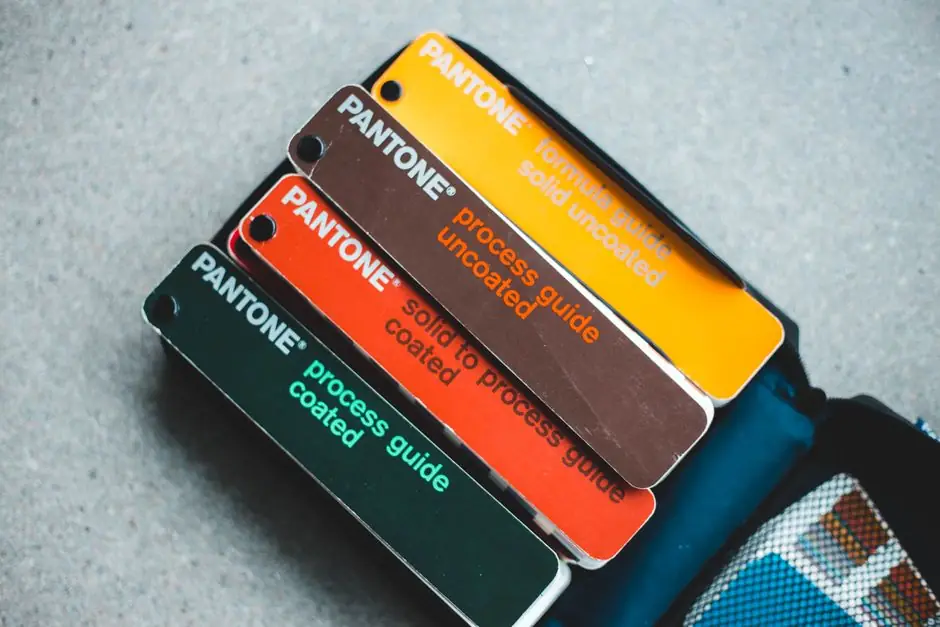
3D printing procurement flips traditional unit-cost logic: per-part price stays near-flat from unit one to unit N because tooling and setup are minimal, so machine utilisation (build-chamber nesting) and part variety, not volume discounts, drive the best landed cost. A spec-first 2026 buyer the
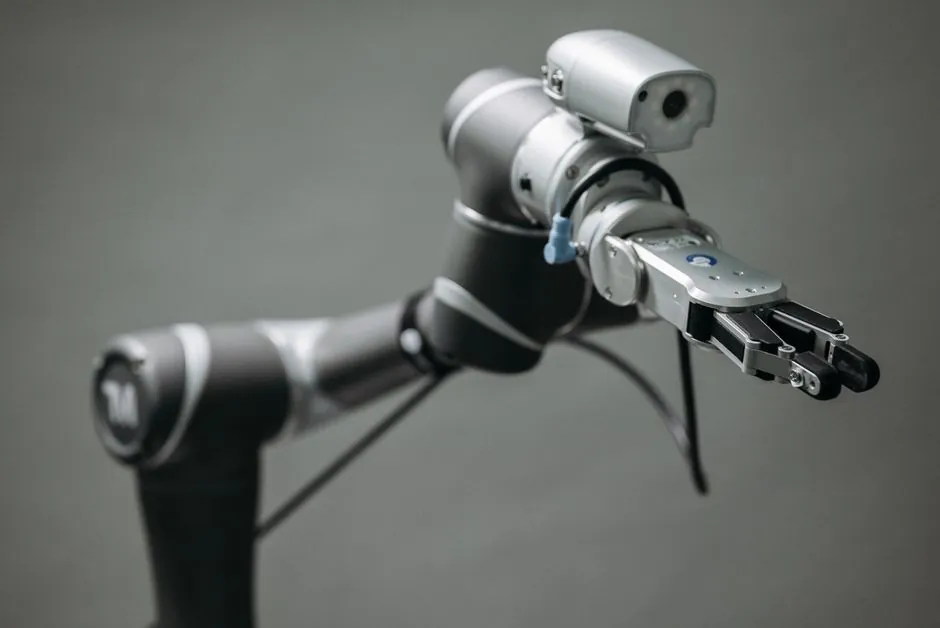
China accounts for over 50% of global industrial robot installations and roughly 80% of humanoid shipments, with 2025 output of 458,000+ units and a 27% jump in exports. A 6-axis Chinese robot typically costs 40–50% less than a comparable Japanese or German model, but import success depends on match

Direct-from-China robotics sourcing runs through a 7-step import pipeline ending in HS code 8479.50 with 0% EU/UK duty vs 25% US Section 301. Expect a 30–60% landed-cost saving vs Western resellers when the spec, Incoterm, and CE/UL paperwork are locked in before the PO.

Sourcing x86 and ARM servers from China is dominated by a handful of ODM/OEM lines, with lead times of 30-60 days on standard SKUs. Build a spec-first shortlist on CPU SKU, ECC memory type, PCIe generation, and 80 PLUS PSU tier before engaging any supplier.

Server hardware procurement in 2026 hinges on matching CPU, RAM, disk, and NIC specs to workload tier, then verifying against vendor checklists before RFQ. Oracle, Atlassian, and IBM all publish minimums (8 GB RAM, 1 GHz CPU, 450 MHz minimums) that set the floor; sizing up for RAID 5, 400-day pollin

Sourcing a data center from China in 2026 means matching the project to one of three delivery models: hyperscale self-build, carrier-tenant colocation with China Telecom, or wholesale modules. Inner Mongolia, Guizhou, and the Greater Bay Area dominate site choice, with Uptime Tier III/IV and TIA-942
Data center procurement in 2026 hinges on density-specific sourcing: AI workloads are pushing 40 kW/rack and 150 kW cages, while Uptime Tier and TIA-942 govern site selection. Pair engineering specs with RFP structuring and a command-center view of the procure-to-pay cycle.

China-origin small and medium wind turbines (1 kW to 60 kW) are shipped globally with MCS, UL, CE and RoHS certifications and IEC 61400 compliance, while grid-tie inverters and full hybrid kits come from dedicated export bases. Buyers should anchor specs on power curve, certification pack, controlle

A spec-first PV procurement strategy should fix module type, inverter topology, BESS sizing, and grid-code compliance before pricing. The 2019 global installed PV base was 627 GW (115 GW added in-year), and hybrid PV-battery-storage control has matured around VSG-based architectures validated on dem

Buyers sourcing solar panels from China in 2026 should pre-qualify on cell technology (mono vs poly vs TopCon), watt range (2 Wp to 670 Wp), certifications (ISO 9001, TUV), and BOM-level traceability, since 1.2 GW+ factories like ASLAN ship mono TopCon panels from 100 W to 700 W under ISO 9001 and T

Solar panel procurement in 2026 hinges on three verifiable gates: factory-direct PV line capacity (5MW-600MW tiers per Ooitech), installer track record (12+ years for Simply Solar, 15+ years for Ooitech), and three written quotations to benchmark price. Production equipment, installatio

Sourcing EVs from China in 2026 means working through export-oriented trading hubs in Chongqing, Shanghai, Shenzhen, and Hefei, verifying type-approval against UN ECE R100 and GB/T 18384, and choosing between factory-direct RoRo/Container shipping and aggregator platforms offering 200+ model lineups

Fleet operators procuring battery-electric vehicles in August 2026 should anchor decisions on three spec pillars: duty-cycle kWh per 100 km, 3-in-1 integrated drive unit ratings (80-210 kW class), and AC/DC charging compatibility, then map them against a tiered Chinese supplier base and grid-flexibi

China-sourced EV battery packs typically ship as cells, modules, or full packs at 12V to 800V architectures, with LFP (LiFePO4) cells dominating the safe, long-cycle tier. Procurement teams should validate IATF 16949 certification, BMS integration, and UN 38.3 transport compliance before issuing a P

GPU sourcing from China in 2026 means navigating the NVIDIA supply dominance, three competing domestic accelerator lineups, and a Nov 2025 H20 export-restriction reset that reshaped allocation and lead times.

GPU procurement in 2026 is no longer a price negotiation, it is a capacity allocation problem: TSMC's CoWoS packaging is fully booked through mid-2027, hardware lead times run 36-52 weeks, and hyperscalers have absorbed most forward NVIDIA allocation. Use this guide to pick a financial model, secure

AI chip procurement in 2026-08 is no longer a cost-optimization exercise: it is a supply-access discipline, with US fab-sourcing programs like GE Appliances' Texas Instruments deal already moving 1/3 of silicon for a US$1bn Kentucky plant onto US-fab wafers, and constrained-supply contracts now publ

Sourcing discrete semiconductors and wafers from China in 2026 means pricing US$10-100 per wafer piece and US$28-35 per piece at 10-piece MOQ, but the real decisions are supplier audit tier, MOQ/lead-time math, and which product category you actually need. Use this field guide to pick the right chan

A semiconductor procurement strategy that survives 2026's allocation cycles is built on qualified alternates, lifecycle visibility, and risk-weighted cost models, not on lowest unit price. Three levers do most of the work: dual-source qualification on every pin-critical IC, obsolescence monitoring t
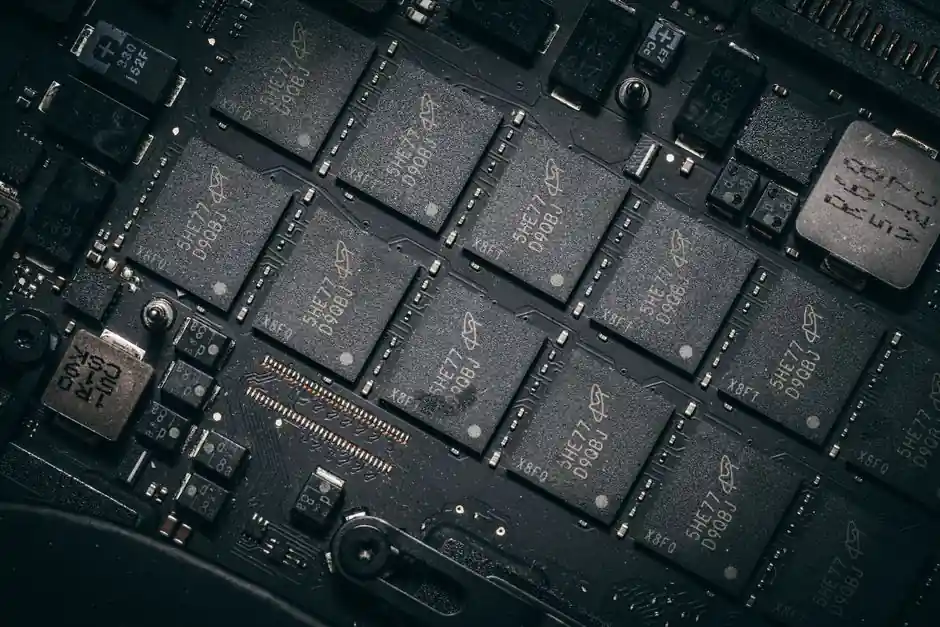
Edge computing gateway lead times stretched through 2026 as a USD 111.34 B market expanded at 23.3% CAGR, with component constraints, CVE-driven firmware churn, and AI-driven power demand compounding procurement risk. Process engineers should qualify dual-source silicon and fieldbus protocol gateway

An edge computing gateway is an on-site node that aggregates PLC, sensor, and video data, runs pre-processing, and forwards filtered payloads upstream to cloud or control center platforms. Upstream supply chains include industrial PC, ARM/SoC, and 5G module makers, while downstream demand is driven
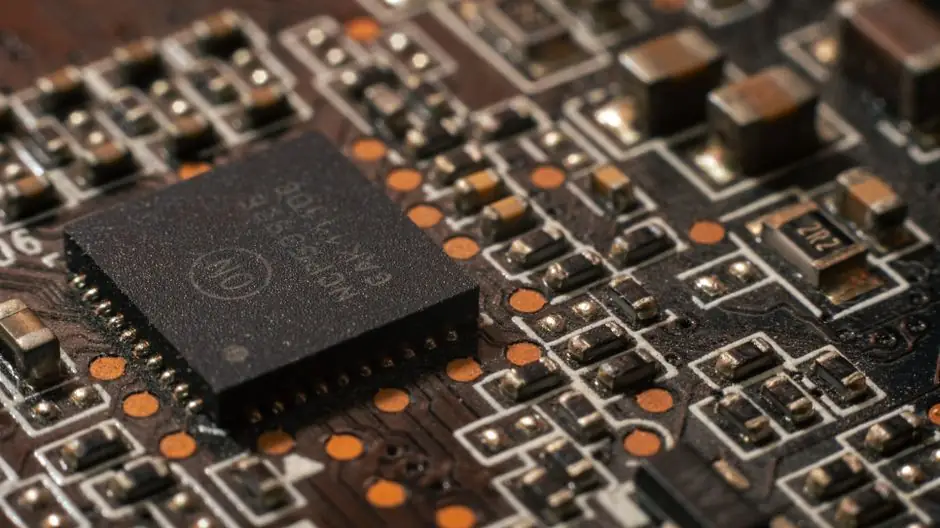
5G industrial module supply is constrained through 2026 by a 2-vendor Chinese duopoly (Quectel, Fibocom) holding nearly 50% global share, compounding memory and rare-earth shortages. Buyers face 26-40 week lead times and must qualify non-Chinese alternates or accept cyber-supply-cha
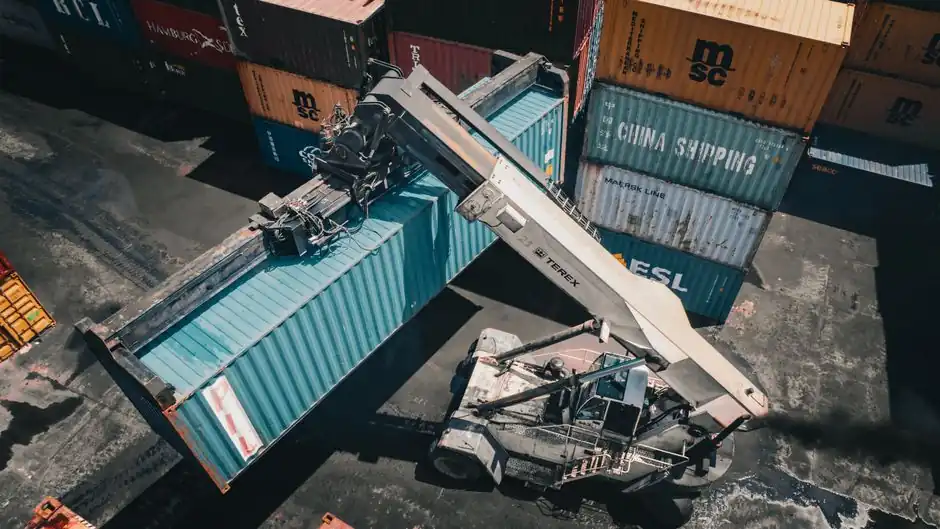
UK Future RAN Competition (FRANC) closed 14 projects with £36M DSIT funding matched by ~£36M private capital, advancing Open RAN DU/CU software, AI-driven security, and disaggregated 5G supply chains across 56+ organizations by March 2024.
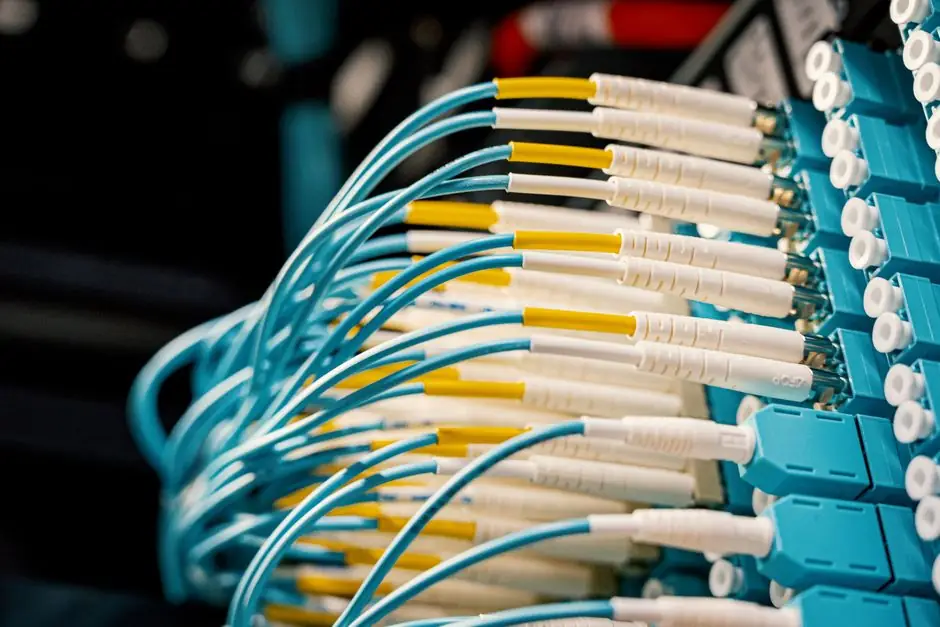
Industrial Ethernet PHY, MCU, and memory lead times have stretched to 26-52 weeks across European and North American OEMs as of Q2 2026, with optical-fiber lead times at 6-10 weeks and MLCCs at 20-35 weeks, making allocation, dual-sourcing, and BOM-level audits the dominant procurement playbook.
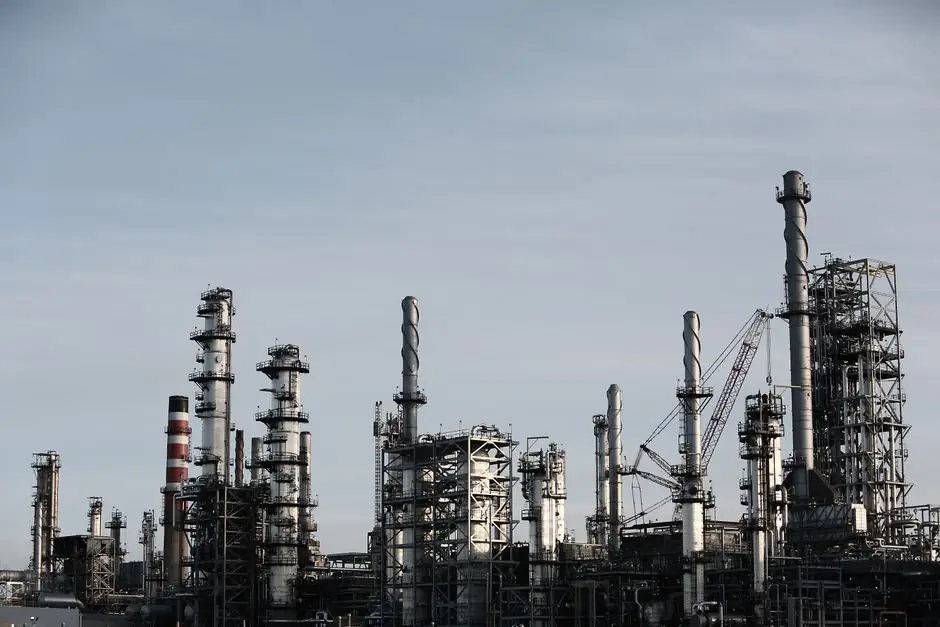
Industrial Ethernet is engineered Ethernet for harsh OT environments, supporting upstream exploration, midstream processing, and downstream refining across oil and gas, power utilities, manufacturing, and renewable energy. Selection hinges on port count, uplink bandwidth, copper vs fiber media, PoE
SCADA system supply is tightening into 2026 as long vendor lead times, IEC 62443 patch cycles, and a shrinking OT workforce collide with rail, grid, and manufacturing build-outs. Procurement teams who lock in firmware/SQL server and I/O expansion budgets now, plus a 3-tier audit trail, hold delivery
SCADA system suppliers on B2B portals in 2026 cluster in China and India, with substation-grade units starting around US$5,000 per set and Indian single-phase units listing as low as ₹4/piece; turnkey HMI/SCADA stacks need architecture, protocol, and cybersecurity review before vendor shortlist.
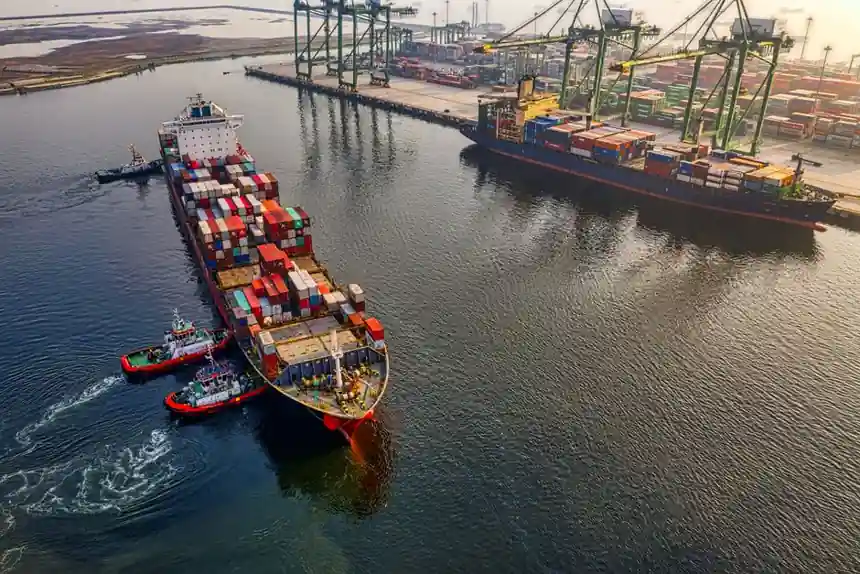
SCADA system supply chains in 2026 hinge on three bottlenecks: semiconductor lead times for RTUs/PLCs, IEC 62443 cybersecurity certification depth, and licensing complexity across multi-vendor HMI/SCADA stacks. Median US supply chain analyst pay sits at $107,000 (2025 Glassdoor), with the role expan
Industrial automation software supply in 2026 is constrained by long SCADA/MES licence lead times, AVEVA/Wonderware integrator scarcity, and rising software supply chain security mandates. Buyers mitigate risk via multi-vendor stacks, certified integrators, and signed software provenance.
DirectIndustry lists 357 industrial-software suppliers with 593 products, 318 measurement-software suppliers with 561 products, and 31 automation-suite vendors with 32 products, forming a working reference map for buyers shortlisting SCADA, MES, IIoT and PLC engineering platforms in 2026[S3
Industrial automation software supply chains in 2026 are shaped by SCADA platform consolidation, IIoT edge gateways, and MES layer selection, with vendor risk concentrated in the top tier. Spec gates now hinge on open-protocol support, on-prem vs cloud licensing, and integrator availability rather t

Measuring instrument supply chains entered 2026 with constrained component availability for radon meters, DMI sensors, and 3D profile units, with framework guidance on diversification-based supply risk for capital equipment documented in 2014. Excess-stock channels now list re-certified DSHD-21
DirectIndustry indexes 539 measuring-instrument manufacturers and 1,457 products as of 2026-05-29, while China-led B2B portals (Made-in-China, Alibaba, HKTDC) list thousands of instrument and surgical-instrument suppliers. Use brand-rich directories for QA-tested equipment, and Asian wholesale porta

Measuring-instruments supply chains in 2026 are constrained at three chokepoints: high-precision force/load cells (resolution 0.001 N, accuracy 0.5%), optical metrology platforms, and bench-top DC power conditioning. Glassdoor's October 2025 dataset puts US supply-chain analyst median pay at $107,00

Cutting tool supply risk in 2026 is real, but mostly concentrated in cobalt-grade carbide inserts, small-diameter (<3 mm) end mills, and any single-source specialty item. Distributor lead times across 2026-08 sit at 1-3 days for stocked indexable tooling, versus 4-8 weeks for spot-market sp
Global cutting-tool sourcing in 2026 splits between Chinese carbide hubs (Dongguan, Wuxi, Hangzhou) and India-based special-cutter manufacturers, with 30-plus vetted factories on Made-in-China.com and Vega Tools offering HSS, solid carbide, PCD/CBN, and indexable lines. For buyers, the practical dec
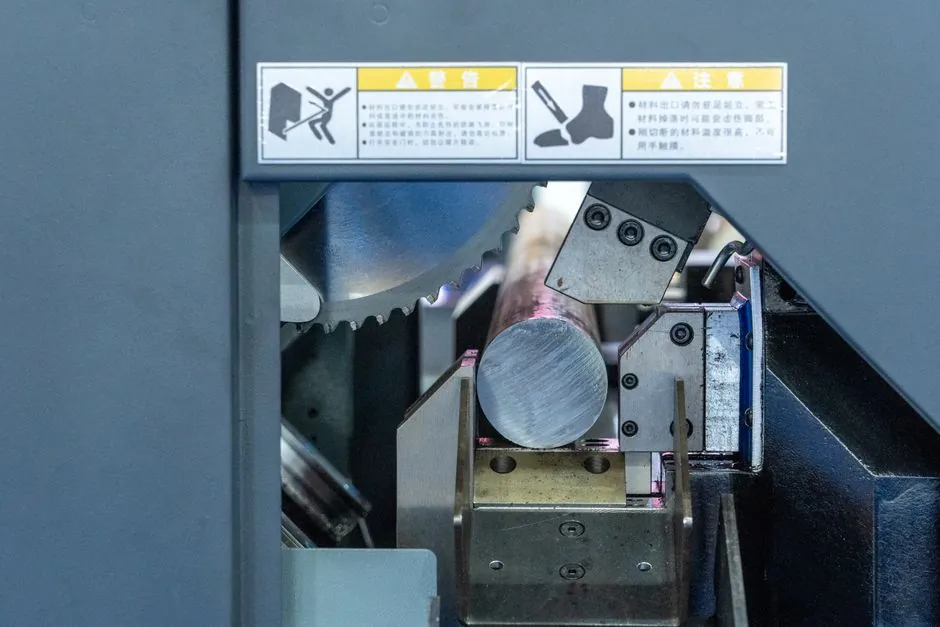
Cemented carbide and ceramic cutting tools link upstream tungsten/cobalt powder supply to downstream CNC machining in electronics, automotive, aerospace, and medical sectors. Standard end mills, drills, and reamers dominate, with custom form tools covering firearms and aerospace AS9100 work.
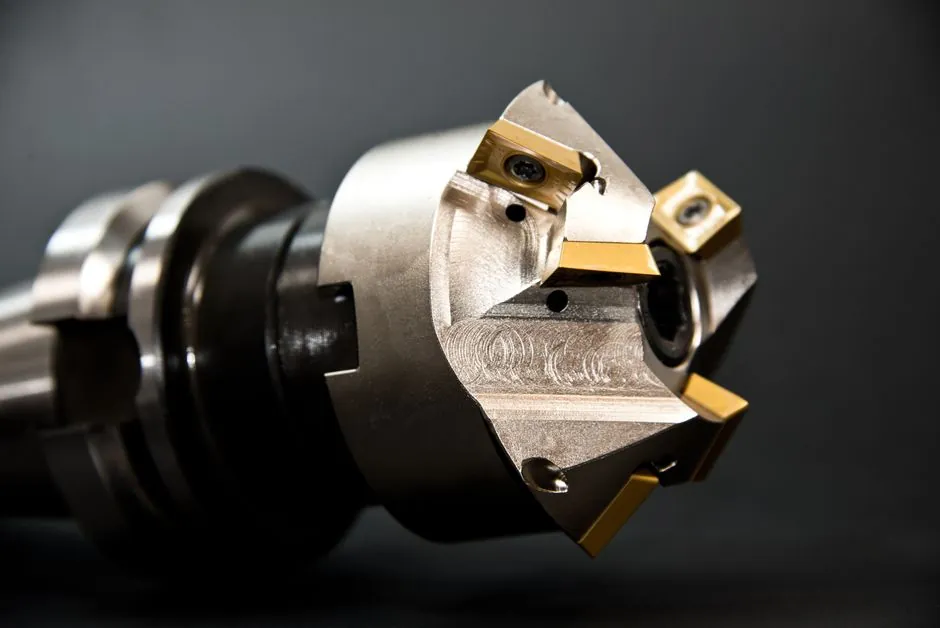
Cutting tool supply chains in 2026 are running on roughly 4-12 month inventory cover, dual-region qualification, and post-tariff frontloading, with indexable inserts and coated end mills showing the tightest lead-times. Engineering buyers should treat SCOR-based mapping and dual-source qual
Industrial abrasives supply remains structurally tight into Q3 2026, with fused alumina, silicon carbide, and CBN grain exposed to feedstock, energy, and concentration risk that mirrors broader US critical-materials vulnerabilities seen in pharmaceuticals and power equipment.
Industrial abrasive sourcing in 2026 is dominated by three B2B directories: iAbrasive, Made-in-China, and Alibaba, with Indian regional portals covering Ankleshwar and Bellary. Key categories are bonded, coated, superabrasive, and non-woven types, with EN12413 and ISO9001:2015 as the visible certifi

The global abrasives value chain links fused aluminum oxide and silicon carbide grain producers to coated-bonded product converters, which then feed metalworking, automotive, construction, electronics, and wind-energy fabrication. Upstream bottlenecks in bauxite, petroleum coke, and phenolic resin f

Bonded abrasives supply chains in mid-2026 are repriced by US IEEPA tariff refunds worth $100 billion, a 15% polysilicon levy reshaping silicon carbide upstream, and Transpacific frontloading that kept Matson China services at capacity through July 2026. Specifying teams should plan around silicon c

Industrial coatings suppliers cluster in three regional ecosystems: Indian regional liquid/powder makers (Zigma, est. 1992), Indian multi-category industrial distributors (Induskart, 1,200+ clients, 35+ categories), and Chinese export platforms (Made-in-China.com, 155,332 aluminum SKUs, 400 trusted

Industrial coatings sit between a chemical-input upstream (resins, pigments, additives, powders) and a wide downstream of metal finishing, architecture, automotive, aerospace, and packaging, with over 50 years of formulation know-how at major applicators and ISO 9001:2015 / ISO 14001:2015 quality sy

Industrial coatings supply chains in 2026 are consolidating around three pressures: titanium-dioxide and epoxy-resin feedstock cost volatility, Asian regional logistics hubs, and AI-driven inventory optimisation. Buyers should qualify 2-3 alternate resin sources and track TiO2 spot spreads weekly.

Specialty chemical supply risk in 2026 stems from the structural fact that fine chemicals are high-purity, low-volume, technically specified products whose disruption cascades into advanced semiconductor and pharmaceutical lines, not commodity petrochemicals. The specialty chemicals supply chain in

Specialty chemicals sourcing in August 2026 spans four buyer routes: India-headquartered custom synthesis firms, Western multi-product majors, China-based trading platforms, and US/EU B2B directories. Specifiers should rank suppliers by CAS-grade purity, audit trail, and hazardous-chemistry capabili

Specialty chemicals connect upstream feedstocks (oilfield, agro, organometallics) to downstream formulated products (coatings, pharma, water treatment) through four capability lanes: chemistry IP, application engineering, regulatory stewardship, and digitally enabled service. Operators should treat

Asia-Pacific is the structural gravity well for the global specialty chemicals market, capturing more than 38% of 2020-2025 share and roughly 63% of incremental growth forecast through 2030. Procurement strategy in 2026 is being reshaped by that concentration, by digital infrastructure and

The 2026 industrial catalyst supply picture is dominated by a chain reaction from the Middle East conflict: helium, sulfuric acid, ammonia, and copper feedstocks are all squeezed simultaneously, with the global fertilizer index projected to rise over 30% for the year and Morgan Stanley forecasting a

Industrial catalyst sourcing in 2026 is dominated by Chinese factory clusters in Jiangxi, Liaoning, and Tianjin, with verified listings on Made-in-China.com showing 2000+ manufacturers across chemical auxiliary, photocatalyst, and molecular sieve categories. Key spec gates include ISO90

Industrial catalyst supply chains in 2026 hinge on platinum group metal (PGM) price volatility, rare earth chokepoints, and ASEAN-led logistics hubs. Buyers should dual-source critical grades and tie contracts to London Platinum/Palladium spot plus RE-export licensing.

Activated carbon (CAS 64365-11-3, surface area near 1000 m²/g) faces a tightening 2026 supply profile as coconut-shell, coal-based, and powdered grades compete for limited precursor feedstock, with powder-grade offers posted on Made-in-China at US$800-950 per ton minimum 1 ton. Industrial b

Activated carbon suppliers cluster in China, India, and the US, offering coconut shell, coal, wood, and impregnated grades in GAC, PAC, and pellet form. Sourcing selection hinges on raw material, iodine number, application certification, and documented reactivation capability.

Activated carbon's upstream feedstock chain is anchored in coal, wood, coconut shell, and agricultural residues, while its downstream application map spans water treatment, food decolorization, oil bleaching, and industrial gas purification. The injection grade (Type 767) typically requires ≥240 mg/

Activated carbon supply chains in 2026 are segmented by raw material (coconut shell, wood, coal, lignite) and end-use grade, with global wood-grade demand projected to expand at 7.4% CAGR through 2031 from a 2022 base of US$ 915.4 million. Sourcing reality for buyers is raw-material-specific: C

Polyamide RO membrane lead times are stretching into mid-2026 as biofouling-driven replacement cycles collide with concentrated Asian supply, pushing buyers toward 4-inch brackish elements and dual-stock strategies.

Chinese RO membrane makers are pushing 100,000 set/month supply on 2012-100G residential elements, with brackish, seawater, UF, and NF families now sourced as a single supplier package. Engineers should shortlist by element geometry, salt-rejection test conditions, and certified system integrators b

Reverse osmosis membrane sits between upstream polyamide and polysulfone chemical feedstocks and downstream desalination, food, pharma, and semiconductor water plants, with TFC asymmetric skin layers of 0.1–0.3 µm over 100–300 µm porous supports driving both supply risk and end-use growth through 20

Reverse osmosis membrane supply in 2026 is anchored on cross-linked fully aromatic polyamide thin-film composite chemistry, with global research shifting toward chlorine-resistant polyester alternatives, nanostructure-engineered water channels, and analytical-grade membrane pretreatment for trace co

Reverse-osmosis and nanofiltration membrane elements are exposed to multiple supply risks through 2026: polymeric feed-stock concentration, fabrication capacity bottlenecks, and an ageing installed base that lifts replacement-element demand. Specifiers should treat RO/NF/UF/MBR elements as a long-le

Water-treatment membrane chains sit between petrochemical, refining and brackish feed-water sources upstream, and water-reuse, RO polishing and discharge-quality buyers downstream. The 6-month HF-MBR/RO run on Arak refinery wastewater reported 82% COD, 89% BOD5, 98% turbidity, and 99% TDS removals,

China-hosted B2B catalogs list 600+ pharmaceutical equipment manufacturers across filling, mixing, inspection, and testing categories, with ampoule filling lines at US$80,000-150,000 and visual inspection units at US$100,000-300,000 per piece. Verified-audited suppliers concentrate in Shanghai, Huna

Pharmaceutical equipment sits between upstream materials (316L stainless, USP-class plastics, GMP detergents) and downstream filling/packaging lines; selection hinges on surface finish Ra ≤ 0.8 µm, CIP/SIP compatibility, and ASTM/ISO cleanability, with stainless dominant and plastics restricted to s

Food processing equipment supply risk in mid-2026 is driven by long-lead stainless fabrication, single-source Chinese extruder lines priced at US$28,000-30,000 per set, and cyber-physical disruption to high-volume plants.

Global food processing equipment sourcing in 2026 spans B2B portals listing 279,961 wholesale SKUs and 2,000+ juice-line manufacturers, with turnkey lines priced from US$250,000 to US$1,500,000 FOB and standalone mixers from US$3,000 to US$200,000 per set.

Food processing equipment sits between upstream farm inputs and downstream packaging/retail, with current OEM offerings spanning turnkey 1-10 t/h grain, seed, nut, and coffee plants and CNC-controlled meat/dairy processing lines. The segment's economics are shaped by ISO 9001 and CE quality systems,

Food processing equipment supply chains in 2026 are shaped by optical sorting, UV-C disinfection, and robotic line integration across fresh and ready-meal categories, with single-region sourcing carrying a documented 15% shock-resistance penalty per Nature 2021. Specifiers should anchor purchas

Global packaging machinery demand is projected to reach $71.1 billion by 2026 at 5.8% annual growth, with thermoforming equipment outperforming other categories. Chinese OEM listings on Made-in-China.com in July 2026 show spot prices from US$7,665 for tape-sticking machines to US$20,000 for cas

China-hosted packaging machinery directories listed 3660 FOB-priced units on 2026-07-31, with bottle filling lines at 2000-70000 USD/set and balers up to 2,000,000 USD. Sourcing shortlists should filter on filling accuracy, container format, throughput, CE/IEC compliance, and verified supplier audit

Packaging machinery upstream covers film, corrugated, and stretch material extrusion; downstream covers form-fill-seal, bagging, case packing, and palletizing. Spec gates center on ISO 9001 films, 200#/ECT-32-C boxes, and servo-driven VFFS lines reaching 100+ bags/min.

Global packaging machinery is a USD 46.4 billion (2022) market tracking toward USD 56.7 billion by 2027 at a 4.1% CAGR, with China running the largest single-country demand pool and a 40% refurbished-equipment discount channel reshaping supply chains in Asia Pacific.

Cold chain equipment supply is structurally tight in 2026 as heat-driven labour losses, refrigerant regulation shifts, and concentrated manufacturing in low-latitude regions all hit the same single points of failure. Buyers should qualify dual-source compressor and insulation suppliers, pre-book ins

Cold chain equipment sourcing in 2026 is dominated by Chinese OEM hubs in Zhejiang and Shandong, with WHO PQS E004/E005 vaccine carriers and PU-insulated cold rooms as the two main spec gates buyers filter on.

Cold chain equipment sits between upstream refrigeration, insulation, and telematics suppliers and downstream pharma, fresh-produce, and vaccine logistics operators. Selection pivots on temperature band, payload profile, IoT-grade monitoring, and standards such as ISO 13485 for medical carriers.

Cold chain equipment demand in 2026 is being reshaped by AI-driven SCM platforms, pharma-grade ISO 13485 thermal packaging, and regional ASEAN trade hubs like Supply Chain Indonesia 2026 (25-27 Nov, NICE Jakarta), with documented field data showing 15% loss reduction in fresh produce under properly

Industrial refrigeration sits between upstream ammonia/Freon compressor OEMs and downstream cold-chain operators, with 24/7 service, ASME-fabricated coils, and CRN registration defining spec floors. Selection hinges on refrigerant, capacity, and standards rather than price.

Industrial refrigeration supply chains in 2026 are reorganized around three forces: refrigerant transition under the Kigali Amendment to the Montreal Protocol, ammonia/CO2 system retrofits in food and cold-storage plants, and 24/7 service networks backed by regional parts inventory.

Compressed air supply shortages in 2026 are forcing plants to harden redundancy, raise ISO 8573-1 filtration tiers, and qualify second-source compressors, dryers, and solenoid valves. Risk is concentrated in single-threaded oil-free compressor fleets, adsorption-dryer desiccant lead times, and pneum

Atlas Copco, Quincy, CompAir, Festo, SMC and Becker anchor the global compressed-air system supplier map, while 2,000+ Chinese factories on Made-in-China.com cover dryers, fittings and pneumatic components priced US$135–US$200,000 in 2026.

Compressed air systems sit at the center of a $30B-plus global value chain, with upstream supply covering compressors, motors, dryers, filters, and receivers, and downstream demand driven by pneumatic tools, process filtration, and pneumatic conveying in plants. Selection hinges on ISO 8573-1:2010 p

Compressed air networks typically consume 20-40% of total mine energy, and 2026 supply-chain pressure centres on positive-displacement compressor redundancy, desiccant-dryer control, and ASR-grade filtration, not headline capacity. Procurement should treat air as a managed multi-zone utility, not a

China hosts 2,000+ industrial water-filter manufacturers on Made-in-China.com, with US$15–25/m² nanofiltration elements and US$3,000–15,000/set stainless rotary drum units dominating 2026 export listings. EDM, sintered-metal, and self-cleaning lines cluster around Suzhou, Guangzhou, and Shandong at

Industrial filter supply chains in 2026 are shaped by Chinese OEM capacity at US$5–20 MOQ tiers, regional ASEAN exhibition consolidation, and policy-driven modernization of upstream filtration media and hydraulic component lines.

As of July 2026, the global pneumatic actuator supplier base splits between legacy process-instrumentation majors like ABB and a dense China cluster of rack-and-pinion, scotch-yoke, and linear OEM factories on Made-in-China, Alibaba, and IKNOW, with prices commonly between US$1-1,200 per unit depend

A pneumatic actuator sits in the middle of a multi-tier industrial chain: upstream pulls in aluminum extrusions, stainless bar, engineering plastics, and solenoid coils, while downstream serves oil and gas, water and wastewater, chemical processing, power, mining, and bulk-material handling. Lead ti

Pneumatic actuator supply chains in 2026 hinge on aluminium billet, NBR/FKM/Silicone seals, and forged brass body availability, with rack-and-pinion units rated 2.5–8 bar typical. Lead-time risk concentrates at the seal and yoke sub-tier, not the actuator OEM itself.

Hydraulic cylinder lead times in mid-2026 stretch to 18-30 weeks for mill-type and telescopic units as forging bar stock and seal shipments tighten, pushing buyers to dual-source, hold 90-day buffer stock, and verify ISO 6020-2 / ISO 6020-1 dimension compliance before PO release.

Ferrochrome supply in August 2026 is anchored in South African and Kazakhstani chromite, with HC FeCr above 70% of output and LC FeCr growing 7.17% CAGR to USD 375.05 M by 2032. China drives over 60% of regional demand, CBAM and EAF decarbonization now set the procurement frame.

Global nuclear capacity build-out is stalling against a rising baseload-supply gap, with new-build risk premiums, long-lead forging bottlenecks and grid-scale power-transformer shortages driving the 2026 supply-risk picture.

UK cable and wire supply directory lists ~165 entities as of 2026-07-04, while US supply chain analyst median pay sits at $107,000/year, framing a tight 2026 procurement environment for industrial wire buyers.

A PEM hydrogen fuel cell stack is a layered assembly of seven functional blocks — membrane electrode assembly, gas diffusion layer, bipolar plates, gaskets, end plates, current collectors and BOP — whose bill of materials is dominated by Pt catalyst, PFSA ionomer membranes, carbon-fiber GDL substrat

Desalination upstream and downstream supply chains are dominated by pressure-driven pumping skids, high-pressure flow metering, energy-recovery equipment, and corrosion-resistant valves tied to RO and thermal plant builds. Lead-time pressure on pumps, ERDs, and piping runs 26-40 weeks in 2026, and 3

The wind turbine value chain splits into upstream materials (rare-earth NdFeB magnets, blade composites, gear-box steel), midstream turbine and BOS assembly, and downstream installation, cabling, O&M. This article maps each link to the engineered components and instrumentation actually specified by

The solar panel value chain is a multi-stage stack: upstream polysilicon, wafer, cell, module (glass, EVA, backsheet, aluminium frame); midstream BOS inverters, racking, DC/AC cabling; downstream EPC, O&M, recycling. China holds 80%+ of polysilicon, wafer and cell capacity; module capacity is even m

Seawater desalination is rebuilding its supply chain around long-lead high-pressure pumps, energy-recovery devices, RO membranes, and titanium tubing, with capacity additions concentrated in the Middle East, North Africa, and the US Southwest through 2027.

Nuclear power supply chains in 2026 cluster into three regional blocs: China's self-sufficient domestic vendor base, ~60-member US Nuclear Suppliers Association, and Western OEMs. Reactor coolant pumps, I&C systems, and fuel-cycle equipment remain the spec-defined entry points.

E-axle supply risk in 2026 is dominated by SiC inverter and permanent-magnet bottlenecks; Technavio sizes the 2021-2026 market at USD 23.53 bn added at 30.74% CAGR, with 34% of growth from North America. Spec-side risk registers used by EU programmes rate mismatched interfaces at probability 3 and m

As of June 2026 the global PCB supply chain sits at an inflection point: Taiwan retains dominant advanced-substrate capacity, GlobalFoundries and Qualinx closed Europe's first fully-secure chip-supply-chain loop on 22 June 2026, and PCB buyers face a copper-cost and grid-power squeeze that reshapes

Solar cell upstream/downstream chains in 2026 stretch from polysilicon and wafer texturing through cell-string module assembly, BOS inverters, racking and EPC integration. Black-Si texturing can cut wafer reflectance to 2% on c-Si and 4% on m-Si, and bifacial mono-PERC/TOPCon modules now anchor util

Global EV supply chain 2026 is reshaped by IRA-driven mineral localisation, projected EV plastics demand growth from USD 3.9B (2025) to USD 45.8B (2035) at 28.0% CAGR, and intensifying Li-ion cell-plus-pack capacity buildouts tracked by IDTechEx through 2036.

Battery pack supply chains in 2026 are constrained by mineral extraction lead-times, US$67k–$107k analyst pay bands, and Indian FAME/PLI localisation rules — see which materials and chemistries are the real bottlenecks.

Global energy storage supply chains in mid-2026 run on three parallel lanes — modular lithium integrated systems for residential/C&I, high-voltage spinel cathode R&D for next-gen packs, and PV-plus-storage-plus-EV bundled procurement. SourceBySpec breaks down what each lane ships, who buys it, and w

China-based lithium suppliers span four distinct chemistries: lithium-ion cell/pack makers, organolithium reagents, lithium phosphate ceramics, and lithium AA/ICP standards, each governed by different purity, CAS and packaging specs.

Wafer Fab Equipment (WFE) is the specialised machinery that builds ICs on silicon, with a 2026 supply chain spanning silicon wafer, photomask, photoresist and bulk-gas suppliers upstream, and foundry, memory, IDM, MEMS and LED fabs downstream, dominated by Applied Materials, ASML, Lam Research, TEL

Copper and aluminium cable supply in 2026 remains tight on tight conductor-metal availability and project backlogs, with CRU's Wire & Cable Connections Summit marking its 20th edition as the value-chain's main global gathering on 2026-07-03.

Made-in-China.com indexes 295+ wind turbine suppliers (885+ SKUs) as of 2026-07-17, dominated by Jiangsu, Shandong, Tianjin and Zhejiang factories; small-wind blade platforms are commoditised, while utility-scale blades remain engineering-driven.

Wind turbine blade supply chain in mid-2026 is being reshaped by longer onshore blades, deeper delamination failure modelling, and acoustic-CNN blade diagnosis. Spec engineers should track three nodes: blade length, resin/composite stack, and O&M-grade sensor fusion.

Grid-scale battery storage links upstream lithium/cell supply to downstream grid services, with Tesla's 3.9 MWh Megapack and a forecast $24.5B market by 2030 anchoring the chain. The 2026 build-out is constrained by cell output and EPC throughput, not demand.

Nuclear power supply chain risk in mid-2026 is dominated by long-lead forgings, enriched-uranium fuel-cycle concentration, and QA-qualified fabricators, with Tier-1 reactor builders (Westinghouse, Framatome, KEPCO E&C) holding the schedule gate for new-build programmes from Hinkley Point C to Akkuyu

The air compressor value chain splits into upstream (motors, castings, bearings, valves, controls) and downstream (manufacturing, oil & gas, food & beverage, construction, electronics). Spec-driven sourcing dominates 2026 procurement.

Mainland China hosts 500+ active stainless steel coil suppliers, led by 200/300/400-series hot- and cold-rolled producers; MOQ 1-20 ton, FOB bands US$1,000-4,000/ton, with 304/316L as the most specified austenitic grades.

Global lithography equipment sourcing in mid-2026 is dominated by ASML for EUV, Canon/Nikon for KrF/ArF/i-line, and Leica/Raith/SUSS MicroTec for nanolithography. The market reached US$22.1 Bn in 2022 and is projected at US$41.3 Bn by 2031, CAGR 7.2%.

Magnesium ingot supply chain analysis 2026: Q2 2026 prices ranged USD 2,641-3,197/MT across the USA, China, Germany, France and the Netherlands, with China supplying roughly 87% of global output and the global market projected to grow at 4.51% CAGR through 2031.

Nuclear power's upstream-downstream chain spans uranium fuel fabrication, heavy forgings, I&C systems, and grid-scale generator sets; China's Hualong One third-generation reactor has revitalized these tiers since commissioning at Fuqing in late 2023.

Ferrosilicon supply risk for 2026 is structural, not cyclical: China's Inner Mongolia and Ningxia power policy is the largest single variable, with India expanding capacity and CBAM reshaping European demand. Effective capacity, not nameplate, is the metric that matters.

The global ferrosilicon supplier base is concentrated among 12 to 16 vertically integrated producers led by Elkem, RFA International, Ferroglobe, Eurasian Resources Group, OM Holdings, and China Minmetals, with the market projected to reach USD 12.9 billion by 2028 at a 3.4% CAGR from 2023.

Ferrosilicon (15-90% Si) and ferro silicon chrome are the upstream ferroalloy enablers of every stainless, electrical, and high-strength steel value chain, with the global FeSi market sized at USD 12.8 B in 2025 (2.0% CAGR to USD 15.4 B by 2034) and the FeSiCr market at USD 5.8 B in 2025 (5.5% CAGR

Ferrosilicon supply risk in 2026-2027 is dominated by electricity access, China's policy enforcement, and CIS logistics friction rather than spot prices; the global FeSi market is valued at USD 11.84B in 2026, forecast to reach USD 16.10B by 2032 at a 5.23% CAGR.

Global vanadium supply in 2026 is set to remain stuck near 150,000 to 160,000 tonnes V2O5-equivalent, with Chinese output capped by environmental and energy rules, while vanadium flow battery (VFB) demand alone may pull 35,000 to 40,000 tonnes and push the energy-storage share of domestic use past 3

Vanadium upstream remains anchored by vanadiferous titanomagnetite (75% of global supply) and steel slag recycling (15-20% of supply), while downstream demand stays 90% tied to steelmaking, with vanadium redox flow battery (VRFB) storage projected to lift energy-sector use from 2% to 10% of demand b

Vanadium supply in 2026 is structurally tight: 86% of US vanadium still comes from China and Russia, the Gibellini Nevada project is federally permitted at ~10 million lb/yr, and global vanadium electrolyte demand is forecast at a 23.2% CAGR through 2033.
Molybdenum buyers in 2026 source from three tiers: primary miners (Anglo American, Antofagasta), refractory-metal stockists (Eagle Alloys, Stanford Advanced Materials, EFINEA), and IMOA-listed traders/assayers. Form, ASTM grade, and ISO 9001 certification drive selection more than brand alone.

China controls roughly 78.8% of global tungsten mine output and tightened export licensing in 2025, pushing APT prices to $1,650–1,900/mtu by mid-February 2026, with tungsten powder up more than 640% versus early 2025. Substitution is nearly impossible for most industrial uses, so procurement teams

Western tungsten sourcing is consolidating around US-based integrated mills like Elmet, H.C. Starck, and Buffalo Tungsten, with mine-to-powder producers (Almonty) and Chinese majors (CMOC) controlling the upstream. Buyers should match supplier form (rod, sheet, powder, carbide) to end use before cha

Tungsten's value chain splits into a Chinese-dominated upstream (≈80–85% of mined supply), a midstream APT/oxide/powder conversion tier, and a downstream cemented-carbide, alloy, and chemicals segment that drives 60%+ of consumption. This article maps each tier with verifiable numbers, names the mai

Global tungsten supply remains structurally tight entering Q3 2026, with China controlling ~80% of mined output and Asia-Pacific APT FOB prices near US$183/kg. Western demand is forecast to climb from 143kt in 2025 to 210kt by 2035, while ex-China mine projects stay years from production.

China-held 35% of global refined zinc output drives 2026 supply concentration risk; Q2 2026 Chinese zinc ingot prices reached 3,210 USD/MT in June, with regional forecast increases of 5–10% across North America, Europe, and Asia.

Zinc ingot sourcing maps to a small set of multi-region producers and a wider distributor tier, with HG 99.995% (ISO 752 ZN-1, EN 1179 Z1, ASTM B6, GB/T 470 Zn99.995) the default spec for galvanizing and die-casting. Selection is grade-and-form driven, not brand-driven.

ASTM B6 Special High Grade zinc (≥99.990% Zn) anchors the upstream galvanizing chain, feeding hot-dip lines and downstream die-casting alloys. Zinc ingot grades, impurity ceilings, and end-use fit drive spec selection across galvanizing, pressure die casting, and high-purity semiconductor feedstock.

SHG zinc ingot (99.99% / 99.995%) traded at USD 3,210–4,025/MT across major ports in June 2026, with USA at USD 4,025/MT, Germany at USD 3,895/MT, South Korea at USD 3,646/MT, Japan at USD 3,519/MT, and China at USD 3,210/MT. Q1 2026 prices rose ~7% quarter-on-quarter on concentrate tightness and ga

Copper cathode faces a structural 2026 deficit of roughly 600,000 tonnes, with mine output growing only ~1.4% and a projected 10 Mt gap by 2040; LME copper has cleared $13,300/t while TC/RCs collapse, reshaping procurement strategy.

Electrolytic Grade A copper cathode (LME-registered, 99.99% Cu min, ASTM B-115 compliant) is supplied by integrated miners (KGHM, Rio Tinto Kennecott, Aurubis) and merchant re-distributors. Spec gates: impurity ppm ceilings, 914×914×12 mm sheet at ~125 kg, 2 MT pallet / ~25 t container. Selection is

Grade-A copper cathode at 99.99% purity is the standardized feedstock that links mine output to wire-rod mills, alloy foundries, and the electronics grid, with ASTM B 115 governing impurity ceilings and plate dimensions.

The global copper cathode market is forecast to add USD 9.82 billion between 2025 and 2030 at a 6.3% CAGR, with supply chains reshaped by a widening upstream-downstream gap, energy-transition demand, and tariff-driven sourcing shifts.

Global primary aluminum faces a projected 2 Mt deficit by year-end 2026 after Gulf smelter force majeure and a Strait of Hormuz blockade cut roughly 9% of world supply, with visible LME stocks at ~1.5 Mt and LME prices testing four-year highs. Engineers should lock 6xxx billet and 1xxx/3xxx sheet on

Aluminum ingot sits between bauxite/alumina refining upstream and downstream fabricators of extrusions, sheets, castings, and alloys such as ADC12. Purity grades like A7 (99.7% Al) and alloy ingots (ADC12, Al-Bi) drive spec selection, with LME cash + premium contracts and billet/P1020A benchmarks se

Global aluminum ingot market reaches USD 268.12 B in 2026, growing to USD 329.67 B by 2031 at 4.22% CAGR as CBAM, EU ETS, and automaker Scope-3 scrap loops push secondary alloy supply past primary metal growth.

Steel rebar supply tightened sharply through 2026 as China rebar futures rallied, coking coal jumped up to 45% from September lows, and ASTM A615 Grade 60 black rebar from Shandong cleared at US$418-436 per ton on a 2-ton MOQ under BS4449 420s/500s.

Steel rebar sourcing in 2026 centers on Chinese mills offering HRB400/HRB400E deformed bars in 6-40mm diameters at US$315-488/ton FOB, with monthly capacity exceeding 19,000 m.t. and ISO/CE/SGS certifications.

Rebar sits at the hinge of the steel value chain: iron ore, scrap, and ferroalloys feed billet and bloom upstream, while construction, infrastructure, and engineered components pull finished bar downstream. Specifications such as ASTM A615, BS 4449, and JIS G3112 govern chemistry and tensile classes

Galvanized steel sheet supply is tightening into Q3 2026, with China-origin DX51D/PPGI coil quoted at US$580-680/t (25 t MOQ) and SGCC/electro-galvanized sheet remaining available only at industrial hardware MOQs. Stockpilers, construction buyers, and HVAC fabricators should dual-source now.

Chinese galvanized steel sheet suppliers dominate global B2B sourcing, with audited factories on Made-in-China.com quoting ASTM-grade sheet at US$0.7-1/kg (MOQ 9,999 kg) and prepainted/coiled variants ranging US$500-1,800/t as of 2026-08-03. Key selection hinges on coating mass, base-metal grade, an

Galvanized steel sheet links a zinc-coating line at roughly 460 °C upstream to a deep downstream of construction, automotive, appliance, and roofing-tile converters. Upstream cost is driven by cold-rolled coil and zinc; downstream demand tracks construction starts and white-goods output. Spec sheets

Galvanized steel sheet supply chains in mid-2026 run on hot-dip coil lines producing 0.25-4.30 mm × up to 1,830 mm wide substrate at 600 ft/min, with Chinese mills like Booming Steel quoting DX51D+Z / SGCC Z275 hot-dip coil at US$690-800/ton FOB on 25-ton MOQs. Spec-driven sourcing — coating mass, g

Fluoropolymer sourcing in 2026 concentrates on a small set of Chinese trading houses and verified factories offering PTFE, FEP, PFA and ETFE grades, with US$ 10 / Piece fire-foam lines and US$ 2,600-2,770 / Ton aluminum-foil-grade fluoropolymer film stock observed in active Made-in-China listings [S

Fluoropolymer upstream and downstream mapping links fluorspar, HF and TFE monomer feedstocks to PTFE/PVDF/PVDF coating end-uses; Wind PDB indexes 5,154 industries and 160,000+ chain connections for sourcing intelligence.

Silicone rubber supply tightness persists through August 2026 with quartz-grade methylchlorosilane capacity still concentrated, but multiple regional alternatives and recycled HTV grades keep the market functionally liquid.

Silicone rubber's value chain runs from silicon metal and chlorosilane feedstocks upstream to extruded profiles, die-cast parts, RTV sealants, and food-grade silicone goods downstream. Specs such as thermal conductivity 0.138-0.753 W/(m·K) and dielectric constant 3.2 define the engineering envelope.

China-origin silicone rubber supply remains the dominant low-cost node in the global value chain, with 27,862 silicone-rubber heater SKUs listed by 870 suppliers on Made-in-China.com as of June 2026, and HTV flame-retardant grades to UL94 V-0 are the spec floor buyers should anchor on.

ABS supply remains tight through 2026, with manufacturer-reported price escalation and aggressive specification by downstream buyers. Sheet makers and compounders cite sustained upstream resin pressure, while 3D-printer filament vendors continue absorbing ABS as a baseline engineering thermoplastic

ABS resin and component sourcing in August 2026 is dominated by China-based pellet makers and trading companies, with US$1,250–1,800/ton virgin ABS V0 pellets and 25 kg MOQ entry pricing. Spec-driven buyers should verify resin grade, MOQ, and ISO 9001 documentation before issuing POs.

ABS demand holds at ~$40.8B in 2026 with a 6.9% CAGR through 2030, but Asia-Pacific concentration, recyclate feedstock friction, and US$1.77B recycling segment growth are reshaping sourcing decisions. Buyers should dual-source, qualify recycled grades, and monitor acrylonitrile and butadiene feedsto

Polypropylene resin faces a 2026 supply risk window driven by Middle East feedstock disruption and propylene cost volatility, with global demand growing at a 4.1% CAGR to $110.61Bn by 2030. Converters should lock multi-quarter contracts now, qualify two polymerisation-catalyst families (Ziegler-Natt

Polypropylene (PP) resin is sourced globally through a thin pool of named chemical distributors plus high-volume B2B directories; sourcing decisions hinge on CAS 9003-07-0 verification, MFR grade, ISO 9001:2015 certification, and MOQ bands from 2 to thousands of metric tons.

Polypropylene (PP) resin links upstream propylene monomer (CAS 25085-53-4, mp 189°C, density 0.9 g/mL) to downstream fibers, films, and injection molded parts, with 19+ global suppliers and growing demand in geotextile, automotive, and rail applications.

Polypropylene resin supply chains in 2026 are anchored on propylene from petroleum refining and natural-gas processing, with Thailand's domestic market tracked toward roughly $2 billion by 2030 at ~2% CAGR (2023-2030), and downstream demand concentrated in packaging, automotive lightweighting, and e

Polyethylene (PE) resin supply remains tight on 2026-08-02, with reference-grade LDPE and general-purpose PE listed on Chinese B2B portals at negotiable pricing in small lots (160 g MOQ) and a Dow post-consumer-recycled LLDPE experimental grade (PCR LLDPE 95060) extending sourcing optionality for fi

Global polyethylene (PE) resin sourcing in 2026 spans roughly 354 Alibaba suppliers, 138 China-based chlorinated PE (CPE) manufacturers on ChemicalBook, and US spot pricing from US$870-1,285/ton, with HDPE, LDPE, and LLDPE granules dominating trade flows and minimum orders from 25 kg to 25 tons.

Polyethylene resin sits between ethylene cracker output and downstream film, pipe, blow-moulding, and injection-grade converters; in 2026 the chain is constrained at the ethylene feedstock end while HDPE and LDPE processing windows remain narrow for each application family.

Polyethylene supply chains in 2026 face a feedstock-driven squeeze: US PE capacity utilization sits above 90% as Middle East tensions and Strait of Hormuz disruption inflate resin costs, pushing buyers toward regionalization, mono-material design, and recycled-content documentation to manage risk an

Suspension-grade PVC resin SG5 is trading at US$850-1,000/tonne FOB China with 10-tonne MOQ as of July 2026, while India wholesale listings show 81% response rates under 25 kg bag SKU pressure. Global PVC supply remains tight through H2 2026, with risk concentrated in chlorine/ethylene feedstock and

Major Chinese PVC resin suppliers cluster in Hebei, Shandong, Jiangsu and Hunan with FOB pricing US$600-1,000/ton and MOQs of 1-25 tons; Xinjiang Tianye is the visible paste-resin feedstock (P440/P450), and K-value grades (HS-1300, HS-1000, HS-800) define the standard sourcing menu in 2026.

PVC supply growth in China is set to slow to roughly 800,000 t of new capacity across 2026-2028, with 2027 likely seeing zero new lines, while exports hit a record 3.8 million tonnes in 2025 as China overtook the US as the world's largest PVC exporter.

China's PVC resin industry enters H2 2026 with a historically thin 2026-2028 capacity pipeline of roughly 800,000 tonnes and zero new plants in 2027, while export demand has absorbed the surplus as the country overtook the US as the world's largest PVC exporter at 3.8 million tonnes in 2025.

ICIS flagged in July 2026 that plant closures, extreme weather, logistics shocks, and crude spikes can drive epoxy resin shortages, with US recycled-PET capacity already ~30% idled. Buyers should dual-source liquid epoxy resin (LER) and bisphenol-A (BPA) and qualify alternative hardener systems.

China hosts the largest concentration of epoxy resin manufacturers, with 2026 supplier listings on Made-in-China.com and ChemicalBook spanning bulk liquid E-44, solid E-12, n-epoxy intermediates, and FRP-grade formulations at US$2.00–670.00 per unit. Epolab (est. 1975) is a long-running specialist f

Epoxy resin upstream chemistry feeds bisphenol-A, epichlorohydrin and brominated intermediates, while downstream grades split into flame-retardant FR-4, powder coatings, water-based emulsions and epoxy-polyurethane electrophoretic paints for electronics, construction and automotive lines[S4

Epoxy resin supply chains in H2 2026 are tightening on chlorine-spec raw material bottlenecks and LatAm petchem stress, with ISO 21627-2/-3 governing saponifiable and total chlorine release for grade selection and pricing.

Aramid fiber supply tightened through H1 2026 as para-aramid capacity expansion lagged ballistic, tire-cord, and composite demand, pushing spot prices up and forcing allocation across high-pressure packing, friction material, and protective-textile buyers.

Aramid fiber sourcing in 2026 centres on three product families — pulp/short-cut, woven fabric, and prepreg — with verified Chinese suppliers on ChemicalBook, Made-in-China, and DirectIndustry listing 6 to 18 SKUs at US$ 2.85/kg MOQ floors. Selection pivots on grade (Kevlar vs Twaron vs国产 para-arami

Aramid fiber upstream supply hinges on para- and meta-aramid polymer spinning, while downstream spans ballistic textiles, friction materials, gaskets, and composites. Supplier directories list 8 manufacturers with 19 products under the aramid-fiber category, and dyed meta-aramid feasibility under hi

Glass fiber supply in 2026 is structurally tight, not a routine price cycle: T-glass cloth for AI substrates is bottlenecked by Nittobo's ~90% share with no new capacity before mid-2027, while telecom-grade G.652.D and G.657.A2 single-mode fiber face allocation with China spot around RMB 120/fiber-k

China hosts 2,000+ glass fiber manufacturers and 597+ Alibaba-listed suppliers, with direct-roving prices at US$0.85-1.05/kg and chopped strand mat from US$1.10-1.33/kg as of August 2026. Henan and Shanghai cluster around fused-silica sleeves at US$50-100/250 m, while Yunlu Composites Shanghai leads

Glass fiber supply chains in 2026 are anchored by E-glass roving and chopped-strand production concentrated in China, with downstream FRP demand projected at USD 172.2B by 2026 at a 4.2% CAGR. Buyers face energy-driven price volatility and tightening recycled-content pressure across Europe.

Chinese carbon fiber part-fabricators dominate small-batch custom work, with 1,104+ listed on Made-in-China.com alone and 3K twill plate pricing at US$1,200–2,400 per MOQ set in 2026. Sourcing decision turns on product form, tensile class, and CNC vs. near-net-shape capability.

The global fiber-reinforced plastic market is forecast to reach USD 172.20 billion by 2026 at a 4.2% CAGR (2026–2031), with Asia-Pacific the dominant region. Carbon fiber remains the premium reinforcement tier, while recycled carbon fiber (rCF) is shifting from waste stream to a 31% flexural-strengt

Chinese primary magnesium ingot supply is concentrated in Inner Mongolia, Shanxi, and Henan, with audited makers such as Inner Mongolia Pusheng Iron & Steel quoting US$2,500–3,000/ton at 20-ton MOQ and Shanxi Jinshengyuan at US$2,250–2,300/ton at 5-ton MOQ as of July 2026. Buyers should match purity

Magnesium ingot (99.90% min Mg) sits at the hinge between Pidgeon-process smelters in Shanxi and downstream die-casting, alloy-sheet and desulfurization end-uses, with 5 t MOQ and 2,000 t/month supply runs typical of CNBM-tier exporters. Source data confirms 24.305 g/mol molar mass, AZ91D alloy feed

China-origin titanium sponge under HS 81082021 remains the dominant global feedstock in mid-2026, with concentrated export routing through GACC-tracked channels and elevated buyer risk tied to limited non-China sponge capacity. Process engineers should qualify dual-source sponge and lock in ASTM B29

China and Russia dominate titanium sponge supply; key 2026 suppliers include Baoji's BaoTi group cluster, Puhui Ti-Zr, and traders on Made-in-China and ChemicalBook. ASTM B299/B299M-2018 governs grade classification, with purity bands of 99.5-99.7% Ti typical for premium sponge.

Chinese titanium sponge capacity is concentrated in a handful of provinces, with Liaoning, Xinjiang and Sichuan running the largest Kroll-process output volumes as of the May 2026 CBCIE data release. For procurement, the decision between Chinese, Russian (VSMPO-AVISMA), Kazakh (UKTMP) and Japanese (

Phosphate rock sourcing in 2026 is concentrated in Guizhou, Hubei, Inner Mongolia and Sichuan, with 18-20 ton MOQs and 21-30% P2O5 grade bands. Verified suppliers include Guizhou Wengfu, Kailin, Hubei Yihua, Meishan Yuan-long, and Egypt's Trade Rock.

Phosphate rock supply chains in mid-2026 are anchored by a handful of producing countries, with sedimentary and igneous grades split by BPL/P2O5 content, cadmium load, and reactivity. Spec-driven buyers weigh %P2O5, CaO/P2O5 ratio, and ISO/IFT limits against freight and geopolitical exposure.

China's 2026 manganese ore market remains structurally short: cumulative national demand through 2035 is projected at 1.8×10⁸ t against low domestic guarantee rates, forcing sustained import dependence on South Africa, Australia, Gabon, and Brazil, with daily spot prices for South African lumpy 28–3

Manganese ore sourcing in 2026 centers on South Africa, Brazil, India, and China, with Mn content ranging 30%-50%+ across lump, fines, and concentrate forms. Verified suppliers operate on Alibaba, go4WorldBusiness, Made-in-China, and ChemNet with MOQs from 1 ton to vessel-load batches.

Manganese ore supply chains in mid-2026 hinge on South Africa, Gabon, Australia, and a Chinese import-led concentration, with FY25 producer output up 2.7% YoY at 18.02 lakh tonnes for MOIL and reference-grade material certified at 36.99% Mn, 22.24% SiO2, and 54.38% MnO2. Spot port stocks i

Cobalt sulfate heptahydrate (CoSO4·7H2O, CAS 10026-24-1) supply hinges on reagent-grade spec with assay ≥99%, tight anion/cation trace limits, and 362 g/L water solubility, while procurement and analyst skills drive sourcing risk control.

Nickel sulfate spot listings on 2026-07-12 cluster between US$4.00–6.00/kg for industrial grade and US$5,350–6,700/MT for higher-purity types. Battery-grade NiSO4·6H2O is constrained by upstream MHP/nickel matte flows rather than sulfate capacity alone, with magnetic-material spec at ≤100 p

Nickel sulfate (CAS 7786-81-4, NiSO4, MW 154.76) is dominated by Chinese suppliers, with 247 vendors indexed by ChemicalBook across Shanghai, Shandong, Hubei, Jiangsu, and Tianjin. Spot pricing sits at US$ 4.00-6.00/kg for industrial-grade material on Made-in-China, and 322 matched exporters appear

Nickel sulfate (CAS 10101-97-0, MW 262.85) anchors two industrial chains: upstream nickel mining/refining feeds its production, while downstream EV battery precursors, electroplating, and printed-circuit plating consume it. Specifying engineers should match grade (battery-grade type 2 vs. plating-gr

Nickel sulfate (NiSO4) is the pivotal nickel-salt intermediate feeding battery-grade NiSO4·6H2O used in lithium-ion NMC811 cathode precursor synthesis, with Chinese suppliers quoting $1000-1200/MT FOB for 99% industrial-grade hexahydrate (CAS 10101-97-0) as of June 2026. Supply risk concentrate

As of 2026-07-29, China-origin battery-grade lithium hydroxide (LiOH·H2O, CAS 1310-65-2) remains in active offer rotation from 30+ verified suppliers at sub-100,000 RMB/t spot bands, but industrial-grade monohydrate slots show thinner inventory depth than 2024-2025 baselines. Procuremen

Lithium hydroxide (LiOH·H₂O, CAS 1310-66-3) is the upstream feed for NCM/NCA cathode active material and a downstream auxiliary for grease, glass, ceramic and refrigeration absorbent markets. Battery-grade LiOH dominates 2026 demand pull, anchored by projects like Albemarle's 50KT/A Meishan plant [S

Industrial lithium hydroxide (CAS 1310-66-3, monohydrate) supply is anchored to a metathesis route from lithium carbonate and Ca(OH)2, with 2027 global demand modeled at US$2.6B on an 8.2% CAGR through 2027 and battery-grade monohydrate specifying 99.3% LiOH·H2O under GB/T 26008-2020.

Global lithium carbonate supply is pivoting from a multi-year oversupply into a structural shortage in 2026, with Chinese battery-grade Li2CO3 prices already rebounding to 163,200 RMB/tonne (June 8, 2026) and an S&P Global Commodity Insights 2026 CIF Asia forecast of $42,093/tonne pointing to renewe

Battery-grade lithium carbonate (Li2CO3 99.5%) traded near 95,200 yuan/t (USD 13,401) on the Guangzhou Futures Exchange in November 2025, with the market pivoting from a multi-year oversupply to projected shortage as global EV fleet capacity is forecast to reach 235 million units by 2030 and BESS de

UHP graphite electrodes depend on a tight upstream chain of needle coke, petroleum coke and coal tar pitch, and feed downstream EAF/LF steelmaking, silicon metal, yellow phosphorus and chlor-alkali processes, with current export FOB prices around US$1,300-1,550 per ton.

The U.S. Department of Commerce initiated antidumping probes on March 16, 2026 against large-diameter graphite electrodes (>425 mm) from China and India, reshaping 2026 supply chains as China holds 52% of global capacity and UHP grades reach 80.68% of the market.

Bernreuter Research projects a polysilicon shortage by 2028 as Chinese top-tier producers cut output below 6.3 kgce/kg energy-intensity thresholds, while 2026 spot prices sit near historic lows. Section 232 and AD/CVD actions add tariff overlay to procurement.

Polysilicon supply for solar and electronics concentrates in China with 40+ ingot-grade producers led by Daqo (10,000 staff), Wacker, OCI and Elkem; verified factory pricing on Made-in-China for solar module feedstock sits at US$0.09–US$0.19/Watt at 10,000 Watt MOQ. Selection hinges on puri

Polysilicon supply chains in 2026 remain anchored in a Siemens-process-dominated, China-concentrated upstream, with solar-grade 6N–9N purity feeding ~90% of wafer capacity and electronics-grade 9N–11N reserved for semiconductor pulls.

Industrial laser supply chains are tightening in 2026 as the systems market scales toward USD 28.1 B in 2026 and USD 45.4 B by 2033 (7.1% CAGR), with semiconductor and electronics demand pulling fiber-laser allocations ahead of automotive and heavy-industry buyers.

The 2026 industrial laser supplier landscape centres on 48 solid-state laser manufacturers listing 263 products on DirectIndustry, with Chinese OEM platforms hosting 6,000+ laser SKUs and 716 CNC cutting listings on TradeWheel. Spec-first buyers should match power, wavelength, and pulse regime to th

Industrial laser supply chains in 2026 run from pump diodes and optical fibers through CNC gantries to EV battery and shipbuilding end-users, with the fiber-laser cutter segment under lead-time pressure and welding demand pulling new spec maps.

Welding-robot lead times on Made-in-China remain in the 30-60 day window, with FOB $38,000-$60,000/set entry pricing. The global robotic welding market is forecast to reach $10,784.4M by 2026 at 8.7% CAGR, while heavy-engineering cell lead tracks can run to 100 m, so any 2026 supp

Welding robot supply chains span upstream arm/integrator OEMs and downstream fabricators in construction, automotive, and tank work. Mid-2026 sourcing data shows 6-axis spot welding cells at 210 kg payload, ±0.06 mm repeatability, and 300+ machine installed bases in regional integrators.

Chinese-OEM laser cutting machine lead times stretched into 8-12 weeks for 3 kW-6 kW fiber units by late July 2026, driven by IPG/raycus fiber-laser source allocations and a galvanised-steel sheet squeeze. Order now, dual-source 6 kW, and lock 12-month service contracts.

China-based laser cutting machine suppliers offer fiber, CO2, and tube cutting systems in the US$4,700-39,800/set band on B2B portals, with 2,000+ makers and 6,000+ SKUs concentrated in Jiangsu and Shandong clusters as of July 2026.

Laser cutting machines anchor an industrial chain spanning laser sources upstream and downstream FPC/PCB, SMT, IC, automotive, and engineering-machinery end-users. Selection pivots on wavelength, power, accuracy class, and MES/OCR integration rather than wattage alone.

Global laser cutting machine supply chain in mid-2026 splits into a high-power fiber-laser core (≥6 kW, Bystronic/Trumpf/Amada/Mazak/Mitsubishi ecosystem) plus a CO2/advertising tier from Suzhou, Jinan, and other Chinese hubs at US$ 7,000-30,000 per unit. Buyers in 2026 weigh kW class, control archi

CNC controller supply risk in 2026 centres on a concentrated Asian and European OEM base, multi-axis lead times, and 18 active lathe-CNC controller SKUs across 7 vendors on DirectIndustry. Lead buyers should qualify 2-3 alternates, fix axis-count and PLC interface specs, and budget 16-26 weeks

Spec-first CNC controller sourcing map for 2026-07-27: 9 milling-grade OEMs on DirectIndustry (BZT, FAGOR, GSK, NUM, WeiHong, Tex) and 7 lathe-grade OEMs (FAGOR, GSK, NUM, Milltronics, WeiHong) anchor the engineering brand shortlist, with 1,114 China-based PC- and DSP-based controller suppliers on A

CNC controllers sit at the centre of a multi-tier industrial chain: upstream semiconductor and servo components feed PC-based and dedicated controllers, while downstream machine tools, cobots, and automated cells consume them across metal cutting, additive, and laser applications. Sourcing engineers

CNC controller sourcing in 2026 splits three ways: PC-based kits (PCI/PCIe, 6 axes at 100 kHz) at the low end, Asian OEM turning controllers at US$220-450 MOQ-1, and proprietary industrial lines. Selection hinges on axis count, signal type (TTL step/dir vs Ethernet), and supply-chain analyst support

Industrial gearbox supply is tightening into mid-2026 as USD 34.4B market demand collides with raw-material volatility, top-20 supplier concentration at 55-60% of revenue, and a 20-30% cost-premium substitute threat from electro-hydraulic actuators in aerospace and mobile equipment.

China now lists 2,000+ gearbox-industrial manufacturers on Made-in-China.com with 6,000+ SKUs, while 139,950 gearbox listings on Alibaba confirm a buyer-led sourcing map dominated by helical, worm and planetary units from ZJ, GD and TJ clusters. For spec-driven buyers, 2026 sourci

Ball screw supply in 2026 is constrained at the precision end: 12 µm/300mm lead-accuracy ground screws (e.g., Thomson RL6000 50×20 mm, 2-start) sit alongside China-made precision-ground and IF rotating-nut alternatives, with lead times and source diversification now the main buyer levers.

China-hosted ball-screw suppliers listed 4,300+ factories on Made-in-China.com as of 2026-07-27, with Shandong and Lishui (Zhejiang) dominating ground/C5-C7 ground and rolled production. KSS, norelem, MediaLas and HLC Metal cover premium end-units; Nanjing Technical Equipment (est. 1991) leads domes

Ball screws sit between bearing-steel and grinding-equipment upstream and CNC, robotics, semiconductor, and medical-imaging downstream; 2026 sourcing is shaped by Jiangsu custom-OEM capacity, US repair incumbents, and safety-nut retrofits on vertical axes.

Ball screw supply chains in 2026 hinge on three structural levers: Chinese ground- and precision-grade production centred in Jinan and Taiwan, an entrenched North-American repair aftermarket rebuilding nut, screw, and bearing assemblies, and steel/lead-time exposure that pushes buyers toward dual-so

Linear guide rail supply in mid-2026 is split between stocked distribution (THK HRW via MISUMI, 2-3 day ship, rail lengths 60-3000 mm) and Made-in-China mill-direct channels (HGR15-45 Hiwin-pattern, 1-piece MOQ, negotiable pricing, multi-week lead), making single-source risk the dominant procurement

China hosts 400+ active linear guide rail suppliers concentrated in Lishui (Zhejiang), Wuxi (Jiangsu), and Guangdong, with 15-65 mm profile rails and ISO 9001 systems dominating export-bound offerings. For OEM buyers, the realistic 2026 sourcing map is 3-5 short-listed vendors per size class, not a

Linear guide rail supply chains in 2026 split between Asian GCr15 steel volume production and US/EU specialty lines using anodized aluminum and stainless steel, with CNC interchangeability becoming a baseline procurement spec.

Global RV reducer supply is structurally concentrated: Nabtesco (Japan) holds roughly 60% share for industrial robots, leaving robot OEMs exposed if production is disrupted. Buyers in 2026 face rising lead times, dual-sourcing pressure, and elevated unit cost from the small remaining supplier base.

Made-in-China.com lists 2 RV reducer factories under the "Gearbox" category with 6 products; the global RV reducer supplier pool also spans Alibaba, including Taiwan and Singapore-based manufacturers. Key selection criteria revolve around rated torque, backlash, reduction ratio range, and

RV reducers sit between steel/heat-treatment upstream and robotics/machine-tool downstream, with the global market growing from US$ 908M in 2025 to US$ 1,419M by 2032 at 5.8% CAGR, anchored by Nabtesco and Sumitomo upstream and Chinese robot, machine-tool, and humanoid-robot demand downstream.

RV (rotary vector) reducers anchor robot joint drivetrains, and their 2026 supply chain hinges on gear-steel sourcing, cycloidal disc grinding capacity, and needle-bearing lead times rather than headline unit price.

Harmonic reducer supply is tightening into July 2026, with two independent forecasts sizing the 2026 robot-segment market at USD 1.31 B and the broader harmonic gear market at USD 528.22 M, while Japanese leaders like Nabtesco (~22-25% global share) face a credible Chinese Tier-1 challenge on backla

Harmonic reducer supply chains in mid-2026 split between a $1.8B precision segment and a Tier-1 Chinese mass-market tier, with strain-wave gears claiming ~52% Cup-type share and Asia Pacific holding 44.1% of 2025 revenue. Robot demand (500,000+ units shipped in 2024, IFR) anchors volume, while

Servo drive supply remains tight into July 2026, with China-sourced spot prices ranging from US$ 87 to US$ 2,745 per piece across Yaskawa, Mitsubishi, Delta, and Fanuc platforms. Lead times and allocation risk concentrate on legacy MR-J4 and Sigma-7 part numbers still in high demand.

DirectIndustry indexes 94 servo-drive manufacturers offering 473 products as of 2026-06-24, while Made-in-China lists digital servo drives from US$100-12,000 per piece with 1-piece MOQ. The supplier map spans German precision, US motion-control specialists, and Shenzhen/Wuhan volume lines, with sele

Servo drives sit at the centre of a multi-tier industrial chain, drawing on upstream magnetics, encoder and IGBT components and feeding downstream robotics, CNC, packaging and oilfield motion systems. Power spans 30 W to 55 kW across mainstream platforms such as Yaskawa Sigma-II/7, Omron G5 and Delt

Global warehouse robotics demand is set to climb from $7.08B in 2026 to $11.91B by 2030 at a 13.9% CAGR, yet 2026 supply is constrained by tariffs on imported sensors, controllers, motors, and robotic subsystems that have raised system prices and lengthened lead times for mid-sized mobile and articu

The warehouse robotics supplier base is marginally fragmented: KION, Honeywell, KUKA, BlueBotics, Omron, ABB, FANUC, Kawasaki, Hirata, and Delta Electronics are the named market-share players (2026). Sourcing channels split into three tiers: China-based OEM platform lifts and conveyors on Made-in-Ch

The global warehouse robotics market was valued at $7,069.1 million in 2023 and is projected to reach $31,343.7 million by 2032 at an 18.2% CAGR (2024-2032). Upstream the chain feeds off servo motors, reducers, and PLCs, while downstream connects to e-commerce fulfillment, 3PL logistics, and cold-ch

Cobot supply remains tight into Q3 2026, with lead times on 20-25 kg models stretching into 6-9 months, while 6-axis collaborative robot unit shipments sustain 35%+ annual growth. Strategic buyers should dual-source across at least two regions and lock payload-reach-price windows before PO.

As of July 2026, the collaborative robot supplier map spans four geographies, with global pricing from $10,000 to over $100,000 per unit set by payload, reach, axes, and brand reputation. Chinese vendors dominate the cell and gripper accessory tier; US and European suppliers concentrate on applicati

Collaborative robots integrate upstream harmonic reducers, torque sensors and servo drives with downstream integration into assembly, palletizing, machine tending and mobile manipulation cells. As of 2026-07-25, vendor offerings anchor on ISO 10218-1 / ISO/TS 15066 compliance, with payloads split at

Collaborative robot supply chains in 2026 hinge on 3C, automotive, CNC and palletizing integrators in Guangdong and Henan, governed by ISO/TS 15066:2016 power-and-force-limiting and speed-and-separation-monitoring rules. Selection pivots on payload, reach, ATEX/IECEx zone, and vision integration rat

UBTech Walker S1, Unitree G1, and Dobot Atom define the 2026 humanoid-robot supplier landscape, with 37 of 100 firms tracked by Morgan Stanley based in China. Walker S1 stands 172 cm, Atom pre-sells at 199,000 yuan, and UBTech reports 500+ potential factory orders.

Humanoid robot supply chains are splitting into five upstream tiers (reducers, drives, force-torque sensors, LiDAR, AI compute) and converging on automotive plants as the first 10,000-unit deployment zone, with Beijing's 2027 action plan targeting 50+ core enterprises and 10,000+ units. Selection pi

Humanoid robot supply chains in 2026 hinge on the same five-block BOM as industrial arms — actuators, reducers, drives, sensors, and control compute — with a power-pack and safety-firmware layer added on top. The Boston Dynamics Atlas retirement in 2024 (S1) cleared the field for a new cohort of mas

LiDAR sensor upstream and downstream chains span 905 nm/1550 nm laser diodes, MEMS mirrors, FPGA/SoC processors, and optical windows upstream, feeding autonomous vehicles, robotics, UAVs, and industrial metrology downstream. Wind's 5,154-industry chain map tracks 160,000+ supplier links across this

Lidar sensor supply chains in 2026 are defined by a four-vendor hardware-support tier (Velodyne, Ouster, Hokuyo, SICK) integrated into engineering toolchains, with US supply chain analyst median pay at $107,000 shaping the talent cost layer. Sourcing risk concentrates in 905 nm laser diodes, FPGA/AS

Machine vision system supply is constrained in 2026 by a documented shortage of skilled vision engineers and integrators, with over 68% of manufacturing SMEs citing skill gaps as their top deployment barrier, while global market value scales from USD 14.8B (2025) to a projected USD 34.6B by 2034 at

Machine vision system suppliers cluster into three tiers in mid-2026: platform integrators, smart-camera specialists, and Asia-based OEM/ODM plants. Buyers should shortlist by sensor type, resolution, protocol support, and regional service footprint, not brand alone.

Machine vision systems sit between upstream optics, lighting, sensors, and frame grabbers and downstream integrators in SMT, semiconductor back-end, automotive, and medical assembly. Allied Market Research projects the segment reaches $74.9 billion by 2027, while the wafer-inspection line, CMOS came

Machine vision system supply chains are pivoting from component scarcity to AI-driven demand: the global market reached USD 14.95 billion in 2026, with logistics applications valued at USD 3,136.7 million in 2025 and growing at a 12.4% CAGR to 2033. US facilities lead with 58% AI-vision pe

Precision air conditioning (PAC) supply for hyperscale and edge data centers is tightening into 2026, with demand pulled by AI-rack heat densities while deliveries of EC fans, inverter compressors and DX/CW units stretch to 16-24 weeks. Operators in regions with single-vendor PAC dependencies face t

Eleven named manufacturers, including SHUYI, Arksail, Apiste, Vertiv-Liebert distributors, and CPSY, supply precision air conditioning with ±0.5°C and ±3% RH control for data centers, telecom, and cleanrooms. Spec selection hinges on cooling capacity, airflow topology, refrigerant class, and monitor

The data-center precision air conditioning market was valued at USD 2.68 billion in 2025 and is projected to reach USD 4.24 billion by 2034 at a 5.21% CAGR, while the broader HVAC/R supply chain enters 2026 under sustained equipment, refrigerant, and logistics strain, reshaping PAC sourcing decision

UPS system supply is tightening through 2026 as data-center buildouts outpace transformer and lithium-cell output, with lead times on >100 kVA units stretching and grid instability expanding standby demand across regions.

China dominates the global UPS supply base with 1,343 verified Made-in-China listings offering 4,029 SKUs, but engineering selection hinges on topology, kVA tier, and battery chemistry. Foshan Wahbou, SCU, and Koyosonic cover low-to-mid power, while Shandong-based and Samsun-Turkey distributors serv

UPS system supply chains in 2026 are being reshaped by IEEPA tariff refunds, EU ICS2 release 3, and a $1B+ logistics-tech investment, forcing buyers to rebuild cost models and customs readiness.

Immersion-cooling buildouts running 2025-2030 face a binding fluid bottleneck: 3M exited PFAS-based Fluorinert production, Engineered Fluids and Shell S5/Ukon dominate the qualified dielectric shortlist, and the global immersion-cooling market is projected at USD 2.61 billion by 2032 at 24.2% CAGR [

Two-phase dielectric immersion cooling for data centers is dominated by a short list of specialist fluid and tank vendors, while single-phase and engine/EV programs remain scattered across general thermal-management suppliers; sourcing maps therefore separate fluid chemistry, tank integration, and O

Immersion cooling's 2026 supply chain is bottlenecked at the dielectric fluid tier, where synthetic hydrocarbons hold 55% of fluid-chemistry share and 3M's 2022 exit from Novec collapsed two-phase options. CAPEX-heavy tank+CDU+fluid stacks now lead buyers to size single-phase at >82% of non-hypersca

Data center liquid cooling supply is tightening through July 2026 as AI rack densities push demand past available chillers, CDUs, and dielectric coolant stocks, with reported direct-to-chip lead times stretching into Q4.

Data center liquid cooling market is set to grow from USD 4.07B in 2026 to USD 27.65B by 2033 at 31.5% CAGR, with cold plate designs holding 55%+ share and the supply chain now anchored on CDUs, immersion fluids, and direct-to-chip manifolds.

Data-center cooling demand is outrunning supply as HPC and AI racks exceed 50 kW per cabinet, pushing operators toward liquid cold-plate and rear-door heat-exchanger retrofits over CRAC unit replacement.

The global data center cooling market is projected to grow from $31.4B in 2026 to $128.3B by 2033 at a 22.3% CAGR, with suppliers split across legacy CRAC/CRAH builders, immersion and rear-door liquid-cooling vendors, and Chinese system integrators.

Eight categories tightened simultaneously through 2026, with HBM and TSMC N3 wafers fully pre-allocated, helium supply cut ~30% in March, and AI racks drawing 10–15x power with 40–128-week lead times on cooling and power infrastructure. Shortages are not cyclical inventory and will not clea

AI accelerator sourcing splits across three vendor tiers in mid-2026: NVIDIA anchors the GPU compute category, Baidu Kunlun represents China's domestic ASIC line, and a long tail of industrial "accelerator" suppliers on B2B portals fills the discrete-component slot.

Industrial edge AI accelerator modules reached a $4.02 billion market in 2025 and are projected to hit $25.24 billion by 2034 at 22.5% CAGR, with oil and gas holding 14.2% of 2025 demand. Upstream and downstream sectors now anchor the value chain from HBM and CCL to field-deployed edge inference.

AI server supply in 2026 is structurally short on HBM, advanced PCB laminate, and high-end power discretes, with DRAM/NAND contract prices climbing up to 75% and MOSFET lead times past 52 weeks. Buyers should plan 9–12 month forward orders, qualify second-source memory and CCL, and lock liquid-cooli

AI server supply chain 2026 analysis: production is concentrated at the top 6 EMS providers across China and Mexico corridors, with 2026 tariffs and AI demand reshaping sourcing. Software-side risk mirrors hardware: the Sonatype 2026 report flags open-source registry strain and rising attack traffic

The global NAND flash market remains an oligopoly of five IDMs—Samsung, SK hynix (Solidigm), Kioxia, Micron, and YMTC—who together control wafer fabs, die output, and 3D NAND roadmaps across SLC, MLC, TLC, and QLC cell types used in SSDs, embedded storage, and industrial flash modules.

NAND flash is a non-volatile memory architecture invented by Hitachi in 1989, now dominated by 3D TLC/MLC stacks above 200 layers and shipped in SSDs, eMMC, UFS, SD cards, and embedded controllers. The 2022-Q2 CR5 of five vendors held roughly 95% of global capacity, with YMTC at about 4%.

NAND flash supply is locked tight through 2026 as cloud and AI server buyers absorb wafer output under long-term agreements, with Omdia projecting $300bn market revenue and TrendForce tracking 55-60% Q1 contract price hikes. Spot exposure and single-source qualification are now the dominant procurem

DRAM supply shortage deepens in 2026 as Samsung, SK Hynix, and Micron combined wafer output reaches 18 million units yet demand fulfillment sits near 60%. Contract prices for commodity DRAM are projected to climb 55–60% QoQ in Q1 2026, with server DRAM above 60%.

DRAM upstream and downstream chain maps silicon wafers, photolithography tools, and packaging substrates into three fabs (Samsung, SK hynix, Micron) shipping roughly 18 million 300 mm-equivalent wafer starts in 2026, with output still trailing AI-driven HBM/demand and downstream consumer/automotive/

DDR5 spot and contract prices defied seasonal cooling into 3Q26 as HBM allocation absorbed DRAM wafer capacity, with substrate supplier Haesung DS adding CXMT as a DDR5 customer on 2026-07-21. South Korea's Honam memory cluster faces fresh power-and-water constraints that may cap new fab build-outs

JEDEC-standard HBM is supplied by exactly three DRAM vendors — SK hynix, Samsung, and Micron — with SK hynix leading on HBM3E volume and Micron on 1β DRAM node qualification. HBM is not interchangeable with DDR5, GDDR, or HMC, and OEM buyers must verify stack height, die count, and JEDEC JESD238 com

HBM is a JEDEC-stacked DRAM family (JESD235 / JESD235A) that lifts GPU and AI-accelerator bandwidth into the 512 GB/s–1 TB/s range per stack, with upstream foundry, TSV, and interposer supply feeding downstream GPU, AI-training, and HPC-SiP integrators.

HBM (High Bandwidth Memory) supply in mid-2026 is structurally tight, with the three major suppliers (SK hynix, Samsung, Micron) allocating virtually all 2026 volumes to leading AI-accelerator customers under long-term agreements. Foundry-side CoWoS-L advanced packaging remains the binding capacity

Advanced packaging suppliers in 2026 split across three sourcing tiers: Chinese B2B platforms (Made-in-China, HKTDC), Canadian/US custom corrugated manufacturers like Coleman Containers, and US rep firms such as Advanced Packaging Solutions covering GA, FL, NC, SC, AL, VA, TN. Selection hinges on ma

Advanced packaging upstream-downstream chains now span sintering/molding equipment, 2.5D/3D substrates, and single-line PET resin exceeding 600,000 t/yr. As of 21 July 2026, the front end is dominated by Dutch and Chinese toolmakers while PET resin and gas-chemical feedstocks concentrate into vertic

Advanced semiconductor packaging is set to grow from USD 40.3B in 2026 to USD 55.9B by 2031 at 6.7% CAGR, driven by chiplet architectures, 2.5D/3D IC, and high-density fan-out wafer-level packaging replacing monolithic scaling. The supply chain is bifurcating into OSAT, foundry, and IDM assembly lin

Advanced-packaging substrates (FCBGA, FCCSP, 2.5D/3D IC) remain the binding constraint on AI and HPC build-out in mid-2026, with multilayer counts now 10–18 layers and mSAP/SAP processes concentrated in a narrow vendor base. Risk lives in ABF/glass-cloth supply, CoWoS-equivalent capacity, and region

Chip packaging sits between wafer foundries and end-product OEMs, with upstream equipment, materials, and OSAT capacity feeding downstream demand from mobile, automotive, and AI compute. Recent moves — a $100M packaging-and-testing project in Nantong with 200M yuan in equipment spend — show the supp

Chiplet-based 2.5D/3D advanced packaging is reshaping the semiconductor back-end supply chain, with Intel Foundry's EMIB, Foveros, and OSAT routes anchoring capacity through 2030.

Wafer fab equipment (WFE) lead times on 300mm tools extended through 2024-2025, with 200mm gear structurally short since 2021, driven by foundry, memory, and IDM demand across 7nm-and-below to 65nm+ nodes. Sourcing risk concentrates at ASML (EUV), Applied Materials, Lam Research, Tokyo Electron, KLA

Wafer Fab Equipment (WFE) supplier directories list 2-3 Chinese vendors on Made-in-China.com, while the global WFE market is forecast to reach US$108.1B in 2024 per Yole, and the 2026 Allied Market Research report segments suppliers by node (7nm and below to 65nm+) and end-user (Foundry, Memory

Wafer fab equipment (WFE) supply chains in 2026 are dominated by 300mm tools, with Asia-Pacific holding the largest share; FEOL processing leads by fabrication step, and telecom is the top end-use segment per IndustryARC.

Lithography equipment supply remains a single-vendor concentration risk in 2026, with Nikon expanding its KrF, ArF immersion, and digital packaging lines while mature-node fabs compete for limited new tool slots. Buyers should pre-book 12-18 months ahead and qualify second-source optical and stage s

Lithography equipment sits in the middle of a 160,000-link semiconductor value chain, with upstream laser/optic/precision-motion suppliers feeding wafer fabs that feed downstream logic, memory, MEMS and advanced-packaging lines. A 2022-2031 outlook projects the equipment market expanding from US$ 22

The lithography equipment market reached US$22.1 billion in 2022 and is projected to climb to US$41.3 billion by 2031 at a 7.2% CAGR, with the supply chain analysis work that maps those tool flows commanding median pay near US$107,000 in 2025.

Smart meter supply risk in 2026 centers on a global installed base above 1 billion endpoints, semiconductor allocation, and a heavy reliance on a few Asian communication-module vendors. Utilities are mitigating via dual-sourcing, longer-term chipset contracts, and dual-radio (RF mesh + cellular) arc

China hosts 2,000+ smart-meter suppliers on Made-in-China.com, with Hunan Stron Smart (founded 1970, 500 staff) and Basic Controls (Guangzhou, est. 1997, 450,000 units/yr) as anchor references. Specifiers should match meter class to load: UL-listed ADL3000-E for power monitoring, IP65 ultrasonic flo

Smart-meter upstream supply covers communication modules, metering ICs, lithium cells, and enclosures; downstream covers AMI operators, water/gas utilities, and building-energy platforms. Tuya's AIoT stack pairs MCU + Wi-Fi/BLE modules with cloud dashboards for water-meter OEMs, while ODM/SDK integr

DC fast charger supply chains are under structural pressure in mid-2026 as demand outpaces OCPP 2.0.1-compliant power-module output, with public OEM line-ups spanning 30kW wallboxes to 1600kW MCS satellite systems. Risk concentrates in bidirectional DC-DC modules, ISO15118 firmware stacks, and 480kW
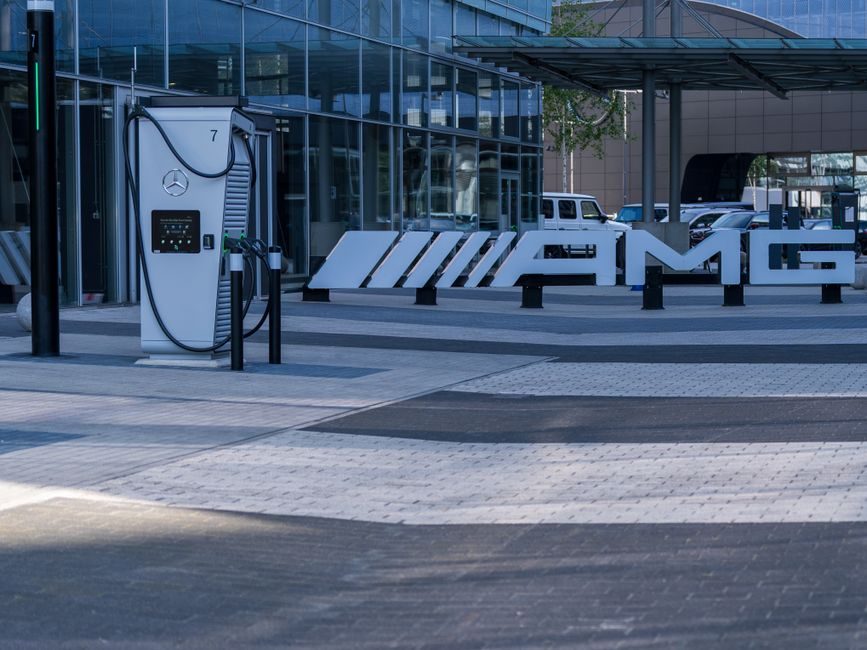
ABB, Hardhitter, and EAST Group lead the 2026 DC fast-charger supplier set, with output spanning 20 kW to 5 MW and connector coverage of CCS1, CCS2, CHAdeMO and GB/T across 649+ Chinese vendors and global Tier-1 OEMs.

China-based EV charging station makers — including EVCOME (200k pcs/yr), Penoda, Bluesky, Electrly, Sino Energy, and Hunan Haichen — dominate OEM/ODM supply with AC 7–44 kW and DC 7–360 kW product lines, OCPP 1.6J backends, and CE/UL/FCC certifications; the global market is projected to grow from US

The global EV charging station market is projected to grow from USD 38.55 B in 2026 to USD 120.85 B by 2033 at a 17.7% CAGR, with fixed charging, Level 3, and Asia Pacific leading. Supply-chain bottlenecks now sit in power modules, connectors, and OCPP software stacks.

China's e-axle supplier directory on made-in-china.com lists 690+ manufacturers offering 2,070+ products, with 12t/13t/16t German-type trailer axles priced US$ 400-600/piece and Chinese drum/trailer axle plants clustered in Shandong. EU/US Tier-1 e-axle programs require separate vendor qualification

An e-axle sits between electric-motor component suppliers and vehicle OEMs: silicon-steel, neodymium-iron-boron magnets, hairpin copper and SiC inverters feed in, while passenger BEVs, light commercial EVs and PHEV ranges feed out. Specifying it right means matching 150-250 kW power band, 8,000-16,0

E-axle supply chains in 2026 are being reshaped by gigafactory overcapacity, rare-earth magnet concentration, and dual sourcing in CEE and North America. Senior buyers now plan around assurance of supply, magnet risk, and total cost of ownership across inverter, motor, and gearbox tiers.

EV traction motor demand is structurally outrunning magnet and stator capacity through 2026, with 100-500 kW units absorbing 54.9% of the market and policy-driven EV demand clashing with rare-earth and component bottlenecks.

26 industrial traction-motor manufacturers list 101 products on DirectIndustry as of 2026-06-24, with CRRC Yongji and CRRC Zhuzhou leading Chinese rail-rated output. Selection turns on voltage class, torque band, IE efficiency tier, and ATEX/IECEx certification scope.

Global EV traction motor market reached $34.8B in 2025 with a 14.2% CAGR through 2034 ($115.8B), led by AC motors at 58.5% share and Asia Pacific at 45.2%. Rare-earth permanent magnet supply, gigafactory overcapacity, and integrated battery-motor production are the three supply chain forces reshapin

Offshore wind foundation supply is tightening into 2026 as the EU and US race to install 110+ GW by 2030, with monopile and jacket fabrication slots, large-diameter steel plate, and Tier 1 integration capacity now booked 24–36 months out. Developers should lock foundation suppliers, steel plate, and

Monopile dominates the offshore wind foundation supplier landscape, with jacket and floating substructures splitting the deep-water share. Selection hinges on water depth, turbine rating, and DNV/API design-code fit, while fabrication capacity, steel grade availability, and port logistics drive tota

Offshore wind foundation supply in 2026 hinges on monopiles up to 2000 t and 10 m diameter for 15–60 m water depths, with jackets covering deeper sites. Europe holds 25 GW installed, needs 4.5 GW/yr through 2030, and faces a manufacturing-capacity gap visible at the Hull conference circuit.

Grid-scale battery storage is moving into a structural supply squeeze through mid-2026: industry market sizing points to a USD 24.5 billion grid-scale battery market by 2030 on a 22.6% CAGR, while 93% of 2021 US utility-scale additions were co-located with solar, locking demand to project

Grid-scale battery storage spans lithium-ion, flow, and emerging chemistries from a global supplier base, with the market projected to reach $24.5 billion by 2030 at a 22.6% CAGR. Key manufacturers include CATL, BYD, Tesla, Fluence, and Sungrow across Asian, US, and European regions. Sourcing decisi

Grid-scale battery storage demand hinges on a Chinese-dominated lithium-ion supply chain, with a 22.6% CAGR forecast to 2030 and US-China tariff whiplash reshaping sourcing. Spec gates now center on cell chemistry, BESS architecture, and PCS interoperability.

Energy storage supply tightness in 2026 traces to lithium-ion cell concentration, project lead-times stretching past 12 months, and 160 kWh commercial stacks now common. Procurement should dual-source BMS/PCS and lock LFP cell slots early.

14 Chinese integrators commanded 63% of the 2024 global BESS integrator market, with Sungrow at 14% and CRRC at 8%, reshaping supplier shortlists for utility, C&I, and residential energy storage projects.

Energy storage systems sit at the centre of an upstream-downstream supply chain spanning lithium/cathode chemistry, BMS/EMS controls, fire-protection enclosures, and grid services such as frequency and voltage support. Honeywell's 500-4900 kWh LFP container, FM DS 5-33 spacing rules, and US Coalitio

TOPCon solar cell supply is tightening into mid-2026, with 1GW annual-degradation differences of 0.3% translating into 625 million kWh lifetime loss, while First Solar's '074 patent suit against JinkoSolar and IP validities extending past 2030 keep the licensing overhang live.

China hosts 646 ingot/solar-cell supplier listings on Alibaba and 2,000+ on Made-in-China, with TOPCon cells from Jingsun trading at US$0.09-0.13/W; First Solar's 2025 patent suit against JinkoEnergy (US Patent 9,130,074) is the central procurement risk for any 2026 TOPCon sourcing decision.

First Solar's 2025-02-25 lawsuit in Delaware (US Patent 9,130,074) plus Xi'an outdoor degradation data from 2023-11 to 2025-08 jointly reshaped the TOPCon supply chain: TOPCon first-year degradation landed at 0.52%-1.48% versus 2.27%-4.30% for BC and HJT benchmarks.

Solar glass supply in 2026 is constrained by 18-24 month float-line lead times and ultra-low iron silica sand (Fe2O3 below 0.012%) bottlenecks, with each GW of module capacity consuming 7,000-9,000 tonnes of glass.

Chinese solar-glass makers dominate 2026 B2B supply: 3.2mm tempered PV cover glass quotes at US$1.10–5.00/sqm (MOQ 100 sqm) and US$140.99–145.99/1,000 sqm tier; Migo Glass, Xiamen Solar First and Yilin are the recurring audited suppliers. Key specs: ≥91% light transmittance, low-iron low-E chemistry

Solar glass sits at the pivot between upstream silica/float-glass lines and downstream PV module lamination, EVA encapsulation and BIPV curtain-wall assembly; tracking 2026 specifications across transmission, tempering and lamination is now a board-level sourcing decision.

2026 global PV cell supply is squeezed by 2-3 GW/month of effective overcapacity hangover, a 2026 silver-price shock lifting cell+module cost, and tariff-driven deglobalization; InfoLink forecasts first negative module demand in a decade at 529-624 GWdc.

China-listed solar cell suppliers as of 2026-07-15 cluster in Shanghai, Shenzhen and Shandong, offering monocrystalline modules in the 435–560 W range, polycrystalline cells in the 16.0–17.4% efficiency band, and 1–10 W PET/ETFE mini-panels at US$0.09–0.13/W entry pricing.

Crystalline silicon solar cells now average 23.9–25.7% module efficiency on TOPCon M210-N 18BB platforms, with MONO cells from Taiwan-supplied 156.75 mm wafers hitting 19.4–20.3% cell efficiency and 78.89–81.04% fill factor per Solartech datasheet S-156-5 ver.C.

China-based solar inverter suppliers on B2B platforms list over 1,430 inverter manufacturers globally as of June 2026, with Shenzhen and CNBM-backed Okorder.com dominating mid-volume single-phase and 3-phase string inverter listings at $100–350/unit and 10kW units around $3,100.

Solar inverter value chains span silicon/wafer, IGBT/MOSFET power semiconductors, magnetic components and enclosures upstream, and PV modules, battery storage, EV chargers and SCADA/monitoring downstream; 2026 sourcing windows show residential hybrids 1-12 kW, commercial 33-693 kW and utility string

Solar inverter manufacturing in 2026 is a largely commoditised electrical-components stage dominated by SMA Solar Technologies and Fronius, with vertical-integrated module makers and diversified electrical majors (Siemens, Danfoss, GE Energy) rounding out the supply base. Supply-chain analyst compen

Green-hydrogen electrolyzer capacity faces a 2026 crunch driven by PEM iridium and platinum-group metal (PGM) supply risk, bipolar-plate titanium demand, and SOEC yttrium and nickel exposure, with EU and US scale-up locked against IRA/AFIR timelines.

Electrolyzer supply chains in mid-2026 are shifting from cost-led to assurance-of-supply procurement, with single-source chokepoints in membrane, catalyst, and BoP categories now treated as production risks, not line items.

Green hydrogen demand is on track to outrun near-term electrolyzer, renewable-power, and bankable-offtake capacity in 2026, exposing refiners, ammonia/methanol operators, and mobility projects to a structural supply shortage that is more about enabling infrastructure than molecule availability.

Green hydrogen upstream covers renewable power input through PEM or alkaline electrolysis, while downstream spans ammonia, methanol, e-fuels and shipping bunker fuel; Latin American projects in Chile, Argentina and Brazil advanced permits and financing between January and July 2026.

Global green hydrogen market is projected to grow from USD 2.79 billion in 2025 to USD 74.81 billion by 2032 at 60.0% CAGR, with wind supplying 48.9% of renewable feedstock and alkaline electrolysis holding 61.2% technology share in 2024.

Fuel cell stack supply is tightening as the 2026 market hits USD 7.1 B with 9.8% CAGR to 2036, while GDL-less PEMFC designs push peak volumetric power density to 9.8 kW/L, putting pressure on bipolar-plate and MEA capacity and lengthening lead times for transport and stationary orders.

Fuel cell stack upstream covers catalyst-coated membranes, gas diffusion layers and bipolar plates; downstream includes MW-class CHP, data-center power, carbon capture and hydrogen fueling. Doosan, FuelCell Energy and Pearl Hydrogen product moves on 2026-07-09 / 2026-07-12 anchor the chain.

The global fuel cell market is forecast to reach USD 18.16 billion by 2030 from USD 5.66 billion in 2025, a 26.3% CAGR, with PEMFC and SOFC stacks driving stationary, data-center, and heavy-duty-truck demand. The BoP segment alone holds 66.4% of the 2024 component market.

Battery management system (BMS) supply tightness in 2026 is driven by lithium-ion BESS demand, MCU/AFE chip allocation, and SOC/SOH firmware validation cycles, with lead times stretching 26-40 weeks for tier-1 modules.

Battery management system (BMS) sits between cell/pack upstream suppliers and downstream pack integrators, defining SOC/SOH estimation, cell balancing and protection interfaces; 2026-07-14 toolchain notes from MathWorks Simscape Battery document Kalman-filter SOC, BESS peak-shaving per IEEE 1547-201

Battery electrolyte sits at the pinch point between lithium salts, solvents and additives upstream and lithium-ion cell, UPS and EV-pack applications downstream; LiPF6 plus carbonate solvents remain the dominant chemistry and China holds the bulk of electrolyte capacity.

The global battery electrolyte market is projected to grow from USD 15.06 billion in 2025 to USD 27.99 billion by 2030 at a 13.2% CAGR, with lithium-ion liquid electrolyte remaining the dominant chemistry and Asia Pacific controlling roughly 90% of electrolyte production capacity.

Lithium-ion battery separator supply remains structurally tight through 2026, anchored by PE/PP microporous film capacity concentrated in a few Asian lines, with U.S. import stacks at 8507 6000 90 (MFN 10%, Additional 35%) and 3926909090 (MFN 10%, Additional 10%) pressuring cell-makers on landed cos

Battery separator suppliers in 2026 split across three chemistry lanes: PP/PE polyolefin film (Asahi Kasei, Toray, Cangzhou Mingzhu), AGM glass mat for lead-acid (Yangzhou Guotai, Koyosonic, 0.5–3.5 mm), and ceramic-coated high-power LI separators with 70% porosity. Source benchmark below.

Lithium-ion battery separator manufacture sits between upstream UHMW-PE/PP polymer and ceramic slurry suppliers and downstream cell makers (CATL, BYD, LG ES, Samsung SDI), with dry- and wet-process lines that demand tight tension, thickness and porosity control to feed thinner, higher-energy-density

Battery-grade graphite anode supply is structurally short through 2026: China controls ~90% of global anode production and 98% of graphitization capacity, and qualification, purification and tariff friction keep ex-China capacity from absorbing the gap on time.

Copper foil, graphite active material and silicon-carbon composites dominate the 2026 lithium-ion anode bill-of-materials, with the upstream-anode segment scaling alongside the LFP and NCM cathode lines mapped in the 2026 cathode supply chain.

Lithium-ion cathode material demand is projected to outpace precursor supply through 2026, with Chinese LFP and ternary capacity expansions exposed to lithium carbonate, nickel and cobalt availability, and pH-controlled slurry QA bottlenecks at precursor plants.

China-based cathode material suppliers dominate the Made-in-China.com listing with MOQs as low as 2 kg and 84-97 USD/kg pricing; Shandong Gelon Lib is one Diamond Member audited supplier visible on page 3 of the 2026-06-05 index.

The cathode material industry chain spans lithium, nickel, cobalt and manganese precursors upstream, four commercial cathode chemistries midstream, and lithium-ion battery cells for EVs, ESS and consumer electronics downstream. Decision-making centers on energy density, safety, cycle life, and volta

APAC dominates the lithium-ion battery cathode material market with cobalt holding the largest type share at 60% cathode content; IndustryARC tracks the segment toward $21.29Bn by 2025 at a 10% CAGR through the 2020-2025 forecast window.

China-based battery pack suppliers on Made-in-China and TradeWheel list 12.8V 60Ah LiFePO4, 51.2V 105Ah golf-cart, 72V 150Ah EV and 18650/21700 cylindrical packs as 2026 stock lines, with FOB unit prices spanning US$0.61–0.91 per 18650 cell up to US$1,300,000–1,800,000 per industrial set.

Lithium battery pack supply chains in mid-2026 are defined by a wide upstream-to-downstream gap: cell-level specs (chemistry, capacity, UN 38.3) drive pack architecture, while downstream sectors — UAV, medical Class I/II, rail, smart grid, Iridium™ satellite — pull divergent BMS and certification re

Lithium battery cell supply tightness persists in 2026 as UK gigafactory buildout collides with industrial and energy-storage demand; specification risk sits in cell chemistry choice, BMS integration and second-source strategy.

Chinese battery cell makers dominate the global supplier directory in mid-2026, with 1,916 car-battery and 164 watch button-cell factories listed; LFP, NCM and sodium-ion chemistries define the cell offer.

Shenzhen-headquartered Exencell, founded 2021, is scaling a four-plant LiFePO4 cell programme across Mianyang, Dali, Zhuhai and Yancheng, supplying prismatic and tabless cylindrical cells into grid-scale, C&I and residential energy storage.

UK gigafactory build-out, cylindrical cell shortages of 18650/21700 format, and lithium manganate (LiMn2O4) for two-wheel EVs define the July 2026 cell supply chain, with NEC Birmingham hosting the next buyer convergence point on 8-9 July 2026.

Lithium pack supply risk in July 2026 is dominated by cobalt and nickel cathode-material concentration, with engineering-grade pack design, not cell chemistry, as the first mitigation lever.

Sourcing steel from China in mid-2026 means navigating MOQ-gated platforms, four major grade families, and a multi-layered QC stack; this guide maps the channel mix, the grade/standard choices, and the verification workflow a Western buyer needs to land reliable orders.

Steel procurement in 2026 is structurally a supply-security problem, not a price problem: industrial policy, CBAM-linked mill data demands, and AI-driven electrical-steel demand have pushed category managers off pure cost optimization. This guide maps grade-and-form selection, sourcing model choice,

Sulfide, oxide and polymer electrolyte SSB makers in China, Japan, Korea, the US and Europe have moved from R&D to 100-MWh-class pilot lines, with 400-500 Wh/kg cell targets, oxide cells at 0.76 yuan/Wh and sulfide at 0.86 yuan/Wh versus liquid Li-ion baselines.

The solid-state battery (SSB) value chain spans sulfide/oxide/polymer electrolyte materials upstream, vacuum-deposited thin-film cell production in the midstream, and EV plus stationary storage downstream, with the global market projected to grow from USD 1.66 B in 2023 to USD 24.69 B by 2032 at a 3

Sulfide, oxide and polymer solid electrolytes each lock out a different cell design — IDTechEx pegs the SSB market at US$10 B by 2036 versus the broader US$431.65 B battery technology market forecast to 2030 at 11.4% CAGR.

Sodium-ion battery supply is tightening into 2026 as UPS, automotive start-stop and stationary storage SKUs converge on similar NaFePO4/Prussian-blue cell lines, with EAST catalog data showing 12V 45-60Ah modules at >3000 cycles and 660-1000A CCA competing with lithium for the same raw-material pool

CATL, HiNa Battery, Faradion and BYD lead sodium-ion battery cell manufacturing as of mid-2026, with first-gen cells at 160 Wh/kg, Shanxi gigawatt-scale trials, and EAST Group shipping 12V start-stop modules.

Sourcing nickel from China in mid-2026 means choosing between Class I nickel (99.8%+ cathode/pellet), nickel chemicals (NiSO4·6H2O, NiCl2·6H2O, NiF2·4H2O, CAS 13940-83-5) and nickel-bearing alloy stock; the cheapest first quote is rarely the safest.

Nickel procurement for engineered alloys should be spec-first: lock UNS grade (N04400, N06600, N08825, N10276), form (bar, plate, sheet, pipe, billet) and ASTM/ASME/EN standard before pricing. Premium 30–300 mm bar can swing 15–40% quarter-on-quarter on LME Ni and energy surcharges.

Sodium-ion battery supply chain is moving from lab demos to commercial UPS and starter-battery SKUs in 2026, with sodium-ion UPS cabinet lines shipping while EV-scale deployment still trails lithium-ion, which holds a 98.6% market share in 2026.

Cobalt buyers can source from China through B2B platforms like Made-in-China.com Easy Sourcing, dedicated chemical-broking sites like ChemNet Mall, and full-service sourcing agents such as China Product Pros and B2BTradeWorld, with quotes typically returned within 24-48 hours.

CPU sourcing from China now spans three distinct supply lanes: home-built x86 chiplet parts like the 96-core Zhaoxin KH-50000 (128 PCIe 5.0 lanes, 12-channel DDR5-5200), Shanghai/Shenzhen trading hubs reselling boxed Intel/AMD, and OEM tray-channel allocations gated by US export controls.

CPU procurement for industrial and embedded buyers in mid-2026 must balance TDP/PL1/PL2 reality, AI-driven price pressure, and the full-custom vs standard-cell vs FPGA ASIC stack. This guide covers spec, supplier, and sourcing decisions for engineering teams.

Rare earth key components enter 2026 BOM rollups as engineered line items with declared mass and unit cost, not aggregated indirect spend; costed BOM and mBOM structures govern disclosure.

Rare earth sourcing in mid-2026 hinges on 17 lanthanides plus scandium and yttrium, with cerium dioxide (CeO2) at 99.9% purity available from Chinese mills at ~US$11/kg and 99% grade at US$3-10/kg; mixed calibration standards span Pr, Nd, Sm, Gd, Ho, Er, Yb.

A hydrogen fuel cell supply chain runs in four linked tiers — hydrogen production, storage/transport, stack assembly, and system integration — with proton-exchange-membrane (PEM) stacks dominant in mobility and solid-oxide stacks anchoring stationary power above 250 kW.

PEM and alkaline hydrogen fuel cell stacks draw on platinum-group catalysts, bipolar plates, carbon-fiber composites, ion-exchange membranes, and high-purity graphite; sourcing hinges on PGM price bands, IEC 62282 stack safety compliance, and 2026 supplier clustering in China, North America and the

An additive manufacturing supply chain runs on three coupled flows — digital design IP, certified metal/polymer feedstock, and post-processing capacity — and breaks from conventional forging-and-machining logistics by collapsing tooling, warehousing and aftermarket spares into on-demand part product

Tier-1 additive manufacturing suppliers in 2026 are dominated by OEMs that couple qualified metal-powder bed fusion platforms with closed-loop process monitoring, while Chinese integrators are closing the spec gap on price. Selection hinges on material certification depth, build envelope, and post-p

Additive manufacturing feedstock falls into four commercial families — metal powder, polymer filament/resin, ceramic granulate and composite wire — with selection driven by printer process family (PBF, DED, SLA, FFF), purity grade, and standard-bound spec sheets such as GB/T for DED metals.

Additive manufacturing reshapes the 3D printing supply chain by collapsing part count, digitising inventory into CAD files, and pushing digital warehouses closer to end users. Filament, resin, powder and metal feedstock remain the choke point; printers, post-processing and QA gate quality.

Additive manufacturing covers seven industrial material families — AlSi10Mg, Inconel 718, Ti-6Al-4V, 17-4PH/316L stainless, PA 6/12 powders, photopolymer resins and metal-plated composites — each tied to a specific part class in a functional BOM.

3D printing material sourcing in 2026 splits into four families — thermoplastic filament (PLA/ABS/PETG/PA), UV-cure resin (SLA/DLP), engineering powder (SLS nylon, TPU) and metal powder (SLM/DED) — with China-Guangzhou filament at US$9.99–11.68/kg, Simplify3D material hub, Formlabs SLA resin lines,

Industrial robot BOMs reduce to six functional groups: manipulator, drive, control, sensing, end-effector and safety/interface. A six-axis articulated arm typically uses RV reducers in the base axes and harmonic-drive units at the wrist, with a bill-of-materials cost split commonly 22-30% on reducer

The robotics supply chain spans precision reducers, servo motors, controllers, sensors, batteries and frames, with each tier concentrated in distinct Asian, European and North American clusters. Tier-1 integrators and OEM vendors depend on this multi-tier network to assemble industrial robots used a

An industrial robot's bill of materials (BOM) splits into six functional groups — actuation, sensing, control, power, structure and transmission — anchored by reducers, servo drives, motors and motion controllers.

Server hardware raw material sourcing starts with a bill-of-materials split into ferrous (cold-rolled steel, electrolytic tinplate, galvanized sheet), non-ferrous (C1100/C11000 copper, 6061/6063 aluminum, brass), PCB laminate (FR-4, CEM-3, high-Tg variants) and plastics (PC, ABS, PA66, PBT); spec ou

Data center raw material sourcing in 2026 centers on five material families — silicon wafer, copper, aluminum, rare-earth permanent magnets, and quartz/specialty glass — each governed by distinct purity grades, lead-time profiles, and ESG-audit requirements that drive spec sheets and supplier qualif

Wind turbine Tier-1 supplier landscape for 2026 is dominated by Chinese OEMs offering 1kW-300kW units at FOB US$100-35,000, with vertical-axis, horizontal-axis and micro-turbine segments running on distinct price/spec bands per Made-in-China listings June 2026.

A modern multi-megawatt utility-scale wind turbine decomposes into four BOM tiers — rotor, drivetrain, nacelle auxiliaries, and tower/foundation — with blade length, gearbox ratio, and converter topology dictating the part list. A 131 m onshore blade set produced in Bayannur, Inner Mongolia illustra

Wind turbine raw material sourcing hinges on five families: blade composites, structural steel, electrical copper, soft-magnetic core steel, and epoxy insulation. Spec bands and standards (GB/T 45195-2024) now drive recycle and reuse clauses.

Photovoltaic module bill-of-materials centres on polysilicon, wafer, cell and laminate inputs; sourcing decisions in 2026 hinge on polysilicon grade (mono vs multi), wafer thickness (150/160 µm G12) and silver-paste load (mg/cell) rather than headline panel wattage.

Tier-1 PV module makers — Jinko, LONGi, Trina, JA Solar, DMEGC and Canadian Solar — control 70-90% of bankable utility-scale supply, with mono PERC/TOPCon 550 W modules in the US$0.06-0.20/W FOB band and 12-25 year product warranties now standard across Bloomberg-listed suppliers.

A crystalline-silicon PV module's bill of materials typically totals 7 to 10 functional layers: front glass, two EVA encapsulant sheets, the cell matrix (60 / 72 / 144 half-cut cells), a polymeric backsheet, an aluminium frame, junction box, potting silicone and edge sealant, with BOS-mount and elec

A crystalline-silicon PV module is a stack of six spec-driven raw-material tiers: monocrystalline/polycrystalline cells (p-type PERC or n-type TOPCon/HJT), front-side EVA encapsulant, low-iron tempered glass, TPT/TPE/ETFE backsheet, aluminum alloy frame, and junction-box/encapsulant-sealant hardware

EV tier-1 suppliers in 2026 cluster around battery cells, power electronics and e-motors, with IDTechEx's 2026-2036 forecast reports mapping the technology, material and supplier landscape across cars, buses and trucks.

An EV powertrain BOM resolves into four billable blocks — battery pack, e-drive, power electronics, and auxiliary systems — with motor, inverter, and BMS electronics representing the largest non-cell cost share per BIS Research tracking.

EV battery cell cost is 60-70% raw material; lithium, nickel, cobalt and graphite dominate bill-of-materials, with cathode chemistry choice shifting nickel-manganese-cobalt (NMC) and lithium-iron-phosphate (LFP) market share. Sourcing teams should track 2025-2026 price bands, IRA Section 30D FEOC li

The lithium battery supply chain runs in five stages — upstream mining, midstream materials processing, cell and pack manufacturing, integration, and end-of-life recycling — with chemical conversion capacity still concentrated in Asia.

As of 2026-07-08, Tier-1 lithium battery suppliers cluster in Guangdong and Shandong China, with pack FOB price bands from US$520 (20kWh home storage) to US$1,384 (200kWh HV cabinet) and LiFePO4 cylindrical cells shipped with CE/IEC/UN38.3 stacks.

A lithium-ion cell BOM is dominated by four active-material streams (cathode, anode, electrolyte, separator) plus cell-to-pack structural hardware; the structural-component tier is concentrated in IATF16949 shops in Shenzhen and adjacent corridors.

China-domiciled raw-material suppliers dominate lithium-battery sourcing, with Cu foam and graphite anode powder listed at US$298/100 m² MOQ and active Ni-foam specialists founded 1998 — but spec sheets vary widely, demanding tight QC on purity, particle size and ISO 9001 audit status.

A modern CPU is the sum of three layered BoMs — silicon die (cores, cache, uncore, IMC), packaging substrate and interposer, and the firmware/RTL/SDK software stack — and an SoC hardware-only BoM misses 60-70% of real field risk.

CPU raw-material sourcing spans silicon wafers, photoresist, ultra-pure gases, ABF substrates, HBM stacks and rare metals; spec engineers qualify each node on purity, lead time and dual-source risk in 2026.

The AI chip supply chain spans five layers: EDA/IP, front-end wafer foundry, advanced packaging, HBM stacking, and system integration. Wafer-allocation and CoWoS/SoIC packaging capacity, not design, are the binding constraints on GPU/NPU/ASIC output in 2026.

An AI accelerator's hardware bill of materials (HBM, CoWoS, EUV wafer, advanced substrates) and its software bill of materials (firmware, BSP, model/agent inventory) are now both procurement-grade artefacts, with 2024-12 China curbs on gallium, germanium and antimony still rippling through spec desk

A modern semiconductor moves through seven distinct tiers — from quartz mining to EDA design, through wafer fab, advanced packaging and ATP — with no single region holding more than ~35% of any single stage outside assembly.

Semiconductor BoMs combine silicon die, passive components, thermal management materials, and firmware stacks; a compliant SBOM is now standard practice for SoC and system design.

Natural gas sourcing runs through three distinct supplier tiers: 32 industrial valve makers catalog 78 natural-gas models on DirectIndustry; 446 Alibaba generator-set suppliers concentrate 85.4% of revenue in China's domestic market; and 1,195 China-made-in-china gas-product factories are

DirectIndustry lists 17 industrial air-compressor manufacturers offering 26 products, with German names like Aerzener, BOGE and RENNER anchoring the high-pressure screw segment, while Made-in-China and Maruti Air Compressor cover the 7.5-11 kW oil-injected and 12V portable tiers.

China-based drone manufacturing platforms listed 6,000+ SKUs across Alibaba's drone category, with Made-in-China.com showing quadcopter 25L agricultural spraying drones at US$3,900–4,500 per set MOQ 1, and FPV racing frames in the US$151–768 per-piece band, defining the 2026 sourcing landscape.

GPU supply chain in mid-2026 remains allocation-driven, with HBM3e stacking capacity, CoWoS-L advanced packaging, and 300 mm wafer pulls forming the binding bottlenecks upstream of every accelerator shipment.

LNG value chain spans gas-field wellhead separation, liquefaction trains at -162 °C, cryogenic ISO/IMO transport, regasification terminals and downstream petrochemicals; instrumentation, valve and pump specs move together with capacity adds, with China holding a measurable share of newbuild carrier

China-hosted data center supply remains concentrated in three OEM clusters — power (48 V DC rectifier modules, parallel systems), cooling auxiliary (sensors, environment monitoring), and complete facility packages — with typical MOQ 1 piece and unit prices US$10,000–12,000.

As of 2026-07-07, China's photovoltaic supply base spans 9 dedicated PV circuit-breaker makers, 15 PVD/CVD deposition-machine lines, and audited module and racking exporters priced from US$0.10 brackets to US$80,000 stringer sets, all indexed on the major B2B portals.

Lithium battery cell supply remains tight through 2026, with copper-foil inputs (4.5–70 µm grades, 120,000 m²/month output) and 80% Depth-of-Discharge NMC vs 60–80% LFP design choices shaping spec and risk decisions.

Industrial CPUs span server-class x86, embedded x86, and ARM SoCs; sourcing is dominated by Intel, AMD, MediaTek (MT6769 8-core 2.0GHz), and Asian industrial-board OEMs offering Celeron J1900 EPIC boards, with PLC and servo adjunct lines from the same vendors.

CPU supply chain in 2026 is bifurcated: enterprise software-supply-chain risk (open-source reuse, CVE exposure) and silicon procurement for AI/HPC clusters. Sonatype 2026 report and Intel mid-2026 desktop pricing fix the two anchor data points.

Global AI chip supply is anchored by NVIDIA, AMD, Intel, Qualcomm and a fast-rising China stack (Huawei Ascend, Cambricon, Hygon, Biren, Moore Threads, Iluvatar CoreX), with merchant foundry capacity at TSMC 3 nm/5 nm controlling the wafer bottleneck.

AI compute demand keeps outrunning foundry capacity in 2026, with HBM3E stacking, CoWoS-L interposer throughput and 3 nm/2 nm wafer allocation acting as the three real chokepoints for hyperscaler build-outs; sourcing teams now treat advanced-packaging yield and analyst-staffed risk desks as primary

Made-in-China and Alibaba list 445+ semiconductor suppliers concentrated in Shenzhen, Wenzhou and Tianjin as of June 2026, with discrete devices (MOSFET, IGBT, thyristor, MCU) dominating sub-US$15 SKUs and three Mainland provinces absorbing ~90% of domestic-market volume.

Offshore wind supply chain in 2026 is bottlenecked by monopile/XLB foundations, HVDC export cable installation slots, and Tier-1 nacelle assembly capacity, with DNV, GWEC and Marine Renewables Canada publishing structural, port-hub and supplier-map guidance as new project auctions advance.

Industrial valve manufacturing sits inside a 50+ country supply chain anchored on ISO 9001, API 6D, API 600 and ASME B16.34, with upstream steel/casting, sealing and actuator dependence and downstream demand from oil & gas, chemicals, power and water.

Hydraulic system sourcing in mid-2026 spans 22+ hose manufacturers on DirectIndustry, 155+ China elevator-hydraulic makers on Made-in-China, 100+ Alibaba hydraulic motor factories, plus dedicated fittings and filtration specialists. This map shows which supplier tier fits which sub-component spec.

Roller and ball bearing supply chains across China, India, and the UK remain fragmented by product family, with 2,000+ China-side manufacturers on Made-in-China, dedicated UK mechanical-handling fabricators, and Indian distributors stacking SKF, NBC, and ARB brands side by side as of July 2026.

Machine tool supply chains in 2026 are constrained by CNC controller lead times, German/Japanese precision component quotas, and a softening downstream order book; sourcing is shifting to dual-source spindle and ballscrew qualification.

Global LNG enters a structural surplus in 2026 as ~40.7 Mt/yr of new liquefaction capacity ramps against softening demand, but the "peak loose balance" slips to 2027-2028 due to project delays, leaving residual winter and geopolitical price risk for buyers.

China-hosted B2B directories list 102 LNG regulator manufacturers and 2000+ fuel generator factories as of July 2026, with cryogenic tank trucks (Q345/SS304, 0.65 MPa), LNG loading arms, PIR/PU pipeline insulation and station equipment forming the spec-procurement map. Endurance Energy Equipment Co.

Aerospace supply chains in 2026 are absorbing simultaneous shocks: A380 wing-beam cracks flagged by regulators, U.S. rare-earth export retaliation against Chinese firms, and a U.S. manufacturing PMI at a four-year high in May, forcing tier-1 buyers to rebuild SCRM, digital traceability and LCA data

OLED sourcing in 2026 splits into three independent supply tracks: finished OLED display modules and pulse-oximeter panels, OLED chemical intermediates (CAS-indexed, kg-priced), and adjacent TFT/LCD module makers that also run OLED lines; Chinese B2B directories list 2,000+ TFT/LCD suppliers, ~112 O

Display panel supply chains in 2026 are bifurcating: LCD legacy lines hold unit volume while OLED, Mini-LED and Micro-LED capacity is concentrated among a handful of Korean, Chinese and Taiwanese panel makers. Sourcing risk now tracks glass-substrate, driver-IC and rare-gas inputs more than the pane

LED drivers and constant-voltage power supplies in the 12-24V class are exposed to component-level supply tightness through 2026, with PWM-controlled, CE/RoHS-marked DC-DC modules from China-origin OEM clusters such as Quanzhou Volts Commerce and Trade (200W, 12V/24V-to-5V 40A taxi/bus display units

State Grid's 500+ billion yuan 2022 capex commitment and 2.38 trillion yuan 13th Five-Year Plan spend make China's grid build-out the single largest demand-side pull on upstream metals, equipment, and downstream industrial electrification chains.

Industrial electric motors consume about 53% of global electricity, and 2026 supply risk is now driven by rare-earth magnet bottlenecks, IE3/IE4 regulatory churn, and 8-14 week lead-time drift on commodity AC induction frames.

Siemens completed its acquisition of DownStream Technologies on 2025-04-07, folding the CAM350 DFM toolset and BluePrint-PCB documentation suite into Xcelerator, tightening EDA upstream and PCB fabrication downstream data handoff for SMB fabs.

Silicon wafer supply chains in 2026 hinge on a handful of merchant polishers feeding 300 mm fabs, with new demand pulled by 1.6 T optical transceiver ramps and 200 mm shortages persisting for power discrete and analog fabs.

Copper supply chain analysis for 2026 is a mine-to-conductor data problem: concentrates are still concentrated in Chile, Peru and DRC, while smelting, wire-drawing and magnet-grade capacity is anchored in China. The spec-relevant news in H1 2026 sits in software, salaries and labour flows, not in he

Made-in-China lists 2,000+ steel-base-parts factories with US$1/piece sand-cast entries; AGICO, HKTDC, and Made-in-China dominate 2026 sourcing channels for carbon, stainless and structural steel categories across MENA and Asia.

Lithium supply shortage in 2026 remains a structural risk for EV battery and grid storage build-outs; analysts and SEC filings frame it as a multi-year mismatch between spodumene output and gigawatt-hour demand.

The lithium supply chain in 2026 is shaped by a 850-page Meridian report tracking 2025-2035 upstream projects, Coursera salary data showing supply chain analyst pay climbing into 2026, and SourceForge's July 2026 review of China supply-chain planning software for forecasting demand across Chinese li

Server hardware supply in 2026 splits into three procurement tiers: Tier-1 OEM (Dell/HPE/Lenovo/Inspur), Tier-2 white-box ODM (Quanta/Wiwynn/Foxconn), and Tier-3 industrial-China assemblers on made-in-china.com with 1U/2U/4U rack, GPU and storage SKUs.

Server hardware upstream supply spans x86_64 CPUs, mainboards, ECC memory and power components; downstream buyers run virtualization, workflow and cryptographic workloads. Oracle VM Server requires i686-class 64-bit hosts, Oracle Workflow needs Oracle9i/10g databases, and IBM z13 supplies crypto off

Data center siting in 2026 hinges on upstream power skids, switchgear, UPS strings and cooling pumps, and downstream fiber, server rack and DCIM layers. ABB keeps modular UPS and PDU on its data-center industry page; YOFC notes fiber growth rides digital-economy spend.

Wind turbine transformer catalogues on DirectIndustry list 10 manufacturers offering 17 products, dominated by dry-type and immersed-oil configurations in the 11 kV–36 kV MV class — a thin supply base that tightens lead times when offshore wind build-outs hit procurement windows.

U.S. residential solar installs in Bonner Springs, KS averaged $2.94/W including installation as of April 2025, while 2026 retail SKUs span 260 W poly to 400 W mono PERC all-black modules, and panel supply risk now hinges on cell-type mix, certification scope, and inbound container flo

EV upstream/downstream chains in 2026 span SiC power semiconductors, battery cell LFP/NMC, BMS contactors, and assembly torque tools, with policy frameworks like China's dual-carbon targets driving capex. Key spec nodes: 1200V SiC MOSFETs, 800V architectures, 0.1-0.3 GWh cell lines.

China-origin lithium battery sourcing on Made-in-China lists 14+ chemistry/form-factor categories, 3.7V LiPo cells from US$1.10 and 51.2V LiFePO4 ESS racks to 1MWh; lead-times and MOQs drive tier selection.

Lithium battery upstream and downstream chains link lithium brine/hard-rock mining, cathode/anode material processing, cell/pack/module assembly, BMS electronics and end applications across EVs, BESS and industrial equipment, with China controlling the dominant share of mid-stream cell capacity.

Semiconductor upstream and downstream industries — wafer fab equipment, packaging, raw-materials and distribution channels — are entering 2026's second half with mixed signals: June 2026 sales softened at several chipmakers, while packaging conferences and vacuum-coating tool launches continue to ex

Offshore wind is squeezing its supply chain in 2026, with Aker Solutions booking a "substantial" foundation contract on 6 July and Framo scaling suction-anchor pumping for monopile and jacket installations, while policy targets of 27 GW by 2035 still anchor multi-year vessel and substructu

Industrial natural-gas buyers are now managing three concurrent supply risks in mid-2026: structural pipeline shortfall, market-price volatility indexed to Henry Hub, and operational disruption from fog, LNG-terminal delays and grid coupling — each demanding distinct mitigation hardware and contract

Sichuan Zhengdakai New Materials began full-scale construction of a 10 billion CNY gas-to-ethylene-glycol/DMC complex in Xuanhan, with phase 1 targeted at 5 billion CNY annual revenue, anchoring a gas-chemical cluster built on local natural gas feedstock.

Australia's natural gas supply chain runs well → gathering → processing → transmission → distribution, with LNG export terminals and CSG/shale upstream adding two parallel branches; mid-stream compressor stations and pipeline telemetry drive most SCADA/instrumentation spend, while 2026 procurement f

Connector sourcing runs through 2,000+ pneumatic, 45,824+ tube, and dense Guangdong/Shenzhen PCB and coaxial lines, with 1.27 mm–2.54 mm pitch pin-header SKUs at US$0.02–0.10 and ISO/medical assemblies quoting US$0.175–9.00.

Connector upstream and downstream supply chains span copper alloy mills, polymer compounders and contact-plating houses feeding assembly lines that serve automotive, telecom and industrial-automation OEMs, with chloroalkali and chloroacetic acid loops providing a reference example of a 50-plus-firm

Connector supply chains in 2026 hinge on three binding constraints: copper-alloy contact pricing, automated-assembly capacity, and dual-region qualification — and shortage exposure now moves with rare-earth and magnet feedstock cycles.

Chinese cable and wire manufacturers cluster in four industrial belts — Sichuan/Chongqing, Zhejiang/Ningbo, Jiangsu (Wuxi/Changzhou) and Hebei/Henan — offering MOQs from 10 pieces to 5 tons at price bands US$0.05–800 across power cord, AAC conductor and three-core builds. Verified 2026 listings on M

Wire and cable industry 2026: copper price volatility, 24-48hr distributor turnaround, and 100K sq ft manufacturing hubs define the upstream-downstream squeeze between mining, refining, and end-user specs.

DirectIndustry lists 27 manufacturers and 62 products for Weir power industrial valves; Made-in-China posts factory-price steel mini ball valves at US$3.50 MOQ 10 pcs, with 2,000+ charger-side factories offering 6,000+ products. Source maps show sourcing clusters in East China (Wenzhou, Shanghai), I

Industrial valve supply chains in mid-2026 remain a three-tier OEM + distributor + project-package market where ISO 9001:2015-certified independents handle ANSI/DIN specials, with lead-time risk concentrated in alloy bodies, exotic trim and certified fire-safe/API 6D skids.

Industrial pump supply chains in 2026 split into three sourcing tiers: OEM-direct for centrifugal and mag-drive process pumps, regional distributors for chemical injection and pneumatic units, and field-service shops for upstream oilfield and irrigation service. Material traceability and lead time d

Industrial air compressor lead times in mid-2026 are stretching into 26-40 weeks for oil-free centrifugal and oil-injected rotary units above 50 hp, driven by cast-housing and screw-element bottlenecks, with used and rental fleet absorption pushing effective availability below 80% in several regions

Air compressor supply chains in 2026 are anchored by long-tenured Chinese OEM/ODM hubs (e.g. Guangdong Jinyuan, 30 years, est. 2007) and Indian tier-2 component fabricators (Chennai cluster), with portable/oil-free sub-segments expanding fastest. Spec-first buyers should qualify vendor age, type (oi

DirectIndustry lists 95+ automatic-mode pneumatic welding-system manufacturers globally, with Chinese OEM platforms (Made-in-China, Alibaba, STNC Pneulead, Huimu) holding 2,000+ pneumatic component suppliers across cylinders, solenoid valves and fittings. Sourcing map: 4 channels, 5 product families

Bearings sit in the middle of a dense industrial chain: steel, forging and heat-treat feed upstream, while wind, EV, robotics, rail and aerospace absorb the output. 2024-2026 has seen EV traction motors, humanoid robots and large wind turbines reshape spec demand and pricing.

Bearing procurement teams entering Q3 2026 face a structurally tighter market: AI-driven demand has lifted bearing-steel throughput, lead times for deep-groove ball and tapered roller lines have stretched, and the 9th Supply Chain & Logistics Summit (SupplyCLO, 2026-07-03) is set to harden the resho

Machine-tool upstream covers castings, forgings, servo/ballscrew/linear-guide kits and CNC systems; downstream spans automotive, aerospace, mould & die, construction machinery and general metalworking. Sourcing in 2026 hinges on sub-tier steel, roller-guide supply and the CNC controller protocol sta

China-based CNC machine suppliers continue to dominate global export channels in mid-2026, with audited Made-in-China.com listings placing vertical machining centers at US$20,000-25,000 and small gantry VMCs at US$55,000-100,000 per piece, while India-side CNC turning/milling majors like LMW show 40

CNC machine shop parts on China platforms listed at US$16-54/piece MOQ 1 in 2026, while 5-axis aluminum services run US$5-50/kg with 6061-T6 to aerospace-grade material bands and 3-day prototype/10-day production lead times.

Mining-equipment supply risk in 2026 stems from concentrated OEM build slots, long lead hydraulic and drivetrain lead times, and dependence on a handful of underground-equipment vendors for production fleets.

China-based mining equipment manufacturers listed on Made-in-China.com exceed 2,000 suppliers across vibrating screens, jaw crushers, grinding mills, and dredgers, with verified entry-level jaw-crusher offers near US$650/set and dredger units at US$1,420,000/set.

Mining-equipment supply chains now span upstream oil & gas, midstream processing and downstream chemicals, with OEMs like Sandvik and OMIM linking crushing, hauling and sorting assets into a single specification chain across continents.
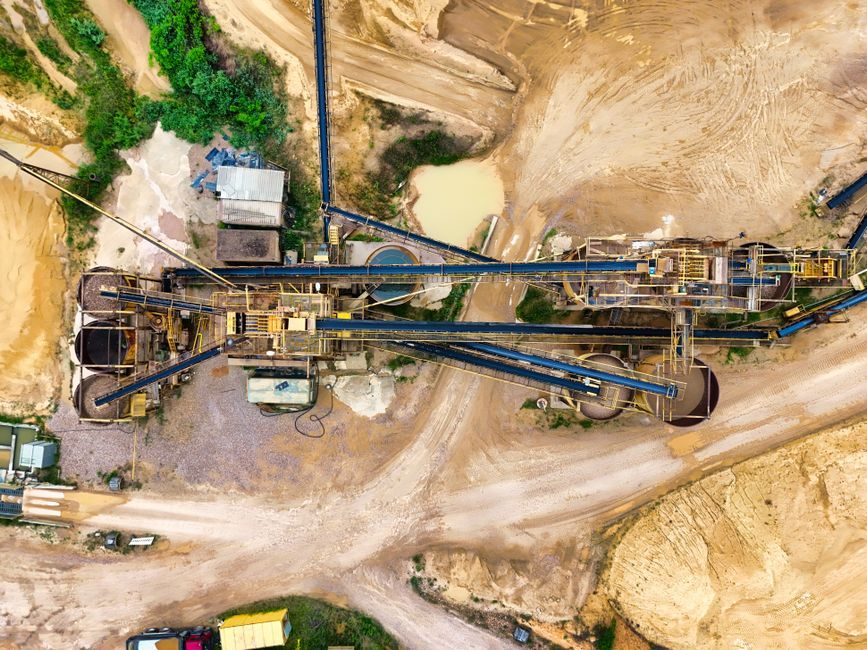
Mining equipment supply chains in mid-2026 are tracking software-vendor disruption feeds for raw-material shocks, India-listed OEM distribution of Atlas Copco and Chicago Pneumatic rock drills, and a documented Oracle Supply Chain DoS CVE from 2024 still affecting pre-6.2.4.2 deployments.

China dominates the wholesale satellite-equipment supply chain, with Guangdong and Zhejiang factories listing 950-2150 MHz DiSEqC switches from US$50, IP67 GNSS antennas at US$7-12, and mini DVB-S2 receivers at US$115-192 on Made-in-China.com as of 2026-07-01.

Semiconductor supply-chain analysis in 2026 is dominated by five structural forces: AI/HBM-driven wafer allocation, mature-node (>28 nm) capacity overhang, distributor and franchised-stock consolidation, multi-source qualification of EDA, IP and photoresist, and a re-shoring cycle (US CHIPS Act, EU

Electric motor upstream supply (silicon steel, NdFeB magnets, copper windings, SiC/GaN power devices) and downstream demand (HVAC, EV/eVTOL, industrial pumps, actuators) jointly set the 2026 spec and price curve.

Cobalt sits in the middle of a multi-stage supply chain that runs from artisanal and large-scale mines, through hydrometallurgical intermediates, into battery cathode precursors and refined metal, and out into lithium-ion cells, superalloys, cemented carbides, and industrial catalysts. A buyer-side

Power grid equipment sourcing in mid-2026 is dominated by 2,000+ Chinese manufacturers on Made-in-China.com, with verified product listings spanning 12 kV vacuum reclosers, 600 W TOPCon PV modules, and off-grid mobile EV charging BESS, alongside the open-source PowerGridModel library for steady-stat

As of 2026-06-30 the heat-pump supplier base lists 41 industrial manufacturers with 197 catalog products on DirectIndustry, while Made-in-China.com indexes 366 commercial air-source manufacturers with 1,098 SKUs; pricing for split air-to-water units clusters at US$1,420–2,490 per piece.

A transformer's upstream supply chain runs from grain-oriented electrical steel (GOES), copper conductor, transformer oil and pressboard to core-cutting, winding and tank fabrication; its downstream chain feeds MV/LV distribution, industrial drives, data-center UPS, EV charging and grid-scale renewa

Battery energy storage upstream cells/modules and downstream PCS/EMS/integration span LFP prismatic and solid-state chemistries from 30 kVA modular cabinets to 1 MW utility blocks, with 2026 supply chain margins tightening on cell-grade lithium feedstock and EMS-level grid code compliance.

A heat pump is a reverse-Carnot device that upgrades low-grade heat from air, water or ground into usable high-grade heat; its upstream supply chain spans compressors, heat exchangers and electronic expansion valves, while downstream demand is led by residential HVAC, gas-engine heat pump (GEHP) cog

Copper's upstream-mining and downstream-manufacturing chain binds concentrate output to wire-rod, brass, electric motor and power-cable demand, with 2024-2026 supply nodes still tight.

Industrial display panel supply remains structurally tight through 2026, with LCD, OLED and embedded HMI panel lead times running 14-26 weeks and pricing volatile; engineering buyers should qualify second-source TFT-LCD fabs, lock controller IC stock and validate long-term availability programmes no

OLED supply chains in 2026 link upstream vapor-deposition and precision-coating equipment to midstream panel makers and downstream TV, smartphone, and automotive display buyers; engineers should map device families, glass-gen steps, and driver-IC lead times before locking 2026 sourcing.

Power semiconductor supply in 2026 is constrained at the device level, with 8-inch SiC MOSFET/Schottky listings on Made-in-China at US$520-600/piece MOQ 1-5 and Fuji Electric IGBT modules dominating UPS-grade sourcing, leaving industrial buyers exposed to single-vendor and SiC substrate concentratio

Lead times for LFP prismatic cells in Q2 2026 stretched to 18-26 weeks versus 8-12 weeks in 2023, with Tier-1 Chinese cell makers allocating 60-70% of capacity to EV programs, leaving grid-scale BESS buyers exposed to firming-curve and COD slippage risk through 2026-H2.

Made-in-China lists 100+ verified transformer manufacturers in Wenzhou and Shenzhen clusters as of June 2026, with three-phase oil-immersed pad-mount units priced US$499-43,000 and S11 20-10kV 30-2500kVA series dominating exports.

Steel upstream covers iron ore, coking coal, scrap and ferroalloy feeds, while downstream spans rebar, wire rod, sections, tube, sheet and engineered steel products. China remains the central node, with Tube China 2023 co-located with METALLURGY CHINA at SNIEC, 14-16 June.

China-based LED supplier directories list 360,787 LED products and over 1,700 RGB-LED makers on Made-in-China, with Shenzhen and Ningbo as the dominant manufacturing clusters. Specifying LED buyers in 2026 shortlist by region, certification (UL, CE), and MOQ.

EV supply risk in 2026 is dominated by NdFeB magnet and rare-earth processing concentration, copper foil and lithium-refining chokepoints, and 800 V SiC inverter capacity, with no public relief in sight before H2 2026.

300 mm silicon wafer supply remains structurally tight through 2026, with HKTDC sourcing listings, global supplier directories and Sigma-Aldrich material SKUs confirming constrained availability for power-device, MEMS and IoT-grade wafers.

329 Chinese rectifier manufacturers list 987 SKUs, with Inchange, Yondda, Chengxing and ISC active on Made-in-China as of June 2026. SiC, IGBT and diode supply routes remain concentrated in Jiangsu, Hubei and Guangdong.

China dominates global EV charger OEM supply, with Shenzhen and Wenzhou clusters offering 7–360 kW DC fast units, 7 kW–22 kW AC wallboxes, and OCPP 1.6-J protocol options. Reference list: NEWCOM, Wenzhou Chuhan, Honlix, Ruisu-tier makers, sourced 2024–2026.

As of 2026-06-27, copper sourcing on Chinese B2B hubs lists 48,134+ copper-door SKUs, ~1,000 alloy-casting factories, and wire-mesh exporters quoting FOB USD 5-13/kg across four product families: conductor, casting, mesh, and scrap.

As of 2026-06-25, the hydrogen fuel cell supplier base is dominated by China-based stack and engine OEMs (Vision Group VISH-130A 130 kW class, VET Energy), with portable gensets from Power Up (UP3K, 21-42 kg) and UK PEM specialist Intelligent Energy (IE-SOAR/IE-DRIVE series) covering aviation, data

2026 marks the inflection point of the global LNG super-expansion cycle, with ~40.7 million tonnes/year of new liquefaction capacity, a 40% jump in 2026-2030 cumulative additions, and US-Qatar duopoly at ~70% of new volumes reshaping cargo flows.

STMicroelectronics published its MEMS and sensors portfolio page on 2026-06-10 and a refreshed eval-board page on 2026-05-18, confirming active 2026 supply of accelerometers, IMUs, gyros, pressure and temperature dies, but no public allocation or shortage notice accompanies either update.

China-hosted desalination supplier listings, refreshed 2026-05 to 2026-07, show RO seawater units priced US$1,700-9,868 per piece, marine units at US$800-5,000, and brackish plants from US$1,998/set, with auditor tier (Diamond/Gold) and MOQ as the main sourcing filters.

China hosts 570 IGBT-related manufacturers and suppliers on Made-in-China.com with 1,710 listed products, dominated by welding-machine and induction-heating OEMs rather than chip fabs. For genuine IGBT die/module sourcing, Japanese, German and US IDMs remain the primary upstream tier.

MEMS sensor supply is dominated by STMicroelectronics, Bosch, Honeywell, and a dense Chinese cluster in Zhejiang/Shanghai/Guangdong, with pressure ranges spanning -100 kPa to 1.6 MPa, gyroscope IMUs under US$ 780, and 2,000+ sensor-technologies vendors on Made-in-China.

Chinese display panel makers dominate global sourcing in 2026, with over 2,800 LED display panel SKUs and 1,000+ TFT/OLED module lines listed on B2B catalogs, anchored by ISO 9001:2015 certified factories in Shenzhen, Zhejiang, and Sichuan averaging US$9-803 unit price bands across industrial and co
China-hosted petrochemical supplier directories on Made-in-China, Alibaba and ChemicalBook list 6,000+ factories as of 2026-06, with 1-piece MOQs on heat exchangers, US$0.25-0.55/sqm HDPE geomembrane, and US$6,000-57,000 compressors spanning metallurgy, defense and refining supply chains.
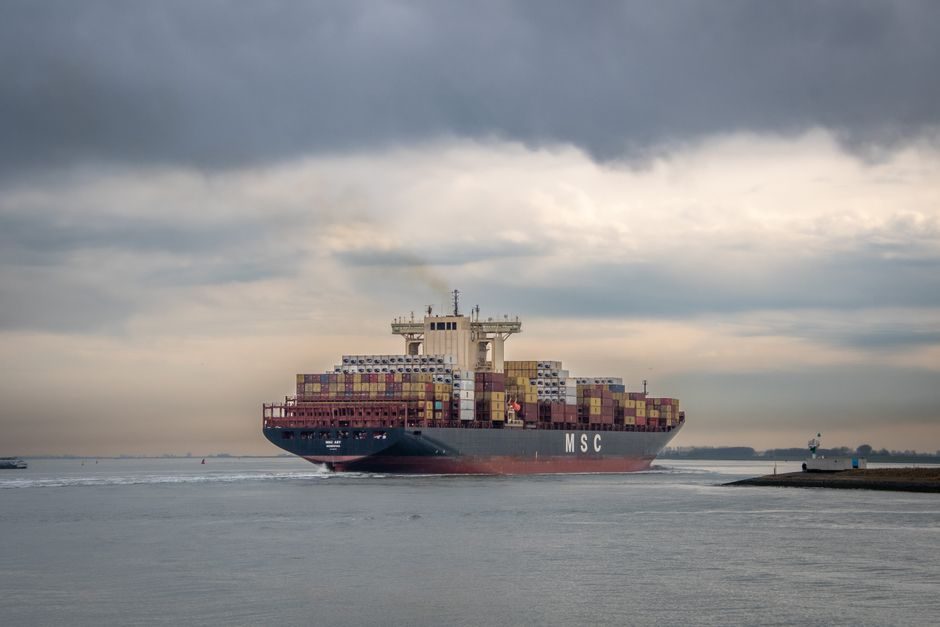
Fuel cell market sized at USD 7.1 B in 2026 with USD 18.2 B by 2036; PEMFC dominates transport while SOFC leads stationary; platinum-group catalysts and bipolar-plate graphite remain the two constrained material nodes across the 2026 supply chain.

Global electric-vehicle supply chains now span IRS-listed passenger OEMs, EU test-bench makers, and 2,000+ Chinese light-EV plants; selection hinges on segment, certification and tier-1 automation fit.

Satellite supply-chain analysis in mid-2026 is dominated by software-led visibility platforms, with SourceForge listing India supply-chain business networks, startup risk tools, and Japan planning suites among the most-trafficked categories updated in June 2026. Senior Supply Chain Mana

As of 2026-06-26, cobalt sourcing remains concentrated among Chinese chemical and battery-materials majors — Huayou Cobalt and CNGR Advanced Material hold multi-year Tesla supply contracts running through end-2025 — with Alibaba, Made-in-China and ChemicalBook listing 50+ active cobalt metal, salt a

3D printing supplier directories on Made-in-China, HKTDC Sourcing and Prismlab list 9–11 vendors per sub-category with MOQs of 1 set to 15,000 pieces and price bands from US$0.10/kg of ABS filament to US$19,999 per industrial DLP printer, audited 2026-04 to 2026-05.

Drone supply chains in 2026 are shaped by sourcing of flight controllers, BLDC motors, Li-Po packs, GNSS modules and carbon-fiber airframes, with the global software-supply-chain scale-up flagged in Sonatype's 2026 report as a parallel risk to firmware provenance.

GPU upstream and downstream supply chains define a 2026 cycle where HBM3E/3 memory packaging, CoWoS-L advanced interposer capacity, and ABF substrate supply govern accelerator output, while downstream hyperscaler CapEx ROI concerns and rising AI cloud rental rates shape end-demand signals.

Aluminium supply risk in mid-2026 centres on Chinese output, energy cost and bauxite exposure; the 2026 supply gap is 2.7 Mt by analyst count and per-2020 shortfall of 50 kt reported by Antaike.

3D printing's upstream feedstock chain (metal powders, photopolymer resins, thermoplastic filaments, recoaters, build plates) and downstream adoption (aerospace brackets, medical implants, automotive jigs) are decoupling in 2026, with industrial part buyers and powder specifiers following different

A curated B2B directory of nickel suppliers and manufacturers active on 2026-06-26, mapped by product form, alloy family, and standard specification, drawn from ten live sourcing records across Asia, Europe, and the Americas.

Steel supply risk in mid-2026 is driven by fragmented mill origins, long lead times on pressure-vessel and clad plate, and 32-plus-year distributor networks spanning 2" to 120" diameter pipe, with sourcing decisions now hinging on mill origin, diameter band, and grade rather than price alone.

A silicon wafer sits at the middle of a three-tier chain: upstream polysilicon and quartz crucibles, mid-stream slicing/polishing, and downstream IC, power-device and solar-cell fabs. Specs flow from wafer diameter (150/200/300 mm) and resistivity (Ω·cm) to cell efficiency bands, and instrument the

China controls roughly two-thirds of mined rare earth output and over 85% of refining capacity, so rare earth upstream (mining, separation, smelting) and downstream (NdFeB magnets, phosphors, catalysts, EV motors, wind turbines) remain a single coupled risk surface for global buyers in 2026.

Industrial robot sourcing in mid-2026 is dominated by a tight roster of European and Japanese OEMs, with Chinese vendors expanding articulated, SCARA and ceiling-mounted lines across Alibaba, Made-in-China and VEICHI channels.

Prime, test and reclaim silicon wafers 50–300 mm are sourced in 2026 from a tiered supplier base: CZ/FZ merchant producers in China, SOI/compound fabs in Europe/US, and dedicated reclaim shops like PCA, with SEMI-standard specs the universal procurement language.
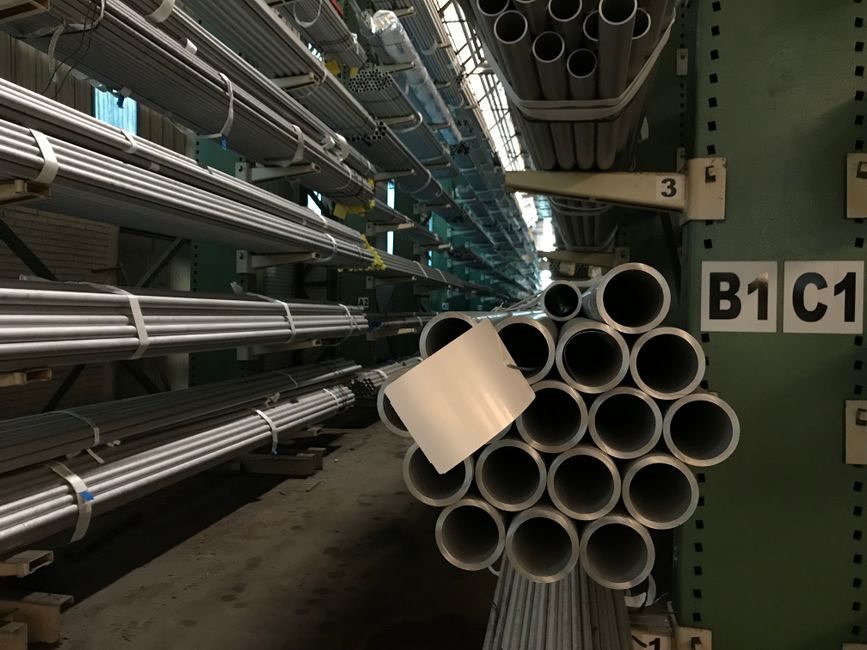
Additive manufacturing in 2026 reshapes supply chains by digitising inventory into CAD files, cutting lead times for low-volume metal parts and enabling on-demand spare-part production. Material-powder logistics, software stacks, and process simulation drive the largest procurement shifts.

As of 2026-06-25, the global industrial-robot supplier base splits between Chinese OEM/export channels (Alibaba, Made-in-China.com) and a US/EU integrator tier (Sofos Robotics, 5.0 Robotics). Buyers should triangulate revenue band, axis count, payload class and integrator scope before shortlisting.

As of June 2026, the rare earth supplier base remains anchored in China with diamond-audited B2B platforms and specialty trade groups like RARE listing over 14,000 active product lines, while US$2,000/10 kg MOQ and neodymium magnet pricing from US$0.10 to US$5.00 set realistic sourcing benchmarks.

Power-transformer lead times still run 12–24 months on 80+ MVA units as of June 2026, with GOES electrical steel, copper conductor, and dry-type/cast-resin capacity the binding constraints. Sourcing strategy now centers on spec downscoping, dual-region qualification, and digitized tier-N visibility.

Nickel upstream spans laterite and sulfide mining in Indonesia, the Philippines, New Caledonia, Russia and Canada; downstream pivots to Class I battery-grade nickel sulphate and Class II NPI/ferronickel for stainless steel, with NICKEL-64 (CAS 13981-77-2) bridging isotope markets.

Drone upstream and downstream value chain in 2026 spans composites, BLDC motors, flight controllers and battery cells upstream, with surveying, agriculture, logistics and inspection defining the downstream deployment mix.

Copper supply tightness in 2026 is being driven by mine-grade decline, smelter bottlenecks and electrification demand, with procurement teams layering supply-chain risk platforms onto long-term offtake hedges to manage price and lead-time exposure.

Electric motor sourcing in 2026 splits across three parallel markets: fractional-horsepower DC/AC units, industrial three-phase induction (IE3/IE4/IE5), and explosion-proof or HV industrial machines, with Chinese coastal clusters in Wuxi, Shenzhen, Ningbo and Hangzhou dominating supply.

China dominates the global aluminum supplier base, with 246 aluminium-decorative manufacturers, 12,747 aluminum sheet products, and 4,000+ integrated mill/foil lines indexed on B2B portals as of June 2026; sourcing gates now center on alloy certification, MOQ, surface finish, and mill age over headl

Nickel supply risk in mid-2026 is driven by Class I refining bottlenecks, Indonesian export frictions and Russian sanctions overhang; LME three-month nickel pricing volatility and stainless steel 304/316 surcharge escalator clauses are the engineer-facing exposure.

Petrochemical supply tightness in 2026 is driven by ethylene/propylene cracker outages, naphtha volatility, and shipping route risk; engineers mitigate via dual-source contracts, networked risk modelling, and marine cargo insurance per Hague-Visby terms.
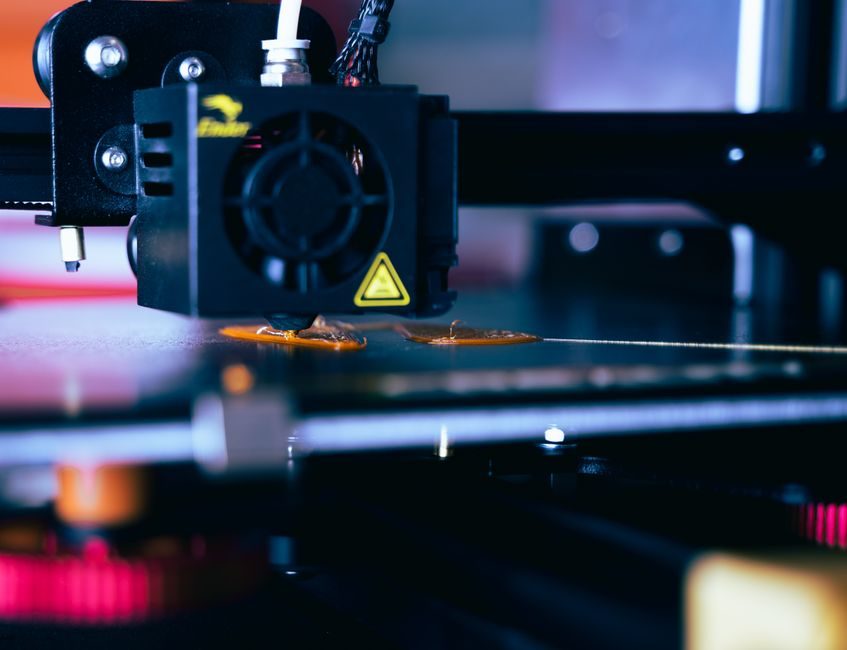
Additive manufacturing supply risk in 2026 centres on feedstock variability, post-processing bottlenecks and qualified-part shortage, with 316L/IN718 powder lead times and AS9100/ISO 13485 audit queues the binding constraints for OEM buyers.

Hydrogen fuel cell demand is being throttled in 2026 not by electrolyser capacity but by upstream component supply: PGM catalyst, bipolar-plate coatings, and proton-exchange membrane lead times dominate the bottleneck map, with PEM stacks requiring 0.125 mg/cm² Pt loadings that pin the bill of mater

Nickel supply chains in mid-2026 are reshaped by Indonesia's HPAL expansion, NPI-to-class-1 conversion projects, and LME three-month nickel around US$15,000-17,000/t, with battery-grade NiSO4 supply outpacing stainless demand in Q1-Q2 2026.

The 2026 satellite supply squeeze is no longer a forecast — smallsat and constellation primes are paying 6–14 month lead times on radiation-hardened parts, TWTAs and star trackers, with order books at most Tier-2 bus builders extending into 2027.

European and G7+ aluminium associations called for coordinated action on 2026-06-19 to counter Chinese capacity distortions, while the 27th China Chlor-Alkali Forum convened 320+ delegates in Suzhou in April 2024 to align upstream caustic-chlorine flows with downstream aluminium demand.

Data center supply chain analysis 2026: EMEA-led build-outs, AI-driven demand, and reshoring reshape sourcing for power, cooling, server hardware, and DCIM/observability software.

Hydrogen fuel cell value chain spans hydrogen production, storage, transport, stack components (membrane, plate, catalyst), and end uses in heavy trucks, buses, port tractors, rail, marine and stationary power, with the U.S. DOE Hydrogen and Fuel Cell Technologies Office and PowerCell Group active a

Aerospace supplier sourcing maps in 2026 split cleanly into three tiers: QSLM/QPL-approved US aerospace fasteners and APU/engine MRO shops; Chinese OEM hubs on Made-in-China and Alibaba for CNC, composite, wire, and precision parts; and information portals like aerospacefacts.com for OEM delivery ne

Global plug-in EV fleet is projected by IEA to reach 70.8 million units in 2026 at a 29.6% CAGR from 25.1 million in 2022, locking the EV charger supply chain into a multi-year build cycle.

Power semiconductor supply chains in 2026 are shaped by SiC/IGBT capacity concentration, 6-inch/8-inch wafer splits, and distributor-led stocking, with catalog distributors such as NAC Semi formalising franchise terms for high-power lines.

Petrochemical upstream-downstream chains in 2026-07 span oil & gas extraction, refining, cracking, polymerisation, and finished goods; the article maps the value chain, equipment specs, and engineering-service suppliers that connect them.

AS9100D/Rev D, IAQG SAE 9100-series supply-chain oversight and EN 9100 / EN 9110 / EN 9120 certification schemes define 2026 aerospace buyer risk thresholds, with BSI guidance flagging complexity as the top supply-chain exposure.

Display panel supply chains split into three layers: upstream equipment/materials (coaters, evaporators, substrates), midstream cell makers (LCD/OLED fabs), and downstream OEMs across TV, mobile, industrial HMI and signage.

U.S. central heat pump installed cost sits at $8,000–$15,000 for most homes in 2026, while a peer-reviewed 2026-metrics paper finds heat-pump supply chains still drive most of the system's life-cycle impact; combined, the two expose a price-vs-supply-risk squeeze for buyers.

Utility-scale solar PV in 2026 is exposed to a triple-layer supply risk: structural raw-material demand (aluminium, silver, polysilicon) required for 60 TW of cumulative capacity, climate-physical risk to installed assets, and concentration of module and BOS manufacturing. Engineers should specify d

Industrial robotics supply chains in 2026 are reorganising around three choke points: rare-earth magnets and motor components, AI/edge compute boards, and qualified systems integrators. Lead times, tariff exposure, and software-stack portability now decide sourcing outcomes as much as unit price.

Drone supply tightness in 2026 is driven by rare-earth magnet and Li-ion cell bottlenecks, layered with maritime insurance and liability gaps that magnify delivery-risk exposure across logistics, inspection and emergency-medicine use cases.

Solar PV module supply in 2026 splits sharply between new-build crystalline (mono PERC/TOPCon) at sub-€0.10/Wp factory-gate and a deep second-hand market for older poly modules such as SolarWorld SW 265 poly at €2.50/Wp and Canadian Solar CS6K-285P at €2.00/Wp.

Power grid supply chains in 2026 are being re-mapped around three forces: HVDC and grid-forming inverter capacity build-outs, copper/aluminum and transformer steel shortages, and Scope-3 carbon reporting that now drives supplier pre-qualification. Buyers who lock long-term agreements on grain-orient

Battery energy storage suppliers in 2026 cluster into four spec tiers — residential LiFePO4 packs 5–15 kWh, C&I rack/container BESS 100 kWh–1 MWh, forklift/AGV motive packs, and semisolid-state R&D lines — dominated by Chinese OEMs meeting GB 31241, IEC 62619 and UL 1973.

Server hardware supply risk in 2026 is real and not driven by a single component: long lead times on enterprise platforms, RAM/DDR5 shortages, AI-grade accelerator scarcity, and end-of-support for older server OS lines now stack on the same procurement window, forcing buyers to re-plan capacity 12-2

Global heat-pump market hit USD 126.83 billion in 2025 and is projected to reach USD 166 billion by 2030; the 2026 supply chain is being reshaped by refrigerant transitions, compressor sourcing concentration, and copper/aluminium cost swings.

Wind turbine supply chains in mid-2026 hinge on three structural risks: (1) upstream quality traceability across multi-party rotor, drivetrain and tower vendors, (2) exposure to U.S. tariff revisions on steel and electrical machinery, and (3) Arctic-route logistics variability for oversized nacelle

AI chip supply in 2026 is structurally tight: 2026 demand is forecast near $70B, with lead times, packaging capacity and HBM memory dictating the gap far more than wafer output. Selection is driven by total cost of ownership and dual-sourcing, not headline price.

DirectIndustry lists 59 industrial GPU PC products across 9 manufacturers (AAEON, Acnodes, ADVANTECH, ASUSTeK, DFI, e-con Systems, Estone Technology, Winmate) as of 2026-05-29, with embedded Edge AI boxes dominating at 29 entries. Discrete GPU cards remain sourced from BIOSTAR and NVIDIA for graphic

Alibaba and Made-in-China.com list 2,000+ PCB manufacturers, with FR4 multilayer boards at US$0.05-16/piece and HDI PCBA for aerospace at US$0.659-3.584/piece. Top export markets run to Oceania 18%, Eastern Europe 11.89%, Western Europe 10.01%.

Rare earth supply chains in 2026 remain tightly pivoted on Chinese separation capacity, with NdFeB magnet demand from EV traction motors and wind turbine generators driving the structural pinch points. End-of-life recycling from magnets and electronics is now a measurable secondary source alongside
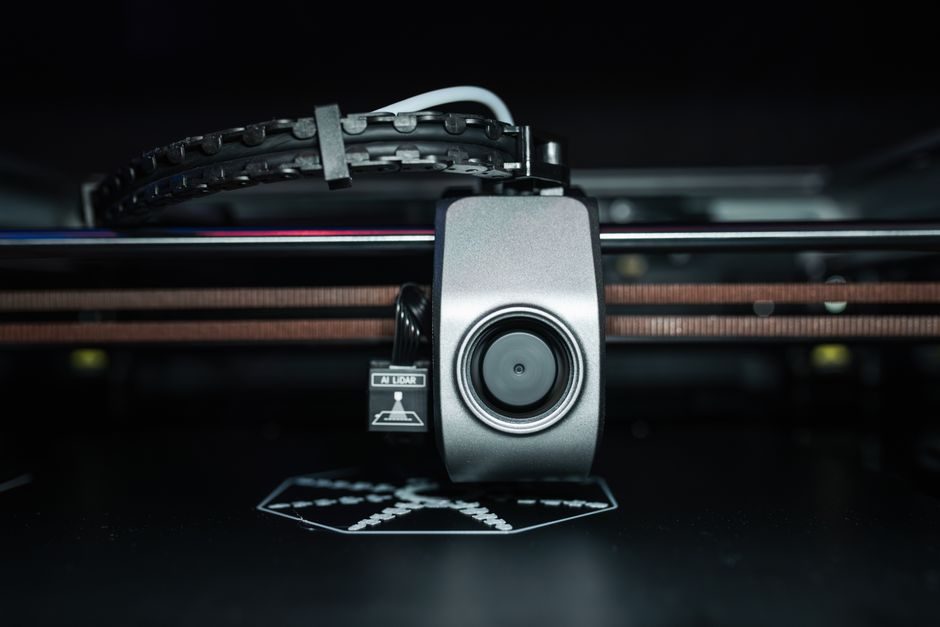
Directory listings in June 2026 show additive manufacturing is split into four supplier layers: AM-specific camera makers (7 vendors, 14 products), simulation/design software firms, journal-indexed process research, and metal-AM method families (PBF, DED, binder jetting, sheet lamination). Engineers

Steel supply chain analysis in mid-2026 is shaped by raw-material cost shocks, agentic-AI risk tools, and reshoring pressures, with stainless surcharge moves tracked via nickel and lithium sourcing benchmarks.

Industrial robot supply is constrained into 2026 by long servo/motor lead times, rare-earth magnet bottlenecks, and tightening ISO 10218-1/2:2025 and IFR cobot-definition rules; buyers should lock multi-source orders early.

Lithium-ion, sodium-ion and solid-state chemistries are now the three supply-chain branches procurement teams must price in for 2026 BESS tenders, with cell-to-system integration margins split across module, BMS and PCS stages.

Aluminum supply chain analysis 2026: primary smelting remains bauxite-to-alumina-to-billet (refinery + smelter + casthouse), recycling runs on alloys 5182/3104, and US service centers like ASCO Detroit (75 years) plus Amazon's ASCS now set the local fabrication and logistics baseline.

Lithium-ion battery supply chain bottlenecks — lithium, nickel, cobalt extraction, mid-stream refining, and gigafactory cell output — remain the binding constraint on EV scale-up through 2026, with first-fill mineral analysis flagging sharp risk if extraction lags demand.
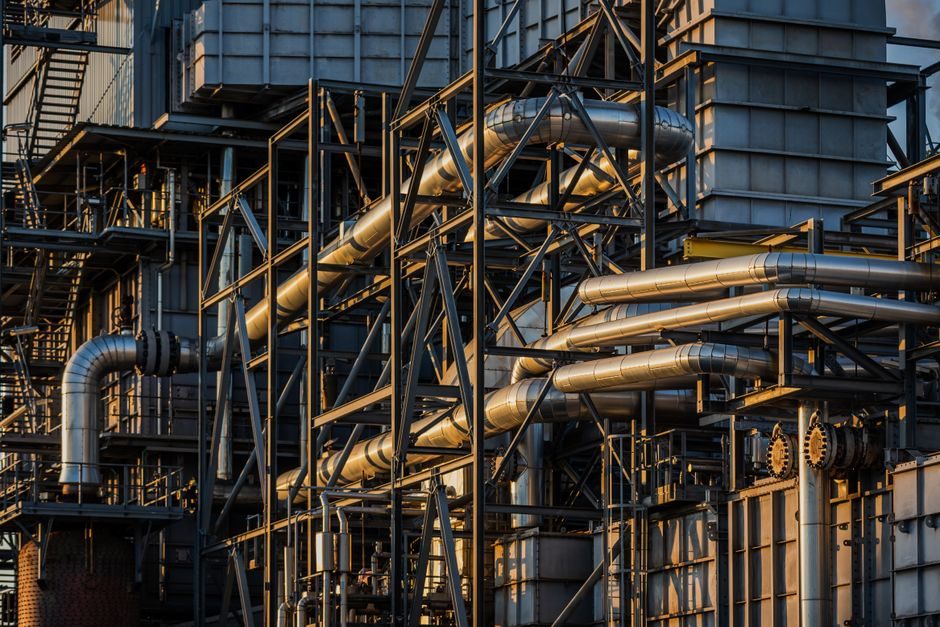
Additive manufacturing's value chain in 2026 splits into a slow build step inside the printer and fast upstream/downstream handling outside it; automation vendors ABB and Grenzebach now treat that imbalance as the primary integration problem, with Siemens extending AM-network software across the sam

China's EV battery value chain links lithium/cathode/anode upstreams to pack and cell downstreams, with industrial PLCs, flow meters, and pressure transmitters controlling every process step.

Solar panel sourcing in mid-2026 runs through three live supplier pools: Chinese B2B directories (Made-in-China, Okorder, Alibaba) carrying 60W-720W mono/poly and bifacial modules, India's ExportersIndia hosting Emmvee 605W bifacial IP67 panels, and the ENF Solar company directory that consolidates

Global wind turbine sourcing in mid-2026 splits into two distinct supplier tiers: Chinese small-wind factories (150W-500kW, ISO 9001) dominating horizontal-axis and PMG builds, and Western gearless specialists like Northern Power Systems (6kW-1.5MW, 900+ installs) holding the distributed-energy segm

As of 2026-06-29, the electric-motor supply chain is being reshaped by 800 V SiC inverter rollouts, axial-flux motor commercialisation and NdFeB magnet substitution, with IDTechEx's 2026-2036 forecast now segmenting cars, micro-EVs, buses, vans and trucks separately.

Cobalt supply chain analysis 2026: ~75% of mined output sits in the DRC, the EV-battery sector drives ~40% of demand, and spec changes (Ni-rich cathodes, LFP substitution) are reshaping flow direction and price bands.