
Aluminum ingots are large, tapered rough castings designed for storage and transport, with the big-end-down shape typical of foundry molds [S2]. Aluminum billets are semi-finished bars under 36 in² (230 cm²) cross-section, fed by direct-chill (DC) continuous casting or by hot-rolling an ingot down to a controlled bar, and they serve as the dominant feedstock for extrusion, forging, and CNC machining [S1][S2].
Aluminum slabs are rectangular continuous-cast blanks engineered for flat rolling into plate, sheet, strip, and foil [S2]. Each form sits at a different point on the cost, purity, and downstream-capability axis, and the procurement decision is really a question of which downstream process the metal will feed.
Shape, size, and the 230 cm² threshold that defines a billet
The cross-section of a billet is capped at 36 in² (230 cm²), with a round or square profile, and is produced either by continuous casting, by extrusion, or by hot-rolling an ingot or bloom [S2]. Ingots are described as large rough castings shaped like tapered rectangles or squares with generous fillets, optimized for storage and shipment rather than forming [S2]. Slabs are rectangular in cross-section and made by continuous casting or by rolling an ingot on a slabbing mill [S2].
These geometry rules are not academic: a piece with cross-section above 230 cm² is no longer a billet, and a round bar of any size is generally a billet or bloom rather than a slab. The same Wikipedia reference notes that blooms exceed 230 cm² and feed structural shape rolling, rotary piercing for seamless pipe, and rail production, an option that is not available to aluminum because the alloy rarely justifies a true bloom in the steel-mill sense [S2].
How each form is made, and why the route changes the price
Aluminum billets come from four practical routes: DC continuous casting into a water-cooled mould with secondary water spray, post-casting homogenization heat treatment to reduce microsegregation, hot-rolling large ingots down to billet bars, and dedicated extrusion or forging billet production with strict chemistry and heat-treatment control [S1]. Ingots, by contrast, are poured into tapered cast-iron or steel moulds, with pour temperatures for steel in the 1500 to 1600 °C range, and they may weigh from a few hundred kilograms to over 300 tons in special steel cases, even though aluminum ingots run far lighter [S3].
Slabs are dominated by the blast-furnace continuous-casting route because slab quality benefits from the clean steel that route delivers, a constraint inherited from integrated mills but mirrored in aluminum mini-mill practice where slab caster cleanliness gates downstream rolling yield [S2]. A practical procurement consequence: a billet typically costs more per kilogram than a generic remelt ingot, because billet production adds casting control, homogenization, and tighter chemistry limits on top of the basic melt [S1].
Where each form is allowed to go downstream

Billets feed extrusion presses, CNC machining cells, forging hammers and presses, and further rolling, all of which demand consistent alloy chemistry, low porosity, and refined grain structure [S1]. Ingots are the unit of trade for storage and transport, and they go to remelt furnaces, foundry ladles, or the next caster; their internal quality, with potential pipe shrinkage, segregation, and gas porosity, is acceptable because the next step is to melt them again [S3].
Slabs almost exclusively feed flat-product mills: hot strip mills for plate, sheet, and coil, plus skelping and pipe-rolling lines that need wide rectangular feedstock [S2]. Within a single aluminum product line, the choice therefore locks in the rest of the supply chain. For a 6063 extrusion line the inbound must be billet; for a can-stock or foil line the inbound must be slab; for a foundry or a secondary remelter, generic ingot is sufficient. The market for 6063 vs 6061 extrusion lead time in 2026 is essentially a billet-only market, and that constraint is the first thing any extrusion buyer should pin down before negotiating price.
Decision matrix: ingot vs billet vs slab on five procurement criteria
Compared on cost, billet sits above generic ingot per kilogram, slab sits above billet for prime flat-rolled grades, and generic ingot is the cheapest of the three because it skips the controlled casting and homogenization steps [S1]. On internal quality, billet leads with refined grain, low porosity, and minimal inclusions, slab is intermediate and acceptable for rolling, while ingot is the lowest tier and may carry pipe shrinkage, segregation, and gas porosity [S1][S3].
On downstream fit, billet is the only correct choice for extrusion, forging, and tight CNC work; slab is the only correct choice for plate, sheet, strip, and foil rolling; ingot is correct for remelt, foundry casting, and as tradeable warehouse stock [S1][S2]. On minimum order quantity, ingot wins because it is the warehouse-traded form, often in 20 to 25 kg pigs for aluminum, while billet and slab minimums track the caster campaign size and shipping container limits. On lead time, generic ingot is the fastest, billet sits in the middle, and slab for prime flat-rolled grades is the longest, especially for direct-chill slab casters running narrow alloy windows.
Common supply-chain failures when the wrong form is ordered
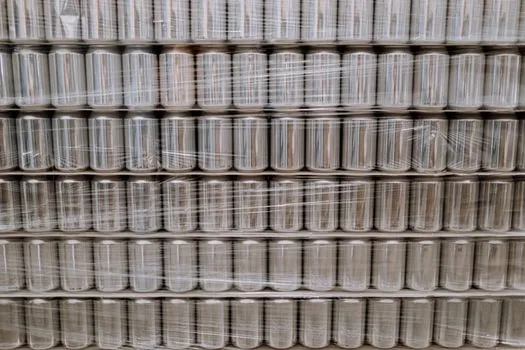
Specifying a generic ingot where the line needs extrusion billet is the single most common error, and it shows up as erratic extrusion speed, surface die lines, and rejected mechanical properties because the cast structure was not homogenized [S1]. Ordering slab for an extrusion press is the second failure mode: the caster simply cannot saw a slab into a round log, and the buyer pays for unusable inventory and a back-to-ingot detour. Misreading a foundry-grade aluminum ingot for a primary P1020 remelt grade is a third pitfall, and it lands as high inclusion counts in the next melt and unexpected dross generation.
A subtler failure is ordering a continuous-cast steel-style cross-section assumption into an aluminum procurement order, because the 230 cm² billet cap is a steel-mill terminology that maps loosely to aluminum practice where extrusion billets are usually 6 to 12 inch diameter logs and forging billets are shorter, heavier blocks [S1][S2]. For buyers sourcing rolling stock, the aluminum-alloy grade map and the form-bound downstream process window are the two variables that decide whether the inbound lot will run cleanly or sit on the dock.
Standards and traceability signals for the three forms
Generic aluminum ingots are commonly traded to P1020A or equivalent purity grades, with chemical composition limits published by the London Metal Exchange and registered brands acting as the de facto certificate. Billet and slab producers run to internal specs that cite the Aluminum Association alloy designation (1xxx through 7xxx), the tempers are referenced via the same system, and the homogenization parameters (soak temperature, ramp, hold time) are recorded on the mill test certificate rather than in a public standard. [S1]
For pressure-sensitive applications such as aerospace plate, the slab will additionally carry a heat-treatment and ultrasonic-test record, and buyers should request that record rather than relying on the shape alone. The traceability signal that separates a serious billet from a generic remelt ingot is the chemistry and homogenization certificate, and absence of that document is a hard red flag regardless of price.
When to choose which form: a per-use-case recommendation
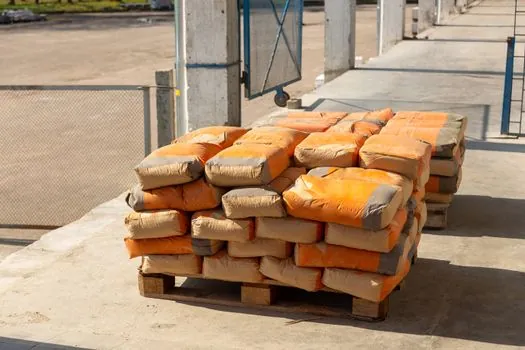
Choose aluminum ingot when the inbound metal will be remelted, cast into foundry shapes, or held as warehouse inventory for later use, and when internal soundness does not matter because the next step is a melt furnace. Choose aluminum billet when the line is an extrusion press running 6061, 6063, 2xxx, or 7xxx alloys, a forging press, or a CNC cell that needs predictable chip break and tight tolerance, and accept the price premium for the chemistry and homogenization control. [S1]
Choose aluminum slab when the line is a hot-rolling mill targeting plate, sheet, strip, or foil, and the slab caster can deliver the alloy, width, and thickness the mill expects. For aluminum-ladder extrusions, the inbound is always billet, and the relevant grade map and temper guidance lives on the aluminum ladder grade page, which any ladder-frame buyer should consult before signing a billet supply contract.
Trackable signals for the next quarter: the spread between LME P1020 ingot and regional extrusion-billet conversion premiums, the lead time on direct-chill slab casters serving flat-rolled mills, and any announced caster conversions that shift tonnage between billet and slab. A widening billet premium is the clearest indicator that extrusion-feed supply is tightening, and it usually leads extrusion price increases by one to two quarters.
For the relevant spec sheets and selection criteria, see power supply.