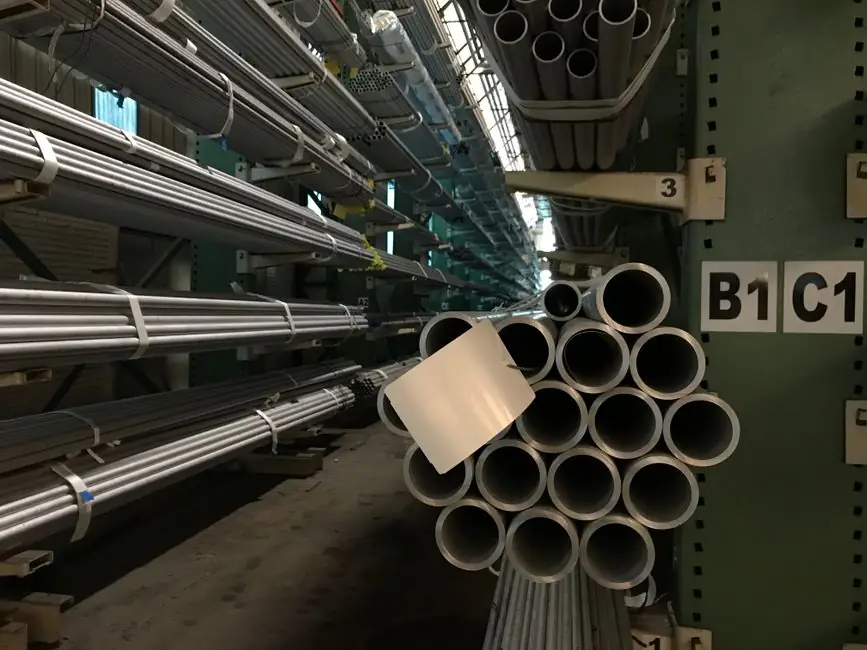
Aluminum is the second most abundant metallic element in the Earth's crust after silicon, but only one-third the weight of steel, and is now first-designated a USGS critical mineral since 2018, used heavily in transport, construction facades, and electrical grids [S1].
For a 2026 buying program, four inputs drive every quote: the alloy/temper spec, the mill test report (MTR), the unit price benchmark, and the supplier's certification stack, with bauxite and recycled scrap as the upstream feed [S1][S3][S4].
Spec the metal before you spec the supplier
Ambiguity on alloy and temper is the single largest cause of rejected shipments; lock chemical composition, mechanical properties, dimensional tolerances, and packaging into the RFQ before approaching any mill [S4].
Aluminum's property set, roughly one-third the density of steel, high malleability, natural oxide corrosion resistance, and repeatable recyclability without property loss, dictates which alloy family is fit for purpose: 1xxx for electrical busbar, 3xxx for architectural sheet, 5xxx for marine, 6xxx (notably 6061-T6) for structural extrusions, 7xxx for high-stress aerospace [S1].
For architectural envelopes, aluminum window and door and aluminum veneer panel sourcing is typically driven by 6063-T5 extrusions and 3003/5005 coil, with anodizing per AAMA/Qualicoat and PVDF coatings per AAMA 2605. Match the alloy and temper to the forming process (extrusion vs. sheet) before you compare mill quotes.
Primary feedstock: bauxite geography and alumina refining
The world's largest bauxite reserves sit in Australia, China, and Guinea, and that geography sets freight, ESG, and tariff exposure for any virgin-metal buy [S3].
USGS tracks both primary (bauxite to alumina to aluminum) and secondary (scrap remelt) flows; the agency notes that because aluminum can be recycled repeatedly without losing its physical properties, both energy use and carbon emissions drop sharply versus primary production, making recycled-content a measurable carbon lever on a buy [S1].
For OEM carbon reporting, two routes are documented in the 2025 OIA Aluminum Guidebook: low-carbon energy (hydro/renewables powering the smelter) and recycled-content material, either pre- or post-consumer; the guide stresses that lower emissions does not equate to worse mechanical performance [S2].
Price benchmark and contract structure
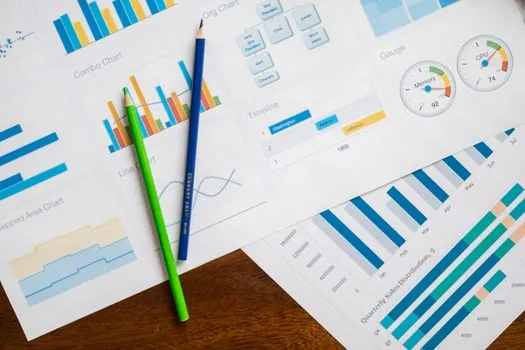
The LME aluminum benchmark tracked by TradingEconomics printed at USD 3,250/t on the snapshot date, with a one-year change of +20.21% and a Q3 forecast near USD 3,267.98/t, giving buyers a defensible reference when negotiating [S3].
For sourcing deals, define Incoterms upfront (FOB, CIF, DDP), then benchmark the local premium to LME cash plus regional P1020 duty structure, especially for North American and EU imports where Section 232 and EU CBAM exposure differ [S4].
Recycled P1020-equivalent and 6063 billet routinely trade at a discount or premium to LME depending on silicon and iron content, and that delta should be on the RFQ, not decided at the dock. Pair this price discipline with mill-level credit checks, because financial stability of the producer is as important as the spot price [S4].
Supplier qualification: certifications, audits, trials
Mill qualification should require ISO 9001 as a baseline, an Aluminum Stewardship Initiative (ASI) chain-of-custody certificate for low-carbon claims, and a recent on-site or video factory audit, per widely used due-diligence playbooks [S2][S4].
Layer the documentation: mill test report (MTR) per ASTM B557 or EN 10204 3.1, material safety data sheet (MSDS), country-of-origin declaration, and REACH/RoHS compliance where EU-bound. Supplier credit reports and export-permit verification are non-negotiable for high-volume contracts [S4].
Before bulk release, run trial orders with chemical and mechanical verification at a third-party lab, plus packaging and documentation checks; this is the cheapest insurance against production downtime, and is the same workflow used for steel sourcing qualification, just with different alloy codes [S4].
Decision matrix: primary versus secondary aluminum

Choose primary (P1020 or higher purity) when conductivity, anodizing response, or aerospace temper certification is required; choose secondary (recycled billet or extrusion log) for 6063 architectural, 6061 general structural, and most aluminum ladder and aluminum alloy product lines where carbon disclosure is the procurement driver [S1][S2].
For architectural applications the dominant choice is 6063-T5 extrusions or 3003/5005 sheet via secondary smelters powered by hydro electricity, paired with ASI-certified chain of custody; for marine and structural, 5083/5086 plate (5xxx) or 6061-T6 (6xxx) is the default; for electrical, 1xxx or 1350 series with a documented conductivity grade is required [S1][S2].
Spec-by-spec comparison for the four main options: Primary P1020, recycled P1020-equivalent, 6063-T5 extrusion billet, and 6061-T6 plate, measured on carbon intensity, cost premium to LME, lead time, and minimum order quantity. Primary P1020 sits at the high end of carbon intensity and LME parity with the longest lead time, recycled P1020-equivalent sits at a discount to LME with a low-to-moderate carbon load, 6063-T5 billet trades at a small premium for short architectural runs, and 6061-T6 plate commands the highest premium for structural and linear guide sub-assemblies where tolerances are tight.
De-risking: dual sourcing, scrap, and tariff exposure
Three operational levers reduce single-source risk: dual-region mill qualification (typically one Asian plus one Middle Eastern or European mill), contracted scrap feedstock for the secondary line, and exposure mapping for Section 232, EU CBAM, and any country-of-origin antidumping duties [S3][S4].
The 2025 OIA guidebook's central finding is that low-impact aluminum is achievable at industrial scale today, and that the two pathways, low-carbon energy and recycled content, are complementary rather than exclusive, which means buyers can build a blended portfolio instead of a single all-in bet [S2].
For cross-commodity hedging, align aluminum contracts with the steel contract playbook: shared Incoterms, shared credit-check workflow, and a single document template. The same principles govern the producer-rankings discussion in aluminum ingot market share 2026, which a sourcing lead can read to shortlist qualified mills before issuing RFQs.
Trackable signals for the next sourcing cycle: USGS Mineral Industry Surveys for primary aluminum (monthly Jan-Jun 2026 PDFs are published on the Aluminum Statistics page) [S1]; the LME/TradingEconomics aluminum tape for spot moves (last print USD 3,250/t, +20.21% one-year) [S3]; and any ASI Performance Standard revisions for chain-of-custody claims [S2].