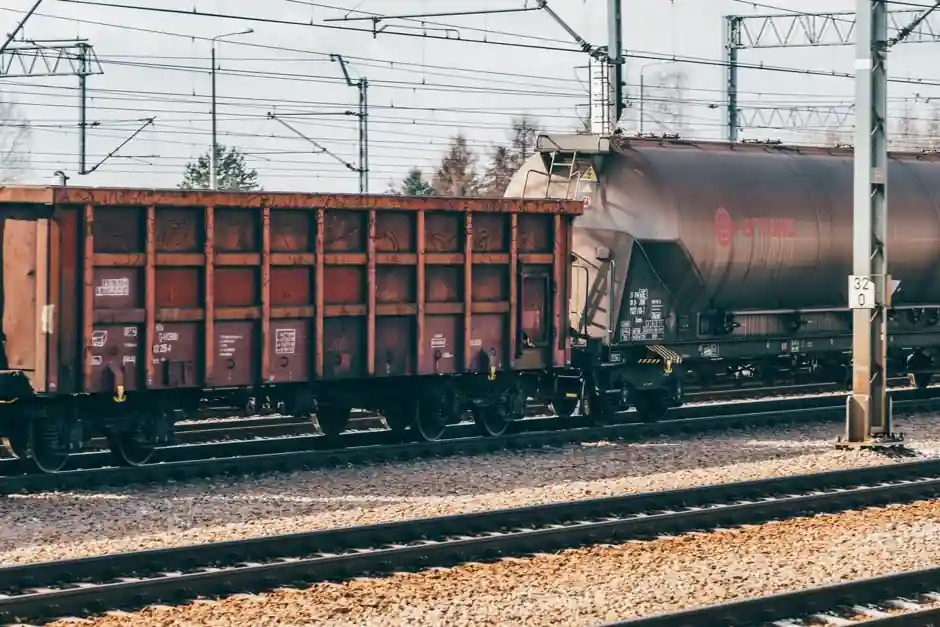
The structural steel supply chain runs through five sequential tiers: raw-material extraction, steel mills, service centers, fabricators, and erectors/contractors [S1][S4].
Material cost usually lands at 25-30% of the total project budget, with fabrication and erection absorbing the remaining 70-75% [S1]. In Australia, construction absorbs roughly 60% of finished steel tonnage and manufacturing about 30% [S3].
Raw Material Extraction and Inputs
Steel feedstocks split into two streams: virgin iron ore plus coking coal for the integrated route, and recycled ferrous scrap for the EAF route [S1][S2]. In Australia, iron ore is railed out of the Pilbara region in Western Australia, and metallurgical coal comes out of New South Wales and Queensland, converging on coastal mills via port-to-coastal-shipping logistics [S3].
Stainless melt mills typically run a charge makeup of about 90% recycled steel and 10% virgin steel, with scrap sourced from dealers, service centers, and part makers, then re-sorted and chemistry-checked before melting [S5]. The same 90/10 ratio is also a fair working figure for carbon-steel EAF charge [S5].
Steel Mills: Integrated BOF vs. Mini-Mill EAF
Integrated mills run the basic oxygen furnace (BOF) route, controlling everything from iron-ore intake to finished long products and plate, and they handle the highest tonnage volumes [S1][S4]. Mini mills run electric arc furnaces (EAF) on a scrap-and-virgin mix, are smaller in scale, and are prized for shorter lead times and faster product changeovers [S1][S4].
EAFs have become the default lower-emissions melt platform versus traditional blast furnaces, consuming less energy per tonne and supporting closed-loop scrap recirculation inside the melt shop [S5]. Two real-world references: BlueScope's Port Kembla integrated works in NSW produces on the order of 3 million tonnes per year, and InfraBuild runs EAF mini-mill capacity in Sydney, Melbourne, and Newcastle [S3]. For a downstream spec view of what those mills eventually deliver to a job site, see this steel BOM essentials: shapes, grades, and weights that win bids breakdown.
Service Centers and Distribution Tiers
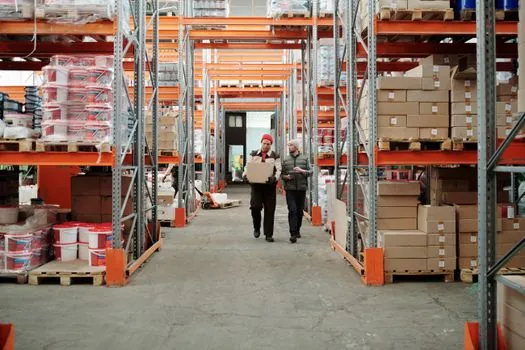
Service centers sit between mills and fabricators, warehousing plates, channels, angles, columns, and beams, and many run pre-processing lines (cutting, coping, drilling) so material lands fabrication-ready [S1][S4]. They typically carry several months of inventory and supply the bulk of structural steel to construction with just-in-time delivery windows [S1].
Distribution itself is two-tiered in most regional markets: primary distributors run large service centers near ports and industrial hubs with overhead cranes for heavy plate and structural sections, while secondary distributors run regional warehouses with 2-4 weeks of inventory servicing local fabricators [S3]. Material moves by rail, coastal ship, extendable trailers for long sections, and specialized rigids for plate [S3].
Fabricators and Erectors
Fabricators convert mill or service-center stock into project-specific assemblies using shop drawings, then perform cutting, welding, drilling, and fitting of columns, beams, plates, and trusses [S1][S4]. They cluster near service centers or near the construction site itself to cut handling and rework [S1].
Erectors take fabricated pieces and build the frame on site, welding and bolting per construction documents, while contractors run the project-management layer, coordinating inspection sign-off against engineer specs [S1][S4]. One cost-control point: lighter steel does not automatically mean a cheaper project, because fabrication and erection labor is where the budget lives [S1].
Where the Chain Breaks: Failure Modes and Constraints
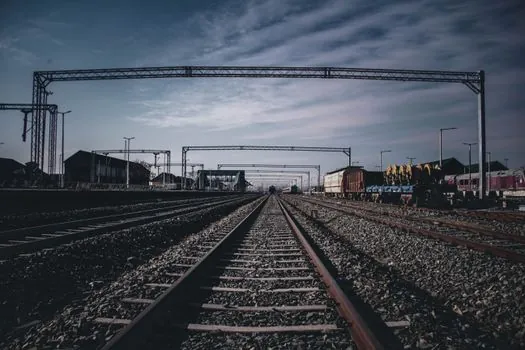
The most common structural failure modes are port congestion delaying imports, rising regional transport costs, inventory mismatch during demand spikes, and meeting sustainability mandates on transport emissions and recycled content [S3]. Geopolitical tariffs and trade restrictions can flip supply availability and price overnight, forcing buyers to hold contingency stock or re-shore sourcing [S2].
Inventory policy itself is a constraint: service centers run multi-month stock for just-in-time reliability, but mini-mill EAFs offer faster turnarounds when schedules shift [S1][S4]. For a parallel view of how process plants spec instrumentation into downstream fabrication packages, the flange installation guide: gasket, torque sequence, and code-anchored assembly covers a similar make-to-order handoff pattern.
Standards, Sourcing, and a Decision Snapshot
Selection across the chain usually comes down to four criteria: route (BOF vs. EAF), recycled content (about 90% in stainless EAF charge [S5]), inventory depth at the service-center tier (multi-month vs. 2-4 weeks regional [S1][S3]), and project end-use mix (construction-dominant at roughly 60% of demand vs. manufacturing at roughly 30% [S3]).
Sourcing decisions track emissions reporting mandates and recycled-content targets pushed by local councils and major-project owners, which has been a steady trend over the past decade [S3]. For buyers evaluating adjacent industrial process equipment spec'ing, the PPR pipe selection for schools: pressure class, sizing, and material trade-offs piece uses a similar criteria-grid approach to compare material options against project constraints.
For the relevant spec sheets and selection criteria, see power supply, dc power supply, and switching power supply.