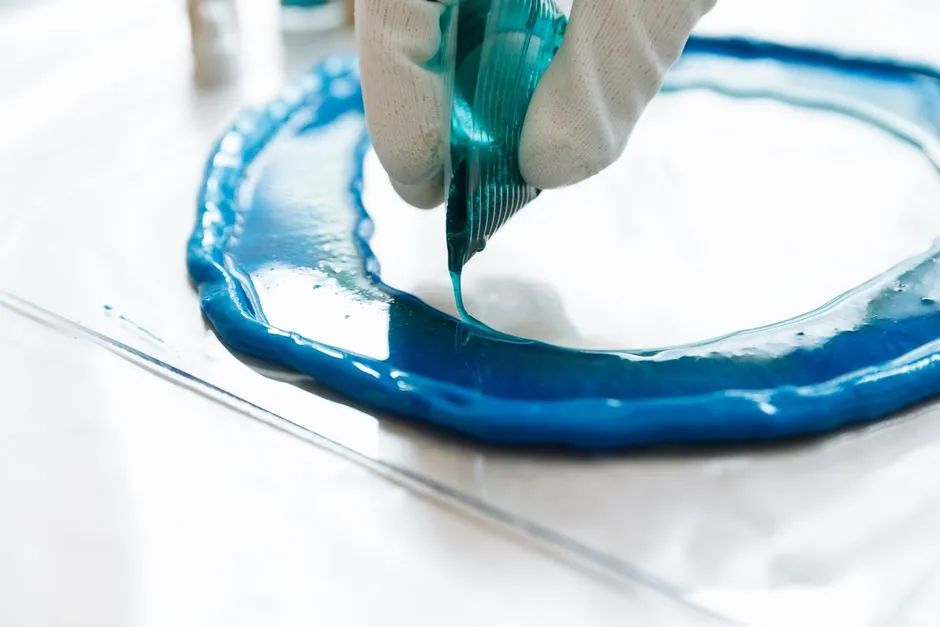
Amine-cured epoxy systems generally cure at ambient temperature, whereas anhydride-cured formulations normally require heat to complete cure [S1][S5].
Selection differences at a glance
Amine hardeners are the practical choice when a formulation must cure at room temperature or under damp conditions, with many modified amines and amidoamines engineered for ambient-temperature cure [S4]. Anhydrides are the stronger option when thermal stability, solvent resistance, dielectric performance, and low cure shrinkage outweigh the need for simple room-temperature processing [S1][S5].
The two major types of anhydride curing agents are monoanhydrides and dianhydrides [S1].
Cure temperature and working time
Amine systems usually offer the shorter processing barrier to cure because many formulations react at room temperature. Modified aliphatic amines, amidoamines, and modified cycloaliphatic amines are specifically presented for improved pot life, viscosity, or complete ambient cure [S4]. Unmodified cycloaliphatic amines can B-stage at ambient temperature and require heat for full cure [S4].
Anhydrides generally need elevated-temperature curing, while their long pot life is a major process advantage [S1].
Thermal, chemical, and electrical performance

The broader selection guidance identifies high Tg, exceptional chemical resistance, and high dielectric strength as principal anhydride advantages [S1].
This makes them suited to electrical insulation, high-temperature components, coatings, and chemically demanding environments where the formulation can be heated.
Amine cures remain the simpler route for bonded assemblies and protective coatings that require ambient-temperature cure. Modified aliphatic and cycloaliphatic amines can be modified for properties such as pot life and viscosity, with modified cycloaliphatic amines allowing complete cure at ambient temperature [S4]. The limitation is that the selected amine and its stoichiometry control the final balance of flexibility, rigidity, and resistance rather than providing one universal property set [S6].
Formulation stoichiometry and processing risks
Moisture is the principal processing limitation for anhydrides because they can be affected by water in the formulation [S1]. Anhydride curing agents can be affected by the amount of moisture in the formulation [S1]. In practical terms, moisture control, catalyst selection, and a defined heat profile are not secondary issues for an anhydride formulation; they are central to reproducing cure rate and final network properties.
Comparing amines and anhydrides by application
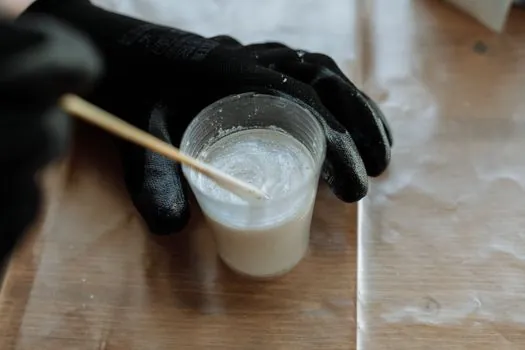
For room-temperature structural bonding, coatings, and field repairs, choose an amine hardener when ambient cure, wetting, and manageable mixing are priorities. For heat-cured electrical parts, high-performance laminates, and coatings requiring stronger solvent and thermal resistance, choose an anhydride system with controlled heating [S1][S5].
Polyamide hardeners offer more flexibility, while cycloaliphatic amines create harder and more rigid films [S6]. Aromatic amines are associated with greater heat and chemical resistance [S2]. Anhydrides offer high Tg, high dielectric strength, low toxicity, low cure shrinkage, and low cure exotherm, but they generally lose their processing advantage if the part cannot be heated [S1][S7].
A practical ranking follows from the process. Anhydride wins on maximum thermal and chemical performance when heat is available. Amine wins on cure convenience and lower equipment burden. Modified amines are more defensible for ambient or damp-condition work than unmodified cycloaliphatic amines, while dicyandiamide and imidazole systems fit one-component or latent-cure requirements [S4].
Failure modes and qualification checks
Three failures dominate the decision. In anhydride systems, moisture can alter cure behavior, excessive stoichiometry can promote premature vitrification or overcrosslinking, and inadequate heat can leave the part incompletely cured [S1]. In amine systems, incorrect amine-to-epoxy balance can impair properties, while amine blush and water spotting can affect coating appearance under unsuitable curing conditions [S1][S4].
Qualification should record the resin EEW, hardener type, equivalent-weight ratio, mixing viscosity, pot life, cure schedule, post-cure, glass-transition temperature, chemical exposure, and electrical performance. These checks distinguish a chemistry that is nominally suitable from a formulation that survives the actual thermal cycle and service environment [S1][S4][S5].
For composite manufacturing decisions, the same process comparison is useful when evaluating carbon fiber prepreg versus resin infusion, because cure temperature, working time, and resin viscosity affect the manufacturing route as well as the cured network.
The next trackable record is the formulation data sheet: confirm the hardener family, equivalents ratio, cure and post-cure schedule, pot life, and measured Tg before changing scale or supplier.