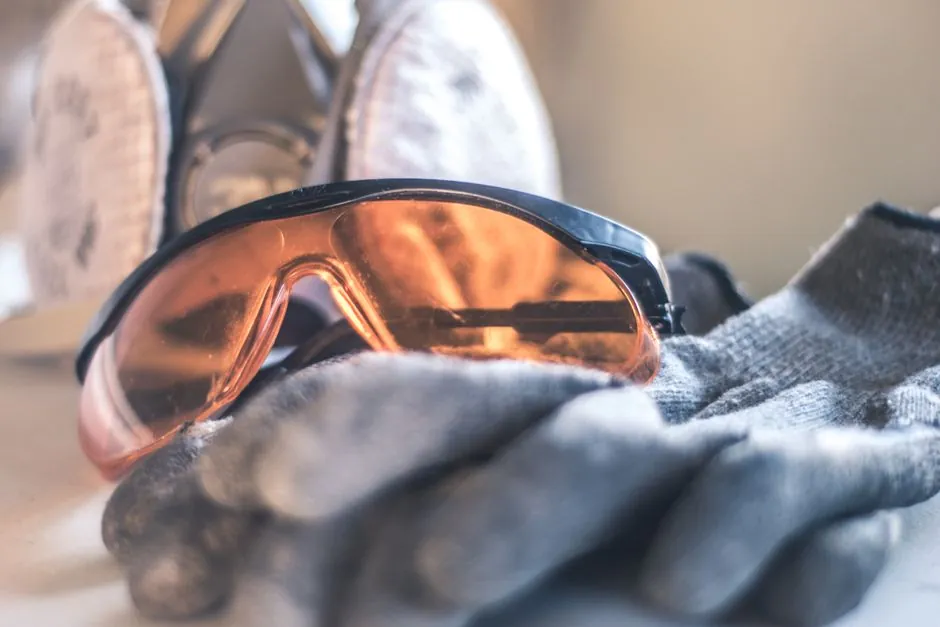
Anti-fog and anti-scratch are functionally separate treatments that solve different problems: anti-fog manages condensation on the lens surface, while anti-scratch adds a hard protective layer over the substrate [S1][S2].
Both coatings are commonly specified together on modern safety glasses because scratched lenses scatter light and fogged lenses force workers to remove eyewear, two failure modes that defeat PPE on its own [S5][S4].
How the Two Coatings Work at the Lens Surface
Anti-fog coatings control the adhesion of water molecules on the lens, preventing them from clustering into droplets that scatter light and form visible fog [S2]. Anti-fog coatings manage moisture in two ways: hydrophilic coatings absorb moisture into the coating, while hydrophobic coatings repel and spread moisture across the lens surface [S5].
Anti-scratch coatings are hard, often polysiloxane or melamine-based, layers that protect softer plastic substrates such as CR-39, polycarbonate, and Trivex, none of which are inherently scratch resistant [S2]. Without this layer, fine scratches accumulate and produce a hazy appearance that degrades optical clarity long before impact resistance is compromised [S2][S1].
Hydrophilic vs Hydrophobic Anti-Fog: Durability Split
Hydrophilic anti-fog coatings are typically bonded to the lens substrate and are designed to retain their moisture-managing performance for the life of the eyewear [S5]. Hydrophobic anti-fog treatments, by contrast, can gradually wash away with repeated cleaning because the active layer is not as durably anchored to the surface [S5].
For a worker who wipes a lens multiple times per shift, the practical lifespan of an untreated hydrophobic anti-fog can drop into weeks; a bonded hydrophilic stack is the more predictable choice for long-term anti-fog performance on safety glasses [S5][S4].
When to Spec Each Coating by Work Environment

Anti-fog is essential where condensation forms: moving between cold storage and warm warehouses, hot and humid outdoor shifts, steam-heavy food processing, and physically demanding work where respirators redirect warm breath across the lens [S5][S4].
Anti-scratch is essential wherever the lens contacts grit, drywall dust, sawdust, or is repeatedly placed face-down on a bench; polycarbonate substrates in particular need a hard coat to survive a typical industrial cleaning cycle [S2][S1]. Workers in dry, climate-controlled assembly, electronics, or lab cleanrooms can often prioritize anti-scratch and accept a basic anti-fog wipe as a supplement [S4].
Standards, Testing, and Stacking on One Lens
Safety lens coatings are tested against ANSI Z87.1 impact and optical requirements, with EN 166 governing the equivalent European market; both standards address coated lens performance, not just bare substrate [S1]. Most production safety glasses ship with both treatments in a stacked layer: hard coat on the outside of the polycarbonate, anti-fog on the inside where breath lands first [S1][S2].
Buyers should confirm each layer is permanent rather than a wash-off dip-coat. A "permanent anti-fog" label, such as that used on Rx-Safety's prescription line, generally indicates a bonded hydrophilic treatment rated for the life of the lens, while generic "anti-fog" SKUs may be hydrophobic and need reactivation [S2][S5].
Comparison: Anti-Scratch vs Anti-Fog on a Single Lens
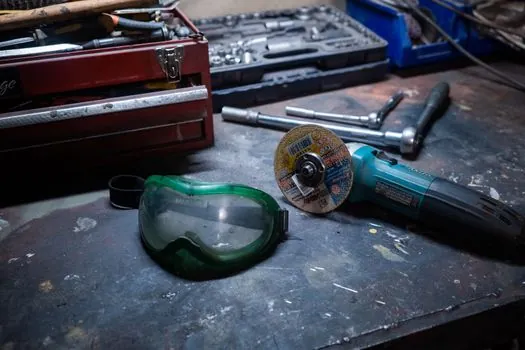
Anti-scratch and anti-fog do not compete; they stack. The decision matrix runs on three axes, with the four common configurations compared below for a typical polycarbonate safety lens [S1][S2][S5]:
1) Hard coat only. Best optical clarity per dollar in dry, low-condensation environments; fog will form within minutes of a respirator, sweat, or temperature swing, forcing the worker to wipe or remove the lens [S4][S5].
2) Anti-fog only. Suits short-duration humid tasks on a budget; leaves the polycarbonate exposed to the abrasive contact that turns lenses hazy within a season [S2][S4].
3) Hydrophobic anti-fog plus hard coat. Lowest total cost option that addresses both problems; expect the anti-fog performance to drop as the hydrophobic film washes out over a service life measured in months rather than years [S5].
4) Bonded hydrophilic anti-fog plus hard coat. Highest first-cost SKU, lowest lifetime cost for fog-prone work; the bonded chemistry is designed to outlast the lens substrate itself under normal cleaning [S5][S2].
Failure Modes and Field Maintenance
The most common failure on a coated safety lens is mechanical, not chemical: wiping a fogged lens with a dirty cloth grinds grit into the coating and erodes both anti-fog and hard-coat layers simultaneously, which is why fog control is itself a scratch-control strategy [S5]. Abrasive cleaners, solvents, and paper towels accelerate the loss; a rinse-and-air-dry routine, or a clean microfiber with a manufacturer-approved anti-fog reactivation spray, preserves both layers [S5][S1].
For a process engineer writing a PPE specification, the working rule is straightforward: specify a bonded hydrophilic anti-fog and a permanent hard coat on polycarbonate for any task involving humidity, respirators, or temperature swings; fall back to hard coat only for climate-controlled indoor work where fogging is rare and lens replacement cycles are short [S4][S5].
Trackable signals to watch over the next quarter: ANSI Z87.1-2020 coated-lens test revisions under public comment, and the spread of "permanent anti-fog" SKUs into mid-tier safety glasses rather than only prescription lines [S1][S2].
Component reference pages worth checking: anti static equipment, and industrial coating.
Background reading: Visual Position Indicator vs Remote Signal in a Valve Limit Switch Box.