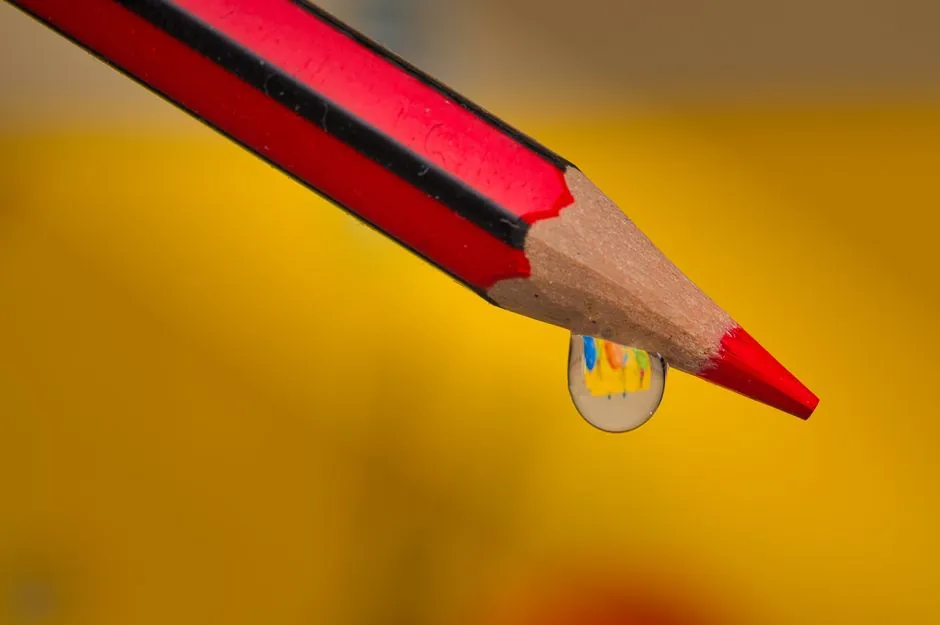
ASTM D3363-22 provides a rapid, inexpensive method for determining the film hardness of an organic coating on metal or a similarly hard substrate [S1]. The method evaluates resistance to scratching or gouging with standardized pencil leads rather than measuring bulk mechanical properties [S1][S2].
Project specifications should define both the selected method and the minimum acceptable hardness before the coating enters service [S2].
What ASTM D3363 Measures
ASTM D3363-22 covers the procedure for determining the hardness of an organic coating applied to metal or a similarly hard substrate [S1]. Pencil hardness provides a relative indication of surface resistance to deformation, scratch, or gouge damage, and it can also provide qualitative information about adhesion and degree of cure [S4].
The test does not establish the overall mechanical strength of a coating, so it should not substitute for adhesion, flexibility, impact resistance, chemical resistance, or other project-specific tests [S3]. For thin films, ASTM D3363 can reduce substrate influence compared with indentation methods, while thicker coatings are normally evaluated with a Durometer under ASTM D2240 [S2].
Pencil hardness is not a universal pass-or-fail property for every coating system. The coating manufacturer or project specification should establish the required grade, while the laboratory records the test conditions, substrate, film appearance, scratch behavior, and gouge behavior [S2][S4].
Required Equipment and Test Geometry
Each lead is prepared with a mechanical sharpener, then the tip is blunted into a cylindrical shape before testing [S2].
Calibrated drawing leads or equivalent calibrated wood pencils are used, and the difference between adjacent leads is treated as one hardness unit [S4].
The film must be dry, clean, and free of dust before testing, and the coating should be applied at the specified thickness and fully cured [S3]. Environmental conditions should remain stable because temperature and humidity can influence the coating surface and the consistency of the result [S3].
Scratch Hardness and Gouge Hardness
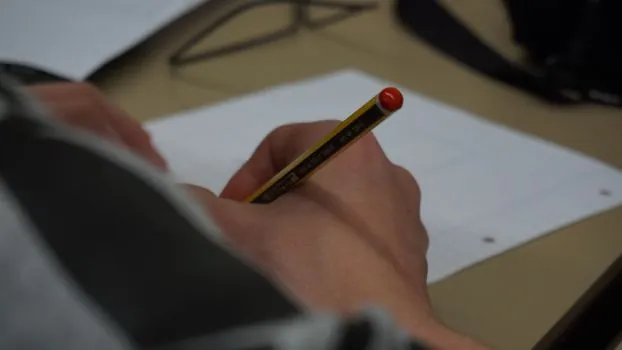
The acceptance decision must distinguish scratch hardness from gouge hardness before the test starts [S2]. A scratch is any film defacement other than a cut or gouge, while gouge hardness describes resistance to cutting into the film [S4].
Manual testing proceeds from the hardest pencil toward softer grades until the lead either stops cutting into the film or stops marring it [S4]. Both endpoints can be reported because scratch resistance and gouge resistance provide different views of the cured film [S4].
A common procedure starts with the grade expected to affect the coating and checks the surface after each stroke [S3]. If a clear scratch appears, the test proceeds with a softer pencil until the coating resists that grade without visible damage; the result is the highest grade that does not scratch the surface [S3][S5].
Manual and Electric Testers Compared
Manual and electric pencil testers evaluate the same general property, but their force delivery and operator handling differ. A manual stroke depends on the operator maintaining a 45-degree orientation and consistent pressure, while an electric tester is intended to standardize the applied load and movement [S4][S6].
The comparison must consider force control, stroke length, lead geometry, operator influence, reproducibility, and traceability. Manual testing is inexpensive and uses simple equipment, but operator technique can affect the apparent hardness [S2][S3]. Electric instruments reduce some manual variables, although they still depend on correct lead preparation, calibrated tips, consistent surface preparation, and clear scratch or gouge criteria [S6].
ASTM D3363 remains the reference method for thin organic coating films [S1]. Where a project compares manual and electric results, the comparison should use the same pencil grades, preparation, 45-degree geometry, 6.5 mm stroke, and acceptance definition for both systems [S4][S6].
Cure, Formulation, and Film Failures
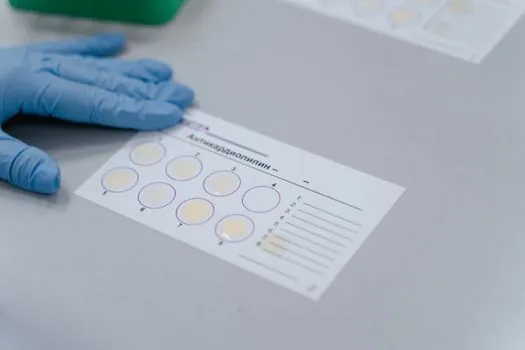
A coating can look uniform but fail a pencil hardness requirement, indicating that visual inspection alone does not establish adequate cure [S8]. Resin composition and crosslink density affect hardness, while curing temperature and drying time influence the final pencil result [S3].
A soft result can indicate incomplete solvent removal or incomplete crosslinking and polymerization [S2]. Additives and pigment content can also change surface hardness, and an unsuitable formulation balance may increase brittleness rather than simply improving scratch resistance [S3].
Pencil testing addresses surface durability only. It does not determine coating adhesion by itself, tensile strength, impact resistance, flexibility, abrasion resistance, or chemical resistance [S3][S4]. For these properties, the test program should combine pencil hardness with the relevant coating test methods and the manufacturer’s cure schedule.
Specification and Failure-Risk Controls
The project specification should state whether scratch hardness or gouge hardness is required, identify the acceptable grade, and specify the test method before installation or release [S2].
Failure can arise from testing a film before full cure, using an incorrectly sharpened lead, applying uncontrolled force, testing an unclean or contaminated surface, or confusing a scratch with a gouge [S3][S4]. The laboratory should also document whether the tested area represents the coating system, including primer, intermediate coat, and finish coat [S3].
Pencil hardness is best used for relative control of cured thin films, product comparison, and confirmation of a specified surface-hardness class. It is not a stand-alone measure of coating suitability, and the required grade should be tied to the actual coating chemistry and service condition rather than selected by nominal appearance [S2][S4].
For procurement and quality control, the next auditable node is a written method defining the grade, scratch or gouge endpoint, stroke geometry, lead series, sample preparation, and cure verification, followed by comparison against the manufacturer’s reference panels.