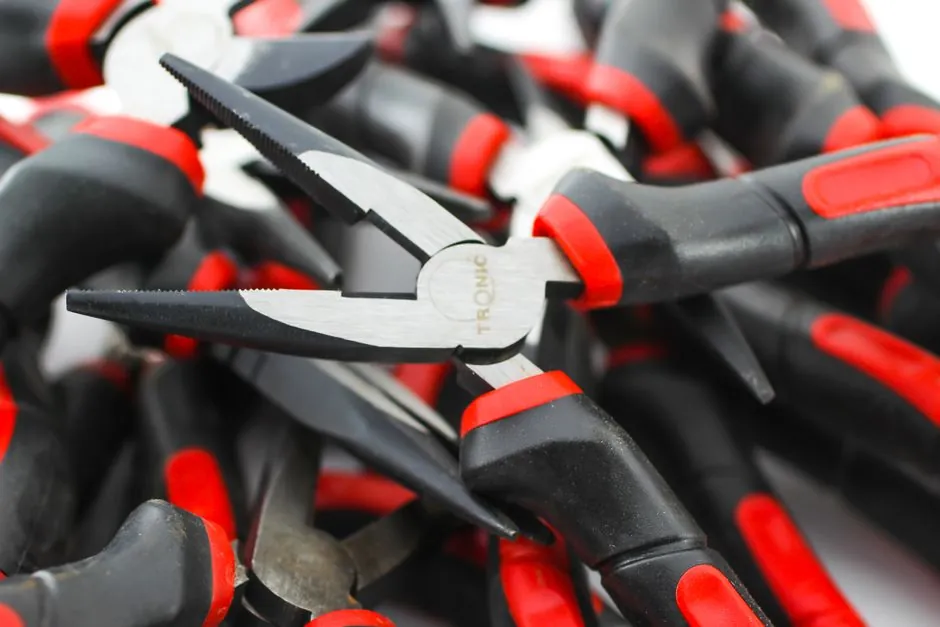
Chrome-plated steel tools provide stronger corrosion protection than black oxide when the coating remains intact, but black oxide changes almost no part dimensions and is usually more economical [S1][S3].
The choice depends on exposure, damage risk, grip, and serviceability: chrome suits damp or dirty environments, while black oxide suits precision-fit tools, impact applications, and oil-covered work.
Process and Coating Structure
Chrome plating is an electrodeposition process that adds a separate chromium layer to steel, whereas black oxide is a chemical conversion process that converts the outer steel surface into a black iron-oxide layer [S3]. The distinction affects damage behavior: chrome can chip or peel to expose the substrate, while black oxide wears as part of the tool surface and can sometimes be restored by blackening the steel again [S2][S3].
Both processes produce thin finishes suitable for hand tools. Black oxide is specifically noted for minimal dimensional change, making it attractive where fastener clearance, socket fit, or close-tolerance geometry must be preserved [S3].
Corrosion and Wear Performance
Intact chrome provides the stronger moisture barrier, resists rusting, reduces surface scratching, and allows dirt, grease, and oil to be removed more easily [S1][S2][S3]. Its weakness is local failure: heavy impact, abrasion, or improper use can breach the coating and expose steel directly to moisture [S1][S3].
Black oxide alone offers limited rust resistance. Oil, wax, or sealant is normally needed to improve moisture protection, and regular cleaning and drying matter in humid service [S3]. Practitioners report that black oxide tools rust more readily than chrome unless maintained with oil, even though the black oxide layer can provide near-surface hardness and resist deformation on close-fitting tools [S4].
Decision Matrix by Operating Criterion
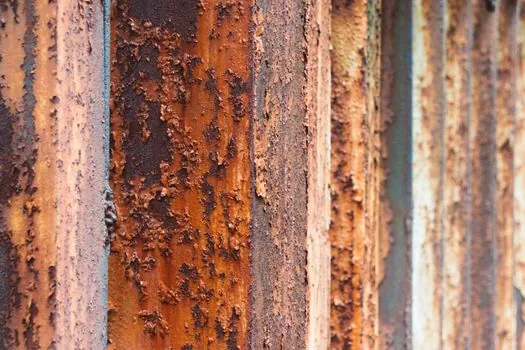
On corrosion resistance, chrome wins while intact because it forms a separate, non-porous barrier over the steel; black oxide offers only limited protection without oil, wax, or sealant [S1][S3]. On dimensional control, black oxide wins because it is a conversion finish with very little dimensional effect, while chrome adds a deposited layer [S3]. A forum participant said black oxide can be less slippery when oily [S2].
On maintenance, black oxide can be touched up or recreated with a blackening process, while damaged chrome normally requires the exposed steel to be stripped and replated [S2]. A forum participant cited hydrogen embrittlement as a concern with chroming and stated that chromed impact sockets are generally avoided in favor of black oxide or a similar finish [S2]. This is a process risk to control through supplier controls, not proof that every chrome-plated tool will fail.
Best Applications by Work Environment
Choose chrome-plated spanners, sockets, ratchets, pliers, and screwdriver components where tools are exposed to moisture, rain, mud, or dirty conditions and must be wiped clean readily [S3]. Chrome is also useful in dark workspaces because its reflective surface is easier to locate with a flashlight [S2].
Procurement and Quality-Control Checks
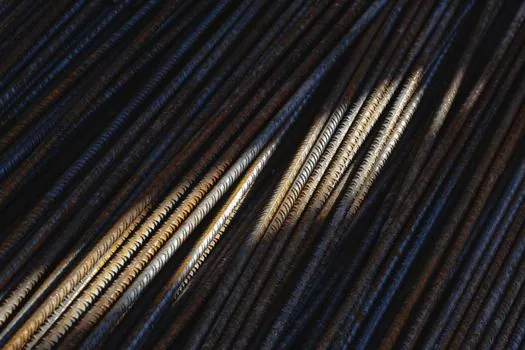
Specify the finish by process, not appearance: request “electroplated chrome” or “chemical-conversion black oxide on steel,” then identify the substrate, fastener tolerances, service environment, and any oil, wax, or sealant requirement [S3]. This distinction prevents a black plated coating from being accepted as black oxide and gives the buyer a repairable, inspectable requirement.
For chrome, inspect coating continuity, chipping at impact points, and exposed steel at edges and drive interfaces. For black oxide, verify that it is a conversion coating rather than black plating over chrome, because the field literature identifies both kinds being sold under similar descriptions [S4]. Require test methods and acceptance criteria from the supplier; the available material does not establish a universal salt-spray duration, coating thickness, or adhesion rating for hand tools.
For high-strength or impact-rated components, request evidence that the electroplating process controls hydrogen embrittlement through appropriate post-processing [S2]. For corrosion-prone service, request the exact sealer or post-treatment rather than relying on the words “corrosion resistant,” because intact chrome and oil-maintained black oxide achieve their protection by different mechanisms [S1][S3].
Select chrome for intact, cleanable corrosion protection; select black oxide for dimensional accuracy, oily grip, glare control, economical processing, and impact applications. The next purchasing check is to compare the supplier’s stated process and post-treatment against the actual exposure, then verify coating damage at receiving rather than relying on finish color alone.