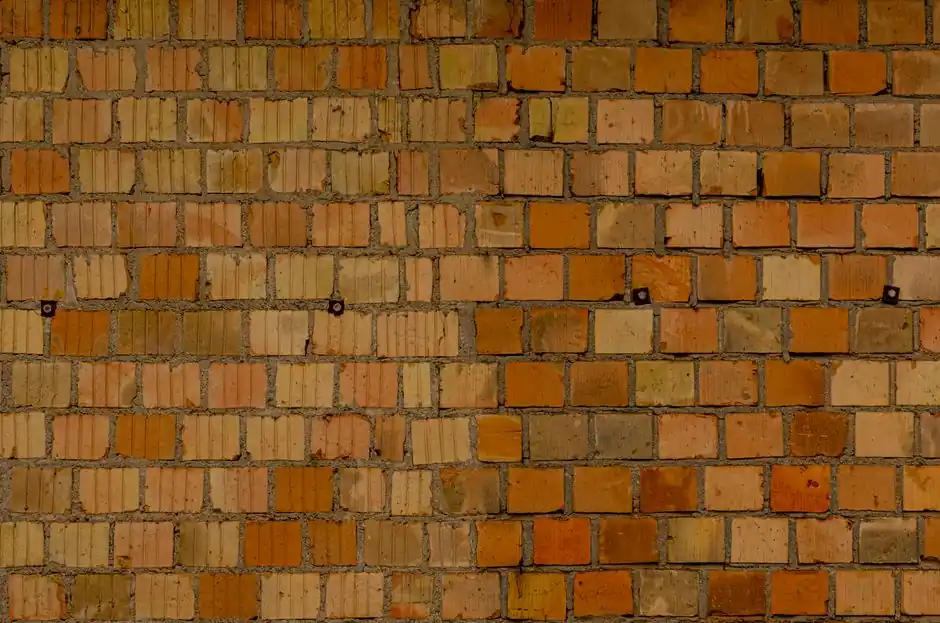
Cladding attachments in brick and concrete block should use anchors selected for the actual substrate, including hollow cells, joint location, edge distance, load direction, and exposure.
The decision covers mechanical expansion anchors, adhesive anchors, masonry screws, and through-bolts for permanent exterior cladding systems.
Define the anchor duty and substrate condition
Anchor selection begins with the load and substrate, not with the fastener category. Brick masonry anchor technical notes identify conventional anchors such as bent-bar, plate, sleeve, and wedge types, plus proprietary adhesive and expansion anchors and through-bolts. The same references describe anchor bolts used for structural attachments, equipment installation, beams, plates, and ledgers, so cladding attachment should not be treated as a generic picture-hanging problem [S3].
For hollow block, the sleeve anchor is specifically identified as working well in hollow materials such as brick and block, while the product family is available in zinc-plated carbon steel and 304 stainless steel [S1]. A practical specification should record whether each fixing lands in solid masonry or a hollow cell, because an anchor that appears adequate in a solid web can rotate or pull when its expansion zone is surrounded by a void.
Use separate load categories for dead load, wind suction, wind compression, and any sustained equipment or railing load. Also record anchor diameter, embedment, edge distance, joint location, wall thickness, crack condition, installation temperature, and whether the anchor remains exposed. These inputs are more useful than selecting a brand name alone.
Compare the main anchor families
Expansion anchors, adhesive anchors, masonry screws, and through-bolts solve different fastening problems in brick and block. The table below compares their practical use, substrate sensitivity, and installation behavior using the evidence available in the supplied references [S1][S4][S5].
Use sleeve anchors for ordinary hollow-masonry attachment
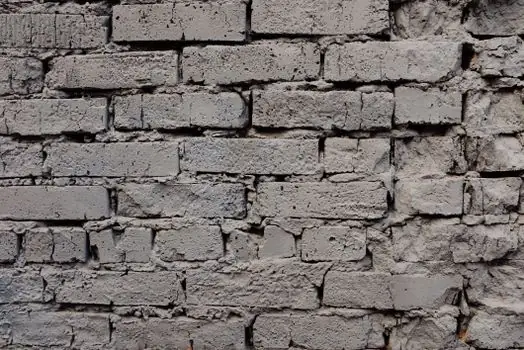
Sleeve anchors are a strong default for ordinary brick and block cladding fixings because they are mechanical, thread-adjustable, and identified as effective in hollow brick and block materials [S1]. The Dynabolt Sleeve anchor works well in hollow materials such as brick and block and is available in zinc-plated carbon steel and 304 stainless steel.
Huyett describes mechanical expansion anchors as fasteners that expand or deform in a pre-drilled hole and grip the base material to resist pullout. Its installation sequence specifies a hammer drill with a carbide-tipped bit, followed by cleaning with a wire brush, compressed air, or vacuum before installation [S4].
The 304 stainless steel option is relevant to exterior exposure, but stainless steel does not correct an unsuitable substrate or a missing edge distance. The zinc-plated carbon steel version may be appropriate for a dry or controlled environment [S1]. For coastal, pool, or other aggressive exposure, specify the corrosion system from the project exposure rather than selecting stainless steel by default.
Use adhesive anchors when geometry or load demands a bonded connection
Adhesive anchors bond a threaded rod or stud to masonry through a cured resin system and are used where structural loading, close spacing, irregular geometry, or high load demand makes a simple expansion anchor unsuitable [S4]. Masonry anchor technical notes list adhesive anchors among proprietary anchor types installed after construction, giving them more placement freedom than embeds installed during masonry construction [S3].
The anchorage system depends on correct drilling, cleaning, injection, placement, and curing under the product’s stated conditions.
For hollow block, confirm that the resin and anchor system are approved for that masonry construction. Require the supplier’s installation data for hole diameter, hole depth, injection volume, gel and working times, temperature range, cure time before loading, and spacing and edge-distance limits. If the project includes a comparison with expansion anchors, see chemical anchor selection for hospital concrete and masonry for a broader decision framework.
Limit masonry screws to suitable fixtures and loads
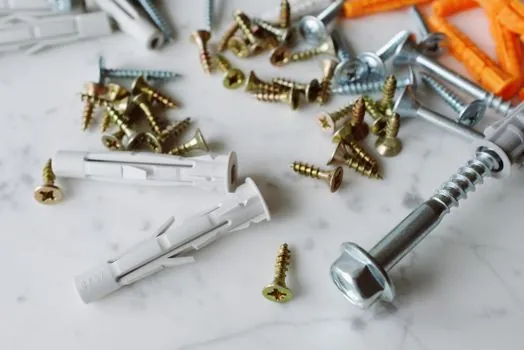
Masonry screws, often sold as concrete or Tapcon-style screws, can fasten wood, metal, or plastic fixtures to concrete, brick, and block because their threads cut into the masonry rather than relying on an expansion sleeve [S5]. They offer fast, simple installation and are often appropriate for secondary equipment, signs, shelves, and similar attachments [S4][S5].
They are not automatically acceptable as primary structural restraint for exterior cladding. In the brick-anchor discussion, one participant said that sleeves work well in concrete, but recommended toggle bolts or similar anchors when a hollow space is encountered. A screw that works in one location does not establish a consistent capacity across a wall containing variable brick hardness, mortar joints, and hollow cells.
The shortlist should therefore limit masonry screws to loads within the manufacturer’s masonry-anchor approval, require drilling into sound material rather than a mortar joint, and reject them where wind suction, fatigue, vibration, or a safety-critical restraint controls the design. For primary cladding attachments, use a listed or evaluated mechanical, adhesive, or through-bolt system instead of extrapolating from a successful screw installation.
Reserve through-bolts and embedded anchors for high-demand connections
Through-bolts are the escalation option when the required resistance exceeds what a local sleeve, adhesive, or screw can develop, or when the connection must be verified from both sides of the wall. Brick masonry technical notes identify through-bolts as an anchor category for structural attachments and discuss placement, grip length, edge distance, tension, and shear as design issues [S3].
Conventional headed anchors are commonly embedded during masonry construction and used to support beams, plates, and ledgers. Square- and hex-headed ASTM A307 bolts are described as widely available and relatively low cost, while higher-strength options such as ASTM A325 are available at greater cost [S3]. Washer use can increase bearing area and improve anchor performance, although the increase depends on the connection detail [S3].
For existing walls, through-bolting requires coordination with the interior, weatherproofing, façade movement, and the condition of the wall cavity. A through-bolt should not be treated as a remedy for an unknown substrate. Confirm the anchor spacing, edge distances, material grade, hole diameter, and whether the wall can tolerate the installation. Further masonry selection context is available in block brick wall anchor selection for cladding attachment.
Control installation, edge distance, and exposure
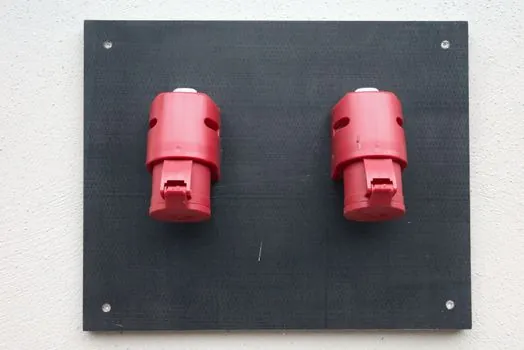
Installation quality controls the result for every anchor family. For mechanical expansion anchors, use the specified masonry bit, drill to the required depth, remove drilling debris, and install the anchor with the required setting tool or installation method [S4]. A clean hole matters because trapped dust can reduce the expansion action or interfere with resin bonding.
Keep anchors away from mortar joints, arrises, corners, and uncontrolled cracking unless the approved system explicitly addresses those conditions. Brick and block walls can contain different hole patterns, including voids that are difficult to identify before drilling [S2]. This makes a trial installation useful, but trial success is evidence of installation quality, not a substitute for a design capacity.
For stainless steel, 304 stainless steel is one of the documented sleeve-anchor material options [S1]. For galvanized or zinc-plated carbon steel, coating durability depends on exposure and coating specification. Do not mix metals casually in a wet facade; isolate incompatible metals and seal penetrations. For adhesive systems, document the actual substrate, hole preparation, resin batch, cure period, and installation temperature.
Make the final selection by load path and verification
Use a sleeve anchor as the practical default for a standard removable cladding fixing in brick or hollow block when the load is within the evaluated capacity and the anchor engages sound material [S1]. Use an adhesive anchor when the load path, close spacing, or geometry requires a bonded system and the resin is approved for the masonry [S3][S4]. Use a through-bolt or embedded anchor when load, redundancy, or construction sequence justifies a through-wall connection [S3].
Do not select a masonry screw as the default for primary exterior cladding restraint, and do not specify a lead anchor where fire exposure or durable, adjustable performance is required; the brick discussion notes that lead anchors can melt in a fire and lose their connection [S2].
The final submittal should contain the anchor product and material grade, diameter and length, substrate assumptions, allowable or design load in tension and shear, edge and spacing limits, installation drawing, corrosion detail, and inspection plan. Track two signals before purchase: the confirmed hollow-cell pattern at proposed drilling locations and the manufacturer’s published load and installation data for the exact anchor, diameter, and masonry condition.