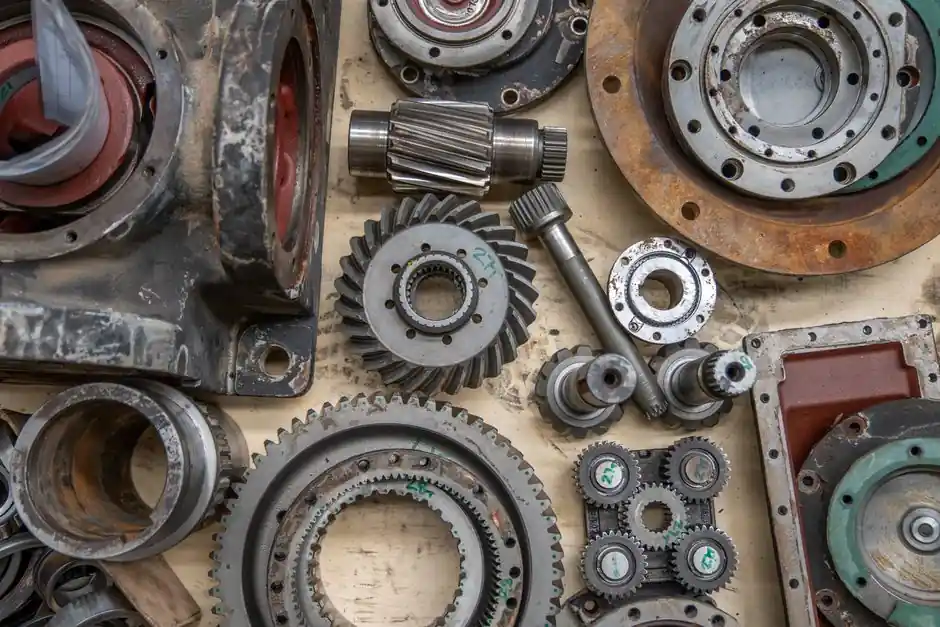
Capping-machine changeover duration depends on access, tooling, torque settings, cap feeders, documentation, and other factors [S3].
Inventory should cover every active bottle size, cap diameter, closure type, and planned future SKU, with each format assigned a complete bill of change parts rather than a generic spare-parts list [S3][S5].
Core Change Parts by Format
Chucks are selected for cap diameter, while chute rails, timing screws, guide rails, head-height settings, and bottle-support tooling are matched to the container format [S5]. A chuck capper may also require replacement of the chuck, starwheel, side belts, grippers, or feed tracks when a change moves beyond ordinary adjustment [S3].
Inventory records should identify the exact closure rather than only the nominal diameter. Screw caps, snap caps, sports caps, lug caps, child-safety caps, spouts, and trigger-spray caps require different capping approaches, while a single machine can often accommodate several bottle sizes and shapes if its support and positioning system can be reconfigured [S2][S6].
The practical format record therefore needs at least six fields: bottle diameter and geometry, cap diameter, closure type, cap orientation or thread pattern, torque program, and cap-feeding method. Physical bottle and cap samples remain the best confirmation inputs when selecting tooling, cap feeding, bottle support, and realistic output [S3].
Cap Diameter and Machine Coverage
Capping machinery should be selected for the cap types and container sizes used on the production line [S1][S2]. That range should not be treated as proof that every 25–150 mm cap can run on one machine: spindle, chuck, and snap systems have different gripping and closure requirements [S2].
Inventory planning should separate machine-compatible cap diameters from format-specific tooling. A cap within the machine’s dimensional range may still require a different chuck, gripper, feed rail, or starwheel pocket if the closure profile changes [S2][S5]. A capping and sealing machine should also be assessed for the specific closure method before a cap diameter is approved.
For each format, retain one known-good chuck and a complete set of adjustment components rather than relying on interchangeable parts of similar diameter. The functional check must confirm that the cap is centered, fully engaged, tightened to the approved setting, and rejected when it does not meet the format recipe [S3][S5].
Torque, Grip, and Container Support
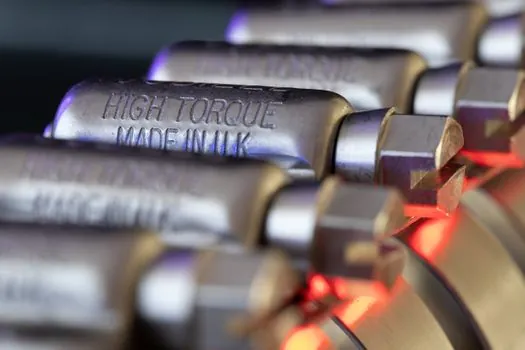
Torque settings are format data, not machine settings that should be transferred by habit. A capping machine places a screw cap on each container and tightens it to a controlled torque [S5]. These values describe the cited machine architecture and must not be substituted for the closure supplier’s torque specification.
Bottle support must react the full application torque. Inline spindle systems use opposed urethane gripper belts, while rotary systems commonly hold round bottles in starwheel pockets with a backing guide; an upstream timing screw spaces bottles for head engagement [S5]. Inventory therefore belongs in two linked groups: closure tooling and container-support tooling.
Torque, bottle geometry, and cap diameter must change together. A new cap diameter can alter chuck engagement and bottle seating even when the bottle height remains unchanged [S5]. Initial approval should check cap identity, square placement, seating height, tamper-evident features, visible damage, and the approved torque or integrity method before normal production is released [S3].
Changeover Time and Inventory Readiness
A disciplined changeover takes 15–30 minutes, but that range depends on access, documentation, adjustment tooling, and feeder readiness [S5]. Poor access, unrecorded settings, excessive manual adjustments, and cap-feeder changes are identified causes of slow changeovers [S3]. Inventory planning should therefore treat missing setup information as a production risk.
Store each approved setup as a controlled recipe containing chuck identification, guide settings, head height, bottle-support configuration, cap-feed settings, torque value, and speed profile. The documented settings allow operators to return to a proven configuration and reduce start-up rejects after changeover [S3]. This approach also distinguishes replacement parts from format-specific fixtures, which prevents interchangeable-looking components from being selected for the wrong SKU.
Changeover readiness should be evaluated for changeover duration and setup repeatability rather than promised as an automatic result [S3]. If several formats must be changed within one shift, a format board listing the required kit, bin location, approved torque, and feeder configuration reduces retrieval errors.
Selection Criteria by Capping System

Inline spindle cappers are documented at 40–200 containers per minute, while rotary chuck machines used in beverage plants can exceed 1,000 containers per minute [S5]. The choice should weigh closure geometry, required output, changeover frequency, tooling cost, and the number of formats that must share one machine [S3].
This comparison is not a universal speed guarantee. Output depends on the machine configuration and line conditions, so candidate equipment should be tested against the actual bottle, cap, feed behavior, and required output [S1][S3].
Quality Control for Spare and Change Parts
A documented cap-height inspection system can detect cocked or missing caps, with a cited laser sensor specification of ±0.2 mm, while image inspection checks skew and cap color against the recipe [S5]. The inventory control process should preserve sensor configuration records alongside the mechanical change kit, because a correct chuck does not correct an incorrect inspection recipe.
Use an approved “golden sample” as a physical reference for closure position, appearance, and relevant functional checks, but do not use it in place of drawings, torque limits, or destructive tests [S3]. Each sample must remain identified with its format and approval status and must be replaced when the packaging specification changes.
First-off checks should cover every active capping head or lane and confirm cap feeding, rejection tracking, and formal approval [S3]. The changeover is not complete until the approved format has been restored and the first production containers pass the agreed checks [S3].
Sources, Stock Structure, and Failure Control

The minimum controlled stock is one complete active kit per format, plus the tooling required for the next scheduled change, rather than one loose chuck per nominal size [S3][S5]. For high-use formats, hold a second complete kit if the cost of a missed changeover exceeds the carrying cost of duplicate fixtures. That is an engineering calculation based on the plant’s own change frequency, downtime exposure, part cost, and lead time, not a universal stocking multiplier.
Label inventory by machine model, format code, cap diameter, closure type, part drawing or revision, material or wear-surface specification, and compatible machine serial number. Record supplier lead time and inspection status for every fixture. These fields turn a general spare-parts shelf into an auditable changeover bank and reduce the risk that a physically similar component will be fitted to the wrong closure.
Track two operating signals: actual minutes per changeover against the 15–30 minute planning range, and first-off rejection rate after each format switch [S3][S5]. A rising rejection rate points to missing tooling, inaccurate setup records, incorrect torque values, feeder problems, or damaged change parts, while a rising changeover time usually points to access, retrieval, or documentation failures [S3].
Integrating parts with the controls on a coding machine is useful only when code recipes and cap recipes are linked to the same format code, so the correct mark and closure specification are restored together.