
Captured glazing mechanically retains glass with pressure plates, while structural silicone glazing transfers specified loads through a qualified sealant bond to supporting framing.
The decision affects wind-load resistance, glass support, joint detailing, installation control, repairability, and weatherproofing across two-edge, two-side, and four-side curtain-wall systems.
Load Path and Weather Seal Differences
Captured glazing restrains the glass mechanically. Structural silicone glazing uses an appropriate structural silicone bond joint to transfer specified loads between glass or panels and supporting framing [S7].
Structural silicone systems can accommodate monolithic glass or insulating glass units, with one or more edges structurally glazed and traditional retention retained on remaining edges. Two-side systems produce a ribbon-window appearance, while four-side systems create a flush glazed appearance [S1].
In butt-joint glazing, glass is supported at the head and sill and the sealant between adjacent unsupported edges serves only as a weather seal. Without interior mullions, each glass lite behaves as a simply supported beam, so the weather seal cannot be treated as structural [S1].
Selection Criteria for Facade Systems
Joint size must be designed for the specified design load, with sealant-supplier engineering support used to establish the structural silicone dimensions. Compatibility testing must cover glass, frame, coatings, gaskets, and other contacting sealants on a project-specific basis [S1].
Captured glazing is appropriate when a continuous mechanical restraint, accessible pressure plate, straightforward reglazing, or independent verification of mechanical retention is more important than a flush exterior. Structural silicone glazing fits large uninterrupted glass areas, limited exterior framing, and façades where adhesion and joint geometry are tightly controlled [S4][S8].
SSG is not the automatic answer for every opening. The selected sealant must be qualified for structural use, applied under controlled moisture and temperature conditions, and installed by personnel with demonstrated structural-glazing experience [S4].
Captured, Two-Side, and Four-Side SSG Compared
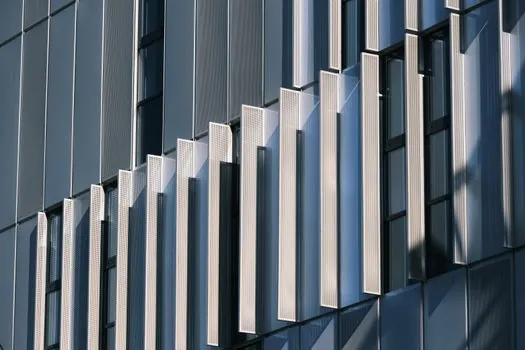
Captured glazing provides the most direct mechanical restraint, but it introduces a visible pressure-plate or frame line and requires each lite to be supported adequately at its edges. It is a practical choice for repair-intensive façades and buildings that prioritize conventional construction access. [S1]
Two-side SSG structurally adheres glass to vertical mullions while retaining two opposite edges in horizontal pockets, creating a ribbon-window appearance. Four-side SSG adheres the glass to both vertical and horizontal mullions, removing the traditional exterior retention line but increasing the number of critical bonded edges [S1].
For comparison, captured glazing is strongest where immediate mechanical restraint and access matter; two-side SSG reduces visible framing along two edges; four-side SSG maximizes flush appearance; and butt-joint glazing offers the cleanest unsupported joint appearance but has no structural sealant load path [S1].
Weatherproofing and Water Management
Structural silicone glazing is a bonding method, not a replacement for every weatherproofing function. The weather seal between adjacent glass lites is non-structural silicone, and an insulating glass unit requires an appropriately designed structural silicone secondary seal to resist specified loads [S1].
A complete water-management design must coordinate glass bonds, perimeter seals, frame cavities, drainage paths, flashings, and air barriers. Silicone has established resistance to UV exposure, temperature change, and weathering, while adhesion to the glass and frame limits water and air infiltration when detailing and workmanship are correct [S4].
Exposed glass edges require attention because they can deteriorate prematurely. Edge treatment may be required for appearance, and protective design must also address coatings, cleaners, incompatibility, and the sealants used in the insulating glass unit [S1][S6].
Installation, Inspection, and Repair Constraints
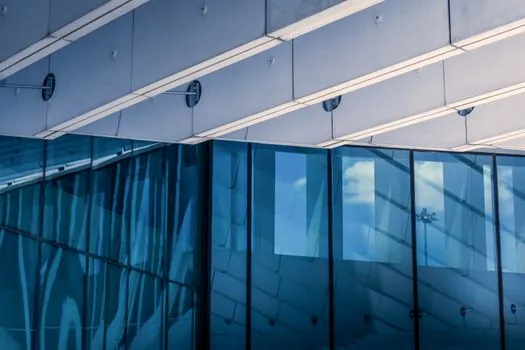
Structural silicone installation requires continuous, correctly sized sealant beads, prepared substrates, controlled application conditions, and proper temporary support before the bond develops capability. Recommended surface preparation, sealant application procedures, and field-glazing instructions must be followed [S1][S4].
Non-structural weather seals must still accommodate movement between glass lites. Their performance depends on joint geometry, adhesion, and compatible detailing rather than on assuming the structural bond will tolerate all differential movement in the façade [S1].
Captured glazing is generally easier to inspect and replace because mechanical retention provides access to the glass edge. SSG repair is more demanding because cutting or removing bonded glass can damage the substrate, sealant joint, or adjacent unit. A project should price planned maintenance access and replacement strategy before selecting the adhesive system [S8].
Durability and High-Wind Performance
With proper design, materials, and installation, structural silicone glazing can remain serviceable for decades, and a documented Chicago project with four-sided SSG was still performing after 50 years [S3]. That example supports long-term potential but does not establish a universal service life for every façade.
High-wind design can require deeper silicone profiles because high cladding pressure increases stress demand. Advanced nonlinear analysis using measured silicone stress-strain curves can produce a more even stress distribution than simplified sizing, but the optimized configuration still requires full-scale structural-load verification [S5].
The research also identifies ASTM E1886 and ASTM E1996 for full-scale debris-impact testing of specimens, while ASTM STP 638, ASTM STP 1054, and ASTM papers referenced in the study cover structural sealant glazing design, joint sizing, seismic racking, and material durability [S5].
Project Decision Rule

Use captured glazing when mechanical restraint, inspection access, conventional reglazing, or minimal dependence on an adhesive bond governs. Use SSG when the design requires larger uninterrupted lites, a flush exterior, reduced visible framing, or structural transfer through silicone [S1][S4].
Treat structural sealant glazing as a complete engineered system, not as a sealant substitution. Before procurement, freeze the load path, glass type, lite dimensions, frame substrate, joint dimensions, compatibility testing, edge protection, drainage design, installation QA, and maintenance access. Any change to glass, coating, spacer, gasket, frame finish, or sealant can affect adhesion and should return to the sealant supplier for review [S1][S2].