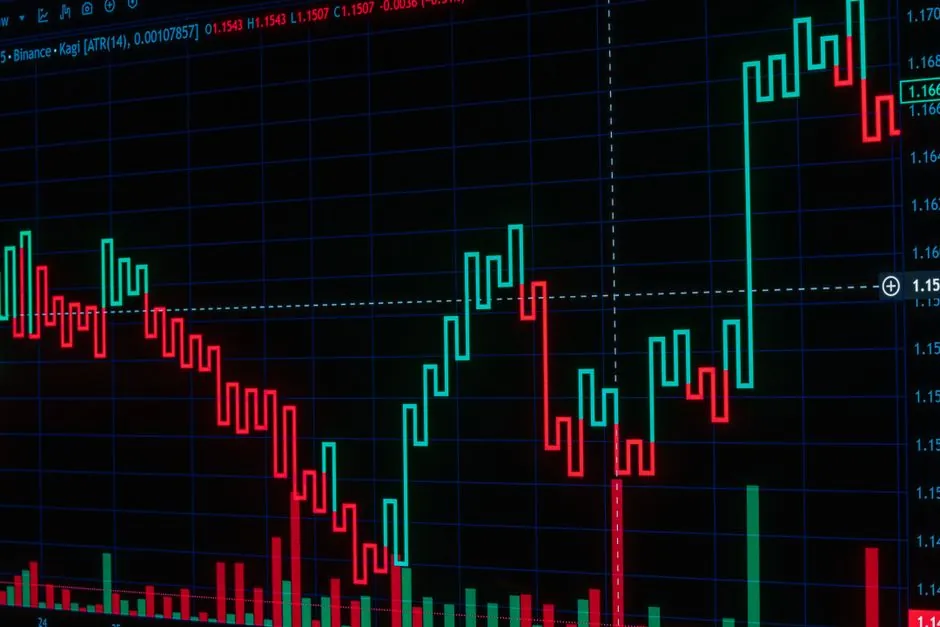
Caustic soda Q2 2026 contract prices span USD 358-804 per metric ton across the eight major reporting regions, with Northwest Europe (Germany) sitting at the top of the band and Chinese domestic netbacks near the floor at USD 95.16/MT in July 2026 [S2][S8].
The chlor-alkali fixed co-production ratio of 1.10:1.00 (caustic:chlorine, by weight) keeps output inflexible, so when chlorine demand sags the only relief valve for margins is caustic soda pricing, and the inverse is also true [S1].
Regional price ladder and what drives the spread
Germany posted the highest Q2 2026 caustic soda print at USD 803.67/MT, followed by Saudi Arabia USD 631.33/MT and USA USD 589.33/MT, while Brazil cleared at USD 569.67/MT and Japan at USD 451.00/MT on ChemAnalyst assessments [S2]. A separate IMARC series put Q2 2026 USA at USD 358/MT and Japan at USD 427/MT, illustrating how contract basis, freight and product form (membrane-cell liquid vs. membrane-cell flakes vs. mercury-cell legacy grades) swing the headline by USD 150-200/MT [S6]. The Procurement Resource July 2026 series shows China at USD 95.16/MT, India at USD 201.97/MT and USA at USD 412.00/MT, the widest trans-Pacific gap reported this year [S8]. Producers in Germany and Saudi Arabia sell largely on long-term contracts indexed to delivered energy and brine costs, while Indian and Chinese spot tonnes clear against local alumina, pulp and water-treatment bids.
Energy is the single largest swing factor on the cost side. In Japan, LNG-linked power tariffs pushed the Q2 2026 caustic soda production cost trend higher and supported supplier offers at USD 451.00/MT [S2]. In the US Gulf, lower natural gas and electricity costs in spring 2026 enabled higher run rates and pulled production expenses down, which partly explains why US spot eased even as export demand lifted the headline index 7.28% quarter-over-quarter [S2]. Buyers evaluating a delivered caustic soda price should isolate energy (steam, power), salt, freight and membrane-cell electricity draw as the four separable cost layers rather than treating the published USD/MT as a single number.
Chinese oversupply and the 1.10:1.00 ratio squeeze
ResourceWise reported that China's caustic soda market, alongside acetic acid and VAM, was repeatedly pulled back by structural oversupply in H1 2026, with domestic values touching five-year lows and a brief April export lift failing to hold [S3]. High plant utilisation plus new capacity additions kept physical tonnes flowing even as downstream pulp, alumina and chemical demand stayed cautious, and once the export window closed the market reverted to surplus pricing [S3].
Because membrane and diaphragm cells lock the caustic:chlorine output at 1.10:1.00 by weight, Chinese producers cannot idle caustic output without also idling chlorine, and weak PVC and isocyanate demand removed the usual pull on the chlorine side [S1][S3]. The practical result is that chlor-alkali margins for integrated Chinese complexes in H1 2026 were governed more by how cheaply they could move chlorine into derivatives (PVC, EDC/VCM, MDI/TDI, propylene oxide) than by caustic soda sticker price. Producers trimmed operating rates to 70-75% in May-June 2026 for acetic acid; caustic soda run rates held higher because chlorine derivatives absorbed the volume, but the price signal in caustic stayed soft [S3]. The full market read of China's chlor-alkali chain is the kind of detail tracked in commodity desks such as Argus chlor-alkali coverage and in dedicated industrial valves and process equipment reference pages that benchmark cell-room turnaround economics.
Cost-driver breakdown for a delivered tonne
On the demand pull, alumina refining remains the largest single end-use for caustic soda globally and is highly sensitive to aluminium smelter utilisation; pulp and paper (Kraft digesters), water treatment, soap and detergent, and oilfield drilling fluids round out the major consumers [S2]. The Q2 2026 US price rise of 7.28% quarter-over-quarter was attributed to export demand rather than domestic restocking, and the same report flagged subdued pulp, alumina and chemical sector purchasing, which caps any near-term upside [S2]. Japan saw an 11.36% quarter-over-quarter index gain on stronger export inquiries, but the same commentary warned that weak PVC margins on the co-product side will temper buying [S2]. For plants tied to alumina, the rule of thumb is roughly 0.10-0.15 tonnes of caustic soda consumed per tonne of alumina processed, which is why an alumina smelter curtailment shows up in caustic soda demand within weeks.
Comparison: which region currently offers the best delivered value
Using the Q2 2026 print set, Saudi Arabia at USD 631.33/MT and USA at USD 589.33/MT are the mid-band options; Germany at USD 803.67/MT is the premium for contract security and high REACH-grade purity; Japan at USD 451.00/MT is the regional floor in Northeast Asia on ChemAnalyst methodology, though Procurement Resource lists Japanese pricing on a separate basis at USD 427/MT for Q2 2026 [S2][S6].
On three decision criteria for a buyer: total landed cost ranks USA or Saudi Arabia as best when freight and import duty are normalised; contract reliability ranks Germany highest because NWE producers run long tenor deals with take-or-pay clauses; spot availability ranks China and India highest but with the widest price variance (China USD 95.16/MT vs India USD 201.97/MT in July 2026) and the highest logistic risk into Atlantic basins [S2][S6][S8]. For a procurement team that can move volume on 30-day tranches, Chinese-origin liquid or flaked caustic is currently the cheapest tonne in the world market, but the chlor-alkali capacity rationalisation that has held since the 2022-2023 downturn means that any sustained chlorine recovery would tighten caustic availability within two quarters, per industry capacity commentary [S5].
What to watch into Q4 2026
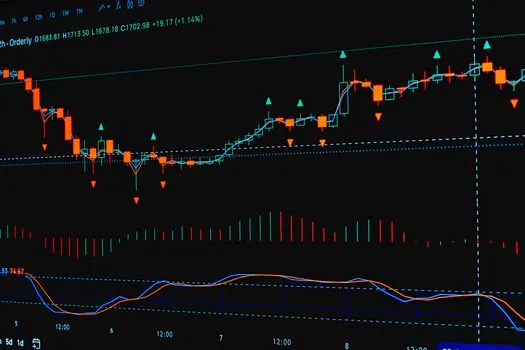
Two signals will tell you whether the 2026 chlor-alkali margin trough is ending: (a) chlorine derivative pricing, especially PVC and EDC, which gates the chlorine side of the 1.10:1.00 ratio and therefore the volume of co-produced caustic hitting the market, per the ResourceWise cycle model [S1][S3]; and (b) alumina and pulp restocking in North America and Europe, which gates the demand pull on the caustic side and is the lever that lifted the US index 7.28% in Q2 2026 [S2].
Capacity additions in China remain the swing factor; ResourceWise explicitly flagged new capacity keeping supply flowing through H1 2026, and any deferral or curtailment would tighten export-eligible tonnes faster than demand needs to recover to move the global price ladder [S3]. For a process engineer running a chlor-alkali downstream plant, the actionable read is to lock Q3-Q4 2026 caustic soda requirements on contract before any sustained chlorine recovery, since the co-production rigidity means a chlorine-led margin rebound historically coincides with caustic soda shortages 6-9 months later [S1]. A useful adjacent read on process economics in adjacent commodity chains is the carbon black 2026 price and grade spread brief, which applies the same energy-and-capacity framework to a parallel industrial carbon chain.
For component-level specifications, see construction machinery and equipment.