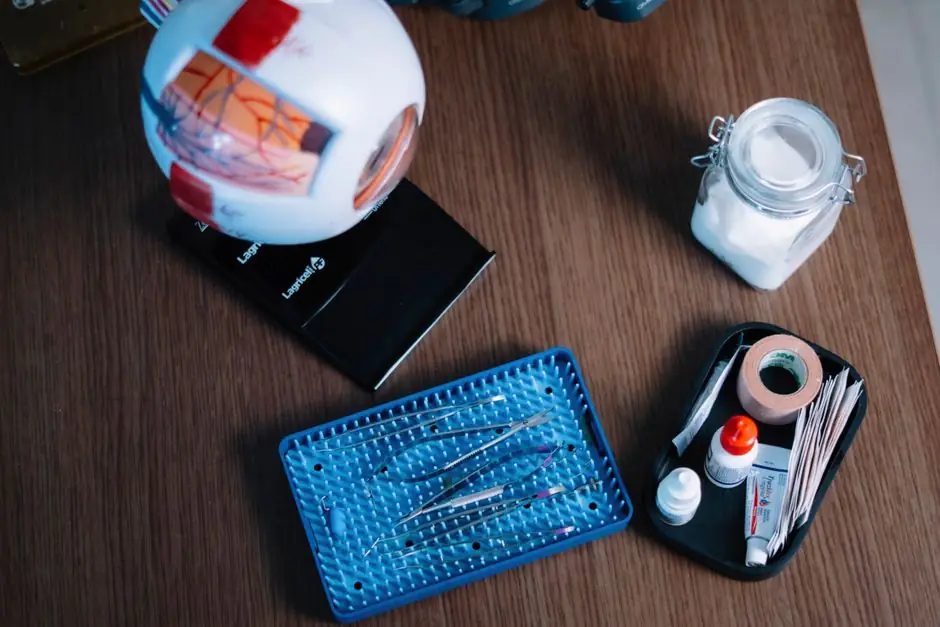
ANSI Z308.1-2021 splits industrial first aid into Class A (common workplace injuries) and Class B (higher-risk or larger-population sites), and chemical plants almost always run Class B or a Class A core plus chemical-specific modules per supplier guidance [S1][S2][S6]. The Calgonate HF kit illustrates the chemical-module pattern: 75+ items, including 2 tubes of calcium gluconate gel (25 g each), 2 sterile 120 mL eyewash squirt bottles, and an HF reference card, layered on top of an ANSI Z308.1 Class A baseline [S1].
Headcount still drives the container size. Vitalfour's DOSH/OSHA range maps Box A to 1–10 people, Box B to 11–20, and Box C to more than 50 on-site personnel, which lines up with how regulators audit kit-to-worker ratios [S3]. For European sites, DIN 13157 is the equivalent small-business kit standard and the DIN 13157 orange "hazardous goods" variant is built for chemical-handling work areas [S4].
Class A vs Class B vs Class B-plus-chemical-module
ANSI Z308.1-2021 Class A covers the most common workplace injuries: minor cuts, scrapes, burns, and eye irritation, while Class B adds a higher quantity of trauma dressings, splints, and a CPR barrier to handle more severe or multiple-casualty events [S6]. In a chemical plant, the practical hierarchy is: start with a Class B kit as the floor for any operating area, then bolt on a hazard-specific module for each chemical family stored or processed on site.
The Calgonate HF kit is a worked example: 2 tubes of calcium gluconate gel (25 g each) and 2 sterile 120 mL eyewash squirt bottles are the HF-module minimum, with the remaining ~70 items covering cuts, burns, and eye injuries at ANSI Z308.1 Class A volumes [S1]. The industrial Class B kit from KTI parallels that, with 12 small, 8 medium, and 8 large sterilized dressings, 6 large burn dressings, 8 sterilized eye pads, 2 roller bandage sizes (5 cm and 10 cm), 1 adhesive tape roll (1/2"), 1 cotton wool 10 g, 30 burn ointment packets, 2 aspirin tablets, an eye wash cup, and even a snake bite lancet and potassium permanganate packet for mixed-risk sites [S2].
The decision rule is simple: choose Class B if the area stores or processes any corrosive, oxidizing, flammable, or reactive chemical, or if headcount exceeds 10; choose Class A only for low-hazard support offices with under 10 people and no chemical inventory [S6]. For HF, phenol, strong acids, strong bases, cyanide, and hydrofluoric-acid-bearing streams, a dedicated module is non-negotiable, since calcium gluconate gel is a chemical antidote, not a generic supply.
Standards Map: ANSI Z308.1-2021, DIN 13157, OSHA, DOSH, UKCA
ANSI Z308.1-2021 is the US standard, DIN 13157 is the European small-business kit standard, OSHA 1910.151 governs US "adequate" first aid provision, and the UKCA-marked kits cover post-Brexit UK supply; compliant chemical-plant kits are typically certified to one of these four frameworks [S4][S6]. The DIN 13157 "hazardous goods / Gefahrgut" orange variant extends the standard kit with chemical-handling contents and is sold across Europe through distributors like FAP e-Commerce [S4].
Outside the US and Europe, DOSH (Malaysia) and OSHA-equivalent frameworks dictate content. Vitalfour's DOSH, DOSH 2nd, and OSHA product lines all use the same Box A / Box B / Box C headcount splits (1–10, 11–20, and more than 50 personnel), which gives a procurement team a clean 1:1 mapping against US/UK headcount rules [S3]. For multinational plants, the safe move is to standardise on the strictest kit class per site and then add regional modules for language, local emergency numbers, and any extra antidote stock mandated by national rules.
Container, Mounting, and Inspection Cadence
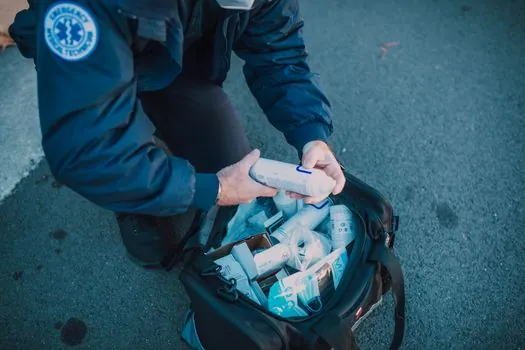
Kits must be mounted at point of need: within 10 seconds of any chemical handling station, on the egress path, and not locked away. A DIN 13157 orange hard-case or a metal industrial cabinet is standard for corrosive atmospheres; for HF and acid areas, specify a sealed plastic or stainless cabinet to keep dust and splash out, and mount it on the clean-air side of the work envelope [S1][S4].
Inspection cadence is non-negotiable: laboratory and industrial safety guidance calls for semi-annual kit checks plus an inspection after any use, with a named person or roster assigned to verify contents, expiry dates, and seal integrity [S5]. Sterile items (eyewash, dressings, burn dressings, calcium gluconate gel) typically carry a 2–3 year shelf life; printed check-lists taped inside the lid, plus a tamper-evident seal, are the cheapest way to prove compliance during an audit [S5]. A standard operating procedure should require a written log entry for each inspection, signed by the inspector, with photos of the contents.
Selection Criteria: Headcount, Hazard Inventory, Climate, Footprint
Four decision gates beat brand or price every time. (1) Headcount per shift: pick Box A (1–10), Box B (11–20), or Box C (more than 50) under DOSH/OSHA rules, or the equivalent Class A/Class B split under ANSI Z308.1-2021 [S3][S6]. (2) Chemical inventory: list every CAS-numbered substance handled, then map each to a module (HF, strong acid, strong base, solvent, oxidizer, cyanides) and stock the matching antidote or burn dressing. (3) Climate and storage temperature: calcium gluconate gel and most sterile solutions are rated 5–25 °C storage; tropical or outdoor sites need insulated or air-conditioned cabinets, since gel phase-separation above ~30 °C degrades dosing accuracy. (4) Footprint and mounting: DIN 13157 hard-cases are roughly 36 cm × 25 cm × 10 cm; check that wall space exists outside the immediate hazard zone, on the egress path, and within 10 seconds walking time of the highest-risk workstation.
Total cost of ownership is dominated by consumable replenishment, not the case itself. Expect 2–4 full content refills per year for a busy plant, plus 1–2 emergency top-ups per year after incidents; budget on that basis rather than unit price [S6]. A chemical-plant-grade first aid kit is consumable infrastructure, not a one-time purchase.
Chemical-Specific Module Contents

HF-module minimum (illustrated by the Calgonate HF kit): 2 tubes calcium gluconate gel (25 g each), 2 sterile 120 mL eyewash squirt bottles, 2 pairs nitrile gloves, 4 sterile eye pads with adhesive strips, an HF first aid reference sheet, plus a Class A core (16 flexible fabric bandages 1×3 in, 10 antiseptic wipes, 10 burn cream 0.9 g, 10 triple antibiotic ointment 0.5 g, 4 sterile gauze pads 3×3 in, 2 combine ABD pads, 1 triangular bandage 40 in, 1 burn dressing 4×4 in, 1 conform gauze roll, 1 CPR mask, 1 instant cold pack, 1 penlight with pupil gauge, scissors, tweezers, and adhesive tape) [S1]. Strong acid / strong base module: buffered eyewash pH-neutralizing solution, large sterile saline bottles (500 mL+), additional burn dressings 4×4 in and 8×10 in, more extensive ABD pads, and a chemical burn reference card. Solvent / hydrocarbon module: clean non-absorbent dressings (avoid cotton wool on flammable-solvent burns), clean waterless hand-cleanser, and Class B trauma dressings. Oxidizer module: large volumes of sterile water and clean dressings; avoid oil-based ointments which can ignite on contact with strong oxidizers.
Each module should be physically separate (a labeled pouch or sub-cabinet) so a responder can pull only what's needed without dumping the entire kit; this also simplifies post-incident refills and root-cause investigations. For broader chemical handling context, see Allan Chemical's industrial spill kit breakdown for the parallel containment-and-cleanup picture [S8].
Comparison: Generic Industrial Kit vs HF Module vs Class B Hazardous-Goods
Generic Class A kit: low cost, fits office use, 1–10 people, contents cover minor cuts/burns/eye irritation only; right answer for non-chemical support areas only. HF-specific module (Class A core + calcium gluconate gel + HF eyewash): ~75 items, ~$142 unit price as listed, mandatory at every HF work or storage area; covers one highly specific but extremely time-critical exposure [S1]. Industrial Class B hazardous-goods kit: ~80+ items including 12 small / 8 medium / 8 large sterilized dressings, 6 large burn dressings, 8 sterilized eye pads, 30 burn ointment packets, 2 aspirin, plus a snake bite lancet and potassium permanganate packet for mixed-risk sites; right answer for general process-area coverage where multiple chemical families are present but no single dominant acid [S2]. DIN 13157 orange Gefahrgut variant: hard-case format, European standard, hazardous-goods branding, distributed across Europe; right answer for EU plants standardising on a single kit code across multiple sites [S4].
Selection boils down to two questions: which single chemical poses the worst time-to-antidote risk, and which standard does your EHS team audit against. Answer both, then buy.
Common Failure Modes and Limits

First aid kits fail in predictable ways: expired calcium gluconate gel (typical shelf life 2–3 years), opened eyewash bottles past the single-use seal, broken tamper-evident seals, missing items after use with no refill logged, mounting in locked rooms or behind production gates, mounting too far from the actual workstation, and missing or unreadable reference cards in the responder's working language [S5]. Each of these is a finding during an audit, and several are also a contributing cause in incident reports when a responder could not find or could not use the contents in time.
Mitigation is procedural, not technical: a printed inspection log inside the lid, a wall-mounted checklist, semi-annual documented inspections, and a 24-hour refill SLA after any kit is opened. For eyewash stations adjacent to the kit, see the eye wash station selection spec path for the parallel plumbed-equipment compliance map. Note that first aid kits cover initial self- and peer-response only, and are not a substitute for plumbed emergency eyewash, safety showers, hazardous-material spill kits, or trained medical response; an HF exposure still needs hospital-grade calcium gluconate follow-up even after the in-kit gel is applied [S5][S8].
Closing: a chemical-plant first aid program holds together when the EHS team anchors the kit list to ANSI Z308.1-2021, DIN 13157, or DOSH/OSHA headcount classes; bolts on a chemical-specific module for every CAS-numbered substance on site; standardises inspection to a documented semi-annual cadence with post-use refill; and tracks consumable shelf life the same way it tracks PPE and chemical reagent stock. Track those four signals, and the next audit closes cleanly.
For component-level specifications, see dye penetrant kit.