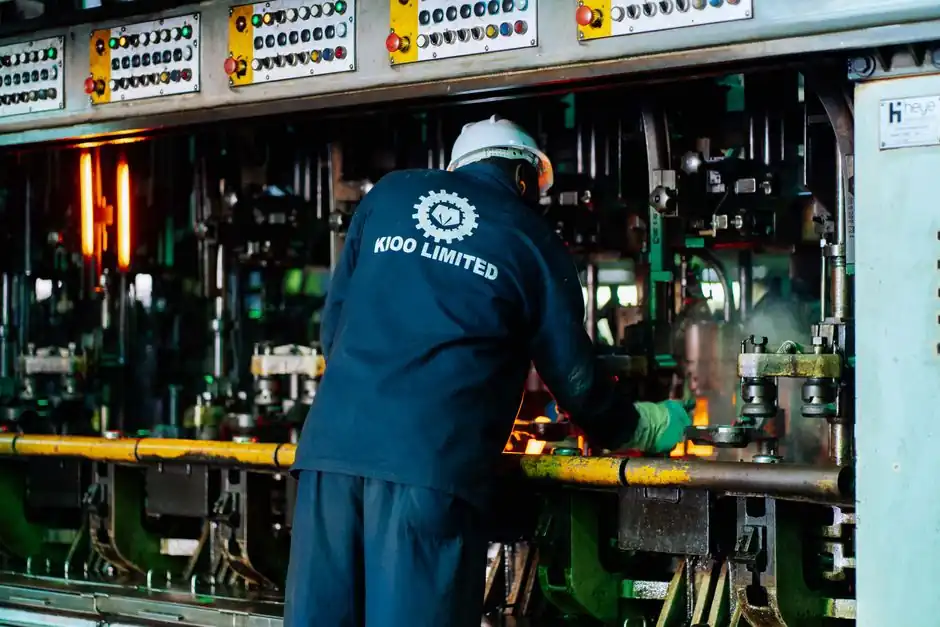
Operator training simulators use dynamic process models to train normal and abnormal operations without affecting production or equipment [S2][S6].
Plant-specific OTS platforms can reproduce control-room conditions, process dynamics, startup, shutdown, equipment changeover, and upset response [S2][S3].
What an Operator Training Simulator Actually Replicates
An operator training simulator is a computer-based training system built around a dynamic simulation model of an industrial process, normally connected to an operator interface or control-room environment [S6]. The model is intended to represent plant behavior and operating conditions, while the interface provides a practical place to test procedures and decisions [S3][S4].
The model can cover more than emergency response. Training scenarios include plant startup, normal operation, process changes, equipment changeover, and shutdown [S2]. Honeywell describes its Process Training Simulator as a solution within the Honeywell Forge Workforce Competency suite that can replicate and assess the operational readiness of plant assets before they are applied in real-world production scenarios [S1].
This makes an OTS more than a multimedia lesson. The trainee must interpret changing process conditions, operate the simulated control system, observe consequences, and respond under the operating constraints built into the model [S2].
Select the Model Against the Training Objective
A plant-specific OTS is the stronger choice when training depends on the behavior of one unit, its DCS, and its operating history. Such systems can reproduce process behavior and control-system response within a simulated environment that resembles the plant control room [S3][S4].
A generic simulator is more appropriate when the objective is broad process fundamentals, generic equipment behavior, or instructor-led concepts that do not depend on a specific configuration. Process-industry training still requires thermodynamics, heat transfer, reaction behavior, equipment knowledge, and safety procedures [S5]. The simulator supports that instruction, but it cannot substitute for a process model capable of reproducing the target plant's interconnections and constraints.
The comparison is straightforward. A plant-specific model offers stronger fidelity, local context, and direct rehearsal of site procedures; a generic model offers broader reuse and lower configuration dependence. An engineering study requires a model detailed enough to analyze defined process behavior [S1].
Compare OTS Options by Fidelity, Use, and Cost
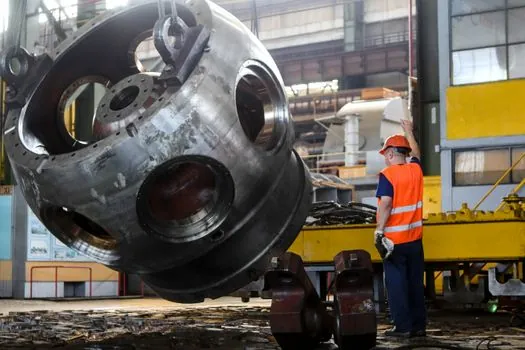
Control-room OTS platforms are best aligned with operating crews because they expose trainees to process behavior and control-system response in a realistic interface [S3]. They suit startup preparation, refresher training, abnormal-event drills, and assessment of operational readiness before production [S1][S2].
Engineering simulators offer a different advantage: detailed models can be used for engineering studies, procedure development, and control-system configuration analysis before real production scenarios are applied [S1]. These systems are therefore relevant to process engineers and operating teams, but real-time performance, scenario administration, and trainee assessment still have to be specified before a technical model becomes an effective OTS.
Vendor-led operator training services add program management and scenario delivery around the simulator. Power Plant Operator Training Simulator services offer power-plant training solutions enhanced by modern operator training software [S7]. Plant operator training simulators can provide high-level training across industrial areas, including simulation-based vocational training [S8].
Cost and lead time cannot be ranked from the available material because no pricing, implementation duration, model-development effort, or simulation-speed figures are stated. A fair commercial comparison must use four project criteria: fidelity to the target plant, breadth of scenarios, engineering versus operator focus, and the internal resources required to maintain the model after delivery.
Build Training Around Normal Work and Failure Modes
Operator competency begins with repeatable routine work. Start-up, steady operation, process changes, equipment changeover, and shutdown should form the core curriculum because these are the procedures operators need to perform under normal conditions [S2]. Simulation allows operators to practise procedures repeatedly without affecting production or equipment [S2].
Abnormal-event training should then test how the team detects, diagnoses, and responds to faults, equipment failures, and process upsets. Instructors can introduce these conditions while monitoring operator actions, then review the recorded session to identify further training needs [S2]. That review loop turns the simulator into an assessment system rather than a demonstration environment.
Process plants require training in interconnected behavior because a temperature change in one part of a unit can cascade through heat exchangers, separation columns, and downstream equipment within minutes [S5]. The OTS must therefore reproduce enough coupling, control logic, and operating constraints for those decisions to be meaningful. Operators also need the reasoning behind procedures, not only access to the standard operating procedure, because experienced judgment is not fully captured in written documents [S5].
Know Who Should Use an OTS
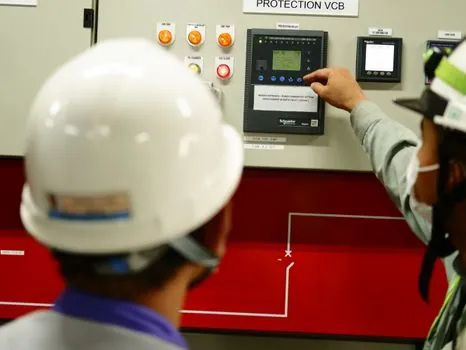
OTS deployment fits new operators who need controlled exposure to unit-specific behavior, experienced operators preparing for an unfamiliar unit or major plant change, and teams that need to repeat difficult scenarios without creating real production risk [S2]. It also supports pre-production preparation and periodic reassessment of operating performance [S1].
The system is not a replacement for supervised plant experience, required safety training, or competence assessment under the plant's own procedures. Lockout/tagout, emergency shutdown procedures, and hazard communication remain required elements of operator training regardless of the technology environment [S5]. Classroom instruction, procedure reviews, and field rotations also continue to provide knowledge that cannot be delivered entirely through a simulator.
OTS ownership should include a process engineer who can validate the model, an operator or shift supervisor who can define credible operating behavior, a training lead who can build assessments, and control-system specialists who can maintain interfaces and scenario logic. Without those roles, visual similarity to a control room can be mistaken for technical validity.
Control the Main Project Failure Modes
The largest technical risk is a model that looks credible but fails to reproduce the unit's dynamics. Honeywell identifies P&IDs and equipment datasheets as key sources for simulator development, while its models typically incorporate the plant's control content and are designed as real-time dynamic models [S1]. The procurement specification should therefore require evidence against actual process behavior, not screenshots or interface specifications alone.
A second risk is training that cannot sustain the target operating envelope. A simulator restricted to steady-state behavior is weak preparation for startup, shutdown, or upset response [S2]. The acceptance test should include all five routine categories identified for OTS use: startup, normal operation, process changes, equipment changeover, and shutdown [S2].
A third risk is model and scenario drift after commissioning. Plants change equipment, procedures, control logic, and operating constraints. A simulator that is not updated with those changes can teach obsolete responses, especially where unit-specific judgment and crew-to-crew variability are already training gaps [S5]. Maintenance responsibility, model version control, and post-change validation belong in the operating plan, not as optional vendor tasks.
Define Acceptance Criteria Before Procurement

Acceptance should test the training function, not merely the software installation. Require demonstrated execution of startup, normal operation, process change, equipment changeover, shutdown, and instructor-defined abnormal scenarios [S2]. For engineering users, require the same model to support the defined engineering-study scope, since dynamic models can serve both detailed studies and real-time operator training [S1].
Evaluation criteria should cover scenario fidelity, control-system response, operator interface behavior, assessment capture, event review, scenario reset, model maintenance, and access for different crews. The OTS should be treated as part of the operating competency system: Honeywell places its process simulator within a workforce-competency suite that also includes curriculum and knowledge-capture tools [S1].
The strongest choice is a plant-specific, real-time OTS for operating teams when the budget supports validated dynamics, maintained interfaces, and scenario governance. Choose a broader engineering simulator when process studies are the primary requirement, and add instructor-led training services when internal capability is insufficient [S1][S7][S8].
The next trackable signal is whether the project links model governance to plant changes, operating history, and documented competency assessments rather than treating simulator delivery as the end of training [S3][S5].