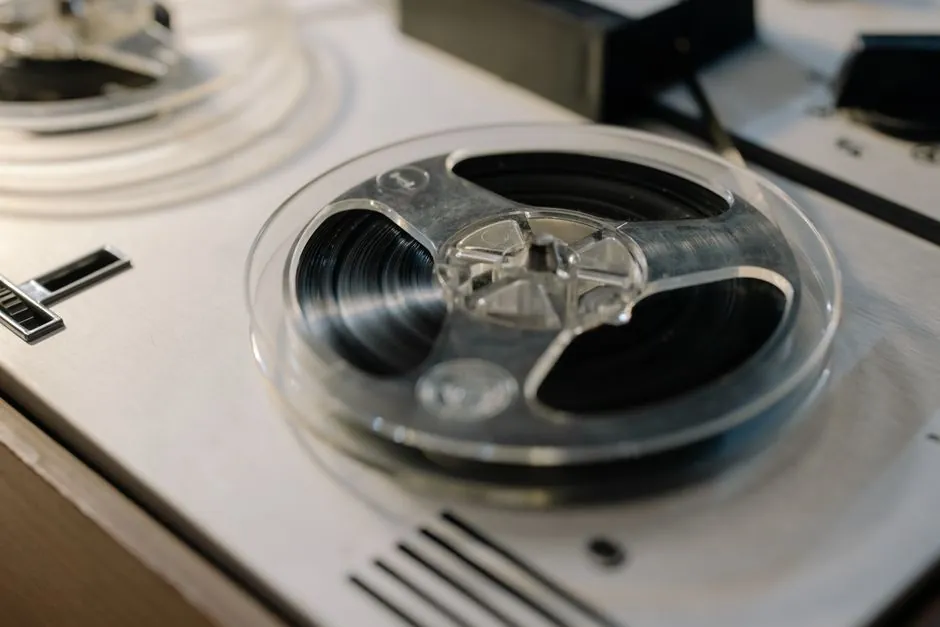
In cold-chain operations across pharma, biotech, food, and chemicals, a temperature recorder is the lowest-cost insurance against product loss: a single excursion above 8°C on a vaccine pallet or below -20°C on frozen biologics can destroy a whole batch, so the recorder's accuracy class, interval, and readout method matter more than its brand [S1][S2].
Specifying on five axes (single-use vs multi-use, USB vs real-time IoT, sensor range and accuracy, alarm logic, and report/audit integration) is what separates a working purchase order from a compliance gap. For facilities-grade work, see the temperature monitor reference, and for combined humidity tracking, the temperature humidity recorder entry.
Pick the Form Factor First: Single-Use, Multi-Use, or Real-Time
For export, air freight, and sea freight, single-use USB loggers are the default because the device is not recovered, so reverse-logistics cost drops to zero and operational workload stays low [S1]. A common configuration is a USB temperature data logger such as the tempmate-S1 for air/sea, paired with a 4G/NB-IoT real-time monitoring device for road transport and warehousing, where alerts must trigger the moment an excursion occurs [S1].
Multi-use loggers belong in internal logistics loops, high-value product flows, and permanent room/equipment monitoring where the per-trip cost is amortised over years [S1][S3]. A multi-use PDF data logger such as the ELPRO LIBERO CH targets both shipment and site storage, while a cellular IoT real-time logger such as the LIBERO GH adds location, light, and tilt channels for high-value pharmaceutical and clinical-trial loads [S3]. For sites that need a paperless trail at the recorder itself, the paperless recorder reference lays out the display and storage architecture.
Sensor Range, Accuracy, and the Standards That Anchor Them
Typical industry operating windows set the spec floor: pharmaceutical cold-chain at 2°C to 8°C, frozen foods below -20°C, and chemicals defined per product, so the recorder's calibrated range must bracket the duty with margin on both ends [S1]. Accuracy should be specified in °C, not as a vague "high precision" claim; common commercial classes are ±0.5°C and ±1.0°C, and the higher-grade option is mandatory for GDP pharma work and most frozen biologics [S1].
For transport, EN 12830 is the European standard that defines accuracy, range, and recording-interval requirements for temperature recorders used in the storage and transport of chilled, frozen, and deep-frozen foodstuffs, and is the cleanest single-line evidence to demand on a datasheet [S2]. In regulated pharma, the more binding envelope is GDP (Good Distribution Practice) plus GxP-grade validation; GAMP 5 and FDA 21 CFR Part 11 are the usual pair cited for validated, audit-ready data loggers and centralised platforms [S3]. Sensor stability and the availability of a factory inspection or calibration certificate per unit are the other two checks that close out this axis [S1].
Alarms, Interval, and Battery: Where Field Failures Actually Start
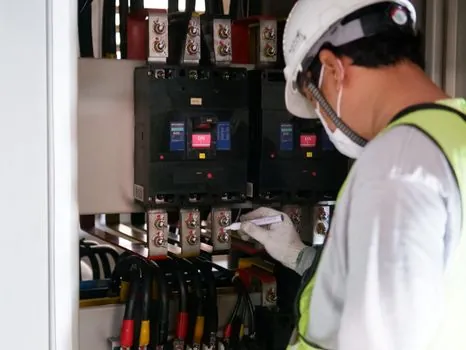
Most recorder "failures" in audits are configuration failures, not hardware failures, and the dominant cause is incomplete alarm logic on the device [S1]. A correct alarm definition sets a high limit, a low limit, and an allowed-excursion duration (for example, "above 8°C for 5 minutes") so transient door openings at a dock do not flag the whole shipment [S1]. Logging interval is the other knob: 10 or 30 minute intervals are typical defaults for multi-day shipments, balancing memory depth against excursion resolution [S2].
Battery choice is tied to both transport legality and disposal burden: most electronic loggers use lithium cells, which require specialist e-waste handling and may face restrictions on air freight, whereas lithium-free paper-based recorders route through standard paper recycling and ride temperature extremes more stably [S2]. Waterproofing (IP rating) matters for sea freight, refrigerated road transport, and any application where condensation or ice forms on the device [S2]. For closed-loop process loops where the recorder feeds a controller, the matching temperature controller reference covers the actuation side.
Data Path, Readout, and Audit Integration
Readout method is decided by who receives the shipment and what hardware they have: a USB logger drops a plug-and-play PDF on any laptop, an NFC-enabled logger lets a receiver pull the report from a smartphone with no app stack, and a Bluetooth or wireless logger feeds a mobile app and cloud dashboard for live fleet views [S2][S3]. Automatic PDF report generation at the device end is the single most useful audit feature, because it removes manual transcription and is the format most QA reviewers and regulators accept [S1][S3].
For multi-site operations, the recorder should hand off to a centralised environmental monitoring platform: liberoMANAGER-style dashboards aggregate real-time alarms, graphing, and long-term archives across rooms, freezers, and shipments so a single query covers GxP audit, GDP review, and customer dispute resolution [S3]. A generic "data is somewhere on a USB stick" stack is the recurring root cause of failed audits, lost dispute cases, and the manual hours spent rebuilding reports that should have been generated automatically [S1].
Industry Fit, Comparison Snapshot, and Who Should Not Pick the Default

Across sectors, the spec weights shift in a predictable way. Fresh produce favours multi-day logging on chilled ranges (typically 2°C to 8°C) with simple PDF export for receivers [S2]. Pharmaceuticals demand the strictest envelope: GDP documentation, ±0.5°C-class accuracy, GAMP 5 / 21 CFR Part 11 validated software, and dual-channel temperature plus humidity where stability data is required [S2][S3]. Floriculture, frozen food, and seed logistics land in between, prioritising battery life, interval flexibility, and waterproofing over real-time telemetry [S2].
A short decision matrix lines the four realistic options up against the four criteria that drive most purchase orders:
Single-use USB logger: low per-unit cost, no real-time alerts, best for outbound air/sea pharma and food shipments [S1].
Multi-use USB/PDF logger: lowest cost per trip over a 2-5 year life, no real-time alerts, best for closed-loop and site storage monitoring [S1][S3].
Cellular IoT real-time logger (4G/NB-IoT): highest unit cost but live excursion alerts, GPS/location, and tilt/light channels, best for high-value road transport and clinical trials [S1][S3].
Combined temperature and humidity logger: adds an RH channel for moisture-sensitive electronics, biologics, and packaging-sensitive goods, at a small premium over temperature-only units [S3].
Who should not pick the default single-use USB option: anyone with a road or last-mile leg where an in-transit alarm prevents a spoiled pallet, anyone running a multi-site facility that needs a single dashboard across rooms and freezers, and any pharmaceutical shipper subject to GDP who needs a validated GxP data path rather than a standalone PDF [S1][S2][S3].
Selection Shortlist and the Two Signals to Track Next
The shortlist logic collapses to four checks: confirm EN 12830 (or an equivalent national standard) for transport, GDP plus GAMP 5 / 21 CFR Part 11 for pharma, ±0.5°C accuracy for any product stored between 2°C and 8°C, and a defined alarm set with high limit, low limit, and allowed duration [S1][S2][S3]. For the broader measurement fundamentals behind these numbers, the temperature measurement reference grounds the sensor-side theory, and the temperature recorder entry covers the architecture of the device family. For buyers in adjacent spec-driven categories, the thermal imaging camera sizing and selection map follows a similar duty-first selection pattern.
Two signals are worth tracking over the next procurement cycle: tighter enforcement of GDP documentation in pharmaceutical last-mile delivery, which keeps raising the bar on validated GxP recorders, and the steady migration of multi-site operators from standalone USB loggers to cloud-aggregated environmental monitoring platforms, which compresses audit prep from days to hours [S2][S3].