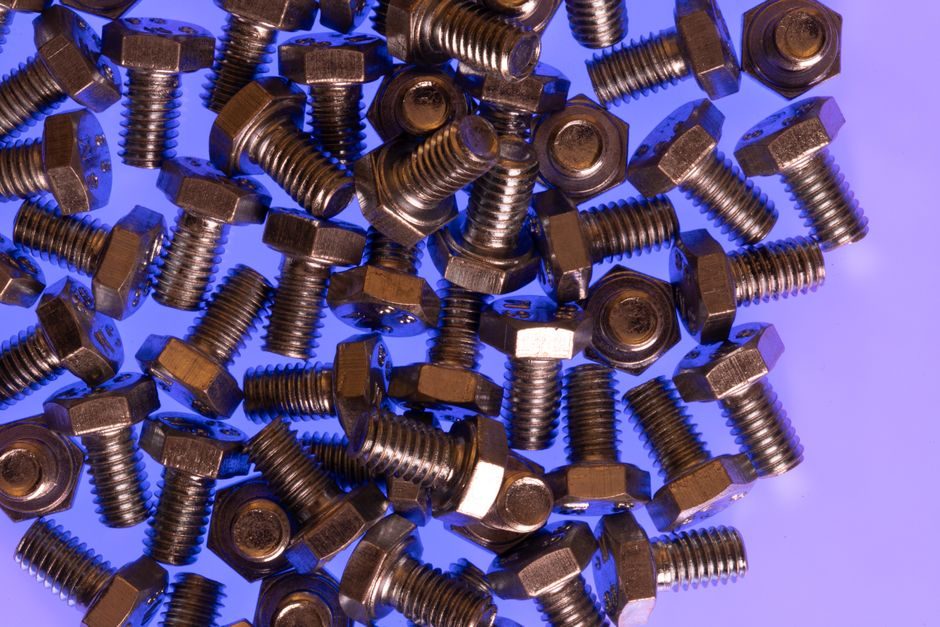
Selection between a cold chamber die casting machine and a zinc hot-chamber platform is governed by alloy family, shot weight, clamp tonnage and cycle-time targets — not by marketing copy.
The decision frame sits inside the broader die casting machine market, where Chinese suppliers including Lanson, Ningbo Sijin and HengMing list both categories under one roof [S1][S6]. The two architectures are not interchangeable: a hot-chamber zinc machine is engineered around a submerged gooseneck and injection plunger immersed in molten zinc, while a cold-chamber unit injects molten metal from a separate dosing furnace into an unheated shot sleeve [S6].
Operating-Temperature and Alloy Family Divide
Hot-chamber zinc machines operate with a molten zinc bath in the 400–450 °C window; Zamak 3, Zamak 5 and Zamak 7 alloys feed directly into the gooseneck [S2]. Cold-chamber machines handle aluminum (660 °C), magnesium (650 °C) and copper (1085 °C) alloys, with the shot sleeve and plunger kept outside the bath to avoid iron pick-up and plunger attack at higher temperatures [S6].
Aluminum zinc alloy die-casting suppliers list IATF 16949 and ISO 9001 certification as standard for mixed Zamak and aluminum part runs, which signals that the alloy family — not the machine badge — drives the spec [S4]. Ningbo Sijin Machinery publishes a side-by-side catalog covering cold-chamber aluminum, hot-chamber zinc, and dedicated aluminum injection platforms on one product page, illustrating how vendors segment the same physical footprint by alloy capability.
Shot Weight, Clamp Tonnage and Machine Class
Cold-chamber die casting machines typically cover 130 t to 550 t clamp force for aluminum part runs; ZhenLi publishes 130T at USD 34,551–74,591, 300T at USD 54,450–97,702 and 550T at USD 88,308–135,718 per set as of 2026-06-18. Hot-chamber zinc machines such as the SH-25 sit at the small end of the frame, designed for fasteners, fittings and decorative hardware under 1 kg shot weight [S2].
The shot-weight gate is the first hard filter in any die casting machine selection frame: cold-chamber platforms handle 1 kg to 50 kg aluminum shots, while zinc hot-chamber platforms peak around 5–8 kg before the gooseneck size penalises cycle time. For a side-by-side treatment of hot-chamber against aluminum die-casting architecture, the Hot Chamber vs Aluminum Die Casting Machine spec frame covers the thermal and cycle-time trade-offs in detail.
Cycle Time, Energy and Throughput
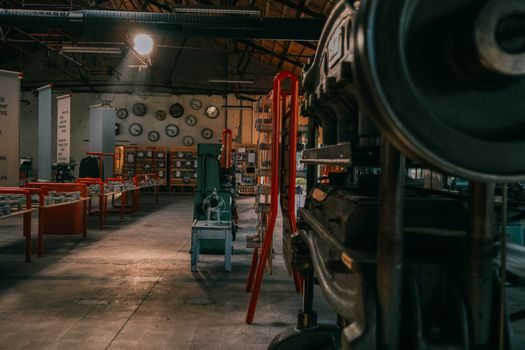
Hot-chamber zinc machines win on cycle time: the submerged plunger and shorter metal path let the SH-25-class platform run 60–120 shots/h in production trim [S2]. Cold-chamber aluminum machines typically land at 30–90 shots/h because the dosing step, sleeve lubrication and slower intensification stroke add fixed seconds to every cycle [S6].
Energy cost per part tilts toward hot-chamber zinc for thin-wall hardware: lower melt temperature means smaller furnace draw, and the absence of a release-agent-heavy sleeve cuts consumable cost. Cold-chamber aluminum offsets that with longer die life on steel tooling and the ability to run structural automotive parts that zinc cannot reach on strength-to-weight grounds. For shops weighing the die casting machine selection gates before quoting, cycle-time arithmetic and alloy availability are the two non-negotiable filters.
Material Suitability and Application Window
Use a zinc hot-chamber machine when the part is a Zamak 3/5/7 fitting, lock hardware, bathroom fixture, electrical connector or decorative trim under 1 kg finished weight, with cosmetic surface finish and tight dimensional tolerance as priorities [S2][S4]. The submerged-plunger design delivers a stable fill that suits thin-wall castings down to 0.8 mm wall thickness on production tooling [S2].
Use a cold-chamber aluminum or magnesium machine when the part is an automotive structural node, motor housing, robot-arm bracket, telecommunications enclosure or 2–3 mm-wall aluminum heat sink where strength, temperature resistance and post-machining register exceed what zinc offers [S4][S6]. Lanson markets its cold-chamber line specifically to automotive parts, electrical appliances and telecommunications housings, with magnesium and copper variants extending the same frame [S6].
Selection Criteria Comparison: Cold Chamber vs Zinc Hot Chamber
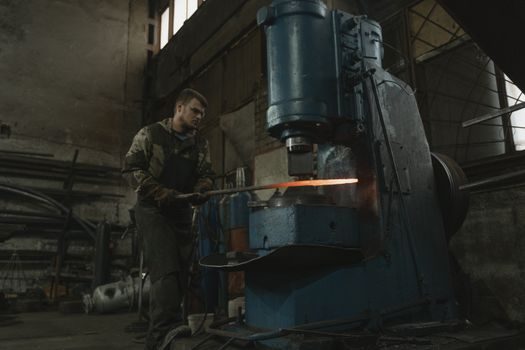
Four engineering criteria separate the two platforms cleanly. First, melt temperature: zinc hot-chamber holds 400–450 °C; cold-chamber aluminum runs 660–720 °C in the dosing furnace [S2][S6]. Second, shot weight: hot-chamber zinc tops out around 5–8 kg, cold-chamber aluminum covers 1–50 kg with the ZhenLi 550T reaching the upper end at USD 88,308–135,718/set. Third, cycle rate: zinc hot-chamber delivers 60–120 shots/h versus 30–90 shots/h for cold-chamber aluminum, a roughly 1.5–2x throughput gap on equivalent automation [S2][S6]. Fourth, tooling life: hot-chamber zinc dies commonly reach 1 million+ shots on Zamak grades; cold-chamber aluminum tooling lands at 100,000–300,000 shots before refurbishment, depending on steel grade and cooling layout [S6].
The verdict is binary at the spec layer: if the alloy is zinc or Zamak and the shot weight is under 1 kg, a hot-chamber zinc machine wins on cycle time, energy and surface finish. If the alloy is aluminum, magnesium or copper, or the shot weight exceeds 1 kg, a cold-chamber platform is the only correct choice — running zinc in a cold-chamber unit is technically possible but wastes furnace energy and forfeits the cycle-time advantage.
Who Each Platform Is For — and Who It Is Not For
A cold-chamber aluminum or magnesium die casting machine is for foundries serving automotive Tier 1s, telecommunications OEMs, motor housing plants and any shop with structural or thermal-management castings. It is the wrong tool for sub-500 g Zamak hardware runs, where the cold-chamber cycle and energy overhead erase margin. [S1]
A zinc die casting machine is for job shops making locks, bathroom fittings, electrical enclosures and decorative trim where cosmetic finish and fast cycle time are decisive. It is the wrong tool for any alloy above 450 °C melt point, and attempting magnesium, aluminum or copper in a hot-chamber zinc machine will destroy the gooseneck and plunger within a shift. HengMing Machinary lists both categories alongside kneader mixers and special-purpose metal-processing lines, indicating that mixed-alloy job shops frequently hold one of each rather than trying to standardise on a single platform [S1].
Limitations, Failure Modes and Sourcing Standards
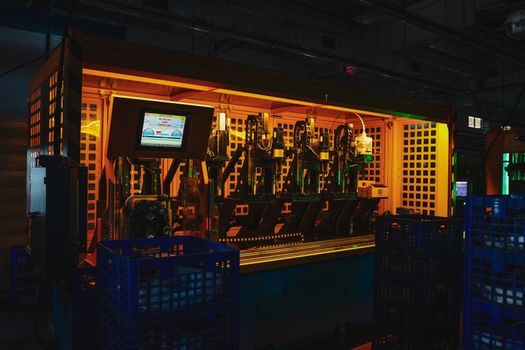
Cold-chamber aluminum machines require shot-sleeve lubrication, longer warm-up cycles and dedicated aluminum-handling furnaces; ferrous contamination from steel tooling or transfer ladles is a common defect root cause when shops mix zinc and aluminum on shared equipment. Hot-chamber zinc machines are vulnerable to zinc sludge accumulation in the gooseneck after prolonged hold time and to attack on the plunger from high-iron-content Zamak scrap — both failure modes vanish only with disciplined melt hygiene and certified alloy ingot sourcing [S2][S6].
Sourcing-grade documentation follows ISO 9001 minimum, with automotive Tier 1 part runs increasingly requiring IATF 16949 certification on the supplier; Ningbo Sijin, Lanson and the Made-in-China supplier index all surface both certifications as buyer filter criteria [S4][S6]. For shops standardising supplier qualification, a die casting machine buying guide frame gives the alloy-by-alloy shot-weight and clamp-tonnage matrix needed to shortlist a vendor before quote requests go out.
Next node: monitor the 2026-06-18 ZhenLi cold-chamber price book and any subsequent 550T or larger aluminum platform launches, since clamp tonnage is the most reliable leading indicator of where the cold-chamber aluminum market is being quoted into 2026. Track the Lanson magnesium and copper variants [S6] as a second signal: a price drop on the magnesium cold-chamber line would indicate a real shift in the structural-part segment.